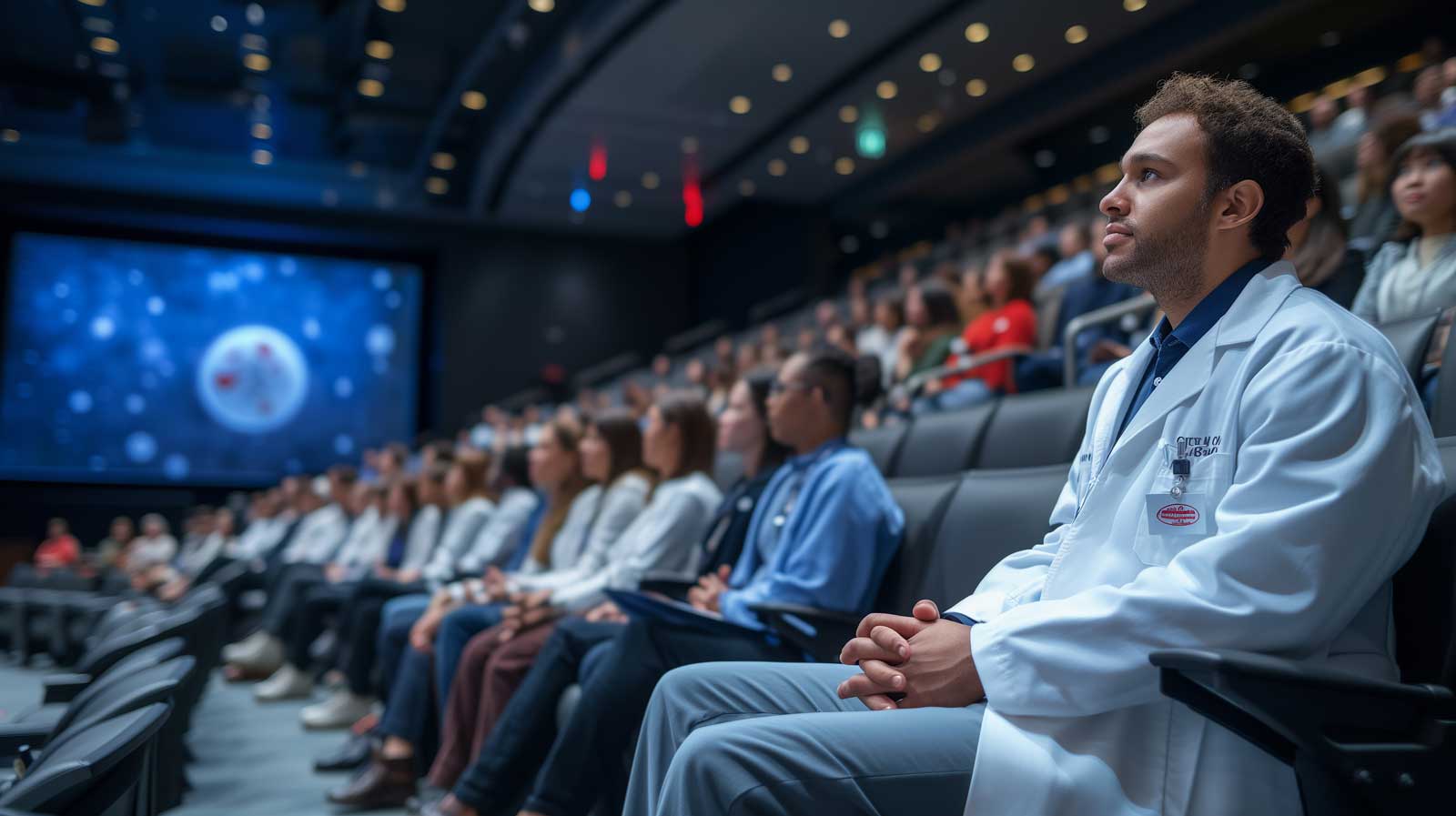
TALHealthFest 2026 San Diego is scheduled for October 30, 2026 at Qualcomm Institute, UC San Diego. For people exploring how integrative healthcare broadens the care conversation, the event offers a timely opportunity to learn, connect and translate ideas into practical action. Details can change, so attendees should confirm the latest agenda and registration information on the official event website.
Event at a glance
- Event: TALHealthFest 2026 San Diego
- Date: October 30, 2026
- Venue: Qualcomm Institute, UC San Diego
- Location: 3195 Voigt Drive, La Jolla, California 92093
- Central theme: healthcare transformation, innovation and access
- Official information: https://talhealthfest.org/
Why this perspective matters
How Integrative Healthcare Broadens the Care Conversation is more than a headline. Purpose-driven events are most valuable when participants connect what they hear to the people, systems and decisions they can influence. TALHealthFest 2026 San Diego will bring together audiences interested in healthcare transformation, innovation and access. The strongest outcome is not simply a collection of notes; it is a clearer understanding of what should happen next, who needs to be involved and how progress can be evaluated.
Events can create a rare pause in routine work. Participants hear experiences outside their own organizations, compare approaches and discover language that makes collaboration easier. That is especially important in social-impact and healthcare settings, where no single institution can solve complex problems alone. The goal should be informed action grounded in community needs, not networking for its own sake.
“A meaningful gathering does not end when the stage lights dim; it continues through the decisions people make afterward.”
What participants can focus on
A useful approach is to listen for patterns rather than isolated statements. Which challenges appear across sectors? Where do speakers or participants describe similar barriers using different terminology? What ideas seem practical at community scale? These questions help people separate memorable moments from insights that can improve a program, partnership or service.
- Listen for needs expressed by communities, not only solutions promoted by organizations.
- Identify ideas that can be tested on a small scale before wider adoption.
- Note where collaboration could reduce duplication or fill a service gap.
- Ask what evidence would demonstrate genuine benefit.
- Record one immediate action and one longer-term question.
Healthcare innovation through a human lens
Healthcare conversations often move quickly toward technology, data and new delivery models. Those tools matter, but their value depends on whether they improve access, safety, trust and outcomes. Discussions connected with TALHealthFest 2026 San Diego should therefore be considered from several perspectives: the clinician delivering care, the patient navigating a complex system, the researcher evaluating evidence, the hospital managing resources and the community organization reaching people who may otherwise be excluded.
Responsible innovation asks practical questions. Is the solution understandable? Can it work in resource-constrained settings? Does it protect privacy? Are people with different languages, abilities and levels of digital access included? Does the approach complement clinical judgment? Keeping these questions visible helps turn enthusiasm into thoughtful implementation.
A practical pre-event checklist
- Read the official event page and confirm the date, venue and current program.
- Choose two learning goals connected to your work or community.
- Prepare a concise introduction that explains the problem you care about.
- Write three thoughtful questions that invite specific, useful answers.
- Plan how you will capture notes without losing active participation.
- Identify colleagues or community partners who should receive a summary.
- Reserve time within one week to decide what to test or follow up.
Turning connections into collaboration
Good follow-up begins with relevance. Instead of sending a generic message to everyone you meet, refer to the specific conversation, share the promised resource and suggest a manageable next step. A 20-minute call, an introduction to a subject-matter expert or a small working session is often more productive than an ambitious proposal made too early.
Trust grows when people are clear about capacity and expectations. State what you can contribute, what you need and when you will respond. If a partnership concerns a community, include community representatives in the planning. This prevents organizations from designing around assumptions and keeps the relationship accountable to the people it is intended to serve.
How to measure what happens next
Attendance alone does not describe impact. A simple measurement plan can track learning, relationships and action over time. Within 48 hours, record the most relevant insights and contacts. After 30 days, check whether participants held follow-up conversations, shared knowledge internally or started a small experiment. After 90 days, document what changed, what did not and what support is still required.
- Learning: ideas understood well enough to explain or apply.
- Connection: relevant relationships that continued beyond the event.
- Action: pilots, referrals, volunteer commitments or policy discussions started.
- Reach: colleagues and community members who received useful learning.
- Quality: feedback from the people affected by any resulting initiative.
Common mistakes to avoid
One mistake is trying to follow every topic equally. Prioritization produces deeper learning. Another is collecting contacts without a reason to reconnect. A third is sharing event content without checking accuracy, context or permission. Organizations should also avoid announcing partnerships before responsibilities and community benefit are clear.
For historical coverage, date accuracy is essential. TALHealthFest 2026 San Diego is scheduled for October 30, 2026. Articles should not blur that distinction or imply that a past agenda is current. For upcoming coverage, readers should always be directed to the official source for late changes.
A 30-day action plan
- Days 1–3: organize notes, verify facts and send specific follow-ups.
- Days 4–7: share a short internal briefing focused on decisions, not a transcript.
- Week 2: select one realistic experiment or partnership conversation.
- Week 3: involve stakeholders who were not at the event, especially community voices.
- Week 4: review early evidence, document obstacles and decide whether to continue, adapt or stop.
Frequently asked questions
When and where will TALHealthFest 2026 San Diego take place?
TALHealthFest 2026 San Diego is scheduled for October 30, 2026 at Qualcomm Institute, UC San Diego, 3195 Voigt Drive, La Jolla, California 92093.
Where should readers verify details?
Use the official page at https://talhealthfest.org/. This is particularly important for registration, agenda and speaker updates.
How can organizations use the event constructively?
Set learning goals, involve colleagues and community stakeholders, follow up selectively and measure whether insights lead to better decisions or useful action.
Moving from an event to sustained impact
The enduring value of TALHealthFest 2026 San Diego depends on what people do with the ideas and relationships it creates. Whether readers are preparing for the event or revisiting its themes, the most useful question is simple: what is one responsible action that can begin now? Clear purpose, careful listening and accountable follow-through can turn a gathering into progress that communities recognize and value.