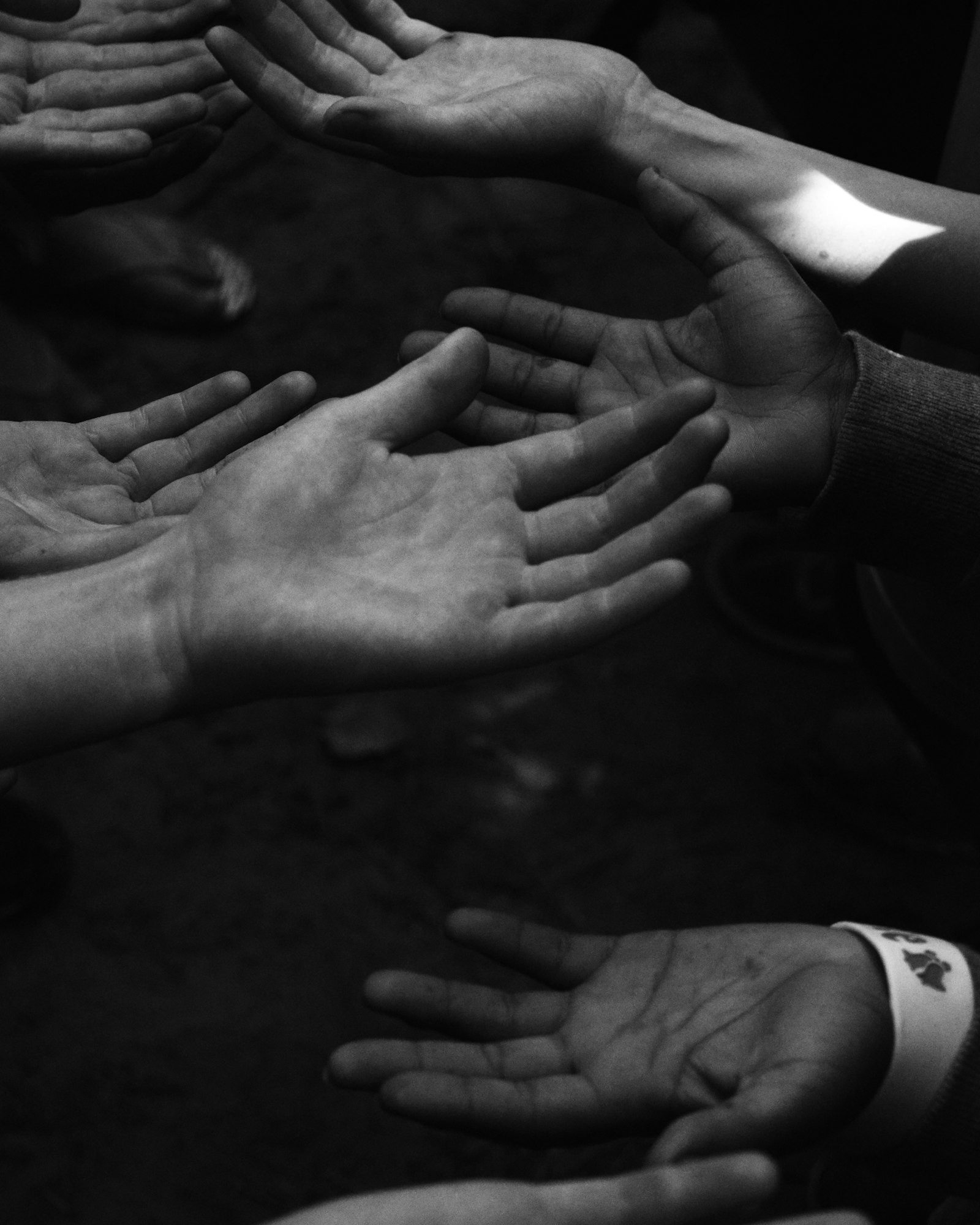
A useful discussion of the role of nonprofits in ending local hunger begins with dignity and choice. People facing hunger are not passive recipients; they understand local prices, seasons, transport, cooking conditions and household priorities. Effective programmes value that knowledge, respond to immediate needs and change the systems that repeatedly make adequate food difficult to obtain.
Sustainable Development Goal 2 calls for ending hunger, improving nutrition and promoting sustainable agriculture. The World Food Programme’s explanation of food security emphasizes access to enough safe and nutritious food for a healthy life. These principles place nonprofits in ending local hunger inside a food system shaped by production, incomes, public services, markets, care responsibilities and exposure to shocks.
“A hunger-free community is built when reliable nourishment becomes a shared system, not an occasional act of relief.”
Why this issue matters for Zero Hunger
For this topic, a strong starting point is coherent policy, transparent evidence, accountable partnerships and community influence over the systems that shape food security. The parts are interdependent. A productive harvest does not guarantee access if prices, transport or unequal decision-making exclude households. Food assistance can prevent immediate harm yet leave the original livelihood or market constraint unchanged. Nutrition information is valuable, but it cannot make an unaffordable diet affordable. Good design therefore connects the most urgent barrier with the conditions required for lasting security.
What an effective response requires
An effective response to nonprofits in ending local hunger combines immediate protection with a route toward resilience. It begins by defining whose food security is at stake, which dimension of food security is failing and what local institutions already do. It then selects a manageable action, clarifies technical and safeguarding responsibilities, and creates a feedback loop before expansion.
- Publish data limits and distributional effects: convert this principle into a funded task, a responsible owner and a way for communities to report barriers.
- Give communities meaningful authority in programme design: convert this principle into a funded task, a responsible owner and a way for communities to report barriers.
- Define public responsibilities and minimum standards: convert this principle into a funded task, a responsible owner and a way for communities to report barriers.
- Fund local capacity and independent learning: convert this principle into a funded task, a responsible owner and a way for communities to report barriers.
- Coordinate agriculture, health, education and social protection: convert this principle into a funded task, a responsible owner and a way for communities to report barriers.
Sequencing should reflect local evidence. A household may first need emergency food or cash support, followed by affordable services, livelihood assistance or access to a dependable market. A producer may need water, storage, information or a fair buyer before a new technology adds value. The right sequence reduces hidden costs and makes it less likely that one improvement creates a new form of exclusion.
A practical action checklist
- Separate urgent assistance from the longer pathway to stable food access.
- Test location, timing, eligibility, language and digital requirements for exclusion.
- Consult qualified nutrition, agriculture or food-safety professionals where needed.
- Create safe feedback, complaint and referral routes.
- Agree how local institutions will sustain useful elements after initial funding.
A realistic community example
Consider a hypothetical neighborhood partnership working on nonprofits in ending local hunger. Residents explain that food is sometimes available nearby but remains unaffordable or difficult to reach at suitable hours. The partnership combines an immediate access measure with referrals, retailer engagement and a plan to strengthen household income. It keeps a non-digital access route and invites participants to review the rules. Expansion depends on evidence of reliable access and dignity, not merely the number of registrations or packages distributed.
The most important feature of this scenario is the learning process. Participants can challenge inconvenient rules, delivery staff can identify safety or access problems, and funders can see why adaptation is responsible management. The coalition also avoids inventing success: it reports what changed, what remains uncertain and which wider economic or environmental forces influenced the result.
Common mistakes to avoid
Common mistakes include announcing commitments without funded delivery plans, using national averages that conceal local exclusion, and allowing partnership branding to replace accountability. Teams also weaken results when they select only people easiest to reach, treat a short pilot as proof of long-term impact, or report food volume without asking whether diets became more reliable, safe and appropriate. Examining non-participation and dropout can reveal barriers hidden by an impressive headline number.
Communication must protect dignity. Avoid images or stories that identify people experiencing hardship without informed consent. Do not imply that hunger results from poor personal choices, and do not use health or dietary claims beyond the evidence. When children, patients, displaced people or other protected groups are involved, collect the minimum necessary data and use professional safeguarding review.
How to measure meaningful progress
Measurement should combine reach, quality, equity, safety and durability. Useful indicators for this topic include public accountability for budgets and commitments, equity of outcomes across population groups, community influence and confidence in institutions, and coverage and continuity of essential programmes. The FAO overview of hunger measurement shows why different questions require different indicators. Programmes should not replace established population measures with an untested score simply because it is convenient.
Outputs such as meals served, farmers trained, gardens created or storage units installed help manage delivery, but they do not prove reduced hunger. Outcomes ask whether access is more consistent, diets are more diverse, producers are more secure and households use fewer harmful coping strategies. Qualitative feedback can explain why results differ, while administrative and market data can help track coverage, cost and reliability.
Define the baseline, review rhythm and decision rules before launch. Disaggregate data only when safe, protect small groups from identification and document important external changes such as prices or weather. Publish both progress and limitations. Measurement should help communities and implementers make better decisions, not turn people’s hardship into surveillance or promotional material.
Authoritative resources and outbound references
- United Nations SDG 2 targets and indicators
- FAO global hunger and food insecurity resources
- World Food Programme explanation of food security
- The State of Food Security and Nutrition in the World
- FAO methods for measuring hunger
- WFP food security analysis and monitoring
These institutional sources provide global frameworks rather than personal instructions. Local conditions, law, food-safety requirements, health needs and ecological limits determine how an approach should be applied. Decisions involving nutrition, pregnancy, children, clinical care, animal health, food handling, water or technical production systems require qualified local professionals.
Turning evidence into action
The Role of Nonprofits in Ending Local Hunger cannot be advanced by one organization or a single campaign. A credible next step is to convene affected households and producers, define one specific barrier, map existing responsibilities and test a modest improvement with transparent safeguards. Keep what evidence and community experience support, change what does not, and explain the reasoning publicly.
The aim is a food system in which people can reliably obtain nourishing food, producers can earn viable livelihoods and natural resources remain capable of supporting future generations. Action on nonprofits in ending local hunger contributes to SDG 2 when it protects dignity, reaches those facing the greatest barriers and builds capacity that remains useful beyond the first funding cycle.