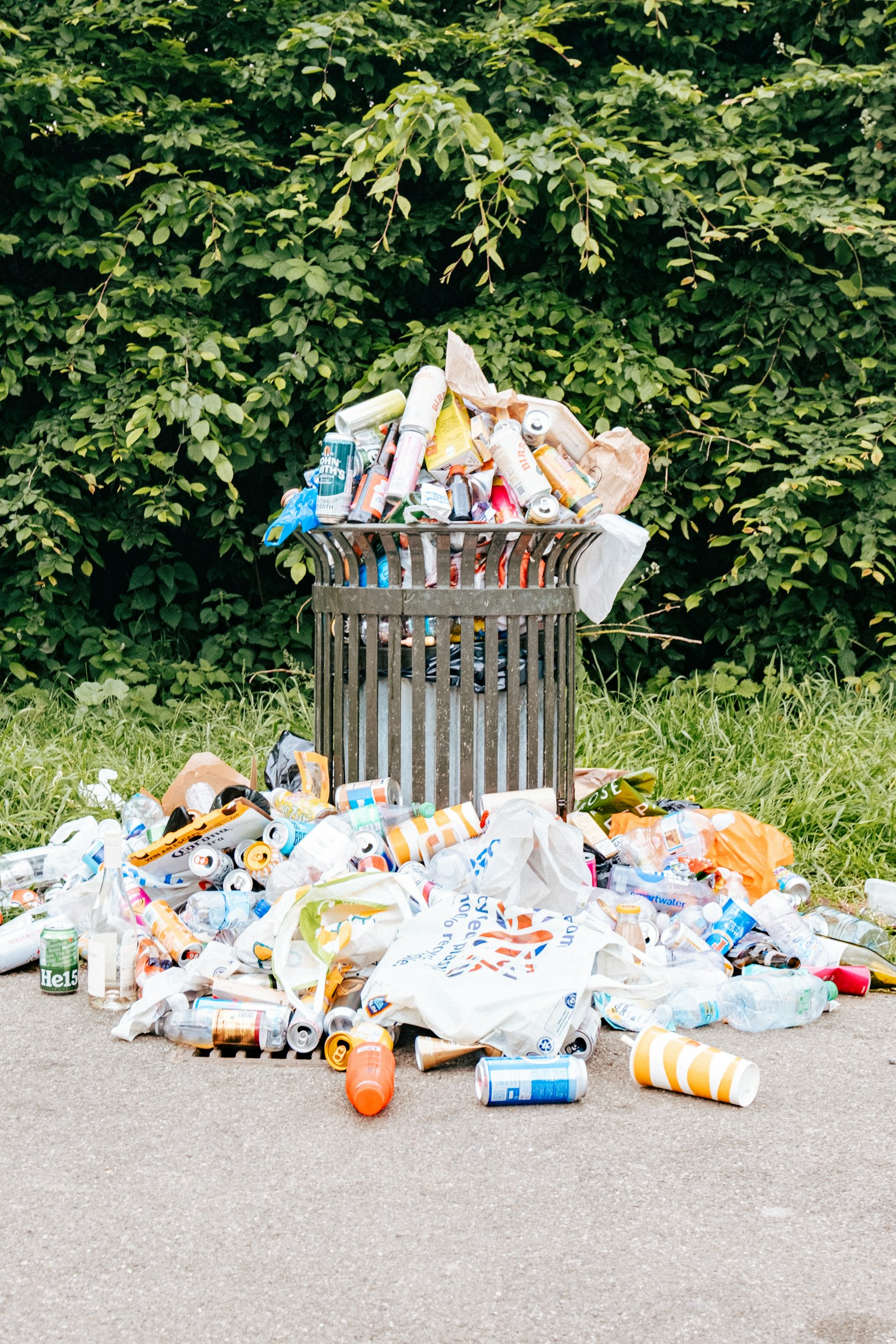
How Governments Can Purchase More Responsibly is not only about what a person buys or discards. Products are shaped by design specifications, sourcing, finance, marketing, repair access, public infrastructure and rules governing waste and responsibility. A credible response therefore examines the full system and asks who controls each decision, who gains value and who carries environmental or social cost.
Sustainable Development Goal 12 connects resource efficiency, waste prevention, chemicals and waste management, corporate reporting, sustainable procurement and informed consumption. UNEP Goal 12 resources, UNIDO cleaner-production guidance, FAO food-loss resources, WHO health-care-waste guidance and OECD circular-economy work offer complementary institutional perspectives. Global guidance must be interpreted through current local law, infrastructure and professional standards.
“How Governments Can Purchase More Responsibly becomes credible when waste is prevented, value is retained and responsibility remains visible throughout the product’s life.”
Connecting the issue to responsible production
For this topic, a strong starting point is credible market and policy rules that make impact claims comparable, assign responsibility through the product life cycle and provide remedy when promises fail. Circularity begins with preventing unnecessary demand and harmful design. Keeping products, components and materials useful generally requires different business models, capable maintenance, clear information and logistics that work in the places where people actually live.
The practical question behind governments can purchase more responsibly should be precise: which product or service function is needed, which impact is material, across what boundary and over what period? The answer may involve design, procurement, regulation, consumer information, service delivery or end-of-life responsibility. Naming the intervention prevents a minor recycling activity from being presented as system transformation.
Equity matters because sustainable options can demand time, money, storage, transport or digital access that not everyone has. Workers and communities can also bear pollution and unsafe processing far from the point of purchase. Responsible action considers affordability, accessibility, livelihoods, worker rights and remedy alongside environmental performance.
Designing for prevention, value and accountability
Work on governments can purchase more responsibly should start by mapping the current flow: raw materials, manufacturing, transport, use, maintenance, return and final treatment. Identify who owns each decision and where data becomes uncertain. Then prioritize changes that prevent impact at source before relying on downstream recovery.
- Define claim scope, baseline and evidence: name an accountable owner, allocate resources and provide an accessible route for feedback or remedy.
- Publish assurance, limitations and corrective action: name an accountable owner, allocate resources and provide an accessible route for feedback or remedy.
- Trace the highest-risk tiers rather than only direct suppliers: name an accountable owner, allocate resources and provide an accessible route for feedback or remedy.
- Assign end-of-life responsibility and finance: name an accountable owner, allocate resources and provide an accessible route for feedback or remedy.
- Align procurement with measurable specifications: name an accountable owner, allocate resources and provide an accessible route for feedback or remedy.
Claims should match evidence. State the baseline, system boundary, time period and functional unit. Explain whether a result concerns one product, a facility, a supplier tier or the organization as a whole. If an estimate depends on assumptions or modeled scenarios, label it accordingly and avoid implying that one attribute makes the entire product sustainable.
Checklist for responsible implementation
- Define the product, service or material outcome related to governments can purchase more responsibly.
- Map inputs, impacts, ownership and decision points across the life cycle.
- Apply prevention before reuse, recovery or disposal claims.
- Check worker rights, affordability, accessibility, safety and local requirements.
- Choose output, outcome, absolute-impact and unintended-effect indicators before launch.
- Verify downstream partners, evidence and claims independently where risk is material.
- Publish limitations, learning and corrective decisions alongside progress.
How this could work in practice
Consider a non-identifiable community coalition working on governments can purchase more responsibly. It first distinguishes preventable demand from unavoidable material needs, then compares repair, reuse and recovery options against cost, safety and local infrastructure. Small businesses and workers are included in the design. A bounded pilot tracks actual participation and downstream treatment rather than promised capacity. No real person, organization, partner or result is implied.
The important feature is the sequence: define the function, map the life cycle, listen before selecting a solution, clarify responsibility, obtain qualified review where safety is involved, test a bounded change and verify downstream results. Replication should preserve principles while adapting to local markets, law, infrastructure and worker conditions.
Pitfalls that weaken circular outcomes
Common mistakes include reporting intensity while total impact rises, using vague labels without decision-useful evidence, and treating traceability technology as proof of ethical practice. Teams also undermine credibility when they announce a target without establishing a baseline, measure only material collected, or celebrate a percentage improvement while absolute production, waste or harm continues to rise.
Measurement, learning and disclosure
Measurement should cover prevention, service delivered, absolute impact, distribution, safety and long-term value. Useful indicators for this topic include collection, recovery and producer-financed outcomes, verified claim coverage and data quality, supplier traceability and remedy, and procurement performance in use. Define units, geography, denominator, boundary and time period before interpreting a change.
Outputs describe activity: products collected, staff trained, suppliers assessed, repair points opened, food redistributed or policies adopted. Outcomes ask whether fewer resources were required, product life increased, pollution was prevented, workers were safer or people gained affordable access. Diversion from landfill is not automatically proof of prevention or high-value recovery.
Use a baseline and targets where practical, and distinguish measured data from estimates. Review evidence with workers, affected communities and qualified specialists. Track rebound effects, leakage, contamination, service failures, complaints and costs transferred to users. Publish corrective decisions, not only favorable dashboard numbers.
Life-cycle evidence helps avoid burden shifting but does not remove judgment. Compare functionally equivalent options and document data quality. A result that reduces carbon may still affect water, toxicity, land, biodiversity or labor. Focus the analysis on material impacts without claiming that every uncertainty can be eliminated.
Trusted sources for further learning
- United Nations Sustainable Development Goal 12
- UNEP Goal 12
- UNEP sustainable consumption and production policies
- UNIDO cleaner production and circular economy
- UN SDG indicators database
- OECD responsible business conduct
- UN Global Compact sustainability reporting
- UNEP consumer information programme
- UNEP sustainable public procurement
- OECD extended producer responsibility
These links are authoritative starting points, not operational waste, medical, food-safety, chemical or engineering instructions. Verify current classifications, standards, authorized providers and legal duties locally. High-risk material handling and health-care decisions require qualified professionals and responsible authorities.
A practical way forward
A practical next step on How Governments Can Purchase More Responsibly is to identify one product or service function and map its highest-impact decision. Bring affected workers and users into the definition of success, assign responsibility and resources, obtain the necessary review, and test a change small enough to correct.
SDG 12 becomes tangible when organizations can show what demand was avoided, what value stayed in use, what harm was prevented and what remains unresolved. Progress on governments can purchase more responsibly should make responsible choices easier while keeping producers, buyers and institutions accountable for the systems they shape.