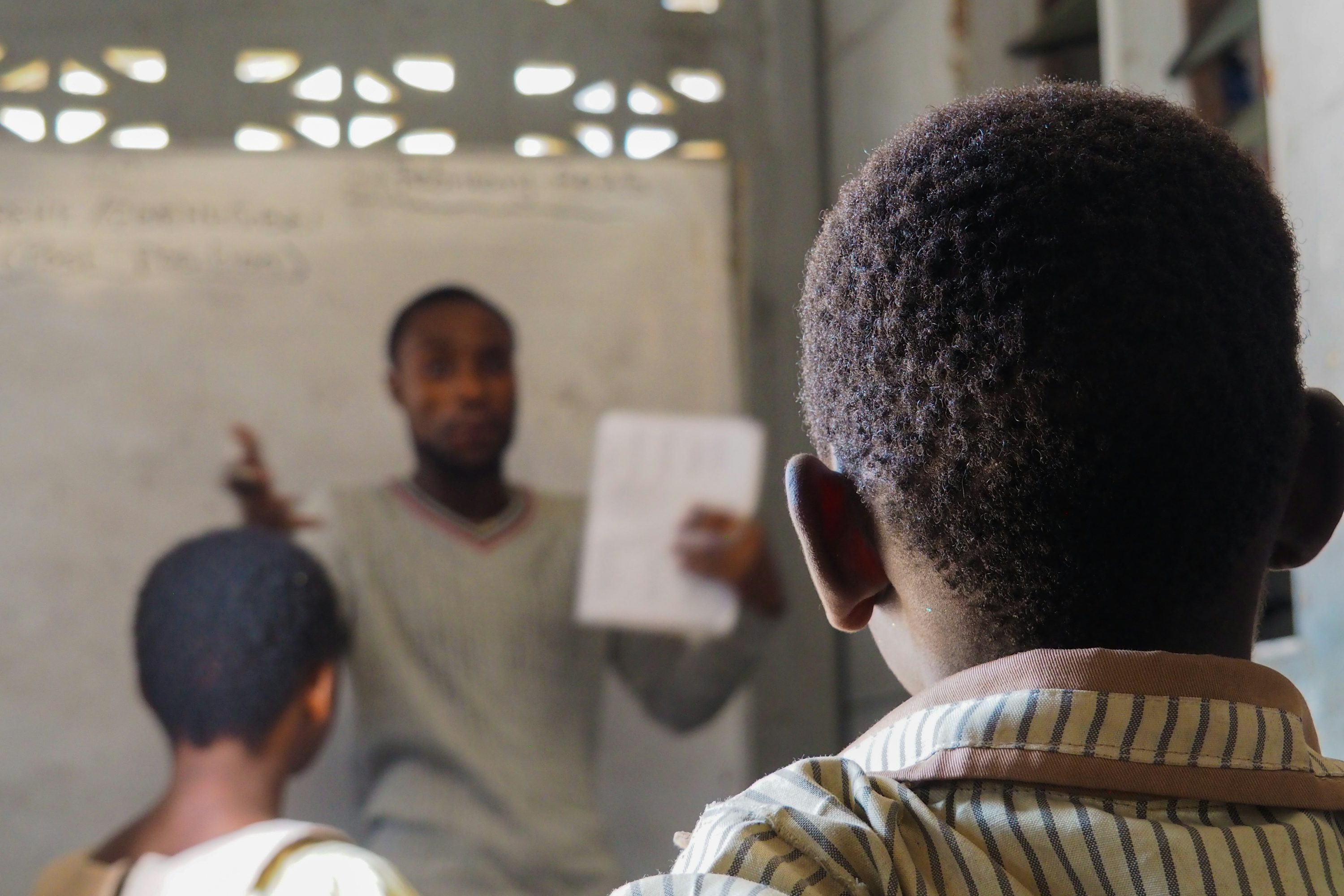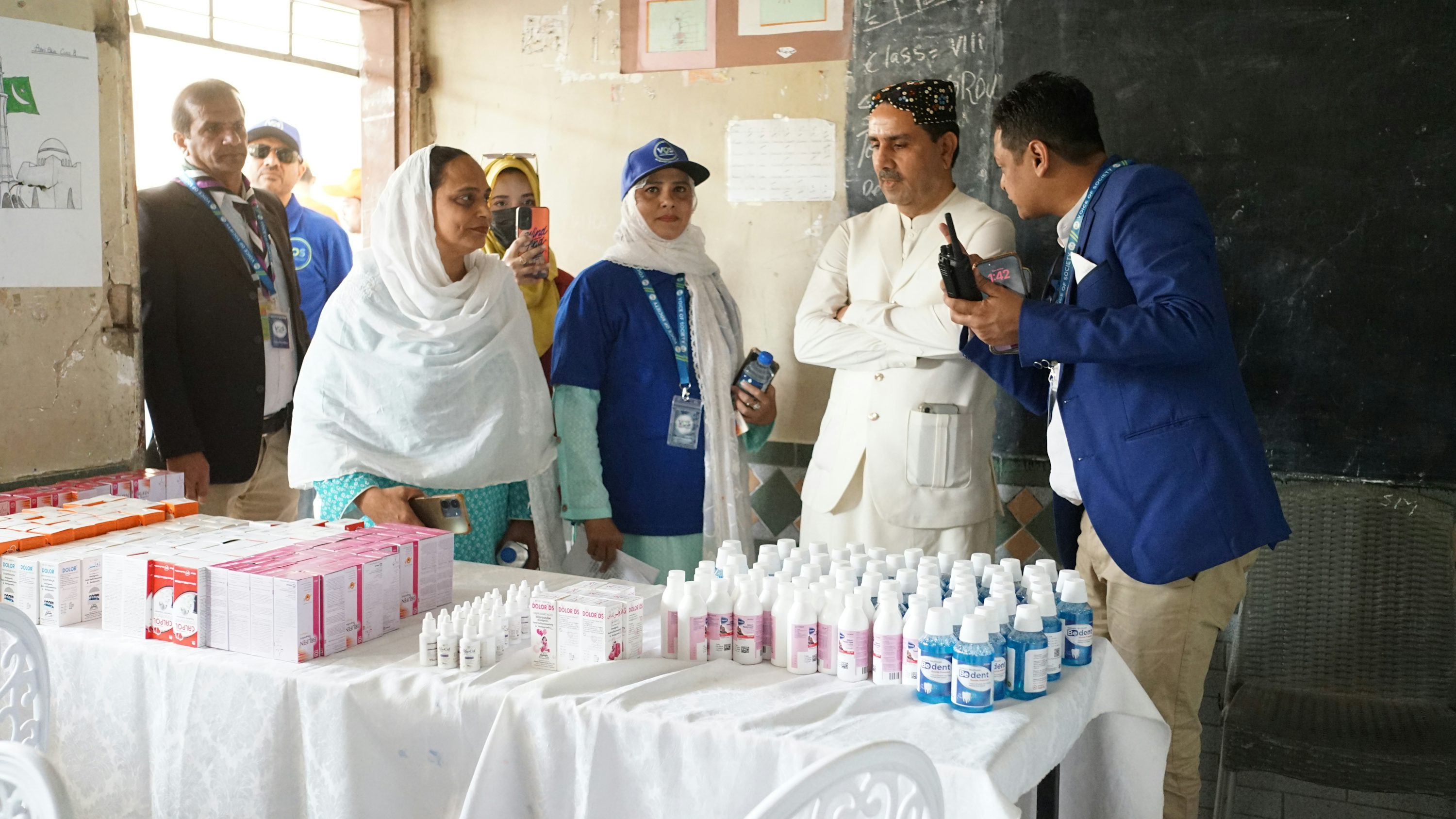
A useful discussion of supporting student mental health and well-being begins with the people most affected: learners, families, educators and communities. They see the costs, language barriers, scheduling pressures, safety concerns and institutional rules that aggregate data can miss. Their experience should guide diagnosis, while public standards and independent evidence help protect every learner’s rights.
Sustainable Development Goal 4 calls for inclusive and equitable quality education and lifelong learning opportunities for all. UNESCO’s education work and UNICEF’s education resources show why access, learning, inclusion and system capacity must be considered together. This places student mental health and well-being inside a wider public responsibility rather than treating it as a stand-alone project.
“Progress on student mental health and well-being lasts when every learner is heard, supported and able to participate.”
Looking beyond access alone
For this topic, a strong starting point is a whole-school environment where safety, health, belonging and learning reinforce one another and qualified services are available when needed. These elements reinforce one another. A learner may be formally enrolled yet unable to understand the language of instruction, reach school safely, use an inaccessible platform or receive timely feedback. A teacher may value a reform but lack preparation time, appropriate materials or professional support. Good policy therefore looks beyond averages and asks who benefits, who remains excluded and why.
Designing for equity, learning and belonging
An effective response to student mental health and well-being begins by defining the specific learner outcome and the barrier preventing it. It then identifies who has authority, knowledge and responsibility. Learners and families contribute lived experience; educators contribute professional judgment; public institutions set and fund standards; and partners can fill a defined gap without displacing accountability.
- Prevent harm through school culture and policy: translate this principle into a funded task, a responsible owner and a way for learners to raise barriers safely.
- Create confidential and age-appropriate support routes: translate this principle into a funded task, a responsible owner and a way for learners to raise barriers safely.
- Coordinate with qualified health and protection services: translate this principle into a funded task, a responsible owner and a way for learners to raise barriers safely.
- Involve students without exposing personal circumstances: translate this principle into a funded task, a responsible owner and a way for learners to raise barriers safely.
- Train staff in safeguarding and referral boundaries: translate this principle into a funded task, a responsible owner and a way for learners to raise barriers safely.
Implementation quality matters as much as the concept. Staff need time to prepare, try and improve the approach. Materials should be accessible and culturally respectful. Data systems should collect only what is necessary for a stated educational purpose, with appropriate retention and access controls. Safeguarding is not a paragraph in a policy; it is a set of trained roles, reporting routes and documented decisions.
A responsible planning checklist
- Separate the urgent access problem from the longer pathway to quality learning.
- Test eligibility, language, timing, technology and location for exclusion.
- Create safe feedback, complaint and referral routes for learners and families.
- Pilot a manageable change before expanding it.
- Agree who will sustain useful elements after initial funding ends.
How the approach could work locally
Consider a hypothetical school partnership working on student mental health and well-being. Students explain through safeguarded group consultation that a well-intended programme is difficult to use because of timing, language and connectivity. Educators identify a need for planning time and practical support. The partnership revises delivery, retains an offline option and assigns a trained safeguarding lead. It reports both improvements and unresolved barriers. Expansion depends on evidence of equitable participation and learning rather than registrations, publicity or equipment distributed.
The useful lesson in this scenario is the learning process. Participants can challenge rules that create exclusion, educators can identify unrealistic workload and leaders can see why adaptation is responsible management. The team also avoids inventing success: it distinguishes what was delivered, what changed for learners, what remains uncertain and which external factors may have influenced the result.
Pitfalls that weaken results
Common mistakes include using a single awareness event in place of sustained support, asking teachers to diagnose or treat students, and publishing identifiable stories of distress or harm. Teams also weaken programmes by selecting only easy-to-reach participants, confusing satisfaction with learning, or publishing a promising pilot as if it proved long-term change. A low complaint count is not automatically evidence of safety; learners may not know the channel, trust it or be able to use it privately.
Communication should protect dignity and agency. Do not use identifiable images, disability information, migration history, health details or experiences of violence as promotional material without lawful, genuinely informed consent and appropriate safeguarding review. Children should never carry the burden of validating an organization’s impact claim. Use composite, non-identifiable examples unless a carefully reviewed public account is essential.
Measurement, learning and accountability
Measurement should combine reach, quality, equity, safety and durability. Useful indicators for this topic include safeguarding concerns handled through accountable processes, student-reported safety and belonging, attendance and participation patterns, and timely access to qualified support. The UNESCO Institute for Statistics provides internationally comparable education data, while local qualitative evidence can explain barriers that summary indicators miss.
Outputs such as teachers trained, devices distributed, lessons delivered or facilities completed help manage implementation, but they do not prove learning. Outcomes ask whether knowledge, skills, participation, progression or belonging changed. Disaggregate results only when groups are large enough to protect privacy, document missing data, and examine non-participation and dropout. That is often where exclusion becomes visible.
Define the baseline, review schedule and decision rules before launch. Combine appropriate assessment evidence with teacher observation and safeguarded learner feedback. Compare cost with quality and reach, not with activity alone. Report positive, mixed and negative findings so communities and funders can distinguish honest learning from promotion.
Authoritative resources and outbound references
- United Nations SDG 4 targets and indicators
- UNESCO education programmes and evidence
- UNICEF education resources
- World Bank education overview
- OECD education policy and data
- UNESCO safe learning environments
- UNICEF mental health and psychosocial support
- UNESCO school violence and bullying
- WHO school health services guideline
These sources provide global frameworks rather than instructions for a specific learner or school. National law, curriculum, language, disability rights, safeguarding standards and local capacity determine responsible application. Decisions involving child development, mental health, nutrition, water safety, disability accommodations or emergency response require appropriately qualified local professionals.
A practical way forward
Supporting Student Mental Health and Well-Being cannot be advanced by a single campaign. A credible next step is to convene learners, educators and affected communities through safe participation; define one specific barrier; map existing public responsibilities; and test a modest improvement with transparent safeguards. Keep what evidence and experience support, change what does not and explain the reasoning publicly.
The goal is not simply more educational activity. It is reliable, inclusive learning that expands people’s choices across life. Action on student mental health and well-being advances SDG 4 when it strengthens educators, protects learner dignity, reaches those facing the greatest barriers and builds public capability that remains useful after the first project or funding cycle ends.