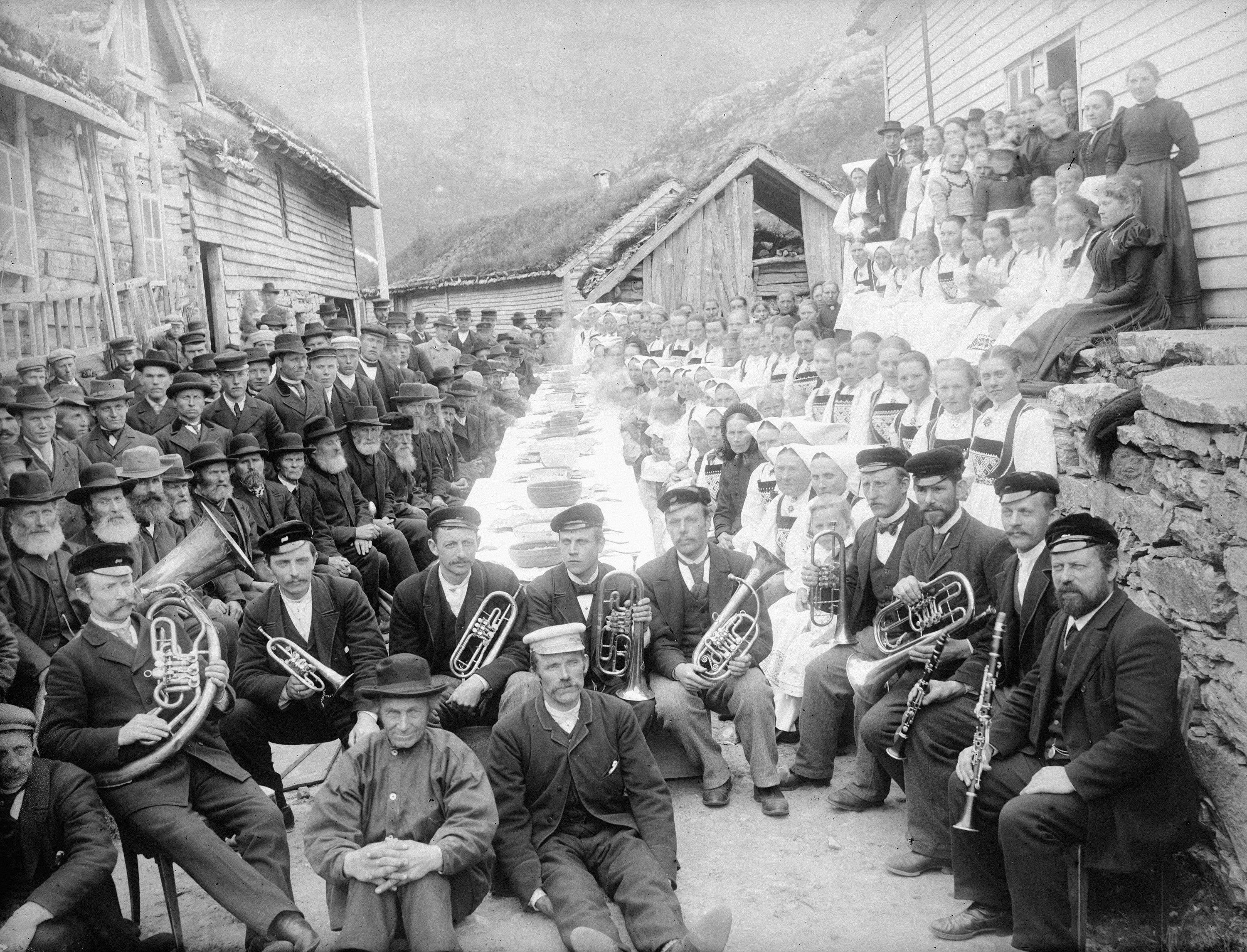
The invisible heroes serving their communities is a useful subject because it connects individual choices with the systems, relationships and opportunities that shape daily life. Giving back is strongest when people contribute through trustworthy channels, listen to local priorities and stay accountable after the visible moment has passed. The practical question is not only whether an action feels positive, but whether it is relevant, accessible, ethical and strong enough to support a better next step.
This guide treats invisible heroes serving their communities as a process rather than a slogan. It focuses on informed generosity that responds to priorities defined by communities and protects dignity from the first request through reporting. Local context will determine the right scale and method, so the approach should remain open to community knowledge, professional standards and evidence that may challenge the original idea.
“The invisible heroes serving their communities joins compassion with evidence: listen first, contribute well and learn openly from the result.”
Why this topic matters
Giving back is strongest when people contribute through trustworthy channels, listen to local priorities and stay accountable after the visible moment has passed. For invisible heroes serving their communities, that means asking who currently has access, who carries the cost, who is missing from decisions and what would count as a meaningful improvement. A single person may initiate the work, but credible results usually depend on cooperation among people with different knowledge and responsibilities.
Immediate action and long-term change are not opposites. A timely contribution can reduce a real burden today, while advocacy, institutional improvement, skills or a sustainable operating model can address why the barrier exists. Responsible planning makes the connection explicit. It avoids presenting one donation, event, introduction, training session or digital interaction as a complete solution.
A practical framework for action
Start by converting The invisible heroes serving their communities into a decision that can be acted upon. Define the person or group, the barrier, the desired change, the contribution and the time horizon. Then examine what is already working. Supporting a capable local organization is often more useful than creating a parallel initiative with no long-term owner.
- Understand restrictions, fees, delivery plans and privacy practices. Name the responsible person, the people affected and the evidence that will guide the next decision.
- Verify the need and the organization responsible for responding. Name the responsible person, the people affected and the evidence that will guide the next decision.
- Ask whether money, goods, services, advocacy or time is most useful. Name the responsible person, the people affected and the evidence that will guide the next decision.
- Review what changed, what did not and what support is still needed. Name the responsible person, the people affected and the evidence that will guide the next decision.
- Avoid using identifiable hardship to pressure people into giving. Name the responsible person, the people affected and the evidence that will guide the next decision.
Boundaries matter. Volunteers should not perform regulated work without appropriate qualifications. Mentors should not promise jobs or investment. Digital tools should not collect sensitive information merely because storage is inexpensive. Organizations should make clear where education ends and professional, legal, financial, safeguarding or crisis support must begin.
Action checklist
- Write one clear, realistic objective for invisible heroes serving their communities.
- Confirm the priority with people directly affected by it.
- Identify an accountable organization, professional or community partner.
- Choose a contribution that matches available skills, time and resources.
- Set consent, privacy, accessibility and safeguarding boundaries.
- Decide which outputs, outcomes and feedback will be reviewed.
- Publish limitations as honestly as successes and assign follow-through.
A realistic non-identifiable example
Consider a fictional community group exploring invisible heroes serving their communities. The people involved begin with listening sessions and a review of services, skills and assets that already exist. They choose one barrier they can address responsibly, define who will make decisions and assign an owner for privacy, accessibility and feedback. The first test is deliberately modest: enough to reveal whether the idea is useful, but small enough to correct without creating dependency or making claims the evidence cannot support. After the test, participants compare experience, quality, reach and unintended effects. They then decide together whether to adapt, continue, partner with a specialist or stop. This is an illustrative composite, not a factual Touch-A-Life programme or a claim about an identifiable person, organization, partner or outcome.
The example is intentionally simple. Its lesson is that a small pilot can preserve learning and dignity when it has a real owner, clear limits and a feedback route. Copying the same intervention everywhere would miss differences in law, language, infrastructure, culture, professional standards and the strengths communities already possess.
Common mistakes to avoid
Three common mistakes are centering donor recognition over recipient dignity, sending unwanted goods that create disposal costs, and reporting activity totals as proof of lasting change. Another is treating a large audience or activity count as proof that people benefited. Reach can be useful, but it says little about quality, relevance, equity, durability or harm unless those questions are examined separately.
How to measure meaningful progress
Measurement for invisible heroes serving their communities should combine outputs, outcomes, quality, equity, safety and durability. Relevant indicators include resources reaching the intended purpose, donor trust, retention and transparent follow-up, recipient experience and choice, and timeliness and quality of delivery. Define each indicator before launch, note the starting position where practical and decide who will review the findings.
Outputs describe what the team delivered: conversations, applications, services, products, volunteer hours, resources or referrals. Outcomes describe what changed for people, organizations or communities. Qualitative feedback explains why an approach felt useful or inaccessible; administrative information helps show continuity, cost and unequal participation. Both should be collected proportionately and protected.
Authoritative resources and outbound links
- United Nations Sustainable Development Goals
- United Nations Development Programme
- United Nations Volunteers
- World Bank development topics
- OECD well-being and inclusion resources
- UN Volunteers knowledge portal
- UN SDG 17 on partnerships
- OECD philanthropy resources
- UNDP local development
- ILO skills and lifelong learning
These institutional sources provide broader frameworks for participation, skills, inclusion, enterprise, development and measurement. They are outbound references for further learning, not endorsements of a particular intervention and not proof of any result described in the illustrative example. Readers should confirm current local requirements with the appropriate qualified body.
Conclusion: take one responsible next step
The next step on The invisible heroes serving their communities can be modest: choose one real barrier, speak with the people who understand it, and define a contribution that can be completed responsibly. Agree on what will be learned before expanding. Make it easy for participants to say that the approach is not useful, and treat that feedback as evidence rather than resistance.
Lasting social value is built through repeated choices: listen before designing, share power, protect dignity, use credible evidence and follow through. When invisible heroes serving their communities is approached this way, even a small action can become part of a wider pattern of opportunity, trust and community capacity.