
How to Speak Up Against Injustice: Making a Difference in Practice

How to Speak Up Against Injustice gives mission-driven teams a focused way to turn broad values into work that people can understand, improve and sustain. The idea matters because lasting change grows when people connect practical action with dignity, inclusion, community knowledge and accountable follow-through. This guide explains how to assess the need, design a practical approach, involve the right people and measure whether the work is producing useful change.

The strongest starting point is not a tool or campaign. It is a clear description of the people involved, the challenge they experience and the conditions that shape it. Organizations should combine available evidence with direct community insight. That creates a more reliable foundation than assumptions, fashionable terminology or a solution chosen before the problem is understood.

What How to Speak Up Against Injustice means in practice

In practice, how to speak up against injustice is a structured process rather than a one-time activity. It connects purpose, participation, delivery and learning. A good design is specific enough for people to know what they are responsible for, while remaining flexible enough to respond when community feedback or evidence reveals a better path.

Teams should define the intended benefit in plain language. They should also identify who might be unintentionally excluded, what resources are available and which decisions require community participation. These questions make the work more realistic and prevent early enthusiasm from hiding operational gaps.

“Lasting impact grows when good intentions are matched by clear roles, shared learning and accountable action.”

Start with a community-informed assessment

An assessment does not need to become a long research project. Begin with existing program data, short interviews, listening sessions and observations from frontline staff or volunteers. Look for differences between what an organization offers and what people can actually access. Time, transport, language, disability, digital connectivity, trust and eligibility rules can all affect participation.

  • Describe the need using both evidence and lived experience.
  • Identify groups affected differently by the same challenge.
  • Map current services, strengths and informal support networks.
  • Separate confirmed facts from assumptions that require testing.
  • Invite community members to review the resulting priorities.

Design a manageable first version

Large ambitions are easier to achieve through a well-defined first cycle. Choose a population, location or service setting where learning can happen safely. Clarify the activity, the responsible team, the resources required and the period for review. A small pilot should still protect participants, respect privacy and meet accessibility needs.

Write down what must remain constant and what can change. The mission, ethical commitments and safety standards usually remain fixed. Communication methods, session timing, volunteer roles or digital workflows may be adjusted after feedback. This distinction helps teams improve without losing purpose.

Build participation into decisions

Participation is meaningful when it changes something. Tell contributors which decisions are open, how their input will be used and when they will hear back. Compensate people for substantial expertise or time whenever possible, especially when organizations would otherwise pay a consultant for similar insight.

Use more than one participation channel. Some people speak comfortably in group meetings, while others prefer interviews, anonymous forms, translated materials or conversations through trusted community partners. Inclusive participation requires choices, accessible formats and enough time to respond.

Practical implementation checklist

  • Write a one-sentence outcome that a community member can understand.
  • Name an accountable owner and a backup decision-maker.
  • Create a simple timeline with review points.
  • Confirm budget, staffing, volunteer and technology requirements.
  • Document accessibility, safeguarding and privacy measures.
  • Agree on two or three indicators before delivery begins.
  • Schedule feedback with participants and frontline partners.
  • Decide how learning will be communicated and acted upon.

A practical example

Imagine a community organization applying how to speak up against injustice to improve participation in a local support program. The team first interviews residents and learns that awareness is not the main barrier; inconvenient timing and unclear eligibility are. Instead of spending the budget on a larger advertising campaign, it tests evening hours, a plain-language eligibility guide and referrals through trusted neighborhood groups.

For six weeks, the organization records enquiries, completed registrations, reasons people leave the process and short satisfaction feedback. The pilot shows which changes reduce friction. The team then keeps the effective elements, revises the weaker ones and shares results with residents. The example illustrates a central principle: design should respond to evidence about the actual barrier.

Common mistakes to avoid

The first mistake is treating activity as impact. Meetings held, posts published or volunteers recruited describe effort, not necessarily benefit. The second is asking for community feedback after every important decision has already been made. The third is expanding too quickly before delivery systems, safeguarding and staff capacity are ready.

  • Using vague objectives that cannot guide decisions.
  • Collecting more data than the team can responsibly protect or use.
  • Depending on one enthusiastic person without succession planning.
  • Copying another organization without adapting to local conditions.
  • Reporting only successes and hiding useful lessons from setbacks.

Measure progress without creating unnecessary burden

Measurement should answer decisions. Combine output indicators, such as participation or completion, with outcome indicators that show whether something improved. Add qualitative feedback to understand why results differ. Disaggregate information only when it is ethical, safe and useful for identifying unequal access or outcomes.

A practical review can use three levels. Weekly monitoring checks delivery and emerging risks. Monthly reflection looks for patterns and necessary adjustments. A quarterly review considers outcomes, cost, equity and whether the work should continue, change or stop. Share findings with participants in accessible language rather than treating evaluation as an internal reporting exercise.

  • Reach: who participated and who remained excluded.
  • Experience: whether people felt respected, safe and able to contribute.
  • Outcome: the change connected to the stated goal.
  • Equity: differences in access or benefit across groups.
  • Sustainability: capacity, funding and partnerships needed to continue.

Strengthen the approach through partnerships

Partnerships are helpful when roles complement one another. A nonprofit may contribute trust and direct service experience; a company may offer specialist skills; a school or public institution may provide access and continuity; residents contribute knowledge about daily realities. Put responsibilities, decision rights, timelines and data practices in writing.

Begin with a bounded project before announcing a broad alliance. Review whether each partner completed commitments and whether the collaboration benefited the community. Honest discussion about power, visibility and resources prevents partnerships from becoming symbolic.

A 90-day action plan

  1. Days 1–15: clarify the need, stakeholders, risks and available evidence.
  2. Days 16–30: co-design a focused pilot and define success measures.
  3. Days 31–60: deliver the pilot, monitor access and respond to feedback.
  4. Days 61–75: analyze results with community and delivery partners.
  5. Days 76–90: decide what to continue, adapt, expand or discontinue.

Communicate with accuracy and dignity

Public communication should explain the challenge without reducing people to hardship. Use consent-based stories, avoid unnecessary personal details and show community members as contributors with knowledge and agency. Be precise about what the organization did, what changed and what remains uncertain.

SEO can help useful guidance reach more people, but search visibility should not lead to exaggerated claims or repetitive pages. Give each article a distinct purpose, answer the reader’s question directly and connect them to relevant programs, resources and ways to participate.

Moving from planning to useful action

How to Speak Up Against Injustice can become a durable part of mission-driven work when teams combine clear outcomes, inclusive participation and disciplined learning. Start with a real need, make the first version manageable, protect people, review evidence and explain decisions openly. The aim is not perfection at launch. It is a trustworthy process that learns quickly and produces value communities can recognize.
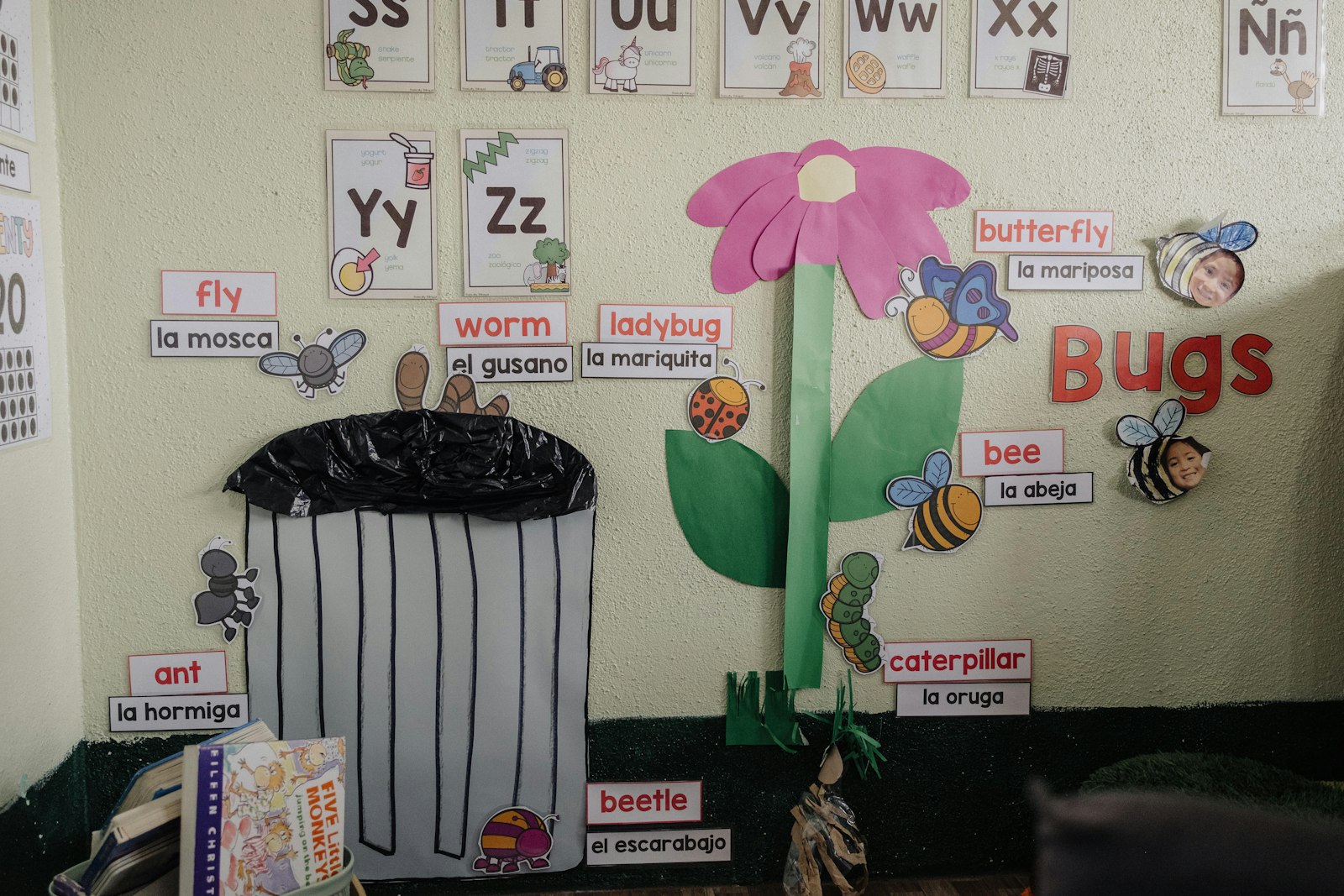

How School Meal Programs Improve Education: Making a Difference in Practice

How School Meal Programs Improve Education gives mission-driven teams a focused way to turn broad values into work that people can understand, improve and sustain. The idea matters because lasting change grows when people connect practical action with dignity, inclusion, community knowledge and accountable follow-through. This guide explains how to assess the need, design a practical approach, involve the right people and measure whether the work is producing useful change.

The strongest starting point is not a tool or campaign. It is a clear description of the people involved, the challenge they experience and the conditions that shape it. Organizations should combine available evidence with direct community insight. That creates a more reliable foundation than assumptions, fashionable terminology or a solution chosen before the problem is understood.

What How School Meal Programs Improve Education means in practice

In practice, how school meal programs improve education is a structured process rather than a one-time activity. It connects purpose, participation, delivery and learning. A good design is specific enough for people to know what they are responsible for, while remaining flexible enough to respond when community feedback or evidence reveals a better path.

Teams should define the intended benefit in plain language. They should also identify who might be unintentionally excluded, what resources are available and which decisions require community participation. These questions make the work more realistic and prevent early enthusiasm from hiding operational gaps.

“Lasting impact grows when good intentions are matched by clear roles, shared learning and accountable action.”

Start with a community-informed assessment

An assessment does not need to become a long research project. Begin with existing program data, short interviews, listening sessions and observations from frontline staff or volunteers. Look for differences between what an organization offers and what people can actually access. Time, transport, language, disability, digital connectivity, trust and eligibility rules can all affect participation.

  • Describe the need using both evidence and lived experience.
  • Identify groups affected differently by the same challenge.
  • Map current services, strengths and informal support networks.
  • Separate confirmed facts from assumptions that require testing.
  • Invite community members to review the resulting priorities.

Design a manageable first version

Large ambitions are easier to achieve through a well-defined first cycle. Choose a population, location or service setting where learning can happen safely. Clarify the activity, the responsible team, the resources required and the period for review. A small pilot should still protect participants, respect privacy and meet accessibility needs.

Write down what must remain constant and what can change. The mission, ethical commitments and safety standards usually remain fixed. Communication methods, session timing, volunteer roles or digital workflows may be adjusted after feedback. This distinction helps teams improve without losing purpose.

Build participation into decisions

Participation is meaningful when it changes something. Tell contributors which decisions are open, how their input will be used and when they will hear back. Compensate people for substantial expertise or time whenever possible, especially when organizations would otherwise pay a consultant for similar insight.

Use more than one participation channel. Some people speak comfortably in group meetings, while others prefer interviews, anonymous forms, translated materials or conversations through trusted community partners. Inclusive participation requires choices, accessible formats and enough time to respond.

Practical implementation checklist

  • Write a one-sentence outcome that a community member can understand.
  • Name an accountable owner and a backup decision-maker.
  • Create a simple timeline with review points.
  • Confirm budget, staffing, volunteer and technology requirements.
  • Document accessibility, safeguarding and privacy measures.
  • Agree on two or three indicators before delivery begins.
  • Schedule feedback with participants and frontline partners.
  • Decide how learning will be communicated and acted upon.

A practical example

Imagine a community organization applying how school meal programs improve education to improve participation in a local support program. The team first interviews residents and learns that awareness is not the main barrier; inconvenient timing and unclear eligibility are. Instead of spending the budget on a larger advertising campaign, it tests evening hours, a plain-language eligibility guide and referrals through trusted neighborhood groups.

For six weeks, the organization records enquiries, completed registrations, reasons people leave the process and short satisfaction feedback. The pilot shows which changes reduce friction. The team then keeps the effective elements, revises the weaker ones and shares results with residents. The example illustrates a central principle: design should respond to evidence about the actual barrier.

Common mistakes to avoid

The first mistake is treating activity as impact. Meetings held, posts published or volunteers recruited describe effort, not necessarily benefit. The second is asking for community feedback after every important decision has already been made. The third is expanding too quickly before delivery systems, safeguarding and staff capacity are ready.

  • Using vague objectives that cannot guide decisions.
  • Collecting more data than the team can responsibly protect or use.
  • Depending on one enthusiastic person without succession planning.
  • Copying another organization without adapting to local conditions.
  • Reporting only successes and hiding useful lessons from setbacks.

Measure progress without creating unnecessary burden

Measurement should answer decisions. Combine output indicators, such as participation or completion, with outcome indicators that show whether something improved. Add qualitative feedback to understand why results differ. Disaggregate information only when it is ethical, safe and useful for identifying unequal access or outcomes.

A practical review can use three levels. Weekly monitoring checks delivery and emerging risks. Monthly reflection looks for patterns and necessary adjustments. A quarterly review considers outcomes, cost, equity and whether the work should continue, change or stop. Share findings with participants in accessible language rather than treating evaluation as an internal reporting exercise.

  • Reach: who participated and who remained excluded.
  • Experience: whether people felt respected, safe and able to contribute.
  • Outcome: the change connected to the stated goal.
  • Equity: differences in access or benefit across groups.
  • Sustainability: capacity, funding and partnerships needed to continue.

Strengthen the approach through partnerships

Partnerships are helpful when roles complement one another. A nonprofit may contribute trust and direct service experience; a company may offer specialist skills; a school or public institution may provide access and continuity; residents contribute knowledge about daily realities. Put responsibilities, decision rights, timelines and data practices in writing.

Begin with a bounded project before announcing a broad alliance. Review whether each partner completed commitments and whether the collaboration benefited the community. Honest discussion about power, visibility and resources prevents partnerships from becoming symbolic.

A 90-day action plan

  1. Days 1–15: clarify the need, stakeholders, risks and available evidence.
  2. Days 16–30: co-design a focused pilot and define success measures.
  3. Days 31–60: deliver the pilot, monitor access and respond to feedback.
  4. Days 61–75: analyze results with community and delivery partners.
  5. Days 76–90: decide what to continue, adapt, expand or discontinue.

Communicate with accuracy and dignity

Public communication should explain the challenge without reducing people to hardship. Use consent-based stories, avoid unnecessary personal details and show community members as contributors with knowledge and agency. Be precise about what the organization did, what changed and what remains uncertain.

SEO can help useful guidance reach more people, but search visibility should not lead to exaggerated claims or repetitive pages. Give each article a distinct purpose, answer the reader’s question directly and connect them to relevant programs, resources and ways to participate.

Moving from planning to useful action

How School Meal Programs Improve Education can become a durable part of mission-driven work when teams combine clear outcomes, inclusive participation and disciplined learning. Start with a real need, make the first version manageable, protect people, review evidence and explain decisions openly. The aim is not perfection at launch. It is a trustworthy process that learns quickly and produces value communities can recognize.

Equity-Centered Evaluation: A Practical Implementation Guide

Equity-Centered Evaluation can help mission-driven teams turn a broad intention into coordinated action that people can understand and support. For community organizations, funders, program leaders, and residents, the central challenge is to build a process that is ambitious enough to matter and simple enough to maintain. This guide explains how to move from an initial idea to an inclusive, measurable, and sustainable approach.

The work may begin with a small team, but its credibility grows when roles, safeguards, decisions, and expected outcomes are made visible. The principles below can be adapted to a neighborhood initiative, nonprofit program, school partnership, employee group, public-interest project, or informal volunteer network.

Why Equity-Centered Evaluation Matters

Equity-Centered Evaluation matters because community challenges are rarely solved by isolated activity. People experience connected barriers involving information, access, confidence, resources, representation, and trust. A useful initiative looks beyond a single event and considers how relationships, systems, and everyday practices influence results.

Relevance is the first test. Speak with people affected by the issue, including those who are often missing from formal meetings. Ask what already exists, where the gaps are, what would make participation easier, and what a meaningful improvement would look like. This prevents duplication and helps the team focus on needs that communities recognize as important.

Five Steps for Effective Equity-Centered Evaluation

  1. 1. Define the problem with affected communities. Define what completion looks like, who is responsible, and what evidence will be reviewed before moving forward.
  2. 2. Map existing assets and gaps. Define what completion looks like, who is responsible, and what evidence will be reviewed before moving forward.
  3. 3. Agree on one measurable outcome. Define what completion looks like, who is responsible, and what evidence will be reviewed before moving forward.
  4. 4. Test a small intervention. Define what completion looks like, who is responsible, and what evidence will be reviewed before moving forward.
  5. 5. Review evidence and adapt openly. Define what completion looks like, who is responsible, and what evidence will be reviewed before moving forward.

These steps should not be treated as a rigid sequence. New information may require the team to return to an earlier decision. Adaptation is a sign of responsible management when the reason is documented and communicated clearly.

Design the Initiative with People, Not Only for Them

Participation is more than inviting people to attend. Meaningful participation gives people a real opportunity to influence priorities, design, delivery, and review. Explain which decisions are open, which constraints are fixed, and how contributions will be used. When a suggestion cannot be implemented, acknowledge it and explain why.

Look for barriers connected to language, disability, transport, timing, caregiving, cost, internet access, or social confidence. Offer more than one way to contribute, such as short interviews, accessible online forms, small group conversations, telephone responses, and in-person sessions. Where possible, compensate community expertise and reimburse direct participation costs.

Responsible impact begins by sharing attention, decisions, and learning with the people closest to the issue.

Build a Realistic Delivery Plan

Translate the idea into a short plan covering purpose, audience, activities, ownership, safeguards, resources, communication, evidence, and review dates. Keep the first version simple enough that everyone involved can understand it. A plan that depends on one person, an uncertain donation, or constant last-minute effort is unlikely to remain reliable.

Identify a minimum viable version of the initiative. Decide what can be tested in four to eight weeks, what must be learned before expansion, and which conditions would pause the work. This protects participants and allows the team to correct weak assumptions before they become expensive commitments.

Measure Progress and Learning

Measurement should support decisions rather than exist only for reporting. Start with one output, one outcome, one experience measure, and one learning question. Outputs describe what was delivered. Outcomes describe what changed. Experience measures show how people encountered the initiative, while learning questions explore why results differed across groups.

  • Participation quality: select one practical signal, establish a baseline where possible, and review the finding with participants rather than interpreting it alone.
  • Outcome progress: select one practical signal, establish a baseline where possible, and review the finding with participants rather than interpreting it alone.
  • Community trust: select one practical signal, establish a baseline where possible, and review the finding with participants rather than interpreting it alone.
  • Learning applied: select one practical signal, establish a baseline where possible, and review the finding with participants rather than interpreting it alone.

Combine quantitative and qualitative evidence. Counts and percentages show reach or consistency, while interviews, observations, open-ended feedback, and participant stories explain experience. Request consent, protect privacy, and collect only information that the team can use responsibly.

Common Mistakes to Avoid

  • Starting with a preferred solution before confirming the actual need
  • Setting goals without assigning ownership, resources, or a review date
  • Inviting participation after the important decisions have already been made
  • Collecting personal information that is not necessary for delivery or learning
  • Reporting activity totals without examining experience, quality, or outcomes

Another common mistake is communicating only when support is needed. Trust grows through regular updates that share progress, delays, decisions, and lessons. Honest communication may feel less impressive than promotional claims, but it is more useful for long-term relationships.

A Practical Example

Imagine a neighborhood coalition preparing a six-month pilot. The team begins with listening sessions, maps organizations already working on the issue, and selects one outcome that residents consider important. Instead of launching at full scale, it tests the approach with a small group, documents barriers, and improves the design before expansion. The example is intentionally modest: disciplined small-scale action often produces better learning than a highly visible launch with unclear ownership.

At the end of the pilot, the team compares results with the baseline, asks participants what should change, and documents one improvement for the next cycle. It also thanks contributors and explains how their time or insight affected decisions. This closes the feedback loop and makes future participation more credible.

Questions to Ask Before Scaling

  • Does the evidence show a meaningful benefit, and for whom?
  • Who is not participating or benefiting, and what barriers explain the gap?
  • Can the team maintain quality, safeguarding, and communication at a larger scale?
  • Are responsibilities distributed, or does the initiative depend on one person?
  • What additional funding, skills, partnerships, or infrastructure are genuinely required?
  • Which elements must remain consistent, and which should adapt to local context?

Quick Implementation Checklist

  • We have documented how we will define the problem with affected communities.
  • We have documented how we will map existing assets and gaps.
  • We have documented how we will agree on one measurable outcome.
  • We have documented how we will test a small intervention.
  • We have documented how we will review evidence and adapt openly.
  • We have a privacy, accessibility, and safeguarding approach appropriate to the activity.
  • We have scheduled a review and will communicate what we learn.

Final Thoughts

Equity-Centered Evaluation is not a one-time task. It is a practice of listening, planning, acting, measuring, and improving with others. Begin at a scale your team can support, make decisions transparent, and treat community feedback as evidence rather than decoration.

For community organizations, funders, program leaders, and residents, the most useful next step is to choose one concrete need and convene the people who understand it from different perspectives. A clear first action, completed responsibly and reviewed honestly, can create the foundation for wider and more durable impact.

Leadership Handover Plans That Protect Community Trust

Leadership Handover Plans That Protect Community Trust deserves more than a one-time activity or an attractive announcement. For executives, team leads, board members and emerging community leaders, the practical question is how to turn this idea into an accountable process that people can use, improve and sustain. The need is real because leadership pressure can centralize decisions, hide uncertainty and weaken the people needed for long-term success. A thoughtful approach can instead create clearer decisions, shared capability and leadership that remains accountable to mission and community.

Why leadership handover plans that protect community trust matters

Leadership handover plans that protect community trust matters because isolated actions rarely change the conditions that produced a need. A well-designed effort connects immediate activity with longer-term capacity. It recognizes staff, volunteers, board members, community advisors and delivery partners as contributors rather than treating some people only as recipients. That distinction improves relevance and makes it easier to notice unintended barriers before they become embedded in the program.

Good practice also creates a clear line between purpose, action and evidence. Participants should be able to explain what will change, who has authority, what resources are available and how concerns will be handled. When those answers are vague, a project can be busy without being useful. When they are explicit, even a modest pilot can produce learning that strengthens future decisions.

Principles for an inclusive approach

Use a small set of principles to guide choices when schedules, budgets or opinions compete. Principles are valuable only when they affect behavior. Discuss them with partners at the beginning and revisit them when the work changes.

  • Listen before designing. Ask what already works, what causes difficulty and what a useful outcome would look like.
  • Share power in proportion to the decision. Participation should influence priorities, resources or delivery, not merely confirm a finished plan.
  • Make access practical. Consider language, disability, technology, time, transport, safety and the cost of taking part.
  • Protect dignity and privacy. Collect the minimum information required and obtain meaningful consent before sharing stories or images.
  • Keep promises visible. Record actions, owners and dates so participants can see what happened after they contributed.

A step-by-step implementation plan

Begin by writing one sentence that links leadership handover plans that protect community trust to a community-defined need. Avoid starting with a platform, event or funding opportunity. Next, identify who experiences the issue, who holds relevant knowledge, who controls resources and who will be accountable for follow-through. A short discovery phase can prevent months of misdirected work.

  1. Step 1: Record who owns the next action.
  2. Step 2: Create a safe path for disagreement and escalation.
  3. Step 3: Review consequences and adjust openly.
  4. Step 4: State the decision, evidence and uncertainty.
  5. Step 5: Include people with relevant knowledge and lived experience.

Turn these steps into a short pilot with a defined start, finish and learning question. A pilot is not an excuse to provide a poor experience; it is a way to test the riskiest assumption at a manageable scale. Tell participants what is temporary, what can change and what support is available. At the end, decide whether to continue, adapt, pause or stop based on evidence and community feedback.

Implementation checklist

  • ☐ The community need and intended outcome are written in plain language.
  • ☐ People affected by the issue have a meaningful role in design and review.
  • ☐ An accountable owner, decision process, budget and timeline are documented.
  • ☐ Accessibility, safeguarding, privacy and consent have been reviewed.
  • ☐ The pilot includes feedback channels and a response plan.
  • ☐ Measures cover experience, equity, delivery and longer-term change.
  • ☐ Results and next steps will be shared with participants.

A practical example

Imagine a local coalition exploring leadership handover plans that protect community trust. The original plan is to launch across several neighborhoods in one month. During two small listening sessions, residents explain that the proposed hours, language and sign-up process would exclude many people. The coalition chooses one neighborhood for an eight-week pilot, recruits two resident advisors and gives them authority over outreach and access decisions.

The team publishes a one-page plan, provides participation support and holds a short review every two weeks. It records questions, changes and unresolved risks. At the end of the pilot, participants report stronger access and clearer communication, but they also identify a gap affecting people who cannot attend in person. The coalition adds an offline option before expanding. The improvement is not dramatic technology or a larger budget; it is disciplined listening followed by visible action.

Common mistakes to avoid

  • Starting with a preferred solution: this narrows leadership handover plans that protect community trust before the need and existing strengths are understood.
  • Inviting people too late: consultation after major decisions creates frustration and rarely transfers meaningful influence.
  • Counting activity as impact: attendance, hours and outputs matter, but they do not show whether conditions improved.
  • Ignoring participation costs: unpaid time, transport, data, childcare and accessibility needs determine who can contribute.
  • Collecting more data than necessary: excessive forms increase risk and can reduce trust without improving decisions.
  • Expanding before learning: scaling an unclear model multiplies weaknesses and makes later correction more expensive.

How to measure progress and impact

Measurement for leadership handover plans that protect community trust should help people make decisions, not simply fill a report. Begin with a baseline: what is happening now, for whom and under what conditions? Then select a small set of indicators that combine reach, quality, equity and outcome. Disaggregate results where it is ethical and statistically responsible so an average does not hide unequal experiences.

  • Track: learning captured after difficult decisions.
  • Track: decision quality and follow-through.
  • Track: staff trust and psychological safety.
  • Track: leadership capacity across the team.
  • Track: community confidence.

Combine numbers with short interviews, observation and open feedback. Review data at agreed intervals rather than waiting for an annual report. Ask three questions: What changed? Who benefited or faced barriers? What decision will we make because of this evidence? Share a concise summary with participants, including limitations and negative findings. Credible impact communication explains uncertainty instead of hiding it.

Making the work sustainable

Sustainability does not always mean keeping the same program forever. For leadership handover plans that protect community trust, it means preserving the relationships, knowledge, access and accountability that create value. Document the minimum operating process, train more than one person and identify which costs are essential. Build partnerships around complementary roles rather than asking every organization to duplicate the same capability.

“Leadership handover plans that protect community trust becomes lasting change when people can see their knowledge in the plan and their priorities in the result.”

Turning the idea into action

Leadership handover plans that protect community trust is most effective when it is treated as a shared practice, not a slogan. Start with one clear need, one accountable decision and one group of people whose experience will shape the work. Use a modest pilot to learn, respond visibly to feedback and measure the change that matters to participants. This approach may feel slower at the beginning, but it reduces avoidable rework and creates a stronger foundation for responsible growth.

The next step can be simple: convene the right people, agree on the outcome and complete the checklist before announcing a solution. When organizations combine humility with disciplined follow-through, community participation becomes more than consultation. It becomes a practical source of better decisions, deeper trust and impact that can endure.

Family Learning Nights That Strengthen School Partnerships

Family Learning Nights That Strengthen School Partnerships deserves more than a one-time activity or an attractive announcement. For educators, students, families, school leaders and community learning partners, the practical question is how to turn this idea into an accountable process that people can use, improve and sustain. The need is real because learning programs can overlook access, belonging and the different conditions students bring to the classroom. A thoughtful approach can instead create more inclusive learning, stronger confidence and practical pathways to future opportunity.

Why family learning nights that strengthen school partnerships matters

Family learning nights that strengthen school partnerships matters because isolated actions rarely change the conditions that produced a need. A well-designed effort connects immediate activity with longer-term capacity. It recognizes students, families, teachers, support staff, mentors and local organizations as contributors rather than treating some people only as recipients. That distinction improves relevance and makes it easier to notice unintended barriers before they become embedded in the program.

Good practice also creates a clear line between purpose, action and evidence. Participants should be able to explain what will change, who has authority, what resources are available and how concerns will be handled. When those answers are vague, a project can be busy without being useful. When they are explicit, even a modest pilot can produce learning that strengthens future decisions.

Principles for an inclusive approach

Use a small set of principles to guide choices when schedules, budgets or opinions compete. Principles are valuable only when they affect behavior. Discuss them with partners at the beginning and revisit them when the work changes.

  • Listen before designing. Ask what already works, what causes difficulty and what a useful outcome would look like.
  • Share power in proportion to the decision. Participation should influence priorities, resources or delivery, not merely confirm a finished plan.
  • Make access practical. Consider language, disability, technology, time, transport, safety and the cost of taking part.
  • Protect dignity and privacy. Collect the minimum information required and obtain meaningful consent before sharing stories or images.
  • Keep promises visible. Record actions, owners and dates so participants can see what happened after they contributed.

A step-by-step implementation plan

Begin by writing one sentence that links family learning nights that strengthen school partnerships to a community-defined need. Avoid starting with a platform, event or funding opportunity. Next, identify who experiences the issue, who holds relevant knowledge, who controls resources and who will be accountable for follow-through. A short discovery phase can prevent months of misdirected work.

  1. Step 1: Equip educators and mentors with clear support.
  2. Step 2: Adapt schedules, materials and technology to learner needs.
  3. Step 3: Ask students what helps and prevents learning.
  4. Step 4: Define an accessible learning goal.
  5. Step 5: Combine instruction with practice and feedback.

Turn these steps into a short pilot with a defined start, finish and learning question. A pilot is not an excuse to provide a poor experience; it is a way to test the riskiest assumption at a manageable scale. Tell participants what is temporary, what can change and what support is available. At the end, decide whether to continue, adapt, pause or stop based on evidence and community feedback.

Implementation checklist

  • ☐ The community need and intended outcome are written in plain language.
  • ☐ People affected by the issue have a meaningful role in design and review.
  • ☐ An accountable owner, decision process, budget and timeline are documented.
  • ☐ Accessibility, safeguarding, privacy and consent have been reviewed.
  • ☐ The pilot includes feedback channels and a response plan.
  • ☐ Measures cover experience, equity, delivery and longer-term change.
  • ☐ Results and next steps will be shared with participants.

A practical example

Imagine a local coalition exploring family learning nights that strengthen school partnerships. The original plan is to launch across several neighborhoods in one month. During two small listening sessions, residents explain that the proposed hours, language and sign-up process would exclude many people. The coalition chooses one neighborhood for an eight-week pilot, recruits two resident advisors and gives them authority over outreach and access decisions.

The team publishes a one-page plan, provides participation support and holds a short review every two weeks. It records questions, changes and unresolved risks. At the end of the pilot, participants report stronger access and clearer communication, but they also identify a gap affecting people who cannot attend in person. The coalition adds an offline option before expanding. The improvement is not dramatic technology or a larger budget; it is disciplined listening followed by visible action.

Common mistakes to avoid

  • Starting with a preferred solution: this narrows family learning nights that strengthen school partnerships before the need and existing strengths are understood.
  • Inviting people too late: consultation after major decisions creates frustration and rarely transfers meaningful influence.
  • Counting activity as impact: attendance, hours and outputs matter, but they do not show whether conditions improved.
  • Ignoring participation costs: unpaid time, transport, data, childcare and accessibility needs determine who can contribute.
  • Collecting more data than necessary: excessive forms increase risk and can reduce trust without improving decisions.
  • Expanding before learning: scaling an unclear model multiplies weaknesses and makes later correction more expensive.

How to measure progress and impact

Measurement for family learning nights that strengthen school partnerships should help people make decisions, not simply fill a report. Begin with a baseline: what is happening now, for whom and under what conditions? Then select a small set of indicators that combine reach, quality, equity and outcome. Disaggregate results where it is ethical and statistically responsible so an average does not hide unequal experiences.

  • Track: skill growth using more than one assessment.
  • Track: student confidence and belonging.
  • Track: family and teacher feedback.
  • Track: continued learning or opportunity after the program.
  • Track: participation and consistent attendance.

Combine numbers with short interviews, observation and open feedback. Review data at agreed intervals rather than waiting for an annual report. Ask three questions: What changed? Who benefited or faced barriers? What decision will we make because of this evidence? Share a concise summary with participants, including limitations and negative findings. Credible impact communication explains uncertainty instead of hiding it.

Making the work sustainable

Sustainability does not always mean keeping the same program forever. For family learning nights that strengthen school partnerships, it means preserving the relationships, knowledge, access and accountability that create value. Document the minimum operating process, train more than one person and identify which costs are essential. Build partnerships around complementary roles rather than asking every organization to duplicate the same capability.

“Family learning nights that strengthen school partnerships becomes lasting change when people can see their knowledge in the plan and their priorities in the result.”

Turning the idea into action

Family learning nights that strengthen school partnerships is most effective when it is treated as a shared practice, not a slogan. Start with one clear need, one accountable decision and one group of people whose experience will shape the work. Use a modest pilot to learn, respond visibly to feedback and measure the change that matters to participants. This approach may feel slower at the beginning, but it reduces avoidable rework and creates a stronger foundation for responsible growth.

The next step can be simple: convene the right people, agree on the outcome and complete the checklist before announcing a solution. When organizations combine humility with disciplined follow-through, community participation becomes more than consultation. It becomes a practical source of better decisions, deeper trust and impact that can endure.

Movement Communications Ideas That Turn Intention into Impact

Communities often care deeply about movement communications, yet progress depends on more than enthusiasm or a one-time campaign. The work may begin with a small team, but its credibility grows when roles, safeguards, decisions, and expected outcomes are made visible. This guide explains how to move from an initial idea to an inclusive, measurable, and sustainable approach.

Good practice connects community knowledge with responsible planning, so activity is not mistaken for impact and publicity is not mistaken for trust. The principles below can be adapted to a neighborhood initiative, nonprofit program, school partnership, employee group, public-interest project, or informal volunteer network.

Why Movement Communications Matters

Movement Communications matters because community challenges are rarely solved by isolated activity. People experience connected barriers involving information, access, confidence, resources, representation, and trust. A useful initiative looks beyond a single event and considers how relationships, systems, and everyday practices influence results.

Relevance is the first test. Speak with people affected by the issue, including those who are often missing from formal meetings. Ask what already exists, where the gaps are, what would make participation easier, and what a meaningful improvement would look like. This prevents duplication and helps the team focus on needs that communities recognize as important.

Five Steps for Effective Movement Communications

  1. 1. Understand lived experience. Define what completion looks like, who is responsible, and what evidence will be reviewed before moving forward.
  2. 2. Build allies around a shared goal. Define what completion looks like, who is responsible, and what evidence will be reviewed before moving forward.
  3. 3. Choose an ethical influence strategy. Define what completion looks like, who is responsible, and what evidence will be reviewed before moving forward.
  4. 4. Protect team wellbeing. Define what completion looks like, who is responsible, and what evidence will be reviewed before moving forward.
  5. 5. Document and share learning. Define what completion looks like, who is responsible, and what evidence will be reviewed before moving forward.

These steps should not be treated as a rigid sequence. New information may require the team to return to an earlier decision. Adaptation is a sign of responsible management when the reason is documented and communicated clearly.

Design the Initiative with People, Not Only for Them

Participation is more than inviting people to attend. Meaningful participation gives people a real opportunity to influence priorities, design, delivery, and review. Explain which decisions are open, which constraints are fixed, and how contributions will be used. When a suggestion cannot be implemented, acknowledge it and explain why.

Look for barriers connected to language, disability, transport, timing, caregiving, cost, internet access, or social confidence. Offer more than one way to contribute, such as short interviews, accessible online forms, small group conversations, telephone responses, and in-person sessions. Where possible, compensate community expertise and reimburse direct participation costs.

Responsible impact begins by sharing attention, decisions, and learning with the people closest to the issue.

Build a Realistic Delivery Plan

Translate the idea into a short plan covering purpose, audience, activities, ownership, safeguards, resources, communication, evidence, and review dates. Keep the first version simple enough that everyone involved can understand it. A plan that depends on one person, an uncertain donation, or constant last-minute effort is unlikely to remain reliable.

Identify a minimum viable version of the initiative. Decide what can be tested in four to eight weeks, what must be learned before expansion, and which conditions would pause the work. This protects participants and allows the team to correct weak assumptions before they become expensive commitments.

Measure Progress and Learning

Measurement should support decisions rather than exist only for reporting. Start with one output, one outcome, one experience measure, and one learning question. Outputs describe what was delivered. Outcomes describe what changed. Experience measures show how people encountered the initiative, while learning questions explore why results differed across groups.

  • People mobilized: select one practical signal, establish a baseline where possible, and review the finding with participants rather than interpreting it alone.
  • Alliances formed: select one practical signal, establish a baseline where possible, and review the finding with participants rather than interpreting it alone.
  • Policy or practice change: select one practical signal, establish a baseline where possible, and review the finding with participants rather than interpreting it alone.
  • Team wellbeing: select one practical signal, establish a baseline where possible, and review the finding with participants rather than interpreting it alone.

Combine quantitative and qualitative evidence. Counts and percentages show reach or consistency, while interviews, observations, open-ended feedback, and participant stories explain experience. Request consent, protect privacy, and collect only information that the team can use responsibly.

Common Mistakes to Avoid

  • Expanding too quickly before the initial model has been tested and improved
  • Starting with a preferred solution before confirming the actual need
  • Setting goals without assigning ownership, resources, or a review date
  • Inviting participation after the important decisions have already been made
  • Collecting personal information that is not necessary for delivery or learning

Another common mistake is communicating only when support is needed. Trust grows through regular updates that share progress, delays, decisions, and lessons. Honest communication may feel less impressive than promotional claims, but it is more useful for long-term relationships.

A Practical Example

Consider a nonprofit and local business working together. They agree on the need, define responsibilities in writing, establish a safeguarding and feedback process, and review progress monthly. Because expectations are clear, both partners can respond quickly when participation or resources fall below plan. The example is intentionally modest: disciplined small-scale action often produces better learning than a highly visible launch with unclear ownership.

At the end of the pilot, the team compares results with the baseline, asks participants what should change, and documents one improvement for the next cycle. It also thanks contributors and explains how their time or insight affected decisions. This closes the feedback loop and makes future participation more credible.

Questions to Ask Before Scaling

  • Does the evidence show a meaningful benefit, and for whom?
  • Who is not participating or benefiting, and what barriers explain the gap?
  • Can the team maintain quality, safeguarding, and communication at a larger scale?
  • Are responsibilities distributed, or does the initiative depend on one person?
  • What additional funding, skills, partnerships, or infrastructure are genuinely required?
  • Which elements must remain consistent, and which should adapt to local context?

Quick Implementation Checklist

  • We have documented how we will understand lived experience.
  • We have documented how we will build allies around a shared goal.
  • We have documented how we will choose an ethical influence strategy.
  • We have documented how we will protect team wellbeing.
  • We have documented how we will document and share learning.
  • We have a privacy, accessibility, and safeguarding approach appropriate to the activity.
  • We have scheduled a review and will communicate what we learn.

Final Thoughts

Movement Communications is not a one-time task. It is a practice of listening, planning, acting, measuring, and improving with others. Begin at a scale your team can support, make decisions transparent, and treat community feedback as evidence rather than decoration.

For advocates, social entrepreneurs, volunteers, organizers, and emerging changemakers, the most useful next step is to choose one concrete need and convene the people who understand it from different perspectives. A clear first action, completed responsibly and reviewed honestly, can create the foundation for wider and more durable impact.

Long-Term Corporate Partnerships for Youth Opportunity: A Practical Guide

Long-Term Corporate Partnerships for Youth Opportunity gives mission-driven teams a focused way to turn broad values into work that people can understand, improve and sustain. The idea matters because corporate responsibility creates durable value when business capabilities support community-defined priorities. This guide explains how to assess the need, design a practical approach, involve the right people and measure whether the work is producing useful change.

The strongest starting point is not a tool or campaign. It is a clear description of the people involved, the challenge they experience and the conditions that shape it. Organizations should combine available evidence with direct community insight. That creates a more reliable foundation than assumptions, fashionable terminology or a solution chosen before the problem is understood.

What Long-Term Corporate Partnerships for Youth Opportunity means in practice

In practice, long-term corporate partnerships for youth opportunity is a structured process rather than a one-time activity. It connects purpose, participation, delivery and learning. A good design is specific enough for people to know what they are responsible for, while remaining flexible enough to respond when community feedback or evidence reveals a better path.

Teams should define the intended benefit in plain language. They should also identify who might be unintentionally excluded, what resources are available and which decisions require community participation. These questions make the work more realistic and prevent early enthusiasm from hiding operational gaps.

“Lasting impact grows when good intentions are matched by clear roles, shared learning and accountable action.”

Start with a community-informed assessment

An assessment does not need to become a long research project. Begin with existing program data, short interviews, listening sessions and observations from frontline staff or volunteers. Look for differences between what an organization offers and what people can actually access. Time, transport, language, disability, digital connectivity, trust and eligibility rules can all affect participation.

  • Describe the need using both evidence and lived experience.
  • Identify groups affected differently by the same challenge.
  • Map current services, strengths and informal support networks.
  • Separate confirmed facts from assumptions that require testing.
  • Invite community members to review the resulting priorities.

Design a manageable first version

Large ambitions are easier to achieve through a well-defined first cycle. Choose a population, location or service setting where learning can happen safely. Clarify the activity, the responsible team, the resources required and the period for review. A small pilot should still protect participants, respect privacy and meet accessibility needs.

Write down what must remain constant and what can change. The mission, ethical commitments and safety standards usually remain fixed. Communication methods, session timing, volunteer roles or digital workflows may be adjusted after feedback. This distinction helps teams improve without losing purpose.

Build participation into decisions

Participation is meaningful when it changes something. Tell contributors which decisions are open, how their input will be used and when they will hear back. Compensate people for substantial expertise or time whenever possible, especially when organizations would otherwise pay a consultant for similar insight.

Use more than one participation channel. Some people speak comfortably in group meetings, while others prefer interviews, anonymous forms, translated materials or conversations through trusted community partners. Inclusive participation requires choices, accessible formats and enough time to respond.

Practical implementation checklist

  • Write a one-sentence outcome that a community member can understand.
  • Name an accountable owner and a backup decision-maker.
  • Create a simple timeline with review points.
  • Confirm budget, staffing, volunteer and technology requirements.
  • Document accessibility, safeguarding and privacy measures.
  • Agree on two or three indicators before delivery begins.
  • Schedule feedback with participants and frontline partners.
  • Decide how learning will be communicated and acted upon.

A practical example

Imagine a community organization applying long-term corporate partnerships for youth opportunity to improve participation in a local support program. The team first interviews residents and learns that awareness is not the main barrier; inconvenient timing and unclear eligibility are. Instead of spending the budget on a larger advertising campaign, it tests evening hours, a plain-language eligibility guide and referrals through trusted neighborhood groups.

For six weeks, the organization records enquiries, completed registrations, reasons people leave the process and short satisfaction feedback. The pilot shows which changes reduce friction. The team then keeps the effective elements, revises the weaker ones and shares results with residents. The example illustrates a central principle: design should respond to evidence about the actual barrier.

Common mistakes to avoid

The first mistake is treating activity as impact. Meetings held, posts published or volunteers recruited describe effort, not necessarily benefit. The second is asking for community feedback after every important decision has already been made. The third is expanding too quickly before delivery systems, safeguarding and staff capacity are ready.

  • Using vague objectives that cannot guide decisions.
  • Collecting more data than the team can responsibly protect or use.
  • Depending on one enthusiastic person without succession planning.
  • Copying another organization without adapting to local conditions.
  • Reporting only successes and hiding useful lessons from setbacks.

Measure progress without creating unnecessary burden

Measurement should answer decisions. Combine output indicators, such as participation or completion, with outcome indicators that show whether something improved. Add qualitative feedback to understand why results differ. Disaggregate information only when it is ethical, safe and useful for identifying unequal access or outcomes.

A practical review can use three levels. Weekly monitoring checks delivery and emerging risks. Monthly reflection looks for patterns and necessary adjustments. A quarterly review considers outcomes, cost, equity and whether the work should continue, change or stop. Share findings with participants in accessible language rather than treating evaluation as an internal reporting exercise.

  • Reach: who participated and who remained excluded.
  • Experience: whether people felt respected, safe and able to contribute.
  • Outcome: the change connected to the stated goal.
  • Equity: differences in access or benefit across groups.
  • Sustainability: capacity, funding and partnerships needed to continue.

Strengthen the approach through partnerships

Partnerships are helpful when roles complement one another. A nonprofit may contribute trust and direct service experience; a company may offer specialist skills; a school or public institution may provide access and continuity; residents contribute knowledge about daily realities. Put responsibilities, decision rights, timelines and data practices in writing.

Begin with a bounded project before announcing a broad alliance. Review whether each partner completed commitments and whether the collaboration benefited the community. Honest discussion about power, visibility and resources prevents partnerships from becoming symbolic.

A 90-day action plan

  1. Days 1–15: clarify the need, stakeholders, risks and available evidence.
  2. Days 16–30: co-design a focused pilot and define success measures.
  3. Days 31–60: deliver the pilot, monitor access and respond to feedback.
  4. Days 61–75: analyze results with community and delivery partners.
  5. Days 76–90: decide what to continue, adapt, expand or discontinue.

Communicate with accuracy and dignity

Public communication should explain the challenge without reducing people to hardship. Use consent-based stories, avoid unnecessary personal details and show community members as contributors with knowledge and agency. Be precise about what the organization did, what changed and what remains uncertain.

SEO can help useful guidance reach more people, but search visibility should not lead to exaggerated claims or repetitive pages. Give each article a distinct purpose, answer the reader’s question directly and connect them to relevant programs, resources and ways to participate.

Moving from planning to useful action

Long-Term Corporate Partnerships for Youth Opportunity can become a durable part of mission-driven work when teams combine clear outcomes, inclusive participation and disciplined learning. Start with a real need, make the first version manageable, protect people, review evidence and explain decisions openly. The aim is not perfection at launch. It is a trustworthy process that learns quickly and produces value communities can recognize.

Education Partnerships for Refugee and Migrant Learners: A Practical Guide

Education Partnerships for Refugee and Migrant Learners gives mission-driven teams a focused way to turn broad values into work that people can understand, improve and sustain. The idea matters because education improves when schools, families and community partners share responsibility for access and learning. This guide explains how to assess the need, design a practical approach, involve the right people and measure whether the work is producing useful change.

The strongest starting point is not a tool or campaign. It is a clear description of the people involved, the challenge they experience and the conditions that shape it. Organizations should combine available evidence with direct community insight. That creates a more reliable foundation than assumptions, fashionable terminology or a solution chosen before the problem is understood.

What Education Partnerships for Refugee and Migrant Learners means in practice

In practice, education partnerships for refugee and migrant learners is a structured process rather than a one-time activity. It connects purpose, participation, delivery and learning. A good design is specific enough for people to know what they are responsible for, while remaining flexible enough to respond when community feedback or evidence reveals a better path.

Teams should define the intended benefit in plain language. They should also identify who might be unintentionally excluded, what resources are available and which decisions require community participation. These questions make the work more realistic and prevent early enthusiasm from hiding operational gaps.

“Lasting impact grows when good intentions are matched by clear roles, shared learning and accountable action.”

Start with a community-informed assessment

An assessment does not need to become a long research project. Begin with existing program data, short interviews, listening sessions and observations from frontline staff or volunteers. Look for differences between what an organization offers and what people can actually access. Time, transport, language, disability, digital connectivity, trust and eligibility rules can all affect participation.

  • Describe the need using both evidence and lived experience.
  • Identify groups affected differently by the same challenge.
  • Map current services, strengths and informal support networks.
  • Separate confirmed facts from assumptions that require testing.
  • Invite community members to review the resulting priorities.

Design a manageable first version

Large ambitions are easier to achieve through a well-defined first cycle. Choose a population, location or service setting where learning can happen safely. Clarify the activity, the responsible team, the resources required and the period for review. A small pilot should still protect participants, respect privacy and meet accessibility needs.

Write down what must remain constant and what can change. The mission, ethical commitments and safety standards usually remain fixed. Communication methods, session timing, volunteer roles or digital workflows may be adjusted after feedback. This distinction helps teams improve without losing purpose.

Build participation into decisions

Participation is meaningful when it changes something. Tell contributors which decisions are open, how their input will be used and when they will hear back. Compensate people for substantial expertise or time whenever possible, especially when organizations would otherwise pay a consultant for similar insight.

Use more than one participation channel. Some people speak comfortably in group meetings, while others prefer interviews, anonymous forms, translated materials or conversations through trusted community partners. Inclusive participation requires choices, accessible formats and enough time to respond.

Practical implementation checklist

  • Write a one-sentence outcome that a community member can understand.
  • Name an accountable owner and a backup decision-maker.
  • Create a simple timeline with review points.
  • Confirm budget, staffing, volunteer and technology requirements.
  • Document accessibility, safeguarding and privacy measures.
  • Agree on two or three indicators before delivery begins.
  • Schedule feedback with participants and frontline partners.
  • Decide how learning will be communicated and acted upon.

A practical example

Imagine a community organization applying education partnerships for refugee and migrant learners to improve participation in a local support program. The team first interviews residents and learns that awareness is not the main barrier; inconvenient timing and unclear eligibility are. Instead of spending the budget on a larger advertising campaign, it tests evening hours, a plain-language eligibility guide and referrals through trusted neighborhood groups.

For six weeks, the organization records enquiries, completed registrations, reasons people leave the process and short satisfaction feedback. The pilot shows which changes reduce friction. The team then keeps the effective elements, revises the weaker ones and shares results with residents. The example illustrates a central principle: design should respond to evidence about the actual barrier.

Common mistakes to avoid

The first mistake is treating activity as impact. Meetings held, posts published or volunteers recruited describe effort, not necessarily benefit. The second is asking for community feedback after every important decision has already been made. The third is expanding too quickly before delivery systems, safeguarding and staff capacity are ready.

  • Using vague objectives that cannot guide decisions.
  • Collecting more data than the team can responsibly protect or use.
  • Depending on one enthusiastic person without succession planning.
  • Copying another organization without adapting to local conditions.
  • Reporting only successes and hiding useful lessons from setbacks.

Measure progress without creating unnecessary burden

Measurement should answer decisions. Combine output indicators, such as participation or completion, with outcome indicators that show whether something improved. Add qualitative feedback to understand why results differ. Disaggregate information only when it is ethical, safe and useful for identifying unequal access or outcomes.

A practical review can use three levels. Weekly monitoring checks delivery and emerging risks. Monthly reflection looks for patterns and necessary adjustments. A quarterly review considers outcomes, cost, equity and whether the work should continue, change or stop. Share findings with participants in accessible language rather than treating evaluation as an internal reporting exercise.

  • Reach: who participated and who remained excluded.
  • Experience: whether people felt respected, safe and able to contribute.
  • Outcome: the change connected to the stated goal.
  • Equity: differences in access or benefit across groups.
  • Sustainability: capacity, funding and partnerships needed to continue.

Strengthen the approach through partnerships

Partnerships are helpful when roles complement one another. A nonprofit may contribute trust and direct service experience; a company may offer specialist skills; a school or public institution may provide access and continuity; residents contribute knowledge about daily realities. Put responsibilities, decision rights, timelines and data practices in writing.

Begin with a bounded project before announcing a broad alliance. Review whether each partner completed commitments and whether the collaboration benefited the community. Honest discussion about power, visibility and resources prevents partnerships from becoming symbolic.

A 90-day action plan

  1. Days 1–15: clarify the need, stakeholders, risks and available evidence.
  2. Days 16–30: co-design a focused pilot and define success measures.
  3. Days 31–60: deliver the pilot, monitor access and respond to feedback.
  4. Days 61–75: analyze results with community and delivery partners.
  5. Days 76–90: decide what to continue, adapt, expand or discontinue.

Communicate with accuracy and dignity

Public communication should explain the challenge without reducing people to hardship. Use consent-based stories, avoid unnecessary personal details and show community members as contributors with knowledge and agency. Be precise about what the organization did, what changed and what remains uncertain.

SEO can help useful guidance reach more people, but search visibility should not lead to exaggerated claims or repetitive pages. Give each article a distinct purpose, answer the reader’s question directly and connect them to relevant programs, resources and ways to participate.

Moving from planning to useful action

Education Partnerships for Refugee and Migrant Learners can become a durable part of mission-driven work when teams combine clear outcomes, inclusive participation and disciplined learning. Start with a real need, make the first version manageable, protect people, review evidence and explain decisions openly. The aim is not perfection at launch. It is a trustworthy process that learns quickly and produces value communities can recognize.

How Grandparents Can Inspire the Next Generation: Making a Difference in Practice

How Grandparents Can Inspire the Next Generation gives mission-driven teams a focused way to turn broad values into work that people can understand, improve and sustain. The idea matters because lasting change grows when people connect practical action with dignity, inclusion, community knowledge and accountable follow-through. This guide explains how to assess the need, design a practical approach, involve the right people and measure whether the work is producing useful change.

The strongest starting point is not a tool or campaign. It is a clear description of the people involved, the challenge they experience and the conditions that shape it. Organizations should combine available evidence with direct community insight. That creates a more reliable foundation than assumptions, fashionable terminology or a solution chosen before the problem is understood.

What How Grandparents Can Inspire the Next Generation means in practice

In practice, how grandparents can inspire the next generation is a structured process rather than a one-time activity. It connects purpose, participation, delivery and learning. A good design is specific enough for people to know what they are responsible for, while remaining flexible enough to respond when community feedback or evidence reveals a better path.

Teams should define the intended benefit in plain language. They should also identify who might be unintentionally excluded, what resources are available and which decisions require community participation. These questions make the work more realistic and prevent early enthusiasm from hiding operational gaps.

“Lasting impact grows when good intentions are matched by clear roles, shared learning and accountable action.”

Start with a community-informed assessment

An assessment does not need to become a long research project. Begin with existing program data, short interviews, listening sessions and observations from frontline staff or volunteers. Look for differences between what an organization offers and what people can actually access. Time, transport, language, disability, digital connectivity, trust and eligibility rules can all affect participation.

  • Describe the need using both evidence and lived experience.
  • Identify groups affected differently by the same challenge.
  • Map current services, strengths and informal support networks.
  • Separate confirmed facts from assumptions that require testing.
  • Invite community members to review the resulting priorities.

Design a manageable first version

Large ambitions are easier to achieve through a well-defined first cycle. Choose a population, location or service setting where learning can happen safely. Clarify the activity, the responsible team, the resources required and the period for review. A small pilot should still protect participants, respect privacy and meet accessibility needs.

Write down what must remain constant and what can change. The mission, ethical commitments and safety standards usually remain fixed. Communication methods, session timing, volunteer roles or digital workflows may be adjusted after feedback. This distinction helps teams improve without losing purpose.

Build participation into decisions

Participation is meaningful when it changes something. Tell contributors which decisions are open, how their input will be used and when they will hear back. Compensate people for substantial expertise or time whenever possible, especially when organizations would otherwise pay a consultant for similar insight.

Use more than one participation channel. Some people speak comfortably in group meetings, while others prefer interviews, anonymous forms, translated materials or conversations through trusted community partners. Inclusive participation requires choices, accessible formats and enough time to respond.

Practical implementation checklist

  • Write a one-sentence outcome that a community member can understand.
  • Name an accountable owner and a backup decision-maker.
  • Create a simple timeline with review points.
  • Confirm budget, staffing, volunteer and technology requirements.
  • Document accessibility, safeguarding and privacy measures.
  • Agree on two or three indicators before delivery begins.
  • Schedule feedback with participants and frontline partners.
  • Decide how learning will be communicated and acted upon.

A practical example

Imagine a community organization applying how grandparents can inspire the next generation to improve participation in a local support program. The team first interviews residents and learns that awareness is not the main barrier; inconvenient timing and unclear eligibility are. Instead of spending the budget on a larger advertising campaign, it tests evening hours, a plain-language eligibility guide and referrals through trusted neighborhood groups.

For six weeks, the organization records enquiries, completed registrations, reasons people leave the process and short satisfaction feedback. The pilot shows which changes reduce friction. The team then keeps the effective elements, revises the weaker ones and shares results with residents. The example illustrates a central principle: design should respond to evidence about the actual barrier.

Common mistakes to avoid

The first mistake is treating activity as impact. Meetings held, posts published or volunteers recruited describe effort, not necessarily benefit. The second is asking for community feedback after every important decision has already been made. The third is expanding too quickly before delivery systems, safeguarding and staff capacity are ready.

  • Using vague objectives that cannot guide decisions.
  • Collecting more data than the team can responsibly protect or use.
  • Depending on one enthusiastic person without succession planning.
  • Copying another organization without adapting to local conditions.
  • Reporting only successes and hiding useful lessons from setbacks.

Measure progress without creating unnecessary burden

Measurement should answer decisions. Combine output indicators, such as participation or completion, with outcome indicators that show whether something improved. Add qualitative feedback to understand why results differ. Disaggregate information only when it is ethical, safe and useful for identifying unequal access or outcomes.

A practical review can use three levels. Weekly monitoring checks delivery and emerging risks. Monthly reflection looks for patterns and necessary adjustments. A quarterly review considers outcomes, cost, equity and whether the work should continue, change or stop. Share findings with participants in accessible language rather than treating evaluation as an internal reporting exercise.

  • Reach: who participated and who remained excluded.
  • Experience: whether people felt respected, safe and able to contribute.
  • Outcome: the change connected to the stated goal.
  • Equity: differences in access or benefit across groups.
  • Sustainability: capacity, funding and partnerships needed to continue.

Strengthen the approach through partnerships

Partnerships are helpful when roles complement one another. A nonprofit may contribute trust and direct service experience; a company may offer specialist skills; a school or public institution may provide access and continuity; residents contribute knowledge about daily realities. Put responsibilities, decision rights, timelines and data practices in writing.

Begin with a bounded project before announcing a broad alliance. Review whether each partner completed commitments and whether the collaboration benefited the community. Honest discussion about power, visibility and resources prevents partnerships from becoming symbolic.

A 90-day action plan

  1. Days 1–15: clarify the need, stakeholders, risks and available evidence.
  2. Days 16–30: co-design a focused pilot and define success measures.
  3. Days 31–60: deliver the pilot, monitor access and respond to feedback.
  4. Days 61–75: analyze results with community and delivery partners.
  5. Days 76–90: decide what to continue, adapt, expand or discontinue.

Communicate with accuracy and dignity

Public communication should explain the challenge without reducing people to hardship. Use consent-based stories, avoid unnecessary personal details and show community members as contributors with knowledge and agency. Be precise about what the organization did, what changed and what remains uncertain.

SEO can help useful guidance reach more people, but search visibility should not lead to exaggerated claims or repetitive pages. Give each article a distinct purpose, answer the reader’s question directly and connect them to relevant programs, resources and ways to participate.

Moving from planning to useful action

How Grandparents Can Inspire the Next Generation can become a durable part of mission-driven work when teams combine clear outcomes, inclusive participation and disciplined learning. Start with a real need, make the first version manageable, protect people, review evidence and explain decisions openly. The aim is not perfection at launch. It is a trustworthy process that learns quickly and produces value communities can recognize.

How Changemakers Build Coalitions Across Difference: A Practical Guide

How Changemakers Build Coalitions Across Difference gives mission-driven teams a focused way to turn broad values into work that people can understand, improve and sustain. The idea matters because changemakers build momentum by combining lived experience, collaboration, persistence and measurable action. This guide explains how to assess the need, design a practical approach, involve the right people and measure whether the work is producing useful change.

The strongest starting point is not a tool or campaign. It is a clear description of the people involved, the challenge they experience and the conditions that shape it. Organizations should combine available evidence with direct community insight. That creates a more reliable foundation than assumptions, fashionable terminology or a solution chosen before the problem is understood.

What How Changemakers Build Coalitions Across Difference means in practice

In practice, how changemakers build coalitions across difference is a structured process rather than a one-time activity. It connects purpose, participation, delivery and learning. A good design is specific enough for people to know what they are responsible for, while remaining flexible enough to respond when community feedback or evidence reveals a better path.

Teams should define the intended benefit in plain language. They should also identify who might be unintentionally excluded, what resources are available and which decisions require community participation. These questions make the work more realistic and prevent early enthusiasm from hiding operational gaps.

“Lasting impact grows when good intentions are matched by clear roles, shared learning and accountable action.”

Start with a community-informed assessment

An assessment does not need to become a long research project. Begin with existing program data, short interviews, listening sessions and observations from frontline staff or volunteers. Look for differences between what an organization offers and what people can actually access. Time, transport, language, disability, digital connectivity, trust and eligibility rules can all affect participation.

  • Describe the need using both evidence and lived experience.
  • Identify groups affected differently by the same challenge.
  • Map current services, strengths and informal support networks.
  • Separate confirmed facts from assumptions that require testing.
  • Invite community members to review the resulting priorities.

Design a manageable first version

Large ambitions are easier to achieve through a well-defined first cycle. Choose a population, location or service setting where learning can happen safely. Clarify the activity, the responsible team, the resources required and the period for review. A small pilot should still protect participants, respect privacy and meet accessibility needs.

Write down what must remain constant and what can change. The mission, ethical commitments and safety standards usually remain fixed. Communication methods, session timing, volunteer roles or digital workflows may be adjusted after feedback. This distinction helps teams improve without losing purpose.

Build participation into decisions

Participation is meaningful when it changes something. Tell contributors which decisions are open, how their input will be used and when they will hear back. Compensate people for substantial expertise or time whenever possible, especially when organizations would otherwise pay a consultant for similar insight.

Use more than one participation channel. Some people speak comfortably in group meetings, while others prefer interviews, anonymous forms, translated materials or conversations through trusted community partners. Inclusive participation requires choices, accessible formats and enough time to respond.

Practical implementation checklist

  • Write a one-sentence outcome that a community member can understand.
  • Name an accountable owner and a backup decision-maker.
  • Create a simple timeline with review points.
  • Confirm budget, staffing, volunteer and technology requirements.
  • Document accessibility, safeguarding and privacy measures.
  • Agree on two or three indicators before delivery begins.
  • Schedule feedback with participants and frontline partners.
  • Decide how learning will be communicated and acted upon.

A practical example

Imagine a community organization applying how changemakers build coalitions across difference to improve participation in a local support program. The team first interviews residents and learns that awareness is not the main barrier; inconvenient timing and unclear eligibility are. Instead of spending the budget on a larger advertising campaign, it tests evening hours, a plain-language eligibility guide and referrals through trusted neighborhood groups.

For six weeks, the organization records enquiries, completed registrations, reasons people leave the process and short satisfaction feedback. The pilot shows which changes reduce friction. The team then keeps the effective elements, revises the weaker ones and shares results with residents. The example illustrates a central principle: design should respond to evidence about the actual barrier.

Common mistakes to avoid

The first mistake is treating activity as impact. Meetings held, posts published or volunteers recruited describe effort, not necessarily benefit. The second is asking for community feedback after every important decision has already been made. The third is expanding too quickly before delivery systems, safeguarding and staff capacity are ready.

  • Using vague objectives that cannot guide decisions.
  • Collecting more data than the team can responsibly protect or use.
  • Depending on one enthusiastic person without succession planning.
  • Copying another organization without adapting to local conditions.
  • Reporting only successes and hiding useful lessons from setbacks.

Measure progress without creating unnecessary burden

Measurement should answer decisions. Combine output indicators, such as participation or completion, with outcome indicators that show whether something improved. Add qualitative feedback to understand why results differ. Disaggregate information only when it is ethical, safe and useful for identifying unequal access or outcomes.

A practical review can use three levels. Weekly monitoring checks delivery and emerging risks. Monthly reflection looks for patterns and necessary adjustments. A quarterly review considers outcomes, cost, equity and whether the work should continue, change or stop. Share findings with participants in accessible language rather than treating evaluation as an internal reporting exercise.

  • Reach: who participated and who remained excluded.
  • Experience: whether people felt respected, safe and able to contribute.
  • Outcome: the change connected to the stated goal.
  • Equity: differences in access or benefit across groups.
  • Sustainability: capacity, funding and partnerships needed to continue.

Strengthen the approach through partnerships

Partnerships are helpful when roles complement one another. A nonprofit may contribute trust and direct service experience; a company may offer specialist skills; a school or public institution may provide access and continuity; residents contribute knowledge about daily realities. Put responsibilities, decision rights, timelines and data practices in writing.

Begin with a bounded project before announcing a broad alliance. Review whether each partner completed commitments and whether the collaboration benefited the community. Honest discussion about power, visibility and resources prevents partnerships from becoming symbolic.

A 90-day action plan

  1. Days 1–15: clarify the need, stakeholders, risks and available evidence.
  2. Days 16–30: co-design a focused pilot and define success measures.
  3. Days 31–60: deliver the pilot, monitor access and respond to feedback.
  4. Days 61–75: analyze results with community and delivery partners.
  5. Days 76–90: decide what to continue, adapt, expand or discontinue.

Communicate with accuracy and dignity

Public communication should explain the challenge without reducing people to hardship. Use consent-based stories, avoid unnecessary personal details and show community members as contributors with knowledge and agency. Be precise about what the organization did, what changed and what remains uncertain.

SEO can help useful guidance reach more people, but search visibility should not lead to exaggerated claims or repetitive pages. Give each article a distinct purpose, answer the reader’s question directly and connect them to relevant programs, resources and ways to participate.

Moving from planning to useful action

How Changemakers Build Coalitions Across Difference can become a durable part of mission-driven work when teams combine clear outcomes, inclusive participation and disciplined learning. Start with a real need, make the first version manageable, protect people, review evidence and explain decisions openly. The aim is not perfection at launch. It is a trustworthy process that learns quickly and produces value communities can recognize.