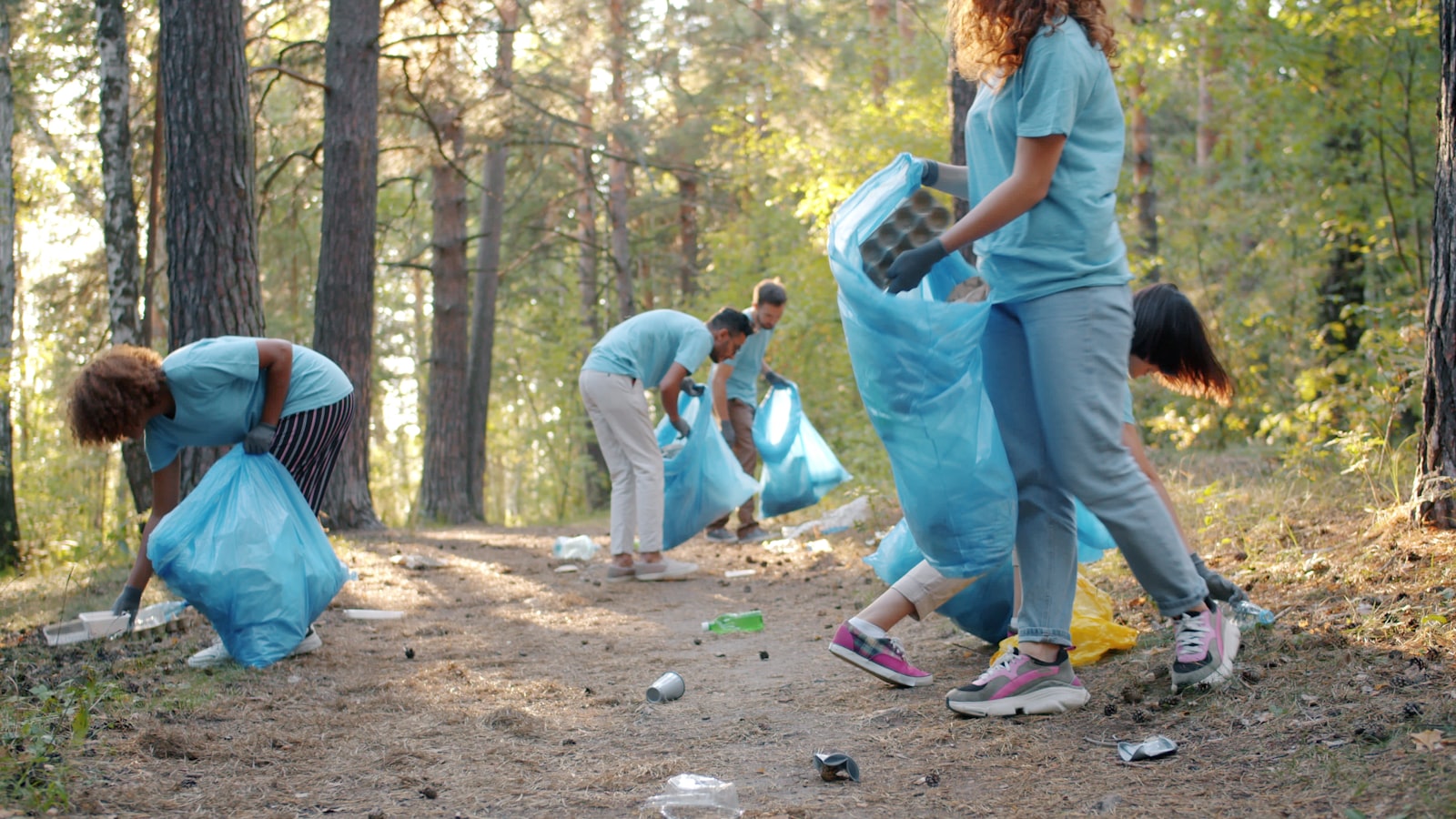
Nominate the Changemakers Transforming Communities at the TALHero Awards 2026

Every community has heroes.

Some lead nonprofit organizations serving vulnerable populations. Some are individuals who dedicate their time and talents to solving difficult social challenges. Others are corporate leaders building responsible programs that create lasting benefits for communities.

Their work may not always receive widespread attention, but its impact can transform lives.

The TALHero Awards 2026, organized by Touch-A-Life Foundation, provide a platform to recognize these extraordinary individuals, nonprofit organizations, and corporate leaders across India and the United States.

Nominations are open until August 15, 2026, and the selected honorees will be recognized at the TALHero Awards Ceremony on October 29, 2026, in San Diego.

Recognizing Heroes Among Us

The TALHero Awards celebrate people and organizations that turn compassion into measurable action.

The awards recognize individuals, nonprofits, and corporate social responsibility leaders who go beyond ordinary expectations to improve lives, strengthen communities, and develop sustainable solutions to social challenges.

Nominees may be working in areas such as:

  • Healthcare access
  • Education and youth development
  • Poverty alleviation
  • Women’s empowerment
  • Environmental sustainability
  • Disability inclusion
  • Food security
  • Mental health and well-being
  • Community development
  • Technology for social good
  • Disaster relief
  • Social justice and equality

The size of the organization or initiative is not the only consideration. What matters is the commitment demonstrated, the people reached, the sustainability of the work, and the measurable difference created.

Three Categories of Community Impact

The TALHero Awards 2026 will recognize changemakers across three principal categories.

Nonprofit Excellence

The Nonprofit Excellence category recognizes nonprofit organizations demonstrating exceptional service, innovation, and measurable community impact.

These organizations may be addressing a local challenge, operating across a region, or delivering programs at a national level. Strong nominees will be able to show how their work has improved lives and how their approach can create sustainable benefits.

Three nonprofit honorees will be selected from India and three from the United States.

Change Maker of the Year

The Change Maker of the Year category honors individuals who inspire action and create meaningful change within their communities.

A nominee may be a social entrepreneur, volunteer, educator, healthcare professional, community organizer, youth leader, advocate, researcher, or ordinary citizen doing extraordinary work.

Three individual changemakers will be recognized from India and three from the United States.

CSR Leadership

The CSR Leadership category celebrates companies and business leaders advancing social responsibility through sustainable initiatives.

This category recognizes organizations that integrate community impact into their business values and use their resources, expertise, technology, or workforce to address important social needs.

Three CSR honorees will be selected from India and three from the United States.

Across all three categories, the program will recognize 18 honorees—three per category from each region.

What Makes Someone a TALHero?

A TALHero is not defined only by a title, position, or organizational size.

A TALHero is someone who recognizes a need and chooses to act.

Strong nominees may demonstrate:

  • A sustained commitment to serving communities
  • A creative solution to a social challenge
  • Measurable improvements in people’s lives
  • The ability to inspire volunteers or partners
  • Responsible and transparent leadership
  • Programs with the potential for long-term impact
  • Service that reflects compassion, inclusion, and dignity
  • Work aligned with sustainable development goals

The TALHero selection process is evidence-focused. Nominees are evaluated based on their contribution, sustainability, and value to the communities they serve.

Why Should You Submit a Nomination?

Recognition can strengthen an impact initiative in many ways.

An award can bring greater visibility to an important cause, introduce an organization to potential supporters, motivate volunteers, and encourage other communities to adopt successful ideas.

For an individual changemaker, recognition can validate years of committed service that may otherwise remain unnoticed.

By submitting a nomination, you are not simply recommending someone for an award. You are helping their story reach a wider audience.

That story may inspire:

  • A volunteer to support a community program
  • A donor to contribute to a meaningful cause
  • A business to develop a new CSR partnership
  • A student to begin a social-impact initiative
  • Another organization to replicate a successful solution
  • A community leader to take action on an overlooked challenge

Recognition creates visibility, and visibility can create new opportunities for impact.

How the Nomination Process Works

The TALHero Awards follow a transparent, impact-focused selection process.

First, a nominator submits information about an individual, nonprofit organization, or CSR leader creating meaningful community impact.

A regional judging committee then reviews eligible nominations. Nominees are evaluated according to factors such as contribution, sustainability, measurable outcomes, and community value.

Following the evaluation process, selected honorees are invited to receive recognition at the TALHero Awards Ceremony.

Nominators may submit more than one candidate, but a separate form must be completed for each nominee. There is no fee to submit a nomination or participate in the awards program.

What Information Should You Include?

A strong nomination should clearly explain the nominee’s work and its impact.

Before completing the nomination form, prepare information such as:

  • The nominee’s name and contact details
  • The appropriate award category
  • The primary region of impact
  • A website or professional profile
  • A concise biography or organizational description
  • The social challenge being addressed
  • Examples of programs, services, or initiatives
  • The number or type of beneficiaries reached
  • Evidence of measurable outcomes
  • Partnerships, innovations, or milestones
  • The nominee’s long-term vision

Avoid relying only on broad statements such as “they do excellent work.” Specific examples will help the judging committee understand what the nominee accomplished and why the work is meaningful.

For instance, explain how many people received assistance, what changed as a result of the initiative, how long the program has operated, and whether the solution can continue or expand.

A Celebration Across India and the United States

The TALHero Awards bring together stories of kindness and community leadership from India and the United States.

Although the regions may face different challenges, the people creating solutions are connected by a common purpose: improving the lives of others.

Recognizing changemakers across both countries also creates opportunities for international learning. A successful nonprofit model developed in one region may inspire action in another. A responsible corporate program may demonstrate how businesses can combine growth with social value.

The awards create a platform where these stories can be shared, celebrated, and amplified.

Important Dates

Nominations opened: June 15, 2026
Final date to nominate: August 15, 2026
TALHero Awards Ceremony: October 29, 2026
Ceremony location: San Diego, California

With the nomination deadline approaching, now is the time to identify the individuals and organizations in your network whose contributions deserve recognition.

Nominate a TALHero Today

Think about the people and organizations creating change around you.

Who is helping underserved communities access essential services?

Who is developing innovative solutions to social challenges?

Who continues to serve without seeking attention or recognition?

Who is using business resources to create sustainable community impact?

Their work deserves to be seen. Their journey deserves to be shared. Their example may inspire others to act.

Submit a nomination for the TALHero Awards 2026 before August 15, 2026, and help Touch-A-Life Foundation recognize the heroes transforming communities through service, kindness, and measurable action.


A Practical Guide to Becoming A Changemaker

Becoming A Changemaker is most effective when it responds to a real need, respects the people affected, and connects day-to-day activity with a clear long-term purpose. For social entrepreneurs, volunteers, educators, advocates, and aspiring changemakers, the challenge is rarely a lack of good intention. The harder work is turning that intention into an approach that people can understand, join, improve, and sustain.

This guide offers a practical framework for doing that work. It explains how to establish priorities, involve stakeholders, choose realistic actions, measure progress, and communicate results responsibly. The ideas can be adapted for a neighborhood initiative, a school, a nonprofit, an employee group, or a wider coalition. The scale may change, but the underlying principles remain surprisingly consistent.

Why Becoming A Changemaker Matters

Strong initiatives begin with relevance. When a program is designed around assumptions, it may attract attention without solving the problem people experience. A useful becoming a changemaker process begins by listening to those closest to the issue, identifying the obstacles they face, and understanding what has already been tried. This prevents duplication and helps teams invest energy where it can make a meaningful difference.

Participation also matters. People are more likely to support an initiative when they can see how decisions were made and where their contribution fits. Clear roles, realistic expectations, accessible communication, and visible follow-through create confidence. Over time, these habits produce more visible role models and sustained positive action, which are more valuable than a short burst of publicity.

A Practical Five-Step Framework

Use the following sequence as a starting point. It is deliberately simple so that a small team can apply it without expensive systems or specialist staff:

  • 1. Begin with lived experience. Ask what evidence or conversation would show that this step has been completed well, and record the decision in plain language.
  • 2. Name the change you can influence. Ask what evidence or conversation would show that this step has been completed well, and record the decision in plain language.
  • 3. Build a small coalition. Ask what evidence or conversation would show that this step has been completed well, and record the decision in plain language.
  • 4. Learn from early setbacks. Ask what evidence or conversation would show that this step has been completed well, and record the decision in plain language.
  • 5. Share a repeatable model. Ask what evidence or conversation would show that this step has been completed well, and record the decision in plain language.

Design for Meaningful Participation

Inclusion should be built into the design rather than added at the end. Consider who may be excluded by location, timing, language, disability, digital access, cost, or social confidence. Offer more than one route for participation and avoid assuming that the loudest voices represent everyone. Compensation, childcare, transportation, translation, and accessible formats may be necessary costs of meaningful engagement.

Trust grows when teams explain constraints honestly. Not every suggestion can be implemented, but every contribution can be acknowledged. Share what was heard, what will happen next, what cannot be done yet, and why. This simple feedback loop protects relationships and helps participants see that engagement is connected to decisions.

Measure Progress Without Losing the Human Story

Measurement does not need to begin with a complicated dashboard. Start with one output, one outcome, and one learning question. An output records what the team delivered, such as sessions held or volunteers trained. An outcome describes what changed for participants. A learning question explores why the change happened, for whom it worked, and what should be improved.

Combine numbers with human feedback. Counts and percentages show scale, while interviews, short surveys, observations, and participant stories explain experience. Protect privacy, request consent, and collect only information that has a clear use. Review findings at a regular rhythm and make at least one documented improvement after every review.

Lasting impact grows when communities help define the problem, shape the response, and learn from the results.

Common Mistakes to Avoid

  • Starting with a solution before confirming the need
  • Promising a scale or timeline that available resources cannot support
  • Treating communication as promotion instead of a two-way relationship
  • Counting activity without examining whether conditions improved
  • Depending on one enthusiastic person without distributing knowledge and responsibility

A Simple Example in Practice

Imagine a local team applying becoming a changemaker. Instead of announcing a large campaign immediately, it holds three short listening conversations, reviews available community data, and identifies one achievable priority. The team recruits partners with complementary skills, publishes a ninety-day plan, and invites participants to choose roles that match their availability. At the end of the period, it compares the original baseline with results, asks participants what felt useful, and openly reports both progress and gaps.

The value of this example is not its size. It is the discipline of moving from listening to action, and from action to learning. A modest program that earns trust and improves over time can become a reliable community asset. A large launch without ownership, evidence, or continuity often disappears as soon as attention moves elsewhere.

How to Make the Work Sustainable

Sustainability depends on shared capacity. Document recurring tasks, maintain simple contact and decision records, cross-train people, and build leadership opportunities for participants. Review whether the initiative relies on unpaid labor in ways that are unfair or unrealistic. Where possible, secure flexible funding that supports coordination, technology, accessibility, evaluation, and administration—not only visible activities.

Partnerships should be specific. Rather than asking an organization to “support the cause,” define the contribution needed, the value for the community, the responsibilities of each partner, and the review date. A short written agreement can prevent confusion and make collaboration easier to renew.

Quick-Start Checklist

  • The need has been confirmed with people directly affected
  • The intended outcome is specific and understandable
  • Roles, resources, risks, and decision rights are documented
  • Participation is accessible to people with different circumstances
  • Progress will be measured with both quantitative and qualitative evidence
  • Participants will receive updates about decisions and results
  • The team has identified how knowledge and responsibility will be shared

Final Thoughts

Becoming A Changemaker can create meaningful progress when it is approached as a relationship and learning practice, not a one-time activity. Begin with the people and the problem, choose a manageable action, make participation clear, and use evidence to improve. Consistent, transparent work may feel slower than a highly visible launch, but it builds the trust and capability that lasting social impact requires.

Take the next step: Choose one action from this guide and complete it within the next seven days. Share the learning with your team, invite feedback from someone affected by the work, and decide the next smallest step together.

Questions to Discuss With Your Team

  • What would meaningful progress in becoming a changemaker look like six months from now?
  • Whose experience is missing from the current conversation?
  • Which assumption should be tested before more resources are committed?
  • What can be simplified so that more people can participate?
  • How will the team communicate what it learns, including setbacks?

A short discussion around these questions can reveal hidden constraints and help the group distinguish urgent activity from valuable action. Record the answers, assign an owner to each next step, and agree on a date to review progress. This turns reflection into an operating habit rather than an occasional exercise.

How to Build a Stronger Everyday Changemakers Program

Everyday Changemakers is most effective when it responds to a real need, respects the people affected, and connects day-to-day activity with a clear long-term purpose. For social entrepreneurs, volunteers, educators, advocates, and aspiring changemakers, the challenge is rarely a lack of good intention. The harder work is turning that intention into an approach that people can understand, join, improve, and sustain.

This guide offers a practical framework for doing that work. It explains how to establish priorities, involve stakeholders, choose realistic actions, measure progress, and communicate results responsibly. The ideas can be adapted for a neighborhood initiative, a school, a nonprofit, an employee group, or a wider coalition. The scale may change, but the underlying principles remain surprisingly consistent.

Why Everyday Changemakers Matters

Strong initiatives begin with relevance. When a program is designed around assumptions, it may attract attention without solving the problem people experience. A useful everyday changemakers process begins by listening to those closest to the issue, identifying the obstacles they face, and understanding what has already been tried. This prevents duplication and helps teams invest energy where it can make a meaningful difference.

Participation also matters. People are more likely to support an initiative when they can see how decisions were made and where their contribution fits. Clear roles, realistic expectations, accessible communication, and visible follow-through create confidence. Over time, these habits produce more visible role models and sustained positive action, which are more valuable than a short burst of publicity.

A Practical Five-Step Framework

Use the following sequence as a starting point. It is deliberately simple so that a small team can apply it without expensive systems or specialist staff:

  • 1. Begin with lived experience. Ask what evidence or conversation would show that this step has been completed well, and record the decision in plain language.
  • 2. Name the change you can influence. Ask what evidence or conversation would show that this step has been completed well, and record the decision in plain language.
  • 3. Build a small coalition. Ask what evidence or conversation would show that this step has been completed well, and record the decision in plain language.
  • 4. Learn from early setbacks. Ask what evidence or conversation would show that this step has been completed well, and record the decision in plain language.
  • 5. Share a repeatable model. Ask what evidence or conversation would show that this step has been completed well, and record the decision in plain language.

Design for Meaningful Participation

Inclusion should be built into the design rather than added at the end. Consider who may be excluded by location, timing, language, disability, digital access, cost, or social confidence. Offer more than one route for participation and avoid assuming that the loudest voices represent everyone. Compensation, childcare, transportation, translation, and accessible formats may be necessary costs of meaningful engagement.

Trust grows when teams explain constraints honestly. Not every suggestion can be implemented, but every contribution can be acknowledged. Share what was heard, what will happen next, what cannot be done yet, and why. This simple feedback loop protects relationships and helps participants see that engagement is connected to decisions.

Measure Progress Without Losing the Human Story

Measurement does not need to begin with a complicated dashboard. Start with one output, one outcome, and one learning question. An output records what the team delivered, such as sessions held or volunteers trained. An outcome describes what changed for participants. A learning question explores why the change happened, for whom it worked, and what should be improved.

Combine numbers with human feedback. Counts and percentages show scale, while interviews, short surveys, observations, and participant stories explain experience. Protect privacy, request consent, and collect only information that has a clear use. Review findings at a regular rhythm and make at least one documented improvement after every review.

Lasting impact grows when communities help define the problem, shape the response, and learn from the results.

Common Mistakes to Avoid

  • Starting with a solution before confirming the need
  • Promising a scale or timeline that available resources cannot support
  • Treating communication as promotion instead of a two-way relationship
  • Counting activity without examining whether conditions improved
  • Depending on one enthusiastic person without distributing knowledge and responsibility

A Simple Example in Practice

Imagine a local team applying everyday changemakers. Instead of announcing a large campaign immediately, it holds three short listening conversations, reviews available community data, and identifies one achievable priority. The team recruits partners with complementary skills, publishes a ninety-day plan, and invites participants to choose roles that match their availability. At the end of the period, it compares the original baseline with results, asks participants what felt useful, and openly reports both progress and gaps.

The value of this example is not its size. It is the discipline of moving from listening to action, and from action to learning. A modest program that earns trust and improves over time can become a reliable community asset. A large launch without ownership, evidence, or continuity often disappears as soon as attention moves elsewhere.

How to Make the Work Sustainable

Sustainability depends on shared capacity. Document recurring tasks, maintain simple contact and decision records, cross-train people, and build leadership opportunities for participants. Review whether the initiative relies on unpaid labor in ways that are unfair or unrealistic. Where possible, secure flexible funding that supports coordination, technology, accessibility, evaluation, and administration—not only visible activities.

Partnerships should be specific. Rather than asking an organization to “support the cause,” define the contribution needed, the value for the community, the responsibilities of each partner, and the review date. A short written agreement can prevent confusion and make collaboration easier to renew.

Quick-Start Checklist

  • The need has been confirmed with people directly affected
  • The intended outcome is specific and understandable
  • Roles, resources, risks, and decision rights are documented
  • Participation is accessible to people with different circumstances
  • Progress will be measured with both quantitative and qualitative evidence
  • Participants will receive updates about decisions and results
  • The team has identified how knowledge and responsibility will be shared

Final Thoughts

Everyday Changemakers can create meaningful progress when it is approached as a relationship and learning practice, not a one-time activity. Begin with the people and the problem, choose a manageable action, make participation clear, and use evidence to improve. Consistent, transparent work may feel slower than a highly visible launch, but it builds the trust and capability that lasting social impact requires.

Take the next step: Choose one action from this guide and complete it within the next seven days. Share the learning with your team, invite feedback from someone affected by the work, and decide the next smallest step together.

Questions to Discuss With Your Team

  • What would meaningful progress in everyday changemakers look like six months from now?
  • Whose experience is missing from the current conversation?
  • Which assumption should be tested before more resources are committed?
  • What can be simplified so that more people can participate?
  • How will the team communicate what it learns, including setbacks?

A short discussion around these questions can reveal hidden constraints and help the group distinguish urgent activity from valuable action. Record the answers, assign an owner to each next step, and agree on a date to review progress. This turns reflection into an operating habit rather than an occasional exercise.

Women Changemakers: Principles, Steps, and Examples

Women Changemakers is most effective when it responds to a real need, respects the people affected, and connects day-to-day activity with a clear long-term purpose. For social entrepreneurs, volunteers, educators, advocates, and aspiring changemakers, the challenge is rarely a lack of good intention. The harder work is turning that intention into an approach that people can understand, join, improve, and sustain.

This guide offers a practical framework for doing that work. It explains how to establish priorities, involve stakeholders, choose realistic actions, measure progress, and communicate results responsibly. The ideas can be adapted for a neighborhood initiative, a school, a nonprofit, an employee group, or a wider coalition. The scale may change, but the underlying principles remain surprisingly consistent.

Why Women Changemakers Matters

Strong initiatives begin with relevance. When a program is designed around assumptions, it may attract attention without solving the problem people experience. A useful women changemakers process begins by listening to those closest to the issue, identifying the obstacles they face, and understanding what has already been tried. This prevents duplication and helps teams invest energy where it can make a meaningful difference.

Participation also matters. People are more likely to support an initiative when they can see how decisions were made and where their contribution fits. Clear roles, realistic expectations, accessible communication, and visible follow-through create confidence. Over time, these habits produce more visible role models and sustained positive action, which are more valuable than a short burst of publicity.

A Practical Five-Step Framework

Use the following sequence as a starting point. It is deliberately simple so that a small team can apply it without expensive systems or specialist staff:

  • 1. Begin with lived experience. Ask what evidence or conversation would show that this step has been completed well, and record the decision in plain language.
  • 2. Name the change you can influence. Ask what evidence or conversation would show that this step has been completed well, and record the decision in plain language.
  • 3. Build a small coalition. Ask what evidence or conversation would show that this step has been completed well, and record the decision in plain language.
  • 4. Learn from early setbacks. Ask what evidence or conversation would show that this step has been completed well, and record the decision in plain language.
  • 5. Share a repeatable model. Ask what evidence or conversation would show that this step has been completed well, and record the decision in plain language.

Design for Meaningful Participation

Inclusion should be built into the design rather than added at the end. Consider who may be excluded by location, timing, language, disability, digital access, cost, or social confidence. Offer more than one route for participation and avoid assuming that the loudest voices represent everyone. Compensation, childcare, transportation, translation, and accessible formats may be necessary costs of meaningful engagement.

Trust grows when teams explain constraints honestly. Not every suggestion can be implemented, but every contribution can be acknowledged. Share what was heard, what will happen next, what cannot be done yet, and why. This simple feedback loop protects relationships and helps participants see that engagement is connected to decisions.

Measure Progress Without Losing the Human Story

Measurement does not need to begin with a complicated dashboard. Start with one output, one outcome, and one learning question. An output records what the team delivered, such as sessions held or volunteers trained. An outcome describes what changed for participants. A learning question explores why the change happened, for whom it worked, and what should be improved.

Combine numbers with human feedback. Counts and percentages show scale, while interviews, short surveys, observations, and participant stories explain experience. Protect privacy, request consent, and collect only information that has a clear use. Review findings at a regular rhythm and make at least one documented improvement after every review.

Lasting impact grows when communities help define the problem, shape the response, and learn from the results.

Common Mistakes to Avoid

  • Starting with a solution before confirming the need
  • Promising a scale or timeline that available resources cannot support
  • Treating communication as promotion instead of a two-way relationship
  • Counting activity without examining whether conditions improved
  • Depending on one enthusiastic person without distributing knowledge and responsibility

A Simple Example in Practice

Imagine a local team applying women changemakers. Instead of announcing a large campaign immediately, it holds three short listening conversations, reviews available community data, and identifies one achievable priority. The team recruits partners with complementary skills, publishes a ninety-day plan, and invites participants to choose roles that match their availability. At the end of the period, it compares the original baseline with results, asks participants what felt useful, and openly reports both progress and gaps.

The value of this example is not its size. It is the discipline of moving from listening to action, and from action to learning. A modest program that earns trust and improves over time can become a reliable community asset. A large launch without ownership, evidence, or continuity often disappears as soon as attention moves elsewhere.

How to Make the Work Sustainable

Sustainability depends on shared capacity. Document recurring tasks, maintain simple contact and decision records, cross-train people, and build leadership opportunities for participants. Review whether the initiative relies on unpaid labor in ways that are unfair or unrealistic. Where possible, secure flexible funding that supports coordination, technology, accessibility, evaluation, and administration—not only visible activities.

Partnerships should be specific. Rather than asking an organization to “support the cause,” define the contribution needed, the value for the community, the responsibilities of each partner, and the review date. A short written agreement can prevent confusion and make collaboration easier to renew.

Quick-Start Checklist

  • The need has been confirmed with people directly affected
  • The intended outcome is specific and understandable
  • Roles, resources, risks, and decision rights are documented
  • Participation is accessible to people with different circumstances
  • Progress will be measured with both quantitative and qualitative evidence
  • Participants will receive updates about decisions and results
  • The team has identified how knowledge and responsibility will be shared

Final Thoughts

Women Changemakers can create meaningful progress when it is approached as a relationship and learning practice, not a one-time activity. Begin with the people and the problem, choose a manageable action, make participation clear, and use evidence to improve. Consistent, transparent work may feel slower than a highly visible launch, but it builds the trust and capability that lasting social impact requires.

Take the next step: Choose one action from this guide and complete it within the next seven days. Share the learning with your team, invite feedback from someone affected by the work, and decide the next smallest step together.

Questions to Discuss With Your Team

  • What would meaningful progress in women changemakers look like six months from now?
  • Whose experience is missing from the current conversation?
  • Which assumption should be tested before more resources are committed?
  • What can be simplified so that more people can participate?
  • How will the team communicate what it learns, including setbacks?

A short discussion around these questions can reveal hidden constraints and help the group distinguish urgent activity from valuable action. Record the answers, assign an owner to each next step, and agree on a date to review progress. This turns reflection into an operating habit rather than an occasional exercise.

Why Young Changemakers Matters for Stronger Communities

Young Changemakers is most effective when it responds to a real need, respects the people affected, and connects day-to-day activity with a clear long-term purpose. For social entrepreneurs, volunteers, educators, advocates, and aspiring changemakers, the challenge is rarely a lack of good intention. The harder work is turning that intention into an approach that people can understand, join, improve, and sustain.

This guide offers a practical framework for doing that work. It explains how to establish priorities, involve stakeholders, choose realistic actions, measure progress, and communicate results responsibly. The ideas can be adapted for a neighborhood initiative, a school, a nonprofit, an employee group, or a wider coalition. The scale may change, but the underlying principles remain surprisingly consistent.

Why Young Changemakers Matters

Strong initiatives begin with relevance. When a program is designed around assumptions, it may attract attention without solving the problem people experience. A useful young changemakers process begins by listening to those closest to the issue, identifying the obstacles they face, and understanding what has already been tried. This prevents duplication and helps teams invest energy where it can make a meaningful difference.

Participation also matters. People are more likely to support an initiative when they can see how decisions were made and where their contribution fits. Clear roles, realistic expectations, accessible communication, and visible follow-through create confidence. Over time, these habits produce more visible role models and sustained positive action, which are more valuable than a short burst of publicity.

A Practical Five-Step Framework

Use the following sequence as a starting point. It is deliberately simple so that a small team can apply it without expensive systems or specialist staff:

  • 1. Begin with lived experience. Ask what evidence or conversation would show that this step has been completed well, and record the decision in plain language.
  • 2. Name the change you can influence. Ask what evidence or conversation would show that this step has been completed well, and record the decision in plain language.
  • 3. Build a small coalition. Ask what evidence or conversation would show that this step has been completed well, and record the decision in plain language.
  • 4. Learn from early setbacks. Ask what evidence or conversation would show that this step has been completed well, and record the decision in plain language.
  • 5. Share a repeatable model. Ask what evidence or conversation would show that this step has been completed well, and record the decision in plain language.

Design for Meaningful Participation

Inclusion should be built into the design rather than added at the end. Consider who may be excluded by location, timing, language, disability, digital access, cost, or social confidence. Offer more than one route for participation and avoid assuming that the loudest voices represent everyone. Compensation, childcare, transportation, translation, and accessible formats may be necessary costs of meaningful engagement.

Trust grows when teams explain constraints honestly. Not every suggestion can be implemented, but every contribution can be acknowledged. Share what was heard, what will happen next, what cannot be done yet, and why. This simple feedback loop protects relationships and helps participants see that engagement is connected to decisions.

Measure Progress Without Losing the Human Story

Measurement does not need to begin with a complicated dashboard. Start with one output, one outcome, and one learning question. An output records what the team delivered, such as sessions held or volunteers trained. An outcome describes what changed for participants. A learning question explores why the change happened, for whom it worked, and what should be improved.

Combine numbers with human feedback. Counts and percentages show scale, while interviews, short surveys, observations, and participant stories explain experience. Protect privacy, request consent, and collect only information that has a clear use. Review findings at a regular rhythm and make at least one documented improvement after every review.

Lasting impact grows when communities help define the problem, shape the response, and learn from the results.

Common Mistakes to Avoid

  • Starting with a solution before confirming the need
  • Promising a scale or timeline that available resources cannot support
  • Treating communication as promotion instead of a two-way relationship
  • Counting activity without examining whether conditions improved
  • Depending on one enthusiastic person without distributing knowledge and responsibility

A Simple Example in Practice

Imagine a local team applying young changemakers. Instead of announcing a large campaign immediately, it holds three short listening conversations, reviews available community data, and identifies one achievable priority. The team recruits partners with complementary skills, publishes a ninety-day plan, and invites participants to choose roles that match their availability. At the end of the period, it compares the original baseline with results, asks participants what felt useful, and openly reports both progress and gaps.

The value of this example is not its size. It is the discipline of moving from listening to action, and from action to learning. A modest program that earns trust and improves over time can become a reliable community asset. A large launch without ownership, evidence, or continuity often disappears as soon as attention moves elsewhere.

How to Make the Work Sustainable

Sustainability depends on shared capacity. Document recurring tasks, maintain simple contact and decision records, cross-train people, and build leadership opportunities for participants. Review whether the initiative relies on unpaid labor in ways that are unfair or unrealistic. Where possible, secure flexible funding that supports coordination, technology, accessibility, evaluation, and administration—not only visible activities.

Partnerships should be specific. Rather than asking an organization to “support the cause,” define the contribution needed, the value for the community, the responsibilities of each partner, and the review date. A short written agreement can prevent confusion and make collaboration easier to renew.

Quick-Start Checklist

  • The need has been confirmed with people directly affected
  • The intended outcome is specific and understandable
  • Roles, resources, risks, and decision rights are documented
  • Participation is accessible to people with different circumstances
  • Progress will be measured with both quantitative and qualitative evidence
  • Participants will receive updates about decisions and results
  • The team has identified how knowledge and responsibility will be shared

Final Thoughts

Young Changemakers can create meaningful progress when it is approached as a relationship and learning practice, not a one-time activity. Begin with the people and the problem, choose a manageable action, make participation clear, and use evidence to improve. Consistent, transparent work may feel slower than a highly visible launch, but it builds the trust and capability that lasting social impact requires.

Take the next step: Choose one action from this guide and complete it within the next seven days. Share the learning with your team, invite feedback from someone affected by the work, and decide the next smallest step together.

Questions to Discuss With Your Team

  • What would meaningful progress in young changemakers look like six months from now?
  • Whose experience is missing from the current conversation?
  • Which assumption should be tested before more resources are committed?
  • What can be simplified so that more people can participate?
  • How will the team communicate what it learns, including setbacks?

A short discussion around these questions can reveal hidden constraints and help the group distinguish urgent activity from valuable action. Record the answers, assign an owner to each next step, and agree on a date to review progress. This turns reflection into an operating habit rather than an occasional exercise.

Common Social Entrepreneur Mindset Mistakes and How to Avoid Them

Social Entrepreneur Mindset is most effective when it responds to a real need, respects the people affected, and connects day-to-day activity with a clear long-term purpose. For social entrepreneurs, volunteers, educators, advocates, and aspiring changemakers, the challenge is rarely a lack of good intention. The harder work is turning that intention into an approach that people can understand, join, improve, and sustain.

This guide offers a practical framework for doing that work. It explains how to establish priorities, involve stakeholders, choose realistic actions, measure progress, and communicate results responsibly. The ideas can be adapted for a neighborhood initiative, a school, a nonprofit, an employee group, or a wider coalition. The scale may change, but the underlying principles remain surprisingly consistent.

Why Social Entrepreneur Mindset Matters

Strong initiatives begin with relevance. When a program is designed around assumptions, it may attract attention without solving the problem people experience. A useful social entrepreneur mindset process begins by listening to those closest to the issue, identifying the obstacles they face, and understanding what has already been tried. This prevents duplication and helps teams invest energy where it can make a meaningful difference.

Participation also matters. People are more likely to support an initiative when they can see how decisions were made and where their contribution fits. Clear roles, realistic expectations, accessible communication, and visible follow-through create confidence. Over time, these habits produce more visible role models and sustained positive action, which are more valuable than a short burst of publicity.

A Practical Five-Step Framework

Use the following sequence as a starting point. It is deliberately simple so that a small team can apply it without expensive systems or specialist staff:

  • 1. Begin with lived experience. Ask what evidence or conversation would show that this step has been completed well, and record the decision in plain language.
  • 2. Name the change you can influence. Ask what evidence or conversation would show that this step has been completed well, and record the decision in plain language.
  • 3. Build a small coalition. Ask what evidence or conversation would show that this step has been completed well, and record the decision in plain language.
  • 4. Learn from early setbacks. Ask what evidence or conversation would show that this step has been completed well, and record the decision in plain language.
  • 5. Share a repeatable model. Ask what evidence or conversation would show that this step has been completed well, and record the decision in plain language.

Design for Meaningful Participation

Inclusion should be built into the design rather than added at the end. Consider who may be excluded by location, timing, language, disability, digital access, cost, or social confidence. Offer more than one route for participation and avoid assuming that the loudest voices represent everyone. Compensation, childcare, transportation, translation, and accessible formats may be necessary costs of meaningful engagement.

Trust grows when teams explain constraints honestly. Not every suggestion can be implemented, but every contribution can be acknowledged. Share what was heard, what will happen next, what cannot be done yet, and why. This simple feedback loop protects relationships and helps participants see that engagement is connected to decisions.

Measure Progress Without Losing the Human Story

Measurement does not need to begin with a complicated dashboard. Start with one output, one outcome, and one learning question. An output records what the team delivered, such as sessions held or volunteers trained. An outcome describes what changed for participants. A learning question explores why the change happened, for whom it worked, and what should be improved.

Combine numbers with human feedback. Counts and percentages show scale, while interviews, short surveys, observations, and participant stories explain experience. Protect privacy, request consent, and collect only information that has a clear use. Review findings at a regular rhythm and make at least one documented improvement after every review.

Lasting impact grows when communities help define the problem, shape the response, and learn from the results.

Common Mistakes to Avoid

  • Starting with a solution before confirming the need
  • Promising a scale or timeline that available resources cannot support
  • Treating communication as promotion instead of a two-way relationship
  • Counting activity without examining whether conditions improved
  • Depending on one enthusiastic person without distributing knowledge and responsibility

A Simple Example in Practice

Imagine a local team applying social entrepreneur mindset. Instead of announcing a large campaign immediately, it holds three short listening conversations, reviews available community data, and identifies one achievable priority. The team recruits partners with complementary skills, publishes a ninety-day plan, and invites participants to choose roles that match their availability. At the end of the period, it compares the original baseline with results, asks participants what felt useful, and openly reports both progress and gaps.

The value of this example is not its size. It is the discipline of moving from listening to action, and from action to learning. A modest program that earns trust and improves over time can become a reliable community asset. A large launch without ownership, evidence, or continuity often disappears as soon as attention moves elsewhere.

How to Make the Work Sustainable

Sustainability depends on shared capacity. Document recurring tasks, maintain simple contact and decision records, cross-train people, and build leadership opportunities for participants. Review whether the initiative relies on unpaid labor in ways that are unfair or unrealistic. Where possible, secure flexible funding that supports coordination, technology, accessibility, evaluation, and administration—not only visible activities.

Partnerships should be specific. Rather than asking an organization to “support the cause,” define the contribution needed, the value for the community, the responsibilities of each partner, and the review date. A short written agreement can prevent confusion and make collaboration easier to renew.

Quick-Start Checklist

  • The need has been confirmed with people directly affected
  • The intended outcome is specific and understandable
  • Roles, resources, risks, and decision rights are documented
  • Participation is accessible to people with different circumstances
  • Progress will be measured with both quantitative and qualitative evidence
  • Participants will receive updates about decisions and results
  • The team has identified how knowledge and responsibility will be shared

Final Thoughts

Social Entrepreneur Mindset can create meaningful progress when it is approached as a relationship and learning practice, not a one-time activity. Begin with the people and the problem, choose a manageable action, make participation clear, and use evidence to improve. Consistent, transparent work may feel slower than a highly visible launch, but it builds the trust and capability that lasting social impact requires.

Take the next step: Choose one action from this guide and complete it within the next seven days. Share the learning with your team, invite feedback from someone affected by the work, and decide the next smallest step together.

Questions to Discuss With Your Team

  • What would meaningful progress in social entrepreneur mindset look like six months from now?
  • Whose experience is missing from the current conversation?
  • Which assumption should be tested before more resources are committed?
  • What can be simplified so that more people can participate?
  • How will the team communicate what it learns, including setbacks?

A short discussion around these questions can reveal hidden constraints and help the group distinguish urgent activity from valuable action. Record the answers, assign an owner to each next step, and agree on a date to review progress. This turns reflection into an operating habit rather than an occasional exercise.

A Step-by-Step Changemaker Storytelling Action Plan

Changemaker Storytelling is most effective when it responds to a real need, respects the people affected, and connects day-to-day activity with a clear long-term purpose. For social entrepreneurs, volunteers, educators, advocates, and aspiring changemakers, the challenge is rarely a lack of good intention. The harder work is turning that intention into an approach that people can understand, join, improve, and sustain.

This guide offers a practical framework for doing that work. It explains how to establish priorities, involve stakeholders, choose realistic actions, measure progress, and communicate results responsibly. The ideas can be adapted for a neighborhood initiative, a school, a nonprofit, an employee group, or a wider coalition. The scale may change, but the underlying principles remain surprisingly consistent.

Why Changemaker Storytelling Matters

Strong initiatives begin with relevance. When a program is designed around assumptions, it may attract attention without solving the problem people experience. A useful changemaker storytelling process begins by listening to those closest to the issue, identifying the obstacles they face, and understanding what has already been tried. This prevents duplication and helps teams invest energy where it can make a meaningful difference.

Participation also matters. People are more likely to support an initiative when they can see how decisions were made and where their contribution fits. Clear roles, realistic expectations, accessible communication, and visible follow-through create confidence. Over time, these habits produce more visible role models and sustained positive action, which are more valuable than a short burst of publicity.

A Practical Five-Step Framework

Use the following sequence as a starting point. It is deliberately simple so that a small team can apply it without expensive systems or specialist staff:

  • 1. Begin with lived experience. Ask what evidence or conversation would show that this step has been completed well, and record the decision in plain language.
  • 2. Name the change you can influence. Ask what evidence or conversation would show that this step has been completed well, and record the decision in plain language.
  • 3. Build a small coalition. Ask what evidence or conversation would show that this step has been completed well, and record the decision in plain language.
  • 4. Learn from early setbacks. Ask what evidence or conversation would show that this step has been completed well, and record the decision in plain language.
  • 5. Share a repeatable model. Ask what evidence or conversation would show that this step has been completed well, and record the decision in plain language.

Design for Meaningful Participation

Inclusion should be built into the design rather than added at the end. Consider who may be excluded by location, timing, language, disability, digital access, cost, or social confidence. Offer more than one route for participation and avoid assuming that the loudest voices represent everyone. Compensation, childcare, transportation, translation, and accessible formats may be necessary costs of meaningful engagement.

Trust grows when teams explain constraints honestly. Not every suggestion can be implemented, but every contribution can be acknowledged. Share what was heard, what will happen next, what cannot be done yet, and why. This simple feedback loop protects relationships and helps participants see that engagement is connected to decisions.

Measure Progress Without Losing the Human Story

Measurement does not need to begin with a complicated dashboard. Start with one output, one outcome, and one learning question. An output records what the team delivered, such as sessions held or volunteers trained. An outcome describes what changed for participants. A learning question explores why the change happened, for whom it worked, and what should be improved.

Combine numbers with human feedback. Counts and percentages show scale, while interviews, short surveys, observations, and participant stories explain experience. Protect privacy, request consent, and collect only information that has a clear use. Review findings at a regular rhythm and make at least one documented improvement after every review.

Lasting impact grows when communities help define the problem, shape the response, and learn from the results.

Common Mistakes to Avoid

  • Starting with a solution before confirming the need
  • Promising a scale or timeline that available resources cannot support
  • Treating communication as promotion instead of a two-way relationship
  • Counting activity without examining whether conditions improved
  • Depending on one enthusiastic person without distributing knowledge and responsibility

A Simple Example in Practice

Imagine a local team applying changemaker storytelling. Instead of announcing a large campaign immediately, it holds three short listening conversations, reviews available community data, and identifies one achievable priority. The team recruits partners with complementary skills, publishes a ninety-day plan, and invites participants to choose roles that match their availability. At the end of the period, it compares the original baseline with results, asks participants what felt useful, and openly reports both progress and gaps.

The value of this example is not its size. It is the discipline of moving from listening to action, and from action to learning. A modest program that earns trust and improves over time can become a reliable community asset. A large launch without ownership, evidence, or continuity often disappears as soon as attention moves elsewhere.

How to Make the Work Sustainable

Sustainability depends on shared capacity. Document recurring tasks, maintain simple contact and decision records, cross-train people, and build leadership opportunities for participants. Review whether the initiative relies on unpaid labor in ways that are unfair or unrealistic. Where possible, secure flexible funding that supports coordination, technology, accessibility, evaluation, and administration—not only visible activities.

Partnerships should be specific. Rather than asking an organization to “support the cause,” define the contribution needed, the value for the community, the responsibilities of each partner, and the review date. A short written agreement can prevent confusion and make collaboration easier to renew.

Quick-Start Checklist

  • The need has been confirmed with people directly affected
  • The intended outcome is specific and understandable
  • Roles, resources, risks, and decision rights are documented
  • Participation is accessible to people with different circumstances
  • Progress will be measured with both quantitative and qualitative evidence
  • Participants will receive updates about decisions and results
  • The team has identified how knowledge and responsibility will be shared

Final Thoughts

Changemaker Storytelling can create meaningful progress when it is approached as a relationship and learning practice, not a one-time activity. Begin with the people and the problem, choose a manageable action, make participation clear, and use evidence to improve. Consistent, transparent work may feel slower than a highly visible launch, but it builds the trust and capability that lasting social impact requires.

Take the next step: Choose one action from this guide and complete it within the next seven days. Share the learning with your team, invite feedback from someone affected by the work, and decide the next smallest step together.

Questions to Discuss With Your Team

  • What would meaningful progress in changemaker storytelling look like six months from now?
  • Whose experience is missing from the current conversation?
  • Which assumption should be tested before more resources are committed?
  • What can be simplified so that more people can participate?
  • How will the team communicate what it learns, including setbacks?

A short discussion around these questions can reveal hidden constraints and help the group distinguish urgent activity from valuable action. Record the answers, assign an owner to each next step, and agree on a date to review progress. This turns reflection into an operating habit rather than an occasional exercise.

Measuring What Matters in Community Problem Solving

Community Problem Solving is most effective when it responds to a real need, respects the people affected, and connects day-to-day activity with a clear long-term purpose. For social entrepreneurs, volunteers, educators, advocates, and aspiring changemakers, the challenge is rarely a lack of good intention. The harder work is turning that intention into an approach that people can understand, join, improve, and sustain.

This guide offers a practical framework for doing that work. It explains how to establish priorities, involve stakeholders, choose realistic actions, measure progress, and communicate results responsibly. The ideas can be adapted for a neighborhood initiative, a school, a nonprofit, an employee group, or a wider coalition. The scale may change, but the underlying principles remain surprisingly consistent.

Why Community Problem Solving Matters

Strong initiatives begin with relevance. When a program is designed around assumptions, it may attract attention without solving the problem people experience. A useful community problem solving process begins by listening to those closest to the issue, identifying the obstacles they face, and understanding what has already been tried. This prevents duplication and helps teams invest energy where it can make a meaningful difference.

Participation also matters. People are more likely to support an initiative when they can see how decisions were made and where their contribution fits. Clear roles, realistic expectations, accessible communication, and visible follow-through create confidence. Over time, these habits produce more visible role models and sustained positive action, which are more valuable than a short burst of publicity.

A Practical Five-Step Framework

Use the following sequence as a starting point. It is deliberately simple so that a small team can apply it without expensive systems or specialist staff:

  • 1. Begin with lived experience. Ask what evidence or conversation would show that this step has been completed well, and record the decision in plain language.
  • 2. Name the change you can influence. Ask what evidence or conversation would show that this step has been completed well, and record the decision in plain language.
  • 3. Build a small coalition. Ask what evidence or conversation would show that this step has been completed well, and record the decision in plain language.
  • 4. Learn from early setbacks. Ask what evidence or conversation would show that this step has been completed well, and record the decision in plain language.
  • 5. Share a repeatable model. Ask what evidence or conversation would show that this step has been completed well, and record the decision in plain language.

Design for Meaningful Participation

Inclusion should be built into the design rather than added at the end. Consider who may be excluded by location, timing, language, disability, digital access, cost, or social confidence. Offer more than one route for participation and avoid assuming that the loudest voices represent everyone. Compensation, childcare, transportation, translation, and accessible formats may be necessary costs of meaningful engagement.

Trust grows when teams explain constraints honestly. Not every suggestion can be implemented, but every contribution can be acknowledged. Share what was heard, what will happen next, what cannot be done yet, and why. This simple feedback loop protects relationships and helps participants see that engagement is connected to decisions.

Measure Progress Without Losing the Human Story

Measurement does not need to begin with a complicated dashboard. Start with one output, one outcome, and one learning question. An output records what the team delivered, such as sessions held or volunteers trained. An outcome describes what changed for participants. A learning question explores why the change happened, for whom it worked, and what should be improved.

Combine numbers with human feedback. Counts and percentages show scale, while interviews, short surveys, observations, and participant stories explain experience. Protect privacy, request consent, and collect only information that has a clear use. Review findings at a regular rhythm and make at least one documented improvement after every review.

Lasting impact grows when communities help define the problem, shape the response, and learn from the results.

Common Mistakes to Avoid

  • Starting with a solution before confirming the need
  • Promising a scale or timeline that available resources cannot support
  • Treating communication as promotion instead of a two-way relationship
  • Counting activity without examining whether conditions improved
  • Depending on one enthusiastic person without distributing knowledge and responsibility

A Simple Example in Practice

Imagine a local team applying community problem solving. Instead of announcing a large campaign immediately, it holds three short listening conversations, reviews available community data, and identifies one achievable priority. The team recruits partners with complementary skills, publishes a ninety-day plan, and invites participants to choose roles that match their availability. At the end of the period, it compares the original baseline with results, asks participants what felt useful, and openly reports both progress and gaps.

The value of this example is not its size. It is the discipline of moving from listening to action, and from action to learning. A modest program that earns trust and improves over time can become a reliable community asset. A large launch without ownership, evidence, or continuity often disappears as soon as attention moves elsewhere.

How to Make the Work Sustainable

Sustainability depends on shared capacity. Document recurring tasks, maintain simple contact and decision records, cross-train people, and build leadership opportunities for participants. Review whether the initiative relies on unpaid labor in ways that are unfair or unrealistic. Where possible, secure flexible funding that supports coordination, technology, accessibility, evaluation, and administration—not only visible activities.

Partnerships should be specific. Rather than asking an organization to “support the cause,” define the contribution needed, the value for the community, the responsibilities of each partner, and the review date. A short written agreement can prevent confusion and make collaboration easier to renew.

Quick-Start Checklist

  • The need has been confirmed with people directly affected
  • The intended outcome is specific and understandable
  • Roles, resources, risks, and decision rights are documented
  • Participation is accessible to people with different circumstances
  • Progress will be measured with both quantitative and qualitative evidence
  • Participants will receive updates about decisions and results
  • The team has identified how knowledge and responsibility will be shared

Final Thoughts

Community Problem Solving can create meaningful progress when it is approached as a relationship and learning practice, not a one-time activity. Begin with the people and the problem, choose a manageable action, make participation clear, and use evidence to improve. Consistent, transparent work may feel slower than a highly visible launch, but it builds the trust and capability that lasting social impact requires.

Take the next step: Choose one action from this guide and complete it within the next seven days. Share the learning with your team, invite feedback from someone affected by the work, and decide the next smallest step together.

Questions to Discuss With Your Team

  • What would meaningful progress in community problem solving look like six months from now?
  • Whose experience is missing from the current conversation?
  • Which assumption should be tested before more resources are committed?
  • What can be simplified so that more people can participate?
  • How will the team communicate what it learns, including setbacks?

A short discussion around these questions can reveal hidden constraints and help the group distinguish urgent activity from valuable action. Record the answers, assign an owner to each next step, and agree on a date to review progress. This turns reflection into an operating habit rather than an occasional exercise.

Making Resilient Changemakers More Inclusive and Sustainable

Resilient Changemakers is most effective when it responds to a real need, respects the people affected, and connects day-to-day activity with a clear long-term purpose. For social entrepreneurs, volunteers, educators, advocates, and aspiring changemakers, the challenge is rarely a lack of good intention. The harder work is turning that intention into an approach that people can understand, join, improve, and sustain.

This guide offers a practical framework for doing that work. It explains how to establish priorities, involve stakeholders, choose realistic actions, measure progress, and communicate results responsibly. The ideas can be adapted for a neighborhood initiative, a school, a nonprofit, an employee group, or a wider coalition. The scale may change, but the underlying principles remain surprisingly consistent.

Why Resilient Changemakers Matters

Strong initiatives begin with relevance. When a program is designed around assumptions, it may attract attention without solving the problem people experience. A useful resilient changemakers process begins by listening to those closest to the issue, identifying the obstacles they face, and understanding what has already been tried. This prevents duplication and helps teams invest energy where it can make a meaningful difference.

Participation also matters. People are more likely to support an initiative when they can see how decisions were made and where their contribution fits. Clear roles, realistic expectations, accessible communication, and visible follow-through create confidence. Over time, these habits produce more visible role models and sustained positive action, which are more valuable than a short burst of publicity.

A Practical Five-Step Framework

Use the following sequence as a starting point. It is deliberately simple so that a small team can apply it without expensive systems or specialist staff:

  • 1. Begin with lived experience. Ask what evidence or conversation would show that this step has been completed well, and record the decision in plain language.
  • 2. Name the change you can influence. Ask what evidence or conversation would show that this step has been completed well, and record the decision in plain language.
  • 3. Build a small coalition. Ask what evidence or conversation would show that this step has been completed well, and record the decision in plain language.
  • 4. Learn from early setbacks. Ask what evidence or conversation would show that this step has been completed well, and record the decision in plain language.
  • 5. Share a repeatable model. Ask what evidence or conversation would show that this step has been completed well, and record the decision in plain language.

Design for Meaningful Participation

Inclusion should be built into the design rather than added at the end. Consider who may be excluded by location, timing, language, disability, digital access, cost, or social confidence. Offer more than one route for participation and avoid assuming that the loudest voices represent everyone. Compensation, childcare, transportation, translation, and accessible formats may be necessary costs of meaningful engagement.

Trust grows when teams explain constraints honestly. Not every suggestion can be implemented, but every contribution can be acknowledged. Share what was heard, what will happen next, what cannot be done yet, and why. This simple feedback loop protects relationships and helps participants see that engagement is connected to decisions.

Measure Progress Without Losing the Human Story

Measurement does not need to begin with a complicated dashboard. Start with one output, one outcome, and one learning question. An output records what the team delivered, such as sessions held or volunteers trained. An outcome describes what changed for participants. A learning question explores why the change happened, for whom it worked, and what should be improved.

Combine numbers with human feedback. Counts and percentages show scale, while interviews, short surveys, observations, and participant stories explain experience. Protect privacy, request consent, and collect only information that has a clear use. Review findings at a regular rhythm and make at least one documented improvement after every review.

Lasting impact grows when communities help define the problem, shape the response, and learn from the results.

Common Mistakes to Avoid

  • Starting with a solution before confirming the need
  • Promising a scale or timeline that available resources cannot support
  • Treating communication as promotion instead of a two-way relationship
  • Counting activity without examining whether conditions improved
  • Depending on one enthusiastic person without distributing knowledge and responsibility

A Simple Example in Practice

Imagine a local team applying resilient changemakers. Instead of announcing a large campaign immediately, it holds three short listening conversations, reviews available community data, and identifies one achievable priority. The team recruits partners with complementary skills, publishes a ninety-day plan, and invites participants to choose roles that match their availability. At the end of the period, it compares the original baseline with results, asks participants what felt useful, and openly reports both progress and gaps.

The value of this example is not its size. It is the discipline of moving from listening to action, and from action to learning. A modest program that earns trust and improves over time can become a reliable community asset. A large launch without ownership, evidence, or continuity often disappears as soon as attention moves elsewhere.

How to Make the Work Sustainable

Sustainability depends on shared capacity. Document recurring tasks, maintain simple contact and decision records, cross-train people, and build leadership opportunities for participants. Review whether the initiative relies on unpaid labor in ways that are unfair or unrealistic. Where possible, secure flexible funding that supports coordination, technology, accessibility, evaluation, and administration—not only visible activities.

Partnerships should be specific. Rather than asking an organization to “support the cause,” define the contribution needed, the value for the community, the responsibilities of each partner, and the review date. A short written agreement can prevent confusion and make collaboration easier to renew.

Quick-Start Checklist

  • The need has been confirmed with people directly affected
  • The intended outcome is specific and understandable
  • Roles, resources, risks, and decision rights are documented
  • Participation is accessible to people with different circumstances
  • Progress will be measured with both quantitative and qualitative evidence
  • Participants will receive updates about decisions and results
  • The team has identified how knowledge and responsibility will be shared

Final Thoughts

Resilient Changemakers can create meaningful progress when it is approached as a relationship and learning practice, not a one-time activity. Begin with the people and the problem, choose a manageable action, make participation clear, and use evidence to improve. Consistent, transparent work may feel slower than a highly visible launch, but it builds the trust and capability that lasting social impact requires.

Take the next step: Choose one action from this guide and complete it within the next seven days. Share the learning with your team, invite feedback from someone affected by the work, and decide the next smallest step together.

Questions to Discuss With Your Team

  • What would meaningful progress in resilient changemakers look like six months from now?
  • Whose experience is missing from the current conversation?
  • Which assumption should be tested before more resources are committed?
  • What can be simplified so that more people can participate?
  • How will the team communicate what it learns, including setbacks?

A short discussion around these questions can reveal hidden constraints and help the group distinguish urgent activity from valuable action. Record the answers, assign an owner to each next step, and agree on a date to review progress. This turns reflection into an operating habit rather than an occasional exercise.

Dr. Cornel West on “Each of us can make a positive difference…”

Attribution note: This article follows the supplied credit to Dr. Cornel West. Editors should preserve the quotation exactly and retain a reliable source reference when publishing.

The quotation “Each of us can make a positive difference if we commit ourselves to doing so.”, credited here to Dr. Cornel West, offers a starting point for thinking about making a difference. Its lasting appeal comes from compressing a large moral idea into memorable language. Yet a quotation creates value only when readers examine its meaning carefully and translate inspiration into behavior that is useful, voluntary and respectful.

For Touch-A-Life, the message connects with a broader principle: positive change does not depend only on wealth, position or a dramatic public gesture. People can contribute time, skill, attention, relationships and resources. The United Nations Volunteers programme places voluntary action within sustainable development, while the United Nations Sustainable Development Goals show how community action connects with wider social, economic and environmental systems.

“Each of us can make a positive difference if we commit ourselves to doing so.”

— Dr. Cornel West

“A quotation becomes socially useful when it moves us from admiration to a respectful, measurable action.”

Understanding the quotation’s central message

A constructive interpretation is positive change that begins with a specific contribution, learns from affected people and connects individual effort with wider community systems. This reading keeps attention on the effect of an action rather than the image of the person acting. It also prevents the quotation from becoming a slogan that excuses poor planning. Good intentions matter, but they do not automatically make help appropriate, accessible or sustainable.

The wording invites reflection on scale. A small action may be worthwhile because it responds at the right moment, reaches someone otherwise overlooked or strengthens a relationship. Small does not mean careless. The person offering help still needs to consider consent, safety, cultural context, accessibility and follow-through. Likewise, large donations or programs should not be assumed to create greater impact merely because their budgets are visible.

From inspiration to responsible action

The quotation can become a practical guide by connecting values with a defined decision. For making a difference, that means identifying who experiences the issue, what they say would be helpful, which contribution is appropriate and who is responsible for coordination. A useful action should have a clear beginning, a realistic commitment and a way for people to say that something is not working.

  • Choose one concrete and achievable change: turn this principle into a named responsibility, a realistic timeline and an accessible feedback route.
  • Work with people closest to the issue: turn this principle into a named responsibility, a realistic timeline and an accessible feedback route.
  • Test before expanding: turn this principle into a named responsibility, a realistic timeline and an accessible feedback route.
  • Share responsibility and credit: turn this principle into a named responsibility, a realistic timeline and an accessible feedback route.
  • Measure both benefits and unintended effects: turn this principle into a named responsibility, a realistic timeline and an accessible feedback route.

This approach protects the spirit of the quotation from two extremes. One is passivity: admiring the words but doing nothing. The other is impulsiveness: acting quickly without understanding the need. Responsible social action sits between them. It moves with purpose while remaining willing to listen, correct mistakes and share power.

A practical reflection and action checklist

  1. Read the quotation in full and note the value it emphasizes.
  2. Confirm the attribution and exact wording through a reliable source.
  3. Identify one real need with the people closest to it.
  4. Choose a contribution that matches available time, skill and safeguards.
  5. Agree how usefulness, dignity and follow-through will be reviewed.

A realistic non-identifiable example

Consider a hypothetical workplace discussion of this quotation. Employees may contribute time, skill or money voluntarily, while a community organization defines the priority and safe boundaries. Managers do not receive individual donation information, coordination work is recognized, and the review examines community benefit rather than photographs or participation totals alone.

The example avoids inventing a dramatic outcome because responsible storytelling matters. A real story should be published only with informed consent, a legitimate purpose and protection against indirect identification. People must be free to refuse publicity without losing support. The quotation should illuminate the action, not become a reason to expose someone else’s private circumstances.

Common mistakes when applying inspirational quotations

Common mistakes include centering the giver’s recognition over the recipient’s dignity, treating inspiring words as evidence that an activity worked and publicizing hardship or generosity without meaningful consent. Another error is presenting a quotation as a universal instruction without considering context. A proverb about immediate help, for example, cannot replace professional judgment in healthcare, safeguarding, legal, financial or emergency situations.

Attribution is also an ethical issue. Famous names are frequently attached to memorable sentences that have been paraphrased, translated, condensed or created later. When the source is uncertain, editors should say so plainly rather than converting popularity into certainty. The idea can still be discussed, but readers deserve to know the difference between a verified quotation, a traditional saying and an adapted formulation.

How to measure whether the action made a difference

Measurement should combine reach, quality, equity and durability. Useful indicators for this quotation’s theme include the defined outcome achieved, community influence over decisions, equity of participation and benefit, results sustained after the initial effort and learning used to improve action. Each indicator needs a definition, a baseline where practical and a named person responsible for reviewing what the information means.

Outputs—such as volunteers, hours, donations, messages or completed tasks—show activity. Outcomes ask whether the contribution was useful, whether access improved, whether people retained choice and whether benefits continued. Qualitative feedback can reveal dignity, trust and unintended burden, while a few consistent quantitative measures can show scale and change over time.

Evidence should be used for learning, not to prove that the quotation was correct. If results are mixed, report the limitation and change the approach. Avoid selecting only positive testimonials, comparing participants publicly or gathering more personal information than the decision requires.

Authoritative resources and outbound references

These links provide context for volunteerism, nonprofits, sustainable development and the credited speaker or source where an official archive is available. A contextual page is not automatically proof of the exact sentence. Editors should look for a primary speech, book, letter, diary or institutional quotation archive before stating that disputed wording is authentic.

Turning the quotation into a daily practice

Begin with one decision connected to “Each of us can make a positive difference if we commit ourselves…”. Ask whom the decision affects, what respectful action is possible today and what follow-through it requires. A small step might be listening without interruption, sharing a useful skill, making an introduction, contributing to a transparent cause or removing a barrier that has prevented someone from participating.

The purpose is not to display the quotation more often; it is to live its best meaning more consistently. When making a difference is guided by consent, community voice, appropriate safeguards and honest measurement, memorable words can become part of a culture that helps people act with greater care and responsibility.