
How to Build a Stronger Collective Impact Partnerships Program

Collective Impact Partnerships is most effective when it responds to a real need, respects the people affected, and connects day-to-day activity with a clear long-term purpose. For community organizers, mission-driven teams, and concerned citizens, the challenge is rarely a lack of good intention. The harder work is turning that intention into an approach that people can understand, join, improve, and sustain.

This guide offers a practical framework for doing that work. It explains how to establish priorities, involve stakeholders, choose realistic actions, measure progress, and communicate results responsibly. The ideas can be adapted for a neighborhood initiative, a school, a nonprofit, an employee group, or a wider coalition. The scale may change, but the underlying principles remain surprisingly consistent.

Why Collective Impact Partnerships Matters

Strong initiatives begin with relevance. When a program is designed around assumptions, it may attract attention without solving the problem people experience. A useful collective impact partnerships process begins by listening to those closest to the issue, identifying the obstacles they face, and understanding what has already been tried. This prevents duplication and helps teams invest energy where it can make a meaningful difference.

Participation also matters. People are more likely to support an initiative when they can see how decisions were made and where their contribution fits. Clear roles, realistic expectations, accessible communication, and visible follow-through create confidence. Over time, these habits produce clearer priorities and stronger trust, which are more valuable than a short burst of publicity.

A Practical Five-Step Framework

Use the following sequence as a starting point. It is deliberately simple so that a small team can apply it without expensive systems or specialist staff:

  • 1. Listen before designing. Ask what evidence or conversation would show that this step has been completed well, and record the decision in plain language.
  • 2. Map the people affected. Ask what evidence or conversation would show that this step has been completed well, and record the decision in plain language.
  • 3. Define one shared outcome. Ask what evidence or conversation would show that this step has been completed well, and record the decision in plain language.
  • 4. Test the smallest useful intervention. Ask what evidence or conversation would show that this step has been completed well, and record the decision in plain language.
  • 5. Publish lessons transparently. Ask what evidence or conversation would show that this step has been completed well, and record the decision in plain language.

Design for Meaningful Participation

Inclusion should be built into the design rather than added at the end. Consider who may be excluded by location, timing, language, disability, digital access, cost, or social confidence. Offer more than one route for participation and avoid assuming that the loudest voices represent everyone. Compensation, childcare, transportation, translation, and accessible formats may be necessary costs of meaningful engagement.

Trust grows when teams explain constraints honestly. Not every suggestion can be implemented, but every contribution can be acknowledged. Share what was heard, what will happen next, what cannot be done yet, and why. This simple feedback loop protects relationships and helps participants see that engagement is connected to decisions.

Measure Progress Without Losing the Human Story

Measurement does not need to begin with a complicated dashboard. Start with one output, one outcome, and one learning question. An output records what the team delivered, such as sessions held or volunteers trained. An outcome describes what changed for participants. A learning question explores why the change happened, for whom it worked, and what should be improved.

Combine numbers with human feedback. Counts and percentages show scale, while interviews, short surveys, observations, and participant stories explain experience. Protect privacy, request consent, and collect only information that has a clear use. Review findings at a regular rhythm and make at least one documented improvement after every review.

Lasting impact grows when communities help define the problem, shape the response, and learn from the results.

Common Mistakes to Avoid

  • Starting with a solution before confirming the need
  • Promising a scale or timeline that available resources cannot support
  • Treating communication as promotion instead of a two-way relationship
  • Counting activity without examining whether conditions improved
  • Depending on one enthusiastic person without distributing knowledge and responsibility

A Simple Example in Practice

Imagine a local team applying collective impact partnerships. Instead of announcing a large campaign immediately, it holds three short listening conversations, reviews available community data, and identifies one achievable priority. The team recruits partners with complementary skills, publishes a ninety-day plan, and invites participants to choose roles that match their availability. At the end of the period, it compares the original baseline with results, asks participants what felt useful, and openly reports both progress and gaps.

The value of this example is not its size. It is the discipline of moving from listening to action, and from action to learning. A modest program that earns trust and improves over time can become a reliable community asset. A large launch without ownership, evidence, or continuity often disappears as soon as attention moves elsewhere.

How to Make the Work Sustainable

Sustainability depends on shared capacity. Document recurring tasks, maintain simple contact and decision records, cross-train people, and build leadership opportunities for participants. Review whether the initiative relies on unpaid labor in ways that are unfair or unrealistic. Where possible, secure flexible funding that supports coordination, technology, accessibility, evaluation, and administration—not only visible activities.

Partnerships should be specific. Rather than asking an organization to “support the cause,” define the contribution needed, the value for the community, the responsibilities of each partner, and the review date. A short written agreement can prevent confusion and make collaboration easier to renew.

Quick-Start Checklist

  • The need has been confirmed with people directly affected
  • The intended outcome is specific and understandable
  • Roles, resources, risks, and decision rights are documented
  • Participation is accessible to people with different circumstances
  • Progress will be measured with both quantitative and qualitative evidence
  • Participants will receive updates about decisions and results
  • The team has identified how knowledge and responsibility will be shared

Final Thoughts

Collective Impact Partnerships can create meaningful progress when it is approached as a relationship and learning practice, not a one-time activity. Begin with the people and the problem, choose a manageable action, make participation clear, and use evidence to improve. Consistent, transparent work may feel slower than a highly visible launch, but it builds the trust and capability that lasting social impact requires.

Take the next step: Choose one action from this guide and complete it within the next seven days. Share the learning with your team, invite feedback from someone affected by the work, and decide the next smallest step together.

Questions to Discuss With Your Team

  • What would meaningful progress in collective impact partnerships look like six months from now?
  • Whose experience is missing from the current conversation?
  • Which assumption should be tested before more resources are committed?
  • What can be simplified so that more people can participate?
  • How will the team communicate what it learns, including setbacks?

A short discussion around these questions can reveal hidden constraints and help the group distinguish urgent activity from valuable action. Record the answers, assign an owner to each next step, and agree on a date to review progress. This turns reflection into an operating habit rather than an occasional exercise.


Local Needs Assessment: Principles, Steps, and Examples

Local Needs Assessment is most effective when it responds to a real need, respects the people affected, and connects day-to-day activity with a clear long-term purpose. For community organizers, mission-driven teams, and concerned citizens, the challenge is rarely a lack of good intention. The harder work is turning that intention into an approach that people can understand, join, improve, and sustain.

This guide offers a practical framework for doing that work. It explains how to establish priorities, involve stakeholders, choose realistic actions, measure progress, and communicate results responsibly. The ideas can be adapted for a neighborhood initiative, a school, a nonprofit, an employee group, or a wider coalition. The scale may change, but the underlying principles remain surprisingly consistent.

Why Local Needs Assessment Matters

Strong initiatives begin with relevance. When a program is designed around assumptions, it may attract attention without solving the problem people experience. A useful local needs assessment process begins by listening to those closest to the issue, identifying the obstacles they face, and understanding what has already been tried. This prevents duplication and helps teams invest energy where it can make a meaningful difference.

Participation also matters. People are more likely to support an initiative when they can see how decisions were made and where their contribution fits. Clear roles, realistic expectations, accessible communication, and visible follow-through create confidence. Over time, these habits produce clearer priorities and stronger trust, which are more valuable than a short burst of publicity.

A Practical Five-Step Framework

Use the following sequence as a starting point. It is deliberately simple so that a small team can apply it without expensive systems or specialist staff:

  • 1. Listen before designing. Ask what evidence or conversation would show that this step has been completed well, and record the decision in plain language.
  • 2. Map the people affected. Ask what evidence or conversation would show that this step has been completed well, and record the decision in plain language.
  • 3. Define one shared outcome. Ask what evidence or conversation would show that this step has been completed well, and record the decision in plain language.
  • 4. Test the smallest useful intervention. Ask what evidence or conversation would show that this step has been completed well, and record the decision in plain language.
  • 5. Publish lessons transparently. Ask what evidence or conversation would show that this step has been completed well, and record the decision in plain language.

Design for Meaningful Participation

Inclusion should be built into the design rather than added at the end. Consider who may be excluded by location, timing, language, disability, digital access, cost, or social confidence. Offer more than one route for participation and avoid assuming that the loudest voices represent everyone. Compensation, childcare, transportation, translation, and accessible formats may be necessary costs of meaningful engagement.

Trust grows when teams explain constraints honestly. Not every suggestion can be implemented, but every contribution can be acknowledged. Share what was heard, what will happen next, what cannot be done yet, and why. This simple feedback loop protects relationships and helps participants see that engagement is connected to decisions.

Measure Progress Without Losing the Human Story

Measurement does not need to begin with a complicated dashboard. Start with one output, one outcome, and one learning question. An output records what the team delivered, such as sessions held or volunteers trained. An outcome describes what changed for participants. A learning question explores why the change happened, for whom it worked, and what should be improved.

Combine numbers with human feedback. Counts and percentages show scale, while interviews, short surveys, observations, and participant stories explain experience. Protect privacy, request consent, and collect only information that has a clear use. Review findings at a regular rhythm and make at least one documented improvement after every review.

Lasting impact grows when communities help define the problem, shape the response, and learn from the results.

Common Mistakes to Avoid

  • Starting with a solution before confirming the need
  • Promising a scale or timeline that available resources cannot support
  • Treating communication as promotion instead of a two-way relationship
  • Counting activity without examining whether conditions improved
  • Depending on one enthusiastic person without distributing knowledge and responsibility

A Simple Example in Practice

Imagine a local team applying local needs assessment. Instead of announcing a large campaign immediately, it holds three short listening conversations, reviews available community data, and identifies one achievable priority. The team recruits partners with complementary skills, publishes a ninety-day plan, and invites participants to choose roles that match their availability. At the end of the period, it compares the original baseline with results, asks participants what felt useful, and openly reports both progress and gaps.

The value of this example is not its size. It is the discipline of moving from listening to action, and from action to learning. A modest program that earns trust and improves over time can become a reliable community asset. A large launch without ownership, evidence, or continuity often disappears as soon as attention moves elsewhere.

How to Make the Work Sustainable

Sustainability depends on shared capacity. Document recurring tasks, maintain simple contact and decision records, cross-train people, and build leadership opportunities for participants. Review whether the initiative relies on unpaid labor in ways that are unfair or unrealistic. Where possible, secure flexible funding that supports coordination, technology, accessibility, evaluation, and administration—not only visible activities.

Partnerships should be specific. Rather than asking an organization to “support the cause,” define the contribution needed, the value for the community, the responsibilities of each partner, and the review date. A short written agreement can prevent confusion and make collaboration easier to renew.

Quick-Start Checklist

  • The need has been confirmed with people directly affected
  • The intended outcome is specific and understandable
  • Roles, resources, risks, and decision rights are documented
  • Participation is accessible to people with different circumstances
  • Progress will be measured with both quantitative and qualitative evidence
  • Participants will receive updates about decisions and results
  • The team has identified how knowledge and responsibility will be shared

Final Thoughts

Local Needs Assessment can create meaningful progress when it is approached as a relationship and learning practice, not a one-time activity. Begin with the people and the problem, choose a manageable action, make participation clear, and use evidence to improve. Consistent, transparent work may feel slower than a highly visible launch, but it builds the trust and capability that lasting social impact requires.

Take the next step: Choose one action from this guide and complete it within the next seven days. Share the learning with your team, invite feedback from someone affected by the work, and decide the next smallest step together.

Questions to Discuss With Your Team

  • What would meaningful progress in local needs assessment look like six months from now?
  • Whose experience is missing from the current conversation?
  • Which assumption should be tested before more resources are committed?
  • What can be simplified so that more people can participate?
  • How will the team communicate what it learns, including setbacks?

A short discussion around these questions can reveal hidden constraints and help the group distinguish urgent activity from valuable action. Record the answers, assign an owner to each next step, and agree on a date to review progress. This turns reflection into an operating habit rather than an occasional exercise.

Why Inclusive Program Design Matters for Stronger Communities

Inclusive Program Design is most effective when it responds to a real need, respects the people affected, and connects day-to-day activity with a clear long-term purpose. For community organizers, mission-driven teams, and concerned citizens, the challenge is rarely a lack of good intention. The harder work is turning that intention into an approach that people can understand, join, improve, and sustain.

This guide offers a practical framework for doing that work. It explains how to establish priorities, involve stakeholders, choose realistic actions, measure progress, and communicate results responsibly. The ideas can be adapted for a neighborhood initiative, a school, a nonprofit, an employee group, or a wider coalition. The scale may change, but the underlying principles remain surprisingly consistent.

Why Inclusive Program Design Matters

Strong initiatives begin with relevance. When a program is designed around assumptions, it may attract attention without solving the problem people experience. A useful inclusive program design process begins by listening to those closest to the issue, identifying the obstacles they face, and understanding what has already been tried. This prevents duplication and helps teams invest energy where it can make a meaningful difference.

Participation also matters. People are more likely to support an initiative when they can see how decisions were made and where their contribution fits. Clear roles, realistic expectations, accessible communication, and visible follow-through create confidence. Over time, these habits produce clearer priorities and stronger trust, which are more valuable than a short burst of publicity.

A Practical Five-Step Framework

Use the following sequence as a starting point. It is deliberately simple so that a small team can apply it without expensive systems or specialist staff:

  • 1. Listen before designing. Ask what evidence or conversation would show that this step has been completed well, and record the decision in plain language.
  • 2. Map the people affected. Ask what evidence or conversation would show that this step has been completed well, and record the decision in plain language.
  • 3. Define one shared outcome. Ask what evidence or conversation would show that this step has been completed well, and record the decision in plain language.
  • 4. Test the smallest useful intervention. Ask what evidence or conversation would show that this step has been completed well, and record the decision in plain language.
  • 5. Publish lessons transparently. Ask what evidence or conversation would show that this step has been completed well, and record the decision in plain language.

Design for Meaningful Participation

Inclusion should be built into the design rather than added at the end. Consider who may be excluded by location, timing, language, disability, digital access, cost, or social confidence. Offer more than one route for participation and avoid assuming that the loudest voices represent everyone. Compensation, childcare, transportation, translation, and accessible formats may be necessary costs of meaningful engagement.

Trust grows when teams explain constraints honestly. Not every suggestion can be implemented, but every contribution can be acknowledged. Share what was heard, what will happen next, what cannot be done yet, and why. This simple feedback loop protects relationships and helps participants see that engagement is connected to decisions.

Measure Progress Without Losing the Human Story

Measurement does not need to begin with a complicated dashboard. Start with one output, one outcome, and one learning question. An output records what the team delivered, such as sessions held or volunteers trained. An outcome describes what changed for participants. A learning question explores why the change happened, for whom it worked, and what should be improved.

Combine numbers with human feedback. Counts and percentages show scale, while interviews, short surveys, observations, and participant stories explain experience. Protect privacy, request consent, and collect only information that has a clear use. Review findings at a regular rhythm and make at least one documented improvement after every review.

Lasting impact grows when communities help define the problem, shape the response, and learn from the results.

Common Mistakes to Avoid

  • Starting with a solution before confirming the need
  • Promising a scale or timeline that available resources cannot support
  • Treating communication as promotion instead of a two-way relationship
  • Counting activity without examining whether conditions improved
  • Depending on one enthusiastic person without distributing knowledge and responsibility

A Simple Example in Practice

Imagine a local team applying inclusive program design. Instead of announcing a large campaign immediately, it holds three short listening conversations, reviews available community data, and identifies one achievable priority. The team recruits partners with complementary skills, publishes a ninety-day plan, and invites participants to choose roles that match their availability. At the end of the period, it compares the original baseline with results, asks participants what felt useful, and openly reports both progress and gaps.

The value of this example is not its size. It is the discipline of moving from listening to action, and from action to learning. A modest program that earns trust and improves over time can become a reliable community asset. A large launch without ownership, evidence, or continuity often disappears as soon as attention moves elsewhere.

How to Make the Work Sustainable

Sustainability depends on shared capacity. Document recurring tasks, maintain simple contact and decision records, cross-train people, and build leadership opportunities for participants. Review whether the initiative relies on unpaid labor in ways that are unfair or unrealistic. Where possible, secure flexible funding that supports coordination, technology, accessibility, evaluation, and administration—not only visible activities.

Partnerships should be specific. Rather than asking an organization to “support the cause,” define the contribution needed, the value for the community, the responsibilities of each partner, and the review date. A short written agreement can prevent confusion and make collaboration easier to renew.

Quick-Start Checklist

  • The need has been confirmed with people directly affected
  • The intended outcome is specific and understandable
  • Roles, resources, risks, and decision rights are documented
  • Participation is accessible to people with different circumstances
  • Progress will be measured with both quantitative and qualitative evidence
  • Participants will receive updates about decisions and results
  • The team has identified how knowledge and responsibility will be shared

Final Thoughts

Inclusive Program Design can create meaningful progress when it is approached as a relationship and learning practice, not a one-time activity. Begin with the people and the problem, choose a manageable action, make participation clear, and use evidence to improve. Consistent, transparent work may feel slower than a highly visible launch, but it builds the trust and capability that lasting social impact requires.

Take the next step: Choose one action from this guide and complete it within the next seven days. Share the learning with your team, invite feedback from someone affected by the work, and decide the next smallest step together.

Questions to Discuss With Your Team

  • What would meaningful progress in inclusive program design look like six months from now?
  • Whose experience is missing from the current conversation?
  • Which assumption should be tested before more resources are committed?
  • What can be simplified so that more people can participate?
  • How will the team communicate what it learns, including setbacks?

A short discussion around these questions can reveal hidden constraints and help the group distinguish urgent activity from valuable action. Record the answers, assign an owner to each next step, and agree on a date to review progress. This turns reflection into an operating habit rather than an occasional exercise.

Common Social Impact Storytelling Mistakes and How to Avoid Them

Social Impact Storytelling is most effective when it responds to a real need, respects the people affected, and connects day-to-day activity with a clear long-term purpose. For community organizers, mission-driven teams, and concerned citizens, the challenge is rarely a lack of good intention. The harder work is turning that intention into an approach that people can understand, join, improve, and sustain.

This guide offers a practical framework for doing that work. It explains how to establish priorities, involve stakeholders, choose realistic actions, measure progress, and communicate results responsibly. The ideas can be adapted for a neighborhood initiative, a school, a nonprofit, an employee group, or a wider coalition. The scale may change, but the underlying principles remain surprisingly consistent.

Why Social Impact Storytelling Matters

Strong initiatives begin with relevance. When a program is designed around assumptions, it may attract attention without solving the problem people experience. A useful social impact storytelling process begins by listening to those closest to the issue, identifying the obstacles they face, and understanding what has already been tried. This prevents duplication and helps teams invest energy where it can make a meaningful difference.

Participation also matters. People are more likely to support an initiative when they can see how decisions were made and where their contribution fits. Clear roles, realistic expectations, accessible communication, and visible follow-through create confidence. Over time, these habits produce clearer priorities and stronger trust, which are more valuable than a short burst of publicity.

A Practical Five-Step Framework

Use the following sequence as a starting point. It is deliberately simple so that a small team can apply it without expensive systems or specialist staff:

  • 1. Listen before designing. Ask what evidence or conversation would show that this step has been completed well, and record the decision in plain language.
  • 2. Map the people affected. Ask what evidence or conversation would show that this step has been completed well, and record the decision in plain language.
  • 3. Define one shared outcome. Ask what evidence or conversation would show that this step has been completed well, and record the decision in plain language.
  • 4. Test the smallest useful intervention. Ask what evidence or conversation would show that this step has been completed well, and record the decision in plain language.
  • 5. Publish lessons transparently. Ask what evidence or conversation would show that this step has been completed well, and record the decision in plain language.

Design for Meaningful Participation

Inclusion should be built into the design rather than added at the end. Consider who may be excluded by location, timing, language, disability, digital access, cost, or social confidence. Offer more than one route for participation and avoid assuming that the loudest voices represent everyone. Compensation, childcare, transportation, translation, and accessible formats may be necessary costs of meaningful engagement.

Trust grows when teams explain constraints honestly. Not every suggestion can be implemented, but every contribution can be acknowledged. Share what was heard, what will happen next, what cannot be done yet, and why. This simple feedback loop protects relationships and helps participants see that engagement is connected to decisions.

Measure Progress Without Losing the Human Story

Measurement does not need to begin with a complicated dashboard. Start with one output, one outcome, and one learning question. An output records what the team delivered, such as sessions held or volunteers trained. An outcome describes what changed for participants. A learning question explores why the change happened, for whom it worked, and what should be improved.

Combine numbers with human feedback. Counts and percentages show scale, while interviews, short surveys, observations, and participant stories explain experience. Protect privacy, request consent, and collect only information that has a clear use. Review findings at a regular rhythm and make at least one documented improvement after every review.

Lasting impact grows when communities help define the problem, shape the response, and learn from the results.

Common Mistakes to Avoid

  • Starting with a solution before confirming the need
  • Promising a scale or timeline that available resources cannot support
  • Treating communication as promotion instead of a two-way relationship
  • Counting activity without examining whether conditions improved
  • Depending on one enthusiastic person without distributing knowledge and responsibility

A Simple Example in Practice

Imagine a local team applying social impact storytelling. Instead of announcing a large campaign immediately, it holds three short listening conversations, reviews available community data, and identifies one achievable priority. The team recruits partners with complementary skills, publishes a ninety-day plan, and invites participants to choose roles that match their availability. At the end of the period, it compares the original baseline with results, asks participants what felt useful, and openly reports both progress and gaps.

The value of this example is not its size. It is the discipline of moving from listening to action, and from action to learning. A modest program that earns trust and improves over time can become a reliable community asset. A large launch without ownership, evidence, or continuity often disappears as soon as attention moves elsewhere.

How to Make the Work Sustainable

Sustainability depends on shared capacity. Document recurring tasks, maintain simple contact and decision records, cross-train people, and build leadership opportunities for participants. Review whether the initiative relies on unpaid labor in ways that are unfair or unrealistic. Where possible, secure flexible funding that supports coordination, technology, accessibility, evaluation, and administration—not only visible activities.

Partnerships should be specific. Rather than asking an organization to “support the cause,” define the contribution needed, the value for the community, the responsibilities of each partner, and the review date. A short written agreement can prevent confusion and make collaboration easier to renew.

Quick-Start Checklist

  • The need has been confirmed with people directly affected
  • The intended outcome is specific and understandable
  • Roles, resources, risks, and decision rights are documented
  • Participation is accessible to people with different circumstances
  • Progress will be measured with both quantitative and qualitative evidence
  • Participants will receive updates about decisions and results
  • The team has identified how knowledge and responsibility will be shared

Final Thoughts

Social Impact Storytelling can create meaningful progress when it is approached as a relationship and learning practice, not a one-time activity. Begin with the people and the problem, choose a manageable action, make participation clear, and use evidence to improve. Consistent, transparent work may feel slower than a highly visible launch, but it builds the trust and capability that lasting social impact requires.

Take the next step: Choose one action from this guide and complete it within the next seven days. Share the learning with your team, invite feedback from someone affected by the work, and decide the next smallest step together.

Questions to Discuss With Your Team

  • What would meaningful progress in social impact storytelling look like six months from now?
  • Whose experience is missing from the current conversation?
  • Which assumption should be tested before more resources are committed?
  • What can be simplified so that more people can participate?
  • How will the team communicate what it learns, including setbacks?

A short discussion around these questions can reveal hidden constraints and help the group distinguish urgent activity from valuable action. Record the answers, assign an owner to each next step, and agree on a date to review progress. This turns reflection into an operating habit rather than an occasional exercise.

A Step-by-Step Community Resilience Planning Action Plan

Community Resilience Planning is most effective when it responds to a real need, respects the people affected, and connects day-to-day activity with a clear long-term purpose. For community organizers, mission-driven teams, and concerned citizens, the challenge is rarely a lack of good intention. The harder work is turning that intention into an approach that people can understand, join, improve, and sustain.

This guide offers a practical framework for doing that work. It explains how to establish priorities, involve stakeholders, choose realistic actions, measure progress, and communicate results responsibly. The ideas can be adapted for a neighborhood initiative, a school, a nonprofit, an employee group, or a wider coalition. The scale may change, but the underlying principles remain surprisingly consistent.

Why Community Resilience Planning Matters

Strong initiatives begin with relevance. When a program is designed around assumptions, it may attract attention without solving the problem people experience. A useful community resilience planning process begins by listening to those closest to the issue, identifying the obstacles they face, and understanding what has already been tried. This prevents duplication and helps teams invest energy where it can make a meaningful difference.

Participation also matters. People are more likely to support an initiative when they can see how decisions were made and where their contribution fits. Clear roles, realistic expectations, accessible communication, and visible follow-through create confidence. Over time, these habits produce clearer priorities and stronger trust, which are more valuable than a short burst of publicity.

A Practical Five-Step Framework

Use the following sequence as a starting point. It is deliberately simple so that a small team can apply it without expensive systems or specialist staff:

  • 1. Listen before designing. Ask what evidence or conversation would show that this step has been completed well, and record the decision in plain language.
  • 2. Map the people affected. Ask what evidence or conversation would show that this step has been completed well, and record the decision in plain language.
  • 3. Define one shared outcome. Ask what evidence or conversation would show that this step has been completed well, and record the decision in plain language.
  • 4. Test the smallest useful intervention. Ask what evidence or conversation would show that this step has been completed well, and record the decision in plain language.
  • 5. Publish lessons transparently. Ask what evidence or conversation would show that this step has been completed well, and record the decision in plain language.

Design for Meaningful Participation

Inclusion should be built into the design rather than added at the end. Consider who may be excluded by location, timing, language, disability, digital access, cost, or social confidence. Offer more than one route for participation and avoid assuming that the loudest voices represent everyone. Compensation, childcare, transportation, translation, and accessible formats may be necessary costs of meaningful engagement.

Trust grows when teams explain constraints honestly. Not every suggestion can be implemented, but every contribution can be acknowledged. Share what was heard, what will happen next, what cannot be done yet, and why. This simple feedback loop protects relationships and helps participants see that engagement is connected to decisions.

Measure Progress Without Losing the Human Story

Measurement does not need to begin with a complicated dashboard. Start with one output, one outcome, and one learning question. An output records what the team delivered, such as sessions held or volunteers trained. An outcome describes what changed for participants. A learning question explores why the change happened, for whom it worked, and what should be improved.

Combine numbers with human feedback. Counts and percentages show scale, while interviews, short surveys, observations, and participant stories explain experience. Protect privacy, request consent, and collect only information that has a clear use. Review findings at a regular rhythm and make at least one documented improvement after every review.

Lasting impact grows when communities help define the problem, shape the response, and learn from the results.

Common Mistakes to Avoid

  • Starting with a solution before confirming the need
  • Promising a scale or timeline that available resources cannot support
  • Treating communication as promotion instead of a two-way relationship
  • Counting activity without examining whether conditions improved
  • Depending on one enthusiastic person without distributing knowledge and responsibility

A Simple Example in Practice

Imagine a local team applying community resilience planning. Instead of announcing a large campaign immediately, it holds three short listening conversations, reviews available community data, and identifies one achievable priority. The team recruits partners with complementary skills, publishes a ninety-day plan, and invites participants to choose roles that match their availability. At the end of the period, it compares the original baseline with results, asks participants what felt useful, and openly reports both progress and gaps.

The value of this example is not its size. It is the discipline of moving from listening to action, and from action to learning. A modest program that earns trust and improves over time can become a reliable community asset. A large launch without ownership, evidence, or continuity often disappears as soon as attention moves elsewhere.

How to Make the Work Sustainable

Sustainability depends on shared capacity. Document recurring tasks, maintain simple contact and decision records, cross-train people, and build leadership opportunities for participants. Review whether the initiative relies on unpaid labor in ways that are unfair or unrealistic. Where possible, secure flexible funding that supports coordination, technology, accessibility, evaluation, and administration—not only visible activities.

Partnerships should be specific. Rather than asking an organization to “support the cause,” define the contribution needed, the value for the community, the responsibilities of each partner, and the review date. A short written agreement can prevent confusion and make collaboration easier to renew.

Quick-Start Checklist

  • The need has been confirmed with people directly affected
  • The intended outcome is specific and understandable
  • Roles, resources, risks, and decision rights are documented
  • Participation is accessible to people with different circumstances
  • Progress will be measured with both quantitative and qualitative evidence
  • Participants will receive updates about decisions and results
  • The team has identified how knowledge and responsibility will be shared

Final Thoughts

Community Resilience Planning can create meaningful progress when it is approached as a relationship and learning practice, not a one-time activity. Begin with the people and the problem, choose a manageable action, make participation clear, and use evidence to improve. Consistent, transparent work may feel slower than a highly visible launch, but it builds the trust and capability that lasting social impact requires.

Take the next step: Choose one action from this guide and complete it within the next seven days. Share the learning with your team, invite feedback from someone affected by the work, and decide the next smallest step together.

Questions to Discuss With Your Team

  • What would meaningful progress in community resilience planning look like six months from now?
  • Whose experience is missing from the current conversation?
  • Which assumption should be tested before more resources are committed?
  • What can be simplified so that more people can participate?
  • How will the team communicate what it learns, including setbacks?

A short discussion around these questions can reveal hidden constraints and help the group distinguish urgent activity from valuable action. Record the answers, assign an owner to each next step, and agree on a date to review progress. This turns reflection into an operating habit rather than an occasional exercise.

Measuring What Matters in Impact-Driven Collaboration

Impact-Driven Collaboration is most effective when it responds to a real need, respects the people affected, and connects day-to-day activity with a clear long-term purpose. For community organizers, mission-driven teams, and concerned citizens, the challenge is rarely a lack of good intention. The harder work is turning that intention into an approach that people can understand, join, improve, and sustain.

This guide offers a practical framework for doing that work. It explains how to establish priorities, involve stakeholders, choose realistic actions, measure progress, and communicate results responsibly. The ideas can be adapted for a neighborhood initiative, a school, a nonprofit, an employee group, or a wider coalition. The scale may change, but the underlying principles remain surprisingly consistent.

Why Impact-Driven Collaboration Matters

Strong initiatives begin with relevance. When a program is designed around assumptions, it may attract attention without solving the problem people experience. A useful impact-driven collaboration process begins by listening to those closest to the issue, identifying the obstacles they face, and understanding what has already been tried. This prevents duplication and helps teams invest energy where it can make a meaningful difference.

Participation also matters. People are more likely to support an initiative when they can see how decisions were made and where their contribution fits. Clear roles, realistic expectations, accessible communication, and visible follow-through create confidence. Over time, these habits produce clearer priorities and stronger trust, which are more valuable than a short burst of publicity.

A Practical Five-Step Framework

Use the following sequence as a starting point. It is deliberately simple so that a small team can apply it without expensive systems or specialist staff:

  • 1. Listen before designing. Ask what evidence or conversation would show that this step has been completed well, and record the decision in plain language.
  • 2. Map the people affected. Ask what evidence or conversation would show that this step has been completed well, and record the decision in plain language.
  • 3. Define one shared outcome. Ask what evidence or conversation would show that this step has been completed well, and record the decision in plain language.
  • 4. Test the smallest useful intervention. Ask what evidence or conversation would show that this step has been completed well, and record the decision in plain language.
  • 5. Publish lessons transparently. Ask what evidence or conversation would show that this step has been completed well, and record the decision in plain language.

Design for Meaningful Participation

Inclusion should be built into the design rather than added at the end. Consider who may be excluded by location, timing, language, disability, digital access, cost, or social confidence. Offer more than one route for participation and avoid assuming that the loudest voices represent everyone. Compensation, childcare, transportation, translation, and accessible formats may be necessary costs of meaningful engagement.

Trust grows when teams explain constraints honestly. Not every suggestion can be implemented, but every contribution can be acknowledged. Share what was heard, what will happen next, what cannot be done yet, and why. This simple feedback loop protects relationships and helps participants see that engagement is connected to decisions.

Measure Progress Without Losing the Human Story

Measurement does not need to begin with a complicated dashboard. Start with one output, one outcome, and one learning question. An output records what the team delivered, such as sessions held or volunteers trained. An outcome describes what changed for participants. A learning question explores why the change happened, for whom it worked, and what should be improved.

Combine numbers with human feedback. Counts and percentages show scale, while interviews, short surveys, observations, and participant stories explain experience. Protect privacy, request consent, and collect only information that has a clear use. Review findings at a regular rhythm and make at least one documented improvement after every review.

Lasting impact grows when communities help define the problem, shape the response, and learn from the results.

Common Mistakes to Avoid

  • Starting with a solution before confirming the need
  • Promising a scale or timeline that available resources cannot support
  • Treating communication as promotion instead of a two-way relationship
  • Counting activity without examining whether conditions improved
  • Depending on one enthusiastic person without distributing knowledge and responsibility

A Simple Example in Practice

Imagine a local team applying impact-driven collaboration. Instead of announcing a large campaign immediately, it holds three short listening conversations, reviews available community data, and identifies one achievable priority. The team recruits partners with complementary skills, publishes a ninety-day plan, and invites participants to choose roles that match their availability. At the end of the period, it compares the original baseline with results, asks participants what felt useful, and openly reports both progress and gaps.

The value of this example is not its size. It is the discipline of moving from listening to action, and from action to learning. A modest program that earns trust and improves over time can become a reliable community asset. A large launch without ownership, evidence, or continuity often disappears as soon as attention moves elsewhere.

How to Make the Work Sustainable

Sustainability depends on shared capacity. Document recurring tasks, maintain simple contact and decision records, cross-train people, and build leadership opportunities for participants. Review whether the initiative relies on unpaid labor in ways that are unfair or unrealistic. Where possible, secure flexible funding that supports coordination, technology, accessibility, evaluation, and administration—not only visible activities.

Partnerships should be specific. Rather than asking an organization to “support the cause,” define the contribution needed, the value for the community, the responsibilities of each partner, and the review date. A short written agreement can prevent confusion and make collaboration easier to renew.

Quick-Start Checklist

  • The need has been confirmed with people directly affected
  • The intended outcome is specific and understandable
  • Roles, resources, risks, and decision rights are documented
  • Participation is accessible to people with different circumstances
  • Progress will be measured with both quantitative and qualitative evidence
  • Participants will receive updates about decisions and results
  • The team has identified how knowledge and responsibility will be shared

Final Thoughts

Impact-Driven Collaboration can create meaningful progress when it is approached as a relationship and learning practice, not a one-time activity. Begin with the people and the problem, choose a manageable action, make participation clear, and use evidence to improve. Consistent, transparent work may feel slower than a highly visible launch, but it builds the trust and capability that lasting social impact requires.

Take the next step: Choose one action from this guide and complete it within the next seven days. Share the learning with your team, invite feedback from someone affected by the work, and decide the next smallest step together.

Questions to Discuss With Your Team

  • What would meaningful progress in impact-driven collaboration look like six months from now?
  • Whose experience is missing from the current conversation?
  • Which assumption should be tested before more resources are committed?
  • What can be simplified so that more people can participate?
  • How will the team communicate what it learns, including setbacks?

A short discussion around these questions can reveal hidden constraints and help the group distinguish urgent activity from valuable action. Record the answers, assign an owner to each next step, and agree on a date to review progress. This turns reflection into an operating habit rather than an occasional exercise.
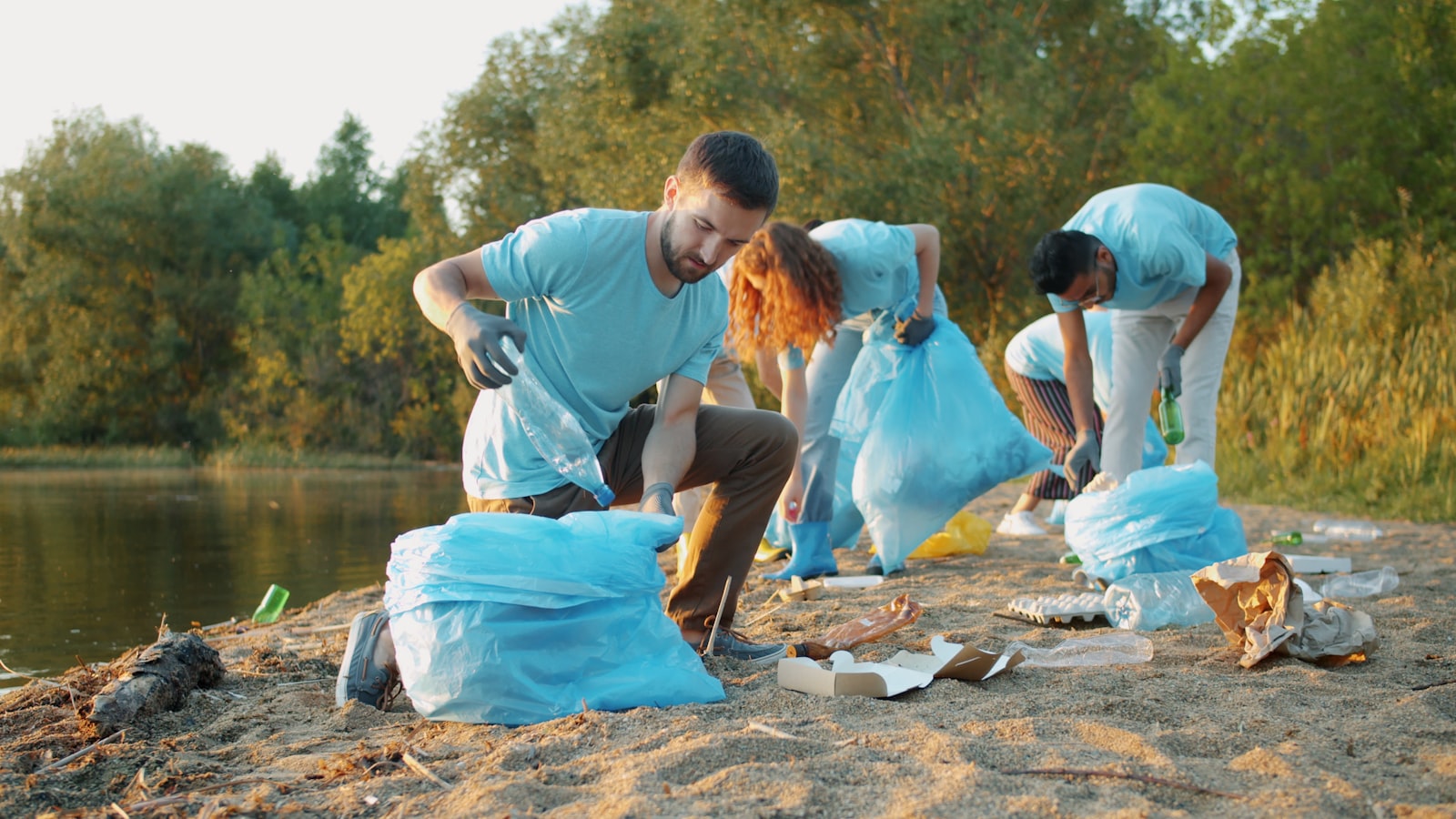
Leaving People Better Than You Found Them

When people consider leaving people better than you found them, the first question is often, “What can I do?” An equally important question is, “What would be genuinely useful?” Holding both questions together moves the conversation from symbolic goodwill toward action that protects dignity, strengthens relationships and can be improved through evidence.

This article sits within the broader theme of Everyday Kindness and the Touch-A-Life category Social Impact. The United Nations Volunteers programme treats volunteer action as part of sustainable development, while the United Nations Sustainable Development Goals show how social, economic and environmental outcomes connect. Those frameworks encourage readers to see leaving people better than you found them as one contribution within a larger system—not a substitute for rights, public services or professional responsibilities.

“The idea behind Leaving People Better Than You Found Them becomes real when people feel respected, participation remains voluntary and the value lasts beyond the moment.”

Understanding the opportunity

For this topic, a useful starting point is everyday actions that respect dignity, strengthen trust and make participation easier for people who are often overlooked. This framing keeps attention on the people who experience the action rather than the person or organization seeking recognition. It also creates space to distinguish immediate help from the longer work of changing access, relationships, policies or resources.

Context matters. The same gesture can be welcome in one setting and uncomfortable in another. Culture, disability, age, language, income, safety and previous experience influence what participation feels like. Asking before acting is not a loss of spontaneity; it is a way to make generosity more respectful. When urgent action is necessary, organizers should rely on trusted local guidance and explain what they can and cannot provide.

Building inclusion, dignity and trust

A credible approach to leaving people better than you found them connects intention, capability and accountability. Intention explains the purpose. Capability asks whether people have the time, skills, resources and authority required. Accountability defines who can provide feedback, how problems will be corrected and what happens after the initial activity. Leaving out any one of these can turn a promising idea into an avoidable burden.

  • Protect privacy and choice: turn this principle into a named responsibility, a realistic timeline and a feedback route.
  • Connect individual action with community capacity: turn this principle into a named responsibility, a realistic timeline and a feedback route.
  • Make kindness repeatable without making it transactional: turn this principle into a named responsibility, a realistic timeline and a feedback route.
  • Recognize contribution without creating competition for praise: turn this principle into a named responsibility, a realistic timeline and a feedback route.
  • Begin with what the recipient says would be useful: turn this principle into a named responsibility, a realistic timeline and a feedback route.

Start with a limited commitment that can be delivered well. A small pilot allows organizers to test language, timing, accessibility, partner capacity and participant comfort. It is better to complete a modest action responsibly than to announce a large campaign that cannot provide continuity. Scaling should follow evidence of usefulness and readiness, not online attention alone.

A five-point checklist

  1. Agree how feedback, privacy, accessibility and follow-up will work.
  2. Choose a contribution that fits available skills, time and safeguards.
  3. Review results honestly and adapt before expanding the activity.
  4. Map existing community assets, organizations and possible gaps.
  5. Define the specific need with the people most affected.

A practical composite example

A realistic non-identifiable scenario might involve a school, neighborhood association and nonprofit collaborating on leaving people better than you found them. Young participants help shape the idea through age-appropriate discussion, responsible adults manage consent and safeguarding, and the nonprofit explains what support is genuinely needed. The partners begin with a small pilot and report what changed, what did not and what they learned. No participant is required to share a personal story, and the activity is not expanded until community feedback supports it.

The example focuses on process rather than a dramatic outcome. That is deliberate. Responsible social-impact writing should not invent beneficiaries, partners, results or testimonials. A well-designed process makes it possible to learn from real outcomes later, obtain informed consent for any public story and give community partners an opportunity to correct the interpretation.

Avoiding predictable mistakes

Common mistakes include assuming good intentions guarantee a useful result, treating kindness as a substitute for fair systems, and publicizing someone’s hardship without meaningful consent. Another mistake is selecting only the people easiest to reach and presenting their experience as representative. Teams should ask who did not participate, which requirement created difficulty and whether the activity shifted hidden work or cost onto staff, families or community organizations.

Communications can also undermine trust. Avoid language that portrays people as helpless, promises transformation without evidence or treats a photograph as proof of impact. Obtain specific informed consent before using names, images or personal circumstances. Refusing publicity should never affect access to support. When the topic touches health, disability, children, crisis or protected groups, qualified review and stronger privacy safeguards are essential.

A simple measurement framework

Measurement should combine reach, quality, equity and durability. Useful indicators for this topic include continued voluntary participation, participant-reported usefulness and dignity, new relationships and referrals created, and barriers identified and removed. The ILO volunteer work measurement guide is a useful reminder that definitions and methods matter. A project should document what an indicator means, how information is gathered and whose experience may be missing.

Outputs such as participants, hours, donations, messages or completed tasks help manage delivery, but they are not outcomes by themselves. Outcomes ask whether the contribution was useful, whether access improved, whether relationships or capabilities became stronger and whether benefits continued. Qualitative feedback can explain why results differ, while a few consistent quantitative measures can show scale and change over time.

Set the baseline and review schedule before launch. Protect privacy, avoid publishing data that could identify a small group and disclose important limitations. If results are mixed, explain what will change. Evidence should support learning and accountability rather than become a competition for the biggest claim.

Authoritative resources and outbound references

These sources provide institutional frameworks and starting points. Local law, culture, safeguarding requirements and professional standards determine how an activity should be applied. Readers should use qualified local advice for decisions involving healthcare, mental health, children, disability, finance, law, animal welfare, environmental safety or regulated services.

Start small, learn and improve

Leaving People Better Than You Found Them can begin with one disciplined step: ask affected people what would help, identify an appropriate contribution and agree how everyone involved can provide feedback. Then test the idea at a scale that can be supported safely. Keep what proves useful, change what does not and share the reasoning in plain language.

The aim is not a perfect campaign or a memorable slogan. It is a contribution that respects dignity, expands participation and leaves people or institutions better able to act. When leaving people better than you found them is guided by community voice, ethical boundaries and honest measurement, a simple idea can become part of a stronger culture of social responsibility.

A Practical Guide to Social Impact Strategy

Social Impact Strategy is most effective when it responds to a real need, respects the people affected, and connects day-to-day activity with a clear long-term purpose. For community organizers, mission-driven teams, and concerned citizens, the challenge is rarely a lack of good intention. The harder work is turning that intention into an approach that people can understand, join, improve, and sustain.

This guide offers a practical framework for doing that work. It explains how to establish priorities, involve stakeholders, choose realistic actions, measure progress, and communicate results responsibly. The ideas can be adapted for a neighborhood initiative, a school, a nonprofit, an employee group, or a wider coalition. The scale may change, but the underlying principles remain surprisingly consistent.

Why Social Impact Strategy Matters

Strong initiatives begin with relevance. When a program is designed around assumptions, it may attract attention without solving the problem people experience. A useful social impact strategy process begins by listening to those closest to the issue, identifying the obstacles they face, and understanding what has already been tried. This prevents duplication and helps teams invest energy where it can make a meaningful difference.

Participation also matters. People are more likely to support an initiative when they can see how decisions were made and where their contribution fits. Clear roles, realistic expectations, accessible communication, and visible follow-through create confidence. Over time, these habits produce clearer priorities and stronger trust, which are more valuable than a short burst of publicity.

A Practical Five-Step Framework

Use the following sequence as a starting point. It is deliberately simple so that a small team can apply it without expensive systems or specialist staff:

  • 1. Listen before designing. Ask what evidence or conversation would show that this step has been completed well, and record the decision in plain language.
  • 2. Map the people affected. Ask what evidence or conversation would show that this step has been completed well, and record the decision in plain language.
  • 3. Define one shared outcome. Ask what evidence or conversation would show that this step has been completed well, and record the decision in plain language.
  • 4. Test the smallest useful intervention. Ask what evidence or conversation would show that this step has been completed well, and record the decision in plain language.
  • 5. Publish lessons transparently. Ask what evidence or conversation would show that this step has been completed well, and record the decision in plain language.

Design for Meaningful Participation

Inclusion should be built into the design rather than added at the end. Consider who may be excluded by location, timing, language, disability, digital access, cost, or social confidence. Offer more than one route for participation and avoid assuming that the loudest voices represent everyone. Compensation, childcare, transportation, translation, and accessible formats may be necessary costs of meaningful engagement.

Trust grows when teams explain constraints honestly. Not every suggestion can be implemented, but every contribution can be acknowledged. Share what was heard, what will happen next, what cannot be done yet, and why. This simple feedback loop protects relationships and helps participants see that engagement is connected to decisions.

Measure Progress Without Losing the Human Story

Measurement does not need to begin with a complicated dashboard. Start with one output, one outcome, and one learning question. An output records what the team delivered, such as sessions held or volunteers trained. An outcome describes what changed for participants. A learning question explores why the change happened, for whom it worked, and what should be improved.

Combine numbers with human feedback. Counts and percentages show scale, while interviews, short surveys, observations, and participant stories explain experience. Protect privacy, request consent, and collect only information that has a clear use. Review findings at a regular rhythm and make at least one documented improvement after every review.

Lasting impact grows when communities help define the problem, shape the response, and learn from the results.

Common Mistakes to Avoid

  • Starting with a solution before confirming the need
  • Promising a scale or timeline that available resources cannot support
  • Treating communication as promotion instead of a two-way relationship
  • Counting activity without examining whether conditions improved
  • Depending on one enthusiastic person without distributing knowledge and responsibility

A Simple Example in Practice

Imagine a local team applying social impact strategy. Instead of announcing a large campaign immediately, it holds three short listening conversations, reviews available community data, and identifies one achievable priority. The team recruits partners with complementary skills, publishes a ninety-day plan, and invites participants to choose roles that match their availability. At the end of the period, it compares the original baseline with results, asks participants what felt useful, and openly reports both progress and gaps.

The value of this example is not its size. It is the discipline of moving from listening to action, and from action to learning. A modest program that earns trust and improves over time can become a reliable community asset. A large launch without ownership, evidence, or continuity often disappears as soon as attention moves elsewhere.

How to Make the Work Sustainable

Sustainability depends on shared capacity. Document recurring tasks, maintain simple contact and decision records, cross-train people, and build leadership opportunities for participants. Review whether the initiative relies on unpaid labor in ways that are unfair or unrealistic. Where possible, secure flexible funding that supports coordination, technology, accessibility, evaluation, and administration—not only visible activities.

Partnerships should be specific. Rather than asking an organization to “support the cause,” define the contribution needed, the value for the community, the responsibilities of each partner, and the review date. A short written agreement can prevent confusion and make collaboration easier to renew.

Quick-Start Checklist

  • The need has been confirmed with people directly affected
  • The intended outcome is specific and understandable
  • Roles, resources, risks, and decision rights are documented
  • Participation is accessible to people with different circumstances
  • Progress will be measured with both quantitative and qualitative evidence
  • Participants will receive updates about decisions and results
  • The team has identified how knowledge and responsibility will be shared

Final Thoughts

Social Impact Strategy can create meaningful progress when it is approached as a relationship and learning practice, not a one-time activity. Begin with the people and the problem, choose a manageable action, make participation clear, and use evidence to improve. Consistent, transparent work may feel slower than a highly visible launch, but it builds the trust and capability that lasting social impact requires.

Take the next step: Choose one action from this guide and complete it within the next seven days. Share the learning with your team, invite feedback from someone affected by the work, and decide the next smallest step together.

Questions to Discuss With Your Team

  • What would meaningful progress in social impact strategy look like six months from now?
  • Whose experience is missing from the current conversation?
  • Which assumption should be tested before more resources are committed?
  • What can be simplified so that more people can participate?
  • How will the team communicate what it learns, including setbacks?

A short discussion around these questions can reveal hidden constraints and help the group distinguish urgent activity from valuable action. Record the answers, assign an owner to each next step, and agree on a date to review progress. This turns reflection into an operating habit rather than an occasional exercise.

Launching a Community Skills-Sharing Day

Launching a Community Skills-Sharing Day is a useful way to examine how ordinary choices can contribute to a wider culture of participation. The idea becomes valuable when it responds to a real need, respects the people involved and creates room for others to act without pressure. It becomes less useful when visibility, speed or personal recognition matters more than the experience of the community.

This article sits within the broader theme of Pay It Forward Campaign Ideas and the Touch-A-Life category Social Impact. The United Nations Volunteers programme treats volunteer action as part of sustainable development, while the United Nations Sustainable Development Goals show how social, economic and environmental outcomes connect. Those frameworks encourage readers to see launching a community skills-sharing day as one contribution within a larger system—not a substitute for rights, public services or professional responsibilities.

“The idea behind Launching a Community Skills-Sharing Day becomes real when people feel respected, participation remains voluntary and the value lasts beyond the moment.”

Connecting compassion and responsibility

For this topic, a useful starting point is support that expands another person’s choices without imposing repayment, obligation or a prescribed way to give back. This framing keeps attention on the people who experience the action rather than the person or organization seeking recognition. It also creates space to distinguish immediate help from the longer work of changing access, relationships, policies or resources.

Context matters. The same gesture can be welcome in one setting and uncomfortable in another. Culture, disability, age, language, income, safety and previous experience influence what participation feels like. Asking before acting is not a loss of spontaneity; it is a way to make generosity more respectful. When urgent action is necessary, organizers should rely on trusted local guidance and explain what they can and cannot provide.

What a stronger approach includes

A credible approach to launching a community skills-sharing day connects intention, capability and accountability. Intention explains the purpose. Capability asks whether people have the time, skills, resources and authority required. Accountability defines who can provide feedback, how problems will be corrected and what happens after the initial activity. Leaving out any one of these can turn a promising idea into an avoidable burden.

  • Make support accessible to people with limited money or time: turn this principle into a named responsibility, a realistic timeline and a feedback route.
  • Offer several ways to participate later: turn this principle into a named responsibility, a realistic timeline and a feedback route.
  • Separate gratitude from debt: turn this principle into a named responsibility, a realistic timeline and a feedback route.
  • Document the pathway from help to agency: turn this principle into a named responsibility, a realistic timeline and a feedback route.
  • Celebrate shared momentum rather than individual saviors: turn this principle into a named responsibility, a realistic timeline and a feedback route.

Start with a limited commitment that can be delivered well. A small pilot allows organizers to test language, timing, accessibility, partner capacity and participant comfort. It is better to complete a modest action responsibly than to announce a large campaign that cannot provide continuity. Scaling should follow evidence of usefulness and readiness, not online attention alone.

Community planning checklist

  1. Define the specific need with the people most affected.
  2. Choose a contribution that fits available skills, time and safeguards.
  3. Agree how feedback, privacy, accessibility and follow-up will work.
  4. Map existing community assets, organizations and possible gaps.
  5. Review results honestly and adapt before expanding the activity.

An illustrative non-identifiable scenario

Imagine a neighborhood group exploring launching a community skills-sharing day. Instead of announcing a ready-made campaign, organizers meet residents and local organizations to identify one clear gap. They learn that timing, transport, language and trust matter as much as money. The group tests a modest response, assigns safeguarding and follow-up responsibilities, and gives participants a private way to report problems. This is an illustrative composite, not a claim about a real person or programme. Its value lies in showing how listening can turn a broad idea into a specific, accountable action.

The example focuses on process rather than a dramatic outcome. That is deliberate. Responsible social-impact writing should not invent beneficiaries, partners, results or testimonials. A well-designed process makes it possible to learn from real outcomes later, obtain informed consent for any public story and give community partners an opportunity to correct the interpretation.

What often goes wrong

Common mistakes include pressuring recipients to repay kindness, claiming a ripple effect without evidence, and valuing money more than time, knowledge or care. Another mistake is selecting only the people easiest to reach and presenting their experience as representative. Teams should ask who did not participate, which requirement created difficulty and whether the activity shifted hidden work or cost onto staff, families or community organizations.

Communications can also undermine trust. Avoid language that portrays people as helpless, promises transformation without evidence or treats a photograph as proof of impact. Obtain specific informed consent before using names, images or personal circumstances. Refusing publicity should never affect access to support. When the topic touches health, disability, children, crisis or protected groups, qualified review and stronger privacy safeguards are essential.

Tracking outcomes without losing the human story

Measurement should combine reach, quality, equity and durability. Useful indicators for this topic include voluntary follow-on actions, diversity of contribution types, participant sense of agency, and networks sustained beyond the original activity. The ILO volunteer work measurement guide is a useful reminder that definitions and methods matter. A project should document what an indicator means, how information is gathered and whose experience may be missing.

Outputs such as participants, hours, donations, messages or completed tasks help manage delivery, but they are not outcomes by themselves. Outcomes ask whether the contribution was useful, whether access improved, whether relationships or capabilities became stronger and whether benefits continued. Qualitative feedback can explain why results differ, while a few consistent quantitative measures can show scale and change over time.

Set the baseline and review schedule before launch. Protect privacy, avoid publishing data that could identify a small group and disclose important limitations. If results are mixed, explain what will change. Evidence should support learning and accountability rather than become a competition for the biggest claim.

Authoritative resources and outbound references

These sources provide institutional frameworks and starting points. Local law, culture, safeguarding requirements and professional standards determine how an activity should be applied. Readers should use qualified local advice for decisions involving healthcare, mental health, children, disability, finance, law, animal welfare, environmental safety or regulated services.

Conclusion: make the contribution useful

Launching a Community Skills-Sharing Day can begin with one disciplined step: ask affected people what would help, identify an appropriate contribution and agree how everyone involved can provide feedback. Then test the idea at a scale that can be supported safely. Keep what proves useful, change what does not and share the reasoning in plain language.

The aim is not a perfect campaign or a memorable slogan. It is a contribution that respects dignity, expands participation and leaves people or institutions better able to act. When launching a community skills-sharing day is guided by community voice, ethical boundaries and honest measurement, a simple idea can become part of a stronger culture of social responsibility.

How Social Enterprises Can Use Reciprocal Generosity

The promise behind how social enterprises can use reciprocal generosity is not that one person can solve a complex social problem. It is that people can choose to participate responsibly, contribute an appropriate resource and help build conditions in which more people have agency. That is a more durable ambition than a single dramatic gesture.

This article sits within the broader theme of Pay-It-Forward Business Models and the Touch-A-Life category Social Impact. The United Nations Volunteers programme treats volunteer action as part of sustainable development, while the United Nations Sustainable Development Goals show how social, economic and environmental outcomes connect. Those frameworks encourage readers to see social enterprises can use reciprocal generosity as one contribution within a larger system—not a substitute for rights, public services or professional responsibilities.

“The idea behind How Social Enterprises Can Use Reciprocal Generosity becomes real when people feel respected, participation remains voluntary and the value lasts beyond the moment.”

Why this idea matters

For this topic, a useful starting point is everyday actions that respect dignity, strengthen trust and make participation easier for people who are often overlooked. This framing keeps attention on the people who experience the action rather than the person or organization seeking recognition. It also creates space to distinguish immediate help from the longer work of changing access, relationships, policies or resources.

Context matters. The same gesture can be welcome in one setting and uncomfortable in another. Culture, disability, age, language, income, safety and previous experience influence what participation feels like. Asking before acting is not a loss of spontaneity; it is a way to make generosity more respectful. When urgent action is necessary, organizers should rely on trusted local guidance and explain what they can and cannot provide.

Designing action that helps

A credible approach to social enterprises can use reciprocal generosity connects intention, capability and accountability. Intention explains the purpose. Capability asks whether people have the time, skills, resources and authority required. Accountability defines who can provide feedback, how problems will be corrected and what happens after the initial activity. Leaving out any one of these can turn a promising idea into an avoidable burden.

  • Begin with what the recipient says would be useful: turn this principle into a named responsibility, a realistic timeline and a feedback route.
  • Protect privacy and choice: turn this principle into a named responsibility, a realistic timeline and a feedback route.
  • Recognize contribution without creating competition for praise: turn this principle into a named responsibility, a realistic timeline and a feedback route.
  • Make kindness repeatable without making it transactional: turn this principle into a named responsibility, a realistic timeline and a feedback route.
  • Connect individual action with community capacity: turn this principle into a named responsibility, a realistic timeline and a feedback route.

Start with a limited commitment that can be delivered well. A small pilot allows organizers to test language, timing, accessibility, partner capacity and participant comfort. It is better to complete a modest action responsibly than to announce a large campaign that cannot provide continuity. Scaling should follow evidence of usefulness and readiness, not online attention alone.

Practical implementation checklist

  1. Map existing community assets, organizations and possible gaps.
  2. Choose a contribution that fits available skills, time and safeguards.
  3. Agree how feedback, privacy, accessibility and follow-up will work.
  4. Review results honestly and adapt before expanding the activity.
  5. Define the specific need with the people most affected.

A realistic community example

Picture a local network testing an approach to social enterprises can use reciprocal generosity. It maps existing services first so it does not duplicate another organization’s work. Community advisers are compensated for their time, communications avoid identifiable hardship stories, and referral limits are explained clearly. A short review asks who participated, who could not, whether the action was useful and what unintended costs appeared. The example is composite and intentionally avoids invented names, outcomes or statistics.

The example focuses on process rather than a dramatic outcome. That is deliberate. Responsible social-impact writing should not invent beneficiaries, partners, results or testimonials. A well-designed process makes it possible to learn from real outcomes later, obtain informed consent for any public story and give community partners an opportunity to correct the interpretation.

Common mistakes to avoid

Common mistakes include assuming good intentions guarantee a useful result, publicizing someone’s hardship without meaningful consent, and treating kindness as a substitute for fair systems. Another mistake is selecting only the people easiest to reach and presenting their experience as representative. Teams should ask who did not participate, which requirement created difficulty and whether the activity shifted hidden work or cost onto staff, families or community organizations.

Communications can also undermine trust. Avoid language that portrays people as helpless, promises transformation without evidence or treats a photograph as proof of impact. Obtain specific informed consent before using names, images or personal circumstances. Refusing publicity should never affect access to support. When the topic touches health, disability, children, crisis or protected groups, qualified review and stronger privacy safeguards are essential.

How to measure meaningful progress

Measurement should combine reach, quality, equity and durability. Useful indicators for this topic include participant-reported usefulness and dignity, barriers identified and removed, continued voluntary participation, and new relationships and referrals created. The ILO volunteer work measurement guide is a useful reminder that definitions and methods matter. A project should document what an indicator means, how information is gathered and whose experience may be missing.

Outputs such as participants, hours, donations, messages or completed tasks help manage delivery, but they are not outcomes by themselves. Outcomes ask whether the contribution was useful, whether access improved, whether relationships or capabilities became stronger and whether benefits continued. Qualitative feedback can explain why results differ, while a few consistent quantitative measures can show scale and change over time.

Set the baseline and review schedule before launch. Protect privacy, avoid publishing data that could identify a small group and disclose important limitations. If results are mixed, explain what will change. Evidence should support learning and accountability rather than become a competition for the biggest claim.

Authoritative resources and outbound references

These sources provide institutional frameworks and starting points. Local law, culture, safeguarding requirements and professional standards determine how an activity should be applied. Readers should use qualified local advice for decisions involving healthcare, mental health, children, disability, finance, law, animal welfare, environmental safety or regulated services.

A practical next step

How Social Enterprises Can Use Reciprocal Generosity can begin with one disciplined step: ask affected people what would help, identify an appropriate contribution and agree how everyone involved can provide feedback. Then test the idea at a scale that can be supported safely. Keep what proves useful, change what does not and share the reasoning in plain language.

The aim is not a perfect campaign or a memorable slogan. It is a contribution that respects dignity, expands participation and leaves people or institutions better able to act. When social enterprises can use reciprocal generosity is guided by community voice, ethical boundaries and honest measurement, a simple idea can become part of a stronger culture of social responsibility.