

The Connection Between Kindness and Community Well-Being

The Connection Between Kindness and Community Well-Being is a practical issue for individuals, families, schools, workplaces and community groups. It deserves more than a campaign slogan because good intentions may remain symbolic without a practical next step. A thoughtful approach can create everyday action that strengthens dignity and belonging while protecting dignity, access and accountability.

This guide explains how to approach the connection between kindness and community well-being, involve people closest to the issue, test a manageable action and measure whether the work is useful. The central principle is to connect purpose, participation and evidence. Teams should be able to explain what will change, who can influence decisions, what support is available and how concerns will be addressed.

Why the connection between kindness and community well-being matters

The connection between kindness and community well-being matters because activity alone does not prove that a community need has been addressed. A responsible initiative considers immediate experience and longer-term capacity. It treats participants as contributors with knowledge rather than as passive recipients, and it makes room for questions before a process becomes difficult to change.

For individuals, families, schools, workplaces and community groups, clarity reduces avoidable harm. People should know the purpose, limits, decision rights and expected next step. When those details are vague, a project may generate attention without creating everyday action that strengthens dignity and belonging. When they are visible, a small pilot can produce evidence that improves future choices.

Principles for an inclusive and ethical approach

  • Listen before designing. Ask what already works, what creates barriers and what a useful result would look like.
  • Share meaningful influence. Participation should affect priorities, resources, delivery or review.
  • Make access practical. Consider language, disability, time, technology, transport, safety and participation costs.
  • Protect dignity and privacy. Collect only necessary information and obtain informed consent before sharing stories or images.
  • Document commitments. Record decisions, owners and dates so people can see what followed their contribution.

A step-by-step implementation plan

  1. Step 1: Agree on scope, safeguards, resources and a decision process.
  2. Step 2: Run a limited pilot that tests the most uncertain assumption.
  3. Step 3: Review evidence with participants and choose whether to continue, adapt, pause or stop.
  4. Step 4: Define one community need connected to the connection between kindness and community well-being in plain language.
  5. Step 5: Identify people with lived experience, practical knowledge, authority and responsibility.

A pilot should have a defined start, finish and learning question. It is not permission to offer a poor experience. Tell participants what is temporary, what can change and where they can raise a concern. Use the review to make a visible decision rather than allowing the pilot to continue indefinitely without evidence.

Implementation checklist

  • ☐ The need, audience and intended outcome are written in plain language.
  • ☐ People affected by the issue have a meaningful role in design and review.
  • ☐ An accountable owner, budget, timeline and decision process are documented.
  • ☐ Accessibility, safeguarding, privacy and consent have been reviewed.
  • ☐ The pilot includes feedback channels and a response plan.
  • ☐ Measures cover reach, experience, equity, quality and longer-term change.
  • ☐ Results and next steps will be shared with participants.

A practical example

Imagine a local team exploring the connection between kindness and community well-being. Its first plan is to launch quickly across several communities. During two listening sessions, participants explain that the proposed hours, language and sign-up process would exclude many people. The team chooses one location for an eight-week pilot, appoints two community advisors and gives them authority over access and communication decisions.

The team publishes a one-page plan, identifies a named contact and reviews feedback every two weeks. Participants report clearer information and better access, but they also identify a gap for people who cannot attend in person. The team adds an offline option before expansion. The improvement comes from disciplined listening and visible follow-through, not from a larger budget or an unsupported claim of success.

Common mistakes to avoid

  • Starting with a preferred solution: this narrows the work before the need and existing strengths are understood.
  • Inviting people after major decisions: late consultation rarely transfers meaningful influence.
  • Counting activity as impact: attendance and outputs do not show whether conditions improved.
  • Ignoring participation costs: time, transport, data, childcare and accessibility affect who can contribute.
  • Collecting unnecessary data: excessive forms increase risk without automatically improving decisions.
  • Scaling before learning: expansion multiplies weaknesses and makes correction more expensive.

How to measure progress and impact

Measurement for the connection between kindness and community well-being should support decisions rather than simply fill a report. Establish a baseline: what is happening now, for whom and under what conditions? Then choose a small set of indicators that combine reach, quality, equity and outcome. Where it is ethical, review results across relevant groups so an average does not hide unequal access or experience.

  • Track: complaints, unintended effects and corrections completed.
  • Track: who was reached and who was missing.
  • Track: participant experience, trust and accessibility.
  • Track: whether agreed activities were delivered safely and on time.
  • Track: changes connected to the intended outcome.

Combine numbers with short interviews, observation and open feedback. At each review ask: What changed? Who benefited or faced barriers? What decision will we make because of the evidence? Share limitations and negative findings as well as progress. Credible impact communication explains uncertainty instead of hiding it.

Building sustainable follow-through

Sustainability does not always mean keeping the same program forever. For the connection between kindness and community well-being, it means preserving the relationships, knowledge, access and accountability that create value. Document the minimum process, train more than one person and identify essential costs. Build partnerships around complementary roles instead of asking every organization to duplicate the same capability.

“The connection between kindness and community well-being becomes meaningful when people can see their knowledge in the plan and their priorities in the result.”

A final planning question is whether the connection between kindness and community well-being still works for people with the least access to time, technology, transport or institutional influence. Testing that question early can reveal assumptions that a general satisfaction score will miss. Teams should record the adjustment, the reason for it and the person responsible for checking the result.

Partnerships are strongest when each party understands its contribution and limits. A short written agreement can cover purpose, decision rights, data handling, safeguarding, communications, costs and exit arrangements. Plain language is usually more useful than a long document that participants cannot interpret.

Learning should be returned to the community that produced it. Share a brief update in accessible formats, explain which suggestions were adopted and state why other suggestions could not be implemented. Closing this loop shows respect and helps future participants judge whether their involvement is worthwhile.

Turning the idea into action

The connection between kindness and community well-being is most useful when treated as a shared practice rather than a slogan. Start with one clear need, one accountable decision and one group whose experience will shape the work. Use a modest pilot to learn, respond visibly to feedback and measure the change that participants consider meaningful.

The next step can be simple: bring the right people together, agree on the outcome and complete the checklist before announcing a solution. When organizations combine humility with disciplined follow-through, participation becomes a source of better decisions, deeper trust and impact that can endure.
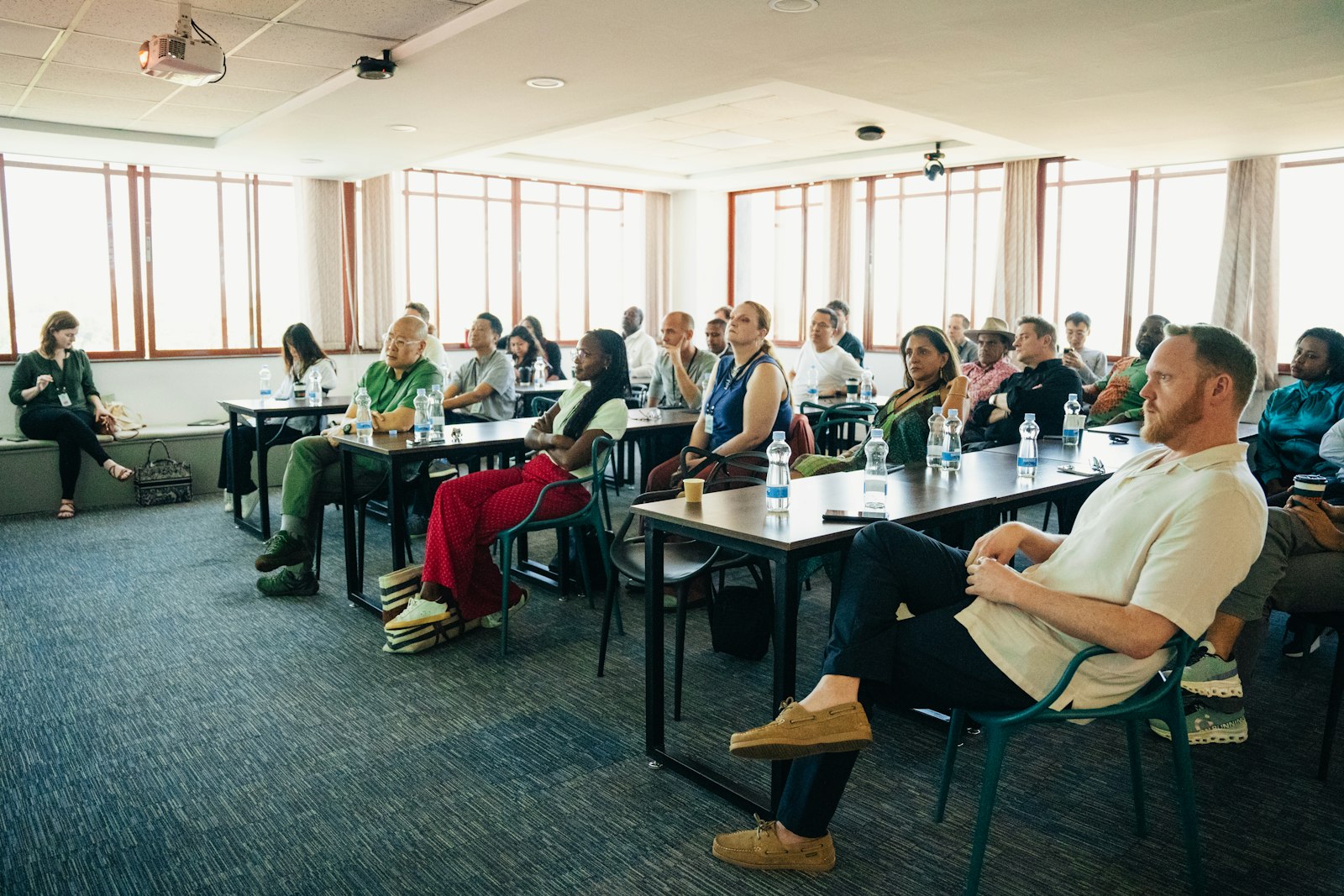

How Schools Can Encourage Kindness and Social Responsibility

How Schools Can Encourage Kindness and Social Responsibility is a practical issue for individuals, families, schools, workplaces and community groups. It deserves more than a campaign slogan because good intentions may remain symbolic without a practical next step. A thoughtful approach can create everyday action that strengthens dignity and belonging while protecting dignity, access and accountability.

This guide explains how to approach how schools can encourage kindness and social responsibility, involve people closest to the issue, test a manageable action and measure whether the work is useful. The central principle is to connect purpose, participation and evidence. Teams should be able to explain what will change, who can influence decisions, what support is available and how concerns will be addressed.

Why how schools can encourage kindness and social responsibility matters

How schools can encourage kindness and social responsibility matters because activity alone does not prove that a community need has been addressed. A responsible initiative considers immediate experience and longer-term capacity. It treats participants as contributors with knowledge rather than as passive recipients, and it makes room for questions before a process becomes difficult to change.

For individuals, families, schools, workplaces and community groups, clarity reduces avoidable harm. People should know the purpose, limits, decision rights and expected next step. When those details are vague, a project may generate attention without creating everyday action that strengthens dignity and belonging. When they are visible, a small pilot can produce evidence that improves future choices.

Principles for an inclusive and ethical approach

  • Listen before designing. Ask what already works, what creates barriers and what a useful result would look like.
  • Share meaningful influence. Participation should affect priorities, resources, delivery or review.
  • Make access practical. Consider language, disability, time, technology, transport, safety and participation costs.
  • Protect dignity and privacy. Collect only necessary information and obtain informed consent before sharing stories or images.
  • Document commitments. Record decisions, owners and dates so people can see what followed their contribution.

A step-by-step implementation plan

  1. Step 1: Identify people with lived experience, practical knowledge, authority and responsibility.
  2. Step 2: Agree on scope, safeguards, resources and a decision process.
  3. Step 3: Run a limited pilot that tests the most uncertain assumption.
  4. Step 4: Review evidence with participants and choose whether to continue, adapt, pause or stop.
  5. Step 5: Define one community need connected to how schools can encourage kindness and social responsibility in plain language.

A pilot should have a defined start, finish and learning question. It is not permission to offer a poor experience. Tell participants what is temporary, what can change and where they can raise a concern. Use the review to make a visible decision rather than allowing the pilot to continue indefinitely without evidence.

Implementation checklist

  • ☐ The need, audience and intended outcome are written in plain language.
  • ☐ People affected by the issue have a meaningful role in design and review.
  • ☐ An accountable owner, budget, timeline and decision process are documented.
  • ☐ Accessibility, safeguarding, privacy and consent have been reviewed.
  • ☐ The pilot includes feedback channels and a response plan.
  • ☐ Measures cover reach, experience, equity, quality and longer-term change.
  • ☐ Results and next steps will be shared with participants.

A practical example

Imagine a local team exploring how schools can encourage kindness and social responsibility. Its first plan is to launch quickly across several communities. During two listening sessions, participants explain that the proposed hours, language and sign-up process would exclude many people. The team chooses one location for an eight-week pilot, appoints two community advisors and gives them authority over access and communication decisions.

The team publishes a one-page plan, identifies a named contact and reviews feedback every two weeks. Participants report clearer information and better access, but they also identify a gap for people who cannot attend in person. The team adds an offline option before expansion. The improvement comes from disciplined listening and visible follow-through, not from a larger budget or an unsupported claim of success.

Common mistakes to avoid

  • Starting with a preferred solution: this narrows the work before the need and existing strengths are understood.
  • Inviting people after major decisions: late consultation rarely transfers meaningful influence.
  • Counting activity as impact: attendance and outputs do not show whether conditions improved.
  • Ignoring participation costs: time, transport, data, childcare and accessibility affect who can contribute.
  • Collecting unnecessary data: excessive forms increase risk without automatically improving decisions.
  • Scaling before learning: expansion multiplies weaknesses and makes correction more expensive.

How to measure progress and impact

Measurement for how schools can encourage kindness and social responsibility should support decisions rather than simply fill a report. Establish a baseline: what is happening now, for whom and under what conditions? Then choose a small set of indicators that combine reach, quality, equity and outcome. Where it is ethical, review results across relevant groups so an average does not hide unequal access or experience.

  • Track: whether agreed activities were delivered safely and on time.
  • Track: changes connected to the intended outcome.
  • Track: complaints, unintended effects and corrections completed.
  • Track: who was reached and who was missing.
  • Track: participant experience, trust and accessibility.

Combine numbers with short interviews, observation and open feedback. At each review ask: What changed? Who benefited or faced barriers? What decision will we make because of the evidence? Share limitations and negative findings as well as progress. Credible impact communication explains uncertainty instead of hiding it.

Building sustainable follow-through

Sustainability does not always mean keeping the same program forever. For how schools can encourage kindness and social responsibility, it means preserving the relationships, knowledge, access and accountability that create value. Document the minimum process, train more than one person and identify essential costs. Build partnerships around complementary roles instead of asking every organization to duplicate the same capability.

“How schools can encourage kindness and social responsibility becomes meaningful when people can see their knowledge in the plan and their priorities in the result.”

A final planning question is whether how schools can encourage kindness and social responsibility still works for people with the least access to time, technology, transport or institutional influence. Testing that question early can reveal assumptions that a general satisfaction score will miss. Teams should record the adjustment, the reason for it and the person responsible for checking the result.

Partnerships are strongest when each party understands its contribution and limits. A short written agreement can cover purpose, decision rights, data handling, safeguarding, communications, costs and exit arrangements. Plain language is usually more useful than a long document that participants cannot interpret.

Turning the idea into action

How schools can encourage kindness and social responsibility is most useful when treated as a shared practice rather than a slogan. Start with one clear need, one accountable decision and one group whose experience will shape the work. Use a modest pilot to learn, respond visibly to feedback and measure the change that participants consider meaningful.

The next step can be simple: bring the right people together, agree on the outcome and complete the checklist before announcing a solution. When organizations combine humility with disciplined follow-through, participation becomes a source of better decisions, deeper trust and impact that can endure.

Thirty Kindness Activities for Families, Schools and Workplaces

Thirty Kindness Activities for Families, Schools and Workplaces is a practical issue for individuals, families, schools, workplaces and community groups. It deserves more than a campaign slogan because good intentions may remain symbolic without a practical next step. A thoughtful approach can create everyday action that strengthens dignity and belonging while protecting dignity, access and accountability.

This guide explains how to approach thirty kindness activities for families, schools and workplaces, involve people closest to the issue, test a manageable action and measure whether the work is useful. The central principle is to connect purpose, participation and evidence. Teams should be able to explain what will change, who can influence decisions, what support is available and how concerns will be addressed.

Why thirty kindness activities for families, schools and workplaces matters

Thirty kindness activities for families, schools and workplaces matters because activity alone does not prove that a community need has been addressed. A responsible initiative considers immediate experience and longer-term capacity. It treats participants as contributors with knowledge rather than as passive recipients, and it makes room for questions before a process becomes difficult to change.

For individuals, families, schools, workplaces and community groups, clarity reduces avoidable harm. People should know the purpose, limits, decision rights and expected next step. When those details are vague, a project may generate attention without creating everyday action that strengthens dignity and belonging. When they are visible, a small pilot can produce evidence that improves future choices.

Principles for an inclusive and ethical approach

  • Listen before designing. Ask what already works, what creates barriers and what a useful result would look like.
  • Share meaningful influence. Participation should affect priorities, resources, delivery or review.
  • Make access practical. Consider language, disability, time, technology, transport, safety and participation costs.
  • Protect dignity and privacy. Collect only necessary information and obtain informed consent before sharing stories or images.
  • Document commitments. Record decisions, owners and dates so people can see what followed their contribution.

A step-by-step implementation plan

  1. Step 1: Review evidence with participants and choose whether to continue, adapt, pause or stop.
  2. Step 2: Define one community need connected to thirty kindness activities for families, schools and workplaces in plain language.
  3. Step 3: Identify people with lived experience, practical knowledge, authority and responsibility.
  4. Step 4: Agree on scope, safeguards, resources and a decision process.
  5. Step 5: Run a limited pilot that tests the most uncertain assumption.

A pilot should have a defined start, finish and learning question. It is not permission to offer a poor experience. Tell participants what is temporary, what can change and where they can raise a concern. Use the review to make a visible decision rather than allowing the pilot to continue indefinitely without evidence.

Implementation checklist

  • ☐ The need, audience and intended outcome are written in plain language.
  • ☐ People affected by the issue have a meaningful role in design and review.
  • ☐ An accountable owner, budget, timeline and decision process are documented.
  • ☐ Accessibility, safeguarding, privacy and consent have been reviewed.
  • ☐ The pilot includes feedback channels and a response plan.
  • ☐ Measures cover reach, experience, equity, quality and longer-term change.
  • ☐ Results and next steps will be shared with participants.

A practical example

Imagine a local team exploring thirty kindness activities for families, schools and workplaces. Its first plan is to launch quickly across several communities. During two listening sessions, participants explain that the proposed hours, language and sign-up process would exclude many people. The team chooses one location for an eight-week pilot, appoints two community advisors and gives them authority over access and communication decisions.

The team publishes a one-page plan, identifies a named contact and reviews feedback every two weeks. Participants report clearer information and better access, but they also identify a gap for people who cannot attend in person. The team adds an offline option before expansion. The improvement comes from disciplined listening and visible follow-through, not from a larger budget or an unsupported claim of success.

Common mistakes to avoid

  • Starting with a preferred solution: this narrows the work before the need and existing strengths are understood.
  • Inviting people after major decisions: late consultation rarely transfers meaningful influence.
  • Counting activity as impact: attendance and outputs do not show whether conditions improved.
  • Ignoring participation costs: time, transport, data, childcare and accessibility affect who can contribute.
  • Collecting unnecessary data: excessive forms increase risk without automatically improving decisions.
  • Scaling before learning: expansion multiplies weaknesses and makes correction more expensive.

How to measure progress and impact

Measurement for thirty kindness activities for families, schools and workplaces should support decisions rather than simply fill a report. Establish a baseline: what is happening now, for whom and under what conditions? Then choose a small set of indicators that combine reach, quality, equity and outcome. Where it is ethical, review results across relevant groups so an average does not hide unequal access or experience.

  • Track: changes connected to the intended outcome.
  • Track: complaints, unintended effects and corrections completed.
  • Track: who was reached and who was missing.
  • Track: participant experience, trust and accessibility.
  • Track: whether agreed activities were delivered safely and on time.

Combine numbers with short interviews, observation and open feedback. At each review ask: What changed? Who benefited or faced barriers? What decision will we make because of the evidence? Share limitations and negative findings as well as progress. Credible impact communication explains uncertainty instead of hiding it.

Building sustainable follow-through

Sustainability does not always mean keeping the same program forever. For thirty kindness activities for families, schools and workplaces, it means preserving the relationships, knowledge, access and accountability that create value. Document the minimum process, train more than one person and identify essential costs. Build partnerships around complementary roles instead of asking every organization to duplicate the same capability.

“Thirty kindness activities for families, schools and workplaces becomes meaningful when people can see their knowledge in the plan and their priorities in the result.”

A final planning question is whether thirty kindness activities for families, schools and workplaces still works for people with the least access to time, technology, transport or institutional influence. Testing that question early can reveal assumptions that a general satisfaction score will miss. Teams should record the adjustment, the reason for it and the person responsible for checking the result.

Partnerships are strongest when each party understands its contribution and limits. A short written agreement can cover purpose, decision rights, data handling, safeguarding, communications, costs and exit arrangements. Plain language is usually more useful than a long document that participants cannot interpret.

Turning the idea into action

Thirty kindness activities for families, schools and workplaces is most useful when treated as a shared practice rather than a slogan. Start with one clear need, one accountable decision and one group whose experience will shape the work. Use a modest pilot to learn, respond visibly to feedback and measure the change that participants consider meaningful.

The next step can be simple: bring the right people together, agree on the outcome and complete the checklist before announcing a solution. When organizations combine humility with disciplined follow-through, participation becomes a source of better decisions, deeper trust and impact that can endure.

How to Celebrate a Meaningful Kindness Day

How to Celebrate a Meaningful Kindness Day is a practical issue for individuals, families, schools, workplaces and community groups. It deserves more than a campaign slogan because good intentions may remain symbolic without a practical next step. A thoughtful approach can create everyday action that strengthens dignity and belonging while protecting dignity, access and accountability.

This guide explains how to approach how to celebrate a meaningful kindness day, involve people closest to the issue, test a manageable action and measure whether the work is useful. The central principle is to connect purpose, participation and evidence. Teams should be able to explain what will change, who can influence decisions, what support is available and how concerns will be addressed.

Why how to celebrate a meaningful kindness day matters

How to celebrate a meaningful kindness day matters because activity alone does not prove that a community need has been addressed. A responsible initiative considers immediate experience and longer-term capacity. It treats participants as contributors with knowledge rather than as passive recipients, and it makes room for questions before a process becomes difficult to change.

For individuals, families, schools, workplaces and community groups, clarity reduces avoidable harm. People should know the purpose, limits, decision rights and expected next step. When those details are vague, a project may generate attention without creating everyday action that strengthens dignity and belonging. When they are visible, a small pilot can produce evidence that improves future choices.

Principles for an inclusive and ethical approach

  • Listen before designing. Ask what already works, what creates barriers and what a useful result would look like.
  • Share meaningful influence. Participation should affect priorities, resources, delivery or review.
  • Make access practical. Consider language, disability, time, technology, transport, safety and participation costs.
  • Protect dignity and privacy. Collect only necessary information and obtain informed consent before sharing stories or images.
  • Document commitments. Record decisions, owners and dates so people can see what followed their contribution.

A step-by-step implementation plan

  1. Step 1: Identify people with lived experience, practical knowledge, authority and responsibility.
  2. Step 2: Agree on scope, safeguards, resources and a decision process.
  3. Step 3: Run a limited pilot that tests the most uncertain assumption.
  4. Step 4: Review evidence with participants and choose whether to continue, adapt, pause or stop.
  5. Step 5: Define one community need connected to how to celebrate a meaningful kindness day in plain language.

A pilot should have a defined start, finish and learning question. It is not permission to offer a poor experience. Tell participants what is temporary, what can change and where they can raise a concern. Use the review to make a visible decision rather than allowing the pilot to continue indefinitely without evidence.

Implementation checklist

  • ☐ The need, audience and intended outcome are written in plain language.
  • ☐ People affected by the issue have a meaningful role in design and review.
  • ☐ An accountable owner, budget, timeline and decision process are documented.
  • ☐ Accessibility, safeguarding, privacy and consent have been reviewed.
  • ☐ The pilot includes feedback channels and a response plan.
  • ☐ Measures cover reach, experience, equity, quality and longer-term change.
  • ☐ Results and next steps will be shared with participants.

A practical example

Imagine a local team exploring how to celebrate a meaningful kindness day. Its first plan is to launch quickly across several communities. During two listening sessions, participants explain that the proposed hours, language and sign-up process would exclude many people. The team chooses one location for an eight-week pilot, appoints two community advisors and gives them authority over access and communication decisions.

The team publishes a one-page plan, identifies a named contact and reviews feedback every two weeks. Participants report clearer information and better access, but they also identify a gap for people who cannot attend in person. The team adds an offline option before expansion. The improvement comes from disciplined listening and visible follow-through, not from a larger budget or an unsupported claim of success.

Common mistakes to avoid

  • Starting with a preferred solution: this narrows the work before the need and existing strengths are understood.
  • Inviting people after major decisions: late consultation rarely transfers meaningful influence.
  • Counting activity as impact: attendance and outputs do not show whether conditions improved.
  • Ignoring participation costs: time, transport, data, childcare and accessibility affect who can contribute.
  • Collecting unnecessary data: excessive forms increase risk without automatically improving decisions.
  • Scaling before learning: expansion multiplies weaknesses and makes correction more expensive.

How to measure progress and impact

Measurement for how to celebrate a meaningful kindness day should support decisions rather than simply fill a report. Establish a baseline: what is happening now, for whom and under what conditions? Then choose a small set of indicators that combine reach, quality, equity and outcome. Where it is ethical, review results across relevant groups so an average does not hide unequal access or experience.

  • Track: whether agreed activities were delivered safely and on time.
  • Track: changes connected to the intended outcome.
  • Track: complaints, unintended effects and corrections completed.
  • Track: who was reached and who was missing.
  • Track: participant experience, trust and accessibility.

Combine numbers with short interviews, observation and open feedback. At each review ask: What changed? Who benefited or faced barriers? What decision will we make because of the evidence? Share limitations and negative findings as well as progress. Credible impact communication explains uncertainty instead of hiding it.

Building sustainable follow-through

Sustainability does not always mean keeping the same program forever. For how to celebrate a meaningful kindness day, it means preserving the relationships, knowledge, access and accountability that create value. Document the minimum process, train more than one person and identify essential costs. Build partnerships around complementary roles instead of asking every organization to duplicate the same capability.

“How to celebrate a meaningful kindness day becomes meaningful when people can see their knowledge in the plan and their priorities in the result.”

A final planning question is whether how to celebrate a meaningful kindness day still works for people with the least access to time, technology, transport or institutional influence. Testing that question early can reveal assumptions that a general satisfaction score will miss. Teams should record the adjustment, the reason for it and the person responsible for checking the result.

Partnerships are strongest when each party understands its contribution and limits. A short written agreement can cover purpose, decision rights, data handling, safeguarding, communications, costs and exit arrangements. Plain language is usually more useful than a long document that participants cannot interpret.

Learning should be returned to the community that produced it. Share a brief update in accessible formats, explain which suggestions were adopted and state why other suggestions could not be implemented. Closing this loop shows respect and helps future participants judge whether their involvement is worthwhile.

Turning the idea into action

How to celebrate a meaningful kindness day is most useful when treated as a shared practice rather than a slogan. Start with one clear need, one accountable decision and one group whose experience will shape the work. Use a modest pilot to learn, respond visibly to feedback and measure the change that participants consider meaningful.

The next step can be simple: bring the right people together, agree on the outcome and complete the checklist before announcing a solution. When organizations combine humility with disciplined follow-through, participation becomes a source of better decisions, deeper trust and impact that can endure.

Why Kindness Is More Than a Personal Value

Why Kindness Is More Than a Personal Value is a practical issue for individuals, families, schools, workplaces and community groups. It deserves more than a campaign slogan because good intentions may remain symbolic without a practical next step. A thoughtful approach can create everyday action that strengthens dignity and belonging while protecting dignity, access and accountability.

This guide explains how to approach why kindness is more than a personal value, involve people closest to the issue, test a manageable action and measure whether the work is useful. The central principle is to connect purpose, participation and evidence. Teams should be able to explain what will change, who can influence decisions, what support is available and how concerns will be addressed.

Why why kindness is more than a personal value matters

Why kindness is more than a personal value matters because activity alone does not prove that a community need has been addressed. A responsible initiative considers immediate experience and longer-term capacity. It treats participants as contributors with knowledge rather than as passive recipients, and it makes room for questions before a process becomes difficult to change.

For individuals, families, schools, workplaces and community groups, clarity reduces avoidable harm. People should know the purpose, limits, decision rights and expected next step. When those details are vague, a project may generate attention without creating everyday action that strengthens dignity and belonging. When they are visible, a small pilot can produce evidence that improves future choices.

Principles for an inclusive and ethical approach

  • Listen before designing. Ask what already works, what creates barriers and what a useful result would look like.
  • Share meaningful influence. Participation should affect priorities, resources, delivery or review.
  • Make access practical. Consider language, disability, time, technology, transport, safety and participation costs.
  • Protect dignity and privacy. Collect only necessary information and obtain informed consent before sharing stories or images.
  • Document commitments. Record decisions, owners and dates so people can see what followed their contribution.

A step-by-step implementation plan

  1. Step 1: Run a limited pilot that tests the most uncertain assumption.
  2. Step 2: Review evidence with participants and choose whether to continue, adapt, pause or stop.
  3. Step 3: Define one community need connected to why kindness is more than a personal value in plain language.
  4. Step 4: Identify people with lived experience, practical knowledge, authority and responsibility.
  5. Step 5: Agree on scope, safeguards, resources and a decision process.

A pilot should have a defined start, finish and learning question. It is not permission to offer a poor experience. Tell participants what is temporary, what can change and where they can raise a concern. Use the review to make a visible decision rather than allowing the pilot to continue indefinitely without evidence.

Implementation checklist

  • ☐ The need, audience and intended outcome are written in plain language.
  • ☐ People affected by the issue have a meaningful role in design and review.
  • ☐ An accountable owner, budget, timeline and decision process are documented.
  • ☐ Accessibility, safeguarding, privacy and consent have been reviewed.
  • ☐ The pilot includes feedback channels and a response plan.
  • ☐ Measures cover reach, experience, equity, quality and longer-term change.
  • ☐ Results and next steps will be shared with participants.

A practical example

Imagine a local team exploring why kindness is more than a personal value. Its first plan is to launch quickly across several communities. During two listening sessions, participants explain that the proposed hours, language and sign-up process would exclude many people. The team chooses one location for an eight-week pilot, appoints two community advisors and gives them authority over access and communication decisions.

The team publishes a one-page plan, identifies a named contact and reviews feedback every two weeks. Participants report clearer information and better access, but they also identify a gap for people who cannot attend in person. The team adds an offline option before expansion. The improvement comes from disciplined listening and visible follow-through, not from a larger budget or an unsupported claim of success.

Common mistakes to avoid

  • Starting with a preferred solution: this narrows the work before the need and existing strengths are understood.
  • Inviting people after major decisions: late consultation rarely transfers meaningful influence.
  • Counting activity as impact: attendance and outputs do not show whether conditions improved.
  • Ignoring participation costs: time, transport, data, childcare and accessibility affect who can contribute.
  • Collecting unnecessary data: excessive forms increase risk without automatically improving decisions.
  • Scaling before learning: expansion multiplies weaknesses and makes correction more expensive.

How to measure progress and impact

Measurement for why kindness is more than a personal value should support decisions rather than simply fill a report. Establish a baseline: what is happening now, for whom and under what conditions? Then choose a small set of indicators that combine reach, quality, equity and outcome. Where it is ethical, review results across relevant groups so an average does not hide unequal access or experience.

  • Track: participant experience, trust and accessibility.
  • Track: whether agreed activities were delivered safely and on time.
  • Track: changes connected to the intended outcome.
  • Track: complaints, unintended effects and corrections completed.
  • Track: who was reached and who was missing.

Combine numbers with short interviews, observation and open feedback. At each review ask: What changed? Who benefited or faced barriers? What decision will we make because of the evidence? Share limitations and negative findings as well as progress. Credible impact communication explains uncertainty instead of hiding it.

Building sustainable follow-through

Sustainability does not always mean keeping the same program forever. For why kindness is more than a personal value, it means preserving the relationships, knowledge, access and accountability that create value. Document the minimum process, train more than one person and identify essential costs. Build partnerships around complementary roles instead of asking every organization to duplicate the same capability.

“Why kindness is more than a personal value becomes meaningful when people can see their knowledge in the plan and their priorities in the result.”

A final planning question is whether why kindness is more than a personal value still works for people with the least access to time, technology, transport or institutional influence. Testing that question early can reveal assumptions that a general satisfaction score will miss. Teams should record the adjustment, the reason for it and the person responsible for checking the result.

Partnerships are strongest when each party understands its contribution and limits. A short written agreement can cover purpose, decision rights, data handling, safeguarding, communications, costs and exit arrangements. Plain language is usually more useful than a long document that participants cannot interpret.

Turning the idea into action

Why kindness is more than a personal value is most useful when treated as a shared practice rather than a slogan. Start with one clear need, one accountable decision and one group whose experience will shape the work. Use a modest pilot to learn, respond visibly to feedback and measure the change that participants consider meaningful.

The next step can be simple: bring the right people together, agree on the outcome and complete the checklist before announcing a solution. When organizations combine humility with disciplined follow-through, participation becomes a source of better decisions, deeper trust and impact that can endure.

How Digital Platforms Can Make Kindness More Accessible

How Digital Platforms Can Make Kindness More Accessible is a practical issue for individuals, families, schools, workplaces and community groups. It deserves more than a campaign slogan because good intentions may remain symbolic without a practical next step. A thoughtful approach can create everyday action that strengthens dignity and belonging while protecting dignity, access and accountability.

This guide explains how to approach how digital platforms can make kindness more accessible, involve people closest to the issue, test a manageable action and measure whether the work is useful. The central principle is to connect purpose, participation and evidence. Teams should be able to explain what will change, who can influence decisions, what support is available and how concerns will be addressed.

Why how digital platforms can make kindness more accessible matters

How digital platforms can make kindness more accessible matters because activity alone does not prove that a community need has been addressed. A responsible initiative considers immediate experience and longer-term capacity. It treats participants as contributors with knowledge rather than as passive recipients, and it makes room for questions before a process becomes difficult to change.

For individuals, families, schools, workplaces and community groups, clarity reduces avoidable harm. People should know the purpose, limits, decision rights and expected next step. When those details are vague, a project may generate attention without creating everyday action that strengthens dignity and belonging. When they are visible, a small pilot can produce evidence that improves future choices.

Principles for an inclusive and ethical approach

  • Listen before designing. Ask what already works, what creates barriers and what a useful result would look like.
  • Share meaningful influence. Participation should affect priorities, resources, delivery or review.
  • Make access practical. Consider language, disability, time, technology, transport, safety and participation costs.
  • Protect dignity and privacy. Collect only necessary information and obtain informed consent before sharing stories or images.
  • Document commitments. Record decisions, owners and dates so people can see what followed their contribution.

A step-by-step implementation plan

  1. Step 1: Run a limited pilot that tests the most uncertain assumption.
  2. Step 2: Review evidence with participants and choose whether to continue, adapt, pause or stop.
  3. Step 3: Define one community need connected to how digital platforms can make kindness more accessible in plain language.
  4. Step 4: Identify people with lived experience, practical knowledge, authority and responsibility.
  5. Step 5: Agree on scope, safeguards, resources and a decision process.

A pilot should have a defined start, finish and learning question. It is not permission to offer a poor experience. Tell participants what is temporary, what can change and where they can raise a concern. Use the review to make a visible decision rather than allowing the pilot to continue indefinitely without evidence.

Implementation checklist

  • ☐ The need, audience and intended outcome are written in plain language.
  • ☐ People affected by the issue have a meaningful role in design and review.
  • ☐ An accountable owner, budget, timeline and decision process are documented.
  • ☐ Accessibility, safeguarding, privacy and consent have been reviewed.
  • ☐ The pilot includes feedback channels and a response plan.
  • ☐ Measures cover reach, experience, equity, quality and longer-term change.
  • ☐ Results and next steps will be shared with participants.

A practical example

Imagine a local team exploring how digital platforms can make kindness more accessible. Its first plan is to launch quickly across several communities. During two listening sessions, participants explain that the proposed hours, language and sign-up process would exclude many people. The team chooses one location for an eight-week pilot, appoints two community advisors and gives them authority over access and communication decisions.

The team publishes a one-page plan, identifies a named contact and reviews feedback every two weeks. Participants report clearer information and better access, but they also identify a gap for people who cannot attend in person. The team adds an offline option before expansion. The improvement comes from disciplined listening and visible follow-through, not from a larger budget or an unsupported claim of success.

Common mistakes to avoid

  • Starting with a preferred solution: this narrows the work before the need and existing strengths are understood.
  • Inviting people after major decisions: late consultation rarely transfers meaningful influence.
  • Counting activity as impact: attendance and outputs do not show whether conditions improved.
  • Ignoring participation costs: time, transport, data, childcare and accessibility affect who can contribute.
  • Collecting unnecessary data: excessive forms increase risk without automatically improving decisions.
  • Scaling before learning: expansion multiplies weaknesses and makes correction more expensive.

How to measure progress and impact

Measurement for how digital platforms can make kindness more accessible should support decisions rather than simply fill a report. Establish a baseline: what is happening now, for whom and under what conditions? Then choose a small set of indicators that combine reach, quality, equity and outcome. Where it is ethical, review results across relevant groups so an average does not hide unequal access or experience.

  • Track: participant experience, trust and accessibility.
  • Track: whether agreed activities were delivered safely and on time.
  • Track: changes connected to the intended outcome.
  • Track: complaints, unintended effects and corrections completed.
  • Track: who was reached and who was missing.

Combine numbers with short interviews, observation and open feedback. At each review ask: What changed? Who benefited or faced barriers? What decision will we make because of the evidence? Share limitations and negative findings as well as progress. Credible impact communication explains uncertainty instead of hiding it.

Building sustainable follow-through

Sustainability does not always mean keeping the same program forever. For how digital platforms can make kindness more accessible, it means preserving the relationships, knowledge, access and accountability that create value. Document the minimum process, train more than one person and identify essential costs. Build partnerships around complementary roles instead of asking every organization to duplicate the same capability.

“How digital platforms can make kindness more accessible becomes meaningful when people can see their knowledge in the plan and their priorities in the result.”

A final planning question is whether how digital platforms can make kindness more accessible still works for people with the least access to time, technology, transport or institutional influence. Testing that question early can reveal assumptions that a general satisfaction score will miss. Teams should record the adjustment, the reason for it and the person responsible for checking the result.

Partnerships are strongest when each party understands its contribution and limits. A short written agreement can cover purpose, decision rights, data handling, safeguarding, communications, costs and exit arrangements. Plain language is usually more useful than a long document that participants cannot interpret.

Turning the idea into action

How digital platforms can make kindness more accessible is most useful when treated as a shared practice rather than a slogan. Start with one clear need, one accountable decision and one group whose experience will shape the work. Use a modest pilot to learn, respond visibly to feedback and measure the change that participants consider meaningful.

The next step can be simple: bring the right people together, agree on the outcome and complete the checklist before announcing a solution. When organizations combine humility with disciplined follow-through, participation becomes a source of better decisions, deeper trust and impact that can endure.
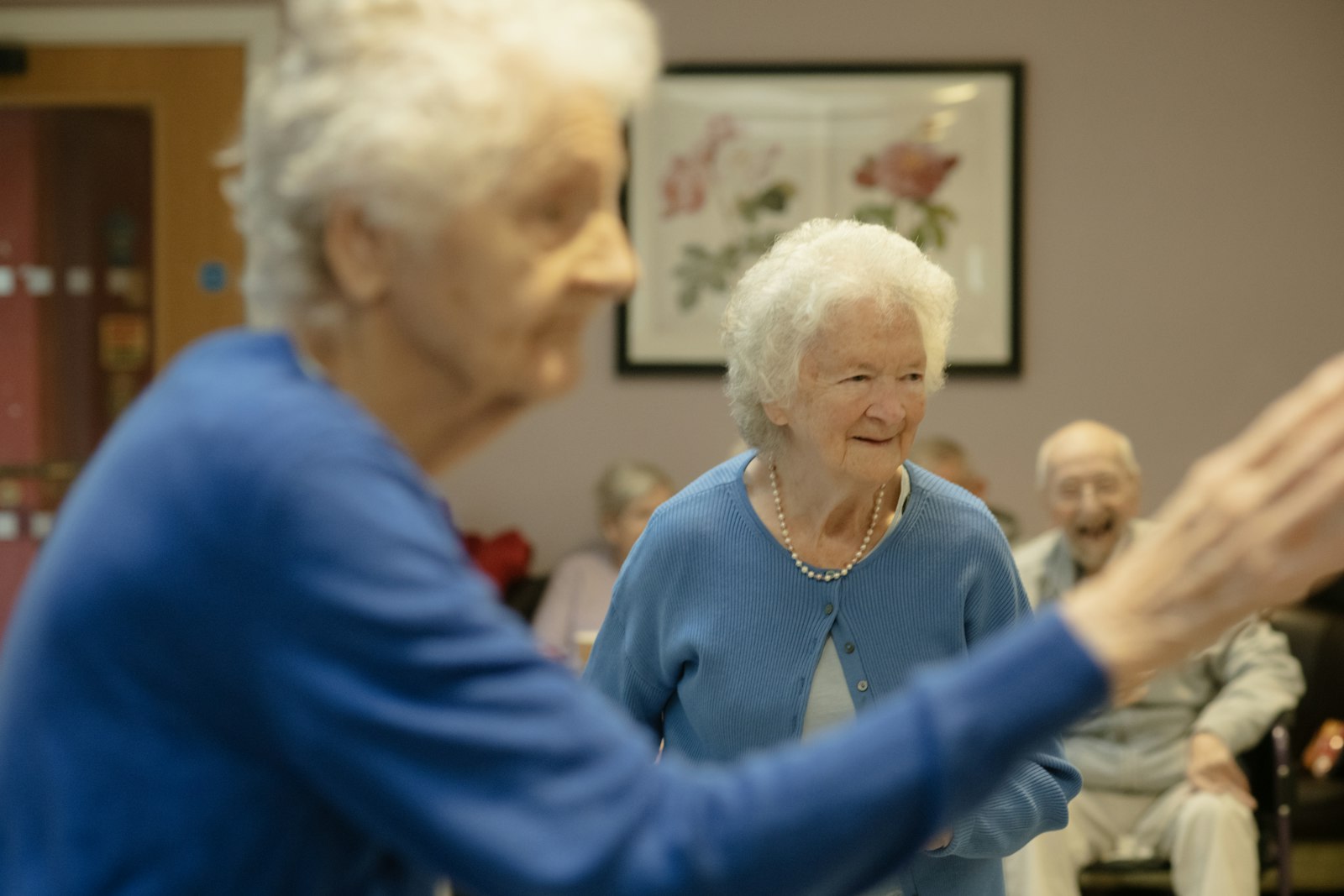
Small Acts of Kindness That Can Transform a Community

Small Acts of Kindness That Can Transform a Community is a practical issue for individuals, families, schools, workplaces and community groups. It deserves more than a campaign slogan because good intentions may remain symbolic without a practical next step. A thoughtful approach can create everyday action that strengthens dignity and belonging while protecting dignity, access and accountability.

This guide explains how to approach small acts of kindness that can transform a community, involve people closest to the issue, test a manageable action and measure whether the work is useful. The central principle is to connect purpose, participation and evidence. Teams should be able to explain what will change, who can influence decisions, what support is available and how concerns will be addressed.

Why small acts of kindness that can transform a community matters

Small acts of kindness that can transform a community matters because activity alone does not prove that a community need has been addressed. A responsible initiative considers immediate experience and longer-term capacity. It treats participants as contributors with knowledge rather than as passive recipients, and it makes room for questions before a process becomes difficult to change.

For individuals, families, schools, workplaces and community groups, clarity reduces avoidable harm. People should know the purpose, limits, decision rights and expected next step. When those details are vague, a project may generate attention without creating everyday action that strengthens dignity and belonging. When they are visible, a small pilot can produce evidence that improves future choices.

Principles for an inclusive and ethical approach

  • Listen before designing. Ask what already works, what creates barriers and what a useful result would look like.
  • Share meaningful influence. Participation should affect priorities, resources, delivery or review.
  • Make access practical. Consider language, disability, time, technology, transport, safety and participation costs.
  • Protect dignity and privacy. Collect only necessary information and obtain informed consent before sharing stories or images.
  • Document commitments. Record decisions, owners and dates so people can see what followed their contribution.

A step-by-step implementation plan

  1. Step 1: Review evidence with participants and choose whether to continue, adapt, pause or stop.
  2. Step 2: Define one community need connected to small acts of kindness that can transform a community in plain language.
  3. Step 3: Identify people with lived experience, practical knowledge, authority and responsibility.
  4. Step 4: Agree on scope, safeguards, resources and a decision process.
  5. Step 5: Run a limited pilot that tests the most uncertain assumption.

A pilot should have a defined start, finish and learning question. It is not permission to offer a poor experience. Tell participants what is temporary, what can change and where they can raise a concern. Use the review to make a visible decision rather than allowing the pilot to continue indefinitely without evidence.

Implementation checklist

  • ☐ The need, audience and intended outcome are written in plain language.
  • ☐ People affected by the issue have a meaningful role in design and review.
  • ☐ An accountable owner, budget, timeline and decision process are documented.
  • ☐ Accessibility, safeguarding, privacy and consent have been reviewed.
  • ☐ The pilot includes feedback channels and a response plan.
  • ☐ Measures cover reach, experience, equity, quality and longer-term change.
  • ☐ Results and next steps will be shared with participants.

A practical example

Imagine a local team exploring small acts of kindness that can transform a community. Its first plan is to launch quickly across several communities. During two listening sessions, participants explain that the proposed hours, language and sign-up process would exclude many people. The team chooses one location for an eight-week pilot, appoints two community advisors and gives them authority over access and communication decisions.

The team publishes a one-page plan, identifies a named contact and reviews feedback every two weeks. Participants report clearer information and better access, but they also identify a gap for people who cannot attend in person. The team adds an offline option before expansion. The improvement comes from disciplined listening and visible follow-through, not from a larger budget or an unsupported claim of success.

Common mistakes to avoid

  • Starting with a preferred solution: this narrows the work before the need and existing strengths are understood.
  • Inviting people after major decisions: late consultation rarely transfers meaningful influence.
  • Counting activity as impact: attendance and outputs do not show whether conditions improved.
  • Ignoring participation costs: time, transport, data, childcare and accessibility affect who can contribute.
  • Collecting unnecessary data: excessive forms increase risk without automatically improving decisions.
  • Scaling before learning: expansion multiplies weaknesses and makes correction more expensive.

How to measure progress and impact

Measurement for small acts of kindness that can transform a community should support decisions rather than simply fill a report. Establish a baseline: what is happening now, for whom and under what conditions? Then choose a small set of indicators that combine reach, quality, equity and outcome. Where it is ethical, review results across relevant groups so an average does not hide unequal access or experience.

  • Track: changes connected to the intended outcome.
  • Track: complaints, unintended effects and corrections completed.
  • Track: who was reached and who was missing.
  • Track: participant experience, trust and accessibility.
  • Track: whether agreed activities were delivered safely and on time.

Combine numbers with short interviews, observation and open feedback. At each review ask: What changed? Who benefited or faced barriers? What decision will we make because of the evidence? Share limitations and negative findings as well as progress. Credible impact communication explains uncertainty instead of hiding it.

Building sustainable follow-through

Sustainability does not always mean keeping the same program forever. For small acts of kindness that can transform a community, it means preserving the relationships, knowledge, access and accountability that create value. Document the minimum process, train more than one person and identify essential costs. Build partnerships around complementary roles instead of asking every organization to duplicate the same capability.

“Small acts of kindness that can transform a community becomes meaningful when people can see their knowledge in the plan and their priorities in the result.”

A final planning question is whether small acts of kindness that can transform a community still works for people with the least access to time, technology, transport or institutional influence. Testing that question early can reveal assumptions that a general satisfaction score will miss. Teams should record the adjustment, the reason for it and the person responsible for checking the result.

Partnerships are strongest when each party understands its contribution and limits. A short written agreement can cover purpose, decision rights, data handling, safeguarding, communications, costs and exit arrangements. Plain language is usually more useful than a long document that participants cannot interpret.

Turning the idea into action

Small acts of kindness that can transform a community is most useful when treated as a shared practice rather than a slogan. Start with one clear need, one accountable decision and one group whose experience will shape the work. Use a modest pilot to learn, respond visibly to feedback and measure the change that participants consider meaningful.

The next step can be simple: bring the right people together, agree on the outcome and complete the checklist before announcing a solution. When organizations combine humility with disciplined follow-through, participation becomes a source of better decisions, deeper trust and impact that can endure.

Why Communities Need Kindness Leaders

Why Communities Need Kindness Leaders is a practical issue for individuals, families, schools, workplaces and community groups. It deserves more than a campaign slogan because good intentions may remain symbolic without a practical next step. A thoughtful approach can create everyday action that strengthens dignity and belonging while protecting dignity, access and accountability.

This guide explains how to approach why communities need kindness leaders, involve people closest to the issue, test a manageable action and measure whether the work is useful. The central principle is to connect purpose, participation and evidence. Teams should be able to explain what will change, who can influence decisions, what support is available and how concerns will be addressed.

Why why communities need kindness leaders matters

Why communities need kindness leaders matters because activity alone does not prove that a community need has been addressed. A responsible initiative considers immediate experience and longer-term capacity. It treats participants as contributors with knowledge rather than as passive recipients, and it makes room for questions before a process becomes difficult to change.

For individuals, families, schools, workplaces and community groups, clarity reduces avoidable harm. People should know the purpose, limits, decision rights and expected next step. When those details are vague, a project may generate attention without creating everyday action that strengthens dignity and belonging. When they are visible, a small pilot can produce evidence that improves future choices.

Principles for an inclusive and ethical approach

  • Listen before designing. Ask what already works, what creates barriers and what a useful result would look like.
  • Share meaningful influence. Participation should affect priorities, resources, delivery or review.
  • Make access practical. Consider language, disability, time, technology, transport, safety and participation costs.
  • Protect dignity and privacy. Collect only necessary information and obtain informed consent before sharing stories or images.
  • Document commitments. Record decisions, owners and dates so people can see what followed their contribution.

A step-by-step implementation plan

  1. Step 1: Define one community need connected to why communities need kindness leaders in plain language.
  2. Step 2: Identify people with lived experience, practical knowledge, authority and responsibility.
  3. Step 3: Agree on scope, safeguards, resources and a decision process.
  4. Step 4: Run a limited pilot that tests the most uncertain assumption.
  5. Step 5: Review evidence with participants and choose whether to continue, adapt, pause or stop.

A pilot should have a defined start, finish and learning question. It is not permission to offer a poor experience. Tell participants what is temporary, what can change and where they can raise a concern. Use the review to make a visible decision rather than allowing the pilot to continue indefinitely without evidence.

Implementation checklist

  • ☐ The need, audience and intended outcome are written in plain language.
  • ☐ People affected by the issue have a meaningful role in design and review.
  • ☐ An accountable owner, budget, timeline and decision process are documented.
  • ☐ Accessibility, safeguarding, privacy and consent have been reviewed.
  • ☐ The pilot includes feedback channels and a response plan.
  • ☐ Measures cover reach, experience, equity, quality and longer-term change.
  • ☐ Results and next steps will be shared with participants.

A practical example

Imagine a local team exploring why communities need kindness leaders. Its first plan is to launch quickly across several communities. During two listening sessions, participants explain that the proposed hours, language and sign-up process would exclude many people. The team chooses one location for an eight-week pilot, appoints two community advisors and gives them authority over access and communication decisions.

The team publishes a one-page plan, identifies a named contact and reviews feedback every two weeks. Participants report clearer information and better access, but they also identify a gap for people who cannot attend in person. The team adds an offline option before expansion. The improvement comes from disciplined listening and visible follow-through, not from a larger budget or an unsupported claim of success.

Common mistakes to avoid

  • Starting with a preferred solution: this narrows the work before the need and existing strengths are understood.
  • Inviting people after major decisions: late consultation rarely transfers meaningful influence.
  • Counting activity as impact: attendance and outputs do not show whether conditions improved.
  • Ignoring participation costs: time, transport, data, childcare and accessibility affect who can contribute.
  • Collecting unnecessary data: excessive forms increase risk without automatically improving decisions.
  • Scaling before learning: expansion multiplies weaknesses and makes correction more expensive.

How to measure progress and impact

Measurement for why communities need kindness leaders should support decisions rather than simply fill a report. Establish a baseline: what is happening now, for whom and under what conditions? Then choose a small set of indicators that combine reach, quality, equity and outcome. Where it is ethical, review results across relevant groups so an average does not hide unequal access or experience.

  • Track: who was reached and who was missing.
  • Track: participant experience, trust and accessibility.
  • Track: whether agreed activities were delivered safely and on time.
  • Track: changes connected to the intended outcome.
  • Track: complaints, unintended effects and corrections completed.

Combine numbers with short interviews, observation and open feedback. At each review ask: What changed? Who benefited or faced barriers? What decision will we make because of the evidence? Share limitations and negative findings as well as progress. Credible impact communication explains uncertainty instead of hiding it.

Building sustainable follow-through

Sustainability does not always mean keeping the same program forever. For why communities need kindness leaders, it means preserving the relationships, knowledge, access and accountability that create value. Document the minimum process, train more than one person and identify essential costs. Build partnerships around complementary roles instead of asking every organization to duplicate the same capability.

“Why communities need kindness leaders becomes meaningful when people can see their knowledge in the plan and their priorities in the result.”

A final planning question is whether why communities need kindness leaders still works for people with the least access to time, technology, transport or institutional influence. Testing that question early can reveal assumptions that a general satisfaction score will miss. Teams should record the adjustment, the reason for it and the person responsible for checking the result.

Partnerships are strongest when each party understands its contribution and limits. A short written agreement can cover purpose, decision rights, data handling, safeguarding, communications, costs and exit arrangements. Plain language is usually more useful than a long document that participants cannot interpret.

Learning should be returned to the community that produced it. Share a brief update in accessible formats, explain which suggestions were adopted and state why other suggestions could not be implemented. Closing this loop shows respect and helps future participants judge whether their involvement is worthwhile.

Turning the idea into action

Why communities need kindness leaders is most useful when treated as a shared practice rather than a slogan. Start with one clear need, one accountable decision and one group whose experience will shape the work. Use a modest pilot to learn, respond visibly to feedback and measure the change that participants consider meaningful.

The next step can be simple: bring the right people together, agree on the outcome and complete the checklist before announcing a solution. When organizations combine humility with disciplined follow-through, participation becomes a source of better decisions, deeper trust and impact that can endure.

How to Build a Culture of Kindness at Work

How to Build a Culture of Kindness at Work is a practical issue for individuals, families, schools, workplaces and community groups. It deserves more than a campaign slogan because good intentions may remain symbolic without a practical next step. A thoughtful approach can create everyday action that strengthens dignity and belonging while protecting dignity, access and accountability.

This guide explains how to approach how to build a culture of kindness at work, involve people closest to the issue, test a manageable action and measure whether the work is useful. The central principle is to connect purpose, participation and evidence. Teams should be able to explain what will change, who can influence decisions, what support is available and how concerns will be addressed.

Why how to build a culture of kindness at work matters

How to build a culture of kindness at work matters because activity alone does not prove that a community need has been addressed. A responsible initiative considers immediate experience and longer-term capacity. It treats participants as contributors with knowledge rather than as passive recipients, and it makes room for questions before a process becomes difficult to change.

For individuals, families, schools, workplaces and community groups, clarity reduces avoidable harm. People should know the purpose, limits, decision rights and expected next step. When those details are vague, a project may generate attention without creating everyday action that strengthens dignity and belonging. When they are visible, a small pilot can produce evidence that improves future choices.

Principles for an inclusive and ethical approach

  • Listen before designing. Ask what already works, what creates barriers and what a useful result would look like.
  • Share meaningful influence. Participation should affect priorities, resources, delivery or review.
  • Make access practical. Consider language, disability, time, technology, transport, safety and participation costs.
  • Protect dignity and privacy. Collect only necessary information and obtain informed consent before sharing stories or images.
  • Document commitments. Record decisions, owners and dates so people can see what followed their contribution.

A step-by-step implementation plan

  1. Step 1: Define one community need connected to how to build a culture of kindness at work in plain language.
  2. Step 2: Identify people with lived experience, practical knowledge, authority and responsibility.
  3. Step 3: Agree on scope, safeguards, resources and a decision process.
  4. Step 4: Run a limited pilot that tests the most uncertain assumption.
  5. Step 5: Review evidence with participants and choose whether to continue, adapt, pause or stop.

A pilot should have a defined start, finish and learning question. It is not permission to offer a poor experience. Tell participants what is temporary, what can change and where they can raise a concern. Use the review to make a visible decision rather than allowing the pilot to continue indefinitely without evidence.

Implementation checklist

  • ☐ The need, audience and intended outcome are written in plain language.
  • ☐ People affected by the issue have a meaningful role in design and review.
  • ☐ An accountable owner, budget, timeline and decision process are documented.
  • ☐ Accessibility, safeguarding, privacy and consent have been reviewed.
  • ☐ The pilot includes feedback channels and a response plan.
  • ☐ Measures cover reach, experience, equity, quality and longer-term change.
  • ☐ Results and next steps will be shared with participants.

A practical example

Imagine a local team exploring how to build a culture of kindness at work. Its first plan is to launch quickly across several communities. During two listening sessions, participants explain that the proposed hours, language and sign-up process would exclude many people. The team chooses one location for an eight-week pilot, appoints two community advisors and gives them authority over access and communication decisions.

The team publishes a one-page plan, identifies a named contact and reviews feedback every two weeks. Participants report clearer information and better access, but they also identify a gap for people who cannot attend in person. The team adds an offline option before expansion. The improvement comes from disciplined listening and visible follow-through, not from a larger budget or an unsupported claim of success.

Common mistakes to avoid

  • Starting with a preferred solution: this narrows the work before the need and existing strengths are understood.
  • Inviting people after major decisions: late consultation rarely transfers meaningful influence.
  • Counting activity as impact: attendance and outputs do not show whether conditions improved.
  • Ignoring participation costs: time, transport, data, childcare and accessibility affect who can contribute.
  • Collecting unnecessary data: excessive forms increase risk without automatically improving decisions.
  • Scaling before learning: expansion multiplies weaknesses and makes correction more expensive.

How to measure progress and impact

Measurement for how to build a culture of kindness at work should support decisions rather than simply fill a report. Establish a baseline: what is happening now, for whom and under what conditions? Then choose a small set of indicators that combine reach, quality, equity and outcome. Where it is ethical, review results across relevant groups so an average does not hide unequal access or experience.

  • Track: who was reached and who was missing.
  • Track: participant experience, trust and accessibility.
  • Track: whether agreed activities were delivered safely and on time.
  • Track: changes connected to the intended outcome.
  • Track: complaints, unintended effects and corrections completed.

Combine numbers with short interviews, observation and open feedback. At each review ask: What changed? Who benefited or faced barriers? What decision will we make because of the evidence? Share limitations and negative findings as well as progress. Credible impact communication explains uncertainty instead of hiding it.

Building sustainable follow-through

Sustainability does not always mean keeping the same program forever. For how to build a culture of kindness at work, it means preserving the relationships, knowledge, access and accountability that create value. Document the minimum process, train more than one person and identify essential costs. Build partnerships around complementary roles instead of asking every organization to duplicate the same capability.

“How to build a culture of kindness at work becomes meaningful when people can see their knowledge in the plan and their priorities in the result.”

A final planning question is whether how to build a culture of kindness at work still works for people with the least access to time, technology, transport or institutional influence. Testing that question early can reveal assumptions that a general satisfaction score will miss. Teams should record the adjustment, the reason for it and the person responsible for checking the result.

Partnerships are strongest when each party understands its contribution and limits. A short written agreement can cover purpose, decision rights, data handling, safeguarding, communications, costs and exit arrangements. Plain language is usually more useful than a long document that participants cannot interpret.

Turning the idea into action

How to build a culture of kindness at work is most useful when treated as a shared practice rather than a slogan. Start with one clear need, one accountable decision and one group whose experience will shape the work. Use a modest pilot to learn, respond visibly to feedback and measure the change that participants consider meaningful.

The next step can be simple: bring the right people together, agree on the outcome and complete the checklist before announcing a solution. When organizations combine humility with disciplined follow-through, participation becomes a source of better decisions, deeper trust and impact that can endure.

From Compassion to Action: Turning Good Intentions into Real Help

From Compassion to Action: Turning Good Intentions into Real Help is a practical issue for individuals, families, schools, workplaces and community groups. It deserves more than a campaign slogan because good intentions may remain symbolic without a practical next step. A thoughtful approach can create everyday action that strengthens dignity and belonging while protecting dignity, access and accountability.

This guide explains how to approach from compassion to action: turning good intentions into real help, involve people closest to the issue, test a manageable action and measure whether the work is useful. The central principle is to connect purpose, participation and evidence. Teams should be able to explain what will change, who can influence decisions, what support is available and how concerns will be addressed.

Why from compassion to action: turning good intentions into real help matters

From compassion to action: turning good intentions into real help matters because activity alone does not prove that a community need has been addressed. A responsible initiative considers immediate experience and longer-term capacity. It treats participants as contributors with knowledge rather than as passive recipients, and it makes room for questions before a process becomes difficult to change.

For individuals, families, schools, workplaces and community groups, clarity reduces avoidable harm. People should know the purpose, limits, decision rights and expected next step. When those details are vague, a project may generate attention without creating everyday action that strengthens dignity and belonging. When they are visible, a small pilot can produce evidence that improves future choices.

Principles for an inclusive and ethical approach

  • Listen before designing. Ask what already works, what creates barriers and what a useful result would look like.
  • Share meaningful influence. Participation should affect priorities, resources, delivery or review.
  • Make access practical. Consider language, disability, time, technology, transport, safety and participation costs.
  • Protect dignity and privacy. Collect only necessary information and obtain informed consent before sharing stories or images.
  • Document commitments. Record decisions, owners and dates so people can see what followed their contribution.

A step-by-step implementation plan

  1. Step 1: Review evidence with participants and choose whether to continue, adapt, pause or stop.
  2. Step 2: Define one community need connected to from compassion to action: turning good intentions into real help in plain language.
  3. Step 3: Identify people with lived experience, practical knowledge, authority and responsibility.
  4. Step 4: Agree on scope, safeguards, resources and a decision process.
  5. Step 5: Run a limited pilot that tests the most uncertain assumption.

A pilot should have a defined start, finish and learning question. It is not permission to offer a poor experience. Tell participants what is temporary, what can change and where they can raise a concern. Use the review to make a visible decision rather than allowing the pilot to continue indefinitely without evidence.

Implementation checklist

  • ☐ The need, audience and intended outcome are written in plain language.
  • ☐ People affected by the issue have a meaningful role in design and review.
  • ☐ An accountable owner, budget, timeline and decision process are documented.
  • ☐ Accessibility, safeguarding, privacy and consent have been reviewed.
  • ☐ The pilot includes feedback channels and a response plan.
  • ☐ Measures cover reach, experience, equity, quality and longer-term change.
  • ☐ Results and next steps will be shared with participants.

A practical example

Imagine a local team exploring from compassion to action: turning good intentions into real help. Its first plan is to launch quickly across several communities. During two listening sessions, participants explain that the proposed hours, language and sign-up process would exclude many people. The team chooses one location for an eight-week pilot, appoints two community advisors and gives them authority over access and communication decisions.

The team publishes a one-page plan, identifies a named contact and reviews feedback every two weeks. Participants report clearer information and better access, but they also identify a gap for people who cannot attend in person. The team adds an offline option before expansion. The improvement comes from disciplined listening and visible follow-through, not from a larger budget or an unsupported claim of success.

Common mistakes to avoid

  • Starting with a preferred solution: this narrows the work before the need and existing strengths are understood.
  • Inviting people after major decisions: late consultation rarely transfers meaningful influence.
  • Counting activity as impact: attendance and outputs do not show whether conditions improved.
  • Ignoring participation costs: time, transport, data, childcare and accessibility affect who can contribute.
  • Collecting unnecessary data: excessive forms increase risk without automatically improving decisions.
  • Scaling before learning: expansion multiplies weaknesses and makes correction more expensive.

How to measure progress and impact

Measurement for from compassion to action: turning good intentions into real help should support decisions rather than simply fill a report. Establish a baseline: what is happening now, for whom and under what conditions? Then choose a small set of indicators that combine reach, quality, equity and outcome. Where it is ethical, review results across relevant groups so an average does not hide unequal access or experience.

  • Track: changes connected to the intended outcome.
  • Track: complaints, unintended effects and corrections completed.
  • Track: who was reached and who was missing.
  • Track: participant experience, trust and accessibility.
  • Track: whether agreed activities were delivered safely and on time.

Combine numbers with short interviews, observation and open feedback. At each review ask: What changed? Who benefited or faced barriers? What decision will we make because of the evidence? Share limitations and negative findings as well as progress. Credible impact communication explains uncertainty instead of hiding it.

Building sustainable follow-through

Sustainability does not always mean keeping the same program forever. For from compassion to action: turning good intentions into real help, it means preserving the relationships, knowledge, access and accountability that create value. Document the minimum process, train more than one person and identify essential costs. Build partnerships around complementary roles instead of asking every organization to duplicate the same capability.

“From compassion to action: turning good intentions into real help becomes meaningful when people can see their knowledge in the plan and their priorities in the result.”

A final planning question is whether from compassion to action: turning good intentions into real help still works for people with the least access to time, technology, transport or institutional influence. Testing that question early can reveal assumptions that a general satisfaction score will miss. Teams should record the adjustment, the reason for it and the person responsible for checking the result.

Partnerships are strongest when each party understands its contribution and limits. A short written agreement can cover purpose, decision rights, data handling, safeguarding, communications, costs and exit arrangements. Plain language is usually more useful than a long document that participants cannot interpret.

Turning the idea into action

From compassion to action: turning good intentions into real help is most useful when treated as a shared practice rather than a slogan. Start with one clear need, one accountable decision and one group whose experience will shape the work. Use a modest pilot to learn, respond visibly to feedback and measure the change that participants consider meaningful.

The next step can be simple: bring the right people together, agree on the outcome and complete the checklist before announcing a solution. When organizations combine humility with disciplined follow-through, participation becomes a source of better decisions, deeper trust and impact that can endure.