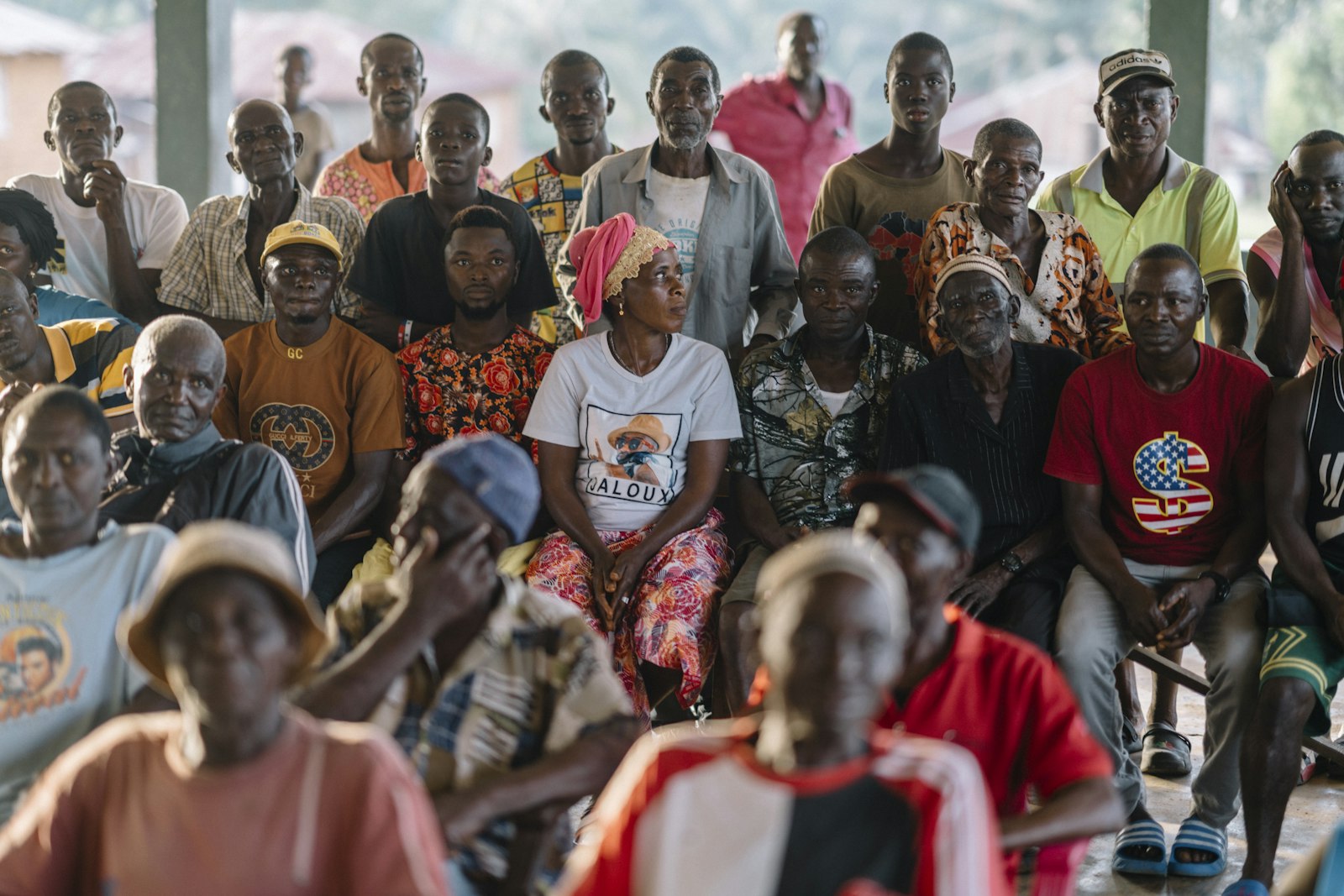
Sustainable School Buildings for Better Learning

Child safeguarding and privacy: Put each learner’s best interests first. Use informed consent and age-appropriate assent where applicable, collect only necessary data, never publish identifiable student circumstances without lawful authorization, and maintain clear reporting and referral pathways led by trained professionals.

Sustainable School Buildings for Better Learning is ultimately a question about whether learners can participate, understand, belong and progress. Access is essential, but a seat in a classroom or an account on a platform does not by itself guarantee learning. Quality education also depends on capable educators, safe environments, relevant content, adequate time and the removal of barriers that affect learners differently.

Sustainable Development Goal 4 calls for inclusive and equitable quality education and lifelong learning opportunities for all. UNESCO’s education work and UNICEF’s education resources show why access, learning, inclusion and system capacity must be considered together. This places sustainable school buildings for better learning inside a wider public responsibility rather than treating it as a stand-alone project.

“Progress on sustainable school buildings for better learning lasts when every learner is heard, supported and able to participate.”

Connecting the topic to SDG 4

For this topic, a strong starting point is safe, accessible and climate-conscious facilities, transport and essential services that make consistent learning possible. These elements reinforce one another. A learner may be formally enrolled yet unable to understand the language of instruction, reach school safely, use an inaccessible platform or receive timely feedback. A teacher may value a reform but lack preparation time, appropriate materials or professional support. Good policy therefore looks beyond averages and asks who benefits, who remains excluded and why.

Principles for lasting educational change

An effective response to sustainable school buildings for better learning begins by defining the specific learner outcome and the barrier preventing it. It then identifies who has authority, knowledge and responsibility. Learners and families contribute lived experience; educators contribute professional judgment; public institutions set and fund standards; and partners can fill a defined gap without displacing accountability.

  • Assess safety and accessibility with users: translate this principle into a funded task, a responsible owner and a way for learners to raise barriers safely.
  • Fund operations and maintenance: translate this principle into a funded task, a responsible owner and a way for learners to raise barriers safely.
  • Plan for climate and emergency continuity: translate this principle into a funded task, a responsible owner and a way for learners to raise barriers safely.
  • Coordinate facilities with health and nutrition standards: translate this principle into a funded task, a responsible owner and a way for learners to raise barriers safely.
  • Create accountable reporting channels: translate this principle into a funded task, a responsible owner and a way for learners to raise barriers safely.

Implementation quality matters as much as the concept. Staff need time to prepare, try and improve the approach. Materials should be accessible and culturally respectful. Data systems should collect only what is necessary for a stated educational purpose, with appropriate retention and access controls. Safeguarding is not a paragraph in a policy; it is a set of trained roles, reporting routes and documented decisions.

Checklist for implementation

  1. Define the learning or participation barrier with learners, families and educators.
  2. Map existing assets, services, costs and groups missing from the data.
  3. Set clear responsibilities for teaching quality, accessibility, privacy and safeguarding.
  4. Budget for staff time, maintenance, accommodations and independent learning.
  5. Choose outcome measures that cover learning, equity, belonging and continuity.

An illustrative composite scenario

Imagine a district where learners, families and teachers identify sustainable school buildings for better learning as a priority. A local team maps participation, learning conditions, costs and existing services before choosing an intervention. It tests one manageable change in several contrasting settings, provides reasonable accommodations and compensates community advisers for their time. Student information is minimized and protected. After a defined period, the team reviews learning, access, safety, workload and participant experience before deciding whether to adapt or expand. This composite example does not describe a real person, school or programme; it illustrates a responsible process.

The useful lesson in this scenario is the learning process. Participants can challenge rules that create exclusion, educators can identify unrealistic workload and leaders can see why adaptation is responsible management. The team also avoids inventing success: it distinguishes what was delivered, what changed for learners, what remains uncertain and which external factors may have influenced the result.

What often goes wrong

Common mistakes include using universal designs that exclude some learners, reporting installation while ignoring reliable use, and building assets without maintenance budgets. Teams also weaken programmes by selecting only easy-to-reach participants, confusing satisfaction with learning, or publishing a promising pilot as if it proved long-term change. A low complaint count is not automatically evidence of safety; learners may not know the channel, trust it or be able to use it privately.

Communication should protect dignity and agency. Do not use identifiable images, disability information, migration history, health details or experiences of violence as promotional material without lawful, genuinely informed consent and appropriate safeguarding review. Children should never carry the burden of validating an organization’s impact claim. Use composite, non-identifiable examples unless a carefully reviewed public account is essential.

Tracking progress without losing the learner

Measurement should combine reach, quality, equity, safety and durability. Useful indicators for this topic include service reliability and safe functionality, time lost because of facility failures, access across disability, gender and location, and student and staff experience of the learning environment. The UNESCO Institute for Statistics provides internationally comparable education data, while local qualitative evidence can explain barriers that summary indicators miss.

Outputs such as teachers trained, devices distributed, lessons delivered or facilities completed help manage implementation, but they do not prove learning. Outcomes ask whether knowledge, skills, participation, progression or belonging changed. Disaggregate results only when groups are large enough to protect privacy, document missing data, and examine non-participation and dropout. That is often where exclusion becomes visible.

Define the baseline, review schedule and decision rules before launch. Combine appropriate assessment evidence with teacher observation and safeguarded learner feedback. Compare cost with quality and reach, not with activity alone. Report positive, mixed and negative findings so communities and funders can distinguish honest learning from promotion.

Authoritative resources and outbound references

These sources provide global frameworks rather than instructions for a specific learner or school. National law, curriculum, language, disability rights, safeguarding standards and local capacity determine responsible application. Decisions involving child development, mental health, nutrition, water safety, disability accommodations or emergency response require appropriately qualified local professionals.

Conclusion: build for lasting learning

Sustainable School Buildings for Better Learning cannot be advanced by a single campaign. A credible next step is to convene learners, educators and affected communities through safe participation; define one specific barrier; map existing public responsibilities; and test a modest improvement with transparent safeguards. Keep what evidence and experience support, change what does not and explain the reasoning publicly.

The goal is not simply more educational activity. It is reliable, inclusive learning that expands people’s choices across life. Action on sustainable school buildings for better learning advances SDG 4 when it strengthens educators, protects learner dignity, reaches those facing the greatest barriers and builds public capability that remains useful after the first project or funding cycle ends.


How One Kind Person Can Influence an Entire Community

How One Kind Person Can Influence an Entire Community is a useful subject because it connects individual choices with the systems, relationships and opportunities that shape daily life. Everyday kindness matters most when it respects consent, does not demand gratitude and becomes a dependable habit rather than a public performance. The practical question is not only whether an action feels positive, but whether it is relevant, accessible, ethical and strong enough to support a better next step.

This guide treats one kind person can influence an entire community as a process rather than a slogan. It focuses on a collaboration with a shared purpose, complementary roles, transparent decisions and accountability to the people it intends to serve. Local context will determine the right scale and method, so the approach should remain open to community knowledge, professional standards and evidence that may challenge the original idea.

“How One Kind Person Can Influence an Entire Community is strongest when it expands choices, protects dignity and leaves communities with greater capacity to act.”

Looking beyond the headline

Everyday kindness matters most when it respects consent, does not demand gratitude and becomes a dependable habit rather than a public performance. For one kind person can influence an entire community, that means asking who currently has access, who carries the cost, who is missing from decisions and what would count as a meaningful improvement. A single person may initiate the work, but credible results usually depend on cooperation among people with different knowledge and responsibilities.

Immediate action and long-term change are not opposites. A timely contribution can reduce a real burden today, while advocacy, institutional improvement, skills or a sustainable operating model can address why the barrier exists. Responsible planning makes the connection explicit. It avoids presenting one donation, event, introduction, training session or digital interaction as a complete solution.

Principles for community-centered action

Start by converting How One Kind Person Can Influence an Entire Community into a decision that can be acted upon. Define the person or group, the barrier, the desired change, the contribution and the time horizon. Then examine what is already working. Supporting a capable local organization is often more useful than creating a parallel initiative with no long-term owner.

  • Review whether the partnership adds value beyond separate action. Name the responsible person, the people affected and the evidence that will guide the next decision.
  • Agree on the problem and the voices that must shape the response. Name the responsible person, the people affected and the evidence that will guide the next decision.
  • Map each partner’s authority, contribution and limitations. Name the responsible person, the people affected and the evidence that will guide the next decision.
  • Resource community participation rather than treating it as free consultation. Name the responsible person, the people affected and the evidence that will guide the next decision.
  • Set rules for decisions, data, credit, costs and conflict. Name the responsible person, the people affected and the evidence that will guide the next decision.

Boundaries matter. Volunteers should not perform regulated work without appropriate qualifications. Mentors should not promise jobs or investment. Digital tools should not collect sensitive information merely because storage is inexpensive. Organizations should make clear where education ends and professional, legal, financial, safeguarding or crisis support must begin.

A ready-to-use checklist

  • Write one clear, realistic objective for one kind person can influence an entire community.
  • Confirm the priority with people directly affected by it.
  • Identify an accountable organization, professional or community partner.
  • Choose a contribution that matches available skills, time and resources.
  • Set consent, privacy, accessibility and safeguarding boundaries.
  • Decide which outputs, outcomes and feedback will be reviewed.
  • Publish limitations as honestly as successes and assign follow-through.

A practical composite example

Picture a small organization testing a responsible approach to one kind person can influence an entire community. The people involved begin with listening sessions and a review of services, skills and assets that already exist. They choose one barrier they can address responsibly, define who will make decisions and assign an owner for privacy, accessibility and feedback. The first test is deliberately modest: enough to reveal whether the idea is useful, but small enough to correct without creating dependency or making claims the evidence cannot support. After the test, participants compare experience, quality, reach and unintended effects. They then decide together whether to adapt, continue, partner with a specialist or stop. This is an illustrative composite, not a factual Touch-A-Life programme or a claim about an identifiable person, organization, partner or outcome.

The example is intentionally simple. Its lesson is that a small pilot can preserve learning and dignity when it has a real owner, clear limits and a feedback route. Copying the same intervention everywhere would miss differences in law, language, infrastructure, culture, professional standards and the strengths communities already possess.

Mistakes that can undermine trust

Three common mistakes are leaving responsibilities vague, prioritizing partner visibility over community value, and using partnership language without sharing power. Another is treating a large audience or activity count as proof that people benefited. Reach can be useful, but it says little about quality, relevance, equity, durability or harm unless those questions are examined separately.

Evidence for better decisions

Measurement for one kind person can influence an entire community should combine outputs, outcomes, quality, equity, safety and durability. Relevant indicators include community influence and satisfaction, outcomes sustained beyond one partner, quality and timeliness of joint decisions, and resources coordinated without duplication. Define each indicator before launch, note the starting position where practical and decide who will review the findings.

Outputs describe what the team delivered: conversations, applications, services, products, volunteer hours, resources or referrals. Outcomes describe what changed for people, organizations or communities. Qualitative feedback explains why an approach felt useful or inaccessible; administrative information helps show continuity, cost and unequal participation. Both should be collected proportionately and protected.

Authoritative outbound references

These institutional sources provide broader frameworks for participation, skills, inclusion, enterprise, development and measurement. They are outbound references for further learning, not endorsements of a particular intervention and not proof of any result described in the illustrative example. Readers should confirm current local requirements with the appropriate qualified body.

Make the first step count

The next step on How One Kind Person Can Influence an Entire Community can be modest: choose one real barrier, speak with the people who understand it, and define a contribution that can be completed responsibly. Agree on what will be learned before expanding. Make it easy for participants to say that the approach is not useful, and treat that feedback as evidence rather than resistance.

Lasting social value is built through repeated choices: listen before designing, share power, protect dignity, use credible evidence and follow through. When one kind person can influence an entire community is approached this way, even a small action can become part of a wider pattern of opportunity, trust and community capacity.

Balancing Wind Development With Environmental Protection

Qualified technical review required: This article is general education, not individualized electrical, engineering, nuclear, battery, hydrogen, cybersecurity, emergency, health, legal or investment advice. Appropriately qualified local professionals and regulators must review it before publication and before operational decisions.
Safety, rights and local context: Energy projects depend on the technology, site, grid, materials, law, environment and community rights. Do not apply generalized wiring, storage, fuel, charging, control-system or emergency instructions. Use competent professionals, applicable codes, independent review and rights-based participation.

When decision-makers consider balancing wind development with environmental protection, the central question should be what service, emissions and distributional outcomes change. Megawatts installed, devices sold, people trained or finance announced are outputs. Outcomes include reliable service, lower harmful exposure, affordable bills, decent work, reduced emissions and institutions able to sustain performance.

Sustainable Development Goal 7 calls for affordable, reliable, sustainable and modern energy for all. UN-Energy, the International Energy Agency, IRENA and World Bank ESMAP show why access, efficiency, renewables, finance and institutions must be considered together.

“Energy progress becomes durable when wind development with environmental protection improves service without shifting risk to others.”

Looking beyond installed capacity

For this topic, a strong starting point is renewable energy selected for local resources and needs, with lifecycle, land, ecosystem and community effects assessed transparently. These elements reinforce one another. A household may be connected yet receive too little reliable power for productive use. A project may cut operational emissions but create unaddressed land, mineral or waste impacts. A promising technology may fail without skills, spare parts or stable finance. Good planning therefore examines benefits, burdens and full lifecycles.

Principles for a durable energy transition

An effective response to wind development with environmental protection defines the specific service, system or transition outcome. Users and workers contribute practical knowledge; communities hold rights and local expertise; utilities and businesses provide operational capability; public institutions set standards; and qualified professionals assess engineering, health, security and environmental implications. Partners should fill a defined gap without displacing accountability.

  • Share benefits with host communities: translate this principle into a funded task, a responsible owner and a documented review point.
  • Publish assumptions and trade-offs: translate this principle into a funded task, a responsible owner and a documented review point.
  • Assess land, biodiversity and water impacts: translate this principle into a funded task, a responsible owner and a documented review point.
  • Compare options using local resource evidence: translate this principle into a funded task, a responsible owner and a documented review point.
  • Plan grid integration and maintenance: translate this principle into a funded task, a responsible owner and a documented review point.

Implementation quality matters as much as technology choice. Staff need training, time and supervision. Equipment must meet applicable standards and fit operating conditions. Data collection should be proportionate and protected. Communities need plain-language information about costs, trade-offs and limitations, plus credible grievance and remedy channels.

Community and system checklist

  1. Establish a qualified baseline before implementation.
  2. Clarify evidence, modeling assumptions and limitations.
  3. Include safe backup and human-oversight options.
  4. Publish duties, trade-offs and safety limits plainly.
  5. Review results with affected communities and independent specialists.

An illustrative non-identifiable scenario

A non-identifiable scenario could bring government, energy providers, workers, residents and a nonprofit together around wind development with environmental protection. They agree on roles, transparent participation and qualified review. A pilot compares performance with a baseline and invites accessible feedback. The group corrects weak elements before scale and avoids claiming that one activity caused changes influenced by weather, markets, regulation and wider infrastructure.

The useful lesson is the learning process. Users can identify hidden barriers, workers can surface operational constraints, rights-holders can challenge unfair distribution and specialists can test safety assumptions. The team distinguishes what was installed or financed, what changed in service, what remains uncertain and which external factors influenced results.

What often goes wrong

Common mistakes include announcing capacity without verified generation, treating all renewable projects as impact-free, and consulting communities after key decisions are fixed. Teams also weaken programmes by selecting easy-to-serve users, reporting nameplate capacity as delivered energy, or presenting projections as measured outcomes. Few complaints do not automatically indicate fairness or safety; people may not know, trust or safely access the channel.

Communication should protect dignity, rights and accuracy. Do not publish identifiable health circumstances, worker concerns or Indigenous knowledge without lawful authority and genuinely informed consent. Do not market a technical concept as universally safe or financially suitable. State modeling assumptions, uncertainty, lifecycle limits and professional-review needs clearly.

Tracking performance and equity

Measurement should combine access, reliability, affordability, safety, emissions, equity and durability. Useful indicators include reliability and long-term operating performance, local costs, benefits and land effects, verified energy delivered, and lifecycle emissions and material use. The Tracking SDG 7 platform provides official progress resources, while local evidence can reveal service quality and distribution hidden by national averages.

Outputs such as capacity installed, devices distributed, staff trained or finance committed help manage implementation, but they do not prove useful and sustainable energy. Outcomes ask whether energy is delivered when needed, remains affordable, reduces emissions and avoids unacceptable burdens. Document downtime, non-use, missing data and groups excluded from benefits.

Define the baseline, review schedule and decision rules before launch. Combine metered performance with lifecycle evidence, financial data and accessible community feedback. Compare cost with verified service and resilience, not equipment alone. Report positive, mixed and negative findings so communities and funders can distinguish learning from promotion.

Authoritative resources and outbound references

These sources provide global frameworks, not instructions for a particular electrical system, battery, fuel, plant, building or investment. Applicable codes, site conditions, hazards, rights, regulation and operating capability determine responsible action. Qualified local experts and regulators are essential for engineering, safety, security and emergency decisions.

Conclusion: build energy systems that last

Balancing Wind Development With Environmental Protection cannot be advanced by a one-time installation or announcement. A credible next step is to define one energy-service or transition problem with users, rights-holders and qualified specialists, map public duties and test a modest improvement with transparent safety limits. Keep what verified evidence supports, change what does not and explain decisions publicly.

The goal is not simply more energy activity. It is reliable, affordable and sustainable service within a just transition. Action on wind development with environmental protection advances SDG 7 when it reaches those facing the greatest barriers, reduces emissions responsibly and strengthens institutions capable of maintaining value beyond the first project cycle.

Partnership quality is another test. Government, utilities, workers, communities, civil society and responsible investors bring different authority and knowledge. Roles should be explicit, conflicts disclosed and participation resourced. Coordination adds value only when it closes a known gap or strengthens accountability around wind development with environmental protection.

Long-term planning should identify who will maintain equipment, finance replacements, protect systems, manage waste and handle complaints. If those responsibilities are unclear, expansion can create dependence on support that disappears. Operations, decommissioning and transition plans are part of responsible energy design.

Turning Local Resources Into Sustainable Rural Businesses

Turning Local Resources Into Sustainable Rural Businesses is a useful subject because it connects individual choices with the systems, relationships and opportunities that shape daily life. A social enterprise must hold mission and operational discipline together: community value is the purpose, while a viable model keeps the work available. The practical question is not only whether an action feels positive, but whether it is relevant, accessible, ethical and strong enough to support a better next step.

This guide treats local resources into sustainable rural businesses as a process rather than a slogan. It focuses on locally informed environmental action that links ecological improvement with health, livelihoods, equity and long-term maintenance. Local context will determine the right scale and method, so the approach should remain open to community knowledge, professional standards and evidence that may challenge the original idea.

“Turning Local Resources Into Sustainable Rural Businesses is not measured by how inspiring the idea sounds, but by whether people experience greater opportunity, trust and control.”

Looking beyond the headline

A social enterprise must hold mission and operational discipline together: community value is the purpose, while a viable model keeps the work available. For local resources into sustainable rural businesses, that means asking who currently has access, who carries the cost, who is missing from decisions and what would count as a meaningful improvement. A single person may initiate the work, but credible results usually depend on cooperation among people with different knowledge and responsibilities.

Immediate action and long-term change are not opposites. A timely contribution can reduce a real burden today, while advocacy, institutional improvement, skills or a sustainable operating model can address why the barrier exists. Responsible planning makes the connection explicit. It avoids presenting one donation, event, introduction, training session or digital interaction as a complete solution.

Principles for community-centered action

Start by converting Turning Local Resources Into Sustainable Rural Businesses into a decision that can be acted upon. Define the person or group, the barrier, the desired change, the contribution and the time horizon. Then examine what is already working. Supporting a capable local organization is often more useful than creating a parallel initiative with no long-term owner.

  • Measure ecological change and distribution of benefits together. Name the responsible person, the people affected and the evidence that will guide the next decision.
  • Assign maintenance, safe handling and long-term ownership. Name the responsible person, the people affected and the evidence that will guide the next decision.
  • Use qualified technical guidance for safety and feasibility. Name the responsible person, the people affected and the evidence that will guide the next decision.
  • Define the local environmental condition and who is affected. Name the responsible person, the people affected and the evidence that will guide the next decision.
  • Prevent waste and harm before organizing downstream cleanup. Name the responsible person, the people affected and the evidence that will guide the next decision.

Boundaries matter. Volunteers should not perform regulated work without appropriate qualifications. Mentors should not promise jobs or investment. Digital tools should not collect sensitive information merely because storage is inexpensive. Organizations should make clear where education ends and professional, legal, financial, safeguarding or crisis support must begin.

A ready-to-use checklist

  • Write one clear, realistic objective for local resources into sustainable rural businesses.
  • Confirm the priority with people directly affected by it.
  • Identify an accountable organization, professional or community partner.
  • Choose a contribution that matches available skills, time and resources.
  • Set consent, privacy, accessibility and safeguarding boundaries.
  • Decide which outputs, outcomes and feedback will be reviewed.
  • Publish limitations as honestly as successes and assign follow-through.

A practical composite example

Picture a small organization testing a responsible approach to local resources into sustainable rural businesses. The people involved begin with listening sessions and a review of services, skills and assets that already exist. They choose one barrier they can address responsibly, define who will make decisions and assign an owner for privacy, accessibility and feedback. The first test is deliberately modest: enough to reveal whether the idea is useful, but small enough to correct without creating dependency or making claims the evidence cannot support. After the test, participants compare experience, quality, reach and unintended effects. They then decide together whether to adapt, continue, partner with a specialist or stop. This is an illustrative composite, not a factual Touch-A-Life programme or a claim about an identifiable person, organization, partner or outcome.

The example is intentionally simple. Its lesson is that a small pilot can preserve learning and dignity when it has a real owner, clear limits and a feedback route. Copying the same intervention everywhere would miss differences in law, language, infrastructure, culture, professional standards and the strengths communities already possess.

Mistakes that can undermine trust

Three common mistakes are using environmental claims that are not measured, organizing a visible one-day event without maintenance, and shifting costs or hazards to workers and low-income communities. Another is treating a large audience or activity count as proof that people benefited. Reach can be useful, but it says little about quality, relevance, equity, durability or harm unless those questions are examined separately.

Evidence for better decisions

Measurement for local resources into sustainable rural businesses should combine outputs, outcomes, quality, equity, safety and durability. Relevant indicators include benefits and burdens across different groups, community participation in decisions, safe and sustained maintenance, and environmental condition over time. Define each indicator before launch, note the starting position where practical and decide who will review the findings.

Outputs describe what the team delivered: conversations, applications, services, products, volunteer hours, resources or referrals. Outcomes describe what changed for people, organizations or communities. Qualitative feedback explains why an approach felt useful or inaccessible; administrative information helps show continuity, cost and unequal participation. Both should be collected proportionately and protected.

Authoritative outbound references

These institutional sources provide broader frameworks for participation, skills, inclusion, enterprise, development and measurement. They are outbound references for further learning, not endorsements of a particular intervention and not proof of any result described in the illustrative example. Readers should confirm current local requirements with the appropriate qualified body.

Make the first step count

The next step on Turning Local Resources Into Sustainable Rural Businesses can be modest: choose one real barrier, speak with the people who understand it, and define a contribution that can be completed responsibly. Agree on what will be learned before expanding. Make it easy for participants to say that the approach is not useful, and treat that feedback as evidence rather than resistance.

Lasting social value is built through repeated choices: listen before designing, share power, protect dignity, use credible evidence and follow through. When local resources into sustainable rural businesses is approached this way, even a small action can become part of a wider pattern of opportunity, trust and community capacity.

Helping Businesses Reduce Energy Waste

Safety, rights and local context: Energy projects depend on the technology, site, grid, materials, law, environment and community rights. Do not apply generalized wiring, storage, fuel, charging, control-system or emergency instructions. Use competent professionals, applicable codes, independent review and rights-based participation.

When decision-makers consider helping businesses reduce energy waste, the central question should be what service, emissions and distributional outcomes change. Megawatts installed, devices sold, people trained or finance announced are outputs. Outcomes include reliable service, lower harmful exposure, affordable bills, decent work, reduced emissions and institutions able to sustain performance.

Sustainable Development Goal 7 calls for affordable, reliable, sustainable and modern energy for all. UN-Energy, the International Energy Agency, IRENA and World Bank ESMAP show why access, efficiency, renewables, finance and institutions must be considered together.

“Energy progress becomes durable when businesses reduce energy waste improves service without shifting risk to others.”

Looking beyond installed capacity

For this topic, a strong starting point is energy efficiency that reduces bills and emissions while improving comfort, health, accessibility and service quality. These elements reinforce one another. A household may be connected yet receive too little reliable power for productive use. A project may cut operational emissions but create unaddressed land, mineral or waste impacts. A promising technology may fail without skills, spare parts or stable finance. Good planning therefore examines benefits, burdens and full lifecycles.

Principles for a durable energy transition

An effective response to businesses reduce energy waste defines the specific service, system or transition outcome. Users and workers contribute practical knowledge; communities hold rights and local expertise; utilities and businesses provide operational capability; public institutions set standards; and qualified professionals assess engineering, health, security and environmental implications. Partners should fill a defined gap without displacing accountability.

  • Prioritize passive and durable improvements: translate this principle into a funded task, a responsible owner and a documented review point.
  • Verify savings after implementation: translate this principle into a funded task, a responsible owner and a documented review point.
  • Measure baseline energy and service quality: translate this principle into a funded task, a responsible owner and a documented review point.
  • Train operators and occupants without blaming users: translate this principle into a funded task, a responsible owner and a documented review point.
  • Protect renters and low-income residents: translate this principle into a funded task, a responsible owner and a documented review point.

Implementation quality matters as much as technology choice. Staff need training, time and supervision. Equipment must meet applicable standards and fit operating conditions. Data collection should be proportionate and protected. Communities need plain-language information about costs, trade-offs and limitations, plus credible grievance and remedy channels.

Community and system checklist

  1. Establish a qualified baseline before implementation.
  2. Clarify evidence, modeling assumptions and limitations.
  3. Include safe backup and human-oversight options.
  4. Publish duties, trade-offs and safety limits plainly.
  5. Review results with affected communities and independent specialists.

An illustrative non-identifiable scenario

A non-identifiable scenario could bring government, energy providers, workers, residents and a nonprofit together around businesses reduce energy waste. They agree on roles, transparent participation and qualified review. A pilot compares performance with a baseline and invites accessible feedback. The group corrects weak elements before scale and avoids claiming that one activity caused changes influenced by weather, markets, regulation and wider infrastructure.

The useful lesson is the learning process. Users can identify hidden barriers, workers can surface operational constraints, rights-holders can challenge unfair distribution and specialists can test safety assumptions. The team distinguishes what was installed or financed, what changed in service, what remains uncertain and which external factors influenced results.

What often goes wrong

Common mistakes include reducing ventilation or comfort unsafely, counting modeled rather than verified savings, and passing upgrade costs to people least able to pay. Teams also weaken programmes by selecting easy-to-serve users, reporting nameplate capacity as delivered energy, or presenting projections as measured outcomes. Few complaints do not automatically indicate fairness or safety; people may not know, trust or safely access the channel.

Communication should protect dignity, rights and accuracy. Do not publish identifiable health circumstances, worker concerns or Indigenous knowledge without lawful authority and genuinely informed consent. Do not market a technical concept as universally safe or financially suitable. State modeling assumptions, uncertainty, lifecycle limits and professional-review needs clearly.

Tracking performance and equity

Measurement should combine access, reliability, affordability, safety, emissions, equity and durability. Useful indicators include bill impacts across households, verified energy reduction, persistence of savings over time, and comfort, indoor conditions and service quality. The Tracking SDG 7 platform provides official progress resources, while local evidence can reveal service quality and distribution hidden by national averages.

Outputs such as capacity installed, devices distributed, staff trained or finance committed help manage implementation, but they do not prove useful and sustainable energy. Outcomes ask whether energy is delivered when needed, remains affordable, reduces emissions and avoids unacceptable burdens. Document downtime, non-use, missing data and groups excluded from benefits.

Define the baseline, review schedule and decision rules before launch. Combine metered performance with lifecycle evidence, financial data and accessible community feedback. Compare cost with verified service and resilience, not equipment alone. Report positive, mixed and negative findings so communities and funders can distinguish learning from promotion.

Authoritative resources and outbound references

These sources provide global frameworks, not instructions for a particular electrical system, battery, fuel, plant, building or investment. Applicable codes, site conditions, hazards, rights, regulation and operating capability determine responsible action. Qualified local experts and regulators are essential for engineering, safety, security and emergency decisions.

Conclusion: build energy systems that last

Helping Businesses Reduce Energy Waste cannot be advanced by a one-time installation or announcement. A credible next step is to define one energy-service or transition problem with users, rights-holders and qualified specialists, map public duties and test a modest improvement with transparent safety limits. Keep what verified evidence supports, change what does not and explain decisions publicly.

The goal is not simply more energy activity. It is reliable, affordable and sustainable service within a just transition. Action on businesses reduce energy waste advances SDG 7 when it reaches those facing the greatest barriers, reduces emissions responsibly and strengthens institutions capable of maintaining value beyond the first project cycle.

Partnership quality is another test. Government, utilities, workers, communities, civil society and responsible investors bring different authority and knowledge. Roles should be explicit, conflicts disclosed and participation resourced. Coordination adds value only when it closes a known gap or strengthens accountability around businesses reduce energy waste.

Long-term planning should identify who will maintain equipment, finance replacements, protect systems, manage waste and handle complaints. If those responsibilities are unclear, expansion can create dependence on support that disappears. Operations, decommissioning and transition plans are part of responsible energy design.

Clean-Energy Infrastructure for Emerging Economies

Safety, privacy and local context: Infrastructure performance depends on location, codes, hazards, materials, systems and community rights. Do not apply generalized design, construction, inspection, transport, drone, cybersecurity or emergency instructions. Use authorized professionals, applicable standards, independent review and privacy-preserving participation.

Clean-Energy Infrastructure for Emerging Economies is ultimately about whether infrastructure, industry and innovation provide reliable services and broad opportunity without shifting unacceptable risk to workers, communities or ecosystems. A road, network, factory, research grant or digital platform is an output. Its public value depends on safety, accessibility, maintenance, affordability and accountable use.

Sustainable Development Goal 9 calls for resilient infrastructure, inclusive and sustainable industrialization and innovation. UNIDO, the International Telecommunication Union, World Bank and OECD show why technology, institutions, finance, maintenance and inclusion must be considered together.

“Innovation serves society when clean-energy infrastructure for emerging economies turns technical capacity into dependable public value.”

Why this matters for SDG 9

For this topic, a strong starting point is infrastructure planned as a reliable public service across its full lifecycle, not merely as a construction asset. These elements reinforce one another. A facility may be completed yet fail frequently. Connectivity may exist yet remain unaffordable. Automation may raise output while excluding small firms or displacing workers. Good planning therefore examines whole lifecycles, dependencies and who receives benefits or bears risk.

What responsible implementation requires

An effective response to clean-energy infrastructure for emerging economies defines the specific service, industrial or innovation outcome. Users and workers contribute practical knowledge; communities hold rights; operators bring operational experience; public institutions set standards; and qualified professionals assess engineering, environmental, safety and digital implications. Partners should fill a defined gap without displacing accountability.

  • Fund maintenance and renewal: translate this principle into a funded task, a responsible owner and a documented review point.
  • Publish performance and responsibility: translate this principle into a funded task, a responsible owner and a documented review point.
  • Define the service and users before selecting assets: translate this principle into a funded task, a responsible owner and a documented review point.
  • Use accessible design and community participation: translate this principle into a funded task, a responsible owner and a documented review point.
  • Assess climate and failure risks locally: translate this principle into a funded task, a responsible owner and a documented review point.

Implementation quality matters as much as technology choice. Staff need training and supervision. Designs must fit applicable standards and operating conditions. Data collection should be proportionate and protected. Users need plain-language information about costs, performance limits and complaint routes. Procurement should disclose conflicts and align incentives with lifecycle performance.

A practical planning checklist

  1. Define the service or industrial problem with users and qualified specialists.
  2. Map assets, dependencies, hazards and groups missing from averages.
  3. Assign responsibility for safety, accessibility, privacy, maintenance and remedy.
  4. Budget for operations, inspection, renewal and end-of-life obligations.
  5. Choose measures covering service, resilience, equity and lifecycle value.

A realistic composite example

Imagine a region where residents and businesses identify clean-energy infrastructure for emerging economies as a priority. A team maps demand, failures, hazards, costs and affected rights before choosing an intervention. Qualified professionals assess engineering and environmental risk. Community representatives influence access and benefit arrangements. The team pilots one change, funds maintenance and reviews reliability, safety, affordability and distribution before expansion. This composite example describes no real project.

The useful lesson is the learning process. Users can identify access barriers, operators can surface maintenance constraints, rights-holders can challenge unfair burdens and specialists can test safety assumptions. The team distinguishes what was built or financed, what changed in service, what remains uncertain and which external factors influenced results.

Common mistakes to avoid

Common mistakes include using one technical standard without local review, counting completion rather than reliable service, and building without maintenance finance. Teams also weaken programmes by selecting visible projects over priority needs, reporting design capacity as delivered service, or presenting projections as measured outcomes. Few complaints do not automatically mean a system is accessible or safe.

Communication should protect dignity, rights, security and accuracy. Do not publish identifiable health, disability, worker or community details without lawful authority and informed consent. Do not expose operational security information or market a technical concept as universally safe. State modeling assumptions, uncertainty and professional-review needs clearly.

How to measure meaningful progress

Measurement should combine service, safety, resilience, productivity, environmental effects, equity and durability. Useful indicators include whole-life cost and maintenance, access across income, disability and location, resilience under plausible hazards, and service reliability and downtime. UNIDO Statistics provides industrial data, while local operational and community evidence can reveal performance hidden by national averages.

Outputs such as kilometers built, connections added, firms trained or patents filed help manage implementation, but they do not prove public value. Outcomes ask whether services remain reliable, accessible and safe and whether industry becomes more productive and sustainable. Document downtime, non-use, cost overruns, missing data and groups excluded from benefits.

Define the baseline, review schedule and decision rules before launch. Combine operational records with qualified inspection, lifecycle costs and accessible user feedback. Compare cost with verified performance and resilience, not assets alone. Report positive, mixed and negative findings so communities and funders can distinguish learning from promotion.

Authoritative resources and outbound references

These sources provide global frameworks, not designs or instructions for a particular structure, network, vehicle, industrial process or digital system. Applicable codes, site conditions, hazards, rights and regulations determine responsible action. Licensed local experts and competent authorities are essential for technical and safety decisions.

Turning innovation into public value

Clean-Energy Infrastructure for Emerging Economies cannot be advanced by a one-time construction project or technology launch. A credible next step is to define one service problem with users and qualified specialists, map public duties and test a modest improvement with transparent safety limits. Keep what verified evidence supports, change what does not and explain decisions publicly.

The goal is not simply more infrastructure or innovation activity. It is resilient service and inclusive productive capacity that protect people and planet. Action on clean-energy infrastructure for emerging economies advances SDG 9 when it reaches those facing the greatest barriers and strengthens institutions capable of sustaining value.

Partnership quality is another test. Government, operators, engineers, workers, researchers, communities and responsible investors bring different authority and knowledge. Roles should be explicit, conflicts disclosed and participation resourced. Coordination adds value only when it closes a known gap or strengthens accountability around clean-energy infrastructure for emerging economies.

Long-term planning should identify who will maintain assets, finance renewal, secure systems, manage waste and handle complaints. If those responsibilities are unclear, expansion can create dependence on support that disappears. Operations, maintenance and decommissioning plans are part of responsible infrastructure.

Hiring People From Underserved Backgrounds

Hiring People From Underserved Backgrounds is a useful subject because it connects individual choices with the systems, relationships and opportunities that shape daily life. Everyday kindness matters most when it respects consent, does not demand gratitude and becomes a dependable habit rather than a public performance. The practical question is not only whether an action feels positive, but whether it is relevant, accessible, ethical and strong enough to support a better next step.

This guide treats hiring people from underserved backgrounds as a process rather than a slogan. It focuses on rights-based participation that removes structural barriers and gives people affected by exclusion real influence over decisions. Local context will determine the right scale and method, so the approach should remain open to community knowledge, professional standards and evidence that may challenge the original idea.

“Hiring People From Underserved Backgrounds shows how a small action becomes meaningful when it is useful, accountable and sustained long enough to learn.”

The opportunity behind the topic

Everyday kindness matters most when it respects consent, does not demand gratitude and becomes a dependable habit rather than a public performance. For hiring people from underserved backgrounds, that means asking who currently has access, who carries the cost, who is missing from decisions and what would count as a meaningful improvement. A single person may initiate the work, but credible results usually depend on cooperation among people with different knowledge and responsibilities.

Immediate action and long-term change are not opposites. A timely contribution can reduce a real burden today, while advocacy, institutional improvement, skills or a sustainable operating model can address why the barrier exists. Responsible planning makes the connection explicit. It avoids presenting one donation, event, introduction, training session or digital interaction as a complete solution.

Designing the response with people

Start by converting Hiring People From Underserved Backgrounds into a decision that can be acted upon. Define the person or group, the barrier, the desired change, the contribution and the time horizon. Then examine what is already working. Supporting a capable local organization is often more useful than creating a parallel initiative with no long-term owner.

  • Track who remains excluded and change the design accordingly. Name the responsible person, the people affected and the evidence that will guide the next decision.
  • Review eligibility and selection rules for indirect discrimination. Name the responsible person, the people affected and the evidence that will guide the next decision.
  • Make physical, digital, language and communication access routine. Name the responsible person, the people affected and the evidence that will guide the next decision.
  • Pay people with lived experience for their expertise. Name the responsible person, the people affected and the evidence that will guide the next decision.
  • Collect only necessary identity information and protect it. Name the responsible person, the people affected and the evidence that will guide the next decision.

Boundaries matter. Volunteers should not perform regulated work without appropriate qualifications. Mentors should not promise jobs or investment. Digital tools should not collect sensitive information merely because storage is inexpensive. Organizations should make clear where education ends and professional, legal, financial, safeguarding or crisis support must begin.

Implementation checklist

  • Write one clear, realistic objective for hiring people from underserved backgrounds.
  • Confirm the priority with people directly affected by it.
  • Identify an accountable organization, professional or community partner.
  • Choose a contribution that matches available skills, time and resources.
  • Set consent, privacy, accessibility and safeguarding boundaries.
  • Decide which outputs, outcomes and feedback will be reviewed.
  • Publish limitations as honestly as successes and assign follow-through.

An illustrative composite scenario

A composite neighborhood example can show how hiring people from underserved backgrounds might move from intention to practice. The people involved begin with listening sessions and a review of services, skills and assets that already exist. They choose one barrier they can address responsibly, define who will make decisions and assign an owner for privacy, accessibility and feedback. The first test is deliberately modest: enough to reveal whether the idea is useful, but small enough to correct without creating dependency or making claims the evidence cannot support. After the test, participants compare experience, quality, reach and unintended effects. They then decide together whether to adapt, continue, partner with a specialist or stop. This is an illustrative composite, not a factual Touch-A-Life programme or a claim about an identifiable person, organization, partner or outcome.

The example is intentionally simple. Its lesson is that a small pilot can preserve learning and dignity when it has a real owner, clear limits and a feedback route. Copying the same intervention everywhere would miss differences in law, language, infrastructure, culture, professional standards and the strengths communities already possess.

What often goes wrong

Three common mistakes are collecting sensitive data without a clear purpose or protection, using inclusive language without changing access, and treating one representative as the voice of an entire group. Another is treating a large audience or activity count as proof that people benefited. Reach can be useful, but it says little about quality, relevance, equity, durability or harm unless those questions are examined separately.

Tracking outcomes without losing the human story

Measurement for hiring people from underserved backgrounds should combine outputs, outcomes, quality, equity, safety and durability. Relevant indicators include barriers removed from systems, dignity, safety and trust reported by participants, participant influence over decisions, and equitable access and completion. Define each indicator before launch, note the starting position where practical and decide who will review the findings.

Outputs describe what the team delivered: conversations, applications, services, products, volunteer hours, resources or referrals. Outcomes describe what changed for people, organizations or communities. Qualitative feedback explains why an approach felt useful or inaccessible; administrative information helps show continuity, cost and unequal participation. Both should be collected proportionately and protected.

Trusted external resources

These institutional sources provide broader frameworks for participation, skills, inclusion, enterprise, development and measurement. They are outbound references for further learning, not endorsements of a particular intervention and not proof of any result described in the illustrative example. Readers should confirm current local requirements with the appropriate qualified body.

Turning insight into action

The next step on Hiring People From Underserved Backgrounds can be modest: choose one real barrier, speak with the people who understand it, and define a contribution that can be completed responsibly. Agree on what will be learned before expanding. Make it easy for participants to say that the approach is not useful, and treat that feedback as evidence rather than resistance.

Lasting social value is built through repeated choices: listen before designing, share power, protect dignity, use credible evidence and follow through. When hiring people from underserved backgrounds is approached this way, even a small action can become part of a wider pattern of opportunity, trust and community capacity.

Turning Kindness Into a Fun Family Activity

Turning Kindness Into a Fun Family Activity is a useful subject because it connects individual choices with the systems, relationships and opportunities that shape daily life. Everyday kindness matters most when it respects consent, does not demand gratitude and becomes a dependable habit rather than a public performance. The practical question is not only whether an action feels positive, but whether it is relevant, accessible, ethical and strong enough to support a better next step.

This guide treats kindness into a fun family activity as a process rather than a slogan. It focuses on an everyday practice of noticing another person, respecting their agency and taking a proportionate action that reduces isolation or burden. Local context will determine the right scale and method, so the approach should remain open to community knowledge, professional standards and evidence that may challenge the original idea.

“Turning Kindness Into a Fun Family Activity begins to matter when good intentions become a clear responsibility that people can shape and evaluate.”

Why this topic matters

Everyday kindness matters most when it respects consent, does not demand gratitude and becomes a dependable habit rather than a public performance. For kindness into a fun family activity, that means asking who currently has access, who carries the cost, who is missing from decisions and what would count as a meaningful improvement. A single person may initiate the work, but credible results usually depend on cooperation among people with different knowledge and responsibilities.

Immediate action and long-term change are not opposites. A timely contribution can reduce a real burden today, while advocacy, institutional improvement, skills or a sustainable operating model can address why the barrier exists. Responsible planning makes the connection explicit. It avoids presenting one donation, event, introduction, training session or digital interaction as a complete solution.

A practical framework for action

Start by converting Turning Kindness Into a Fun Family Activity into a decision that can be acted upon. Define the person or group, the barrier, the desired change, the contribution and the time horizon. Then examine what is already working. Supporting a capable local organization is often more useful than creating a parallel initiative with no long-term owner.

  • Offer a specific, realistic form of help. Name the responsible person, the people affected and the evidence that will guide the next decision.
  • Notice what the person is communicating rather than assuming. Name the responsible person, the people affected and the evidence that will guide the next decision.
  • Ask permission before stepping in or sharing their circumstances. Name the responsible person, the people affected and the evidence that will guide the next decision.
  • Respect a refusal and avoid creating an obligation to reciprocate. Name the responsible person, the people affected and the evidence that will guide the next decision.
  • Follow up when continuity matters and connect to qualified services when needed. Name the responsible person, the people affected and the evidence that will guide the next decision.

Boundaries matter. Volunteers should not perform regulated work without appropriate qualifications. Mentors should not promise jobs or investment. Digital tools should not collect sensitive information merely because storage is inexpensive. Organizations should make clear where education ends and professional, legal, financial, safeguarding or crisis support must begin.

Action checklist

  • Write one clear, realistic objective for kindness into a fun family activity.
  • Confirm the priority with people directly affected by it.
  • Identify an accountable organization, professional or community partner.
  • Choose a contribution that matches available skills, time and resources.
  • Set consent, privacy, accessibility and safeguarding boundaries.
  • Decide which outputs, outcomes and feedback will be reviewed.
  • Publish limitations as honestly as successes and assign follow-through.

A realistic non-identifiable example

Consider a fictional community group exploring kindness into a fun family activity. The people involved begin with listening sessions and a review of services, skills and assets that already exist. They choose one barrier they can address responsibly, define who will make decisions and assign an owner for privacy, accessibility and feedback. The first test is deliberately modest: enough to reveal whether the idea is useful, but small enough to correct without creating dependency or making claims the evidence cannot support. After the test, participants compare experience, quality, reach and unintended effects. They then decide together whether to adapt, continue, partner with a specialist or stop. This is an illustrative composite, not a factual Touch-A-Life programme or a claim about an identifiable person, organization, partner or outcome.

The example is intentionally simple. Its lesson is that a small pilot can preserve learning and dignity when it has a real owner, clear limits and a feedback route. Copying the same intervention everywhere would miss differences in law, language, infrastructure, culture, professional standards and the strengths communities already possess.

Common mistakes to avoid

Three common mistakes are offering help that ignores the recipient’s preferences, assuming a warm moment has solved a structural problem, and treating kindness as performance. Another is treating a large audience or activity count as proof that people benefited. Reach can be useful, but it says little about quality, relevance, equity, durability or harm unless those questions are examined separately.

How to measure meaningful progress

Measurement for kindness into a fun family activity should combine outputs, outcomes, quality, equity, safety and durability. Relevant indicators include trust and belonging over time, the recipient’s assessment of usefulness, follow-through on the offered action, and whether the practice becomes more inclusive and reliable. Define each indicator before launch, note the starting position where practical and decide who will review the findings.

Outputs describe what the team delivered: conversations, applications, services, products, volunteer hours, resources or referrals. Outcomes describe what changed for people, organizations or communities. Qualitative feedback explains why an approach felt useful or inaccessible; administrative information helps show continuity, cost and unequal participation. Both should be collected proportionately and protected.

Authoritative resources and outbound links

These institutional sources provide broader frameworks for participation, skills, inclusion, enterprise, development and measurement. They are outbound references for further learning, not endorsements of a particular intervention and not proof of any result described in the illustrative example. Readers should confirm current local requirements with the appropriate qualified body.

Conclusion: take one responsible next step

The next step on Turning Kindness Into a Fun Family Activity can be modest: choose one real barrier, speak with the people who understand it, and define a contribution that can be completed responsibly. Agree on what will be learned before expanding. Make it easy for participants to say that the approach is not useful, and treat that feedback as evidence rather than resistance.

Lasting social value is built through repeated choices: listen before designing, share power, protect dignity, use credible evidence and follow through. When kindness into a fun family activity is approached this way, even a small action can become part of a wider pattern of opportunity, trust and community capacity.

Why Accessibility Is an Act of Respect

Why Accessibility Is an Act of Respect is a useful subject because it connects individual choices with the systems, relationships and opportunities that shape daily life. Everyday kindness matters most when it respects consent, does not demand gratitude and becomes a dependable habit rather than a public performance. The practical question is not only whether an action feels positive, but whether it is relevant, accessible, ethical and strong enough to support a better next step.

This guide treats accessibility is an act of respect as a process rather than a slogan. It focuses on an everyday practice of noticing another person, respecting their agency and taking a proportionate action that reduces isolation or burden. Local context will determine the right scale and method, so the approach should remain open to community knowledge, professional standards and evidence that may challenge the original idea.

“Why Accessibility Is an Act of Respect is strongest when it expands choices, protects dignity and leaves communities with greater capacity to act.”

Looking beyond the headline

Everyday kindness matters most when it respects consent, does not demand gratitude and becomes a dependable habit rather than a public performance. For accessibility is an act of respect, that means asking who currently has access, who carries the cost, who is missing from decisions and what would count as a meaningful improvement. A single person may initiate the work, but credible results usually depend on cooperation among people with different knowledge and responsibilities.

Immediate action and long-term change are not opposites. A timely contribution can reduce a real burden today, while advocacy, institutional improvement, skills or a sustainable operating model can address why the barrier exists. Responsible planning makes the connection explicit. It avoids presenting one donation, event, introduction, training session or digital interaction as a complete solution.

Principles for community-centered action

Start by converting Why Accessibility Is an Act of Respect into a decision that can be acted upon. Define the person or group, the barrier, the desired change, the contribution and the time horizon. Then examine what is already working. Supporting a capable local organization is often more useful than creating a parallel initiative with no long-term owner.

  • Respect a refusal and avoid creating an obligation to reciprocate. Name the responsible person, the people affected and the evidence that will guide the next decision.
  • Ask permission before stepping in or sharing their circumstances. Name the responsible person, the people affected and the evidence that will guide the next decision.
  • Offer a specific, realistic form of help. Name the responsible person, the people affected and the evidence that will guide the next decision.
  • Follow up when continuity matters and connect to qualified services when needed. Name the responsible person, the people affected and the evidence that will guide the next decision.
  • Notice what the person is communicating rather than assuming. Name the responsible person, the people affected and the evidence that will guide the next decision.

Boundaries matter. Volunteers should not perform regulated work without appropriate qualifications. Mentors should not promise jobs or investment. Digital tools should not collect sensitive information merely because storage is inexpensive. Organizations should make clear where education ends and professional, legal, financial, safeguarding or crisis support must begin.

A ready-to-use checklist

  • Write one clear, realistic objective for accessibility is an act of respect.
  • Confirm the priority with people directly affected by it.
  • Identify an accountable organization, professional or community partner.
  • Choose a contribution that matches available skills, time and resources.
  • Set consent, privacy, accessibility and safeguarding boundaries.
  • Decide which outputs, outcomes and feedback will be reviewed.
  • Publish limitations as honestly as successes and assign follow-through.

A practical composite example

Picture a small organization testing a responsible approach to accessibility is an act of respect. The people involved begin with listening sessions and a review of services, skills and assets that already exist. They choose one barrier they can address responsibly, define who will make decisions and assign an owner for privacy, accessibility and feedback. The first test is deliberately modest: enough to reveal whether the idea is useful, but small enough to correct without creating dependency or making claims the evidence cannot support. After the test, participants compare experience, quality, reach and unintended effects. They then decide together whether to adapt, continue, partner with a specialist or stop. This is an illustrative composite, not a factual Touch-A-Life programme or a claim about an identifiable person, organization, partner or outcome.

The example is intentionally simple. Its lesson is that a small pilot can preserve learning and dignity when it has a real owner, clear limits and a feedback route. Copying the same intervention everywhere would miss differences in law, language, infrastructure, culture, professional standards and the strengths communities already possess.

Mistakes that can undermine trust

Three common mistakes are treating kindness as performance, assuming a warm moment has solved a structural problem, and offering help that ignores the recipient’s preferences. Another is treating a large audience or activity count as proof that people benefited. Reach can be useful, but it says little about quality, relevance, equity, durability or harm unless those questions are examined separately.

Evidence for better decisions

Measurement for accessibility is an act of respect should combine outputs, outcomes, quality, equity, safety and durability. Relevant indicators include whether the practice becomes more inclusive and reliable, follow-through on the offered action, trust and belonging over time, and the recipient’s assessment of usefulness. Define each indicator before launch, note the starting position where practical and decide who will review the findings.

Outputs describe what the team delivered: conversations, applications, services, products, volunteer hours, resources or referrals. Outcomes describe what changed for people, organizations or communities. Qualitative feedback explains why an approach felt useful or inaccessible; administrative information helps show continuity, cost and unequal participation. Both should be collected proportionately and protected.

Authoritative outbound references

These institutional sources provide broader frameworks for participation, skills, inclusion, enterprise, development and measurement. They are outbound references for further learning, not endorsements of a particular intervention and not proof of any result described in the illustrative example. Readers should confirm current local requirements with the appropriate qualified body.

Make the first step count

The next step on Why Accessibility Is an Act of Respect can be modest: choose one real barrier, speak with the people who understand it, and define a contribution that can be completed responsibly. Agree on what will be learned before expanding. Make it easy for participants to say that the approach is not useful, and treat that feedback as evidence rather than resistance.

Lasting social value is built through repeated choices: listen before designing, share power, protect dignity, use credible evidence and follow through. When accessibility is an act of respect is approached this way, even a small action can become part of a wider pattern of opportunity, trust and community capacity.

Choosing Between Passion, Stability and Income

Choosing Between Passion, Stability and Income is a useful subject because it connects individual choices with the systems, relationships and opportunities that shape daily life. Career support becomes social impact when it expands informed choice, fair access, useful skills and dignity rather than promising a shortcut. The practical question is not only whether an action feels positive, but whether it is relevant, accessible, ethical and strong enough to support a better next step.

This guide treats choosing between passion, stability and income as a process rather than a slogan. It focuses on a practical pathway that connects self-knowledge, credible evidence of skills, fair opportunity and informed career decisions. Local context will determine the right scale and method, so the approach should remain open to community knowledge, professional standards and evidence that may challenge the original idea.

“Choosing Between Passion, Stability and Income grows when people closest to the issue help define the goal, the method and the meaning of success.”

From a good idea to useful action

Career support becomes social impact when it expands informed choice, fair access, useful skills and dignity rather than promising a shortcut. For choosing between passion, stability and income, that means asking who currently has access, who carries the cost, who is missing from decisions and what would count as a meaningful improvement. A single person may initiate the work, but credible results usually depend on cooperation among people with different knowledge and responsibilities.

Immediate action and long-term change are not opposites. A timely contribution can reduce a real burden today, while advocacy, institutional improvement, skills or a sustainable operating model can address why the barrier exists. Responsible planning makes the connection explicit. It avoids presenting one donation, event, introduction, training session or digital interaction as a complete solution.

What responsible practice requires

Start by converting Choosing Between Passion, Stability and Income into a decision that can be acted upon. Define the person or group, the barrier, the desired change, the contribution and the time horizon. Then examine what is already working. Supporting a capable local organization is often more useful than creating a parallel initiative with no long-term owner.

  • Translate the goal into one observable career outcome. Name the responsible person, the people affected and the evidence that will guide the next decision.
  • Seek feedback from a trusted mentor or qualified career professional. Name the responsible person, the people affected and the evidence that will guide the next decision.
  • Collect examples that demonstrate relevant skills rather than relying on broad claims. Name the responsible person, the people affected and the evidence that will guide the next decision.
  • Research role expectations, workplace culture and accessibility before applying. Name the responsible person, the people affected and the evidence that will guide the next decision.
  • Protect personal data and avoid paying unverified intermediaries. Name the responsible person, the people affected and the evidence that will guide the next decision.

Boundaries matter. Volunteers should not perform regulated work without appropriate qualifications. Mentors should not promise jobs or investment. Digital tools should not collect sensitive information merely because storage is inexpensive. Organizations should make clear where education ends and professional, legal, financial, safeguarding or crisis support must begin.

Planning checklist

  • Write one clear, realistic objective for choosing between passion, stability and income.
  • Confirm the priority with people directly affected by it.
  • Identify an accountable organization, professional or community partner.
  • Choose a contribution that matches available skills, time and resources.
  • Set consent, privacy, accessibility and safeguarding boundaries.
  • Decide which outputs, outcomes and feedback will be reviewed.
  • Publish limitations as honestly as successes and assign follow-through.

How this could work in practice

Imagine a non-identifiable participant seeking support related to choosing between passion, stability and income. The people involved begin with listening sessions and a review of services, skills and assets that already exist. They choose one barrier they can address responsibly, define who will make decisions and assign an owner for privacy, accessibility and feedback. The first test is deliberately modest: enough to reveal whether the idea is useful, but small enough to correct without creating dependency or making claims the evidence cannot support. After the test, participants compare experience, quality, reach and unintended effects. They then decide together whether to adapt, continue, partner with a specialist or stop. This is an illustrative composite, not a factual Touch-A-Life programme or a claim about an identifiable person, organization, partner or outcome.

The example is intentionally simple. Its lesson is that a small pilot can preserve learning and dignity when it has a real owner, clear limits and a feedback route. Copying the same intervention everywhere would miss differences in law, language, infrastructure, culture, professional standards and the strengths communities already possess.

Pitfalls that weaken results

Three common mistakes are accepting advice without checking whether it fits the person’s context, using generic applications for very different roles, and confusing visibility with meaningful professional relationships. Another is treating a large audience or activity count as proof that people benefited. Reach can be useful, but it says little about quality, relevance, equity, durability or harm unless those questions are examined separately.

Measurement, learning and accountability

Measurement for choosing between passion, stability and income should combine outputs, outcomes, quality, equity, safety and durability. Relevant indicators include confidence based on demonstrated preparation, quality of targeted applications, interviews or useful conversations generated, and skills gaps closed. Define each indicator before launch, note the starting position where practical and decide who will review the findings.

Outputs describe what the team delivered: conversations, applications, services, products, volunteer hours, resources or referrals. Outcomes describe what changed for people, organizations or communities. Qualitative feedback explains why an approach felt useful or inaccessible; administrative information helps show continuity, cost and unequal participation. Both should be collected proportionately and protected.

Sources for further learning

These institutional sources provide broader frameworks for participation, skills, inclusion, enterprise, development and measurement. They are outbound references for further learning, not endorsements of a particular intervention and not proof of any result described in the illustrative example. Readers should confirm current local requirements with the appropriate qualified body.

A practical way forward

The next step on Choosing Between Passion, Stability and Income can be modest: choose one real barrier, speak with the people who understand it, and define a contribution that can be completed responsibly. Agree on what will be learned before expanding. Make it easy for participants to say that the approach is not useful, and treat that feedback as evidence rather than resistance.

Lasting social value is built through repeated choices: listen before designing, share power, protect dignity, use credible evidence and follow through. When choosing between passion, stability and income is approached this way, even a small action can become part of a wider pattern of opportunity, trust and community capacity.