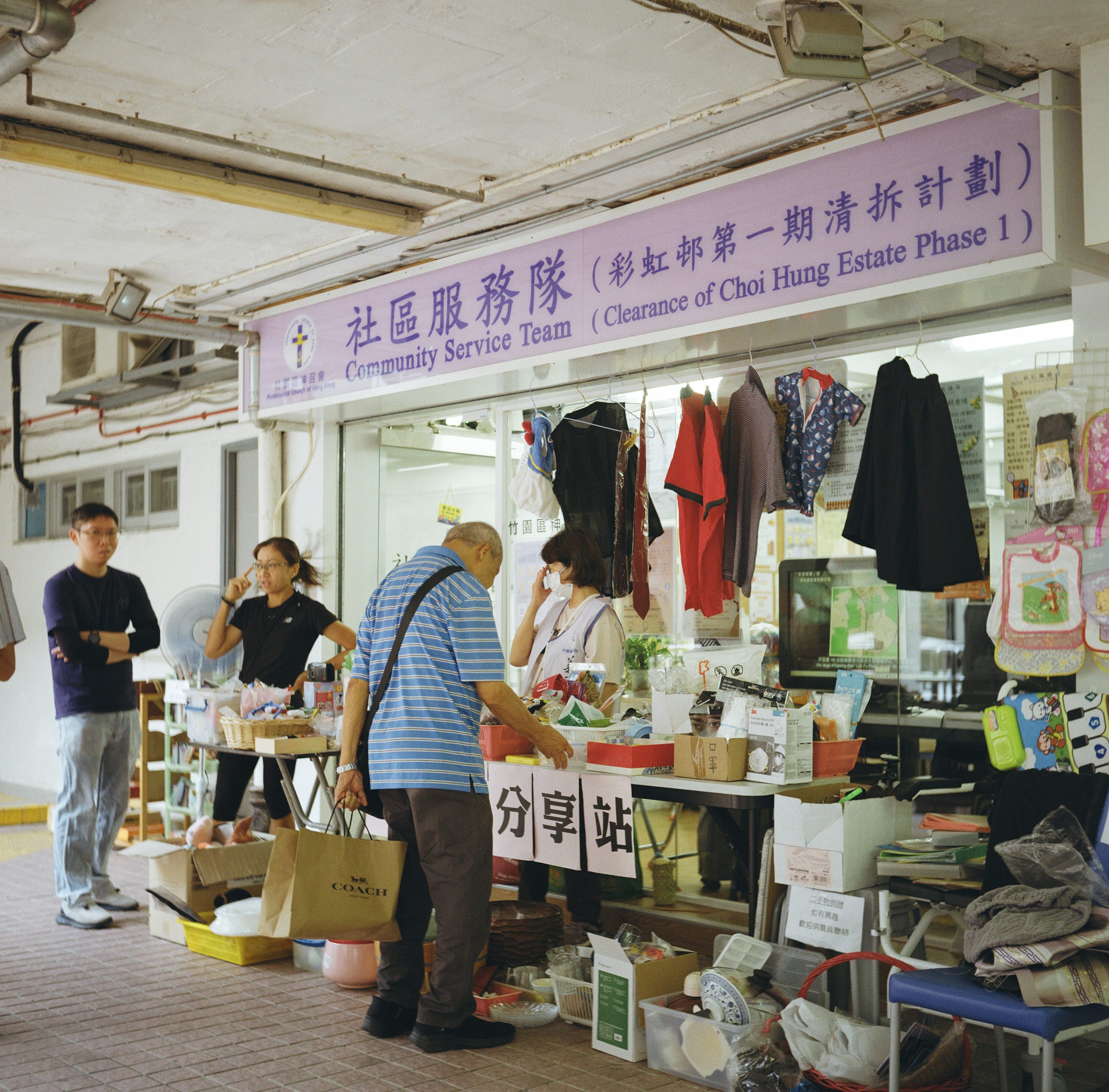
Homelessness, Housing Insecurity, and the Poverty Trap is best understood as a question of how opportunity, risk, and public choices are distributed. Poverty is not a personal failure, and it cannot be explained by income alone. It is shaped by access to services, assets, secure work, social protection, voice, and the freedom to make decisions without one setback becoming a crisis.
The United Nations frames ending poverty as Sustainable Development Goal 1, which includes extreme poverty, social protection, equal access to resources, and resilience to shocks. The World Bank’s poverty overview likewise emphasizes that durable progress depends on broad-based opportunity and protection from setbacks. These principles help place homelessness, housing insecurity, and the poverty trap within a wider development system rather than treating it as an isolated intervention.
“A strong response does more than relieve hardship it expands choice, security, and a community’s capacity to act.”
Connecting immediate needs and root causes
For this topic, a useful starting point is stable housing, secure tenure, affordable mobility, and neighborhoods connected to opportunity. Each element affects the others. A household may gain income but remain one illness, rent increase, crop failure, or job interruption away from hardship. Conversely, reliable services and social protection can make it possible to take a productive risk, complete training, search for better work, or invest in a small enterprise.
What a stronger approach looks like
An effective response to homelessness, housing insecurity, and the poverty trap should connect short-term security with a pathway to greater agency. Relief is essential during crisis, but it should not become a reason to underinvest in rights, services, infrastructure, or economic opportunity. Programs should be simple to access, proportionate in the data they request, and flexible enough to reflect different household circumstances.
- Improve tenure security: translate the principle into a funded responsibility, a timeline, and a way for residents to report barriers.
- Prevent displacement before crisis: translate the principle into a funded responsibility, a timeline, and a way for residents to report barriers.
- Align housing with transport and services: translate the principle into a funded responsibility, a timeline, and a way for residents to report barriers.
- Measure affordability after essential costs: translate the principle into a funded responsibility, a timeline, and a way for residents to report barriers.
- Fund resident-led neighborhood priorities: translate the principle into a funded responsibility, a timeline, and a way for residents to report barriers.
Sequencing matters. Begin by stabilizing urgent conditions, then remove the next constraint that prevents progress. That may mean coordinating income support with childcare, transport, documentation, accessible technology, housing, health services, or market connections. The correct sequence should emerge from local evidence rather than a universal assumption. A pilot can reveal whether the design works before expansion creates larger costs or exclusions.
Implementation checklist
- Define the specific barrier with residents, not for them.
- Map existing assets, services, and gaps before launching something new.
- Agree who is accountable for access, quality, safeguarding, and follow-up.
- Budget for participation, accessibility, maintenance, and learning.
- Set a small number of equity-focused outcomes and review them regularly.
An illustrative local scenario
Imagine a district where residents identify homelessness, housing insecurity, and the poverty trap as a priority during facilitated meetings. Instead of importing a fixed project, a local coalition maps services, listens to households facing the greatest barriers, and selects one achievable change. It tests the approach with a small group, pays community advisers for their time, and publishes what it can and cannot provide. Six months later, the coalition reviews access, cost, continuity, and participant experience. The example is illustrative, but it shows how a narrow activity can become a learning process with shared ownership.
The strongest feature of this scenario is not the size of the pilot. It is the feedback loop. Residents can see how decisions were made, staff can identify unintended burdens, and funders can understand why adaptation is a sign of responsible management rather than failure. This approach also reduces the temptation to claim causation when several institutions and wider economic conditions influence results.
What often goes wrong
Well-intentioned initiatives can still reinforce exclusion. Common mistakes include measuring supply without habitability, building units far from jobs and schools, and planning without tenant or resident voice. Another mistake is selecting only people who are easiest to reach, then presenting their outcomes as representative. Teams should examine who never applied, who stopped participating, and whether rules transfer hidden costs to households.
Language matters as well. People are not passive “cases” or a single poverty category. Communications should avoid stereotypes, obtain informed consent, and never trade privacy for an emotional story. When discussing homelessness, housing insecurity, and the poverty trap, emphasize rights, choices, and structural conditions. Dignity is strengthened when participants know what data is collected, can refuse publicity without losing support, and have a genuine route to question decisions.
Measuring results without losing the human story
Measurement should combine reach, quality, equity, and durability. For this topic, useful indicators include housing-cost burden, evictions and involuntary displacement, resident-reported safety and stability, and travel time to essential services. Disaggregate findings only where it is safe and ethical, and avoid publishing small-group data that could identify individuals. Compare outcomes with a documented baseline and explain external factors that may have influenced change.
Numbers need context. Administrative data can show use and cost; short surveys can reveal access and satisfaction; interviews can explain why results differ; and community review sessions can test whether the interpretation feels accurate. Output measures—meetings held, accounts opened, people trained, or funds distributed—are useful for management, but they do not prove improved security. Outcome measures should ask whether people have more stable resources, better access, stronger voice, and greater resilience over time.
Teams should define a learning rhythm before launch: brief monthly operational reviews, periodic participant feedback, and a deeper outcome review at a meaningful interval. Publish both progress and limitations. Where evidence is uncertain, say so. Responsible measurement supports decisions; it should not become surveillance or a competition for the most dramatic claim.
Authoritative resources for further reading
- United Nations SDG 1 targets and indicators
- World Bank overview of poverty
- UNDP poverty and inequality work
- UN DESA poverty eradication resources
- UN-Habitat housing resources
- UN-Habitat urban poverty resources
These sources provide international frameworks and evidence, but local laws, prices, institutions, and community priorities determine how any approach should be applied. Readers should consult relevant public agencies and qualified local professionals for decisions involving health, law, finance, safety, or regulated services.
Conclusion: progress with dignity
Homelessness, Housing Insecurity, and the Poverty Trap will not be advanced by one organization or one funding cycle. A credible next step is to convene people affected by the issue, identify a specific barrier, map existing responsibilities, and test a modest improvement with transparent safeguards. Keep what works, change what does not, and share the evidence in plain language.
The goal is not to design a perfect project on paper. It is to build institutions and relationships that expand security, voice, and opportunity while reducing the likelihood that a common shock becomes a lasting crisis. That is how action on homelessness, housing insecurity, and the poverty trap can contribute to the broader promise of SDG 1: progress that reaches people facing the greatest barriers and respects their dignity at every stage.