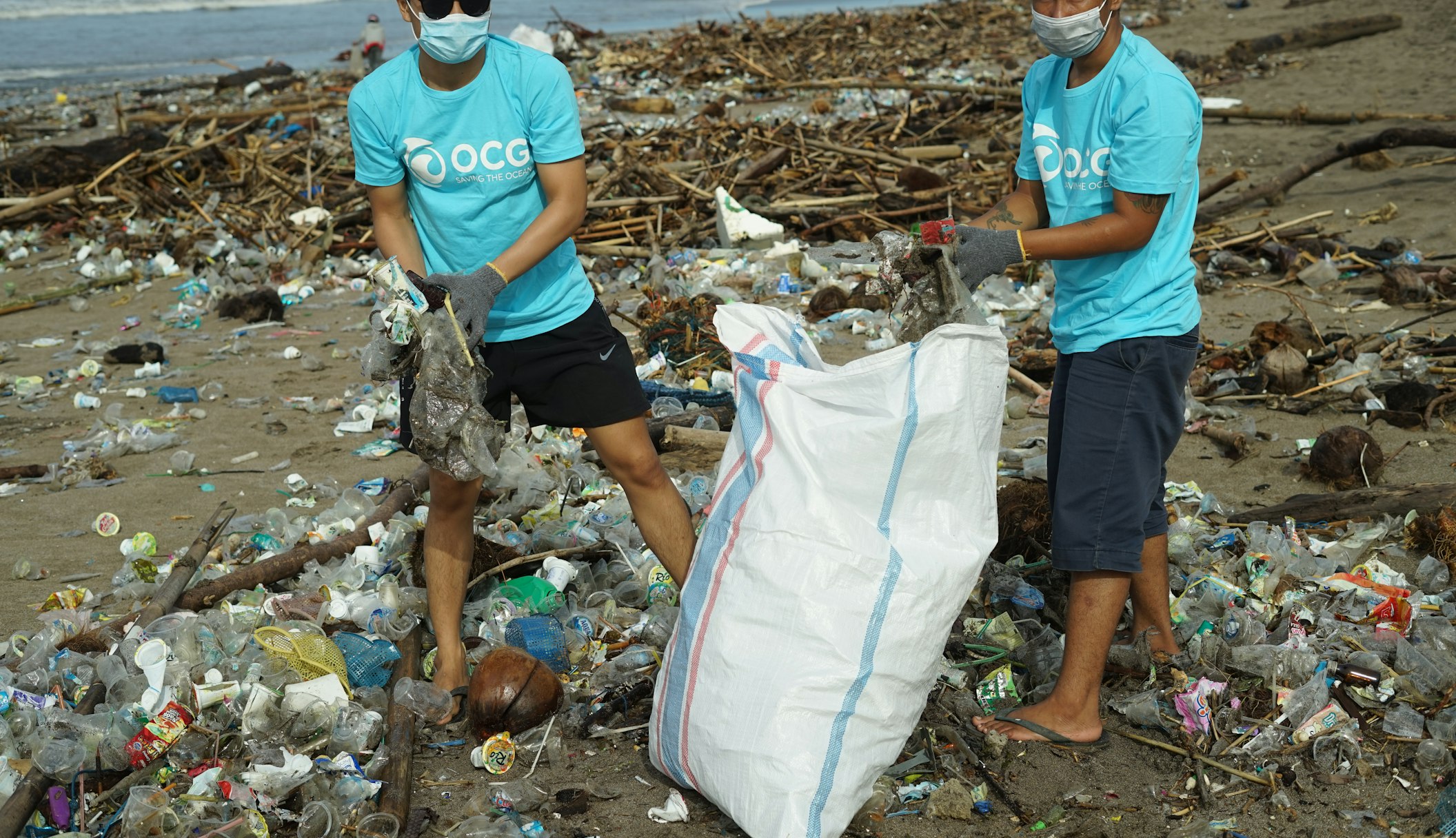
Creating a Daily Micro-Volunteering Routine

Creating a Daily Micro-Volunteering Routine is a useful way to examine how ordinary choices can contribute to a wider culture of participation. The idea becomes valuable when it responds to a real need, respects the people involved and creates room for others to act without pressure. It becomes less useful when visibility, speed or personal recognition matters more than the experience of the community.

This article sits within the broader theme of Micro-Volunteering and the Touch-A-Life category Volunteering. The United Nations Volunteers programme treats volunteer action as part of sustainable development, while the United Nations Sustainable Development Goals show how social, economic and environmental outcomes connect. Those frameworks encourage readers to see a daily micro-volunteering routine as one contribution within a larger system—not a substitute for rights, public services or professional responsibilities.

“The idea behind Creating a Daily Micro-Volunteering Routine becomes real when people feel respected, participation remains voluntary and the value lasts beyond the moment.”

Understanding the opportunity

For this topic, a useful starting point is well-designed roles that meet a real community priority while protecting volunteers, staff and the people they serve. This framing keeps attention on the people who experience the action rather than the person or organization seeking recognition. It also creates space to distinguish immediate help from the longer work of changing access, relationships, policies or resources.

Context matters. The same gesture can be welcome in one setting and uncomfortable in another. Culture, disability, age, language, income, safety and previous experience influence what participation feels like. Asking before acting is not a loss of spontaneity; it is a way to make generosity more respectful. When urgent action is necessary, organizers should rely on trusted local guidance and explain what they can and cannot provide.

Building inclusion, dignity and trust

A credible approach to a daily micro-volunteering routine connects intention, capability and accountability. Intention explains the purpose. Capability asks whether people have the time, skills, resources and authority required. Accountability defines who can provide feedback, how problems will be corrected and what happens after the initial activity. Leaving out any one of these can turn a promising idea into an avoidable burden.

  • Remove disability, language and scheduling barriers: turn this principle into a named responsibility, a realistic timeline and a feedback route.
  • Close the loop with feedback and appreciation: turn this principle into a named responsibility, a realistic timeline and a feedback route.
  • Match skills and availability to genuine need: turn this principle into a named responsibility, a realistic timeline and a feedback route.
  • Write a clear role and outcome: turn this principle into a named responsibility, a realistic timeline and a feedback route.
  • Provide orientation, safeguarding and supervision: turn this principle into a named responsibility, a realistic timeline and a feedback route.

Start with a limited commitment that can be delivered well. A small pilot allows organizers to test language, timing, accessibility, partner capacity and participant comfort. It is better to complete a modest action responsibly than to announce a large campaign that cannot provide continuity. Scaling should follow evidence of usefulness and readiness, not online attention alone.

A five-point checklist

  1. Choose a contribution that fits available skills, time and safeguards.
  2. Review results honestly and adapt before expanding the activity.
  3. Define the specific need with the people most affected.
  4. Agree how feedback, privacy, accessibility and follow-up will work.
  5. Map existing community assets, organizations and possible gaps.

A practical composite example

Imagine a neighborhood group exploring a daily micro-volunteering routine. Instead of announcing a ready-made campaign, organizers meet residents and local organizations to identify one clear gap. They learn that timing, transport, language and trust matter as much as money. The group tests a modest response, assigns safeguarding and follow-up responsibilities, and gives participants a private way to report problems. This is an illustrative composite, not a claim about a real person or programme. Its value lies in showing how listening can turn a broad idea into a specific, accountable action.

The example focuses on process rather than a dramatic outcome. That is deliberate. Responsible social-impact writing should not invent beneficiaries, partners, results or testimonials. A well-designed process makes it possible to learn from real outcomes later, obtain informed consent for any public story and give community partners an opportunity to correct the interpretation.

Avoiding predictable mistakes

Common mistakes include using volunteers to replace essential professional roles, recruiting before defining useful work, and counting hours without assessing value or burden. Another mistake is selecting only the people easiest to reach and presenting their experience as representative. Teams should ask who did not participate, which requirement created difficulty and whether the activity shifted hidden work or cost onto staff, families or community organizations.

Communications can also undermine trust. Avoid language that portrays people as helpless, promises transformation without evidence or treats a photograph as proof of impact. Obtain specific informed consent before using names, images or personal circumstances. Refusing publicity should never affect access to support. When the topic touches health, disability, children, crisis or protected groups, qualified review and stronger privacy safeguards are essential.

A simple measurement framework

Measurement should combine reach, quality, equity and durability. Useful indicators for this topic include role completion and retention, skills used or developed, beneficiary and partner feedback, and quality, safety and accessibility of participation. The ILO volunteer work measurement guide is a useful reminder that definitions and methods matter. A project should document what an indicator means, how information is gathered and whose experience may be missing.

Outputs such as participants, hours, donations, messages or completed tasks help manage delivery, but they are not outcomes by themselves. Outcomes ask whether the contribution was useful, whether access improved, whether relationships or capabilities became stronger and whether benefits continued. Qualitative feedback can explain why results differ, while a few consistent quantitative measures can show scale and change over time.

Set the baseline and review schedule before launch. Protect privacy, avoid publishing data that could identify a small group and disclose important limitations. If results are mixed, explain what will change. Evidence should support learning and accountability rather than become a competition for the biggest claim.

Authoritative resources and outbound references

These sources provide institutional frameworks and starting points. Local law, culture, safeguarding requirements and professional standards determine how an activity should be applied. Readers should use qualified local advice for decisions involving healthcare, mental health, children, disability, finance, law, animal welfare, environmental safety or regulated services.

Start small, learn and improve

Creating a Daily Micro-Volunteering Routine can begin with one disciplined step: ask affected people what would help, identify an appropriate contribution and agree how everyone involved can provide feedback. Then test the idea at a scale that can be supported safely. Keep what proves useful, change what does not and share the reasoning in plain language.

The aim is not a perfect campaign or a memorable slogan. It is a contribution that respects dignity, expands participation and leaves people or institutions better able to act. When a daily micro-volunteering routine is guided by community voice, ethical boundaries and honest measurement, a simple idea can become part of a stronger culture of social responsibility.


From Student to Teacher: Passing Knowledge Forward

From Student to Teacher: Passing Knowledge Forward is a useful way to examine how ordinary choices can contribute to a wider culture of participation. The idea becomes valuable when it responds to a real need, respects the people involved and creates room for others to act without pressure. It becomes less useful when visibility, speed or personal recognition matters more than the experience of the community.

This article sits within the broader theme of From Helped to Helper and the Touch-A-Life category Education. The United Nations Volunteers programme treats volunteer action as part of sustainable development, while the United Nations Sustainable Development Goals show how social, economic and environmental outcomes connect. Those frameworks encourage readers to see student to teacher as one contribution within a larger system—not a substitute for rights, public services or professional responsibilities.

“The idea behind From Student to Teacher: Passing Knowledge Forward becomes real when people feel respected, participation remains voluntary and the value lasts beyond the moment.”

Connecting compassion and responsibility

For this topic, a useful starting point is age-appropriate opportunities that build empathy, practical agency and civic learning while protecting children and young people. This framing keeps attention on the people who experience the action rather than the person or organization seeking recognition. It also creates space to distinguish immediate help from the longer work of changing access, relationships, policies or resources.

Context matters. The same gesture can be welcome in one setting and uncomfortable in another. Culture, disability, age, language, income, safety and previous experience influence what participation feels like. Asking before acting is not a loss of spontaneity; it is a way to make generosity more respectful. When urgent action is necessary, organizers should rely on trusted local guidance and explain what they can and cannot provide.

What a stronger approach includes

A credible approach to student to teacher connects intention, capability and accountability. Intention explains the purpose. Capability asks whether people have the time, skills, resources and authority required. Accountability defines who can provide feedback, how problems will be corrected and what happens after the initial activity. Leaving out any one of these can turn a promising idea into an avoidable burden.

  • Train and support responsible adults: turn this principle into a named responsibility, a realistic timeline and a feedback route.
  • Give learners a meaningful voice: turn this principle into a named responsibility, a realistic timeline and a feedback route.
  • Protect student privacy and avoid public comparison: turn this principle into a named responsibility, a realistic timeline and a feedback route.
  • Connect reflection with real community action: turn this principle into a named responsibility, a realistic timeline and a feedback route.
  • Make participation accessible and voluntary: turn this principle into a named responsibility, a realistic timeline and a feedback route.

Start with a limited commitment that can be delivered well. A small pilot allows organizers to test language, timing, accessibility, partner capacity and participant comfort. It is better to complete a modest action responsibly than to announce a large campaign that cannot provide continuity. Scaling should follow evidence of usefulness and readiness, not online attention alone.

Community planning checklist

  1. Review results honestly and adapt before expanding the activity.
  2. Agree how feedback, privacy, accessibility and follow-up will work.
  3. Choose a contribution that fits available skills, time and safeguards.
  4. Map existing community assets, organizations and possible gaps.
  5. Define the specific need with the people most affected.

Safeguarding note: Activities involving children or young people require age-appropriate design, responsible adult oversight, informed consent or assent as applicable, privacy protection and compliance with local safeguarding rules.

An illustrative non-identifiable scenario

Imagine a neighborhood group exploring student to teacher. Instead of announcing a ready-made campaign, organizers meet residents and local organizations to identify one clear gap. They learn that timing, transport, language and trust matter as much as money. The group tests a modest response, assigns safeguarding and follow-up responsibilities, and gives participants a private way to report problems. This is an illustrative composite, not a claim about a real person or programme. Its value lies in showing how listening can turn a broad idea into a specific, accountable action.

The example focuses on process rather than a dramatic outcome. That is deliberate. Responsible social-impact writing should not invent beneficiaries, partners, results or testimonials. A well-designed process makes it possible to learn from real outcomes later, obtain informed consent for any public story and give community partners an opportunity to correct the interpretation.

What often goes wrong

Common mistakes include collecting identifiable stories from children without safeguards, rewarding volume while overlooking learning and inclusion, and turning service into punishment or compulsory publicity. Another mistake is selecting only the people easiest to reach and presenting their experience as representative. Teams should ask who did not participate, which requirement created difficulty and whether the activity shifted hidden work or cost onto staff, families or community organizations.

Communications can also undermine trust. Avoid language that portrays people as helpless, promises transformation without evidence or treats a photograph as proof of impact. Obtain specific informed consent before using names, images or personal circumstances. Refusing publicity should never affect access to support. When the topic touches health, disability, children, crisis or protected groups, qualified review and stronger privacy safeguards are essential.

Tracking outcomes without losing the human story

Measurement should combine reach, quality, equity and durability. Useful indicators for this topic include projects sustained or responsibly concluded, student reflection and demonstrated learning, quality of community partnership, and safe and inclusive participation. The ILO volunteer work measurement guide is a useful reminder that definitions and methods matter. A project should document what an indicator means, how information is gathered and whose experience may be missing.

Outputs such as participants, hours, donations, messages or completed tasks help manage delivery, but they are not outcomes by themselves. Outcomes ask whether the contribution was useful, whether access improved, whether relationships or capabilities became stronger and whether benefits continued. Qualitative feedback can explain why results differ, while a few consistent quantitative measures can show scale and change over time.

Set the baseline and review schedule before launch. Protect privacy, avoid publishing data that could identify a small group and disclose important limitations. If results are mixed, explain what will change. Evidence should support learning and accountability rather than become a competition for the biggest claim.

Authoritative resources and outbound references

These sources provide institutional frameworks and starting points. Local law, culture, safeguarding requirements and professional standards determine how an activity should be applied. Readers should use qualified local advice for decisions involving healthcare, mental health, children, disability, finance, law, animal welfare, environmental safety or regulated services.

Conclusion: make the contribution useful

From Student to Teacher: Passing Knowledge Forward can begin with one disciplined step: ask affected people what would help, identify an appropriate contribution and agree how everyone involved can provide feedback. Then test the idea at a scale that can be supported safely. Keep what proves useful, change what does not and share the reasoning in plain language.

The aim is not a perfect campaign or a memorable slogan. It is a contribution that respects dignity, expands participation and leaves people or institutions better able to act. When student to teacher is guided by community voice, ethical boundaries and honest measurement, a simple idea can become part of a stronger culture of social responsibility.
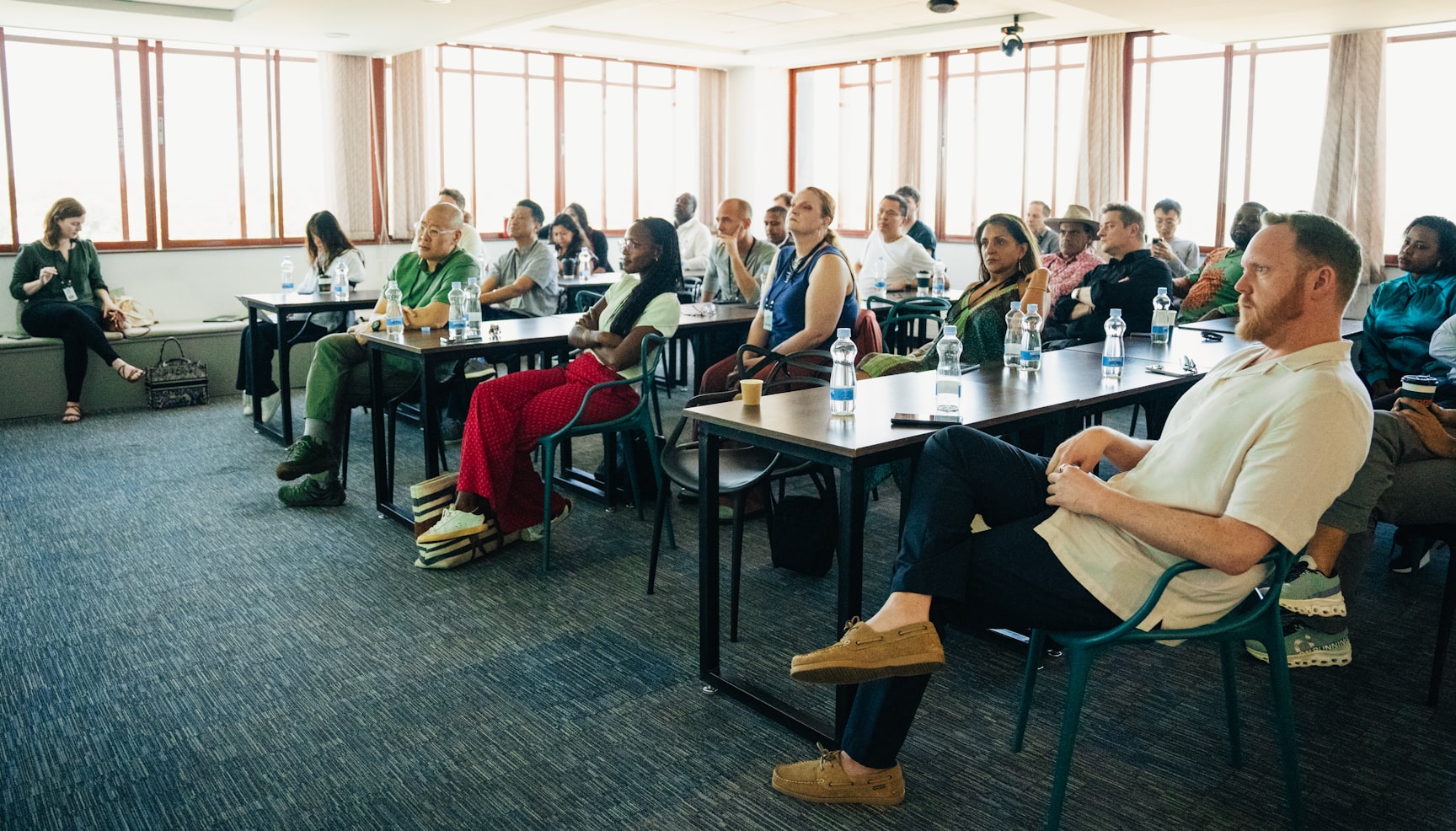
Creating Job-Readiness Programs in Underserved Communities

Creating Job-Readiness Programs in Underserved Communities is a useful subject because it connects individual choices with the systems, relationships and opportunities that shape daily life. Career support becomes social impact when it expands informed choice, fair access, useful skills and dignity rather than promising a shortcut. The practical question is not only whether an action feels positive, but whether it is relevant, accessible, ethical and strong enough to support a better next step.

This guide treats job-readiness programs in underserved communities as a process rather than a slogan. It focuses on rights-based participation that removes structural barriers and gives people affected by exclusion real influence over decisions. Local context will determine the right scale and method, so the approach should remain open to community knowledge, professional standards and evidence that may challenge the original idea.

“Creating Job-Readiness Programs in Underserved Communities is strongest when it expands choices, protects dignity and leaves communities with greater capacity to act.”

Looking beyond the headline

Career support becomes social impact when it expands informed choice, fair access, useful skills and dignity rather than promising a shortcut. For job-readiness programs in underserved communities, that means asking who currently has access, who carries the cost, who is missing from decisions and what would count as a meaningful improvement. A single person may initiate the work, but credible results usually depend on cooperation among people with different knowledge and responsibilities.

Immediate action and long-term change are not opposites. A timely contribution can reduce a real burden today, while advocacy, institutional improvement, skills or a sustainable operating model can address why the barrier exists. Responsible planning makes the connection explicit. It avoids presenting one donation, event, introduction, training session or digital interaction as a complete solution.

Principles for community-centered action

Start by converting Creating Job-Readiness Programs in Underserved Communities into a decision that can be acted upon. Define the person or group, the barrier, the desired change, the contribution and the time horizon. Then examine what is already working. Supporting a capable local organization is often more useful than creating a parallel initiative with no long-term owner.

  • Make physical, digital, language and communication access routine. Name the responsible person, the people affected and the evidence that will guide the next decision.
  • Collect only necessary identity information and protect it. Name the responsible person, the people affected and the evidence that will guide the next decision.
  • Track who remains excluded and change the design accordingly. Name the responsible person, the people affected and the evidence that will guide the next decision.
  • Review eligibility and selection rules for indirect discrimination. Name the responsible person, the people affected and the evidence that will guide the next decision.
  • Pay people with lived experience for their expertise. Name the responsible person, the people affected and the evidence that will guide the next decision.

Boundaries matter. Volunteers should not perform regulated work without appropriate qualifications. Mentors should not promise jobs or investment. Digital tools should not collect sensitive information merely because storage is inexpensive. Organizations should make clear where education ends and professional, legal, financial, safeguarding or crisis support must begin.

A ready-to-use checklist

  • Write one clear, realistic objective for job-readiness programs in underserved communities.
  • Confirm the priority with people directly affected by it.
  • Identify an accountable organization, professional or community partner.
  • Choose a contribution that matches available skills, time and resources.
  • Set consent, privacy, accessibility and safeguarding boundaries.
  • Decide which outputs, outcomes and feedback will be reviewed.
  • Publish limitations as honestly as successes and assign follow-through.

A practical composite example

Picture a small organization testing a responsible approach to job-readiness programs in underserved communities. The people involved begin with listening sessions and a review of services, skills and assets that already exist. They choose one barrier they can address responsibly, define who will make decisions and assign an owner for privacy, accessibility and feedback. The first test is deliberately modest: enough to reveal whether the idea is useful, but small enough to correct without creating dependency or making claims the evidence cannot support. After the test, participants compare experience, quality, reach and unintended effects. They then decide together whether to adapt, continue, partner with a specialist or stop. This is an illustrative composite, not a factual Touch-A-Life programme or a claim about an identifiable person, organization, partner or outcome.

The example is intentionally simple. Its lesson is that a small pilot can preserve learning and dignity when it has a real owner, clear limits and a feedback route. Copying the same intervention everywhere would miss differences in law, language, infrastructure, culture, professional standards and the strengths communities already possess.

Mistakes that can undermine trust

Three common mistakes are collecting sensitive data without a clear purpose or protection, treating one representative as the voice of an entire group, and using inclusive language without changing access. Another is treating a large audience or activity count as proof that people benefited. Reach can be useful, but it says little about quality, relevance, equity, durability or harm unless those questions are examined separately.

Evidence for better decisions

Measurement for job-readiness programs in underserved communities should combine outputs, outcomes, quality, equity, safety and durability. Relevant indicators include dignity, safety and trust reported by participants, barriers removed from systems, equitable access and completion, and participant influence over decisions. Define each indicator before launch, note the starting position where practical and decide who will review the findings.

Outputs describe what the team delivered: conversations, applications, services, products, volunteer hours, resources or referrals. Outcomes describe what changed for people, organizations or communities. Qualitative feedback explains why an approach felt useful or inaccessible; administrative information helps show continuity, cost and unequal participation. Both should be collected proportionately and protected.

Authoritative outbound references

These institutional sources provide broader frameworks for participation, skills, inclusion, enterprise, development and measurement. They are outbound references for further learning, not endorsements of a particular intervention and not proof of any result described in the illustrative example. Readers should confirm current local requirements with the appropriate qualified body.

Make the first step count

The next step on Creating Job-Readiness Programs in Underserved Communities can be modest: choose one real barrier, speak with the people who understand it, and define a contribution that can be completed responsibly. Agree on what will be learned before expanding. Make it easy for participants to say that the approach is not useful, and treat that feedback as evidence rather than resistance.

Lasting social value is built through repeated choices: listen before designing, share power, protect dignity, use credible evidence and follow through. When job-readiness programs in underserved communities is approached this way, even a small action can become part of a wider pattern of opportunity, trust and community capacity.

Corporate Altruism: When Business Becomes a Force for Good

A thoughtful discussion of corporate altruism: when business becomes a force for good begins with a simple distinction: intention belongs to the giver, but impact is experienced by someone else. That is why effective social action combines empathy with listening, practical design and accountability. A small contribution can matter, yet it should never be used to exaggerate results or overlook structural barriers.

This article sits within the broader theme of Corporate Altruism and the Touch-A-Life category CSR. The United Nations Volunteers programme treats volunteer action as part of sustainable development, while the United Nations Sustainable Development Goals show how social, economic and environmental outcomes connect. Those frameworks encourage readers to see corporate altruism as one contribution within a larger system—not a substitute for rights, public services or professional responsibilities.

“The idea behind Corporate Altruism: When Business Becomes a Force for Good becomes real when people feel respected, participation remains voluntary and the value lasts beyond the moment.”

The case for thoughtful participation

For this topic, a useful starting point is responsible business conduct integrated with employee voice, community priorities and transparent accountability. This framing keeps attention on the people who experience the action rather than the person or organization seeking recognition. It also creates space to distinguish immediate help from the longer work of changing access, relationships, policies or resources.

Context matters. The same gesture can be welcome in one setting and uncomfortable in another. Culture, disability, age, language, income, safety and previous experience influence what participation feels like. Asking before acting is not a loss of spontaneity; it is a way to make generosity more respectful. When urgent action is necessary, organizers should rely on trusted local guidance and explain what they can and cannot provide.

Where durable change begins

A credible approach to corporate altruism connects intention, capability and accountability. Intention explains the purpose. Capability asks whether people have the time, skills, resources and authority required. Accountability defines who can provide feedback, how problems will be corrected and what happens after the initial activity. Leaving out any one of these can turn a promising idea into an avoidable burden.

  • Offer paid and inclusive participation: turn this principle into a named responsibility, a realistic timeline and a feedback route.
  • Measure community outcomes as well as engagement: turn this principle into a named responsibility, a realistic timeline and a feedback route.
  • Co-design activities with credible community partners: turn this principle into a named responsibility, a realistic timeline and a feedback route.
  • Address core business impacts before promoting philanthropy: turn this principle into a named responsibility, a realistic timeline and a feedback route.
  • Disclose goals, resources and conflicts of interest: turn this principle into a named responsibility, a realistic timeline and a feedback route.

Start with a limited commitment that can be delivered well. A small pilot allows organizers to test language, timing, accessibility, partner capacity and participant comfort. It is better to complete a modest action responsibly than to announce a large campaign that cannot provide continuity. Scaling should follow evidence of usefulness and readiness, not online attention alone.

Checklist for responsible implementation

  1. Choose a contribution that fits available skills, time and safeguards.
  2. Review results honestly and adapt before expanding the activity.
  3. Define the specific need with the people most affected.
  4. Agree how feedback, privacy, accessibility and follow-up will work.
  5. Map existing community assets, organizations and possible gaps.

A hypothetical local example

Consider a hypothetical workplace team interested in corporate altruism. Employees can choose among skills-based, time-based and financial contributions, while a community partner defines the priority and safe boundaries. Participation is voluntary, managers do not receive individual donation data, and the partner is paid for coordination. After the activity, the team reviews usefulness, burden, accessibility and next steps rather than relying on photographs or attendance alone. The scenario demonstrates how responsible design protects both community purpose and employee choice.

The example focuses on process rather than a dramatic outcome. That is deliberate. Responsible social-impact writing should not invent beneficiaries, partners, results or testimonials. A well-designed process makes it possible to learn from real outcomes later, obtain informed consent for any public story and give community partners an opportunity to correct the interpretation.

Mistakes that can undermine trust

Common mistakes include pressuring employees to participate or donate, choosing visible events over needed work, and using charitable activity to distract from harmful practices. Another mistake is selecting only the people easiest to reach and presenting their experience as representative. Teams should ask who did not participate, which requirement created difficulty and whether the activity shifted hidden work or cost onto staff, families or community organizations.

Communications can also undermine trust. Avoid language that portrays people as helpless, promises transformation without evidence or treats a photograph as proof of impact. Obtain specific informed consent before using names, images or personal circumstances. Refusing publicity should never affect access to support. When the topic touches health, disability, children, crisis or protected groups, qualified review and stronger privacy safeguards are essential.

Evidence that supports better decisions

Measurement should combine reach, quality, equity and durability. Useful indicators for this topic include community-defined outcomes, partner capacity and satisfaction, changes in core policies and practices, and employee access across roles and shifts. The ILO volunteer work measurement guide is a useful reminder that definitions and methods matter. A project should document what an indicator means, how information is gathered and whose experience may be missing.

Outputs such as participants, hours, donations, messages or completed tasks help manage delivery, but they are not outcomes by themselves. Outcomes ask whether the contribution was useful, whether access improved, whether relationships or capabilities became stronger and whether benefits continued. Qualitative feedback can explain why results differ, while a few consistent quantitative measures can show scale and change over time.

Set the baseline and review schedule before launch. Protect privacy, avoid publishing data that could identify a small group and disclose important limitations. If results are mixed, explain what will change. Evidence should support learning and accountability rather than become a competition for the biggest claim.

Authoritative resources and outbound references

These sources provide institutional frameworks and starting points. Local law, culture, safeguarding requirements and professional standards determine how an activity should be applied. Readers should use qualified local advice for decisions involving healthcare, mental health, children, disability, finance, law, animal welfare, environmental safety or regulated services.

From intention to positive change

Corporate Altruism: When Business Becomes a Force for Good can begin with one disciplined step: ask affected people what would help, identify an appropriate contribution and agree how everyone involved can provide feedback. Then test the idea at a scale that can be supported safely. Keep what proves useful, change what does not and share the reasoning in plain language.

The aim is not a perfect campaign or a memorable slogan. It is a contribution that respects dignity, expands participation and leaves people or institutions better able to act. When corporate altruism is guided by community voice, ethical boundaries and honest measurement, a simple idea can become part of a stronger culture of social responsibility.

Social Entrepreneurship and Intergenerational Poverty

Social Entrepreneurship and Intergenerational Poverty is a useful subject because it connects individual choices with the systems, relationships and opportunities that shape daily life. A social enterprise must hold mission and operational discipline together: community value is the purpose, while a viable model keeps the work available. The practical question is not only whether an action feels positive, but whether it is relevant, accessible, ethical and strong enough to support a better next step.

This guide treats social entrepreneurship and intergenerational poverty as a process rather than a slogan. It focuses on a mission-led operating model that solves a validated problem while earning enough revenue and trust to remain useful. Local context will determine the right scale and method, so the approach should remain open to community knowledge, professional standards and evidence that may challenge the original idea.

“Social Entrepreneurship and Intergenerational Poverty is not measured by how inspiring the idea sounds, but by whether people experience greater opportunity, trust and control.”

Looking beyond the headline

A social enterprise must hold mission and operational discipline together: community value is the purpose, while a viable model keeps the work available. For social entrepreneurship and intergenerational poverty, that means asking who currently has access, who carries the cost, who is missing from decisions and what would count as a meaningful improvement. A single person may initiate the work, but credible results usually depend on cooperation among people with different knowledge and responsibilities.

Immediate action and long-term change are not opposites. A timely contribution can reduce a real burden today, while advocacy, institutional improvement, skills or a sustainable operating model can address why the barrier exists. Responsible planning makes the connection explicit. It avoids presenting one donation, event, introduction, training session or digital interaction as a complete solution.

Principles for community-centered action

Start by converting Social Entrepreneurship and Intergenerational Poverty into a decision that can be acted upon. Define the person or group, the barrier, the desired change, the contribution and the time horizon. Then examine what is already working. Supporting a capable local organization is often more useful than creating a parallel initiative with no long-term owner.

  • Write down mission safeguards before pursuing growth or investment. Name the responsible person, the people affected and the evidence that will guide the next decision.
  • Test the smallest responsible version of the product or service. Name the responsible person, the people affected and the evidence that will guide the next decision.
  • Define the paying customer separately from the intended beneficiary. Name the responsible person, the people affected and the evidence that will guide the next decision.
  • Track financial health and social outcomes as connected but distinct evidence. Name the responsible person, the people affected and the evidence that will guide the next decision.
  • Validate the problem with people who experience it. Name the responsible person, the people affected and the evidence that will guide the next decision.

Boundaries matter. Volunteers should not perform regulated work without appropriate qualifications. Mentors should not promise jobs or investment. Digital tools should not collect sensitive information merely because storage is inexpensive. Organizations should make clear where education ends and professional, legal, financial, safeguarding or crisis support must begin.

A ready-to-use checklist

  • Write one clear, realistic objective for social entrepreneurship and intergenerational poverty.
  • Confirm the priority with people directly affected by it.
  • Identify an accountable organization, professional or community partner.
  • Choose a contribution that matches available skills, time and resources.
  • Set consent, privacy, accessibility and safeguarding boundaries.
  • Decide which outputs, outcomes and feedback will be reviewed.
  • Publish limitations as honestly as successes and assign follow-through.

A practical composite example

Picture a small organization testing a responsible approach to social entrepreneurship and intergenerational poverty. The people involved begin with listening sessions and a review of services, skills and assets that already exist. They choose one barrier they can address responsibly, define who will make decisions and assign an owner for privacy, accessibility and feedback. The first test is deliberately modest: enough to reveal whether the idea is useful, but small enough to correct without creating dependency or making claims the evidence cannot support. After the test, participants compare experience, quality, reach and unintended effects. They then decide together whether to adapt, continue, partner with a specialist or stop. This is an illustrative composite, not a factual Touch-A-Life programme or a claim about an identifiable person, organization, partner or outcome.

The example is intentionally simple. Its lesson is that a small pilot can preserve learning and dignity when it has a real owner, clear limits and a feedback route. Copying the same intervention everywhere would miss differences in law, language, infrastructure, culture, professional standards and the strengths communities already possess.

Mistakes that can undermine trust

Three common mistakes are scaling faster than quality and safeguards can support, using a social mission to hide weak economics, and building a solution before confirming demand. Another is treating a large audience or activity count as proof that people benefited. Reach can be useful, but it says little about quality, relevance, equity, durability or harm unless those questions are examined separately.

Evidence for better decisions

Measurement for social entrepreneurship and intergenerational poverty should combine outputs, outcomes, quality, equity, safety and durability. Relevant indicators include customer retention and responsible revenue, mission outcomes and unintended effects, unit economics and cash runway, and beneficiary access and experience. Define each indicator before launch, note the starting position where practical and decide who will review the findings.

Outputs describe what the team delivered: conversations, applications, services, products, volunteer hours, resources or referrals. Outcomes describe what changed for people, organizations or communities. Qualitative feedback explains why an approach felt useful or inaccessible; administrative information helps show continuity, cost and unequal participation. Both should be collected proportionately and protected.

Authoritative outbound references

These institutional sources provide broader frameworks for participation, skills, inclusion, enterprise, development and measurement. They are outbound references for further learning, not endorsements of a particular intervention and not proof of any result described in the illustrative example. Readers should confirm current local requirements with the appropriate qualified body.

Make the first step count

The next step on Social Entrepreneurship and Intergenerational Poverty can be modest: choose one real barrier, speak with the people who understand it, and define a contribution that can be completed responsibly. Agree on what will be learned before expanding. Make it easy for participants to say that the approach is not useful, and treat that feedback as evidence rather than resistance.

Lasting social value is built through repeated choices: listen before designing, share power, protect dignity, use credible evidence and follow through. When social entrepreneurship and intergenerational poverty is approached this way, even a small action can become part of a wider pattern of opportunity, trust and community capacity.

Pay-It-Forward Community Fridges and Meal Programs

Pay-It-Forward Community Fridges and Meal Programs is a useful way to examine how ordinary choices can contribute to a wider culture of participation. The idea becomes valuable when it responds to a real need, respects the people involved and creates room for others to act without pressure. It becomes less useful when visibility, speed or personal recognition matters more than the experience of the community.

This article sits within the broader theme of Pay It Forward in the Community and the Touch-A-Life category Social Impact. The United Nations Volunteers programme treats volunteer action as part of sustainable development, while the United Nations Sustainable Development Goals show how social, economic and environmental outcomes connect. Those frameworks encourage readers to see pay-it-forward community fridges and meal programs as one contribution within a larger system—not a substitute for rights, public services or professional responsibilities.

“The idea behind Pay-It-Forward Community Fridges and Meal Programs becomes real when people feel respected, participation remains voluntary and the value lasts beyond the moment.”

Connecting compassion and responsibility

For this topic, a useful starting point is support that expands another person’s choices without imposing repayment, obligation or a prescribed way to give back. This framing keeps attention on the people who experience the action rather than the person or organization seeking recognition. It also creates space to distinguish immediate help from the longer work of changing access, relationships, policies or resources.

Context matters. The same gesture can be welcome in one setting and uncomfortable in another. Culture, disability, age, language, income, safety and previous experience influence what participation feels like. Asking before acting is not a loss of spontaneity; it is a way to make generosity more respectful. When urgent action is necessary, organizers should rely on trusted local guidance and explain what they can and cannot provide.

What a stronger approach includes

A credible approach to pay-it-forward community fridges and meal programs connects intention, capability and accountability. Intention explains the purpose. Capability asks whether people have the time, skills, resources and authority required. Accountability defines who can provide feedback, how problems will be corrected and what happens after the initial activity. Leaving out any one of these can turn a promising idea into an avoidable burden.

  • Separate gratitude from debt: turn this principle into a named responsibility, a realistic timeline and a feedback route.
  • Document the pathway from help to agency: turn this principle into a named responsibility, a realistic timeline and a feedback route.
  • Offer several ways to participate later: turn this principle into a named responsibility, a realistic timeline and a feedback route.
  • Make support accessible to people with limited money or time: turn this principle into a named responsibility, a realistic timeline and a feedback route.
  • Celebrate shared momentum rather than individual saviors: turn this principle into a named responsibility, a realistic timeline and a feedback route.

Start with a limited commitment that can be delivered well. A small pilot allows organizers to test language, timing, accessibility, partner capacity and participant comfort. It is better to complete a modest action responsibly than to announce a large campaign that cannot provide continuity. Scaling should follow evidence of usefulness and readiness, not online attention alone.

Community planning checklist

  1. Choose a contribution that fits available skills, time and safeguards.
  2. Review results honestly and adapt before expanding the activity.
  3. Define the specific need with the people most affected.
  4. Map existing community assets, organizations and possible gaps.
  5. Agree how feedback, privacy, accessibility and follow-up will work.

An illustrative non-identifiable scenario

Imagine a neighborhood group exploring pay-it-forward community fridges and meal programs. Instead of announcing a ready-made campaign, organizers meet residents and local organizations to identify one clear gap. They learn that timing, transport, language and trust matter as much as money. The group tests a modest response, assigns safeguarding and follow-up responsibilities, and gives participants a private way to report problems. This is an illustrative composite, not a claim about a real person or programme. Its value lies in showing how listening can turn a broad idea into a specific, accountable action.

The example focuses on process rather than a dramatic outcome. That is deliberate. Responsible social-impact writing should not invent beneficiaries, partners, results or testimonials. A well-designed process makes it possible to learn from real outcomes later, obtain informed consent for any public story and give community partners an opportunity to correct the interpretation.

What often goes wrong

Common mistakes include pressuring recipients to repay kindness, claiming a ripple effect without evidence, and valuing money more than time, knowledge or care. Another mistake is selecting only the people easiest to reach and presenting their experience as representative. Teams should ask who did not participate, which requirement created difficulty and whether the activity shifted hidden work or cost onto staff, families or community organizations.

Communications can also undermine trust. Avoid language that portrays people as helpless, promises transformation without evidence or treats a photograph as proof of impact. Obtain specific informed consent before using names, images or personal circumstances. Refusing publicity should never affect access to support. When the topic touches health, disability, children, crisis or protected groups, qualified review and stronger privacy safeguards are essential.

Tracking outcomes without losing the human story

Measurement should combine reach, quality, equity and durability. Useful indicators for this topic include voluntary follow-on actions, diversity of contribution types, networks sustained beyond the original activity, and participant sense of agency. The ILO volunteer work measurement guide is a useful reminder that definitions and methods matter. A project should document what an indicator means, how information is gathered and whose experience may be missing.

Outputs such as participants, hours, donations, messages or completed tasks help manage delivery, but they are not outcomes by themselves. Outcomes ask whether the contribution was useful, whether access improved, whether relationships or capabilities became stronger and whether benefits continued. Qualitative feedback can explain why results differ, while a few consistent quantitative measures can show scale and change over time.

Set the baseline and review schedule before launch. Protect privacy, avoid publishing data that could identify a small group and disclose important limitations. If results are mixed, explain what will change. Evidence should support learning and accountability rather than become a competition for the biggest claim.

Authoritative resources and outbound references

These sources provide institutional frameworks and starting points. Local law, culture, safeguarding requirements and professional standards determine how an activity should be applied. Readers should use qualified local advice for decisions involving healthcare, mental health, children, disability, finance, law, animal welfare, environmental safety or regulated services.

Conclusion: make the contribution useful

Pay-It-Forward Community Fridges and Meal Programs can begin with one disciplined step: ask affected people what would help, identify an appropriate contribution and agree how everyone involved can provide feedback. Then test the idea at a scale that can be supported safely. Keep what proves useful, change what does not and share the reasoning in plain language.

The aim is not a perfect campaign or a memorable slogan. It is a contribution that respects dignity, expands participation and leaves people or institutions better able to act. When pay-it-forward community fridges and meal programs is guided by community voice, ethical boundaries and honest measurement, a simple idea can become part of a stronger culture of social responsibility.

Choosing the Right LinkedIn Profile Photograph

Choosing the Right LinkedIn Profile Photograph is a useful subject because it connects individual choices with the systems, relationships and opportunities that shape daily life. Career support becomes social impact when it expands informed choice, fair access, useful skills and dignity rather than promising a shortcut. The practical question is not only whether an action feels positive, but whether it is relevant, accessible, ethical and strong enough to support a better next step.

This guide treats choosing the right linkedin profile photograph as a process rather than a slogan. It focuses on a practical pathway that connects self-knowledge, credible evidence of skills, fair opportunity and informed career decisions. Local context will determine the right scale and method, so the approach should remain open to community knowledge, professional standards and evidence that may challenge the original idea.

“Choosing the Right LinkedIn Profile Photograph is not measured by how inspiring the idea sounds, but by whether people experience greater opportunity, trust and control.”

Looking beyond the headline

Career support becomes social impact when it expands informed choice, fair access, useful skills and dignity rather than promising a shortcut. For choosing the right linkedin profile photograph, that means asking who currently has access, who carries the cost, who is missing from decisions and what would count as a meaningful improvement. A single person may initiate the work, but credible results usually depend on cooperation among people with different knowledge and responsibilities.

Immediate action and long-term change are not opposites. A timely contribution can reduce a real burden today, while advocacy, institutional improvement, skills or a sustainable operating model can address why the barrier exists. Responsible planning makes the connection explicit. It avoids presenting one donation, event, introduction, training session or digital interaction as a complete solution.

Principles for community-centered action

Start by converting Choosing the Right LinkedIn Profile Photograph into a decision that can be acted upon. Define the person or group, the barrier, the desired change, the contribution and the time horizon. Then examine what is already working. Supporting a capable local organization is often more useful than creating a parallel initiative with no long-term owner.

  • Research role expectations, workplace culture and accessibility before applying. Name the responsible person, the people affected and the evidence that will guide the next decision.
  • Protect personal data and avoid paying unverified intermediaries. Name the responsible person, the people affected and the evidence that will guide the next decision.
  • Seek feedback from a trusted mentor or qualified career professional. Name the responsible person, the people affected and the evidence that will guide the next decision.
  • Collect examples that demonstrate relevant skills rather than relying on broad claims. Name the responsible person, the people affected and the evidence that will guide the next decision.
  • Translate the goal into one observable career outcome. Name the responsible person, the people affected and the evidence that will guide the next decision.

Boundaries matter. Volunteers should not perform regulated work without appropriate qualifications. Mentors should not promise jobs or investment. Digital tools should not collect sensitive information merely because storage is inexpensive. Organizations should make clear where education ends and professional, legal, financial, safeguarding or crisis support must begin.

A ready-to-use checklist

  • Write one clear, realistic objective for choosing the right linkedin profile photograph.
  • Confirm the priority with people directly affected by it.
  • Identify an accountable organization, professional or community partner.
  • Choose a contribution that matches available skills, time and resources.
  • Set consent, privacy, accessibility and safeguarding boundaries.
  • Decide which outputs, outcomes and feedback will be reviewed.
  • Publish limitations as honestly as successes and assign follow-through.

A practical composite example

Picture a small organization testing a responsible approach to choosing the right linkedin profile photograph. The people involved begin with listening sessions and a review of services, skills and assets that already exist. They choose one barrier they can address responsibly, define who will make decisions and assign an owner for privacy, accessibility and feedback. The first test is deliberately modest: enough to reveal whether the idea is useful, but small enough to correct without creating dependency or making claims the evidence cannot support. After the test, participants compare experience, quality, reach and unintended effects. They then decide together whether to adapt, continue, partner with a specialist or stop. This is an illustrative composite, not a factual Touch-A-Life programme or a claim about an identifiable person, organization, partner or outcome.

The example is intentionally simple. Its lesson is that a small pilot can preserve learning and dignity when it has a real owner, clear limits and a feedback route. Copying the same intervention everywhere would miss differences in law, language, infrastructure, culture, professional standards and the strengths communities already possess.

Mistakes that can undermine trust

Three common mistakes are confusing visibility with meaningful professional relationships, accepting advice without checking whether it fits the person’s context, and using generic applications for very different roles. Another is treating a large audience or activity count as proof that people benefited. Reach can be useful, but it says little about quality, relevance, equity, durability or harm unless those questions are examined separately.

Evidence for better decisions

Measurement for choosing the right linkedin profile photograph should combine outputs, outcomes, quality, equity, safety and durability. Relevant indicators include interviews or useful conversations generated, confidence based on demonstrated preparation, quality of targeted applications, and skills gaps closed. Define each indicator before launch, note the starting position where practical and decide who will review the findings.

Outputs describe what the team delivered: conversations, applications, services, products, volunteer hours, resources or referrals. Outcomes describe what changed for people, organizations or communities. Qualitative feedback explains why an approach felt useful or inaccessible; administrative information helps show continuity, cost and unequal participation. Both should be collected proportionately and protected.

Authoritative outbound references

These institutional sources provide broader frameworks for participation, skills, inclusion, enterprise, development and measurement. They are outbound references for further learning, not endorsements of a particular intervention and not proof of any result described in the illustrative example. Readers should confirm current local requirements with the appropriate qualified body.

Make the first step count

The next step on Choosing the Right LinkedIn Profile Photograph can be modest: choose one real barrier, speak with the people who understand it, and define a contribution that can be completed responsibly. Agree on what will be learned before expanding. Make it easy for participants to say that the approach is not useful, and treat that feedback as evidence rather than resistance.

Lasting social value is built through repeated choices: listen before designing, share power, protect dignity, use credible evidence and follow through. When choosing the right linkedin profile photograph is approached this way, even a small action can become part of a wider pattern of opportunity, trust and community capacity.

Can Compassion Become a Core Business Principle?

When people consider can compassion become a core business principle?, the first question is often, “What can I do?” An equally important question is, “What would be genuinely useful?” Holding both questions together moves the conversation from symbolic goodwill toward action that protects dignity, strengthens relationships and can be improved through evidence.

This article sits within the broader theme of Corporate Altruism and the Touch-A-Life category CSR. The United Nations Volunteers programme treats volunteer action as part of sustainable development, while the United Nations Sustainable Development Goals show how social, economic and environmental outcomes connect. Those frameworks encourage readers to see compassion become a core business principle as one contribution within a larger system—not a substitute for rights, public services or professional responsibilities.

“The idea behind Can Compassion Become a Core Business Principle? becomes real when people feel respected, participation remains voluntary and the value lasts beyond the moment.”

Connecting compassion and responsibility

For this topic, a useful starting point is responsible business conduct integrated with employee voice, community priorities and transparent accountability. This framing keeps attention on the people who experience the action rather than the person or organization seeking recognition. It also creates space to distinguish immediate help from the longer work of changing access, relationships, policies or resources.

Context matters. The same gesture can be welcome in one setting and uncomfortable in another. Culture, disability, age, language, income, safety and previous experience influence what participation feels like. Asking before acting is not a loss of spontaneity; it is a way to make generosity more respectful. When urgent action is necessary, organizers should rely on trusted local guidance and explain what they can and cannot provide.

What a stronger approach includes

A credible approach to compassion become a core business principle connects intention, capability and accountability. Intention explains the purpose. Capability asks whether people have the time, skills, resources and authority required. Accountability defines who can provide feedback, how problems will be corrected and what happens after the initial activity. Leaving out any one of these can turn a promising idea into an avoidable burden.

  • Disclose goals, resources and conflicts of interest: turn this principle into a named responsibility, a realistic timeline and a feedback route.
  • Co-design activities with credible community partners: turn this principle into a named responsibility, a realistic timeline and a feedback route.
  • Offer paid and inclusive participation: turn this principle into a named responsibility, a realistic timeline and a feedback route.
  • Address core business impacts before promoting philanthropy: turn this principle into a named responsibility, a realistic timeline and a feedback route.
  • Measure community outcomes as well as engagement: turn this principle into a named responsibility, a realistic timeline and a feedback route.

Start with a limited commitment that can be delivered well. A small pilot allows organizers to test language, timing, accessibility, partner capacity and participant comfort. It is better to complete a modest action responsibly than to announce a large campaign that cannot provide continuity. Scaling should follow evidence of usefulness and readiness, not online attention alone.

Community planning checklist

  1. Map existing community assets, organizations and possible gaps.
  2. Agree how feedback, privacy, accessibility and follow-up will work.
  3. Choose a contribution that fits available skills, time and safeguards.
  4. Review results honestly and adapt before expanding the activity.
  5. Define the specific need with the people most affected.

An illustrative non-identifiable scenario

A realistic non-identifiable scenario might involve a school, neighborhood association and nonprofit collaborating on compassion become a core business principle. Young participants help shape the idea through age-appropriate discussion, responsible adults manage consent and safeguarding, and the nonprofit explains what support is genuinely needed. The partners begin with a small pilot and report what changed, what did not and what they learned. No participant is required to share a personal story, and the activity is not expanded until community feedback supports it.

The example focuses on process rather than a dramatic outcome. That is deliberate. Responsible social-impact writing should not invent beneficiaries, partners, results or testimonials. A well-designed process makes it possible to learn from real outcomes later, obtain informed consent for any public story and give community partners an opportunity to correct the interpretation.

What often goes wrong

Common mistakes include choosing visible events over needed work, using charitable activity to distract from harmful practices, and pressuring employees to participate or donate. Another mistake is selecting only the people easiest to reach and presenting their experience as representative. Teams should ask who did not participate, which requirement created difficulty and whether the activity shifted hidden work or cost onto staff, families or community organizations.

Communications can also undermine trust. Avoid language that portrays people as helpless, promises transformation without evidence or treats a photograph as proof of impact. Obtain specific informed consent before using names, images or personal circumstances. Refusing publicity should never affect access to support. When the topic touches health, disability, children, crisis or protected groups, qualified review and stronger privacy safeguards are essential.

Tracking outcomes without losing the human story

Measurement should combine reach, quality, equity and durability. Useful indicators for this topic include employee access across roles and shifts, community-defined outcomes, partner capacity and satisfaction, and changes in core policies and practices. The ILO volunteer work measurement guide is a useful reminder that definitions and methods matter. A project should document what an indicator means, how information is gathered and whose experience may be missing.

Outputs such as participants, hours, donations, messages or completed tasks help manage delivery, but they are not outcomes by themselves. Outcomes ask whether the contribution was useful, whether access improved, whether relationships or capabilities became stronger and whether benefits continued. Qualitative feedback can explain why results differ, while a few consistent quantitative measures can show scale and change over time.

Set the baseline and review schedule before launch. Protect privacy, avoid publishing data that could identify a small group and disclose important limitations. If results are mixed, explain what will change. Evidence should support learning and accountability rather than become a competition for the biggest claim.

Authoritative resources and outbound references

These sources provide institutional frameworks and starting points. Local law, culture, safeguarding requirements and professional standards determine how an activity should be applied. Readers should use qualified local advice for decisions involving healthcare, mental health, children, disability, finance, law, animal welfare, environmental safety or regulated services.

Conclusion: make the contribution useful

Can Compassion Become a Core Business Principle? can begin with one disciplined step: ask affected people what would help, identify an appropriate contribution and agree how everyone involved can provide feedback. Then test the idea at a scale that can be supported safely. Keep what proves useful, change what does not and share the reasoning in plain language.

The aim is not a perfect campaign or a memorable slogan. It is a contribution that respects dignity, expands participation and leaves people or institutions better able to act. When compassion become a core business principle is guided by community voice, ethical boundaries and honest measurement, a simple idea can become part of a stronger culture of social responsibility.

Why People Need Companionship as Much as Material Help

When people consider why people need companionship as much as material help, the first question is often, “What can I do?” An equally important question is, “What would be genuinely useful?” Holding both questions together moves the conversation from symbolic goodwill toward action that protects dignity, strengthens relationships and can be improved through evidence.

This article sits within the broader theme of The Gift of Presence and the Touch-A-Life category Fundraising. The United Nations Volunteers programme treats volunteer action as part of sustainable development, while the United Nations Sustainable Development Goals show how social, economic and environmental outcomes connect. Those frameworks encourage readers to see people need companionship as much as material as one contribution within a larger system—not a substitute for rights, public services or professional responsibilities.

“The idea behind Why People Need Companionship as Much as Material Help becomes real when people feel respected, participation remains voluntary and the value lasts beyond the moment.”

Why this idea matters

For this topic, a useful starting point is transparent resource mobilization that respects donor intent, protects beneficiaries and connects every appeal to a clear community purpose. This framing keeps attention on the people who experience the action rather than the person or organization seeking recognition. It also creates space to distinguish immediate help from the longer work of changing access, relationships, policies or resources.

Context matters. The same gesture can be welcome in one setting and uncomfortable in another. Culture, disability, age, language, income, safety and previous experience influence what participation feels like. Asking before acting is not a loss of spontaneity; it is a way to make generosity more respectful. When urgent action is necessary, organizers should rely on trusted local guidance and explain what they can and cannot provide.

Designing action that helps

A credible approach to people need companionship as much as material connects intention, capability and accountability. Intention explains the purpose. Capability asks whether people have the time, skills, resources and authority required. Accountability defines who can provide feedback, how problems will be corrected and what happens after the initial activity. Leaving out any one of these can turn a promising idea into an avoidable burden.

  • Report progress, setbacks and remaining needs: turn this principle into a named responsibility, a realistic timeline and a feedback route.
  • State the need, use and limits accurately: turn this principle into a named responsibility, a realistic timeline and a feedback route.
  • Protect beneficiary privacy: turn this principle into a named responsibility, a realistic timeline and a feedback route.
  • Offer non-financial ways to contribute: turn this principle into a named responsibility, a realistic timeline and a feedback route.
  • Publish fees and accountability arrangements: turn this principle into a named responsibility, a realistic timeline and a feedback route.

Start with a limited commitment that can be delivered well. A small pilot allows organizers to test language, timing, accessibility, partner capacity and participant comfort. It is better to complete a modest action responsibly than to announce a large campaign that cannot provide continuity. Scaling should follow evidence of usefulness and readiness, not online attention alone.

Practical implementation checklist

  1. Map existing community assets, organizations and possible gaps.
  2. Define the specific need with the people most affected.
  3. Choose a contribution that fits available skills, time and safeguards.
  4. Agree how feedback, privacy, accessibility and follow-up will work.
  5. Review results honestly and adapt before expanding the activity.

A realistic community example

A realistic non-identifiable scenario might involve a school, neighborhood association and nonprofit collaborating on people need companionship as much as material. Young participants help shape the idea through age-appropriate discussion, responsible adults manage consent and safeguarding, and the nonprofit explains what support is genuinely needed. The partners begin with a small pilot and report what changed, what did not and what they learned. No participant is required to share a personal story, and the activity is not expanded until community feedback supports it.

The example focuses on process rather than a dramatic outcome. That is deliberate. Responsible social-impact writing should not invent beneficiaries, partners, results or testimonials. A well-designed process makes it possible to learn from real outcomes later, obtain informed consent for any public story and give community partners an opportunity to correct the interpretation.

Common mistakes to avoid

Common mistakes include making unverifiable impact claims, centering donor recognition over recipient dignity, and using urgency to bypass informed decisions. Another mistake is selecting only the people easiest to reach and presenting their experience as representative. Teams should ask who did not participate, which requirement created difficulty and whether the activity shifted hidden work or cost onto staff, families or community organizations.

Communications can also undermine trust. Avoid language that portrays people as helpless, promises transformation without evidence or treats a photograph as proof of impact. Obtain specific informed consent before using names, images or personal circumstances. Refusing publicity should never affect access to support. When the topic touches health, disability, children, crisis or protected groups, qualified review and stronger privacy safeguards are essential.

How to measure meaningful progress

Measurement should combine reach, quality, equity and durability. Useful indicators for this topic include timeliness and quality of reporting, net funds or resources available for purpose, donor retention without pressure, and service or capacity outcomes. The ILO volunteer work measurement guide is a useful reminder that definitions and methods matter. A project should document what an indicator means, how information is gathered and whose experience may be missing.

Outputs such as participants, hours, donations, messages or completed tasks help manage delivery, but they are not outcomes by themselves. Outcomes ask whether the contribution was useful, whether access improved, whether relationships or capabilities became stronger and whether benefits continued. Qualitative feedback can explain why results differ, while a few consistent quantitative measures can show scale and change over time.

Set the baseline and review schedule before launch. Protect privacy, avoid publishing data that could identify a small group and disclose important limitations. If results are mixed, explain what will change. Evidence should support learning and accountability rather than become a competition for the biggest claim.

Authoritative resources and outbound references

These sources provide institutional frameworks and starting points. Local law, culture, safeguarding requirements and professional standards determine how an activity should be applied. Readers should use qualified local advice for decisions involving healthcare, mental health, children, disability, finance, law, animal welfare, environmental safety or regulated services.

A practical next step

Why People Need Companionship as Much as Material Help can begin with one disciplined step: ask affected people what would help, identify an appropriate contribution and agree how everyone involved can provide feedback. Then test the idea at a scale that can be supported safely. Keep what proves useful, change what does not and share the reasoning in plain language.

The aim is not a perfect campaign or a memorable slogan. It is a contribution that respects dignity, expands participation and leaves people or institutions better able to act. When people need companionship as much as material is guided by community voice, ethical boundaries and honest measurement, a simple idea can become part of a stronger culture of social responsibility.

Ethical Products Versus Affordable Products

Ethical Products Versus Affordable Products is a useful subject because it connects individual choices with the systems, relationships and opportunities that shape daily life. A social enterprise must hold mission and operational discipline together: community value is the purpose, while a viable model keeps the work available. The practical question is not only whether an action feels positive, but whether it is relevant, accessible, ethical and strong enough to support a better next step.

This guide treats ethical products versus affordable products as a process rather than a slogan. It focuses on a mission-led operating model that solves a validated problem while earning enough revenue and trust to remain useful. Local context will determine the right scale and method, so the approach should remain open to community knowledge, professional standards and evidence that may challenge the original idea.

“Ethical Products Versus Affordable Products shows how a small action becomes meaningful when it is useful, accountable and sustained long enough to learn.”

The opportunity behind the topic

A social enterprise must hold mission and operational discipline together: community value is the purpose, while a viable model keeps the work available. For ethical products versus affordable products, that means asking who currently has access, who carries the cost, who is missing from decisions and what would count as a meaningful improvement. A single person may initiate the work, but credible results usually depend on cooperation among people with different knowledge and responsibilities.

Immediate action and long-term change are not opposites. A timely contribution can reduce a real burden today, while advocacy, institutional improvement, skills or a sustainable operating model can address why the barrier exists. Responsible planning makes the connection explicit. It avoids presenting one donation, event, introduction, training session or digital interaction as a complete solution.

Designing the response with people

Start by converting Ethical Products Versus Affordable Products into a decision that can be acted upon. Define the person or group, the barrier, the desired change, the contribution and the time horizon. Then examine what is already working. Supporting a capable local organization is often more useful than creating a parallel initiative with no long-term owner.

  • Define the paying customer separately from the intended beneficiary. Name the responsible person, the people affected and the evidence that will guide the next decision.
  • Write down mission safeguards before pursuing growth or investment. Name the responsible person, the people affected and the evidence that will guide the next decision.
  • Test the smallest responsible version of the product or service. Name the responsible person, the people affected and the evidence that will guide the next decision.
  • Track financial health and social outcomes as connected but distinct evidence. Name the responsible person, the people affected and the evidence that will guide the next decision.
  • Validate the problem with people who experience it. Name the responsible person, the people affected and the evidence that will guide the next decision.

Boundaries matter. Volunteers should not perform regulated work without appropriate qualifications. Mentors should not promise jobs or investment. Digital tools should not collect sensitive information merely because storage is inexpensive. Organizations should make clear where education ends and professional, legal, financial, safeguarding or crisis support must begin.

Implementation checklist

  • Write one clear, realistic objective for ethical products versus affordable products.
  • Confirm the priority with people directly affected by it.
  • Identify an accountable organization, professional or community partner.
  • Choose a contribution that matches available skills, time and resources.
  • Set consent, privacy, accessibility and safeguarding boundaries.
  • Decide which outputs, outcomes and feedback will be reviewed.
  • Publish limitations as honestly as successes and assign follow-through.

An illustrative composite scenario

A composite neighborhood example can show how ethical products versus affordable products might move from intention to practice. The people involved begin with listening sessions and a review of services, skills and assets that already exist. They choose one barrier they can address responsibly, define who will make decisions and assign an owner for privacy, accessibility and feedback. The first test is deliberately modest: enough to reveal whether the idea is useful, but small enough to correct without creating dependency or making claims the evidence cannot support. After the test, participants compare experience, quality, reach and unintended effects. They then decide together whether to adapt, continue, partner with a specialist or stop. This is an illustrative composite, not a factual Touch-A-Life programme or a claim about an identifiable person, organization, partner or outcome.

The example is intentionally simple. Its lesson is that a small pilot can preserve learning and dignity when it has a real owner, clear limits and a feedback route. Copying the same intervention everywhere would miss differences in law, language, infrastructure, culture, professional standards and the strengths communities already possess.

What often goes wrong

Three common mistakes are building a solution before confirming demand, using a social mission to hide weak economics, and scaling faster than quality and safeguards can support. Another is treating a large audience or activity count as proof that people benefited. Reach can be useful, but it says little about quality, relevance, equity, durability or harm unless those questions are examined separately.

Tracking outcomes without losing the human story

Measurement for ethical products versus affordable products should combine outputs, outcomes, quality, equity, safety and durability. Relevant indicators include customer retention and responsible revenue, mission outcomes and unintended effects, unit economics and cash runway, and beneficiary access and experience. Define each indicator before launch, note the starting position where practical and decide who will review the findings.

Outputs describe what the team delivered: conversations, applications, services, products, volunteer hours, resources or referrals. Outcomes describe what changed for people, organizations or communities. Qualitative feedback explains why an approach felt useful or inaccessible; administrative information helps show continuity, cost and unequal participation. Both should be collected proportionately and protected.

Trusted external resources

These institutional sources provide broader frameworks for participation, skills, inclusion, enterprise, development and measurement. They are outbound references for further learning, not endorsements of a particular intervention and not proof of any result described in the illustrative example. Readers should confirm current local requirements with the appropriate qualified body.

Turning insight into action

The next step on Ethical Products Versus Affordable Products can be modest: choose one real barrier, speak with the people who understand it, and define a contribution that can be completed responsibly. Agree on what will be learned before expanding. Make it easy for participants to say that the approach is not useful, and treat that feedback as evidence rather than resistance.

Lasting social value is built through repeated choices: listen before designing, share power, protect dignity, use credible evidence and follow through. When ethical products versus affordable products is approached this way, even a small action can become part of a wider pattern of opportunity, trust and community capacity.