
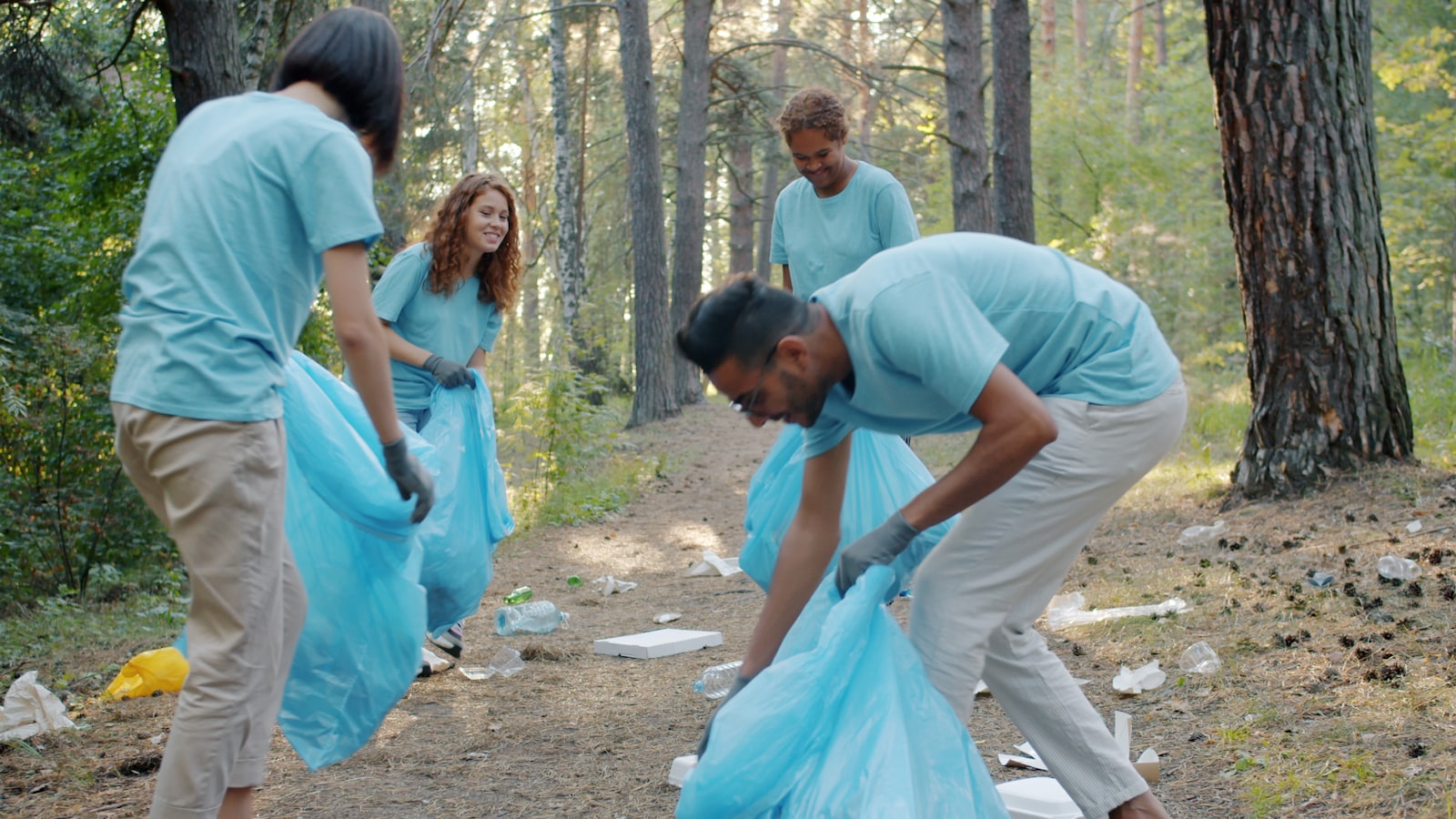
The Best Corporate Giving May Be a Sustainable Career

The Best Corporate Giving May Be a Sustainable Career is a useful subject because it connects individual choices with the systems, relationships and opportunities that shape daily life. Career support becomes social impact when it expands informed choice, fair access, useful skills and dignity rather than promising a shortcut. The practical question is not only whether an action feels positive, but whether it is relevant, accessible, ethical and strong enough to support a better next step.

This guide treats best corporate giving may be a sustainable career as a process rather than a slogan. It focuses on locally informed environmental action that links ecological improvement with health, livelihoods, equity and long-term maintenance. Local context will determine the right scale and method, so the approach should remain open to community knowledge, professional standards and evidence that may challenge the original idea.

“The Best Corporate Giving May Be a Sustainable Career shows how a small action becomes meaningful when it is useful, accountable and sustained long enough to learn.”

The opportunity behind the topic

Career support becomes social impact when it expands informed choice, fair access, useful skills and dignity rather than promising a shortcut. For best corporate giving may be a sustainable career, that means asking who currently has access, who carries the cost, who is missing from decisions and what would count as a meaningful improvement. A single person may initiate the work, but credible results usually depend on cooperation among people with different knowledge and responsibilities.

Immediate action and long-term change are not opposites. A timely contribution can reduce a real burden today, while advocacy, institutional improvement, skills or a sustainable operating model can address why the barrier exists. Responsible planning makes the connection explicit. It avoids presenting one donation, event, introduction, training session or digital interaction as a complete solution.

Designing the response with people

Start by converting The Best Corporate Giving May Be a Sustainable Career into a decision that can be acted upon. Define the person or group, the barrier, the desired change, the contribution and the time horizon. Then examine what is already working. Supporting a capable local organization is often more useful than creating a parallel initiative with no long-term owner.

  • Measure ecological change and distribution of benefits together. Name the responsible person, the people affected and the evidence that will guide the next decision.
  • Use qualified technical guidance for safety and feasibility. Name the responsible person, the people affected and the evidence that will guide the next decision.
  • Define the local environmental condition and who is affected. Name the responsible person, the people affected and the evidence that will guide the next decision.
  • Assign maintenance, safe handling and long-term ownership. Name the responsible person, the people affected and the evidence that will guide the next decision.
  • Prevent waste and harm before organizing downstream cleanup. Name the responsible person, the people affected and the evidence that will guide the next decision.

Boundaries matter. Volunteers should not perform regulated work without appropriate qualifications. Mentors should not promise jobs or investment. Digital tools should not collect sensitive information merely because storage is inexpensive. Organizations should make clear where education ends and professional, legal, financial, safeguarding or crisis support must begin.

Implementation checklist

  • Write one clear, realistic objective for best corporate giving may be a sustainable career.
  • Confirm the priority with people directly affected by it.
  • Identify an accountable organization, professional or community partner.
  • Choose a contribution that matches available skills, time and resources.
  • Set consent, privacy, accessibility and safeguarding boundaries.
  • Decide which outputs, outcomes and feedback will be reviewed.
  • Publish limitations as honestly as successes and assign follow-through.

An illustrative composite scenario

A composite neighborhood example can show how best corporate giving may be a sustainable career might move from intention to practice. The people involved begin with listening sessions and a review of services, skills and assets that already exist. They choose one barrier they can address responsibly, define who will make decisions and assign an owner for privacy, accessibility and feedback. The first test is deliberately modest: enough to reveal whether the idea is useful, but small enough to correct without creating dependency or making claims the evidence cannot support. After the test, participants compare experience, quality, reach and unintended effects. They then decide together whether to adapt, continue, partner with a specialist or stop. This is an illustrative composite, not a factual Touch-A-Life programme or a claim about an identifiable person, organization, partner or outcome.

The example is intentionally simple. Its lesson is that a small pilot can preserve learning and dignity when it has a real owner, clear limits and a feedback route. Copying the same intervention everywhere would miss differences in law, language, infrastructure, culture, professional standards and the strengths communities already possess.

What often goes wrong

Three common mistakes are using environmental claims that are not measured, organizing a visible one-day event without maintenance, and shifting costs or hazards to workers and low-income communities. Another is treating a large audience or activity count as proof that people benefited. Reach can be useful, but it says little about quality, relevance, equity, durability or harm unless those questions are examined separately.

Tracking outcomes without losing the human story

Measurement for best corporate giving may be a sustainable career should combine outputs, outcomes, quality, equity, safety and durability. Relevant indicators include safe and sustained maintenance, environmental condition over time, community participation in decisions, and benefits and burdens across different groups. Define each indicator before launch, note the starting position where practical and decide who will review the findings.

Outputs describe what the team delivered: conversations, applications, services, products, volunteer hours, resources or referrals. Outcomes describe what changed for people, organizations or communities. Qualitative feedback explains why an approach felt useful or inaccessible; administrative information helps show continuity, cost and unequal participation. Both should be collected proportionately and protected.

Trusted external resources

These institutional sources provide broader frameworks for participation, skills, inclusion, enterprise, development and measurement. They are outbound references for further learning, not endorsements of a particular intervention and not proof of any result described in the illustrative example. Readers should confirm current local requirements with the appropriate qualified body.

Turning insight into action

The next step on The Best Corporate Giving May Be a Sustainable Career can be modest: choose one real barrier, speak with the people who understand it, and define a contribution that can be completed responsibly. Agree on what will be learned before expanding. Make it easy for participants to say that the approach is not useful, and treat that feedback as evidence rather than resistance.

Lasting social value is built through repeated choices: listen before designing, share power, protect dignity, use credible evidence and follow through. When best corporate giving may be a sustainable career is approached this way, even a small action can become part of a wider pattern of opportunity, trust and community capacity.


Helping Students Build Professional Profiles

Helping Students Build Professional Profiles is a useful subject because it connects individual choices with the systems, relationships and opportunities that shape daily life. Career support becomes social impact when it expands informed choice, fair access, useful skills and dignity rather than promising a shortcut. The practical question is not only whether an action feels positive, but whether it is relevant, accessible, ethical and strong enough to support a better next step.

This guide treats helping students build professional profiles as a process rather than a slogan. It focuses on a practical pathway that connects self-knowledge, credible evidence of skills, fair opportunity and informed career decisions. Local context will determine the right scale and method, so the approach should remain open to community knowledge, professional standards and evidence that may challenge the original idea.

“Helping Students Build Professional Profiles begins to matter when good intentions become a clear responsibility that people can shape and evaluate.”

The opportunity behind the topic

Career support becomes social impact when it expands informed choice, fair access, useful skills and dignity rather than promising a shortcut. For helping students build professional profiles, that means asking who currently has access, who carries the cost, who is missing from decisions and what would count as a meaningful improvement. A single person may initiate the work, but credible results usually depend on cooperation among people with different knowledge and responsibilities.

Immediate action and long-term change are not opposites. A timely contribution can reduce a real burden today, while advocacy, institutional improvement, skills or a sustainable operating model can address why the barrier exists. Responsible planning makes the connection explicit. It avoids presenting one donation, event, introduction, training session or digital interaction as a complete solution.

Designing the response with people

Start by converting Helping Students Build Professional Profiles into a decision that can be acted upon. Define the person or group, the barrier, the desired change, the contribution and the time horizon. Then examine what is already working. Supporting a capable local organization is often more useful than creating a parallel initiative with no long-term owner.

  • Protect personal data and avoid paying unverified intermediaries. Name the responsible person, the people affected and the evidence that will guide the next decision.
  • Translate the goal into one observable career outcome. Name the responsible person, the people affected and the evidence that will guide the next decision.
  • Collect examples that demonstrate relevant skills rather than relying on broad claims. Name the responsible person, the people affected and the evidence that will guide the next decision.
  • Seek feedback from a trusted mentor or qualified career professional. Name the responsible person, the people affected and the evidence that will guide the next decision.
  • Research role expectations, workplace culture and accessibility before applying. Name the responsible person, the people affected and the evidence that will guide the next decision.

Boundaries matter. Volunteers should not perform regulated work without appropriate qualifications. Mentors should not promise jobs or investment. Digital tools should not collect sensitive information merely because storage is inexpensive. Organizations should make clear where education ends and professional, legal, financial, safeguarding or crisis support must begin.

Implementation checklist

  • Write one clear, realistic objective for helping students build professional profiles.
  • Confirm the priority with people directly affected by it.
  • Identify an accountable organization, professional or community partner.
  • Choose a contribution that matches available skills, time and resources.
  • Set consent, privacy, accessibility and safeguarding boundaries.
  • Decide which outputs, outcomes and feedback will be reviewed.
  • Publish limitations as honestly as successes and assign follow-through.

An illustrative composite scenario

A composite neighborhood example can show how helping students build professional profiles might move from intention to practice. The people involved begin with listening sessions and a review of services, skills and assets that already exist. They choose one barrier they can address responsibly, define who will make decisions and assign an owner for privacy, accessibility and feedback. The first test is deliberately modest: enough to reveal whether the idea is useful, but small enough to correct without creating dependency or making claims the evidence cannot support. After the test, participants compare experience, quality, reach and unintended effects. They then decide together whether to adapt, continue, partner with a specialist or stop. This is an illustrative composite, not a factual Touch-A-Life programme or a claim about an identifiable person, organization, partner or outcome.

The example is intentionally simple. Its lesson is that a small pilot can preserve learning and dignity when it has a real owner, clear limits and a feedback route. Copying the same intervention everywhere would miss differences in law, language, infrastructure, culture, professional standards and the strengths communities already possess.

What often goes wrong

Three common mistakes are using generic applications for very different roles, accepting advice without checking whether it fits the person’s context, and confusing visibility with meaningful professional relationships. Another is treating a large audience or activity count as proof that people benefited. Reach can be useful, but it says little about quality, relevance, equity, durability or harm unless those questions are examined separately.

Tracking outcomes without losing the human story

Measurement for helping students build professional profiles should combine outputs, outcomes, quality, equity, safety and durability. Relevant indicators include confidence based on demonstrated preparation, skills gaps closed, quality of targeted applications, and interviews or useful conversations generated. Define each indicator before launch, note the starting position where practical and decide who will review the findings.

Outputs describe what the team delivered: conversations, applications, services, products, volunteer hours, resources or referrals. Outcomes describe what changed for people, organizations or communities. Qualitative feedback explains why an approach felt useful or inaccessible; administrative information helps show continuity, cost and unequal participation. Both should be collected proportionately and protected.

Trusted external resources

These institutional sources provide broader frameworks for participation, skills, inclusion, enterprise, development and measurement. They are outbound references for further learning, not endorsements of a particular intervention and not proof of any result described in the illustrative example. Readers should confirm current local requirements with the appropriate qualified body.

Turning insight into action

The next step on Helping Students Build Professional Profiles can be modest: choose one real barrier, speak with the people who understand it, and define a contribution that can be completed responsibly. Agree on what will be learned before expanding. Make it easy for participants to say that the approach is not useful, and treat that feedback as evidence rather than resistance.

Lasting social value is built through repeated choices: listen before designing, share power, protect dignity, use credible evidence and follow through. When helping students build professional profiles is approached this way, even a small action can become part of a wider pattern of opportunity, trust and community capacity.

Understanding Career Help

Understanding Career Help is a useful subject because it connects individual choices with the systems, relationships and opportunities that shape daily life. Career support becomes social impact when it expands informed choice, fair access, useful skills and dignity rather than promising a shortcut. The practical question is not only whether an action feels positive, but whether it is relevant, accessible, ethical and strong enough to support a better next step.

This guide treats understanding career help as a process rather than a slogan. It focuses on a practical pathway that connects self-knowledge, credible evidence of skills, fair opportunity and informed career decisions. Local context will determine the right scale and method, so the approach should remain open to community knowledge, professional standards and evidence that may challenge the original idea.

“Understanding Career Help is strongest when it expands choices, protects dignity and leaves communities with greater capacity to act.”

From a good idea to useful action

Career support becomes social impact when it expands informed choice, fair access, useful skills and dignity rather than promising a shortcut. For understanding career help, that means asking who currently has access, who carries the cost, who is missing from decisions and what would count as a meaningful improvement. A single person may initiate the work, but credible results usually depend on cooperation among people with different knowledge and responsibilities.

Immediate action and long-term change are not opposites. A timely contribution can reduce a real burden today, while advocacy, institutional improvement, skills or a sustainable operating model can address why the barrier exists. Responsible planning makes the connection explicit. It avoids presenting one donation, event, introduction, training session or digital interaction as a complete solution.

What responsible practice requires

Start by converting Understanding Career Help into a decision that can be acted upon. Define the person or group, the barrier, the desired change, the contribution and the time horizon. Then examine what is already working. Supporting a capable local organization is often more useful than creating a parallel initiative with no long-term owner.

  • Protect personal data and avoid paying unverified intermediaries. Name the responsible person, the people affected and the evidence that will guide the next decision.
  • Research role expectations, workplace culture and accessibility before applying. Name the responsible person, the people affected and the evidence that will guide the next decision.
  • Translate the goal into one observable career outcome. Name the responsible person, the people affected and the evidence that will guide the next decision.
  • Seek feedback from a trusted mentor or qualified career professional. Name the responsible person, the people affected and the evidence that will guide the next decision.
  • Collect examples that demonstrate relevant skills rather than relying on broad claims. Name the responsible person, the people affected and the evidence that will guide the next decision.

Boundaries matter. Volunteers should not perform regulated work without appropriate qualifications. Mentors should not promise jobs or investment. Digital tools should not collect sensitive information merely because storage is inexpensive. Organizations should make clear where education ends and professional, legal, financial, safeguarding or crisis support must begin.

Planning checklist

  • Write one clear, realistic objective for understanding career help.
  • Confirm the priority with people directly affected by it.
  • Identify an accountable organization, professional or community partner.
  • Choose a contribution that matches available skills, time and resources.
  • Set consent, privacy, accessibility and safeguarding boundaries.
  • Decide which outputs, outcomes and feedback will be reviewed.
  • Publish limitations as honestly as successes and assign follow-through.

How this could work in practice

Imagine a non-identifiable participant seeking support related to understanding career help. The people involved begin with listening sessions and a review of services, skills and assets that already exist. They choose one barrier they can address responsibly, define who will make decisions and assign an owner for privacy, accessibility and feedback. The first test is deliberately modest: enough to reveal whether the idea is useful, but small enough to correct without creating dependency or making claims the evidence cannot support. After the test, participants compare experience, quality, reach and unintended effects. They then decide together whether to adapt, continue, partner with a specialist or stop. This is an illustrative composite, not a factual Touch-A-Life programme or a claim about an identifiable person, organization, partner or outcome.

The example is intentionally simple. Its lesson is that a small pilot can preserve learning and dignity when it has a real owner, clear limits and a feedback route. Copying the same intervention everywhere would miss differences in law, language, infrastructure, culture, professional standards and the strengths communities already possess.

Pitfalls that weaken results

Three common mistakes are accepting advice without checking whether it fits the person’s context, confusing visibility with meaningful professional relationships, and using generic applications for very different roles. Another is treating a large audience or activity count as proof that people benefited. Reach can be useful, but it says little about quality, relevance, equity, durability or harm unless those questions are examined separately.

Measurement, learning and accountability

Measurement for understanding career help should combine outputs, outcomes, quality, equity, safety and durability. Relevant indicators include skills gaps closed, confidence based on demonstrated preparation, quality of targeted applications, and interviews or useful conversations generated. Define each indicator before launch, note the starting position where practical and decide who will review the findings.

Outputs describe what the team delivered: conversations, applications, services, products, volunteer hours, resources or referrals. Outcomes describe what changed for people, organizations or communities. Qualitative feedback explains why an approach felt useful or inaccessible; administrative information helps show continuity, cost and unequal participation. Both should be collected proportionately and protected.

Sources for further learning

These institutional sources provide broader frameworks for participation, skills, inclusion, enterprise, development and measurement. They are outbound references for further learning, not endorsements of a particular intervention and not proof of any result described in the illustrative example. Readers should confirm current local requirements with the appropriate qualified body.

A practical way forward

The next step on Understanding Career Help can be modest: choose one real barrier, speak with the people who understand it, and define a contribution that can be completed responsibly. Agree on what will be learned before expanding. Make it easy for participants to say that the approach is not useful, and treat that feedback as evidence rather than resistance.

Lasting social value is built through repeated choices: listen before designing, share power, protect dignity, use credible evidence and follow through. When understanding career help is approached this way, even a small action can become part of a wider pattern of opportunity, trust and community capacity.

Ownership should be planned from the beginning. Decide who will maintain relationships, update information, respond to concerns and cover recurring costs after the first activity. Sustainability does not always mean expanding; it can mean making a useful practice dependable at the scale a community can support.

Mentorship for Women Returning to Work

Mentorship for Women Returning to Work is a useful subject because it connects individual choices with the systems, relationships and opportunities that shape daily life. Career support becomes social impact when it expands informed choice, fair access, useful skills and dignity rather than promising a shortcut. The practical question is not only whether an action feels positive, but whether it is relevant, accessible, ethical and strong enough to support a better next step.

This guide treats mentorship for women returning to work as a process rather than a slogan. It focuses on a respectful relationship that expands another person’s choices through listening, honest feedback, useful connections and clear boundaries. Local context will determine the right scale and method, so the approach should remain open to community knowledge, professional standards and evidence that may challenge the original idea.

“Mentorship for Women Returning to Work shows how a small action becomes meaningful when it is useful, accountable and sustained long enough to learn.”

The opportunity behind the topic

Career support becomes social impact when it expands informed choice, fair access, useful skills and dignity rather than promising a shortcut. For mentorship for women returning to work, that means asking who currently has access, who carries the cost, who is missing from decisions and what would count as a meaningful improvement. A single person may initiate the work, but credible results usually depend on cooperation among people with different knowledge and responsibilities.

Immediate action and long-term change are not opposites. A timely contribution can reduce a real burden today, while advocacy, institutional improvement, skills or a sustainable operating model can address why the barrier exists. Responsible planning makes the connection explicit. It avoids presenting one donation, event, introduction, training session or digital interaction as a complete solution.

Designing the response with people

Start by converting Mentorship for Women Returning to Work into a decision that can be acted upon. Define the person or group, the barrier, the desired change, the contribution and the time horizon. Then examine what is already working. Supporting a capable local organization is often more useful than creating a parallel initiative with no long-term owner.

  • Share access, context and introductions without creating dependency. Name the responsible person, the people affected and the evidence that will guide the next decision.
  • Ask questions before offering solutions. Name the responsible person, the people affected and the evidence that will guide the next decision.
  • Schedule a realistic rhythm and protect confidentiality. Name the responsible person, the people affected and the evidence that will guide the next decision.
  • Agree on the learner’s goal and preferred form of support. Name the responsible person, the people affected and the evidence that will guide the next decision.
  • Review whether the relationship is useful and adjust or close it well. Name the responsible person, the people affected and the evidence that will guide the next decision.

Boundaries matter. Volunteers should not perform regulated work without appropriate qualifications. Mentors should not promise jobs or investment. Digital tools should not collect sensitive information merely because storage is inexpensive. Organizations should make clear where education ends and professional, legal, financial, safeguarding or crisis support must begin.

Implementation checklist

  • Write one clear, realistic objective for mentorship for women returning to work.
  • Confirm the priority with people directly affected by it.
  • Identify an accountable organization, professional or community partner.
  • Choose a contribution that matches available skills, time and resources.
  • Set consent, privacy, accessibility and safeguarding boundaries.
  • Decide which outputs, outcomes and feedback will be reviewed.
  • Publish limitations as honestly as successes and assign follow-through.

An illustrative composite scenario

A composite neighborhood example can show how mentorship for women returning to work might move from intention to practice. The people involved begin with listening sessions and a review of services, skills and assets that already exist. They choose one barrier they can address responsibly, define who will make decisions and assign an owner for privacy, accessibility and feedback. The first test is deliberately modest: enough to reveal whether the idea is useful, but small enough to correct without creating dependency or making claims the evidence cannot support. After the test, participants compare experience, quality, reach and unintended effects. They then decide together whether to adapt, continue, partner with a specialist or stop. This is an illustrative composite, not a factual Touch-A-Life programme or a claim about an identifiable person, organization, partner or outcome.

The example is intentionally simple. Its lesson is that a small pilot can preserve learning and dignity when it has a real owner, clear limits and a feedback route. Copying the same intervention everywhere would miss differences in law, language, infrastructure, culture, professional standards and the strengths communities already possess.

What often goes wrong

Three common mistakes are promising outcomes the mentor cannot control, turning mentoring into one-way instruction, and using a private conversation as a public success story. Another is treating a large audience or activity count as proof that people benefited. Reach can be useful, but it says little about quality, relevance, equity, durability or harm unless those questions are examined separately.

Tracking outcomes without losing the human story

Measurement for mentorship for women returning to work should combine outputs, outcomes, quality, equity, safety and durability. Relevant indicators include skills or confidence demonstrated in practice, useful connections made with consent, goals clarified and acted upon, and mentee assessment of relevance and safety. Define each indicator before launch, note the starting position where practical and decide who will review the findings.

Outputs describe what the team delivered: conversations, applications, services, products, volunteer hours, resources or referrals. Outcomes describe what changed for people, organizations or communities. Qualitative feedback explains why an approach felt useful or inaccessible; administrative information helps show continuity, cost and unequal participation. Both should be collected proportionately and protected.

Trusted external resources

These institutional sources provide broader frameworks for participation, skills, inclusion, enterprise, development and measurement. They are outbound references for further learning, not endorsements of a particular intervention and not proof of any result described in the illustrative example. Readers should confirm current local requirements with the appropriate qualified body.

Turning insight into action

The next step on Mentorship for Women Returning to Work can be modest: choose one real barrier, speak with the people who understand it, and define a contribution that can be completed responsibly. Agree on what will be learned before expanding. Make it easy for participants to say that the approach is not useful, and treat that feedback as evidence rather than resistance.

Lasting social value is built through repeated choices: listen before designing, share power, protect dignity, use credible evidence and follow through. When mentorship for women returning to work is approached this way, even a small action can become part of a wider pattern of opportunity, trust and community capacity.

Creating a Portfolio for Freelance Work

Creating a Portfolio for Freelance Work is a useful subject because it connects individual choices with the systems, relationships and opportunities that shape daily life. Career support becomes social impact when it expands informed choice, fair access, useful skills and dignity rather than promising a shortcut. The practical question is not only whether an action feels positive, but whether it is relevant, accessible, ethical and strong enough to support a better next step.

This guide treats a portfolio for freelance work as a process rather than a slogan. It focuses on a practical pathway that connects self-knowledge, credible evidence of skills, fair opportunity and informed career decisions. Local context will determine the right scale and method, so the approach should remain open to community knowledge, professional standards and evidence that may challenge the original idea.

“Creating a Portfolio for Freelance Work is strongest when it expands choices, protects dignity and leaves communities with greater capacity to act.”

From a good idea to useful action

Career support becomes social impact when it expands informed choice, fair access, useful skills and dignity rather than promising a shortcut. For a portfolio for freelance work, that means asking who currently has access, who carries the cost, who is missing from decisions and what would count as a meaningful improvement. A single person may initiate the work, but credible results usually depend on cooperation among people with different knowledge and responsibilities.

Immediate action and long-term change are not opposites. A timely contribution can reduce a real burden today, while advocacy, institutional improvement, skills or a sustainable operating model can address why the barrier exists. Responsible planning makes the connection explicit. It avoids presenting one donation, event, introduction, training session or digital interaction as a complete solution.

What responsible practice requires

Start by converting Creating a Portfolio for Freelance Work into a decision that can be acted upon. Define the person or group, the barrier, the desired change, the contribution and the time horizon. Then examine what is already working. Supporting a capable local organization is often more useful than creating a parallel initiative with no long-term owner.

  • Protect personal data and avoid paying unverified intermediaries. Name the responsible person, the people affected and the evidence that will guide the next decision.
  • Research role expectations, workplace culture and accessibility before applying. Name the responsible person, the people affected and the evidence that will guide the next decision.
  • Collect examples that demonstrate relevant skills rather than relying on broad claims. Name the responsible person, the people affected and the evidence that will guide the next decision.
  • Translate the goal into one observable career outcome. Name the responsible person, the people affected and the evidence that will guide the next decision.
  • Seek feedback from a trusted mentor or qualified career professional. Name the responsible person, the people affected and the evidence that will guide the next decision.

Boundaries matter. Volunteers should not perform regulated work without appropriate qualifications. Mentors should not promise jobs or investment. Digital tools should not collect sensitive information merely because storage is inexpensive. Organizations should make clear where education ends and professional, legal, financial, safeguarding or crisis support must begin.

Planning checklist

  • Write one clear, realistic objective for a portfolio for freelance work.
  • Confirm the priority with people directly affected by it.
  • Identify an accountable organization, professional or community partner.
  • Choose a contribution that matches available skills, time and resources.
  • Set consent, privacy, accessibility and safeguarding boundaries.
  • Decide which outputs, outcomes and feedback will be reviewed.
  • Publish limitations as honestly as successes and assign follow-through.

How this could work in practice

Imagine a non-identifiable participant seeking support related to a portfolio for freelance work. The people involved begin with listening sessions and a review of services, skills and assets that already exist. They choose one barrier they can address responsibly, define who will make decisions and assign an owner for privacy, accessibility and feedback. The first test is deliberately modest: enough to reveal whether the idea is useful, but small enough to correct without creating dependency or making claims the evidence cannot support. After the test, participants compare experience, quality, reach and unintended effects. They then decide together whether to adapt, continue, partner with a specialist or stop. This is an illustrative composite, not a factual Touch-A-Life programme or a claim about an identifiable person, organization, partner or outcome.

The example is intentionally simple. Its lesson is that a small pilot can preserve learning and dignity when it has a real owner, clear limits and a feedback route. Copying the same intervention everywhere would miss differences in law, language, infrastructure, culture, professional standards and the strengths communities already possess.

Pitfalls that weaken results

Three common mistakes are confusing visibility with meaningful professional relationships, using generic applications for very different roles, and accepting advice without checking whether it fits the person’s context. Another is treating a large audience or activity count as proof that people benefited. Reach can be useful, but it says little about quality, relevance, equity, durability or harm unless those questions are examined separately.

Measurement, learning and accountability

Measurement for a portfolio for freelance work should combine outputs, outcomes, quality, equity, safety and durability. Relevant indicators include interviews or useful conversations generated, confidence based on demonstrated preparation, quality of targeted applications, and skills gaps closed. Define each indicator before launch, note the starting position where practical and decide who will review the findings.

Outputs describe what the team delivered: conversations, applications, services, products, volunteer hours, resources or referrals. Outcomes describe what changed for people, organizations or communities. Qualitative feedback explains why an approach felt useful or inaccessible; administrative information helps show continuity, cost and unequal participation. Both should be collected proportionately and protected.

Sources for further learning

These institutional sources provide broader frameworks for participation, skills, inclusion, enterprise, development and measurement. They are outbound references for further learning, not endorsements of a particular intervention and not proof of any result described in the illustrative example. Readers should confirm current local requirements with the appropriate qualified body.

A practical way forward

The next step on Creating a Portfolio for Freelance Work can be modest: choose one real barrier, speak with the people who understand it, and define a contribution that can be completed responsibly. Agree on what will be learned before expanding. Make it easy for participants to say that the approach is not useful, and treat that feedback as evidence rather than resistance.

Lasting social value is built through repeated choices: listen before designing, share power, protect dignity, use credible evidence and follow through. When a portfolio for freelance work is approached this way, even a small action can become part of a wider pattern of opportunity, trust and community capacity.

How One Mentor Can Transform an Entire Career

How One Mentor Can Transform an Entire Career is a useful subject because it connects individual choices with the systems, relationships and opportunities that shape daily life. Career support becomes social impact when it expands informed choice, fair access, useful skills and dignity rather than promising a shortcut. The practical question is not only whether an action feels positive, but whether it is relevant, accessible, ethical and strong enough to support a better next step.

This guide treats one mentor can transform an entire career as a process rather than a slogan. It focuses on a practical pathway that connects self-knowledge, credible evidence of skills, fair opportunity and informed career decisions. Local context will determine the right scale and method, so the approach should remain open to community knowledge, professional standards and evidence that may challenge the original idea.

“How One Mentor Can Transform an Entire Career is not measured by how inspiring the idea sounds, but by whether people experience greater opportunity, trust and control.”

Looking beyond the headline

Career support becomes social impact when it expands informed choice, fair access, useful skills and dignity rather than promising a shortcut. For one mentor can transform an entire career, that means asking who currently has access, who carries the cost, who is missing from decisions and what would count as a meaningful improvement. A single person may initiate the work, but credible results usually depend on cooperation among people with different knowledge and responsibilities.

Immediate action and long-term change are not opposites. A timely contribution can reduce a real burden today, while advocacy, institutional improvement, skills or a sustainable operating model can address why the barrier exists. Responsible planning makes the connection explicit. It avoids presenting one donation, event, introduction, training session or digital interaction as a complete solution.

Principles for community-centered action

Start by converting How One Mentor Can Transform an Entire Career into a decision that can be acted upon. Define the person or group, the barrier, the desired change, the contribution and the time horizon. Then examine what is already working. Supporting a capable local organization is often more useful than creating a parallel initiative with no long-term owner.

  • Research role expectations, workplace culture and accessibility before applying. Name the responsible person, the people affected and the evidence that will guide the next decision.
  • Protect personal data and avoid paying unverified intermediaries. Name the responsible person, the people affected and the evidence that will guide the next decision.
  • Seek feedback from a trusted mentor or qualified career professional. Name the responsible person, the people affected and the evidence that will guide the next decision.
  • Collect examples that demonstrate relevant skills rather than relying on broad claims. Name the responsible person, the people affected and the evidence that will guide the next decision.
  • Translate the goal into one observable career outcome. Name the responsible person, the people affected and the evidence that will guide the next decision.

Boundaries matter. Volunteers should not perform regulated work without appropriate qualifications. Mentors should not promise jobs or investment. Digital tools should not collect sensitive information merely because storage is inexpensive. Organizations should make clear where education ends and professional, legal, financial, safeguarding or crisis support must begin.

A ready-to-use checklist

  • Write one clear, realistic objective for one mentor can transform an entire career.
  • Confirm the priority with people directly affected by it.
  • Identify an accountable organization, professional or community partner.
  • Choose a contribution that matches available skills, time and resources.
  • Set consent, privacy, accessibility and safeguarding boundaries.
  • Decide which outputs, outcomes and feedback will be reviewed.
  • Publish limitations as honestly as successes and assign follow-through.

A practical composite example

Picture a small organization testing a responsible approach to one mentor can transform an entire career. The people involved begin with listening sessions and a review of services, skills and assets that already exist. They choose one barrier they can address responsibly, define who will make decisions and assign an owner for privacy, accessibility and feedback. The first test is deliberately modest: enough to reveal whether the idea is useful, but small enough to correct without creating dependency or making claims the evidence cannot support. After the test, participants compare experience, quality, reach and unintended effects. They then decide together whether to adapt, continue, partner with a specialist or stop. This is an illustrative composite, not a factual Touch-A-Life programme or a claim about an identifiable person, organization, partner or outcome.

The example is intentionally simple. Its lesson is that a small pilot can preserve learning and dignity when it has a real owner, clear limits and a feedback route. Copying the same intervention everywhere would miss differences in law, language, infrastructure, culture, professional standards and the strengths communities already possess.

Mistakes that can undermine trust

Three common mistakes are accepting advice without checking whether it fits the person’s context, using generic applications for very different roles, and confusing visibility with meaningful professional relationships. Another is treating a large audience or activity count as proof that people benefited. Reach can be useful, but it says little about quality, relevance, equity, durability or harm unless those questions are examined separately.

Evidence for better decisions

Measurement for one mentor can transform an entire career should combine outputs, outcomes, quality, equity, safety and durability. Relevant indicators include skills gaps closed, quality of targeted applications, confidence based on demonstrated preparation, and interviews or useful conversations generated. Define each indicator before launch, note the starting position where practical and decide who will review the findings.

Outputs describe what the team delivered: conversations, applications, services, products, volunteer hours, resources or referrals. Outcomes describe what changed for people, organizations or communities. Qualitative feedback explains why an approach felt useful or inaccessible; administrative information helps show continuity, cost and unequal participation. Both should be collected proportionately and protected.

Authoritative outbound references

These institutional sources provide broader frameworks for participation, skills, inclusion, enterprise, development and measurement. They are outbound references for further learning, not endorsements of a particular intervention and not proof of any result described in the illustrative example. Readers should confirm current local requirements with the appropriate qualified body.

Make the first step count

The next step on How One Mentor Can Transform an Entire Career can be modest: choose one real barrier, speak with the people who understand it, and define a contribution that can be completed responsibly. Agree on what will be learned before expanding. Make it easy for participants to say that the approach is not useful, and treat that feedback as evidence rather than resistance.

Lasting social value is built through repeated choices: listen before designing, share power, protect dignity, use credible evidence and follow through. When one mentor can transform an entire career is approached this way, even a small action can become part of a wider pattern of opportunity, trust and community capacity.

Digital Skills and Career Readiness

Digital Skills and Career Readiness is a useful subject because it connects individual choices with the systems, relationships and opportunities that shape daily life. Career support becomes social impact when it expands informed choice, fair access, useful skills and dignity rather than promising a shortcut. The practical question is not only whether an action feels positive, but whether it is relevant, accessible, ethical and strong enough to support a better next step.

This guide treats digital skills and career readiness as a process rather than a slogan. It focuses on a practical pathway that connects self-knowledge, credible evidence of skills, fair opportunity and informed career decisions. Local context will determine the right scale and method, so the approach should remain open to community knowledge, professional standards and evidence that may challenge the original idea.

“Digital Skills and Career Readiness is strongest when it expands choices, protects dignity and leaves communities with greater capacity to act.”

From a good idea to useful action

Career support becomes social impact when it expands informed choice, fair access, useful skills and dignity rather than promising a shortcut. For digital skills and career readiness, that means asking who currently has access, who carries the cost, who is missing from decisions and what would count as a meaningful improvement. A single person may initiate the work, but credible results usually depend on cooperation among people with different knowledge and responsibilities.

Immediate action and long-term change are not opposites. A timely contribution can reduce a real burden today, while advocacy, institutional improvement, skills or a sustainable operating model can address why the barrier exists. Responsible planning makes the connection explicit. It avoids presenting one donation, event, introduction, training session or digital interaction as a complete solution.

What responsible practice requires

Start by converting Digital Skills and Career Readiness into a decision that can be acted upon. Define the person or group, the barrier, the desired change, the contribution and the time horizon. Then examine what is already working. Supporting a capable local organization is often more useful than creating a parallel initiative with no long-term owner.

  • Collect examples that demonstrate relevant skills rather than relying on broad claims. Name the responsible person, the people affected and the evidence that will guide the next decision.
  • Seek feedback from a trusted mentor or qualified career professional. Name the responsible person, the people affected and the evidence that will guide the next decision.
  • Protect personal data and avoid paying unverified intermediaries. Name the responsible person, the people affected and the evidence that will guide the next decision.
  • Translate the goal into one observable career outcome. Name the responsible person, the people affected and the evidence that will guide the next decision.
  • Research role expectations, workplace culture and accessibility before applying. Name the responsible person, the people affected and the evidence that will guide the next decision.

Boundaries matter. Volunteers should not perform regulated work without appropriate qualifications. Mentors should not promise jobs or investment. Digital tools should not collect sensitive information merely because storage is inexpensive. Organizations should make clear where education ends and professional, legal, financial, safeguarding or crisis support must begin.

Planning checklist

  • Write one clear, realistic objective for digital skills and career readiness.
  • Confirm the priority with people directly affected by it.
  • Identify an accountable organization, professional or community partner.
  • Choose a contribution that matches available skills, time and resources.
  • Set consent, privacy, accessibility and safeguarding boundaries.
  • Decide which outputs, outcomes and feedback will be reviewed.
  • Publish limitations as honestly as successes and assign follow-through.

How this could work in practice

Imagine a non-identifiable participant seeking support related to digital skills and career readiness. The people involved begin with listening sessions and a review of services, skills and assets that already exist. They choose one barrier they can address responsibly, define who will make decisions and assign an owner for privacy, accessibility and feedback. The first test is deliberately modest: enough to reveal whether the idea is useful, but small enough to correct without creating dependency or making claims the evidence cannot support. After the test, participants compare experience, quality, reach and unintended effects. They then decide together whether to adapt, continue, partner with a specialist or stop. This is an illustrative composite, not a factual Touch-A-Life programme or a claim about an identifiable person, organization, partner or outcome.

The example is intentionally simple. Its lesson is that a small pilot can preserve learning and dignity when it has a real owner, clear limits and a feedback route. Copying the same intervention everywhere would miss differences in law, language, infrastructure, culture, professional standards and the strengths communities already possess.

Pitfalls that weaken results

Three common mistakes are accepting advice without checking whether it fits the person’s context, using generic applications for very different roles, and confusing visibility with meaningful professional relationships. Another is treating a large audience or activity count as proof that people benefited. Reach can be useful, but it says little about quality, relevance, equity, durability or harm unless those questions are examined separately.

Measurement, learning and accountability

Measurement for digital skills and career readiness should combine outputs, outcomes, quality, equity, safety and durability. Relevant indicators include quality of targeted applications, skills gaps closed, interviews or useful conversations generated, and confidence based on demonstrated preparation. Define each indicator before launch, note the starting position where practical and decide who will review the findings.

Outputs describe what the team delivered: conversations, applications, services, products, volunteer hours, resources or referrals. Outcomes describe what changed for people, organizations or communities. Qualitative feedback explains why an approach felt useful or inaccessible; administrative information helps show continuity, cost and unequal participation. Both should be collected proportionately and protected.

Sources for further learning

These institutional sources provide broader frameworks for participation, skills, inclusion, enterprise, development and measurement. They are outbound references for further learning, not endorsements of a particular intervention and not proof of any result described in the illustrative example. Readers should confirm current local requirements with the appropriate qualified body.

A practical way forward

The next step on Digital Skills and Career Readiness can be modest: choose one real barrier, speak with the people who understand it, and define a contribution that can be completed responsibly. Agree on what will be learned before expanding. Make it easy for participants to say that the approach is not useful, and treat that feedback as evidence rather than resistance.

Lasting social value is built through repeated choices: listen before designing, share power, protect dignity, use credible evidence and follow through. When digital skills and career readiness is approached this way, even a small action can become part of a wider pattern of opportunity, trust and community capacity.

Inclusive Internships and Apprenticeships

Inclusive Internships and Apprenticeships is a useful subject because it connects individual choices with the systems, relationships and opportunities that shape daily life. Career support becomes social impact when it expands informed choice, fair access, useful skills and dignity rather than promising a shortcut. The practical question is not only whether an action feels positive, but whether it is relevant, accessible, ethical and strong enough to support a better next step.

This guide treats inclusive internships and apprenticeships as a process rather than a slogan. It focuses on rights-based participation that removes structural barriers and gives people affected by exclusion real influence over decisions. Local context will determine the right scale and method, so the approach should remain open to community knowledge, professional standards and evidence that may challenge the original idea.

“Inclusive Internships and Apprenticeships is strongest when it expands choices, protects dignity and leaves communities with greater capacity to act.”

From a good idea to useful action

Career support becomes social impact when it expands informed choice, fair access, useful skills and dignity rather than promising a shortcut. For inclusive internships and apprenticeships, that means asking who currently has access, who carries the cost, who is missing from decisions and what would count as a meaningful improvement. A single person may initiate the work, but credible results usually depend on cooperation among people with different knowledge and responsibilities.

Immediate action and long-term change are not opposites. A timely contribution can reduce a real burden today, while advocacy, institutional improvement, skills or a sustainable operating model can address why the barrier exists. Responsible planning makes the connection explicit. It avoids presenting one donation, event, introduction, training session or digital interaction as a complete solution.

What responsible practice requires

Start by converting Inclusive Internships and Apprenticeships into a decision that can be acted upon. Define the person or group, the barrier, the desired change, the contribution and the time horizon. Then examine what is already working. Supporting a capable local organization is often more useful than creating a parallel initiative with no long-term owner.

  • Make physical, digital, language and communication access routine. Name the responsible person, the people affected and the evidence that will guide the next decision.
  • Pay people with lived experience for their expertise. Name the responsible person, the people affected and the evidence that will guide the next decision.
  • Collect only necessary identity information and protect it. Name the responsible person, the people affected and the evidence that will guide the next decision.
  • Track who remains excluded and change the design accordingly. Name the responsible person, the people affected and the evidence that will guide the next decision.
  • Review eligibility and selection rules for indirect discrimination. Name the responsible person, the people affected and the evidence that will guide the next decision.

Boundaries matter. Volunteers should not perform regulated work without appropriate qualifications. Mentors should not promise jobs or investment. Digital tools should not collect sensitive information merely because storage is inexpensive. Organizations should make clear where education ends and professional, legal, financial, safeguarding or crisis support must begin.

Planning checklist

  • Write one clear, realistic objective for inclusive internships and apprenticeships.
  • Confirm the priority with people directly affected by it.
  • Identify an accountable organization, professional or community partner.
  • Choose a contribution that matches available skills, time and resources.
  • Set consent, privacy, accessibility and safeguarding boundaries.
  • Decide which outputs, outcomes and feedback will be reviewed.
  • Publish limitations as honestly as successes and assign follow-through.

How this could work in practice

Imagine a non-identifiable participant seeking support related to inclusive internships and apprenticeships. The people involved begin with listening sessions and a review of services, skills and assets that already exist. They choose one barrier they can address responsibly, define who will make decisions and assign an owner for privacy, accessibility and feedback. The first test is deliberately modest: enough to reveal whether the idea is useful, but small enough to correct without creating dependency or making claims the evidence cannot support. After the test, participants compare experience, quality, reach and unintended effects. They then decide together whether to adapt, continue, partner with a specialist or stop. This is an illustrative composite, not a factual Touch-A-Life programme or a claim about an identifiable person, organization, partner or outcome.

The example is intentionally simple. Its lesson is that a small pilot can preserve learning and dignity when it has a real owner, clear limits and a feedback route. Copying the same intervention everywhere would miss differences in law, language, infrastructure, culture, professional standards and the strengths communities already possess.

Pitfalls that weaken results

Three common mistakes are collecting sensitive data without a clear purpose or protection, using inclusive language without changing access, and treating one representative as the voice of an entire group. Another is treating a large audience or activity count as proof that people benefited. Reach can be useful, but it says little about quality, relevance, equity, durability or harm unless those questions are examined separately.

Measurement, learning and accountability

Measurement for inclusive internships and apprenticeships should combine outputs, outcomes, quality, equity, safety and durability. Relevant indicators include participant influence over decisions, dignity, safety and trust reported by participants, equitable access and completion, and barriers removed from systems. Define each indicator before launch, note the starting position where practical and decide who will review the findings.

Outputs describe what the team delivered: conversations, applications, services, products, volunteer hours, resources or referrals. Outcomes describe what changed for people, organizations or communities. Qualitative feedback explains why an approach felt useful or inaccessible; administrative information helps show continuity, cost and unequal participation. Both should be collected proportionately and protected.

Sources for further learning

These institutional sources provide broader frameworks for participation, skills, inclusion, enterprise, development and measurement. They are outbound references for further learning, not endorsements of a particular intervention and not proof of any result described in the illustrative example. Readers should confirm current local requirements with the appropriate qualified body.

A practical way forward

The next step on Inclusive Internships and Apprenticeships can be modest: choose one real barrier, speak with the people who understand it, and define a contribution that can be completed responsibly. Agree on what will be learned before expanding. Make it easy for participants to say that the approach is not useful, and treat that feedback as evidence rather than resistance.

Lasting social value is built through repeated choices: listen before designing, share power, protect dignity, use credible evidence and follow through. When inclusive internships and apprenticeships is approached this way, even a small action can become part of a wider pattern of opportunity, trust and community capacity.

Common Virtual-Interview Mistakes

Common Virtual-Interview Mistakes is a useful subject because it connects individual choices with the systems, relationships and opportunities that shape daily life. Career support becomes social impact when it expands informed choice, fair access, useful skills and dignity rather than promising a shortcut. The practical question is not only whether an action feels positive, but whether it is relevant, accessible, ethical and strong enough to support a better next step.

This guide treats common virtual-interview mistakes as a process rather than a slogan. It focuses on a practical pathway that connects self-knowledge, credible evidence of skills, fair opportunity and informed career decisions. Local context will determine the right scale and method, so the approach should remain open to community knowledge, professional standards and evidence that may challenge the original idea.

“Common Virtual-Interview Mistakes shows how a small action becomes meaningful when it is useful, accountable and sustained long enough to learn.”

The opportunity behind the topic

Career support becomes social impact when it expands informed choice, fair access, useful skills and dignity rather than promising a shortcut. For common virtual-interview mistakes, that means asking who currently has access, who carries the cost, who is missing from decisions and what would count as a meaningful improvement. A single person may initiate the work, but credible results usually depend on cooperation among people with different knowledge and responsibilities.

Immediate action and long-term change are not opposites. A timely contribution can reduce a real burden today, while advocacy, institutional improvement, skills or a sustainable operating model can address why the barrier exists. Responsible planning makes the connection explicit. It avoids presenting one donation, event, introduction, training session or digital interaction as a complete solution.

Designing the response with people

Start by converting Common Virtual-Interview Mistakes into a decision that can be acted upon. Define the person or group, the barrier, the desired change, the contribution and the time horizon. Then examine what is already working. Supporting a capable local organization is often more useful than creating a parallel initiative with no long-term owner.

  • Seek feedback from a trusted mentor or qualified career professional. Name the responsible person, the people affected and the evidence that will guide the next decision.
  • Protect personal data and avoid paying unverified intermediaries. Name the responsible person, the people affected and the evidence that will guide the next decision.
  • Collect examples that demonstrate relevant skills rather than relying on broad claims. Name the responsible person, the people affected and the evidence that will guide the next decision.
  • Research role expectations, workplace culture and accessibility before applying. Name the responsible person, the people affected and the evidence that will guide the next decision.
  • Translate the goal into one observable career outcome. Name the responsible person, the people affected and the evidence that will guide the next decision.

Boundaries matter. Volunteers should not perform regulated work without appropriate qualifications. Mentors should not promise jobs or investment. Digital tools should not collect sensitive information merely because storage is inexpensive. Organizations should make clear where education ends and professional, legal, financial, safeguarding or crisis support must begin.

Implementation checklist

  • Write one clear, realistic objective for common virtual-interview mistakes.
  • Confirm the priority with people directly affected by it.
  • Identify an accountable organization, professional or community partner.
  • Choose a contribution that matches available skills, time and resources.
  • Set consent, privacy, accessibility and safeguarding boundaries.
  • Decide which outputs, outcomes and feedback will be reviewed.
  • Publish limitations as honestly as successes and assign follow-through.

An illustrative composite scenario

A composite neighborhood example can show how common virtual-interview mistakes might move from intention to practice. The people involved begin with listening sessions and a review of services, skills and assets that already exist. They choose one barrier they can address responsibly, define who will make decisions and assign an owner for privacy, accessibility and feedback. The first test is deliberately modest: enough to reveal whether the idea is useful, but small enough to correct without creating dependency or making claims the evidence cannot support. After the test, participants compare experience, quality, reach and unintended effects. They then decide together whether to adapt, continue, partner with a specialist or stop. This is an illustrative composite, not a factual Touch-A-Life programme or a claim about an identifiable person, organization, partner or outcome.

The example is intentionally simple. Its lesson is that a small pilot can preserve learning and dignity when it has a real owner, clear limits and a feedback route. Copying the same intervention everywhere would miss differences in law, language, infrastructure, culture, professional standards and the strengths communities already possess.

What often goes wrong

Three common mistakes are confusing visibility with meaningful professional relationships, using generic applications for very different roles, and accepting advice without checking whether it fits the person’s context. Another is treating a large audience or activity count as proof that people benefited. Reach can be useful, but it says little about quality, relevance, equity, durability or harm unless those questions are examined separately.

Tracking outcomes without losing the human story

Measurement for common virtual-interview mistakes should combine outputs, outcomes, quality, equity, safety and durability. Relevant indicators include interviews or useful conversations generated, confidence based on demonstrated preparation, quality of targeted applications, and skills gaps closed. Define each indicator before launch, note the starting position where practical and decide who will review the findings.

Outputs describe what the team delivered: conversations, applications, services, products, volunteer hours, resources or referrals. Outcomes describe what changed for people, organizations or communities. Qualitative feedback explains why an approach felt useful or inaccessible; administrative information helps show continuity, cost and unequal participation. Both should be collected proportionately and protected.

Trusted external resources

These institutional sources provide broader frameworks for participation, skills, inclusion, enterprise, development and measurement. They are outbound references for further learning, not endorsements of a particular intervention and not proof of any result described in the illustrative example. Readers should confirm current local requirements with the appropriate qualified body.

Turning insight into action

The next step on Common Virtual-Interview Mistakes can be modest: choose one real barrier, speak with the people who understand it, and define a contribution that can be completed responsibly. Agree on what will be learned before expanding. Make it easy for participants to say that the approach is not useful, and treat that feedback as evidence rather than resistance.

Lasting social value is built through repeated choices: listen before designing, share power, protect dignity, use credible evidence and follow through. When common virtual-interview mistakes is approached this way, even a small action can become part of a wider pattern of opportunity, trust and community capacity.

Help Someone Build a Career, Not Just Find a Job

Help Someone Build a Career, Not Just Find a Job is a useful subject because it connects individual choices with the systems, relationships and opportunities that shape daily life. Career support becomes social impact when it expands informed choice, fair access, useful skills and dignity rather than promising a shortcut. The practical question is not only whether an action feels positive, but whether it is relevant, accessible, ethical and strong enough to support a better next step.

This guide treats help someone build a career, not just find as a process rather than a slogan. It focuses on a practical pathway that connects self-knowledge, credible evidence of skills, fair opportunity and informed career decisions. Local context will determine the right scale and method, so the approach should remain open to community knowledge, professional standards and evidence that may challenge the original idea.

“Help Someone Build a Career, Not Just Find a Job joins compassion with evidence: listen first, contribute well and learn openly from the result.”

The opportunity behind the topic

Career support becomes social impact when it expands informed choice, fair access, useful skills and dignity rather than promising a shortcut. For help someone build a career, not just find, that means asking who currently has access, who carries the cost, who is missing from decisions and what would count as a meaningful improvement. A single person may initiate the work, but credible results usually depend on cooperation among people with different knowledge and responsibilities.

Immediate action and long-term change are not opposites. A timely contribution can reduce a real burden today, while advocacy, institutional improvement, skills or a sustainable operating model can address why the barrier exists. Responsible planning makes the connection explicit. It avoids presenting one donation, event, introduction, training session or digital interaction as a complete solution.

Designing the response with people

Start by converting Help Someone Build a Career, Not Just Find a Job into a decision that can be acted upon. Define the person or group, the barrier, the desired change, the contribution and the time horizon. Then examine what is already working. Supporting a capable local organization is often more useful than creating a parallel initiative with no long-term owner.

  • Protect personal data and avoid paying unverified intermediaries. Name the responsible person, the people affected and the evidence that will guide the next decision.
  • Research role expectations, workplace culture and accessibility before applying. Name the responsible person, the people affected and the evidence that will guide the next decision.
  • Collect examples that demonstrate relevant skills rather than relying on broad claims. Name the responsible person, the people affected and the evidence that will guide the next decision.
  • Translate the goal into one observable career outcome. Name the responsible person, the people affected and the evidence that will guide the next decision.
  • Seek feedback from a trusted mentor or qualified career professional. Name the responsible person, the people affected and the evidence that will guide the next decision.

Boundaries matter. Volunteers should not perform regulated work without appropriate qualifications. Mentors should not promise jobs or investment. Digital tools should not collect sensitive information merely because storage is inexpensive. Organizations should make clear where education ends and professional, legal, financial, safeguarding or crisis support must begin.

Implementation checklist

  • Write one clear, realistic objective for help someone build a career, not just find.
  • Confirm the priority with people directly affected by it.
  • Identify an accountable organization, professional or community partner.
  • Choose a contribution that matches available skills, time and resources.
  • Set consent, privacy, accessibility and safeguarding boundaries.
  • Decide which outputs, outcomes and feedback will be reviewed.
  • Publish limitations as honestly as successes and assign follow-through.

An illustrative composite scenario

A composite neighborhood example can show how help someone build a career, not just find might move from intention to practice. The people involved begin with listening sessions and a review of services, skills and assets that already exist. They choose one barrier they can address responsibly, define who will make decisions and assign an owner for privacy, accessibility and feedback. The first test is deliberately modest: enough to reveal whether the idea is useful, but small enough to correct without creating dependency or making claims the evidence cannot support. After the test, participants compare experience, quality, reach and unintended effects. They then decide together whether to adapt, continue, partner with a specialist or stop. This is an illustrative composite, not a factual Touch-A-Life programme or a claim about an identifiable person, organization, partner or outcome.

The example is intentionally simple. Its lesson is that a small pilot can preserve learning and dignity when it has a real owner, clear limits and a feedback route. Copying the same intervention everywhere would miss differences in law, language, infrastructure, culture, professional standards and the strengths communities already possess.

What often goes wrong

Three common mistakes are using generic applications for very different roles, accepting advice without checking whether it fits the person’s context, and confusing visibility with meaningful professional relationships. Another is treating a large audience or activity count as proof that people benefited. Reach can be useful, but it says little about quality, relevance, equity, durability or harm unless those questions are examined separately.

Tracking outcomes without losing the human story

Measurement for help someone build a career, not just find should combine outputs, outcomes, quality, equity, safety and durability. Relevant indicators include quality of targeted applications, skills gaps closed, confidence based on demonstrated preparation, and interviews or useful conversations generated. Define each indicator before launch, note the starting position where practical and decide who will review the findings.

Outputs describe what the team delivered: conversations, applications, services, products, volunteer hours, resources or referrals. Outcomes describe what changed for people, organizations or communities. Qualitative feedback explains why an approach felt useful or inaccessible; administrative information helps show continuity, cost and unequal participation. Both should be collected proportionately and protected.

Trusted external resources

These institutional sources provide broader frameworks for participation, skills, inclusion, enterprise, development and measurement. They are outbound references for further learning, not endorsements of a particular intervention and not proof of any result described in the illustrative example. Readers should confirm current local requirements with the appropriate qualified body.

Turning insight into action

The next step on Help Someone Build a Career, Not Just Find a Job can be modest: choose one real barrier, speak with the people who understand it, and define a contribution that can be completed responsibly. Agree on what will be learned before expanding. Make it easy for participants to say that the approach is not useful, and treat that feedback as evidence rather than resistance.

Lasting social value is built through repeated choices: listen before designing, share power, protect dignity, use credible evidence and follow through. When help someone build a career, not just find is approached this way, even a small action can become part of a wider pattern of opportunity, trust and community capacity.