

Successful Circular-Economy Models Worth Replicating

Safety, rights and local requirements: Waste classifications, product standards, worker protections and authorized treatment systems vary. Do not use this article as operational handling or disposal guidance. The example below is an illustrative composite and describes no real person, programme, partner or outcome.

Successful Circular-Economy Models Worth Replicating is not only about what a person buys or discards. Products are shaped by design specifications, sourcing, finance, marketing, repair access, public infrastructure and rules governing waste and responsibility. A credible response therefore examines the full system and asks who controls each decision, who gains value and who carries environmental or social cost.

Sustainable Development Goal 12 connects resource efficiency, waste prevention, chemicals and waste management, corporate reporting, sustainable procurement and informed consumption. UNEP Goal 12 resources, UNIDO cleaner-production guidance, FAO food-loss resources, WHO health-care-waste guidance and OECD circular-economy work offer complementary institutional perspectives. Global guidance must be interpreted through current local law, infrastructure and professional standards.

“Successful Circular-Economy Models Worth Replicating becomes credible when waste is prevented, value is retained and responsibility remains visible throughout the product’s life.”

Looking beyond the recycling bin

For this topic, a strong starting point is whole-life measurement that distinguishes boundaries, assumptions, absolute impact and distribution instead of relying on a single headline indicator. Circularity begins with preventing unnecessary demand and harmful design. Keeping products, components and materials useful generally requires different business models, capable maintenance, clear information and logistics that work in the places where people actually live.

The practical question behind successful circular-economy models worth replicating should be precise: which product or service function is needed, which impact is material, across what boundary and over what period? The answer may involve design, procurement, regulation, consumer information, service delivery or end-of-life responsibility. Naming the intervention prevents a minor recycling activity from being presented as system transformation.

Equity matters because sustainable options can demand time, money, storage, transport or digital access that not everyone has. Workers and communities can also bear pollution and unsafe processing far from the point of purchase. Responsible action considers affordability, accessibility, livelihoods, worker rights and remedy alongside environmental performance.

Principles for whole-life decisions

Work on successful circular-economy models worth replicating should start by mapping the current flow: raw materials, manufacturing, transport, use, maintenance, return and final treatment. Identify who owns each decision and where data becomes uncertain. Then prioritize changes that prevent impact at source before relying on downstream recovery.

  • Compare functionally equivalent options: name an accountable owner, allocate resources and provide an accessible route for feedback or remedy.
  • Connect findings to design and purchasing decisions: name an accountable owner, allocate resources and provide an accessible route for feedback or remedy.
  • Define the question and system boundary: name an accountable owner, allocate resources and provide an accessible route for feedback or remedy.
  • Document data quality and uncertainty: name an accountable owner, allocate resources and provide an accessible route for feedback or remedy.
  • Prioritize material impacts using recognized methods: name an accountable owner, allocate resources and provide an accessible route for feedback or remedy.

Claims should match evidence. State the baseline, system boundary, time period and functional unit. Explain whether a result concerns one product, a facility, a supplier tier or the organization as a whole. If an estimate depends on assumptions or modeled scenarios, label it accordingly and avoid implying that one attribute makes the entire product sustainable.

Business and community checklist

  • Define the product, service or material outcome related to successful circular-economy models worth replicating.
  • Map inputs, impacts, ownership and decision points across the life cycle.
  • Apply prevention before reuse, recovery or disposal claims.
  • Check worker rights, affordability, accessibility, safety and local requirements.
  • Choose output, outcome, absolute-impact and unintended-effect indicators before launch.
  • Verify downstream partners, evidence and claims independently where risk is material.
  • Publish limitations, learning and corrective decisions alongside progress.

An illustrative non-identifiable scenario

A hypothetical institution could approach successful circular-economy models worth replicating by reviewing what it purchases, why items are replaced and where materials go afterward. The review reveals that price-only procurement creates hidden maintenance and disposal costs. Specifications are revised with users and qualified specialists; vendors must document durability, support and recovery. Outcomes and unintended effects are measured before scaling. The scenario is deliberately non-identifiable.

The important feature is the sequence: define the function, map the life cycle, listen before selecting a solution, clarify responsibility, obtain qualified review where safety is involved, test a bounded change and verify downstream results. Replication should preserve principles while adapting to local markets, law, infrastructure and worker conditions.

What often goes wrong

Common mistakes include using a carbon estimate as the whole environmental story, comparing incompatible scopes, and replicating a model without local infrastructure and governance. Teams also undermine credibility when they announce a target without establishing a baseline, measure only material collected, or celebrate a percentage improvement while absolute production, waste or harm continues to rise.

Tracking materials, people and long-term value

Measurement should cover prevention, service delivered, absolute impact, distribution, safety and long-term value. Useful indicators for this topic include toxicity, land and biodiversity where material, absolute impact, service delivered and distribution, data quality and uncertainty, and material, water, energy and emissions across life stages. Define units, geography, denominator, boundary and time period before interpreting a change.

Outputs describe activity: products collected, staff trained, suppliers assessed, repair points opened, food redistributed or policies adopted. Outcomes ask whether fewer resources were required, product life increased, pollution was prevented, workers were safer or people gained affordable access. Diversion from landfill is not automatically proof of prevention or high-value recovery.

Use a baseline and targets where practical, and distinguish measured data from estimates. Review evidence with workers, affected communities and qualified specialists. Track rebound effects, leakage, contamination, service failures, complaints and costs transferred to users. Publish corrective decisions, not only favorable dashboard numbers.

Life-cycle evidence helps avoid burden shifting but does not remove judgment. Compare functionally equivalent options and document data quality. A result that reduces carbon may still affect water, toxicity, land, biodiversity or labor. Focus the analysis on material impacts without claiming that every uncertainty can be eliminated.

Official external references

These links are authoritative starting points, not operational waste, medical, food-safety, chemical or engineering instructions. Verify current classifications, standards, authorized providers and legal duties locally. High-risk material handling and health-care decisions require qualified professionals and responsible authorities.

Make responsible consumption measurable

A practical next step on Successful Circular-Economy Models Worth Replicating is to identify one product or service function and map its highest-impact decision. Bring affected workers and users into the definition of success, assign responsibility and resources, obtain the necessary review, and test a change small enough to correct.

SDG 12 becomes tangible when organizations can show what demand was avoided, what value stayed in use, what harm was prevented and what remains unresolved. Progress on successful circular-economy models worth replicating should make responsible choices easier while keeping producers, buyers and institutions accountable for the systems they shape.

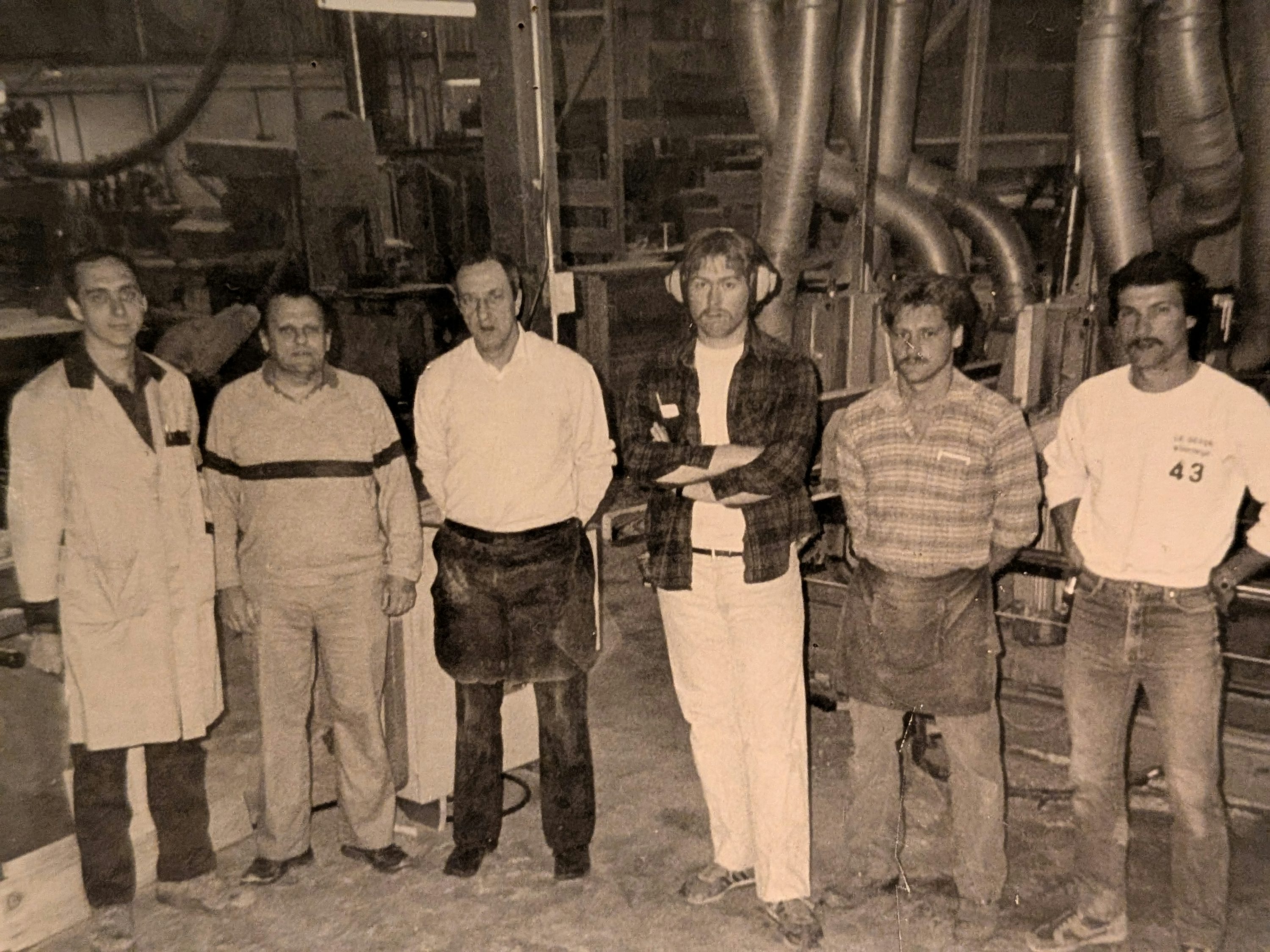
Office Sustainability Beyond Recycling Bins

Safety, rights and local requirements: Waste classifications, product standards, worker protections and authorized treatment systems vary. Do not use this article as operational handling or disposal guidance. The example below is an illustrative composite and describes no real person, programme, partner or outcome.

Office Sustainability Beyond Recycling Bins is not only about what a person buys or discards. Products are shaped by design specifications, sourcing, finance, marketing, repair access, public infrastructure and rules governing waste and responsibility. A credible response therefore examines the full system and asks who controls each decision, who gains value and who carries environmental or social cost.

Sustainable Development Goal 12 connects resource efficiency, waste prevention, chemicals and waste management, corporate reporting, sustainable procurement and informed consumption. UNEP Goal 12 resources, UNIDO cleaner-production guidance, FAO food-loss resources, WHO health-care-waste guidance and OECD circular-economy work offer complementary institutional perspectives. Global guidance must be interpreted through current local law, infrastructure and professional standards.

“Office Sustainability Beyond Recycling Bins becomes credible when waste is prevented, value is retained and responsibility remains visible throughout the product’s life.”

Why this matters for SDG 12

For this topic, a strong starting point is practical consumption change supported by affordable choices, institutional procurement, education, infrastructure and respect for workers in circular systems. Circularity begins with preventing unnecessary demand and harmful design. Keeping products, components and materials useful generally requires different business models, capable maintenance, clear information and logistics that work in the places where people actually live.

The practical question behind office sustainability beyond recycling bins should be precise: which product or service function is needed, which impact is material, across what boundary and over what period? The answer may involve design, procurement, regulation, consumer information, service delivery or end-of-life responsibility. Naming the intervention prevents a minor recycling activity from being presented as system transformation.

Equity matters because sustainable options can demand time, money, storage, transport or digital access that not everyone has. Workers and communities can also bear pollution and unsafe processing far from the point of purchase. Responsible action considers affordability, accessibility, livelihoods, worker rights and remedy alongside environmental performance.

What responsible action requires

Work on office sustainability beyond recycling bins should start by mapping the current flow: raw materials, manufacturing, transport, use, maintenance, return and final treatment. Identify who owns each decision and where data becomes uncertain. Then prioritize changes that prevent impact at source before relying on downstream recovery.

  • Set procurement and event standards: name an accountable owner, allocate resources and provide an accessible route for feedback or remedy.
  • Include workers and small enterprises in design: name an accountable owner, allocate resources and provide an accessible route for feedback or remedy.
  • Teach comparison, care and repair skills: name an accountable owner, allocate resources and provide an accessible route for feedback or remedy.
  • Remove structural barriers before asking for behavior change: name an accountable owner, allocate resources and provide an accessible route for feedback or remedy.
  • Measure avoidance rather than only diversion: name an accountable owner, allocate resources and provide an accessible route for feedback or remedy.

Claims should match evidence. State the baseline, system boundary, time period and functional unit. Explain whether a result concerns one product, a facility, a supplier tier or the organization as a whole. If an estimate depends on assumptions or modeled scenarios, label it accordingly and avoid implying that one attribute makes the entire product sustainable.

A practical circular-action checklist

  • Define the product, service or material outcome related to office sustainability beyond recycling bins.
  • Map inputs, impacts, ownership and decision points across the life cycle.
  • Apply prevention before reuse, recovery or disposal claims.
  • Check worker rights, affordability, accessibility, safety and local requirements.
  • Choose output, outcome, absolute-impact and unintended-effect indicators before launch.
  • Verify downstream partners, evidence and claims independently where risk is material.
  • Publish limitations, learning and corrective decisions alongside progress.

A realistic composite example

Imagine a fictional manufacturer examining office sustainability beyond recycling bins. It maps materials, energy, water, labor risk and end-of-life pathways before choosing an intervention. Workers, buyers and affected communities help define success, while qualified specialists review safety and regulatory constraints. One product line is tested with a baseline, documented suppliers and a funded return route. The company reports failures as well as gains before expansion. This is an illustrative composite, not a verified case study.

The important feature is the sequence: define the function, map the life cycle, listen before selecting a solution, clarify responsibility, obtain qualified review where safety is involved, test a bounded change and verify downstream results. Replication should preserve principles while adapting to local markets, law, infrastructure and worker conditions.

Common mistakes to avoid

Common mistakes include formalizing waste systems while excluding existing workers, using awareness as a substitute for accessible systems, and turning sustainability into a marker of privilege. Teams also undermine credibility when they announce a target without establishing a baseline, measure only material collected, or celebrate a percentage improvement while absolute production, waste or harm continues to rise.

How to measure responsible progress

Measurement should cover prevention, service delivered, absolute impact, distribution, safety and long-term value. Useful indicators for this topic include reuse and repair in institutions, affordability and participation, worker income, safety and decision influence, and avoidable purchases and waste prevented. Define units, geography, denominator, boundary and time period before interpreting a change.

Outputs describe activity: products collected, staff trained, suppliers assessed, repair points opened, food redistributed or policies adopted. Outcomes ask whether fewer resources were required, product life increased, pollution was prevented, workers were safer or people gained affordable access. Diversion from landfill is not automatically proof of prevention or high-value recovery.

Use a baseline and targets where practical, and distinguish measured data from estimates. Review evidence with workers, affected communities and qualified specialists. Track rebound effects, leakage, contamination, service failures, complaints and costs transferred to users. Publish corrective decisions, not only favorable dashboard numbers.

Life-cycle evidence helps avoid burden shifting but does not remove judgment. Compare functionally equivalent options and document data quality. A result that reduces carbon may still affect water, toxicity, land, biodiversity or labor. Focus the analysis on material impacts without claiming that every uncertainty can be eliminated.

Authoritative resources and outbound links

These links are authoritative starting points, not operational waste, medical, food-safety, chemical or engineering instructions. Verify current classifications, standards, authorized providers and legal duties locally. High-risk material handling and health-care decisions require qualified professionals and responsible authorities.

Conclusion: move from intention to redesign

A practical next step on Office Sustainability Beyond Recycling Bins is to identify one product or service function and map its highest-impact decision. Bring affected workers and users into the definition of success, assign responsibility and resources, obtain the necessary review, and test a change small enough to correct.

SDG 12 becomes tangible when organizations can show what demand was avoided, what value stayed in use, what harm was prevented and what remains unresolved. Progress on office sustainability beyond recycling bins should make responsible choices easier while keeping producers, buyers and institutions accountable for the systems they shape.

Industrial Pollution and Corporate Responsibility

Qualified review required before publication: This draft is general education, not product-safety, food-safety, medical, waste-handling, chemical, environmental, legal, engineering or investment advice. Qualified local professionals, responsible authorities and safeguarding editors must review it before publication or implementation.
Safety, rights and local requirements: Waste classifications, product standards, worker protections and authorized treatment systems vary. Do not use this article as operational handling or disposal guidance. The example below is an illustrative composite and describes no real person, programme, partner or outcome.

Industrial Pollution and Corporate Responsibility is not only about what a person buys or discards. Products are shaped by design specifications, sourcing, finance, marketing, repair access, public infrastructure and rules governing waste and responsibility. A credible response therefore examines the full system and asks who controls each decision, who gains value and who carries environmental or social cost.

Sustainable Development Goal 12 connects resource efficiency, waste prevention, chemicals and waste management, corporate reporting, sustainable procurement and informed consumption. UNEP Goal 12 resources, UNIDO cleaner-production guidance, FAO food-loss resources, WHO health-care-waste guidance and OECD circular-economy work offer complementary institutional perspectives. Global guidance must be interpreted through current local law, infrastructure and professional standards.

“Industrial Pollution and Corporate Responsibility becomes credible when waste is prevented, value is retained and responsibility remains visible throughout the product’s life.”

Why this matters for SDG 12

For this topic, a strong starting point is resource-efficient and cleaner production that prevents impacts at source, uses verified technology and keeps human responsibility for high-stakes decisions. Circularity begins with preventing unnecessary demand and harmful design. Keeping products, components and materials useful generally requires different business models, capable maintenance, clear information and logistics that work in the places where people actually live.

The practical question behind industrial pollution and corporate responsibility should be precise: which product or service function is needed, which impact is material, across what boundary and over what period? The answer may involve design, procurement, regulation, consumer information, service delivery or end-of-life responsibility. Naming the intervention prevents a minor recycling activity from being presented as system transformation.

Equity matters because sustainable options can demand time, money, storage, transport or digital access that not everyone has. Workers and communities can also bear pollution and unsafe processing far from the point of purchase. Responsible action considers affordability, accessibility, livelihoods, worker rights and remedy alongside environmental performance.

What responsible action requires

Work on industrial pollution and corporate responsibility should start by mapping the current flow: raw materials, manufacturing, transport, use, maintenance, return and final treatment. Identify who owns each decision and where data becomes uncertain. Then prioritize changes that prevent impact at source before relying on downstream recovery.

  • Protect workers and nearby communities: name an accountable owner, allocate resources and provide an accessible route for feedback or remedy.
  • Prioritize prevention and process redesign: name an accountable owner, allocate resources and provide an accessible route for feedback or remedy.
  • Verify gains and rebound effects: name an accountable owner, allocate resources and provide an accessible route for feedback or remedy.
  • Establish a material, water, energy and emissions baseline: name an accountable owner, allocate resources and provide an accessible route for feedback or remedy.
  • Test technology against operational and safety requirements: name an accountable owner, allocate resources and provide an accessible route for feedback or remedy.

Claims should match evidence. State the baseline, system boundary, time period and functional unit. Explain whether a result concerns one product, a facility, a supplier tier or the organization as a whole. If an estimate depends on assumptions or modeled scenarios, label it accordingly and avoid implying that one attribute makes the entire product sustainable.

A practical circular-action checklist

  • Define the product, service or material outcome related to industrial pollution and corporate responsibility.
  • Map inputs, impacts, ownership and decision points across the life cycle.
  • Apply prevention before reuse, recovery or disposal claims.
  • Check worker rights, affordability, accessibility, safety and local requirements.
  • Choose output, outcome, absolute-impact and unintended-effect indicators before launch.
  • Verify downstream partners, evidence and claims independently where risk is material.
  • Publish limitations, learning and corrective decisions alongside progress.

A realistic composite example

Imagine a fictional manufacturer examining industrial pollution and corporate responsibility. It maps materials, energy, water, labor risk and end-of-life pathways before choosing an intervention. Workers, buyers and affected communities help define success, while qualified specialists review safety and regulatory constraints. One product line is tested with a baseline, documented suppliers and a funded return route. The company reports failures as well as gains before expansion. This is an illustrative composite, not a verified case study.

The important feature is the sequence: define the function, map the life cycle, listen before selecting a solution, clarify responsibility, obtain qualified review where safety is involved, test a bounded change and verify downstream results. Replication should preserve principles while adapting to local markets, law, infrastructure and worker conditions.

Common mistakes to avoid

Common mistakes include automating decisions without accountable human oversight, optimizing one process while moving harm elsewhere, and treating a technology purchase as an outcome. Teams also undermine credibility when they announce a target without establishing a baseline, measure only material collected, or celebrate a percentage improvement while absolute production, waste or harm continues to rise.

How to measure responsible progress

Measurement should cover prevention, service delivered, absolute impact, distribution, safety and long-term value. Useful indicators for this topic include pollution prevented at source, absolute resource use and waste, worker, community and rebound effects, and quality, safety and downtime. Define units, geography, denominator, boundary and time period before interpreting a change.

Outputs describe activity: products collected, staff trained, suppliers assessed, repair points opened, food redistributed or policies adopted. Outcomes ask whether fewer resources were required, product life increased, pollution was prevented, workers were safer or people gained affordable access. Diversion from landfill is not automatically proof of prevention or high-value recovery.

Use a baseline and targets where practical, and distinguish measured data from estimates. Review evidence with workers, affected communities and qualified specialists. Track rebound effects, leakage, contamination, service failures, complaints and costs transferred to users. Publish corrective decisions, not only favorable dashboard numbers.

Life-cycle evidence helps avoid burden shifting but does not remove judgment. Compare functionally equivalent options and document data quality. A result that reduces carbon may still affect water, toxicity, land, biodiversity or labor. Focus the analysis on material impacts without claiming that every uncertainty can be eliminated.

Authoritative resources and outbound links

These links are authoritative starting points, not operational waste, medical, food-safety, chemical or engineering instructions. Verify current classifications, standards, authorized providers and legal duties locally. High-risk material handling and health-care decisions require qualified professionals and responsible authorities.

Conclusion: move from intention to redesign

A practical next step on Industrial Pollution and Corporate Responsibility is to identify one product or service function and map its highest-impact decision. Bring affected workers and users into the definition of success, assign responsibility and resources, obtain the necessary review, and test a change small enough to correct.

SDG 12 becomes tangible when organizations can show what demand was avoided, what value stayed in use, what harm was prevented and what remains unresolved. Progress on industrial pollution and corporate responsibility should make responsible choices easier while keeping producers, buyers and institutions accountable for the systems they shape.
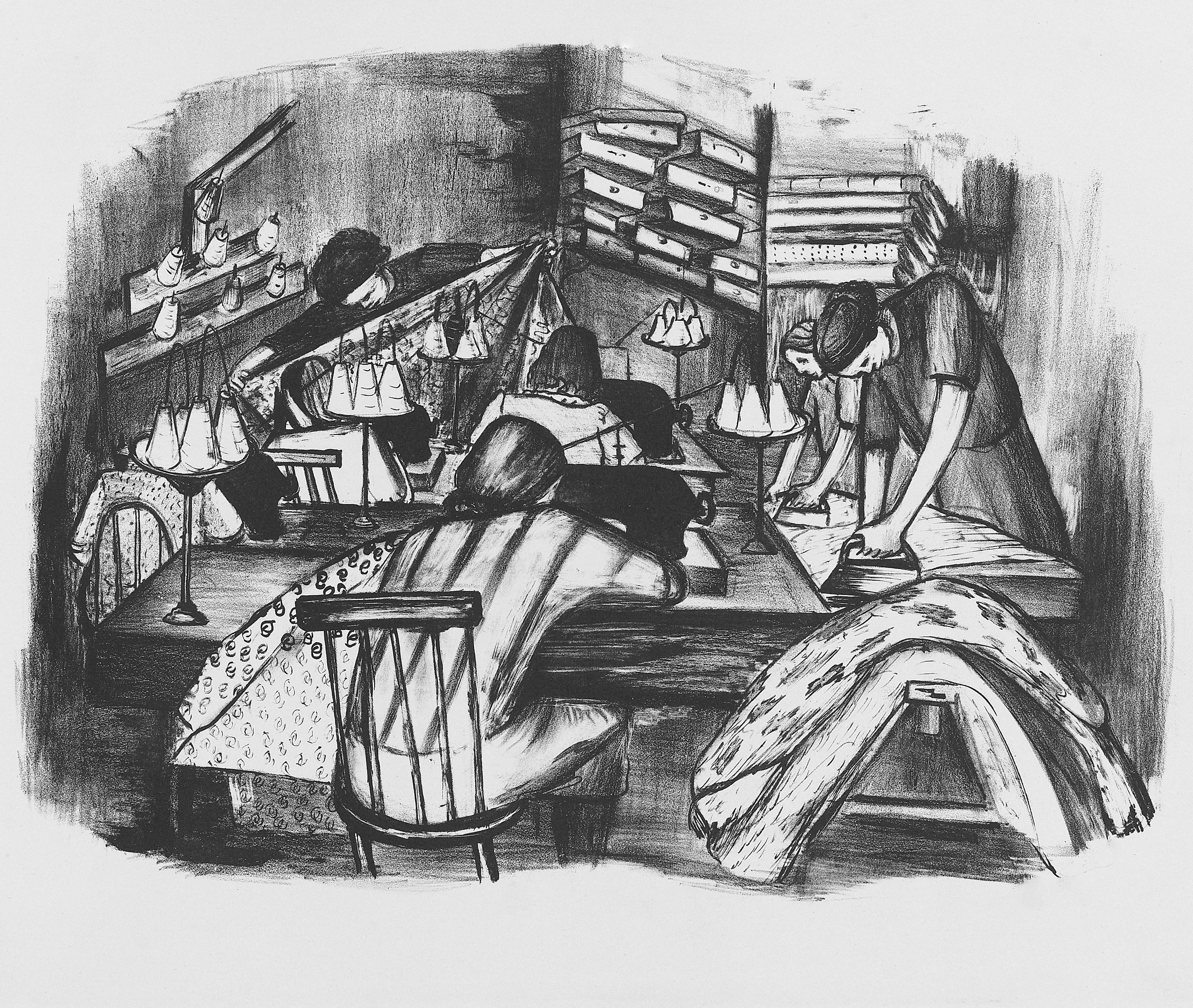
Teaching Children About Responsible Consumption

Safety, rights and local requirements: Waste classifications, product standards, worker protections and authorized treatment systems vary. Do not use this article as operational handling or disposal guidance. The example below is an illustrative composite and describes no real person, programme, partner or outcome.

Teaching Children About Responsible Consumption is not only about what a person buys or discards. Products are shaped by design specifications, sourcing, finance, marketing, repair access, public infrastructure and rules governing waste and responsibility. A credible response therefore examines the full system and asks who controls each decision, who gains value and who carries environmental or social cost.

Sustainable Development Goal 12 connects resource efficiency, waste prevention, chemicals and waste management, corporate reporting, sustainable procurement and informed consumption. UNEP Goal 12 resources, UNIDO cleaner-production guidance, FAO food-loss resources, WHO health-care-waste guidance and OECD circular-economy work offer complementary institutional perspectives. Global guidance must be interpreted through current local law, infrastructure and professional standards.

“Teaching Children About Responsible Consumption becomes credible when waste is prevented, value is retained and responsibility remains visible throughout the product’s life.”

Why this matters for SDG 12

For this topic, a strong starting point is practical consumption change supported by affordable choices, institutional procurement, education, infrastructure and respect for workers in circular systems. Circularity begins with preventing unnecessary demand and harmful design. Keeping products, components and materials useful generally requires different business models, capable maintenance, clear information and logistics that work in the places where people actually live.

The practical question behind children about responsible consumption should be precise: which product or service function is needed, which impact is material, across what boundary and over what period? The answer may involve design, procurement, regulation, consumer information, service delivery or end-of-life responsibility. Naming the intervention prevents a minor recycling activity from being presented as system transformation.

Equity matters because sustainable options can demand time, money, storage, transport or digital access that not everyone has. Workers and communities can also bear pollution and unsafe processing far from the point of purchase. Responsible action considers affordability, accessibility, livelihoods, worker rights and remedy alongside environmental performance.

What responsible action requires

Work on children about responsible consumption should start by mapping the current flow: raw materials, manufacturing, transport, use, maintenance, return and final treatment. Identify who owns each decision and where data becomes uncertain. Then prioritize changes that prevent impact at source before relying on downstream recovery.

  • Measure avoidance rather than only diversion: name an accountable owner, allocate resources and provide an accessible route for feedback or remedy.
  • Remove structural barriers before asking for behavior change: name an accountable owner, allocate resources and provide an accessible route for feedback or remedy.
  • Include workers and small enterprises in design: name an accountable owner, allocate resources and provide an accessible route for feedback or remedy.
  • Teach comparison, care and repair skills: name an accountable owner, allocate resources and provide an accessible route for feedback or remedy.
  • Set procurement and event standards: name an accountable owner, allocate resources and provide an accessible route for feedback or remedy.

Claims should match evidence. State the baseline, system boundary, time period and functional unit. Explain whether a result concerns one product, a facility, a supplier tier or the organization as a whole. If an estimate depends on assumptions or modeled scenarios, label it accordingly and avoid implying that one attribute makes the entire product sustainable.

A practical circular-action checklist

  • Define the product, service or material outcome related to children about responsible consumption.
  • Map inputs, impacts, ownership and decision points across the life cycle.
  • Apply prevention before reuse, recovery or disposal claims.
  • Check worker rights, affordability, accessibility, safety and local requirements.
  • Choose output, outcome, absolute-impact and unintended-effect indicators before launch.
  • Verify downstream partners, evidence and claims independently where risk is material.
  • Publish limitations, learning and corrective decisions alongside progress.

A realistic composite example

Imagine a fictional manufacturer examining children about responsible consumption. It maps materials, energy, water, labor risk and end-of-life pathways before choosing an intervention. Workers, buyers and affected communities help define success, while qualified specialists review safety and regulatory constraints. One product line is tested with a baseline, documented suppliers and a funded return route. The company reports failures as well as gains before expansion. This is an illustrative composite, not a verified case study.

The important feature is the sequence: define the function, map the life cycle, listen before selecting a solution, clarify responsibility, obtain qualified review where safety is involved, test a bounded change and verify downstream results. Replication should preserve principles while adapting to local markets, law, infrastructure and worker conditions.

Common mistakes to avoid

Common mistakes include using awareness as a substitute for accessible systems, turning sustainability into a marker of privilege, and formalizing waste systems while excluding existing workers. Teams also undermine credibility when they announce a target without establishing a baseline, measure only material collected, or celebrate a percentage improvement while absolute production, waste or harm continues to rise.

How to measure responsible progress

Measurement should cover prevention, service delivered, absolute impact, distribution, safety and long-term value. Useful indicators for this topic include worker income, safety and decision influence, affordability and participation, reuse and repair in institutions, and avoidable purchases and waste prevented. Define units, geography, denominator, boundary and time period before interpreting a change.

Outputs describe activity: products collected, staff trained, suppliers assessed, repair points opened, food redistributed or policies adopted. Outcomes ask whether fewer resources were required, product life increased, pollution was prevented, workers were safer or people gained affordable access. Diversion from landfill is not automatically proof of prevention or high-value recovery.

Use a baseline and targets where practical, and distinguish measured data from estimates. Review evidence with workers, affected communities and qualified specialists. Track rebound effects, leakage, contamination, service failures, complaints and costs transferred to users. Publish corrective decisions, not only favorable dashboard numbers.

Life-cycle evidence helps avoid burden shifting but does not remove judgment. Compare functionally equivalent options and document data quality. A result that reduces carbon may still affect water, toxicity, land, biodiversity or labor. Focus the analysis on material impacts without claiming that every uncertainty can be eliminated.

Authoritative resources and outbound links

These links are authoritative starting points, not operational waste, medical, food-safety, chemical or engineering instructions. Verify current classifications, standards, authorized providers and legal duties locally. High-risk material handling and health-care decisions require qualified professionals and responsible authorities.

Conclusion: move from intention to redesign

A practical next step on Teaching Children About Responsible Consumption is to identify one product or service function and map its highest-impact decision. Bring affected workers and users into the definition of success, assign responsibility and resources, obtain the necessary review, and test a change small enough to correct.

SDG 12 becomes tangible when organizations can show what demand was avoided, what value stayed in use, what harm was prevented and what remains unresolved. Progress on children about responsible consumption should make responsible choices easier while keeping producers, buyers and institutions accountable for the systems they shape.
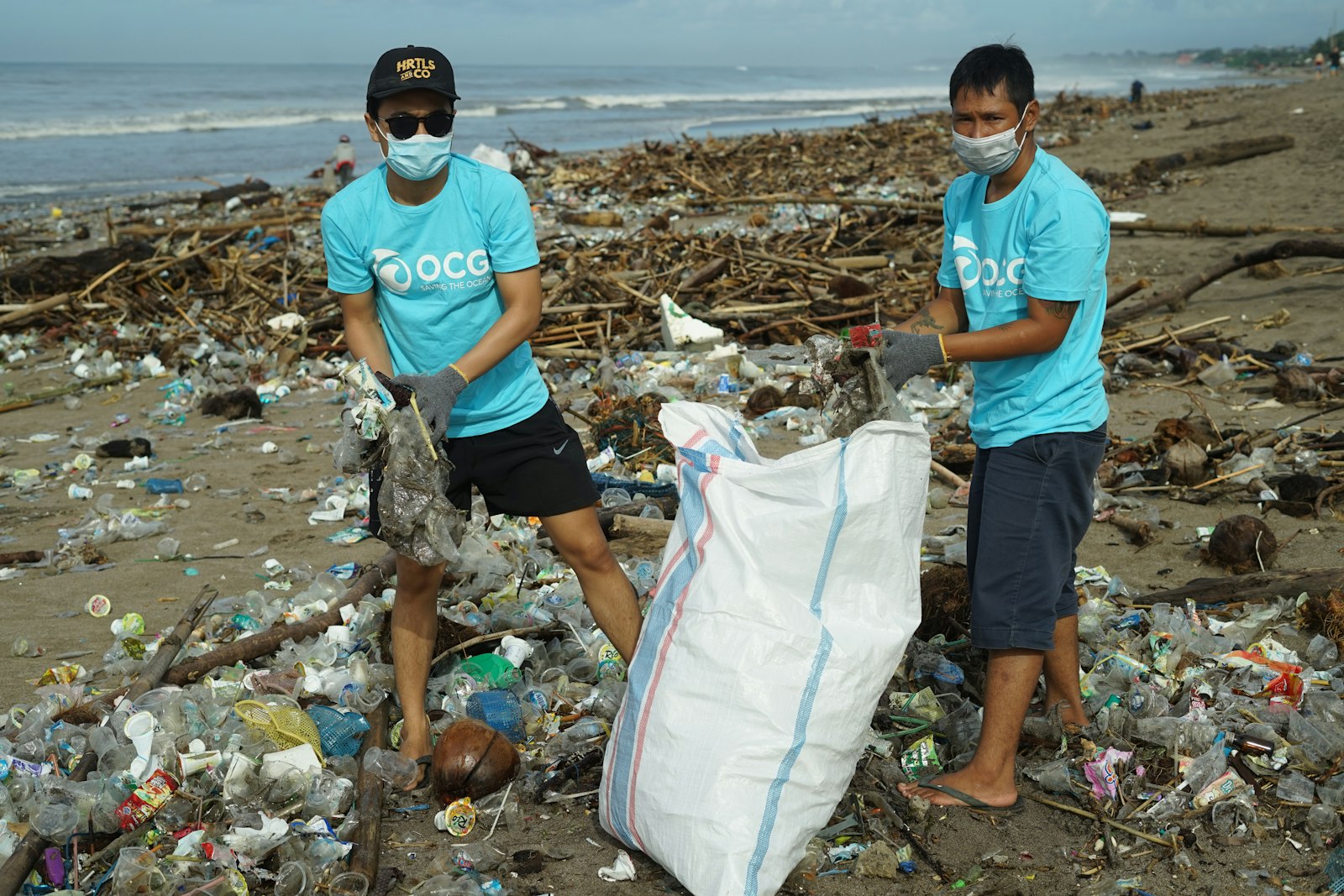
Creating a Right-to-Repair Economy

Safety, rights and local requirements: Waste classifications, product standards, worker protections and authorized treatment systems vary. Do not use this article as operational handling or disposal guidance. The example below is an illustrative composite and describes no real person, programme, partner or outcome.

Creating a Right-to-Repair Economy is not only about what a person buys or discards. Products are shaped by design specifications, sourcing, finance, marketing, repair access, public infrastructure and rules governing waste and responsibility. A credible response therefore examines the full system and asks who controls each decision, who gains value and who carries environmental or social cost.

Sustainable Development Goal 12 connects resource efficiency, waste prevention, chemicals and waste management, corporate reporting, sustainable procurement and informed consumption. UNEP Goal 12 resources, UNIDO cleaner-production guidance, FAO food-loss resources, WHO health-care-waste guidance and OECD circular-economy work offer complementary institutional perspectives. Global guidance must be interpreted through current local law, infrastructure and professional standards.

“Creating a Right-to-Repair Economy becomes credible when waste is prevented, value is retained and responsibility remains visible throughout the product’s life.”

Connecting the issue to responsible production

For this topic, a strong starting point is circular design that prevents waste, keeps products and components useful, and supports repair, reuse, refurbishment and responsible recovery. Circularity begins with preventing unnecessary demand and harmful design. Keeping products, components and materials useful generally requires different business models, capable maintenance, clear information and logistics that work in the places where people actually live.

The practical question behind a right-to-repair economy should be precise: which product or service function is needed, which impact is material, across what boundary and over what period? The answer may involve design, procurement, regulation, consumer information, service delivery or end-of-life responsibility. Naming the intervention prevents a minor recycling activity from being presented as system transformation.

Equity matters because sustainable options can demand time, money, storage, transport or digital access that not everyone has. Workers and communities can also bear pollution and unsafe processing far from the point of purchase. Responsible action considers affordability, accessibility, livelihoods, worker rights and remedy alongside environmental performance.

Designing for prevention, value and accountability

Work on a right-to-repair economy should start by mapping the current flow: raw materials, manufacturing, transport, use, maintenance, return and final treatment. Identify who owns each decision and where data becomes uncertain. Then prioritize changes that prevent impact at source before relying on downstream recovery.

  • Measure retained value before recycling: name an accountable owner, allocate resources and provide an accessible route for feedback or remedy.
  • Protect warranties and consumer rights: name an accountable owner, allocate resources and provide an accessible route for feedback or remedy.
  • Set durability and repairability requirements: name an accountable owner, allocate resources and provide an accessible route for feedback or remedy.
  • Design modular components and accessible documentation: name an accountable owner, allocate resources and provide an accessible route for feedback or remedy.
  • Plan reverse logistics before sale: name an accountable owner, allocate resources and provide an accessible route for feedback or remedy.

Claims should match evidence. State the baseline, system boundary, time period and functional unit. Explain whether a result concerns one product, a facility, a supplier tier or the organization as a whole. If an estimate depends on assumptions or modeled scenarios, label it accordingly and avoid implying that one attribute makes the entire product sustainable.

Checklist for responsible implementation

  • Define the product, service or material outcome related to a right-to-repair economy.
  • Map inputs, impacts, ownership and decision points across the life cycle.
  • Apply prevention before reuse, recovery or disposal claims.
  • Check worker rights, affordability, accessibility, safety and local requirements.
  • Choose output, outcome, absolute-impact and unintended-effect indicators before launch.
  • Verify downstream partners, evidence and claims independently where risk is material.
  • Publish limitations, learning and corrective decisions alongside progress.

How this could work in practice

Consider a non-identifiable community coalition working on a right-to-repair economy. It first distinguishes preventable demand from unavoidable material needs, then compares repair, reuse and recovery options against cost, safety and local infrastructure. Small businesses and workers are included in the design. A bounded pilot tracks actual participation and downstream treatment rather than promised capacity. No real person, organization, partner or result is implied.

The important feature is the sequence: define the function, map the life cycle, listen before selecting a solution, clarify responsibility, obtain qualified review where safety is involved, test a bounded change and verify downstream results. Replication should preserve principles while adapting to local markets, law, infrastructure and worker conditions.

Pitfalls that weaken circular outcomes

Common mistakes include designing take-back systems that are inaccessible, extending product life while ignoring unsafe materials or labor, and calling recycling alone circular. Teams also undermine credibility when they announce a target without establishing a baseline, measure only material collected, or celebrate a percentage improvement while absolute production, waste or harm continues to rise.

Measurement, learning and disclosure

Measurement should cover prevention, service delivered, absolute impact, distribution, safety and long-term value. Useful indicators for this topic include expected and actual product lifetime, return, refurbishment and recovery yield, cost and access for users, and repair and reuse rates. Define units, geography, denominator, boundary and time period before interpreting a change.

Outputs describe activity: products collected, staff trained, suppliers assessed, repair points opened, food redistributed or policies adopted. Outcomes ask whether fewer resources were required, product life increased, pollution was prevented, workers were safer or people gained affordable access. Diversion from landfill is not automatically proof of prevention or high-value recovery.

Use a baseline and targets where practical, and distinguish measured data from estimates. Review evidence with workers, affected communities and qualified specialists. Track rebound effects, leakage, contamination, service failures, complaints and costs transferred to users. Publish corrective decisions, not only favorable dashboard numbers.

Life-cycle evidence helps avoid burden shifting but does not remove judgment. Compare functionally equivalent options and document data quality. A result that reduces carbon may still affect water, toxicity, land, biodiversity or labor. Focus the analysis on material impacts without claiming that every uncertainty can be eliminated.

Trusted sources for further learning

These links are authoritative starting points, not operational waste, medical, food-safety, chemical or engineering instructions. Verify current classifications, standards, authorized providers and legal duties locally. High-risk material handling and health-care decisions require qualified professionals and responsible authorities.

A practical way forward

A practical next step on Creating a Right-to-Repair Economy is to identify one product or service function and map its highest-impact decision. Bring affected workers and users into the definition of success, assign responsibility and resources, obtain the necessary review, and test a change small enough to correct.

SDG 12 becomes tangible when organizations can show what demand was avoided, what value stayed in use, what harm was prevented and what remains unresolved. Progress on a right-to-repair economy should make responsible choices easier while keeping producers, buyers and institutions accountable for the systems they shape.

Responsible Consumption as a Form of Climate Action

Safety, rights and local requirements: Waste classifications, product standards, worker protections and authorized treatment systems vary. Do not use this article as operational handling or disposal guidance. The example below is an illustrative composite and describes no real person, programme, partner or outcome.

Responsible Consumption as a Form of Climate Action is not only about what a person buys or discards. Products are shaped by design specifications, sourcing, finance, marketing, repair access, public infrastructure and rules governing waste and responsibility. A credible response therefore examines the full system and asks who controls each decision, who gains value and who carries environmental or social cost.

Sustainable Development Goal 12 connects resource efficiency, waste prevention, chemicals and waste management, corporate reporting, sustainable procurement and informed consumption. UNEP Goal 12 resources, UNIDO cleaner-production guidance, FAO food-loss resources, WHO health-care-waste guidance and OECD circular-economy work offer complementary institutional perspectives. Global guidance must be interpreted through current local law, infrastructure and professional standards.

“Responsible Consumption as a Form of Climate Action becomes credible when waste is prevented, value is retained and responsibility remains visible throughout the product’s life.”

Why this matters for SDG 12

For this topic, a strong starting point is systems change that connects product design, business models, infrastructure, policy and everyday access instead of placing responsibility on consumers alone. Circularity begins with preventing unnecessary demand and harmful design. Keeping products, components and materials useful generally requires different business models, capable maintenance, clear information and logistics that work in the places where people actually live.

The practical question behind responsible consumption as a form of climate action should be precise: which product or service function is needed, which impact is material, across what boundary and over what period? The answer may involve design, procurement, regulation, consumer information, service delivery or end-of-life responsibility. Naming the intervention prevents a minor recycling activity from being presented as system transformation.

Equity matters because sustainable options can demand time, money, storage, transport or digital access that not everyone has. Workers and communities can also bear pollution and unsafe processing far from the point of purchase. Responsible action considers affordability, accessibility, livelihoods, worker rights and remedy alongside environmental performance.

What responsible action requires

Work on responsible consumption as a form of climate action should start by mapping the current flow: raw materials, manufacturing, transport, use, maintenance, return and final treatment. Identify who owns each decision and where data becomes uncertain. Then prioritize changes that prevent impact at source before relying on downstream recovery.

  • Separate essential consumption from avoidable throughput: name an accountable owner, allocate resources and provide an accessible route for feedback or remedy.
  • Publish responsibilities and corrective action: name an accountable owner, allocate resources and provide an accessible route for feedback or remedy.
  • Map material and value flows across the system: name an accountable owner, allocate resources and provide an accessible route for feedback or remedy.
  • Protect affordability and decent work: name an accountable owner, allocate resources and provide an accessible route for feedback or remedy.
  • Align prices and rules with whole-life impacts: name an accountable owner, allocate resources and provide an accessible route for feedback or remedy.

Claims should match evidence. State the baseline, system boundary, time period and functional unit. Explain whether a result concerns one product, a facility, a supplier tier or the organization as a whole. If an estimate depends on assumptions or modeled scenarios, label it accordingly and avoid implying that one attribute makes the entire product sustainable.

A practical circular-action checklist

  • Define the product, service or material outcome related to responsible consumption as a form of climate action.
  • Map inputs, impacts, ownership and decision points across the life cycle.
  • Apply prevention before reuse, recovery or disposal claims.
  • Check worker rights, affordability, accessibility, safety and local requirements.
  • Choose output, outcome, absolute-impact and unintended-effect indicators before launch.
  • Verify downstream partners, evidence and claims independently where risk is material.
  • Publish limitations, learning and corrective decisions alongside progress.

A realistic composite example

Imagine a fictional manufacturer examining responsible consumption as a form of climate action. It maps materials, energy, water, labor risk and end-of-life pathways before choosing an intervention. Workers, buyers and affected communities help define success, while qualified specialists review safety and regulatory constraints. One product line is tested with a baseline, documented suppliers and a funded return route. The company reports failures as well as gains before expansion. This is an illustrative composite, not a verified case study.

The important feature is the sequence: define the function, map the life cycle, listen before selecting a solution, clarify responsibility, obtain qualified review where safety is involved, test a bounded change and verify downstream results. Replication should preserve principles while adapting to local markets, law, infrastructure and worker conditions.

Common mistakes to avoid

Common mistakes include reducing a systems problem to individual shopping tips, shifting cost or inconvenience to people with fewer choices, and claiming lower impact without defining the baseline. Teams also undermine credibility when they announce a target without establishing a baseline, measure only material collected, or celebrate a percentage improvement while absolute production, waste or harm continues to rise.

How to measure responsible progress

Measurement should cover prevention, service delivered, absolute impact, distribution, safety and long-term value. Useful indicators for this topic include material and energy intensity, waste prevention and product lifetime, affordability and access, and distribution of environmental and labor impacts. Define units, geography, denominator, boundary and time period before interpreting a change.

Outputs describe activity: products collected, staff trained, suppliers assessed, repair points opened, food redistributed or policies adopted. Outcomes ask whether fewer resources were required, product life increased, pollution was prevented, workers were safer or people gained affordable access. Diversion from landfill is not automatically proof of prevention or high-value recovery.

Use a baseline and targets where practical, and distinguish measured data from estimates. Review evidence with workers, affected communities and qualified specialists. Track rebound effects, leakage, contamination, service failures, complaints and costs transferred to users. Publish corrective decisions, not only favorable dashboard numbers.

Life-cycle evidence helps avoid burden shifting but does not remove judgment. Compare functionally equivalent options and document data quality. A result that reduces carbon may still affect water, toxicity, land, biodiversity or labor. Focus the analysis on material impacts without claiming that every uncertainty can be eliminated.

Authoritative resources and outbound links

These links are authoritative starting points, not operational waste, medical, food-safety, chemical or engineering instructions. Verify current classifications, standards, authorized providers and legal duties locally. High-risk material handling and health-care decisions require qualified professionals and responsible authorities.

Conclusion: move from intention to redesign

A practical next step on Responsible Consumption as a Form of Climate Action is to identify one product or service function and map its highest-impact decision. Bring affected workers and users into the definition of success, assign responsibility and resources, obtain the necessary review, and test a change small enough to correct.

SDG 12 becomes tangible when organizations can show what demand was avoided, what value stayed in use, what harm was prevented and what remains unresolved. Progress on responsible consumption as a form of climate action should make responsible choices easier while keeping producers, buyers and institutions accountable for the systems they shape.

Why Clothing Workers Deserve Transparent Supply Chains

Safety, rights and local requirements: Waste classifications, product standards, worker protections and authorized treatment systems vary. Do not use this article as operational handling or disposal guidance. The example below is an illustrative composite and describes no real person, programme, partner or outcome.

Why Clothing Workers Deserve Transparent Supply Chains is not only about what a person buys or discards. Products are shaped by design specifications, sourcing, finance, marketing, repair access, public infrastructure and rules governing waste and responsibility. A credible response therefore examines the full system and asks who controls each decision, who gains value and who carries environmental or social cost.

Sustainable Development Goal 12 connects resource efficiency, waste prevention, chemicals and waste management, corporate reporting, sustainable procurement and informed consumption. UNEP Goal 12 resources, UNIDO cleaner-production guidance, FAO food-loss resources, WHO health-care-waste guidance and OECD circular-economy work offer complementary institutional perspectives. Global guidance must be interpreted through current local law, infrastructure and professional standards.

“Why Clothing Workers Deserve Transparent Supply Chains becomes credible when waste is prevented, value is retained and responsibility remains visible throughout the product’s life.”

Why this matters for SDG 12

For this topic, a strong starting point is a fair textile system that combines durable design, responsible fibers, transparent labor conditions and repair, rental, resale and recovery. Circularity begins with preventing unnecessary demand and harmful design. Keeping products, components and materials useful generally requires different business models, capable maintenance, clear information and logistics that work in the places where people actually live.

The practical question behind clothing workers deserve transparent supply chains should be precise: which product or service function is needed, which impact is material, across what boundary and over what period? The answer may involve design, procurement, regulation, consumer information, service delivery or end-of-life responsibility. Naming the intervention prevents a minor recycling activity from being presented as system transformation.

Equity matters because sustainable options can demand time, money, storage, transport or digital access that not everyone has. Workers and communities can also bear pollution and unsafe processing far from the point of purchase. Responsible action considers affordability, accessibility, livelihoods, worker rights and remedy alongside environmental performance.

What responsible action requires

Work on clothing workers deserve transparent supply chains should start by mapping the current flow: raw materials, manufacturing, transport, use, maintenance, return and final treatment. Identify who owns each decision and where data becomes uncertain. Then prioritize changes that prevent impact at source before relying on downstream recovery.

  • Support resale without encouraging more purchasing: name an accountable owner, allocate resources and provide an accessible route for feedback or remedy.
  • Trace priority materials and labor risks: name an accountable owner, allocate resources and provide an accessible route for feedback or remedy.
  • Publish supplier responsibilities and remedy: name an accountable owner, allocate resources and provide an accessible route for feedback or remedy.
  • Design for repeated wear and repair: name an accountable owner, allocate resources and provide an accessible route for feedback or remedy.
  • Measure absolute production as well as efficiency: name an accountable owner, allocate resources and provide an accessible route for feedback or remedy.

Claims should match evidence. State the baseline, system boundary, time period and functional unit. Explain whether a result concerns one product, a facility, a supplier tier or the organization as a whole. If an estimate depends on assumptions or modeled scenarios, label it accordingly and avoid implying that one attribute makes the entire product sustainable.

A practical circular-action checklist

  • Define the product, service or material outcome related to clothing workers deserve transparent supply chains.
  • Map inputs, impacts, ownership and decision points across the life cycle.
  • Apply prevention before reuse, recovery or disposal claims.
  • Check worker rights, affordability, accessibility, safety and local requirements.
  • Choose output, outcome, absolute-impact and unintended-effect indicators before launch.
  • Verify downstream partners, evidence and claims independently where risk is material.
  • Publish limitations, learning and corrective decisions alongside progress.

A realistic composite example

Imagine a fictional manufacturer examining clothing workers deserve transparent supply chains. It maps materials, energy, water, labor risk and end-of-life pathways before choosing an intervention. Workers, buyers and affected communities help define success, while qualified specialists review safety and regulatory constraints. One product line is tested with a baseline, documented suppliers and a funded return route. The company reports failures as well as gains before expansion. This is an illustrative composite, not a verified case study.

The important feature is the sequence: define the function, map the life cycle, listen before selecting a solution, clarify responsibility, obtain qualified review where safety is involved, test a bounded change and verify downstream results. Replication should preserve principles while adapting to local markets, law, infrastructure and worker conditions.

Common mistakes to avoid

Common mistakes include hiding wages and working conditions behind environmental language, using a small collection to market an unchanged volume model, and claiming sustainability from one fiber attribute. Teams also undermine credibility when they announce a target without establishing a baseline, measure only material collected, or celebrate a percentage improvement while absolute production, waste or harm continues to rise.

How to measure responsible progress

Measurement should cover prevention, service delivered, absolute impact, distribution, safety and long-term value. Useful indicators for this topic include worker rights, wages and remedy, material and chemical impact, repair, rental and resale outcomes, and wears and useful life. Define units, geography, denominator, boundary and time period before interpreting a change.

Outputs describe activity: products collected, staff trained, suppliers assessed, repair points opened, food redistributed or policies adopted. Outcomes ask whether fewer resources were required, product life increased, pollution was prevented, workers were safer or people gained affordable access. Diversion from landfill is not automatically proof of prevention or high-value recovery.

Use a baseline and targets where practical, and distinguish measured data from estimates. Review evidence with workers, affected communities and qualified specialists. Track rebound effects, leakage, contamination, service failures, complaints and costs transferred to users. Publish corrective decisions, not only favorable dashboard numbers.

Life-cycle evidence helps avoid burden shifting but does not remove judgment. Compare functionally equivalent options and document data quality. A result that reduces carbon may still affect water, toxicity, land, biodiversity or labor. Focus the analysis on material impacts without claiming that every uncertainty can be eliminated.

Authoritative resources and outbound links

These links are authoritative starting points, not operational waste, medical, food-safety, chemical or engineering instructions. Verify current classifications, standards, authorized providers and legal duties locally. High-risk material handling and health-care decisions require qualified professionals and responsible authorities.

Conclusion: move from intention to redesign

A practical next step on Why Clothing Workers Deserve Transparent Supply Chains is to identify one product or service function and map its highest-impact decision. Bring affected workers and users into the definition of success, assign responsibility and resources, obtain the necessary review, and test a change small enough to correct.

SDG 12 becomes tangible when organizations can show what demand was avoided, what value stayed in use, what harm was prevented and what remains unresolved. Progress on clothing workers deserve transparent supply chains should make responsible choices easier while keeping producers, buyers and institutions accountable for the systems they shape.

Refillable Packaging and the Future of Retail

Safety, rights and local requirements: Waste classifications, product standards, worker protections and authorized treatment systems vary. Do not use this article as operational handling or disposal guidance. The example below is an illustrative composite and describes no real person, programme, partner or outcome.

Refillable Packaging and the Future of Retail is not only about what a person buys or discards. Products are shaped by design specifications, sourcing, finance, marketing, repair access, public infrastructure and rules governing waste and responsibility. A credible response therefore examines the full system and asks who controls each decision, who gains value and who carries environmental or social cost.

Sustainable Development Goal 12 connects resource efficiency, waste prevention, chemicals and waste management, corporate reporting, sustainable procurement and informed consumption. UNEP Goal 12 resources, UNIDO cleaner-production guidance, FAO food-loss resources, WHO health-care-waste guidance and OECD circular-economy work offer complementary institutional perspectives. Global guidance must be interpreted through current local law, infrastructure and professional standards.

“Refillable Packaging and the Future of Retail becomes credible when waste is prevented, value is retained and responsibility remains visible throughout the product’s life.”

Looking beyond the recycling bin

For this topic, a strong starting point is packaging systems that prevent unnecessary material use, enable safe reuse and ensure remaining materials have credible collection and recovery pathways. Circularity begins with preventing unnecessary demand and harmful design. Keeping products, components and materials useful generally requires different business models, capable maintenance, clear information and logistics that work in the places where people actually live.

The practical question behind refillable packaging and the future of retail should be precise: which product or service function is needed, which impact is material, across what boundary and over what period? The answer may involve design, procurement, regulation, consumer information, service delivery or end-of-life responsibility. Naming the intervention prevents a minor recycling activity from being presented as system transformation.

Equity matters because sustainable options can demand time, money, storage, transport or digital access that not everyone has. Workers and communities can also bear pollution and unsafe processing far from the point of purchase. Responsible action considers affordability, accessibility, livelihoods, worker rights and remedy alongside environmental performance.

Principles for whole-life decisions

Work on refillable packaging and the future of retail should start by mapping the current flow: raw materials, manufacturing, transport, use, maintenance, return and final treatment. Identify who owns each decision and where data becomes uncertain. Then prioritize changes that prevent impact at source before relying on downstream recovery.

  • Protect affordability and hygiene requirements: name an accountable owner, allocate resources and provide an accessible route for feedback or remedy.
  • Verify local collection and processing: name an accountable owner, allocate resources and provide an accessible route for feedback or remedy.
  • Eliminate avoidable formats before substitution: name an accountable owner, allocate resources and provide an accessible route for feedback or remedy.
  • Design labels and deposits for real user behavior: name an accountable owner, allocate resources and provide an accessible route for feedback or remedy.
  • Test reuse across the full logistics cycle: name an accountable owner, allocate resources and provide an accessible route for feedback or remedy.

Claims should match evidence. State the baseline, system boundary, time period and functional unit. Explain whether a result concerns one product, a facility, a supplier tier or the organization as a whole. If an estimate depends on assumptions or modeled scenarios, label it accordingly and avoid implying that one attribute makes the entire product sustainable.

Business and community checklist

  • Define the product, service or material outcome related to refillable packaging and the future of retail.
  • Map inputs, impacts, ownership and decision points across the life cycle.
  • Apply prevention before reuse, recovery or disposal claims.
  • Check worker rights, affordability, accessibility, safety and local requirements.
  • Choose output, outcome, absolute-impact and unintended-effect indicators before launch.
  • Verify downstream partners, evidence and claims independently where risk is material.
  • Publish limitations, learning and corrective decisions alongside progress.

An illustrative non-identifiable scenario

A hypothetical institution could approach refillable packaging and the future of retail by reviewing what it purchases, why items are replaced and where materials go afterward. The review reveals that price-only procurement creates hidden maintenance and disposal costs. Specifications are revised with users and qualified specialists; vendors must document durability, support and recovery. Outcomes and unintended effects are measured before scaling. The scenario is deliberately non-identifiable.

The important feature is the sequence: define the function, map the life cycle, listen before selecting a solution, clarify responsibility, obtain qualified review where safety is involved, test a bounded change and verify downstream results. Replication should preserve principles while adapting to local markets, law, infrastructure and worker conditions.

What often goes wrong

Common mistakes include placing all responsibility on customers, using biodegradable claims without disposal context, and replacing one single-use material without lifecycle evidence. Teams also undermine credibility when they announce a target without establishing a baseline, measure only material collected, or celebrate a percentage improvement while absolute production, waste or harm continues to rise.

Tracking materials, people and long-term value

Measurement should cover prevention, service delivered, absolute impact, distribution, safety and long-term value. Useful indicators for this topic include cost, access and leakage, reuse cycles and return rate, loss, contamination and recovery, and packaging avoided per delivery. Define units, geography, denominator, boundary and time period before interpreting a change.

Outputs describe activity: products collected, staff trained, suppliers assessed, repair points opened, food redistributed or policies adopted. Outcomes ask whether fewer resources were required, product life increased, pollution was prevented, workers were safer or people gained affordable access. Diversion from landfill is not automatically proof of prevention or high-value recovery.

Use a baseline and targets where practical, and distinguish measured data from estimates. Review evidence with workers, affected communities and qualified specialists. Track rebound effects, leakage, contamination, service failures, complaints and costs transferred to users. Publish corrective decisions, not only favorable dashboard numbers.

Life-cycle evidence helps avoid burden shifting but does not remove judgment. Compare functionally equivalent options and document data quality. A result that reduces carbon may still affect water, toxicity, land, biodiversity or labor. Focus the analysis on material impacts without claiming that every uncertainty can be eliminated.

Official external references

These links are authoritative starting points, not operational waste, medical, food-safety, chemical or engineering instructions. Verify current classifications, standards, authorized providers and legal duties locally. High-risk material handling and health-care decisions require qualified professionals and responsible authorities.

Make responsible consumption measurable

A practical next step on Refillable Packaging and the Future of Retail is to identify one product or service function and map its highest-impact decision. Bring affected workers and users into the definition of success, assign responsibility and resources, obtain the necessary review, and test a change small enough to correct.

SDG 12 becomes tangible when organizations can show what demand was avoided, what value stayed in use, what harm was prevented and what remains unresolved. Progress on refillable packaging and the future of retail should make responsible choices easier while keeping producers, buyers and institutions accountable for the systems they shape.

Responsible Tourism and Local Community Protection

Safety, rights and local requirements: Waste classifications, product standards, worker protections and authorized treatment systems vary. Do not use this article as operational handling or disposal guidance. The example below is an illustrative composite and describes no real person, programme, partner or outcome.

Responsible Tourism and Local Community Protection is not only about what a person buys or discards. Products are shaped by design specifications, sourcing, finance, marketing, repair access, public infrastructure and rules governing waste and responsibility. A credible response therefore examines the full system and asks who controls each decision, who gains value and who carries environmental or social cost.

Sustainable Development Goal 12 connects resource efficiency, waste prevention, chemicals and waste management, corporate reporting, sustainable procurement and informed consumption. UNEP Goal 12 resources, UNIDO cleaner-production guidance, FAO food-loss resources, WHO health-care-waste guidance and OECD circular-economy work offer complementary institutional perspectives. Global guidance must be interpreted through current local law, infrastructure and professional standards.

“Responsible Tourism and Local Community Protection becomes credible when waste is prevented, value is retained and responsibility remains visible throughout the product’s life.”

Why this matters for SDG 12

For this topic, a strong starting point is place- and life-cycle planning that reduces material and service impacts while protecting residents, workers, culture and long-term local value. Circularity begins with preventing unnecessary demand and harmful design. Keeping products, components and materials useful generally requires different business models, capable maintenance, clear information and logistics that work in the places where people actually live.

The practical question behind responsible tourism and local community protection should be precise: which product or service function is needed, which impact is material, across what boundary and over what period? The answer may involve design, procurement, regulation, consumer information, service delivery or end-of-life responsibility. Naming the intervention prevents a minor recycling activity from being presented as system transformation.

Equity matters because sustainable options can demand time, money, storage, transport or digital access that not everyone has. Workers and communities can also bear pollution and unsafe processing far from the point of purchase. Responsible action considers affordability, accessibility, livelihoods, worker rights and remedy alongside environmental performance.

What responsible action requires

Work on responsible tourism and local community protection should start by mapping the current flow: raw materials, manufacturing, transport, use, maintenance, return and final treatment. Identify who owns each decision and where data becomes uncertain. Then prioritize changes that prevent impact at source before relying on downstream recovery.

  • Use qualified local building or safety review: name an accountable owner, allocate resources and provide an accessible route for feedback or remedy.
  • Track displacement, maintenance and end-of-life: name an accountable owner, allocate resources and provide an accessible route for feedback or remedy.
  • Engage residents and workers before decisions: name an accountable owner, allocate resources and provide an accessible route for feedback or remedy.
  • Prioritize existing assets and demand reduction: name an accountable owner, allocate resources and provide an accessible route for feedback or remedy.
  • Define whole-life impacts and local carrying capacity: name an accountable owner, allocate resources and provide an accessible route for feedback or remedy.

Claims should match evidence. State the baseline, system boundary, time period and functional unit. Explain whether a result concerns one product, a facility, a supplier tier or the organization as a whole. If an estimate depends on assumptions or modeled scenarios, label it accordingly and avoid implying that one attribute makes the entire product sustainable.

A practical circular-action checklist

  • Define the product, service or material outcome related to responsible tourism and local community protection.
  • Map inputs, impacts, ownership and decision points across the life cycle.
  • Apply prevention before reuse, recovery or disposal claims.
  • Check worker rights, affordability, accessibility, safety and local requirements.
  • Choose output, outcome, absolute-impact and unintended-effect indicators before launch.
  • Verify downstream partners, evidence and claims independently where risk is material.
  • Publish limitations, learning and corrective decisions alongside progress.

A realistic composite example

Imagine a fictional manufacturer examining responsible tourism and local community protection. It maps materials, energy, water, labor risk and end-of-life pathways before choosing an intervention. Workers, buyers and affected communities help define success, while qualified specialists review safety and regulatory constraints. One product line is tested with a baseline, documented suppliers and a funded return route. The company reports failures as well as gains before expansion. This is an illustrative composite, not a verified case study.

The important feature is the sequence: define the function, map the life cycle, listen before selecting a solution, clarify responsibility, obtain qualified review where safety is involved, test a bounded change and verify downstream results. Replication should preserve principles while adapting to local markets, law, infrastructure and worker conditions.

Common mistakes to avoid

Common mistakes include counting a visible green feature as total performance, improving visitor experience while displacing residents, and ignoring embodied impacts and local infrastructure. Teams also undermine credibility when they announce a target without establishing a baseline, measure only material collected, or celebrate a percentage improvement while absolute production, waste or harm continues to rise.

How to measure responsible progress

Measurement should cover prevention, service delivered, absolute impact, distribution, safety and long-term value. Useful indicators for this topic include affordability, maintenance and visitor pressure, waste prevention and adaptive reuse, local livelihood and resident outcomes, and whole-life material and energy use. Define units, geography, denominator, boundary and time period before interpreting a change.

Outputs describe activity: products collected, staff trained, suppliers assessed, repair points opened, food redistributed or policies adopted. Outcomes ask whether fewer resources were required, product life increased, pollution was prevented, workers were safer or people gained affordable access. Diversion from landfill is not automatically proof of prevention or high-value recovery.

Use a baseline and targets where practical, and distinguish measured data from estimates. Review evidence with workers, affected communities and qualified specialists. Track rebound effects, leakage, contamination, service failures, complaints and costs transferred to users. Publish corrective decisions, not only favorable dashboard numbers.

Life-cycle evidence helps avoid burden shifting but does not remove judgment. Compare functionally equivalent options and document data quality. A result that reduces carbon may still affect water, toxicity, land, biodiversity or labor. Focus the analysis on material impacts without claiming that every uncertainty can be eliminated.

Authoritative resources and outbound links

These links are authoritative starting points, not operational waste, medical, food-safety, chemical or engineering instructions. Verify current classifications, standards, authorized providers and legal duties locally. High-risk material handling and health-care decisions require qualified professionals and responsible authorities.

Conclusion: move from intention to redesign

A practical next step on Responsible Tourism and Local Community Protection is to identify one product or service function and map its highest-impact decision. Bring affected workers and users into the definition of success, assign responsibility and resources, obtain the necessary review, and test a change small enough to correct.

SDG 12 becomes tangible when organizations can show what demand was avoided, what value stayed in use, what harm was prevented and what remains unresolved. Progress on responsible tourism and local community protection should make responsible choices easier while keeping producers, buyers and institutions accountable for the systems they shape.

Sustainable Textiles and the Future of Apparel

Safety, rights and local requirements: Waste classifications, product standards, worker protections and authorized treatment systems vary. Do not use this article as operational handling or disposal guidance. The example below is an illustrative composite and describes no real person, programme, partner or outcome.

Sustainable Textiles and the Future of Apparel is not only about what a person buys or discards. Products are shaped by design specifications, sourcing, finance, marketing, repair access, public infrastructure and rules governing waste and responsibility. A credible response therefore examines the full system and asks who controls each decision, who gains value and who carries environmental or social cost.

Sustainable Development Goal 12 connects resource efficiency, waste prevention, chemicals and waste management, corporate reporting, sustainable procurement and informed consumption. UNEP Goal 12 resources, UNIDO cleaner-production guidance, FAO food-loss resources, WHO health-care-waste guidance and OECD circular-economy work offer complementary institutional perspectives. Global guidance must be interpreted through current local law, infrastructure and professional standards.

“Sustainable Textiles and the Future of Apparel becomes credible when waste is prevented, value is retained and responsibility remains visible throughout the product’s life.”

Looking beyond the recycling bin

For this topic, a strong starting point is a fair textile system that combines durable design, responsible fibers, transparent labor conditions and repair, rental, resale and recovery. Circularity begins with preventing unnecessary demand and harmful design. Keeping products, components and materials useful generally requires different business models, capable maintenance, clear information and logistics that work in the places where people actually live.

The practical question behind sustainable textiles and the future of apparel should be precise: which product or service function is needed, which impact is material, across what boundary and over what period? The answer may involve design, procurement, regulation, consumer information, service delivery or end-of-life responsibility. Naming the intervention prevents a minor recycling activity from being presented as system transformation.

Equity matters because sustainable options can demand time, money, storage, transport or digital access that not everyone has. Workers and communities can also bear pollution and unsafe processing far from the point of purchase. Responsible action considers affordability, accessibility, livelihoods, worker rights and remedy alongside environmental performance.

Principles for whole-life decisions

Work on sustainable textiles and the future of apparel should start by mapping the current flow: raw materials, manufacturing, transport, use, maintenance, return and final treatment. Identify who owns each decision and where data becomes uncertain. Then prioritize changes that prevent impact at source before relying on downstream recovery.

  • Support resale without encouraging more purchasing: name an accountable owner, allocate resources and provide an accessible route for feedback or remedy.
  • Measure absolute production as well as efficiency: name an accountable owner, allocate resources and provide an accessible route for feedback or remedy.
  • Trace priority materials and labor risks: name an accountable owner, allocate resources and provide an accessible route for feedback or remedy.
  • Design for repeated wear and repair: name an accountable owner, allocate resources and provide an accessible route for feedback or remedy.
  • Publish supplier responsibilities and remedy: name an accountable owner, allocate resources and provide an accessible route for feedback or remedy.

Claims should match evidence. State the baseline, system boundary, time period and functional unit. Explain whether a result concerns one product, a facility, a supplier tier or the organization as a whole. If an estimate depends on assumptions or modeled scenarios, label it accordingly and avoid implying that one attribute makes the entire product sustainable.

Business and community checklist

  • Define the product, service or material outcome related to sustainable textiles and the future of apparel.
  • Map inputs, impacts, ownership and decision points across the life cycle.
  • Apply prevention before reuse, recovery or disposal claims.
  • Check worker rights, affordability, accessibility, safety and local requirements.
  • Choose output, outcome, absolute-impact and unintended-effect indicators before launch.
  • Verify downstream partners, evidence and claims independently where risk is material.
  • Publish limitations, learning and corrective decisions alongside progress.

An illustrative non-identifiable scenario

A hypothetical institution could approach sustainable textiles and the future of apparel by reviewing what it purchases, why items are replaced and where materials go afterward. The review reveals that price-only procurement creates hidden maintenance and disposal costs. Specifications are revised with users and qualified specialists; vendors must document durability, support and recovery. Outcomes and unintended effects are measured before scaling. The scenario is deliberately non-identifiable.

The important feature is the sequence: define the function, map the life cycle, listen before selecting a solution, clarify responsibility, obtain qualified review where safety is involved, test a bounded change and verify downstream results. Replication should preserve principles while adapting to local markets, law, infrastructure and worker conditions.

What often goes wrong

Common mistakes include hiding wages and working conditions behind environmental language, using a small collection to market an unchanged volume model, and claiming sustainability from one fiber attribute. Teams also undermine credibility when they announce a target without establishing a baseline, measure only material collected, or celebrate a percentage improvement while absolute production, waste or harm continues to rise.

Tracking materials, people and long-term value

Measurement should cover prevention, service delivered, absolute impact, distribution, safety and long-term value. Useful indicators for this topic include material and chemical impact, repair, rental and resale outcomes, wears and useful life, and worker rights, wages and remedy. Define units, geography, denominator, boundary and time period before interpreting a change.

Outputs describe activity: products collected, staff trained, suppliers assessed, repair points opened, food redistributed or policies adopted. Outcomes ask whether fewer resources were required, product life increased, pollution was prevented, workers were safer or people gained affordable access. Diversion from landfill is not automatically proof of prevention or high-value recovery.

Use a baseline and targets where practical, and distinguish measured data from estimates. Review evidence with workers, affected communities and qualified specialists. Track rebound effects, leakage, contamination, service failures, complaints and costs transferred to users. Publish corrective decisions, not only favorable dashboard numbers.

Life-cycle evidence helps avoid burden shifting but does not remove judgment. Compare functionally equivalent options and document data quality. A result that reduces carbon may still affect water, toxicity, land, biodiversity or labor. Focus the analysis on material impacts without claiming that every uncertainty can be eliminated.

Official external references

These links are authoritative starting points, not operational waste, medical, food-safety, chemical or engineering instructions. Verify current classifications, standards, authorized providers and legal duties locally. High-risk material handling and health-care decisions require qualified professionals and responsible authorities.

Make responsible consumption measurable

A practical next step on Sustainable Textiles and the Future of Apparel is to identify one product or service function and map its highest-impact decision. Bring affected workers and users into the definition of success, assign responsibility and resources, obtain the necessary review, and test a change small enough to correct.

SDG 12 becomes tangible when organizations can show what demand was avoided, what value stayed in use, what harm was prevented and what remains unresolved. Progress on sustainable textiles and the future of apparel should make responsible choices easier while keeping producers, buyers and institutions accountable for the systems they shape.