

Ending Deforestation Without Harming Local Communities

Evidence and safety note: This article distinguishes observed conditions, model projections and policy scenarios. Local hazards, laws, warnings and services vary; use current official information and qualified local guidance. The example below is an illustrative composite and describes no real person, community programme, partner or outcome.

Ending Deforestation Without Harming Local Communities concerns both the causes of climate change and the choices that determine how people, ecosystems and economies experience its effects. A credible article should connect the topic to a defined emissions source, hazard, service, institution or decision rather than repeat general urgency. It should also show which evidence is observed, which is projected and which describes a possible policy pathway.

Sustainable Development Goal 13 connects emissions reduction, adaptation, resilience, education, institutions and international cooperation. IPCC synthesis findings, UNFCCC Paris Agreement resources, WMO climate observations, UNEP emissions-gap analysis, WHO climate-health guidance and UNDRR risk-reduction resources offer complementary institutional perspectives. Check publication dates and applicability before using any figure or recommendation.

“Ending Deforestation Without Harming Local Communities becomes credible when urgency is matched by evidence, shared responsibility and measurable protection for people and planet.”

Connecting the issue to climate action

For this topic, a strong starting point is rights-respecting ecosystem protection and restoration that values biodiversity, local livelihoods and permanence alongside climate benefits. Climate action includes mitigation that reduces or avoids greenhouse-gas emissions and adaptation that lowers risk from impacts. Many decisions can contribute to both, but the objectives, baselines and indicators should remain explicit so one benefit is not used to imply another.

The practical question behind deforestation without harming local communities should be precise: what outcome, in which place or system, by when, compared with what baseline? Observations describe measured conditions; projections use models and assumptions to explore future conditions; scenarios describe internally consistent pathways. Clear labels help readers understand uncertainty without mistaking it for ignorance.

Climate justice matters because exposure, adaptive capacity and historical responsibility are unequal. Income, health, age, gender, disability, land rights, housing and access to services affect risk. Responsible policy prioritizes people facing cumulative barriers and does not transfer costs, debt or displacement to those with the least power.

Designing for mitigation, adaptation and justice

Work on deforestation without harming local communities should start by mapping the system: emissions or hazard drivers, affected services, public duties, community assets, financial incentives and available evidence. Identify decisions that can change now and those requiring long-term infrastructure or regulation. State trade-offs and preserve the ability to correct course.

  • Track permanence, leakage and non-carbon outcomes: assign an accountable owner, provide resources and create an accessible route for feedback or remedy.
  • Use appropriate ecological expertise: assign an accountable owner, provide resources and create an accessible route for feedback or remedy.
  • Protect indigenous and local knowledge: assign an accountable owner, provide resources and create an accessible route for feedback or remedy.
  • Prevent degradation before relying on restoration: assign an accountable owner, provide resources and create an accessible route for feedback or remedy.
  • Begin with ecosystem condition and community rights: assign an accountable owner, provide resources and create an accessible route for feedback or remedy.

Participation must influence decisions rather than decorate them. Share evidence and scenarios in accessible formats, explain which choices remain open and resource community expertise. Protect sensitive health, location, migration and livelihood information. When residents identify harm or exclusion, publish how the concern was assessed and addressed.

Checklist for responsible implementation

  • Define the climate outcome related to deforestation without harming local communities, including geography and time horizon.
  • Label evidence as observation, projection or scenario and cite its date and source.
  • Identify who benefits, who bears risk and who can influence the decision.
  • Check rights, affordability, accessibility, safeguarding and local professional requirements.
  • Choose mitigation, adaptation, distributional and unintended-effect indicators before launch.
  • Assign responsibility, maintenance resources and an accessible complaint or appeal route.
  • Publish uncertainty, limitations and corrective decisions alongside progress.

How this could work in practice

Consider a non-identifiable community coalition working on deforestation without harming local communities. It first separates current observations from modeled future risk, then maps public responsibilities, community assets and unequal exposure. Local organizations are resourced for participation and specialists test assumptions. A small pilot tracks access, risk, cost and complaints rather than only activity. No real person, organization, partner or result is implied.

The important feature is the sequence: define the climate outcome, distinguish evidence types, listen before choosing a solution, clarify responsibility, obtain qualified review where risk is involved, test a bounded change and compare outcomes across groups. Replication should preserve principles while adapting to local law, hazards, culture and institutional capacity.

Pitfalls that weaken climate outcomes

Common mistakes include treating all tree planting as equivalent, restricting community rights in the name of conservation, and claiming carbon benefits without permanence or baseline evidence. Teams also undermine credibility when they announce a distant target without near-term milestones, count money committed rather than delivered outcomes, or report an efficiency gain while absolute emissions, exposure or inequality continues to rise.

Finally, avoid false precision. Climate models, emissions inventories and financial estimates have limitations. Document assumptions and ranges, update evidence when methods change, and explain how uncertainty affects a decision. Uncertainty is a reason for risk management and learning, not for unsupported certainty or paralysis.

Measurement, learning and accountability

Measurement should cover mitigation, adaptation, distribution, safety and long-term value. Useful indicators for this topic include permanence, leakage and adaptive management, community rights and livelihood outcomes, emissions avoided or carbon stored with uncertainty, and ecosystem condition and biodiversity. Define units, scope, geography, denominator, baseline and time period before interpreting a change.

Outputs describe activity: plans adopted, funds allocated, people trained, capacity installed, land restored or alerts delivered. Outcomes ask whether emissions fell, energy or services became more resilient, risk declined or people gained secure access and decision power. Report absolute results alongside percentages and distinguish modeled avoided emissions from directly measured changes.

Use a baseline and interim targets where practical. Review evidence with affected communities and qualified specialists. Track rebound, leakage, maladaptation, displacement, debt, privacy incidents and service failure. Publish corrective decisions, not only favorable dashboards, and explain when attribution is uncertain.

Trusted sources for further learning

These links are authoritative starting points, not personal medical, emergency, engineering, legal or investment advice. Verify current warnings, standards and services locally. Health, disaster and emergency decisions require qualified professionals and responsible authorities; projections should never replace site-specific assessment.

A practical way forward

A practical next step on Ending Deforestation Without Harming Local Communities is to identify one decision and one measurable climate outcome within an accountable institution’s control. Bring affected people into the definition of success, choose current evidence, assign resources and responsibility, obtain necessary review, and test a change small enough to correct.

SDG 13 becomes tangible when institutions can show what emissions were reduced, what risk declined, who gained protection and what remains unresolved. Progress on deforestation without harming local communities should combine urgency with accuracy, justice and a public commitment to learn and improve.


What a Climate-Resilient Community Looks Like

Evidence and safety note: This article distinguishes observed conditions, model projections and policy scenarios. Local hazards, laws, warnings and services vary; use current official information and qualified local guidance. The example below is an illustrative composite and describes no real person, community programme, partner or outcome.

What a Climate-Resilient Community Looks Like concerns both the causes of climate change and the choices that determine how people, ecosystems and economies experience its effects. A credible article should connect the topic to a defined emissions source, hazard, service, institution or decision rather than repeat general urgency. It should also show which evidence is observed, which is projected and which describes a possible policy pathway.

Sustainable Development Goal 13 connects emissions reduction, adaptation, resilience, education, institutions and international cooperation. IPCC synthesis findings, UNFCCC Paris Agreement resources, WMO climate observations, UNEP emissions-gap analysis, WHO climate-health guidance and UNDRR risk-reduction resources offer complementary institutional perspectives. Check publication dates and applicability before using any figure or recommendation.

“What a Climate-Resilient Community Looks Like becomes credible when urgency is matched by evidence, shared responsibility and measurable protection for people and planet.”

The system behind this climate challenge

For this topic, a strong starting point is coordinated climate action that pairs ambition with near-term delivery, transparent learning, international cooperation and locally relevant measures. Climate action includes mitigation that reduces or avoids greenhouse-gas emissions and adaptation that lowers risk from impacts. Many decisions can contribute to both, but the objectives, baselines and indicators should remain explicit so one benefit is not used to imply another.

The practical question behind a climate-resilient community looks like should be precise: what outcome, in which place or system, by when, compared with what baseline? Observations describe measured conditions; projections use models and assumptions to explore future conditions; scenarios describe internally consistent pathways. Clear labels help readers understand uncertainty without mistaking it for ignorance.

Climate justice matters because exposure, adaptive capacity and historical responsibility are unequal. Income, health, age, gender, disability, land rights, housing and access to services affect risk. Responsible policy prioritizes people facing cumulative barriers and does not transfer costs, debt or displacement to those with the least power.

From promise to accountable delivery

Work on a climate-resilient community looks like should start by mapping the system: emissions or hazard drivers, affected services, public duties, community assets, financial incentives and available evidence. Identify decisions that can change now and those requiring long-term infrastructure or regulation. State trade-offs and preserve the ability to correct course.

  • Translate global goals into accountable milestones: assign an accountable owner, provide resources and create an accessible route for feedback or remedy.
  • Share finance, technology and capacity fairly: assign an accountable owner, provide resources and create an accessible route for feedback or remedy.
  • Measure mitigation, adaptation and justice together: assign an accountable owner, provide resources and create an accessible route for feedback or remedy.
  • Scale principles only after testing local fit: assign an accountable owner, provide resources and create an accessible route for feedback or remedy.
  • Report uncertainty and gaps: assign an accountable owner, provide resources and create an accessible route for feedback or remedy.

Participation must influence decisions rather than decorate them. Share evidence and scenarios in accessible formats, explain which choices remain open and resource community expertise. Protect sensitive health, location, migration and livelihood information. When residents identify harm or exclusion, publish how the concern was assessed and addressed.

A readiness checklist

  • Define the climate outcome related to a climate-resilient community looks like, including geography and time horizon.
  • Label evidence as observation, projection or scenario and cite its date and source.
  • Identify who benefits, who bears risk and who can influence the decision.
  • Check rights, affordability, accessibility, safeguarding and local professional requirements.
  • Choose mitigation, adaptation, distributional and unintended-effect indicators before launch.
  • Assign responsibility, maintenance resources and an accessible complaint or appeal route.
  • Publish uncertainty, limitations and corrective decisions alongside progress.

A hypothetical local example

Picture a fictional regional partnership focused on a climate-resilient community looks like. Partners agree on a common evidence base but do not present one scenario as a forecast. They prioritize people and services most exposed to disruption, name each institution’s role, and establish public milestones. A review identifies what should stop, change or scale. This composite reports no actual beneficiary, programme or outcome.

The important feature is the sequence: define the climate outcome, distinguish evidence types, listen before choosing a solution, clarify responsibility, obtain qualified review where risk is involved, test a bounded change and compare outcomes across groups. Replication should preserve principles while adapting to local law, hazards, culture and institutional capacity.

Mistakes that transfer risk

Common mistakes include using hopeful communication to minimize risk, measuring announcements rather than delivered change, and treating a model as universally transferable. Teams also undermine credibility when they announce a distant target without near-term milestones, count money committed rather than delivered outcomes, or report an efficiency gain while absolute emissions, exposure or inequality continues to rise.

Finally, avoid false precision. Climate models, emissions inventories and financial estimates have limitations. Document assumptions and ranges, update evidence when methods change, and explain how uncertainty affects a decision. Uncertainty is a reason for risk management and learning, not for unsupported certainty or paralysis.

Indicators for better decisions

Measurement should cover mitigation, adaptation, distribution, safety and long-term value. Useful indicators for this topic include local outcomes and distribution, learning, correction and international cooperation, finance, capacity and technology delivered, and near-term emissions and resilience milestones. Define units, scope, geography, denominator, baseline and time period before interpreting a change.

Outputs describe activity: plans adopted, funds allocated, people trained, capacity installed, land restored or alerts delivered. Outcomes ask whether emissions fell, energy or services became more resilient, risk declined or people gained secure access and decision power. Report absolute results alongside percentages and distinguish modeled avoided emissions from directly measured changes.

Use a baseline and interim targets where practical. Review evidence with affected communities and qualified specialists. Track rebound, leakage, maladaptation, displacement, debt, privacy incidents and service failure. Publish corrective decisions, not only favorable dashboards, and explain when attribution is uncertain.

Institutional sources and guidance

These links are authoritative starting points, not personal medical, emergency, engineering, legal or investment advice. Verify current warnings, standards and services locally. Health, disaster and emergency decisions require qualified professionals and responsible authorities; projections should never replace site-specific assessment.

Next steps for climate leaders

A practical next step on What a Climate-Resilient Community Looks Like is to identify one decision and one measurable climate outcome within an accountable institution’s control. Bring affected people into the definition of success, choose current evidence, assign resources and responsibility, obtain necessary review, and test a change small enough to correct.

SDG 13 becomes tangible when institutions can show what emissions were reduced, what risk declined, who gained protection and what remains unresolved. Progress on a climate-resilient community looks like should combine urgency with accuracy, justice and a public commitment to learn and improve.

Making Climate Finance Reach Local Communities

Evidence and safety note: This article distinguishes observed conditions, model projections and policy scenarios. Local hazards, laws, warnings and services vary; use current official information and qualified local guidance. The example below is an illustrative composite and describes no real person, community programme, partner or outcome.

Making Climate Finance Reach Local Communities concerns both the causes of climate change and the choices that determine how people, ecosystems and economies experience its effects. A credible article should connect the topic to a defined emissions source, hazard, service, institution or decision rather than repeat general urgency. It should also show which evidence is observed, which is projected and which describes a possible policy pathway.

Sustainable Development Goal 13 connects emissions reduction, adaptation, resilience, education, institutions and international cooperation. IPCC synthesis findings, UNFCCC Paris Agreement resources, WMO climate observations, UNEP emissions-gap analysis, WHO climate-health guidance and UNDRR risk-reduction resources offer complementary institutional perspectives. Check publication dates and applicability before using any figure or recommendation.

“Making Climate Finance Reach Local Communities becomes credible when urgency is matched by evidence, shared responsibility and measurable protection for people and planet.”

Connecting the issue to climate action

For this topic, a strong starting point is climate finance and corporate accountability that connect capital with additional, verifiable outcomes while protecting communities from debt, exclusion and misleading claims. Climate action includes mitigation that reduces or avoids greenhouse-gas emissions and adaptation that lowers risk from impacts. Many decisions can contribute to both, but the objectives, baselines and indicators should remain explicit so one benefit is not used to imply another.

The practical question behind climate finance reach local communities should be precise: what outcome, in which place or system, by when, compared with what baseline? Observations describe measured conditions; projections use models and assumptions to explore future conditions; scenarios describe internally consistent pathways. Clear labels help readers understand uncertainty without mistaking it for ignorance.

Climate justice matters because exposure, adaptive capacity and historical responsibility are unequal. Income, health, age, gender, disability, land rights, housing and access to services affect risk. Responsible policy prioritizes people facing cumulative barriers and does not transfer costs, debt or displacement to those with the least power.

Designing for mitigation, adaptation and justice

Work on climate finance reach local communities should start by mapping the system: emissions or hazard drivers, affected services, public duties, community assets, financial incentives and available evidence. Identify decisions that can change now and those requiring long-term infrastructure or regulation. State trade-offs and preserve the ability to correct course.

  • State purpose, eligibility and decision criteria: assign an accountable owner, provide resources and create an accessible route for feedback or remedy.
  • Create accessible grievance and remedy routes: assign an accountable owner, provide resources and create an accessible route for feedback or remedy.
  • Track finance to final users and outcomes: assign an accountable owner, provide resources and create an accessible route for feedback or remedy.
  • Assess additionality and distribution: assign an accountable owner, provide resources and create an accessible route for feedback or remedy.
  • Publish conflicts, assumptions and independent assurance: assign an accountable owner, provide resources and create an accessible route for feedback or remedy.

Participation must influence decisions rather than decorate them. Share evidence and scenarios in accessible formats, explain which choices remain open and resource community expertise. Protect sensitive health, location, migration and livelihood information. When residents identify harm or exclusion, publish how the concern was assessed and addressed.

Checklist for responsible implementation

  • Define the climate outcome related to climate finance reach local communities, including geography and time horizon.
  • Label evidence as observation, projection or scenario and cite its date and source.
  • Identify who benefits, who bears risk and who can influence the decision.
  • Check rights, affordability, accessibility, safeguarding and local professional requirements.
  • Choose mitigation, adaptation, distributional and unintended-effect indicators before launch.
  • Assign responsibility, maintenance resources and an accessible complaint or appeal route.
  • Publish uncertainty, limitations and corrective decisions alongside progress.

How this could work in practice

Consider a non-identifiable community coalition working on climate finance reach local communities. It first separates current observations from modeled future risk, then maps public responsibilities, community assets and unequal exposure. Local organizations are resourced for participation and specialists test assumptions. A small pilot tracks access, risk, cost and complaints rather than only activity. No real person, organization, partner or result is implied.

The important feature is the sequence: define the climate outcome, distinguish evidence types, listen before choosing a solution, clarify responsibility, obtain qualified review where risk is involved, test a bounded change and compare outcomes across groups. Replication should preserve principles while adapting to local law, hazards, culture and institutional capacity.

Pitfalls that weaken climate outcomes

Common mistakes include giving personal investment guidance from general climate analysis, counting commitments rather than disbursement and outcomes, and using offsets or labels to conceal unchanged operations. Teams also undermine credibility when they announce a distant target without near-term milestones, count money committed rather than delivered outcomes, or report an efficiency gain while absolute emissions, exposure or inequality continues to rise.

Finally, avoid false precision. Climate models, emissions inventories and financial estimates have limitations. Document assumptions and ranges, update evidence when methods change, and explain how uncertainty affects a decision. Uncertainty is a reason for risk management and learning, not for unsupported certainty or paralysis.

Measurement, learning and accountability

Measurement should cover mitigation, adaptation, distribution, safety and long-term value. Useful indicators for this topic include claims, assurance, complaints and remedy, finance committed, disbursed and reached locally, additionality, leverage and debt burden, and adaptation or mitigation outcomes. Define units, scope, geography, denominator, baseline and time period before interpreting a change.

Outputs describe activity: plans adopted, funds allocated, people trained, capacity installed, land restored or alerts delivered. Outcomes ask whether emissions fell, energy or services became more resilient, risk declined or people gained secure access and decision power. Report absolute results alongside percentages and distinguish modeled avoided emissions from directly measured changes.

Use a baseline and interim targets where practical. Review evidence with affected communities and qualified specialists. Track rebound, leakage, maladaptation, displacement, debt, privacy incidents and service failure. Publish corrective decisions, not only favorable dashboards, and explain when attribution is uncertain.

Trusted sources for further learning

These links are authoritative starting points, not personal medical, emergency, engineering, legal or investment advice. Verify current warnings, standards and services locally. Health, disaster and emergency decisions require qualified professionals and responsible authorities; projections should never replace site-specific assessment.

A practical way forward

A practical next step on Making Climate Finance Reach Local Communities is to identify one decision and one measurable climate outcome within an accountable institution’s control. Bring affected people into the definition of success, choose current evidence, assign resources and responsibility, obtain necessary review, and test a change small enough to correct.

SDG 13 becomes tangible when institutions can show what emissions were reduced, what risk declined, who gained protection and what remains unresolved. Progress on climate finance reach local communities should combine urgency with accuracy, justice and a public commitment to learn and improve.

Climate Change and Human Health

Qualified review required before publication: This draft is general education, not personal medical, mental-health, emergency, disaster, migration, legal, engineering, technical or investment advice. Qualified local professionals, responsible authorities and safeguarding editors must review it before publication or implementation.
Evidence and safety note: This article distinguishes observed conditions, model projections and policy scenarios. Local hazards, laws, warnings and services vary; use current official information and qualified local guidance. The example below is an illustrative composite and describes no real person, community programme, partner or outcome.

Climate Change and Human Health concerns both the causes of climate change and the choices that determine how people, ecosystems and economies experience its effects. A credible article should connect the topic to a defined emissions source, hazard, service, institution or decision rather than repeat general urgency. It should also show which evidence is observed, which is projected and which describes a possible policy pathway.

Sustainable Development Goal 13 connects emissions reduction, adaptation, resilience, education, institutions and international cooperation. IPCC synthesis findings, UNFCCC Paris Agreement resources, WMO climate observations, UNEP emissions-gap analysis, WHO climate-health guidance and UNDRR risk-reduction resources offer complementary institutional perspectives. Check publication dates and applicability before using any figure or recommendation.

“Climate Change and Human Health becomes credible when urgency is matched by evidence, shared responsibility and measurable protection for people and planet.”

Separating observations, projections and scenarios

For this topic, a strong starting point is health- and food-system resilience shaped by qualified professionals, preventive public systems and attention to unequal climate exposure. Climate action includes mitigation that reduces or avoids greenhouse-gas emissions and adaptation that lowers risk from impacts. Many decisions can contribute to both, but the objectives, baselines and indicators should remain explicit so one benefit is not used to imply another.

The practical question behind climate change and human health should be precise: what outcome, in which place or system, by when, compared with what baseline? Observations describe measured conditions; projections use models and assumptions to explore future conditions; scenarios describe internally consistent pathways. Clear labels help readers understand uncertainty without mistaking it for ignorance.

Climate justice matters because exposure, adaptive capacity and historical responsibility are unequal. Income, health, age, gender, disability, land rights, housing and access to services affect risk. Responsible policy prioritizes people facing cumulative barriers and does not transfer costs, debt or displacement to those with the least power.

Principles for risk-informed action

Work on climate change and human health should start by mapping the system: emissions or hazard drivers, affected services, public duties, community assets, financial incentives and available evidence. Identify decisions that can change now and those requiring long-term infrastructure or regulation. State trade-offs and preserve the ability to correct course.

  • Connect climate hazards with services and social determinants: assign an accountable owner, provide resources and create an accessible route for feedback or remedy.
  • Strengthen continuity and trusted referral systems: assign an accountable owner, provide resources and create an accessible route for feedback or remedy.
  • Protect personal and farm-level information: assign an accountable owner, provide resources and create an accessible route for feedback or remedy.
  • Measure access, quality and resilience together: assign an accountable owner, provide resources and create an accessible route for feedback or remedy.
  • Use qualified health or agricultural review: assign an accountable owner, provide resources and create an accessible route for feedback or remedy.

Participation must influence decisions rather than decorate them. Share evidence and scenarios in accessible formats, explain which choices remain open and resource community expertise. Protect sensitive health, location, migration and livelihood information. When residents identify harm or exclusion, publish how the concern was assessed and addressed.

Community and institution checklist

  • Define the climate outcome related to climate change and human health, including geography and time horizon.
  • Label evidence as observation, projection or scenario and cite its date and source.
  • Identify who benefits, who bears risk and who can influence the decision.
  • Check rights, affordability, accessibility, safeguarding and local professional requirements.
  • Choose mitigation, adaptation, distributional and unintended-effect indicators before launch.
  • Assign responsibility, maintenance resources and an accessible complaint or appeal route.
  • Publish uncertainty, limitations and corrective decisions alongside progress.

An illustrative non-identifiable scenario

A hypothetical institution could approach climate change and human health by defining its emissions boundary and climate-risk time horizon before announcing a solution. Workers and service users review the plan, qualified experts assess uncertainty, and decision-makers compare mitigation and adaptation options. The pilot retains an appeal route and reports unintended effects. The scenario is deliberately non-identifiable.

The important feature is the sequence: define the climate outcome, distinguish evidence types, listen before choosing a solution, clarify responsibility, obtain qualified review where risk is involved, test a bounded change and compare outcomes across groups. Replication should preserve principles while adapting to local law, hazards, culture and institutional capacity.

What often goes wrong

Common mistakes include using distress or crop loss as promotional storytelling, claiming specific health outcomes without appropriate evidence, and offering personal medical or farm-management advice. Teams also undermine credibility when they announce a distant target without near-term milestones, count money committed rather than delivered outcomes, or report an efficiency gain while absolute emissions, exposure or inequality continues to rise.

Finally, avoid false precision. Climate models, emissions inventories and financial estimates have limitations. Document assumptions and ranges, update evidence when methods change, and explain how uncertainty affects a decision. Uncertainty is a reason for risk management and learning, not for unsupported certainty or paralysis.

Tracking emissions, resilience and fairness

Measurement should cover mitigation, adaptation, distribution, safety and long-term value. Useful indicators for this topic include service and food-system continuity, exposure and access across groups, health or livelihood outcomes reviewed by specialists, and affordability, dignity and community trust. Define units, scope, geography, denominator, baseline and time period before interpreting a change.

Outputs describe activity: plans adopted, funds allocated, people trained, capacity installed, land restored or alerts delivered. Outcomes ask whether emissions fell, energy or services became more resilient, risk declined or people gained secure access and decision power. Report absolute results alongside percentages and distinguish modeled avoided emissions from directly measured changes.

Use a baseline and interim targets where practical. Review evidence with affected communities and qualified specialists. Track rebound, leakage, maladaptation, displacement, debt, privacy incidents and service failure. Publish corrective decisions, not only favorable dashboards, and explain when attribution is uncertain.

Official external references

These links are authoritative starting points, not personal medical, emergency, engineering, legal or investment advice. Verify current warnings, standards and services locally. Health, disaster and emergency decisions require qualified professionals and responsible authorities; projections should never replace site-specific assessment.

Make climate commitments measurable

A practical next step on Climate Change and Human Health is to identify one decision and one measurable climate outcome within an accountable institution’s control. Bring affected people into the definition of success, choose current evidence, assign resources and responsibility, obtain necessary review, and test a change small enough to correct.

SDG 13 becomes tangible when institutions can show what emissions were reduced, what risk declined, who gained protection and what remains unresolved. Progress on climate change and human health should combine urgency with accuracy, justice and a public commitment to learn and improve.

Green Bonds and the Future of Climate Investment

Evidence and safety note: This article distinguishes observed conditions, model projections and policy scenarios. Local hazards, laws, warnings and services vary; use current official information and qualified local guidance. The example below is an illustrative composite and describes no real person, community programme, partner or outcome.

Green Bonds and the Future of Climate Investment concerns both the causes of climate change and the choices that determine how people, ecosystems and economies experience its effects. A credible article should connect the topic to a defined emissions source, hazard, service, institution or decision rather than repeat general urgency. It should also show which evidence is observed, which is projected and which describes a possible policy pathway.

Sustainable Development Goal 13 connects emissions reduction, adaptation, resilience, education, institutions and international cooperation. IPCC synthesis findings, UNFCCC Paris Agreement resources, WMO climate observations, UNEP emissions-gap analysis, WHO climate-health guidance and UNDRR risk-reduction resources offer complementary institutional perspectives. Check publication dates and applicability before using any figure or recommendation.

“Green Bonds and the Future of Climate Investment becomes credible when urgency is matched by evidence, shared responsibility and measurable protection for people and planet.”

Separating observations, projections and scenarios

For this topic, a strong starting point is climate finance and corporate accountability that connect capital with additional, verifiable outcomes while protecting communities from debt, exclusion and misleading claims. Climate action includes mitigation that reduces or avoids greenhouse-gas emissions and adaptation that lowers risk from impacts. Many decisions can contribute to both, but the objectives, baselines and indicators should remain explicit so one benefit is not used to imply another.

The practical question behind green bonds and the future of climate investment should be precise: what outcome, in which place or system, by when, compared with what baseline? Observations describe measured conditions; projections use models and assumptions to explore future conditions; scenarios describe internally consistent pathways. Clear labels help readers understand uncertainty without mistaking it for ignorance.

Climate justice matters because exposure, adaptive capacity and historical responsibility are unequal. Income, health, age, gender, disability, land rights, housing and access to services affect risk. Responsible policy prioritizes people facing cumulative barriers and does not transfer costs, debt or displacement to those with the least power.

Principles for risk-informed action

Work on green bonds and the future of climate investment should start by mapping the system: emissions or hazard drivers, affected services, public duties, community assets, financial incentives and available evidence. Identify decisions that can change now and those requiring long-term infrastructure or regulation. State trade-offs and preserve the ability to correct course.

  • Track finance to final users and outcomes: assign an accountable owner, provide resources and create an accessible route for feedback or remedy.
  • Create accessible grievance and remedy routes: assign an accountable owner, provide resources and create an accessible route for feedback or remedy.
  • State purpose, eligibility and decision criteria: assign an accountable owner, provide resources and create an accessible route for feedback or remedy.
  • Assess additionality and distribution: assign an accountable owner, provide resources and create an accessible route for feedback or remedy.
  • Publish conflicts, assumptions and independent assurance: assign an accountable owner, provide resources and create an accessible route for feedback or remedy.

Participation must influence decisions rather than decorate them. Share evidence and scenarios in accessible formats, explain which choices remain open and resource community expertise. Protect sensitive health, location, migration and livelihood information. When residents identify harm or exclusion, publish how the concern was assessed and addressed.

Community and institution checklist

  • Define the climate outcome related to green bonds and the future of climate investment, including geography and time horizon.
  • Label evidence as observation, projection or scenario and cite its date and source.
  • Identify who benefits, who bears risk and who can influence the decision.
  • Check rights, affordability, accessibility, safeguarding and local professional requirements.
  • Choose mitigation, adaptation, distributional and unintended-effect indicators before launch.
  • Assign responsibility, maintenance resources and an accessible complaint or appeal route.
  • Publish uncertainty, limitations and corrective decisions alongside progress.

An illustrative non-identifiable scenario

A hypothetical institution could approach green bonds and the future of climate investment by defining its emissions boundary and climate-risk time horizon before announcing a solution. Workers and service users review the plan, qualified experts assess uncertainty, and decision-makers compare mitigation and adaptation options. The pilot retains an appeal route and reports unintended effects. The scenario is deliberately non-identifiable.

The important feature is the sequence: define the climate outcome, distinguish evidence types, listen before choosing a solution, clarify responsibility, obtain qualified review where risk is involved, test a bounded change and compare outcomes across groups. Replication should preserve principles while adapting to local law, hazards, culture and institutional capacity.

What often goes wrong

Common mistakes include giving personal investment guidance from general climate analysis, using offsets or labels to conceal unchanged operations, and counting commitments rather than disbursement and outcomes. Teams also undermine credibility when they announce a distant target without near-term milestones, count money committed rather than delivered outcomes, or report an efficiency gain while absolute emissions, exposure or inequality continues to rise.

Finally, avoid false precision. Climate models, emissions inventories and financial estimates have limitations. Document assumptions and ranges, update evidence when methods change, and explain how uncertainty affects a decision. Uncertainty is a reason for risk management and learning, not for unsupported certainty or paralysis.

Tracking emissions, resilience and fairness

Measurement should cover mitigation, adaptation, distribution, safety and long-term value. Useful indicators for this topic include claims, assurance, complaints and remedy, finance committed, disbursed and reached locally, adaptation or mitigation outcomes, and additionality, leverage and debt burden. Define units, scope, geography, denominator, baseline and time period before interpreting a change.

Outputs describe activity: plans adopted, funds allocated, people trained, capacity installed, land restored or alerts delivered. Outcomes ask whether emissions fell, energy or services became more resilient, risk declined or people gained secure access and decision power. Report absolute results alongside percentages and distinguish modeled avoided emissions from directly measured changes.

Use a baseline and interim targets where practical. Review evidence with affected communities and qualified specialists. Track rebound, leakage, maladaptation, displacement, debt, privacy incidents and service failure. Publish corrective decisions, not only favorable dashboards, and explain when attribution is uncertain.

Official external references

These links are authoritative starting points, not personal medical, emergency, engineering, legal or investment advice. Verify current warnings, standards and services locally. Health, disaster and emergency decisions require qualified professionals and responsible authorities; projections should never replace site-specific assessment.

Make climate commitments measurable

A practical next step on Green Bonds and the Future of Climate Investment is to identify one decision and one measurable climate outcome within an accountable institution’s control. Bring affected people into the definition of success, choose current evidence, assign resources and responsibility, obtain necessary review, and test a change small enough to correct.

SDG 13 becomes tangible when institutions can show what emissions were reduced, what risk declined, who gained protection and what remains unresolved. Progress on green bonds and the future of climate investment should combine urgency with accuracy, justice and a public commitment to learn and improve.
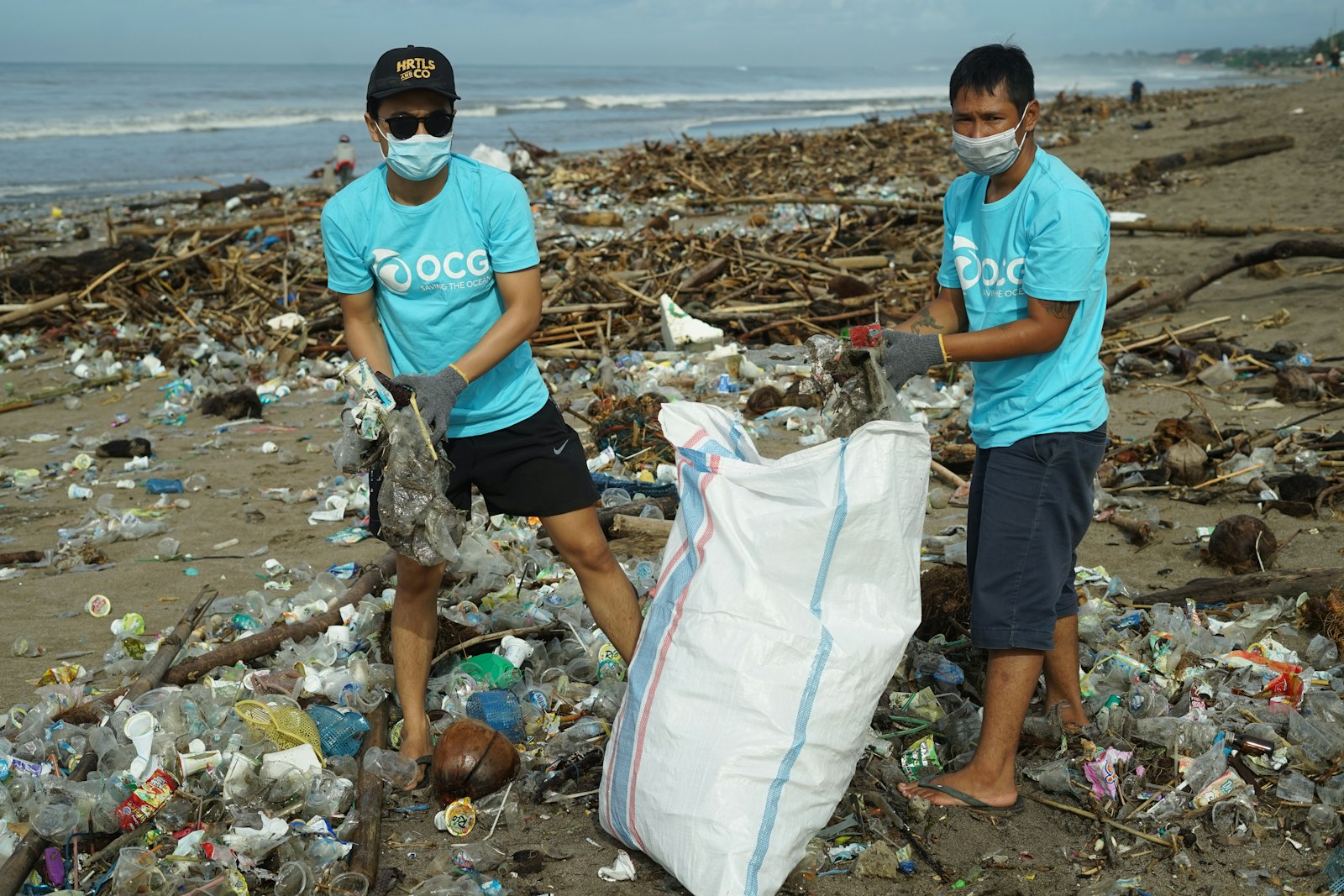
Community-Led Climate Solutions That Work

Evidence and safety note: This article distinguishes observed conditions, model projections and policy scenarios. Local hazards, laws, warnings and services vary; use current official information and qualified local guidance. The example below is an illustrative composite and describes no real person, community programme, partner or outcome.

Community-Led Climate Solutions That Work concerns both the causes of climate change and the choices that determine how people, ecosystems and economies experience its effects. A credible article should connect the topic to a defined emissions source, hazard, service, institution or decision rather than repeat general urgency. It should also show which evidence is observed, which is projected and which describes a possible policy pathway.

Sustainable Development Goal 13 connects emissions reduction, adaptation, resilience, education, institutions and international cooperation. IPCC synthesis findings, UNFCCC Paris Agreement resources, WMO climate observations, UNEP emissions-gap analysis, WHO climate-health guidance and UNDRR risk-reduction resources offer complementary institutional perspectives. Check publication dates and applicability before using any figure or recommendation.

“Community-Led Climate Solutions That Work becomes credible when urgency is matched by evidence, shared responsibility and measurable protection for people and planet.”

Separating observations, projections and scenarios

For this topic, a strong starting point is place-based climate action that recognizes unequal exposure, capacity and responsibility and gives affected communities meaningful decision power. Climate action includes mitigation that reduces or avoids greenhouse-gas emissions and adaptation that lowers risk from impacts. Many decisions can contribute to both, but the objectives, baselines and indicators should remain explicit so one benefit is not used to imply another.

The practical question behind community-led climate solutions that work should be precise: what outcome, in which place or system, by when, compared with what baseline? Observations describe measured conditions; projections use models and assumptions to explore future conditions; scenarios describe internally consistent pathways. Clear labels help readers understand uncertainty without mistaking it for ignorance.

Climate justice matters because exposure, adaptive capacity and historical responsibility are unequal. Income, health, age, gender, disability, land rights, housing and access to services affect risk. Responsible policy prioritizes people facing cumulative barriers and does not transfer costs, debt or displacement to those with the least power.

Principles for risk-informed action

Work on community-led climate solutions that work should start by mapping the system: emissions or hazard drivers, affected services, public duties, community assets, financial incentives and available evidence. Identify decisions that can change now and those requiring long-term infrastructure or regulation. State trade-offs and preserve the ability to correct course.

  • Fund participation and locally led solutions: assign an accountable owner, provide resources and create an accessible route for feedback or remedy.
  • Protect rights, livelihoods and cultural continuity: assign an accountable owner, provide resources and create an accessible route for feedback or remedy.
  • Create accessible feedback and remedy: assign an accountable owner, provide resources and create an accessible route for feedback or remedy.
  • Prioritize people facing cumulative barriers: assign an accountable owner, provide resources and create an accessible route for feedback or remedy.
  • Map risk and service access with communities: assign an accountable owner, provide resources and create an accessible route for feedback or remedy.

Participation must influence decisions rather than decorate them. Share evidence and scenarios in accessible formats, explain which choices remain open and resource community expertise. Protect sensitive health, location, migration and livelihood information. When residents identify harm or exclusion, publish how the concern was assessed and addressed.

Community and institution checklist

  • Define the climate outcome related to community-led climate solutions that work, including geography and time horizon.
  • Label evidence as observation, projection or scenario and cite its date and source.
  • Identify who benefits, who bears risk and who can influence the decision.
  • Check rights, affordability, accessibility, safeguarding and local professional requirements.
  • Choose mitigation, adaptation, distributional and unintended-effect indicators before launch.
  • Assign responsibility, maintenance resources and an accessible complaint or appeal route.
  • Publish uncertainty, limitations and corrective decisions alongside progress.

An illustrative non-identifiable scenario

A hypothetical institution could approach community-led climate solutions that work by defining its emissions boundary and climate-risk time horizon before announcing a solution. Workers and service users review the plan, qualified experts assess uncertainty, and decision-makers compare mitigation and adaptation options. The pilot retains an appeal route and reports unintended effects. The scenario is deliberately non-identifiable.

The important feature is the sequence: define the climate outcome, distinguish evidence types, listen before choosing a solution, clarify responsibility, obtain qualified review where risk is involved, test a bounded change and compare outcomes across groups. Replication should preserve principles while adapting to local law, hazards, culture and institutional capacity.

What often goes wrong

Common mistakes include designing relocation or adaptation after decisions are fixed, using vulnerability labels without community voice, and sharing identifiable displacement or hardship without consent. Teams also undermine credibility when they announce a distant target without near-term milestones, count money committed rather than delivered outcomes, or report an efficiency gain while absolute emissions, exposure or inequality continues to rise.

Finally, avoid false precision. Climate models, emissions inventories and financial estimates have limitations. Document assumptions and ranges, update evidence when methods change, and explain how uncertainty affects a decision. Uncertainty is a reason for risk management and learning, not for unsupported certainty or paralysis.

Tracking emissions, resilience and fairness

Measurement should cover mitigation, adaptation, distribution, safety and long-term value. Useful indicators for this topic include risk and service continuity by place and group, livelihood, rights and displacement outcomes, community influence over decisions, and distribution of climate benefits and burdens. Define units, scope, geography, denominator, baseline and time period before interpreting a change.

Outputs describe activity: plans adopted, funds allocated, people trained, capacity installed, land restored or alerts delivered. Outcomes ask whether emissions fell, energy or services became more resilient, risk declined or people gained secure access and decision power. Report absolute results alongside percentages and distinguish modeled avoided emissions from directly measured changes.

Use a baseline and interim targets where practical. Review evidence with affected communities and qualified specialists. Track rebound, leakage, maladaptation, displacement, debt, privacy incidents and service failure. Publish corrective decisions, not only favorable dashboards, and explain when attribution is uncertain.

Official external references

These links are authoritative starting points, not personal medical, emergency, engineering, legal or investment advice. Verify current warnings, standards and services locally. Health, disaster and emergency decisions require qualified professionals and responsible authorities; projections should never replace site-specific assessment.

Make climate commitments measurable

A practical next step on Community-Led Climate Solutions That Work is to identify one decision and one measurable climate outcome within an accountable institution’s control. Bring affected people into the definition of success, choose current evidence, assign resources and responsibility, obtain necessary review, and test a change small enough to correct.

SDG 13 becomes tangible when institutions can show what emissions were reduced, what risk declined, who gained protection and what remains unresolved. Progress on community-led climate solutions that work should combine urgency with accuracy, justice and a public commitment to learn and improve.

Climate-Smart Agriculture for a Warming World

Evidence and safety note: This article distinguishes observed conditions, model projections and policy scenarios. Local hazards, laws, warnings and services vary; use current official information and qualified local guidance. The example below is an illustrative composite and describes no real person, community programme, partner or outcome.

Climate-Smart Agriculture for a Warming World concerns both the causes of climate change and the choices that determine how people, ecosystems and economies experience its effects. A credible article should connect the topic to a defined emissions source, hazard, service, institution or decision rather than repeat general urgency. It should also show which evidence is observed, which is projected and which describes a possible policy pathway.

Sustainable Development Goal 13 connects emissions reduction, adaptation, resilience, education, institutions and international cooperation. IPCC synthesis findings, UNFCCC Paris Agreement resources, WMO climate observations, UNEP emissions-gap analysis, WHO climate-health guidance and UNDRR risk-reduction resources offer complementary institutional perspectives. Check publication dates and applicability before using any figure or recommendation.

“Climate-Smart Agriculture for a Warming World becomes credible when urgency is matched by evidence, shared responsibility and measurable protection for people and planet.”

The system behind this climate challenge

For this topic, a strong starting point is health- and food-system resilience shaped by qualified professionals, preventive public systems and attention to unequal climate exposure. Climate action includes mitigation that reduces or avoids greenhouse-gas emissions and adaptation that lowers risk from impacts. Many decisions can contribute to both, but the objectives, baselines and indicators should remain explicit so one benefit is not used to imply another.

The practical question behind climate-smart agriculture for a warming world should be precise: what outcome, in which place or system, by when, compared with what baseline? Observations describe measured conditions; projections use models and assumptions to explore future conditions; scenarios describe internally consistent pathways. Clear labels help readers understand uncertainty without mistaking it for ignorance.

Climate justice matters because exposure, adaptive capacity and historical responsibility are unequal. Income, health, age, gender, disability, land rights, housing and access to services affect risk. Responsible policy prioritizes people facing cumulative barriers and does not transfer costs, debt or displacement to those with the least power.

From promise to accountable delivery

Work on climate-smart agriculture for a warming world should start by mapping the system: emissions or hazard drivers, affected services, public duties, community assets, financial incentives and available evidence. Identify decisions that can change now and those requiring long-term infrastructure or regulation. State trade-offs and preserve the ability to correct course.

  • Protect personal and farm-level information: assign an accountable owner, provide resources and create an accessible route for feedback or remedy.
  • Measure access, quality and resilience together: assign an accountable owner, provide resources and create an accessible route for feedback or remedy.
  • Connect climate hazards with services and social determinants: assign an accountable owner, provide resources and create an accessible route for feedback or remedy.
  • Strengthen continuity and trusted referral systems: assign an accountable owner, provide resources and create an accessible route for feedback or remedy.
  • Use qualified health or agricultural review: assign an accountable owner, provide resources and create an accessible route for feedback or remedy.

Participation must influence decisions rather than decorate them. Share evidence and scenarios in accessible formats, explain which choices remain open and resource community expertise. Protect sensitive health, location, migration and livelihood information. When residents identify harm or exclusion, publish how the concern was assessed and addressed.

A readiness checklist

  • Define the climate outcome related to climate-smart agriculture for a warming world, including geography and time horizon.
  • Label evidence as observation, projection or scenario and cite its date and source.
  • Identify who benefits, who bears risk and who can influence the decision.
  • Check rights, affordability, accessibility, safeguarding and local professional requirements.
  • Choose mitigation, adaptation, distributional and unintended-effect indicators before launch.
  • Assign responsibility, maintenance resources and an accessible complaint or appeal route.
  • Publish uncertainty, limitations and corrective decisions alongside progress.

A hypothetical local example

Picture a fictional regional partnership focused on climate-smart agriculture for a warming world. Partners agree on a common evidence base but do not present one scenario as a forecast. They prioritize people and services most exposed to disruption, name each institution’s role, and establish public milestones. A review identifies what should stop, change or scale. This composite reports no actual beneficiary, programme or outcome.

The important feature is the sequence: define the climate outcome, distinguish evidence types, listen before choosing a solution, clarify responsibility, obtain qualified review where risk is involved, test a bounded change and compare outcomes across groups. Replication should preserve principles while adapting to local law, hazards, culture and institutional capacity.

Mistakes that transfer risk

Common mistakes include using distress or crop loss as promotional storytelling, claiming specific health outcomes without appropriate evidence, and offering personal medical or farm-management advice. Teams also undermine credibility when they announce a distant target without near-term milestones, count money committed rather than delivered outcomes, or report an efficiency gain while absolute emissions, exposure or inequality continues to rise.

Finally, avoid false precision. Climate models, emissions inventories and financial estimates have limitations. Document assumptions and ranges, update evidence when methods change, and explain how uncertainty affects a decision. Uncertainty is a reason for risk management and learning, not for unsupported certainty or paralysis.

Indicators for better decisions

Measurement should cover mitigation, adaptation, distribution, safety and long-term value. Useful indicators for this topic include exposure and access across groups, service and food-system continuity, health or livelihood outcomes reviewed by specialists, and affordability, dignity and community trust. Define units, scope, geography, denominator, baseline and time period before interpreting a change.

Outputs describe activity: plans adopted, funds allocated, people trained, capacity installed, land restored or alerts delivered. Outcomes ask whether emissions fell, energy or services became more resilient, risk declined or people gained secure access and decision power. Report absolute results alongside percentages and distinguish modeled avoided emissions from directly measured changes.

Use a baseline and interim targets where practical. Review evidence with affected communities and qualified specialists. Track rebound, leakage, maladaptation, displacement, debt, privacy incidents and service failure. Publish corrective decisions, not only favorable dashboards, and explain when attribution is uncertain.

Institutional sources and guidance

These links are authoritative starting points, not personal medical, emergency, engineering, legal or investment advice. Verify current warnings, standards and services locally. Health, disaster and emergency decisions require qualified professionals and responsible authorities; projections should never replace site-specific assessment.

Next steps for climate leaders

A practical next step on Climate-Smart Agriculture for a Warming World is to identify one decision and one measurable climate outcome within an accountable institution’s control. Bring affected people into the definition of success, choose current evidence, assign resources and responsibility, obtain necessary review, and test a change small enough to correct.

SDG 13 becomes tangible when institutions can show what emissions were reduced, what risk declined, who gained protection and what remains unresolved. Progress on climate-smart agriculture for a warming world should combine urgency with accuracy, justice and a public commitment to learn and improve.

Direct Air Capture and the Future of Climate Technology

Qualified review required before publication: This draft is general education, not personal medical, mental-health, emergency, disaster, migration, legal, engineering, technical or investment advice. Qualified local professionals, responsible authorities and safeguarding editors must review it before publication or implementation.
Evidence and safety note: This article distinguishes observed conditions, model projections and policy scenarios. Local hazards, laws, warnings and services vary; use current official information and qualified local guidance. The example below is an illustrative composite and describes no real person, community programme, partner or outcome.

Direct Air Capture and the Future of Climate Technology concerns both the causes of climate change and the choices that determine how people, ecosystems and economies experience its effects. A credible article should connect the topic to a defined emissions source, hazard, service, institution or decision rather than repeat general urgency. It should also show which evidence is observed, which is projected and which describes a possible policy pathway.

Sustainable Development Goal 13 connects emissions reduction, adaptation, resilience, education, institutions and international cooperation. IPCC synthesis findings, UNFCCC Paris Agreement resources, WMO climate observations, UNEP emissions-gap analysis, WHO climate-health guidance and UNDRR risk-reduction resources offer complementary institutional perspectives. Check publication dates and applicability before using any figure or recommendation.

“Direct Air Capture and the Future of Climate Technology becomes credible when urgency is matched by evidence, shared responsibility and measurable protection for people and planet.”

Connecting the issue to climate action

For this topic, a strong starting point is responsible climate innovation assessed against mitigation or adaptation value, safety, energy and resource demand, governance and opportunity cost. Climate action includes mitigation that reduces or avoids greenhouse-gas emissions and adaptation that lowers risk from impacts. Many decisions can contribute to both, but the objectives, baselines and indicators should remain explicit so one benefit is not used to imply another.

The practical question behind direct air capture and the future of climate technology should be precise: what outcome, in which place or system, by when, compared with what baseline? Observations describe measured conditions; projections use models and assumptions to explore future conditions; scenarios describe internally consistent pathways. Clear labels help readers understand uncertainty without mistaking it for ignorance.

Climate justice matters because exposure, adaptive capacity and historical responsibility are unequal. Income, health, age, gender, disability, land rights, housing and access to services affect risk. Responsible policy prioritizes people facing cumulative barriers and does not transfer costs, debt or displacement to those with the least power.

Designing for mitigation, adaptation and justice

Work on direct air capture and the future of climate technology should start by mapping the system: emissions or hazard drivers, affected services, public duties, community assets, financial incentives and available evidence. Identify decisions that can change now and those requiring long-term infrastructure or regulation. State trade-offs and preserve the ability to correct course.

  • Define the climate problem and counterfactual: assign an accountable owner, provide resources and create an accessible route for feedback or remedy.
  • Retain accountable human oversight: assign an accountable owner, provide resources and create an accessible route for feedback or remedy.
  • Publish uncertainty, limits and opportunity cost: assign an accountable owner, provide resources and create an accessible route for feedback or remedy.
  • Use qualified scientific and technical review: assign an accountable owner, provide resources and create an accessible route for feedback or remedy.
  • Test lifecycle impacts and failure modes: assign an accountable owner, provide resources and create an accessible route for feedback or remedy.

Participation must influence decisions rather than decorate them. Share evidence and scenarios in accessible formats, explain which choices remain open and resource community expertise. Protect sensitive health, location, migration and livelihood information. When residents identify harm or exclusion, publish how the concern was assessed and addressed.

Checklist for responsible implementation

  • Define the climate outcome related to direct air capture and the future of climate technology, including geography and time horizon.
  • Label evidence as observation, projection or scenario and cite its date and source.
  • Identify who benefits, who bears risk and who can influence the decision.
  • Check rights, affordability, accessibility, safeguarding and local professional requirements.
  • Choose mitigation, adaptation, distributional and unintended-effect indicators before launch.
  • Assign responsibility, maintenance resources and an accessible complaint or appeal route.
  • Publish uncertainty, limitations and corrective decisions alongside progress.

How this could work in practice

Consider a non-identifiable community coalition working on direct air capture and the future of climate technology. It first separates current observations from modeled future risk, then maps public responsibilities, community assets and unequal exposure. Local organizations are resourced for participation and specialists test assumptions. A small pilot tracks access, risk, cost and complaints rather than only activity. No real person, organization, partner or result is implied.

The important feature is the sequence: define the climate outcome, distinguish evidence types, listen before choosing a solution, clarify responsibility, obtain qualified review where risk is involved, test a bounded change and compare outcomes across groups. Replication should preserve principles while adapting to local law, hazards, culture and institutional capacity.

Pitfalls that weaken climate outcomes

Common mistakes include using speculative future removal to delay proven reductions, presenting research as deployment-ready, and automating high-stakes decisions without appeal or oversight. Teams also undermine credibility when they announce a distant target without near-term milestones, count money committed rather than delivered outcomes, or report an efficiency gain while absolute emissions, exposure or inequality continues to rise.

Finally, avoid false precision. Climate models, emissions inventories and financial estimates have limitations. Document assumptions and ranges, update evidence when methods change, and explain how uncertainty affects a decision. Uncertainty is a reason for risk management and learning, not for unsupported certainty or paralysis.

Measurement, learning and accountability

Measurement should cover mitigation, adaptation, distribution, safety and long-term value. Useful indicators for this topic include energy, resource and lifecycle impact, verified emissions reduced or risk addressed, cost, scalability and opportunity cost, and error, safety and governance outcomes. Define units, scope, geography, denominator, baseline and time period before interpreting a change.

Outputs describe activity: plans adopted, funds allocated, people trained, capacity installed, land restored or alerts delivered. Outcomes ask whether emissions fell, energy or services became more resilient, risk declined or people gained secure access and decision power. Report absolute results alongside percentages and distinguish modeled avoided emissions from directly measured changes.

Use a baseline and interim targets where practical. Review evidence with affected communities and qualified specialists. Track rebound, leakage, maladaptation, displacement, debt, privacy incidents and service failure. Publish corrective decisions, not only favorable dashboards, and explain when attribution is uncertain.

Trusted sources for further learning

These links are authoritative starting points, not personal medical, emergency, engineering, legal or investment advice. Verify current warnings, standards and services locally. Health, disaster and emergency decisions require qualified professionals and responsible authorities; projections should never replace site-specific assessment.

A practical way forward

A practical next step on Direct Air Capture and the Future of Climate Technology is to identify one decision and one measurable climate outcome within an accountable institution’s control. Bring affected people into the definition of success, choose current evidence, assign resources and responsibility, obtain necessary review, and test a change small enough to correct.

SDG 13 becomes tangible when institutions can show what emissions were reduced, what risk declined, who gained protection and what remains unresolved. Progress on direct air capture and the future of climate technology should combine urgency with accuracy, justice and a public commitment to learn and improve.

The Most Important Climate Actions for the Next Decade

Evidence and safety note: This article distinguishes observed conditions, model projections and policy scenarios. Local hazards, laws, warnings and services vary; use current official information and qualified local guidance. The example below is an illustrative composite and describes no real person, community programme, partner or outcome.

The Most Important Climate Actions for the Next Decade concerns both the causes of climate change and the choices that determine how people, ecosystems and economies experience its effects. A credible article should connect the topic to a defined emissions source, hazard, service, institution or decision rather than repeat general urgency. It should also show which evidence is observed, which is projected and which describes a possible policy pathway.

Sustainable Development Goal 13 connects emissions reduction, adaptation, resilience, education, institutions and international cooperation. IPCC synthesis findings, UNFCCC Paris Agreement resources, WMO climate observations, UNEP emissions-gap analysis, WHO climate-health guidance and UNDRR risk-reduction resources offer complementary institutional perspectives. Check publication dates and applicability before using any figure or recommendation.

“The Most Important Climate Actions for the Next Decade becomes credible when urgency is matched by evidence, shared responsibility and measurable protection for people and planet.”

Separating observations, projections and scenarios

For this topic, a strong starting point is coordinated climate action that pairs ambition with near-term delivery, transparent learning, international cooperation and locally relevant measures. Climate action includes mitigation that reduces or avoids greenhouse-gas emissions and adaptation that lowers risk from impacts. Many decisions can contribute to both, but the objectives, baselines and indicators should remain explicit so one benefit is not used to imply another.

The practical question behind the most important climate actions for the next decade should be precise: what outcome, in which place or system, by when, compared with what baseline? Observations describe measured conditions; projections use models and assumptions to explore future conditions; scenarios describe internally consistent pathways. Clear labels help readers understand uncertainty without mistaking it for ignorance.

Climate justice matters because exposure, adaptive capacity and historical responsibility are unequal. Income, health, age, gender, disability, land rights, housing and access to services affect risk. Responsible policy prioritizes people facing cumulative barriers and does not transfer costs, debt or displacement to those with the least power.

Principles for risk-informed action

Work on the most important climate actions for the next decade should start by mapping the system: emissions or hazard drivers, affected services, public duties, community assets, financial incentives and available evidence. Identify decisions that can change now and those requiring long-term infrastructure or regulation. State trade-offs and preserve the ability to correct course.

  • Share finance, technology and capacity fairly: assign an accountable owner, provide resources and create an accessible route for feedback or remedy.
  • Translate global goals into accountable milestones: assign an accountable owner, provide resources and create an accessible route for feedback or remedy.
  • Report uncertainty and gaps: assign an accountable owner, provide resources and create an accessible route for feedback or remedy.
  • Scale principles only after testing local fit: assign an accountable owner, provide resources and create an accessible route for feedback or remedy.
  • Measure mitigation, adaptation and justice together: assign an accountable owner, provide resources and create an accessible route for feedback or remedy.

Participation must influence decisions rather than decorate them. Share evidence and scenarios in accessible formats, explain which choices remain open and resource community expertise. Protect sensitive health, location, migration and livelihood information. When residents identify harm or exclusion, publish how the concern was assessed and addressed.

Community and institution checklist

  • Define the climate outcome related to the most important climate actions for the next decade, including geography and time horizon.
  • Label evidence as observation, projection or scenario and cite its date and source.
  • Identify who benefits, who bears risk and who can influence the decision.
  • Check rights, affordability, accessibility, safeguarding and local professional requirements.
  • Choose mitigation, adaptation, distributional and unintended-effect indicators before launch.
  • Assign responsibility, maintenance resources and an accessible complaint or appeal route.
  • Publish uncertainty, limitations and corrective decisions alongside progress.

An illustrative non-identifiable scenario

A hypothetical institution could approach the most important climate actions for the next decade by defining its emissions boundary and climate-risk time horizon before announcing a solution. Workers and service users review the plan, qualified experts assess uncertainty, and decision-makers compare mitigation and adaptation options. The pilot retains an appeal route and reports unintended effects. The scenario is deliberately non-identifiable.

The important feature is the sequence: define the climate outcome, distinguish evidence types, listen before choosing a solution, clarify responsibility, obtain qualified review where risk is involved, test a bounded change and compare outcomes across groups. Replication should preserve principles while adapting to local law, hazards, culture and institutional capacity.

What often goes wrong

Common mistakes include using hopeful communication to minimize risk, treating a model as universally transferable, and measuring announcements rather than delivered change. Teams also undermine credibility when they announce a distant target without near-term milestones, count money committed rather than delivered outcomes, or report an efficiency gain while absolute emissions, exposure or inequality continues to rise.

Finally, avoid false precision. Climate models, emissions inventories and financial estimates have limitations. Document assumptions and ranges, update evidence when methods change, and explain how uncertainty affects a decision. Uncertainty is a reason for risk management and learning, not for unsupported certainty or paralysis.

Tracking emissions, resilience and fairness

Measurement should cover mitigation, adaptation, distribution, safety and long-term value. Useful indicators for this topic include learning, correction and international cooperation, finance, capacity and technology delivered, near-term emissions and resilience milestones, and local outcomes and distribution. Define units, scope, geography, denominator, baseline and time period before interpreting a change.

Outputs describe activity: plans adopted, funds allocated, people trained, capacity installed, land restored or alerts delivered. Outcomes ask whether emissions fell, energy or services became more resilient, risk declined or people gained secure access and decision power. Report absolute results alongside percentages and distinguish modeled avoided emissions from directly measured changes.

Use a baseline and interim targets where practical. Review evidence with affected communities and qualified specialists. Track rebound, leakage, maladaptation, displacement, debt, privacy incidents and service failure. Publish corrective decisions, not only favorable dashboards, and explain when attribution is uncertain.

Official external references

These links are authoritative starting points, not personal medical, emergency, engineering, legal or investment advice. Verify current warnings, standards and services locally. Health, disaster and emergency decisions require qualified professionals and responsible authorities; projections should never replace site-specific assessment.

Make climate commitments measurable

A practical next step on The Most Important Climate Actions for the Next Decade is to identify one decision and one measurable climate outcome within an accountable institution’s control. Bring affected people into the definition of success, choose current evidence, assign resources and responsibility, obtain necessary review, and test a change small enough to correct.

SDG 13 becomes tangible when institutions can show what emissions were reduced, what risk declined, who gained protection and what remains unresolved. Progress on the most important climate actions for the next decade should combine urgency with accuracy, justice and a public commitment to learn and improve.

Building Hope Without Underestimating the Crisis

Evidence and safety note: This article distinguishes observed conditions, model projections and policy scenarios. Local hazards, laws, warnings and services vary; use current official information and qualified local guidance. The example below is an illustrative composite and describes no real person, community programme, partner or outcome.

Building Hope Without Underestimating the Crisis concerns both the causes of climate change and the choices that determine how people, ecosystems and economies experience its effects. A credible article should connect the topic to a defined emissions source, hazard, service, institution or decision rather than repeat general urgency. It should also show which evidence is observed, which is projected and which describes a possible policy pathway.

Sustainable Development Goal 13 connects emissions reduction, adaptation, resilience, education, institutions and international cooperation. IPCC synthesis findings, UNFCCC Paris Agreement resources, WMO climate observations, UNEP emissions-gap analysis, WHO climate-health guidance and UNDRR risk-reduction resources offer complementary institutional perspectives. Check publication dates and applicability before using any figure or recommendation.

“Building Hope Without Underestimating the Crisis becomes credible when urgency is matched by evidence, shared responsibility and measurable protection for people and planet.”

Connecting the issue to climate action

For this topic, a strong starting point is coordinated climate action that pairs ambition with near-term delivery, transparent learning, international cooperation and locally relevant measures. Climate action includes mitigation that reduces or avoids greenhouse-gas emissions and adaptation that lowers risk from impacts. Many decisions can contribute to both, but the objectives, baselines and indicators should remain explicit so one benefit is not used to imply another.

The practical question behind hope without underestimating the crisis should be precise: what outcome, in which place or system, by when, compared with what baseline? Observations describe measured conditions; projections use models and assumptions to explore future conditions; scenarios describe internally consistent pathways. Clear labels help readers understand uncertainty without mistaking it for ignorance.

Climate justice matters because exposure, adaptive capacity and historical responsibility are unequal. Income, health, age, gender, disability, land rights, housing and access to services affect risk. Responsible policy prioritizes people facing cumulative barriers and does not transfer costs, debt or displacement to those with the least power.

Designing for mitigation, adaptation and justice

Work on hope without underestimating the crisis should start by mapping the system: emissions or hazard drivers, affected services, public duties, community assets, financial incentives and available evidence. Identify decisions that can change now and those requiring long-term infrastructure or regulation. State trade-offs and preserve the ability to correct course.

  • Translate global goals into accountable milestones: assign an accountable owner, provide resources and create an accessible route for feedback or remedy.
  • Report uncertainty and gaps: assign an accountable owner, provide resources and create an accessible route for feedback or remedy.
  • Measure mitigation, adaptation and justice together: assign an accountable owner, provide resources and create an accessible route for feedback or remedy.
  • Share finance, technology and capacity fairly: assign an accountable owner, provide resources and create an accessible route for feedback or remedy.
  • Scale principles only after testing local fit: assign an accountable owner, provide resources and create an accessible route for feedback or remedy.

Participation must influence decisions rather than decorate them. Share evidence and scenarios in accessible formats, explain which choices remain open and resource community expertise. Protect sensitive health, location, migration and livelihood information. When residents identify harm or exclusion, publish how the concern was assessed and addressed.

Checklist for responsible implementation

  • Define the climate outcome related to hope without underestimating the crisis, including geography and time horizon.
  • Label evidence as observation, projection or scenario and cite its date and source.
  • Identify who benefits, who bears risk and who can influence the decision.
  • Check rights, affordability, accessibility, safeguarding and local professional requirements.
  • Choose mitigation, adaptation, distributional and unintended-effect indicators before launch.
  • Assign responsibility, maintenance resources and an accessible complaint or appeal route.
  • Publish uncertainty, limitations and corrective decisions alongside progress.

How this could work in practice

Consider a non-identifiable community coalition working on hope without underestimating the crisis. It first separates current observations from modeled future risk, then maps public responsibilities, community assets and unequal exposure. Local organizations are resourced for participation and specialists test assumptions. A small pilot tracks access, risk, cost and complaints rather than only activity. No real person, organization, partner or result is implied.

The important feature is the sequence: define the climate outcome, distinguish evidence types, listen before choosing a solution, clarify responsibility, obtain qualified review where risk is involved, test a bounded change and compare outcomes across groups. Replication should preserve principles while adapting to local law, hazards, culture and institutional capacity.

Pitfalls that weaken climate outcomes

Common mistakes include measuring announcements rather than delivered change, treating a model as universally transferable, and using hopeful communication to minimize risk. Teams also undermine credibility when they announce a distant target without near-term milestones, count money committed rather than delivered outcomes, or report an efficiency gain while absolute emissions, exposure or inequality continues to rise.

Finally, avoid false precision. Climate models, emissions inventories and financial estimates have limitations. Document assumptions and ranges, update evidence when methods change, and explain how uncertainty affects a decision. Uncertainty is a reason for risk management and learning, not for unsupported certainty or paralysis.

Measurement, learning and accountability

Measurement should cover mitigation, adaptation, distribution, safety and long-term value. Useful indicators for this topic include local outcomes and distribution, finance, capacity and technology delivered, near-term emissions and resilience milestones, and learning, correction and international cooperation. Define units, scope, geography, denominator, baseline and time period before interpreting a change.

Outputs describe activity: plans adopted, funds allocated, people trained, capacity installed, land restored or alerts delivered. Outcomes ask whether emissions fell, energy or services became more resilient, risk declined or people gained secure access and decision power. Report absolute results alongside percentages and distinguish modeled avoided emissions from directly measured changes.

Use a baseline and interim targets where practical. Review evidence with affected communities and qualified specialists. Track rebound, leakage, maladaptation, displacement, debt, privacy incidents and service failure. Publish corrective decisions, not only favorable dashboards, and explain when attribution is uncertain.

Trusted sources for further learning

These links are authoritative starting points, not personal medical, emergency, engineering, legal or investment advice. Verify current warnings, standards and services locally. Health, disaster and emergency decisions require qualified professionals and responsible authorities; projections should never replace site-specific assessment.

A practical way forward

A practical next step on Building Hope Without Underestimating the Crisis is to identify one decision and one measurable climate outcome within an accountable institution’s control. Bring affected people into the definition of success, choose current evidence, assign resources and responsibility, obtain necessary review, and test a change small enough to correct.

SDG 13 becomes tangible when institutions can show what emissions were reduced, what risk declined, who gained protection and what remains unresolved. Progress on hope without underestimating the crisis should combine urgency with accuracy, justice and a public commitment to learn and improve.