

Reducing Antibiotic and Chemical Use in Aquaculture

Qualified review required before publication: This educational draft is not personal medical, seafood-safety, emergency, legal, engineering, diving, pollution-response, wildlife-handling or technical restoration advice. Qualified marine scientists, public-health or technical professionals, responsible authorities and safeguarding editors must review it before publication or implementation.
Evidence and safety note: Marine conditions, laws, hazards and services vary by place. Distinguish direct observations from projections, scenarios and inference; use current official evidence and qualified local review. The example below is illustrative and composite and describes no real person, community, programme, partner or outcome.

Reducing Antibiotic and Chemical Use in Aquaculture concerns a living system rather than an isolated environmental issue. A credible article should identify the habitat, species, pollution pathway, livelihood, institution or market decision involved. It should explain what is observed, what is inferred, what is projected and which scenario or policy choice is being considered.

Sustainable Development Goal 14 calls for conserving and sustainably using oceans, seas and marine resources. UNEP ocean resources, FAO fisheries and aquaculture reporting, UNESCO-IOC ocean science, IMO marine-environment standards, IPCC ocean and cryosphere findings and CBD marine biodiversity guidance offer complementary starting points. Verify publication dates and local applicability before using any figure or recommendation.

“Reducing Antibiotic and Chemical Use in Aquaculture becomes meaningful when ocean protection is measured in healthier ecosystems, safer livelihoods and accountable decisions.”

The marine system behind this topic

For this topic, a strong starting point is responsible aquaculture designed around carrying capacity, animal health, water quality, feed, labor, community rights and independent oversight. Ocean systems connect rivers, coasts, the open sea, atmosphere and communities. Pressure can travel across jurisdictions, while benefits and harms are distributed unevenly. Good decisions therefore combine ecological evidence, precaution, rights and long-term public responsibility.

The practical question behind antibiotic and chemical use in aquaculture should be precise: what outcome, in which marine or coastal system, by when and compared with what baseline? Observations describe measured conditions. Projections explore possible future states using models and assumptions. Scenarios compare plausible pathways. Inference may connect several evidence sources but should not be presented as direct measurement.

Equity matters because many small-scale fishers, island residents, Indigenous Peoples, women and informal workers depend directly on healthy marine ecosystems while having limited influence over industrial or regulatory decisions. Responsible action protects rights and customary access, avoids stigmatizing communities and does not transfer pollution, debt or conservation costs to those with the least power.

Principles for precautionary action

Work on antibiotic and chemical use in aquaculture should begin with a system map: land- and sea-based pressures, ecological connections, affected livelihoods, public duties, commercial incentives, legal requirements and available monitoring. Prevention usually has priority over downstream cleanup or restoration. Where evidence is incomplete and harm could be serious or irreversible, precaution and adaptive management are essential.

  • Use qualified aquatic-animal and public-health review: name the responsible institution, fund implementation and provide an accessible route for feedback and remedy.
  • Prevent unnecessary antimicrobial and chemical use: name the responsible institution, fund implementation and provide an accessible route for feedback and remedy.
  • Assess site capacity and cumulative water impacts: name the responsible institution, fund implementation and provide an accessible route for feedback and remedy.
  • Protect worker and community rights: name the responsible institution, fund implementation and provide an accessible route for feedback and remedy.
  • Publish feed, escape and disease controls: name the responsible institution, fund implementation and provide an accessible route for feedback and remedy.

Participation should influence decisions rather than simply validate them. Share maps, evidence and uncertainty in accessible language. Explain which choices remain open and resource community knowledge. Protect sensitive species locations, personal information and the security of environmental defenders. Publish how concerns, complaints and rights claims change the decision.

Community and institution checklist

  • Define the marine outcome related to antibiotic and chemical use in aquaculture, including ecosystem, geography and time horizon.
  • Identify pressures from land, sea and climate, including cumulative and transboundary effects.
  • Label evidence as observation, projection, scenario or inference and cite its date and source.
  • Map rights, livelihoods, public duties and groups facing unequal risk or exclusion.
  • Obtain qualified scientific, safety, health or technical review where harm is possible.
  • Choose ecological, social, compliance and unintended-effect indicators before launch.
  • Assign long-term stewardship, maintenance, financing and an accessible complaint route.
  • Publish uncertainty, limitations and corrective decisions alongside progress.

An illustrative non-identifiable scenario

A hypothetical institution could approach antibiotic and chemical use in aquaculture by defining the affected habitat and counterfactual before announcing a solution. Workers and coastal residents review the plan, qualified experts assess uncertainty, and decision-makers compare prevention, regulation and restoration options. The pilot retains an appeal route and reports unintended effects. The scenario is deliberately non-identifiable.

What often goes wrong

Common mistakes include offering unverified chemical or disease-control instructions, treating farmed seafood as impact-free, and ignoring feed sources, escapes or nearby livelihoods. Teams also weaken credibility when they count cleanup events, protected-area declarations, training sessions or finance commitments without showing reduced pressure, improved ecosystem condition, effective enforcement or fairer livelihood outcomes.

Avoid false precision. Marine monitoring varies in coverage, frequency and method, and a short time series may not separate natural variability from human influence. Document sampling, assumptions, detection limits and missing data. Update conclusions when methods or conditions change. Uncertainty supports precaution and learning; it does not justify unsupported certainty or inaction.

Tracking ecosystems, pressure and fairness

Measurement should cover ecological condition, pressure reduction, rights, safety and long-term stewardship. Useful indicators include escapes, disease and mortality, water quality and benthic condition, feed, antimicrobial and chemical use, and worker, community and livelihood outcomes. Define units, location, depth, season, sampling method, denominator, baseline and review period before interpreting change.

Outputs describe activity: waste collected, patrols completed, habitat planted, people trained, finance allocated or sensors deployed. Outcomes ask whether pollution declined, populations or habitat recovered, livelihoods became more secure, compliance improved or communities gained decision power. Report absolute results with percentages and distinguish modeled benefits from directly observed change.

Use a baseline and interim targets where practical. Track displacement of pressure to another location, unsafe work, wildlife disturbance, privacy incidents, inequitable access, maintenance failure and unintended ecological effects. Review evidence with affected communities and qualified specialists, publish corrections and explain when attribution remains uncertain.

Official external references

These links are authoritative starting points, not site-specific seafood-safety, pollution-response, engineering, legal, wildlife-handling, navigation or diving instructions. Marine hazards, public health, restoration and operational response require responsible authorities and qualified local professionals. Never handle hazardous material or distressed wildlife without approved expertise.

Make ocean commitments measurable

A practical next step on Reducing Antibiotic and Chemical Use in Aquaculture is to identify one preventable pressure and one measurable marine outcome within an accountable institution’s control. Bring affected people into the definition of success, choose current evidence, assign resources and responsibility, obtain the necessary review and test a change small enough to correct.

SDG 14 becomes tangible when institutions can show what pressure fell, what ecosystem recovered, whose rights and livelihoods were protected and what remains unresolved. Progress on antibiotic and chemical use in aquaculture should leave ocean stewardship stronger, more transparent and more capable of learning over time.
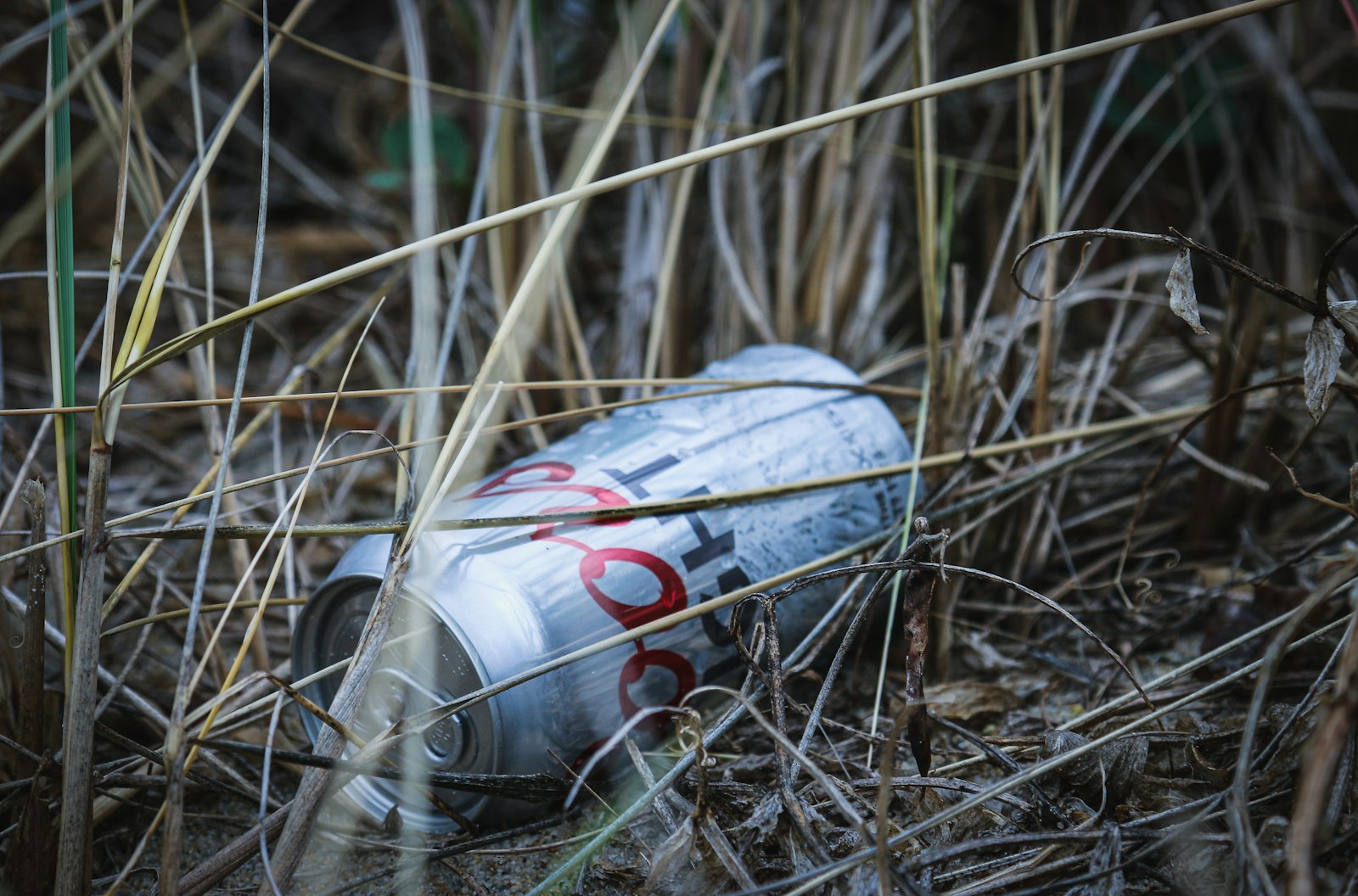

Marine Protected Areas and the Promise of Ocean Recovery

Evidence and safety note: Marine conditions, laws, hazards and services vary by place. Distinguish direct observations from projections, scenarios and inference; use current official evidence and qualified local review. The example below is illustrative and composite and describes no real person, community, programme, partner or outcome.

Marine Protected Areas and the Promise of Ocean Recovery concerns a living system rather than an isolated environmental issue. A credible article should identify the habitat, species, pollution pathway, livelihood, institution or market decision involved. It should explain what is observed, what is inferred, what is projected and which scenario or policy choice is being considered.

Sustainable Development Goal 14 calls for conserving and sustainably using oceans, seas and marine resources. UNEP ocean resources, FAO fisheries and aquaculture reporting, UNESCO-IOC ocean science, IMO marine-environment standards, IPCC ocean and cryosphere findings and CBD marine biodiversity guidance offer complementary starting points. Verify publication dates and local applicability before using any figure or recommendation.

“Marine Protected Areas and the Promise of Ocean Recovery becomes meaningful when ocean protection is measured in healthier ecosystems, safer livelihoods and accountable decisions.”

Why this matters for SDG 14

For this topic, a strong starting point is rights-respecting protection and restoration of connected coastal ecosystems, with biodiversity, livelihoods and permanence measured alongside carbon. Ocean systems connect rivers, coasts, the open sea, atmosphere and communities. Pressure can travel across jurisdictions, while benefits and harms are distributed unevenly. Good decisions therefore combine ecological evidence, precaution, rights and long-term public responsibility.

The practical question behind marine protected areas and the promise of ocean recovery should be precise: what outcome, in which marine or coastal system, by when and compared with what baseline? Observations describe measured conditions. Projections explore possible future states using models and assumptions. Scenarios compare plausible pathways. Inference may connect several evidence sources but should not be presented as direct measurement.

Equity matters because many small-scale fishers, island residents, Indigenous Peoples, women and informal workers depend directly on healthy marine ecosystems while having limited influence over industrial or regulatory decisions. Responsible action protects rights and customary access, avoids stigmatizing communities and does not transfer pollution, debt or conservation costs to those with the least power.

What responsible ocean action requires

Work on marine protected areas and the promise of ocean recovery should begin with a system map: land- and sea-based pressures, ecological connections, affected livelihoods, public duties, commercial incentives, legal requirements and available monitoring. Prevention usually has priority over downstream cleanup or restoration. Where evidence is incomplete and harm could be serious or irreversible, precaution and adaptive management are essential.

  • Measure carbon without eclipsing biodiversity: name the responsible institution, fund implementation and provide an accessible route for feedback and remedy.
  • Restore hydrology and ecological processes with experts: name the responsible institution, fund implementation and provide an accessible route for feedback and remedy.
  • Prevent degradation before relying on restoration: name the responsible institution, fund implementation and provide an accessible route for feedback and remedy.
  • Fund enforcement and long-term stewardship: name the responsible institution, fund implementation and provide an accessible route for feedback and remedy.
  • Secure community and indigenous rights before intervention: name the responsible institution, fund implementation and provide an accessible route for feedback and remedy.

Participation should influence decisions rather than simply validate them. Share maps, evidence and uncertainty in accessible language. Explain which choices remain open and resource community knowledge. Protect sensitive species locations, personal information and the security of environmental defenders. Publish how concerns, complaints and rights claims change the decision.

A practical ocean-action checklist

  • Define the marine outcome related to marine protected areas and the promise of ocean recovery, including ecosystem, geography and time horizon.
  • Identify pressures from land, sea and climate, including cumulative and transboundary effects.
  • Label evidence as observation, projection, scenario or inference and cite its date and source.
  • Map rights, livelihoods, public duties and groups facing unequal risk or exclusion.
  • Obtain qualified scientific, safety, health or technical review where harm is possible.
  • Choose ecological, social, compliance and unintended-effect indicators before launch.
  • Assign long-term stewardship, maintenance, financing and an accessible complaint route.
  • Publish uncertainty, limitations and corrective decisions alongside progress.

A realistic composite example

Imagine a fictional coastal authority examining marine protected areas and the promise of ocean recovery. It combines recent field observations with clearly labelled projections and scenarios, then asks fishers, residents and scientists to identify risks and success measures. A bounded intervention receives ecological review, a maintenance budget and stop criteria. Results and shortcomings are published before expansion. This illustrative composite is not a verified case study.

Common mistakes to avoid

Common mistakes include restricting customary access without consent, creating paper parks without enforcement, and claiming carbon benefits without baseline or permanence evidence. Teams also weaken credibility when they count cleanup events, protected-area declarations, training sessions or finance commitments without showing reduced pressure, improved ecosystem condition, effective enforcement or fairer livelihood outcomes.

Avoid false precision. Marine monitoring varies in coverage, frequency and method, and a short time series may not separate natural variability from human influence. Document sampling, assumptions, detection limits and missing data. Update conclusions when methods or conditions change. Uncertainty supports precaution and learning; it does not justify unsupported certainty or inaction.

How to measure marine progress

Measurement should cover ecological condition, pressure reduction, rights, safety and long-term stewardship. Useful indicators include rights, access and livelihood outcomes, carbon estimates with uncertainty and permanence, biodiversity and nursery function, and habitat extent, condition and connectivity. Define units, location, depth, season, sampling method, denominator, baseline and review period before interpreting change.

Outputs describe activity: waste collected, patrols completed, habitat planted, people trained, finance allocated or sensors deployed. Outcomes ask whether pollution declined, populations or habitat recovered, livelihoods became more secure, compliance improved or communities gained decision power. Report absolute results with percentages and distinguish modeled benefits from directly observed change.

Use a baseline and interim targets where practical. Track displacement of pressure to another location, unsafe work, wildlife disturbance, privacy incidents, inequitable access, maintenance failure and unintended ecological effects. Review evidence with affected communities and qualified specialists, publish corrections and explain when attribution remains uncertain.

Authoritative ocean resources

These links are authoritative starting points, not site-specific seafood-safety, pollution-response, engineering, legal, wildlife-handling, navigation or diving instructions. Marine hazards, public health, restoration and operational response require responsible authorities and qualified local professionals. Never handle hazardous material or distressed wildlife without approved expertise.

Conclusion: turn concern into stewardship

A practical next step on Marine Protected Areas and the Promise of Ocean Recovery is to identify one preventable pressure and one measurable marine outcome within an accountable institution’s control. Bring affected people into the definition of success, choose current evidence, assign resources and responsibility, obtain the necessary review and test a change small enough to correct.

SDG 14 becomes tangible when institutions can show what pressure fell, what ecosystem recovered, whose rights and livelihoods were protected and what remains unresolved. Progress on marine protected areas and the promise of ocean recovery should leave ocean stewardship stronger, more transparent and more capable of learning over time.

How Global Shipping Spreads Invasive Organisms

Qualified review required before publication: This educational draft is not personal medical, seafood-safety, emergency, legal, engineering, diving, pollution-response, wildlife-handling or technical restoration advice. Qualified marine scientists, public-health or technical professionals, responsible authorities and safeguarding editors must review it before publication or implementation.
Evidence and safety note: Marine conditions, laws, hazards and services vary by place. Distinguish direct observations from projections, scenarios and inference; use current official evidence and qualified local review. The example below is illustrative and composite and describes no real person, community, programme, partner or outcome.

How Global Shipping Spreads Invasive Organisms concerns a living system rather than an isolated environmental issue. A credible article should identify the habitat, species, pollution pathway, livelihood, institution or market decision involved. It should explain what is observed, what is inferred, what is projected and which scenario or policy choice is being considered.

Sustainable Development Goal 14 calls for conserving and sustainably using oceans, seas and marine resources. UNEP ocean resources, FAO fisheries and aquaculture reporting, UNESCO-IOC ocean science, IMO marine-environment standards, IPCC ocean and cryosphere findings and CBD marine biodiversity guidance offer complementary starting points. Verify publication dates and local applicability before using any figure or recommendation.

“How Global Shipping Spreads Invasive Organisms becomes meaningful when ocean protection is measured in healthier ecosystems, safer livelihoods and accountable decisions.”

Connecting this issue to ocean health

For this topic, a strong starting point is catchment-to-coast pollution and invasive-species prevention based on safe systems, monitoring, regulation and qualified public-health and technical review. Ocean systems connect rivers, coasts, the open sea, atmosphere and communities. Pressure can travel across jurisdictions, while benefits and harms are distributed unevenly. Good decisions therefore combine ecological evidence, precaution, rights and long-term public responsibility.

The practical question behind global shipping spreads invasive organisms should be precise: what outcome, in which marine or coastal system, by when and compared with what baseline? Observations describe measured conditions. Projections explore possible future states using models and assumptions. Scenarios compare plausible pathways. Inference may connect several evidence sources but should not be presented as direct measurement.

Equity matters because many small-scale fishers, island residents, Indigenous Peoples, women and informal workers depend directly on healthy marine ecosystems while having limited influence over industrial or regulatory decisions. Responsible action protects rights and customary access, avoids stigmatizing communities and does not transfer pollution, debt or conservation costs to those with the least power.

Designing for ecology, rights and livelihoods

Work on global shipping spreads invasive organisms should begin with a system map: land- and sea-based pressures, ecological connections, affected livelihoods, public duties, commercial incentives, legal requirements and available monitoring. Prevention usually has priority over downstream cleanup or restoration. Where evidence is incomplete and harm could be serious or irreversible, precaution and adaptive management are essential.

  • Trace pollutant or organism pathways: name the responsible institution, fund implementation and provide an accessible route for feedback and remedy.
  • Communicate health and ecological uncertainty carefully: name the responsible institution, fund implementation and provide an accessible route for feedback and remedy.
  • Prioritize prevention and safe containment: name the responsible institution, fund implementation and provide an accessible route for feedback and remedy.
  • Use accredited monitoring and qualified interpretation: name the responsible institution, fund implementation and provide an accessible route for feedback and remedy.
  • Coordinate upstream and coastal authorities: name the responsible institution, fund implementation and provide an accessible route for feedback and remedy.

Participation should influence decisions rather than simply validate them. Share maps, evidence and uncertainty in accessible language. Explain which choices remain open and resource community knowledge. Protect sensitive species locations, personal information and the security of environmental defenders. Publish how concerns, complaints and rights claims change the decision.

Checklist for responsible implementation

  • Define the marine outcome related to global shipping spreads invasive organisms, including ecosystem, geography and time horizon.
  • Identify pressures from land, sea and climate, including cumulative and transboundary effects.
  • Label evidence as observation, projection, scenario or inference and cite its date and source.
  • Map rights, livelihoods, public duties and groups facing unequal risk or exclusion.
  • Obtain qualified scientific, safety, health or technical review where harm is possible.
  • Choose ecological, social, compliance and unintended-effect indicators before launch.
  • Assign long-term stewardship, maintenance, financing and an accessible complaint route.
  • Publish uncertainty, limitations and corrective decisions alongside progress.

How this could work in practice

Consider a non-identifiable community coalition working on global shipping spreads invasive organisms. It maps source-to-sea pressures, customary access, public responsibilities and data gaps before proposing action. Local knowledge holders are resourced for participation and specialists review safety and ecological assumptions. A pilot tracks ecosystem condition, access, cost and complaints. No real organization, partner or result is implied.

Pitfalls that weaken marine outcomes

Common mistakes include offering do-it-yourself treatment or cleanup guidance, making seafood-safety conclusions without competent testing, and acting on invasive species without specialist identification. Teams also weaken credibility when they count cleanup events, protected-area declarations, training sessions or finance commitments without showing reduced pressure, improved ecosystem condition, effective enforcement or fairer livelihood outcomes.

Avoid false precision. Marine monitoring varies in coverage, frequency and method, and a short time series may not separate natural variability from human influence. Document sampling, assumptions, detection limits and missing data. Update conclusions when methods or conditions change. Uncertainty supports precaution and learning; it does not justify unsupported certainty or inaction.

Measurement, learning and accountability

Measurement should cover ecological condition, pressure reduction, rights, safety and long-term stewardship. Useful indicators include wastewater service and treatment performance, nutrient, contaminant and pathogen indicators, invasive introduction and establishment, and ecological, livelihood and public-health outcomes. Define units, location, depth, season, sampling method, denominator, baseline and review period before interpreting change.

Outputs describe activity: waste collected, patrols completed, habitat planted, people trained, finance allocated or sensors deployed. Outcomes ask whether pollution declined, populations or habitat recovered, livelihoods became more secure, compliance improved or communities gained decision power. Report absolute results with percentages and distinguish modeled benefits from directly observed change.

Use a baseline and interim targets where practical. Track displacement of pressure to another location, unsafe work, wildlife disturbance, privacy incidents, inequitable access, maintenance failure and unintended ecological effects. Review evidence with affected communities and qualified specialists, publish corrections and explain when attribution remains uncertain.

Trusted sources for further learning

These links are authoritative starting points, not site-specific seafood-safety, pollution-response, engineering, legal, wildlife-handling, navigation or diving instructions. Marine hazards, public health, restoration and operational response require responsible authorities and qualified local professionals. Never handle hazardous material or distressed wildlife without approved expertise.

A practical way forward

A practical next step on How Global Shipping Spreads Invasive Organisms is to identify one preventable pressure and one measurable marine outcome within an accountable institution’s control. Bring affected people into the definition of success, choose current evidence, assign resources and responsibility, obtain the necessary review and test a change small enough to correct.

SDG 14 becomes tangible when institutions can show what pressure fell, what ecosystem recovered, whose rights and livelihoods were protected and what remains unresolved. Progress on global shipping spreads invasive organisms should leave ocean stewardship stronger, more transparent and more capable of learning over time.
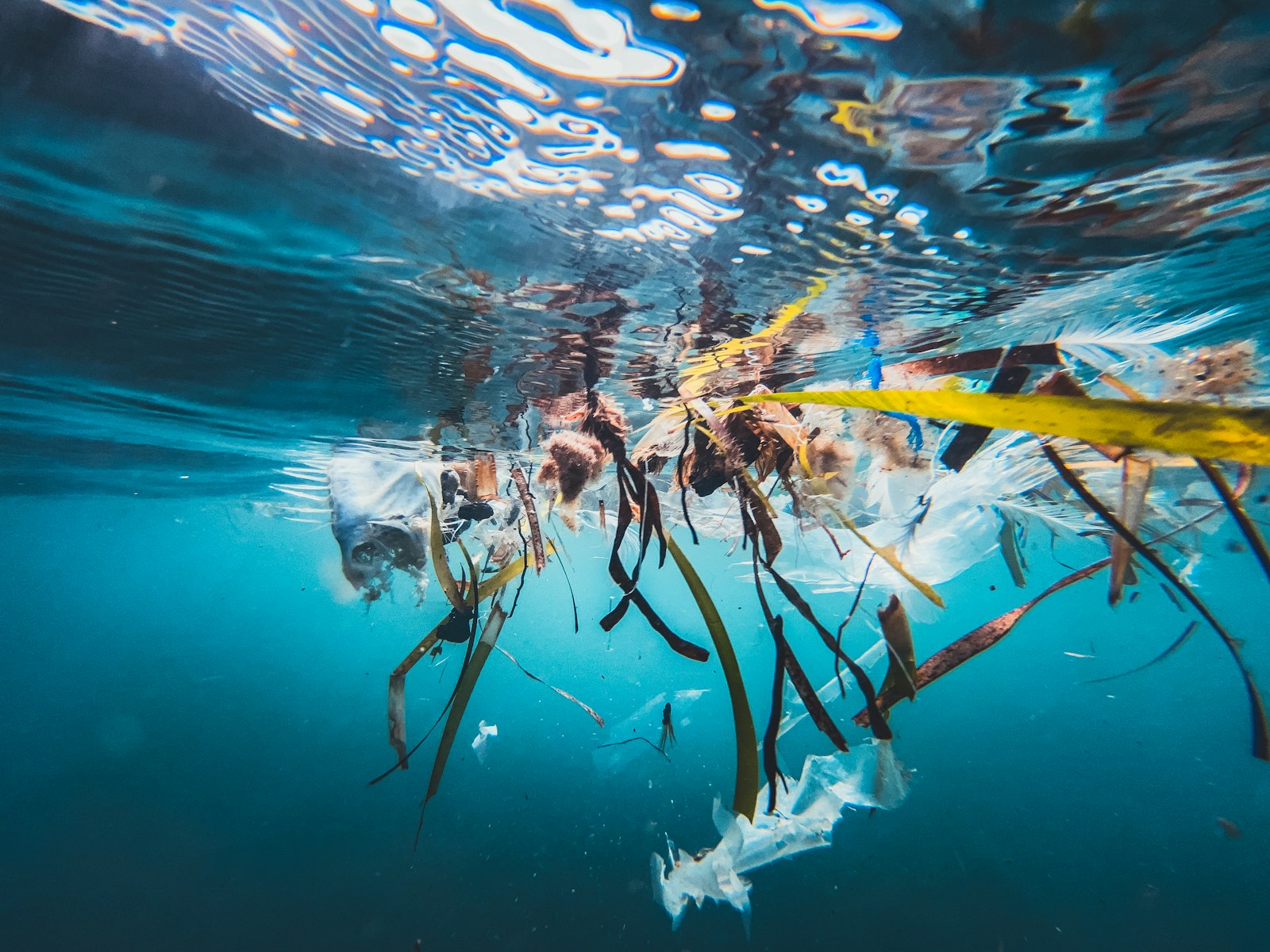
Designing Quieter Oceans for Whales and Dolphins

Evidence and safety note: Marine conditions, laws, hazards and services vary by place. Distinguish direct observations from projections, scenarios and inference; use current official evidence and qualified local review. The example below is illustrative and composite and describes no real person, community, programme, partner or outcome.

Designing Quieter Oceans for Whales and Dolphins concerns a living system rather than an isolated environmental issue. A credible article should identify the habitat, species, pollution pathway, livelihood, institution or market decision involved. It should explain what is observed, what is inferred, what is projected and which scenario or policy choice is being considered.

Sustainable Development Goal 14 calls for conserving and sustainably using oceans, seas and marine resources. UNEP ocean resources, FAO fisheries and aquaculture reporting, UNESCO-IOC ocean science, IMO marine-environment standards, IPCC ocean and cryosphere findings and CBD marine biodiversity guidance offer complementary starting points. Verify publication dates and local applicability before using any figure or recommendation.

“Designing Quieter Oceans for Whales and Dolphins becomes meaningful when ocean protection is measured in healthier ecosystems, safer livelihoods and accountable decisions.”

Connecting this issue to ocean health

For this topic, a strong starting point is precautionary marine governance for industrial activity where knowledge gaps, transboundary harm, emergency risk and irreversible biodiversity loss demand qualified oversight. Ocean systems connect rivers, coasts, the open sea, atmosphere and communities. Pressure can travel across jurisdictions, while benefits and harms are distributed unevenly. Good decisions therefore combine ecological evidence, precaution, rights and long-term public responsibility.

The practical question behind designing quieter oceans for whales and dolphins should be precise: what outcome, in which marine or coastal system, by when and compared with what baseline? Observations describe measured conditions. Projections explore possible future states using models and assumptions. Scenarios compare plausible pathways. Inference may connect several evidence sources but should not be presented as direct measurement.

Equity matters because many small-scale fishers, island residents, Indigenous Peoples, women and informal workers depend directly on healthy marine ecosystems while having limited influence over industrial or regulatory decisions. Responsible action protects rights and customary access, avoids stigmatizing communities and does not transfer pollution, debt or conservation costs to those with the least power.

Designing for ecology, rights and livelihoods

Work on designing quieter oceans for whales and dolphins should begin with a system map: land- and sea-based pressures, ecological connections, affected livelihoods, public duties, commercial incentives, legal requirements and available monitoring. Prevention usually has priority over downstream cleanup or restoration. Where evidence is incomplete and harm could be serious or irreversible, precaution and adaptive management are essential.

  • Apply precaution where baseline knowledge is weak: name the responsible institution, fund implementation and provide an accessible route for feedback and remedy.
  • Protect sensitive habitat and species: name the responsible institution, fund implementation and provide an accessible route for feedback and remedy.
  • Require qualified technical and emergency review: name the responsible institution, fund implementation and provide an accessible route for feedback and remedy.
  • Publish monitoring and liability arrangements: name the responsible institution, fund implementation and provide an accessible route for feedback and remedy.
  • Assess cumulative and transboundary impacts: name the responsible institution, fund implementation and provide an accessible route for feedback and remedy.

Participation should influence decisions rather than simply validate them. Share maps, evidence and uncertainty in accessible language. Explain which choices remain open and resource community knowledge. Protect sensitive species locations, personal information and the security of environmental defenders. Publish how concerns, complaints and rights claims change the decision.

Checklist for responsible implementation

  • Define the marine outcome related to designing quieter oceans for whales and dolphins, including ecosystem, geography and time horizon.
  • Identify pressures from land, sea and climate, including cumulative and transboundary effects.
  • Label evidence as observation, projection, scenario or inference and cite its date and source.
  • Map rights, livelihoods, public duties and groups facing unequal risk or exclusion.
  • Obtain qualified scientific, safety, health or technical review where harm is possible.
  • Choose ecological, social, compliance and unintended-effect indicators before launch.
  • Assign long-term stewardship, maintenance, financing and an accessible complaint route.
  • Publish uncertainty, limitations and corrective decisions alongside progress.

How this could work in practice

Consider a non-identifiable community coalition working on designing quieter oceans for whales and dolphins. It maps source-to-sea pressures, customary access, public responsibilities and data gaps before proposing action. Local knowledge holders are resourced for participation and specialists review safety and ecological assumptions. A pilot tracks ecosystem condition, access, cost and complaints. No real organization, partner or result is implied.

Pitfalls that weaken marine outcomes

Common mistakes include providing operational spill-response instructions to unqualified readers, treating absence of evidence as evidence of safety, and evaluating project benefits without long-term liability. Teams also weaken credibility when they count cleanup events, protected-area declarations, training sessions or finance commitments without showing reduced pressure, improved ecosystem condition, effective enforcement or fairer livelihood outcomes.

Avoid false precision. Marine monitoring varies in coverage, frequency and method, and a short time series may not separate natural variability from human influence. Document sampling, assumptions, detection limits and missing data. Update conclusions when methods or conditions change. Uncertainty supports precaution and learning; it does not justify unsupported certainty or inaction.

Measurement, learning and accountability

Measurement should cover ecological condition, pressure reduction, rights, safety and long-term stewardship. Useful indicators include pollutant discharge and incident performance, habitat disturbance and recovery, compliance, liability and independent monitoring, and noise exposure and species response. Define units, location, depth, season, sampling method, denominator, baseline and review period before interpreting change.

Outputs describe activity: waste collected, patrols completed, habitat planted, people trained, finance allocated or sensors deployed. Outcomes ask whether pollution declined, populations or habitat recovered, livelihoods became more secure, compliance improved or communities gained decision power. Report absolute results with percentages and distinguish modeled benefits from directly observed change.

Use a baseline and interim targets where practical. Track displacement of pressure to another location, unsafe work, wildlife disturbance, privacy incidents, inequitable access, maintenance failure and unintended ecological effects. Review evidence with affected communities and qualified specialists, publish corrections and explain when attribution remains uncertain.

Trusted sources for further learning

These links are authoritative starting points, not site-specific seafood-safety, pollution-response, engineering, legal, wildlife-handling, navigation or diving instructions. Marine hazards, public health, restoration and operational response require responsible authorities and qualified local professionals. Never handle hazardous material or distressed wildlife without approved expertise.

A practical way forward

A practical next step on Designing Quieter Oceans for Whales and Dolphins is to identify one preventable pressure and one measurable marine outcome within an accountable institution’s control. Bring affected people into the definition of success, choose current evidence, assign resources and responsibility, obtain the necessary review and test a change small enough to correct.

SDG 14 becomes tangible when institutions can show what pressure fell, what ecosystem recovered, whose rights and livelihoods were protected and what remains unresolved. Progress on designing quieter oceans for whales and dolphins should leave ocean stewardship stronger, more transparent and more capable of learning over time.
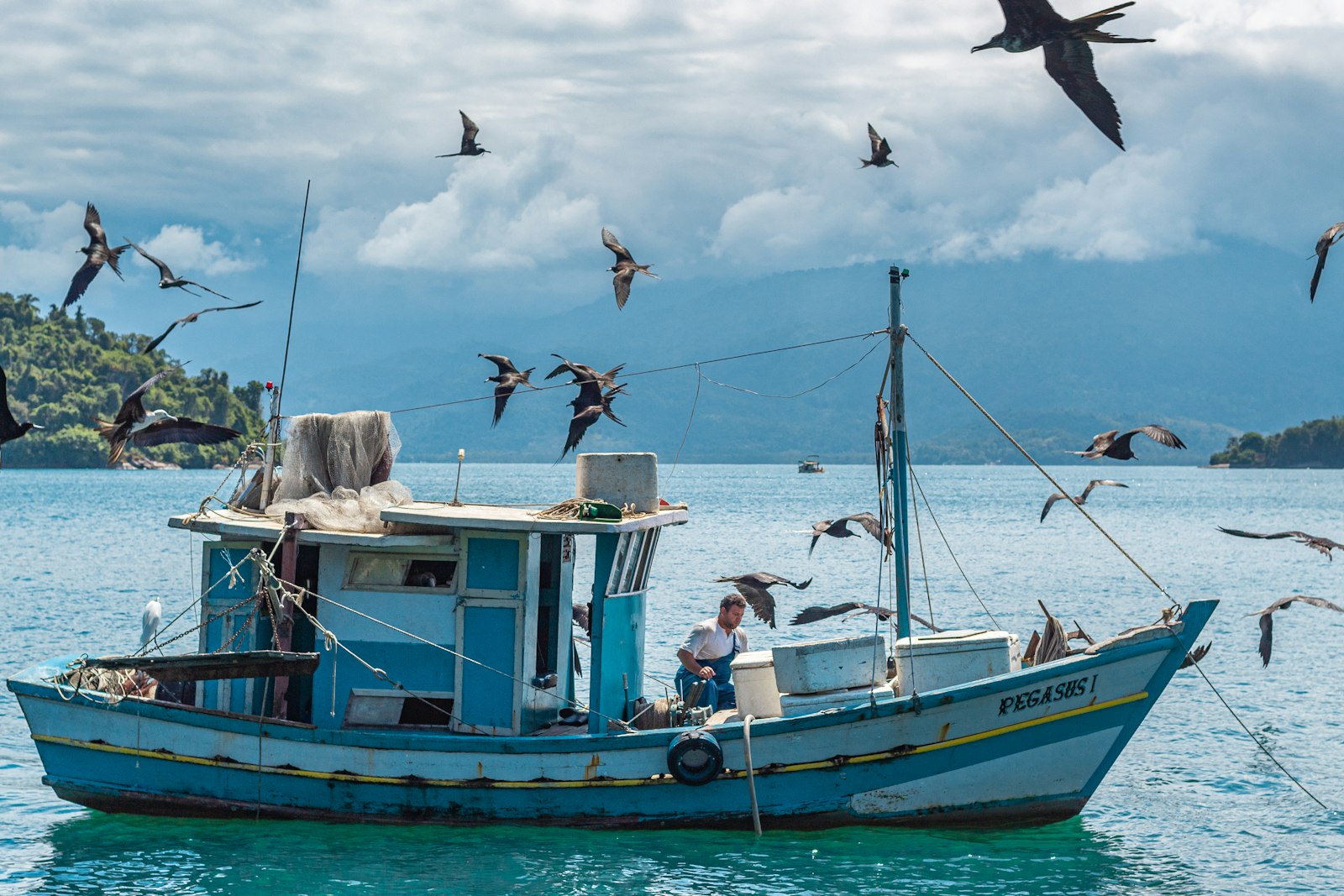
Corporate Responsibility for Ocean Plastic Pollution

Evidence and safety note: Marine conditions, laws, hazards and services vary by place. Distinguish direct observations from projections, scenarios and inference; use current official evidence and qualified local review. The example below is illustrative and composite and describes no real person, community, programme, partner or outcome.

Corporate Responsibility for Ocean Plastic Pollution concerns a living system rather than an isolated environmental issue. A credible article should identify the habitat, species, pollution pathway, livelihood, institution or market decision involved. It should explain what is observed, what is inferred, what is projected and which scenario or policy choice is being considered.

Sustainable Development Goal 14 calls for conserving and sustainably using oceans, seas and marine resources. UNEP ocean resources, FAO fisheries and aquaculture reporting, UNESCO-IOC ocean science, IMO marine-environment standards, IPCC ocean and cryosphere findings and CBD marine biodiversity guidance offer complementary starting points. Verify publication dates and local applicability before using any figure or recommendation.

“Corporate Responsibility for Ocean Plastic Pollution becomes meaningful when ocean protection is measured in healthier ecosystems, safer livelihoods and accountable decisions.”

Connecting this issue to ocean health

For this topic, a strong starting point is source-to-sea pollution prevention that prioritizes reduction, reuse, collection and producer accountability before downstream cleanup. Ocean systems connect rivers, coasts, the open sea, atmosphere and communities. Pressure can travel across jurisdictions, while benefits and harms are distributed unevenly. Good decisions therefore combine ecological evidence, precaution, rights and long-term public responsibility.

The practical question behind corporate responsibility for ocean plastic pollution should be precise: what outcome, in which marine or coastal system, by when and compared with what baseline? Observations describe measured conditions. Projections explore possible future states using models and assumptions. Scenarios compare plausible pathways. Inference may connect several evidence sources but should not be presented as direct measurement.

Equity matters because many small-scale fishers, island residents, Indigenous Peoples, women and informal workers depend directly on healthy marine ecosystems while having limited influence over industrial or regulatory decisions. Responsible action protects rights and customary access, avoids stigmatizing communities and does not transfer pollution, debt or conservation costs to those with the least power.

Designing for ecology, rights and livelihoods

Work on corporate responsibility for ocean plastic pollution should begin with a system map: land- and sea-based pressures, ecological connections, affected livelihoods, public duties, commercial incentives, legal requirements and available monitoring. Prevention usually has priority over downstream cleanup or restoration. Where evidence is incomplete and harm could be serious or irreversible, precaution and adaptive management are essential.

  • Improve safe collection and recovery systems: name the responsible institution, fund implementation and provide an accessible route for feedback and remedy.
  • Prevent avoidable and unnecessary plastic use: name the responsible institution, fund implementation and provide an accessible route for feedback and remedy.
  • Measure cleanup alongside upstream prevention: name the responsible institution, fund implementation and provide an accessible route for feedback and remedy.
  • Map leakage from product design to waterways: name the responsible institution, fund implementation and provide an accessible route for feedback and remedy.
  • Address lost fishing gear with traceability: name the responsible institution, fund implementation and provide an accessible route for feedback and remedy.

Participation should influence decisions rather than simply validate them. Share maps, evidence and uncertainty in accessible language. Explain which choices remain open and resource community knowledge. Protect sensitive species locations, personal information and the security of environmental defenders. Publish how concerns, complaints and rights claims change the decision.

Checklist for responsible implementation

  • Define the marine outcome related to corporate responsibility for ocean plastic pollution, including ecosystem, geography and time horizon.
  • Identify pressures from land, sea and climate, including cumulative and transboundary effects.
  • Label evidence as observation, projection, scenario or inference and cite its date and source.
  • Map rights, livelihoods, public duties and groups facing unequal risk or exclusion.
  • Obtain qualified scientific, safety, health or technical review where harm is possible.
  • Choose ecological, social, compliance and unintended-effect indicators before launch.
  • Assign long-term stewardship, maintenance, financing and an accessible complaint route.
  • Publish uncertainty, limitations and corrective decisions alongside progress.

How this could work in practice

Consider a non-identifiable community coalition working on corporate responsibility for ocean plastic pollution. It maps source-to-sea pressures, customary access, public responsibilities and data gaps before proposing action. Local knowledge holders are resourced for participation and specialists review safety and ecological assumptions. A pilot tracks ecosystem condition, access, cost and complaints. No real organization, partner or result is implied.

Pitfalls that weaken marine outcomes

Common mistakes include shifting unsafe sorting or handling to volunteers, presenting beach cleanup as a complete solution, and making unsupported health claims about microplastics. Teams also weaken credibility when they count cleanup events, protected-area declarations, training sessions or finance commitments without showing reduced pressure, improved ecosystem condition, effective enforcement or fairer livelihood outcomes.

Avoid false precision. Marine monitoring varies in coverage, frequency and method, and a short time series may not separate natural variability from human influence. Document sampling, assumptions, detection limits and missing data. Update conclusions when methods or conditions change. Uncertainty supports precaution and learning; it does not justify unsupported certainty or inaction.

Measurement, learning and accountability

Measurement should cover ecological condition, pressure reduction, rights, safety and long-term stewardship. Useful indicators include gear reported, retrieved and prevented, leakage at river and coastal pathways, safe collection coverage and producer responsibility, and plastic placed on the market and avoided. Define units, location, depth, season, sampling method, denominator, baseline and review period before interpreting change.

Outputs describe activity: waste collected, patrols completed, habitat planted, people trained, finance allocated or sensors deployed. Outcomes ask whether pollution declined, populations or habitat recovered, livelihoods became more secure, compliance improved or communities gained decision power. Report absolute results with percentages and distinguish modeled benefits from directly observed change.

Use a baseline and interim targets where practical. Track displacement of pressure to another location, unsafe work, wildlife disturbance, privacy incidents, inequitable access, maintenance failure and unintended ecological effects. Review evidence with affected communities and qualified specialists, publish corrections and explain when attribution remains uncertain.

Trusted sources for further learning

These links are authoritative starting points, not site-specific seafood-safety, pollution-response, engineering, legal, wildlife-handling, navigation or diving instructions. Marine hazards, public health, restoration and operational response require responsible authorities and qualified local professionals. Never handle hazardous material or distressed wildlife without approved expertise.

A practical way forward

A practical next step on Corporate Responsibility for Ocean Plastic Pollution is to identify one preventable pressure and one measurable marine outcome within an accountable institution’s control. Bring affected people into the definition of success, choose current evidence, assign resources and responsibility, obtain the necessary review and test a change small enough to correct.

SDG 14 becomes tangible when institutions can show what pressure fell, what ecosystem recovered, whose rights and livelihoods were protected and what remains unresolved. Progress on corporate responsibility for ocean plastic pollution should leave ocean stewardship stronger, more transparent and more capable of learning over time.
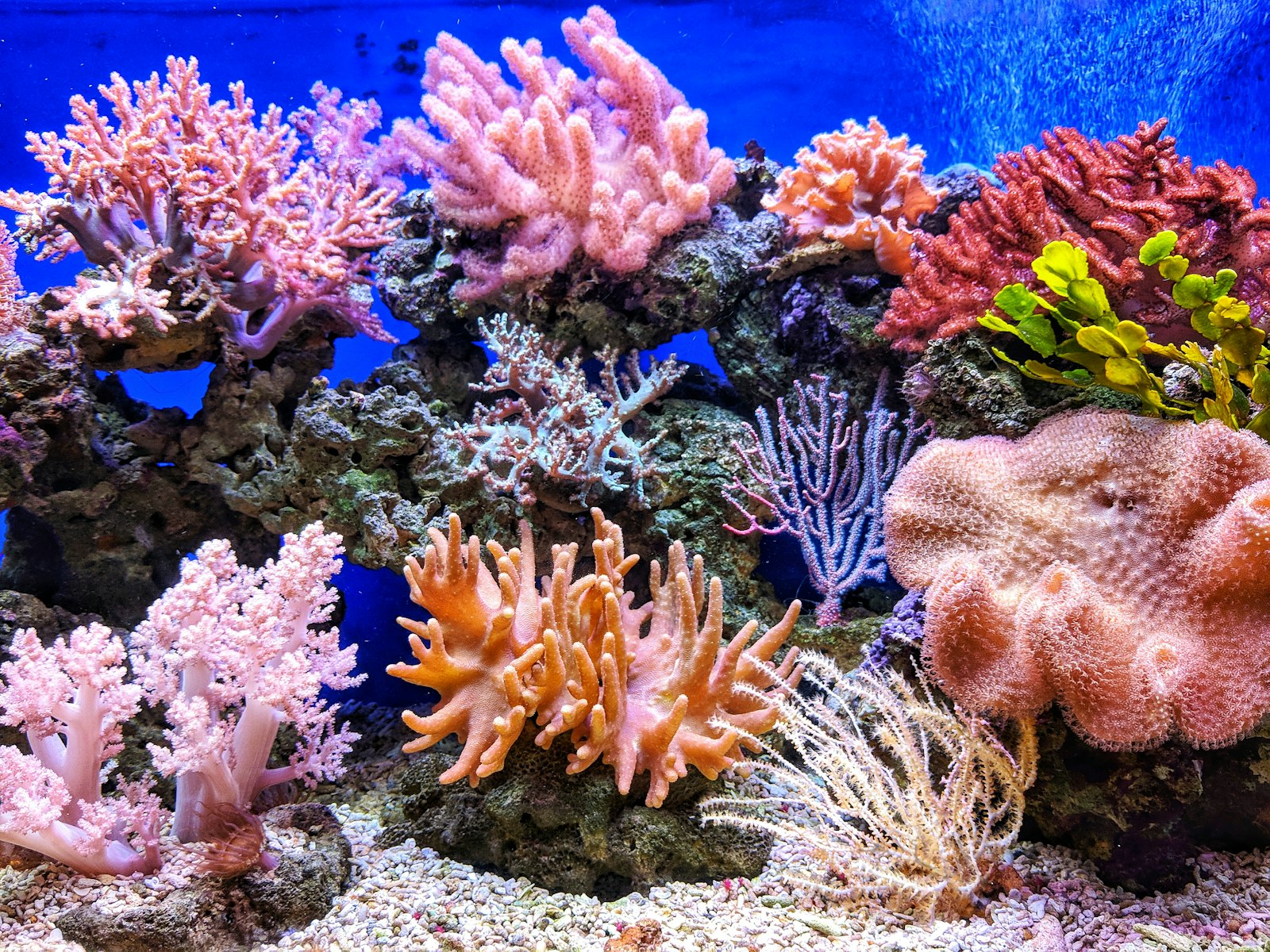
Ending Illegal, Unreported, and Unregulated Fishing

Evidence and safety note: Marine conditions, laws, hazards and services vary by place. Distinguish direct observations from projections, scenarios and inference; use current official evidence and qualified local review. The example below is illustrative and composite and describes no real person, community, programme, partner or outcome.

Ending Illegal, Unreported, and Unregulated Fishing concerns a living system rather than an isolated environmental issue. A credible article should identify the habitat, species, pollution pathway, livelihood, institution or market decision involved. It should explain what is observed, what is inferred, what is projected and which scenario or policy choice is being considered.

Sustainable Development Goal 14 calls for conserving and sustainably using oceans, seas and marine resources. UNEP ocean resources, FAO fisheries and aquaculture reporting, UNESCO-IOC ocean science, IMO marine-environment standards, IPCC ocean and cryosphere findings and CBD marine biodiversity guidance offer complementary starting points. Verify publication dates and local applicability before using any figure or recommendation.

“Ending Illegal, Unreported, and Unregulated Fishing becomes meaningful when ocean protection is measured in healthier ecosystems, safer livelihoods and accountable decisions.”

The marine system behind this topic

For this topic, a strong starting point is rights-based fisheries management grounded in stock science, transparent rules, effective enforcement and the knowledge and livelihoods of small-scale fishers. Ocean systems connect rivers, coasts, the open sea, atmosphere and communities. Pressure can travel across jurisdictions, while benefits and harms are distributed unevenly. Good decisions therefore combine ecological evidence, precaution, rights and long-term public responsibility.

The practical question behind illegal, unreported, and unregulated fishing should be precise: what outcome, in which marine or coastal system, by when and compared with what baseline? Observations describe measured conditions. Projections explore possible future states using models and assumptions. Scenarios compare plausible pathways. Inference may connect several evidence sources but should not be presented as direct measurement.

Equity matters because many small-scale fishers, island residents, Indigenous Peoples, women and informal workers depend directly on healthy marine ecosystems while having limited influence over industrial or regulatory decisions. Responsible action protects rights and customary access, avoids stigmatizing communities and does not transfer pollution, debt or conservation costs to those with the least power.

Principles for precautionary action

Work on illegal, unreported, and unregulated fishing should begin with a system map: land- and sea-based pressures, ecological connections, affected livelihoods, public duties, commercial incentives, legal requirements and available monitoring. Prevention usually has priority over downstream cleanup or restoration. Where evidence is incomplete and harm could be serious or irreversible, precaution and adaptive management are essential.

  • Include small-scale fishers in decisions: name the responsible institution, fund implementation and provide an accessible route for feedback and remedy.
  • Use stock-specific evidence and precaution: name the responsible institution, fund implementation and provide an accessible route for feedback and remedy.
  • Improve vessel and catch transparency: name the responsible institution, fund implementation and provide an accessible route for feedback and remedy.
  • Protect spawning habitat and vulnerable species: name the responsible institution, fund implementation and provide an accessible route for feedback and remedy.
  • Trace seafood claims to credible records: name the responsible institution, fund implementation and provide an accessible route for feedback and remedy.

Participation should influence decisions rather than simply validate them. Share maps, evidence and uncertainty in accessible language. Explain which choices remain open and resource community knowledge. Protect sensitive species locations, personal information and the security of environmental defenders. Publish how concerns, complaints and rights claims change the decision.

Community and institution checklist

  • Define the marine outcome related to illegal, unreported, and unregulated fishing, including ecosystem, geography and time horizon.
  • Identify pressures from land, sea and climate, including cumulative and transboundary effects.
  • Label evidence as observation, projection, scenario or inference and cite its date and source.
  • Map rights, livelihoods, public duties and groups facing unequal risk or exclusion.
  • Obtain qualified scientific, safety, health or technical review where harm is possible.
  • Choose ecological, social, compliance and unintended-effect indicators before launch.
  • Assign long-term stewardship, maintenance, financing and an accessible complaint route.
  • Publish uncertainty, limitations and corrective decisions alongside progress.

An illustrative non-identifiable scenario

A hypothetical institution could approach illegal, unreported, and unregulated fishing by defining the affected habitat and counterfactual before announcing a solution. Workers and coastal residents review the plan, qualified experts assess uncertainty, and decision-makers compare prevention, regulation and restoration options. The pilot retains an appeal route and reports unintended effects. The scenario is deliberately non-identifiable.

What often goes wrong

Common mistakes include publishing operational enforcement details, promoting seafood without applicable safety and sourcing review, and assuming every fishery or certification performs alike. Teams also weaken credibility when they count cleanup events, protected-area declarations, training sessions or finance commitments without showing reduced pressure, improved ecosystem condition, effective enforcement or fairer livelihood outcomes.

Avoid false precision. Marine monitoring varies in coverage, frequency and method, and a short time series may not separate natural variability from human influence. Document sampling, assumptions, detection limits and missing data. Update conclusions when methods or conditions change. Uncertainty supports precaution and learning; it does not justify unsupported certainty or inaction.

Tracking ecosystems, pressure and fairness

Measurement should cover ecological condition, pressure reduction, rights, safety and long-term stewardship. Useful indicators include bycatch and habitat effects, income, access and rights of small-scale fishers, traceability and compliance, and stock status and fishing pressure. Define units, location, depth, season, sampling method, denominator, baseline and review period before interpreting change.

Outputs describe activity: waste collected, patrols completed, habitat planted, people trained, finance allocated or sensors deployed. Outcomes ask whether pollution declined, populations or habitat recovered, livelihoods became more secure, compliance improved or communities gained decision power. Report absolute results with percentages and distinguish modeled benefits from directly observed change.

Use a baseline and interim targets where practical. Track displacement of pressure to another location, unsafe work, wildlife disturbance, privacy incidents, inequitable access, maintenance failure and unintended ecological effects. Review evidence with affected communities and qualified specialists, publish corrections and explain when attribution remains uncertain.

Official external references

These links are authoritative starting points, not site-specific seafood-safety, pollution-response, engineering, legal, wildlife-handling, navigation or diving instructions. Marine hazards, public health, restoration and operational response require responsible authorities and qualified local professionals. Never handle hazardous material or distressed wildlife without approved expertise.

Make ocean commitments measurable

A practical next step on Ending Illegal, Unreported, and Unregulated Fishing is to identify one preventable pressure and one measurable marine outcome within an accountable institution’s control. Bring affected people into the definition of success, choose current evidence, assign resources and responsibility, obtain the necessary review and test a change small enough to correct.

SDG 14 becomes tangible when institutions can show what pressure fell, what ecosystem recovered, whose rights and livelihoods were protected and what remains unresolved. Progress on illegal, unreported, and unregulated fishing should leave ocean stewardship stronger, more transparent and more capable of learning over time.
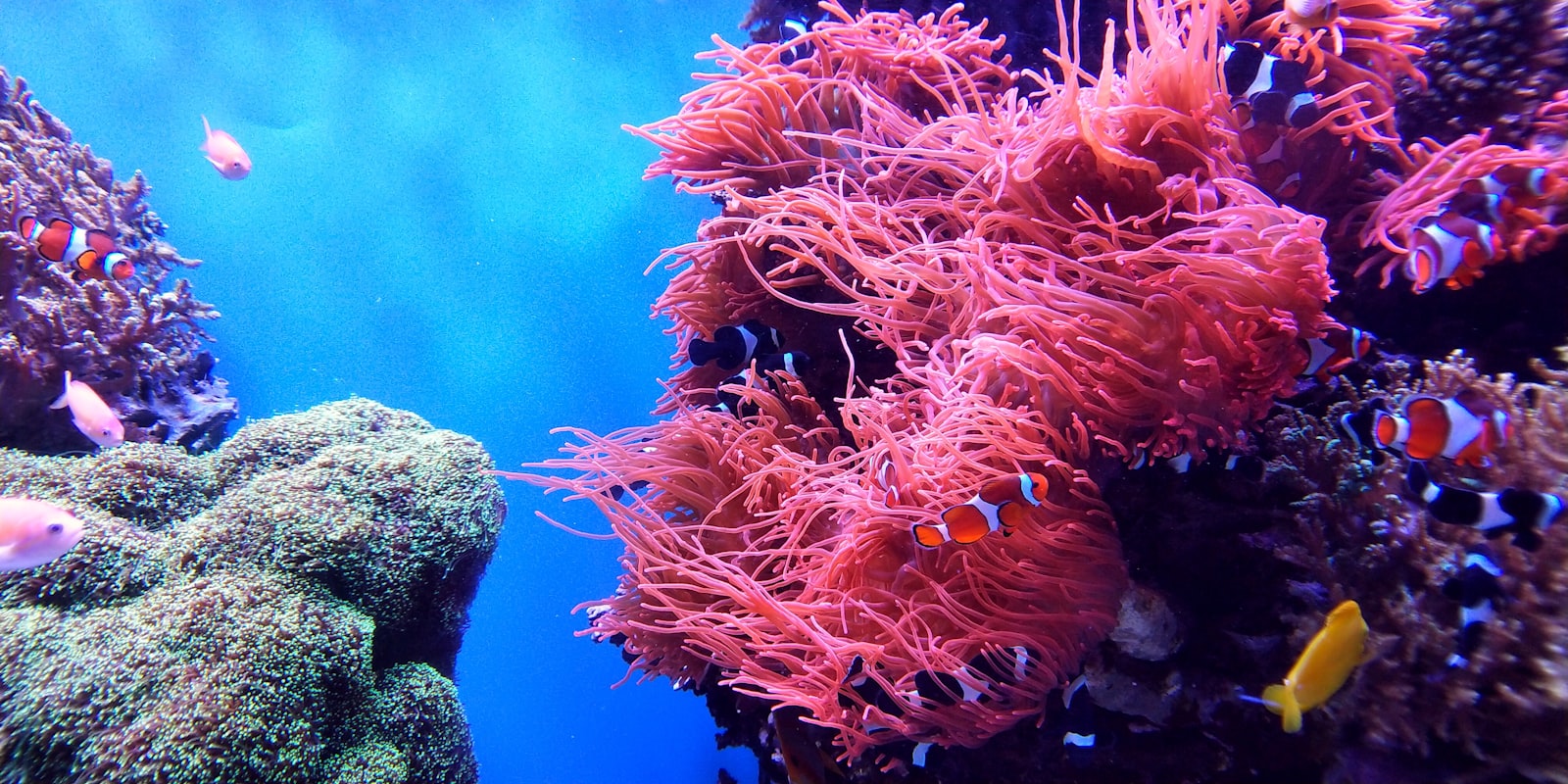
Coral Reefs and the Communities That Depend on Them

Qualified review required before publication: This educational draft is not personal medical, seafood-safety, emergency, legal, engineering, diving, pollution-response, wildlife-handling or technical restoration advice. Qualified marine scientists, public-health or technical professionals, responsible authorities and safeguarding editors must review it before publication or implementation.
Evidence and safety note: Marine conditions, laws, hazards and services vary by place. Distinguish direct observations from projections, scenarios and inference; use current official evidence and qualified local review. The example below is illustrative and composite and describes no real person, community, programme, partner or outcome.

Coral Reefs and the Communities That Depend on Them concerns a living system rather than an isolated environmental issue. A credible article should identify the habitat, species, pollution pathway, livelihood, institution or market decision involved. It should explain what is observed, what is inferred, what is projected and which scenario or policy choice is being considered.

Sustainable Development Goal 14 calls for conserving and sustainably using oceans, seas and marine resources. UNEP ocean resources, FAO fisheries and aquaculture reporting, UNESCO-IOC ocean science, IMO marine-environment standards, IPCC ocean and cryosphere findings and CBD marine biodiversity guidance offer complementary starting points. Verify publication dates and local applicability before using any figure or recommendation.

“Coral Reefs and the Communities That Depend on Them becomes meaningful when ocean protection is measured in healthier ecosystems, safer livelihoods and accountable decisions.”

Why this matters for SDG 14

For this topic, a strong starting point is climate-informed marine conservation that distinguishes observed ecosystem change, projections and scenarios and pairs local protection with rapid emissions reduction. Ocean systems connect rivers, coasts, the open sea, atmosphere and communities. Pressure can travel across jurisdictions, while benefits and harms are distributed unevenly. Good decisions therefore combine ecological evidence, precaution, rights and long-term public responsibility.

The practical question behind coral reefs and the communities that depend on them should be precise: what outcome, in which marine or coastal system, by when and compared with what baseline? Observations describe measured conditions. Projections explore possible future states using models and assumptions. Scenarios compare plausible pathways. Inference may connect several evidence sources but should not be presented as direct measurement.

Equity matters because many small-scale fishers, island residents, Indigenous Peoples, women and informal workers depend directly on healthy marine ecosystems while having limited influence over industrial or regulatory decisions. Responsible action protects rights and customary access, avoids stigmatizing communities and does not transfer pollution, debt or conservation costs to those with the least power.

What responsible ocean action requires

Work on coral reefs and the communities that depend on them should begin with a system map: land- and sea-based pressures, ecological connections, affected livelihoods, public duties, commercial incentives, legal requirements and available monitoring. Prevention usually has priority over downstream cleanup or restoration. Where evidence is incomplete and harm could be serious or irreversible, precaution and adaptive management are essential.

  • Reduce local stressors such as pollution and damage: name the responsible institution, fund implementation and provide an accessible route for feedback and remedy.
  • Apply technical review before restoration: name the responsible institution, fund implementation and provide an accessible route for feedback and remedy.
  • Protect ecological connectivity and refugia: name the responsible institution, fund implementation and provide an accessible route for feedback and remedy.
  • Support island and reef-dependent communities: name the responsible institution, fund implementation and provide an accessible route for feedback and remedy.
  • Monitor reef and water conditions with appropriate expertise: name the responsible institution, fund implementation and provide an accessible route for feedback and remedy.

Participation should influence decisions rather than simply validate them. Share maps, evidence and uncertainty in accessible language. Explain which choices remain open and resource community knowledge. Protect sensitive species locations, personal information and the security of environmental defenders. Publish how concerns, complaints and rights claims change the decision.

A practical ocean-action checklist

  • Define the marine outcome related to coral reefs and the communities that depend on them, including ecosystem, geography and time horizon.
  • Identify pressures from land, sea and climate, including cumulative and transboundary effects.
  • Label evidence as observation, projection, scenario or inference and cite its date and source.
  • Map rights, livelihoods, public duties and groups facing unequal risk or exclusion.
  • Obtain qualified scientific, safety, health or technical review where harm is possible.
  • Choose ecological, social, compliance and unintended-effect indicators before launch.
  • Assign long-term stewardship, maintenance, financing and an accessible complaint route.
  • Publish uncertainty, limitations and corrective decisions alongside progress.

A realistic composite example

Imagine a fictional coastal authority examining coral reefs and the communities that depend on them. It combines recent field observations with clearly labelled projections and scenarios, then asks fishers, residents and scientists to identify risks and success measures. A bounded intervention receives ecological review, a maintenance budget and stop criteria. Results and shortcomings are published before expansion. This illustrative composite is not a verified case study.

Common mistakes to avoid

Common mistakes include presenting coral restoration as a substitute for climate action, claiming one temperature event explains every change, and using generic methods without site-specific ecological review. Teams also weaken credibility when they count cleanup events, protected-area declarations, training sessions or finance commitments without showing reduced pressure, improved ecosystem condition, effective enforcement or fairer livelihood outcomes.

Avoid false precision. Marine monitoring varies in coverage, frequency and method, and a short time series may not separate natural variability from human influence. Document sampling, assumptions, detection limits and missing data. Update conclusions when methods or conditions change. Uncertainty supports precaution and learning; it does not justify unsupported certainty or inaction.

How to measure marine progress

Measurement should cover ecological condition, pressure reduction, rights, safety and long-term stewardship. Useful indicators include coral cover, diversity and recruitment, temperature, chemistry and local stressors, restoration survival and ecosystem function, and community livelihood and access outcomes. Define units, location, depth, season, sampling method, denominator, baseline and review period before interpreting change.

Outputs describe activity: waste collected, patrols completed, habitat planted, people trained, finance allocated or sensors deployed. Outcomes ask whether pollution declined, populations or habitat recovered, livelihoods became more secure, compliance improved or communities gained decision power. Report absolute results with percentages and distinguish modeled benefits from directly observed change.

Use a baseline and interim targets where practical. Track displacement of pressure to another location, unsafe work, wildlife disturbance, privacy incidents, inequitable access, maintenance failure and unintended ecological effects. Review evidence with affected communities and qualified specialists, publish corrections and explain when attribution remains uncertain.

Authoritative ocean resources

These links are authoritative starting points, not site-specific seafood-safety, pollution-response, engineering, legal, wildlife-handling, navigation or diving instructions. Marine hazards, public health, restoration and operational response require responsible authorities and qualified local professionals. Never handle hazardous material or distressed wildlife without approved expertise.

Conclusion: turn concern into stewardship

A practical next step on Coral Reefs and the Communities That Depend on Them is to identify one preventable pressure and one measurable marine outcome within an accountable institution’s control. Bring affected people into the definition of success, choose current evidence, assign resources and responsibility, obtain the necessary review and test a change small enough to correct.

SDG 14 becomes tangible when institutions can show what pressure fell, what ecosystem recovered, whose rights and livelihoods were protected and what remains unresolved. Progress on coral reefs and the communities that depend on them should leave ocean stewardship stronger, more transparent and more capable of learning over time.

Rising Sea Levels and Coastal Community Survival

Qualified review required before publication: This educational draft is not personal medical, seafood-safety, emergency, legal, engineering, diving, pollution-response, wildlife-handling or technical restoration advice. Qualified marine scientists, public-health or technical professionals, responsible authorities and safeguarding editors must review it before publication or implementation.
Evidence and safety note: Marine conditions, laws, hazards and services vary by place. Distinguish direct observations from projections, scenarios and inference; use current official evidence and qualified local review. The example below is illustrative and composite and describes no real person, community, programme, partner or outcome.

Rising Sea Levels and Coastal Community Survival concerns a living system rather than an isolated environmental issue. A credible article should identify the habitat, species, pollution pathway, livelihood, institution or market decision involved. It should explain what is observed, what is inferred, what is projected and which scenario or policy choice is being considered.

Sustainable Development Goal 14 calls for conserving and sustainably using oceans, seas and marine resources. UNEP ocean resources, FAO fisheries and aquaculture reporting, UNESCO-IOC ocean science, IMO marine-environment standards, IPCC ocean and cryosphere findings and CBD marine biodiversity guidance offer complementary starting points. Verify publication dates and local applicability before using any figure or recommendation.

“Rising Sea Levels and Coastal Community Survival becomes meaningful when ocean protection is measured in healthier ecosystems, safer livelihoods and accountable decisions.”

Why this matters for SDG 14

For this topic, a strong starting point is climate-informed marine conservation that distinguishes observed ecosystem change, projections and scenarios and pairs local protection with rapid emissions reduction. Ocean systems connect rivers, coasts, the open sea, atmosphere and communities. Pressure can travel across jurisdictions, while benefits and harms are distributed unevenly. Good decisions therefore combine ecological evidence, precaution, rights and long-term public responsibility.

The practical question behind rising sea levels and coastal community survival should be precise: what outcome, in which marine or coastal system, by when and compared with what baseline? Observations describe measured conditions. Projections explore possible future states using models and assumptions. Scenarios compare plausible pathways. Inference may connect several evidence sources but should not be presented as direct measurement.

Equity matters because many small-scale fishers, island residents, Indigenous Peoples, women and informal workers depend directly on healthy marine ecosystems while having limited influence over industrial or regulatory decisions. Responsible action protects rights and customary access, avoids stigmatizing communities and does not transfer pollution, debt or conservation costs to those with the least power.

What responsible ocean action requires

Work on rising sea levels and coastal community survival should begin with a system map: land- and sea-based pressures, ecological connections, affected livelihoods, public duties, commercial incentives, legal requirements and available monitoring. Prevention usually has priority over downstream cleanup or restoration. Where evidence is incomplete and harm could be serious or irreversible, precaution and adaptive management are essential.

  • Protect ecological connectivity and refugia: name the responsible institution, fund implementation and provide an accessible route for feedback and remedy.
  • Apply technical review before restoration: name the responsible institution, fund implementation and provide an accessible route for feedback and remedy.
  • Monitor reef and water conditions with appropriate expertise: name the responsible institution, fund implementation and provide an accessible route for feedback and remedy.
  • Support island and reef-dependent communities: name the responsible institution, fund implementation and provide an accessible route for feedback and remedy.
  • Reduce local stressors such as pollution and damage: name the responsible institution, fund implementation and provide an accessible route for feedback and remedy.

Participation should influence decisions rather than simply validate them. Share maps, evidence and uncertainty in accessible language. Explain which choices remain open and resource community knowledge. Protect sensitive species locations, personal information and the security of environmental defenders. Publish how concerns, complaints and rights claims change the decision.

A practical ocean-action checklist

  • Define the marine outcome related to rising sea levels and coastal community survival, including ecosystem, geography and time horizon.
  • Identify pressures from land, sea and climate, including cumulative and transboundary effects.
  • Label evidence as observation, projection, scenario or inference and cite its date and source.
  • Map rights, livelihoods, public duties and groups facing unequal risk or exclusion.
  • Obtain qualified scientific, safety, health or technical review where harm is possible.
  • Choose ecological, social, compliance and unintended-effect indicators before launch.
  • Assign long-term stewardship, maintenance, financing and an accessible complaint route.
  • Publish uncertainty, limitations and corrective decisions alongside progress.

A realistic composite example

Imagine a fictional coastal authority examining rising sea levels and coastal community survival. It combines recent field observations with clearly labelled projections and scenarios, then asks fishers, residents and scientists to identify risks and success measures. A bounded intervention receives ecological review, a maintenance budget and stop criteria. Results and shortcomings are published before expansion. This illustrative composite is not a verified case study.

Common mistakes to avoid

Common mistakes include using generic methods without site-specific ecological review, presenting coral restoration as a substitute for climate action, and claiming one temperature event explains every change. Teams also weaken credibility when they count cleanup events, protected-area declarations, training sessions or finance commitments without showing reduced pressure, improved ecosystem condition, effective enforcement or fairer livelihood outcomes.

Avoid false precision. Marine monitoring varies in coverage, frequency and method, and a short time series may not separate natural variability from human influence. Document sampling, assumptions, detection limits and missing data. Update conclusions when methods or conditions change. Uncertainty supports precaution and learning; it does not justify unsupported certainty or inaction.

How to measure marine progress

Measurement should cover ecological condition, pressure reduction, rights, safety and long-term stewardship. Useful indicators include restoration survival and ecosystem function, community livelihood and access outcomes, coral cover, diversity and recruitment, and temperature, chemistry and local stressors. Define units, location, depth, season, sampling method, denominator, baseline and review period before interpreting change.

Outputs describe activity: waste collected, patrols completed, habitat planted, people trained, finance allocated or sensors deployed. Outcomes ask whether pollution declined, populations or habitat recovered, livelihoods became more secure, compliance improved or communities gained decision power. Report absolute results with percentages and distinguish modeled benefits from directly observed change.

Use a baseline and interim targets where practical. Track displacement of pressure to another location, unsafe work, wildlife disturbance, privacy incidents, inequitable access, maintenance failure and unintended ecological effects. Review evidence with affected communities and qualified specialists, publish corrections and explain when attribution remains uncertain.

Authoritative ocean resources

These links are authoritative starting points, not site-specific seafood-safety, pollution-response, engineering, legal, wildlife-handling, navigation or diving instructions. Marine hazards, public health, restoration and operational response require responsible authorities and qualified local professionals. Never handle hazardous material or distressed wildlife without approved expertise.

Conclusion: turn concern into stewardship

A practical next step on Rising Sea Levels and Coastal Community Survival is to identify one preventable pressure and one measurable marine outcome within an accountable institution’s control. Bring affected people into the definition of success, choose current evidence, assign resources and responsibility, obtain the necessary review and test a change small enough to correct.

SDG 14 becomes tangible when institutions can show what pressure fell, what ecosystem recovered, whose rights and livelihoods were protected and what remains unresolved. Progress on rising sea levels and coastal community survival should leave ocean stewardship stronger, more transparent and more capable of learning over time.

Mapping the Ocean Floor for Science and Protection

Evidence and safety note: Marine conditions, laws, hazards and services vary by place. Distinguish direct observations from projections, scenarios and inference; use current official evidence and qualified local review. The example below is illustrative and composite and describes no real person, community, programme, partner or outcome.

Mapping the Ocean Floor for Science and Protection concerns a living system rather than an isolated environmental issue. A credible article should identify the habitat, species, pollution pathway, livelihood, institution or market decision involved. It should explain what is observed, what is inferred, what is projected and which scenario or policy choice is being considered.

Sustainable Development Goal 14 calls for conserving and sustainably using oceans, seas and marine resources. UNEP ocean resources, FAO fisheries and aquaculture reporting, UNESCO-IOC ocean science, IMO marine-environment standards, IPCC ocean and cryosphere findings and CBD marine biodiversity guidance offer complementary starting points. Verify publication dates and local applicability before using any figure or recommendation.

“Mapping the Ocean Floor for Science and Protection becomes meaningful when ocean protection is measured in healthier ecosystems, safer livelihoods and accountable decisions.”

Why this matters for SDG 14

For this topic, a strong starting point is precautionary marine governance for industrial activity where knowledge gaps, transboundary harm, emergency risk and irreversible biodiversity loss demand qualified oversight. Ocean systems connect rivers, coasts, the open sea, atmosphere and communities. Pressure can travel across jurisdictions, while benefits and harms are distributed unevenly. Good decisions therefore combine ecological evidence, precaution, rights and long-term public responsibility.

The practical question behind the ocean floor for science and protection should be precise: what outcome, in which marine or coastal system, by when and compared with what baseline? Observations describe measured conditions. Projections explore possible future states using models and assumptions. Scenarios compare plausible pathways. Inference may connect several evidence sources but should not be presented as direct measurement.

Equity matters because many small-scale fishers, island residents, Indigenous Peoples, women and informal workers depend directly on healthy marine ecosystems while having limited influence over industrial or regulatory decisions. Responsible action protects rights and customary access, avoids stigmatizing communities and does not transfer pollution, debt or conservation costs to those with the least power.

What responsible ocean action requires

Work on the ocean floor for science and protection should begin with a system map: land- and sea-based pressures, ecological connections, affected livelihoods, public duties, commercial incentives, legal requirements and available monitoring. Prevention usually has priority over downstream cleanup or restoration. Where evidence is incomplete and harm could be serious or irreversible, precaution and adaptive management are essential.

  • Assess cumulative and transboundary impacts: name the responsible institution, fund implementation and provide an accessible route for feedback and remedy.
  • Require qualified technical and emergency review: name the responsible institution, fund implementation and provide an accessible route for feedback and remedy.
  • Publish monitoring and liability arrangements: name the responsible institution, fund implementation and provide an accessible route for feedback and remedy.
  • Apply precaution where baseline knowledge is weak: name the responsible institution, fund implementation and provide an accessible route for feedback and remedy.
  • Protect sensitive habitat and species: name the responsible institution, fund implementation and provide an accessible route for feedback and remedy.

Participation should influence decisions rather than simply validate them. Share maps, evidence and uncertainty in accessible language. Explain which choices remain open and resource community knowledge. Protect sensitive species locations, personal information and the security of environmental defenders. Publish how concerns, complaints and rights claims change the decision.

A practical ocean-action checklist

  • Define the marine outcome related to the ocean floor for science and protection, including ecosystem, geography and time horizon.
  • Identify pressures from land, sea and climate, including cumulative and transboundary effects.
  • Label evidence as observation, projection, scenario or inference and cite its date and source.
  • Map rights, livelihoods, public duties and groups facing unequal risk or exclusion.
  • Obtain qualified scientific, safety, health or technical review where harm is possible.
  • Choose ecological, social, compliance and unintended-effect indicators before launch.
  • Assign long-term stewardship, maintenance, financing and an accessible complaint route.
  • Publish uncertainty, limitations and corrective decisions alongside progress.

A realistic composite example

Imagine a fictional coastal authority examining the ocean floor for science and protection. It combines recent field observations with clearly labelled projections and scenarios, then asks fishers, residents and scientists to identify risks and success measures. A bounded intervention receives ecological review, a maintenance budget and stop criteria. Results and shortcomings are published before expansion. This illustrative composite is not a verified case study.

Common mistakes to avoid

Common mistakes include evaluating project benefits without long-term liability, treating absence of evidence as evidence of safety, and providing operational spill-response instructions to unqualified readers. Teams also weaken credibility when they count cleanup events, protected-area declarations, training sessions or finance commitments without showing reduced pressure, improved ecosystem condition, effective enforcement or fairer livelihood outcomes.

Avoid false precision. Marine monitoring varies in coverage, frequency and method, and a short time series may not separate natural variability from human influence. Document sampling, assumptions, detection limits and missing data. Update conclusions when methods or conditions change. Uncertainty supports precaution and learning; it does not justify unsupported certainty or inaction.

How to measure marine progress

Measurement should cover ecological condition, pressure reduction, rights, safety and long-term stewardship. Useful indicators include compliance, liability and independent monitoring, habitat disturbance and recovery, pollutant discharge and incident performance, and noise exposure and species response. Define units, location, depth, season, sampling method, denominator, baseline and review period before interpreting change.

Outputs describe activity: waste collected, patrols completed, habitat planted, people trained, finance allocated or sensors deployed. Outcomes ask whether pollution declined, populations or habitat recovered, livelihoods became more secure, compliance improved or communities gained decision power. Report absolute results with percentages and distinguish modeled benefits from directly observed change.

Use a baseline and interim targets where practical. Track displacement of pressure to another location, unsafe work, wildlife disturbance, privacy incidents, inequitable access, maintenance failure and unintended ecological effects. Review evidence with affected communities and qualified specialists, publish corrections and explain when attribution remains uncertain.

Authoritative ocean resources

These links are authoritative starting points, not site-specific seafood-safety, pollution-response, engineering, legal, wildlife-handling, navigation or diving instructions. Marine hazards, public health, restoration and operational response require responsible authorities and qualified local professionals. Never handle hazardous material or distressed wildlife without approved expertise.

Conclusion: turn concern into stewardship

A practical next step on Mapping the Ocean Floor for Science and Protection is to identify one preventable pressure and one measurable marine outcome within an accountable institution’s control. Bring affected people into the definition of success, choose current evidence, assign resources and responsibility, obtain the necessary review and test a change small enough to correct.

SDG 14 becomes tangible when institutions can show what pressure fell, what ecosystem recovered, whose rights and livelihoods were protected and what remains unresolved. Progress on the ocean floor for science and protection should leave ocean stewardship stronger, more transparent and more capable of learning over time.

Measuring Real Progress in Ocean Protection

Evidence and safety note: Marine conditions, laws, hazards and services vary by place. Distinguish direct observations from projections, scenarios and inference; use current official evidence and qualified local review. The example below is illustrative and composite and describes no real person, community, programme, partner or outcome.

Measuring Real Progress in Ocean Protection concerns a living system rather than an isolated environmental issue. A credible article should identify the habitat, species, pollution pathway, livelihood, institution or market decision involved. It should explain what is observed, what is inferred, what is projected and which scenario or policy choice is being considered.

Sustainable Development Goal 14 calls for conserving and sustainably using oceans, seas and marine resources. UNEP ocean resources, FAO fisheries and aquaculture reporting, UNESCO-IOC ocean science, IMO marine-environment standards, IPCC ocean and cryosphere findings and CBD marine biodiversity guidance offer complementary starting points. Verify publication dates and local applicability before using any figure or recommendation.

“Measuring Real Progress in Ocean Protection becomes meaningful when ocean protection is measured in healthier ecosystems, safer livelihoods and accountable decisions.”

The marine system behind this topic

For this topic, a strong starting point is cooperative ocean governance that translates law, finance and public commitments into verifiable ecological and community outcomes. Ocean systems connect rivers, coasts, the open sea, atmosphere and communities. Pressure can travel across jurisdictions, while benefits and harms are distributed unevenly. Good decisions therefore combine ecological evidence, precaution, rights and long-term public responsibility.

The practical question behind measuring real progress in ocean protection should be precise: what outcome, in which marine or coastal system, by when and compared with what baseline? Observations describe measured conditions. Projections explore possible future states using models and assumptions. Scenarios compare plausible pathways. Inference may connect several evidence sources but should not be presented as direct measurement.

Equity matters because many small-scale fishers, island residents, Indigenous Peoples, women and informal workers depend directly on healthy marine ecosystems while having limited influence over industrial or regulatory decisions. Responsible action protects rights and customary access, avoids stigmatizing communities and does not transfer pollution, debt or conservation costs to those with the least power.

Principles for precautionary action

Work on measuring real progress in ocean protection should begin with a system map: land- and sea-based pressures, ecological connections, affected livelihoods, public duties, commercial incentives, legal requirements and available monitoring. Prevention usually has priority over downstream cleanup or restoration. Where evidence is incomplete and harm could be serious or irreversible, precaution and adaptive management are essential.

  • Adapt action as science and conditions change: name the responsible institution, fund implementation and provide an accessible route for feedback and remedy.
  • Resource community participation and remedy: name the responsible institution, fund implementation and provide an accessible route for feedback and remedy.
  • Publish finance, implementation and enforcement results: name the responsible institution, fund implementation and provide an accessible route for feedback and remedy.
  • Align rules across national and transboundary waters: name the responsible institution, fund implementation and provide an accessible route for feedback and remedy.
  • Connect commitments to competent institutions and budgets: name the responsible institution, fund implementation and provide an accessible route for feedback and remedy.

Participation should influence decisions rather than simply validate them. Share maps, evidence and uncertainty in accessible language. Explain which choices remain open and resource community knowledge. Protect sensitive species locations, personal information and the security of environmental defenders. Publish how concerns, complaints and rights claims change the decision.

Community and institution checklist

  • Define the marine outcome related to measuring real progress in ocean protection, including ecosystem, geography and time horizon.
  • Identify pressures from land, sea and climate, including cumulative and transboundary effects.
  • Label evidence as observation, projection, scenario or inference and cite its date and source.
  • Map rights, livelihoods, public duties and groups facing unequal risk or exclusion.
  • Obtain qualified scientific, safety, health or technical review where harm is possible.
  • Choose ecological, social, compliance and unintended-effect indicators before launch.
  • Assign long-term stewardship, maintenance, financing and an accessible complaint route.
  • Publish uncertainty, limitations and corrective decisions alongside progress.

An illustrative non-identifiable scenario

A hypothetical institution could approach measuring real progress in ocean protection by defining the affected habitat and counterfactual before announcing a solution. Workers and coastal residents review the plan, qualified experts assess uncertainty, and decision-makers compare prevention, regulation and restoration options. The pilot retains an appeal route and reports unintended effects. The scenario is deliberately non-identifiable.

What often goes wrong

Common mistakes include counting declarations instead of delivered protection, shifting public duties onto individual consumer choices, and presenting a composite example as a verified success story. Teams also weaken credibility when they count cleanup events, protected-area declarations, training sessions or finance commitments without showing reduced pressure, improved ecosystem condition, effective enforcement or fairer livelihood outcomes.

Avoid false precision. Marine monitoring varies in coverage, frequency and method, and a short time series may not separate natural variability from human influence. Document sampling, assumptions, detection limits and missing data. Update conclusions when methods or conditions change. Uncertainty supports precaution and learning; it does not justify unsupported certainty or inaction.

Tracking ecosystems, pressure and fairness

Measurement should cover ecological condition, pressure reduction, rights, safety and long-term stewardship. Useful indicators include commitments implemented and independently reviewed, finance reaching local stewardship, ecosystem condition and pressure reduction, and rights, participation and international cooperation. Define units, location, depth, season, sampling method, denominator, baseline and review period before interpreting change.

Outputs describe activity: waste collected, patrols completed, habitat planted, people trained, finance allocated or sensors deployed. Outcomes ask whether pollution declined, populations or habitat recovered, livelihoods became more secure, compliance improved or communities gained decision power. Report absolute results with percentages and distinguish modeled benefits from directly observed change.

Use a baseline and interim targets where practical. Track displacement of pressure to another location, unsafe work, wildlife disturbance, privacy incidents, inequitable access, maintenance failure and unintended ecological effects. Review evidence with affected communities and qualified specialists, publish corrections and explain when attribution remains uncertain.

Official external references

These links are authoritative starting points, not site-specific seafood-safety, pollution-response, engineering, legal, wildlife-handling, navigation or diving instructions. Marine hazards, public health, restoration and operational response require responsible authorities and qualified local professionals. Never handle hazardous material or distressed wildlife without approved expertise.

Make ocean commitments measurable

A practical next step on Measuring Real Progress in Ocean Protection is to identify one preventable pressure and one measurable marine outcome within an accountable institution’s control. Bring affected people into the definition of success, choose current evidence, assign resources and responsibility, obtain the necessary review and test a change small enough to correct.

SDG 14 becomes tangible when institutions can show what pressure fell, what ecosystem recovered, whose rights and livelihoods were protected and what remains unresolved. Progress on measuring real progress in ocean protection should leave ocean stewardship stronger, more transparent and more capable of learning over time.