

Climate Change and the Future of Human Health

Educational and medical-review notice: This article provides general public-health information and is not personal medical advice, diagnosis or treatment. It must be reviewed by a qualified healthcare professional before publication. Anyone needing care should consult an appropriately licensed professional or local health service.

Climate Change and the Future of Human Health is an SDG 3 question about how health systems, communities and public policy can protect well-being fairly. The subject cannot be reduced to a single technology, campaign or individual choice. Health is shaped by access to quality services, living and working conditions, trusted information, discrimination, income, environment and the ability of institutions to learn from people’s experience.

Sustainable Development Goal 3 calls for healthy lives and well-being for all at all ages. The World Health Organization’s work on social determinants of health explains why health outcomes reflect wider social and economic conditions. Together, these perspectives place climate change and the future of human within a system of prevention, care, rights and accountability.

“Health progress becomes meaningful when safer care, fair access and human dignity improve together.”

Why this health issue matters

For this topic, a responsible starting point is public-health protection that connects environmental evidence, resilient infrastructure, prevention, equity and locally appropriate preparedness. This framing matters because a service may exist on paper while remaining unaffordable, inaccessible, unsafe or culturally unacceptable. It also prevents a common error: assuming that information alone can overcome structural barriers. People need understandable choices, but they also need functioning services, trained workers, practical access and protection from avoidable harm.

The phrase climate change and the future of human may mean different things in different settings. Disease burden, workforce capacity, public financing, geography, culture and law vary. A strategy therefore begins with local evidence and community participation. International guidance can define principles, but qualified national and local authorities determine clinical protocols, eligibility, emergency arrangements and professional responsibilities.

What an effective response requires

An effective response connects immediate needs with stronger systems. For climate change and the future of human, leaders should define the population, the barrier, the intended result and the safe route from awareness to appropriate care. They should identify who holds clinical responsibility, who can authorize data use, how referrals work and what happens when the planned service cannot meet a person’s need.

  • Strengthen resilient essential services: translate this principle into a funded responsibility, a realistic timeline and a way for patients and communities to report barriers safely.
  • Review plans with local technical authorities: translate this principle into a funded responsibility, a realistic timeline and a way for patients and communities to report barriers safely.
  • Communicate uncertainty and risk clearly: translate this principle into a funded responsibility, a realistic timeline and a way for patients and communities to report barriers safely.
  • Use public-health and environmental evidence together: translate this principle into a funded responsibility, a realistic timeline and a way for patients and communities to report barriers safely.
  • Identify populations with the highest exposure: translate this principle into a funded responsibility, a realistic timeline and a way for patients and communities to report barriers safely.

Equity should be designed into the work rather than assessed only at the end. Data should be examined by relevant population groups where lawful, ethical and statistically appropriate. Participation must be accessible to people with disabilities and responsive to language, gender, age and cultural context. Refusing publicity or research participation must never reduce access to care.

Practical implementation checklist

  1. Define the health need, affected population and local standard of care.
  2. Include patients, caregivers, frontline workers and underserved groups in planning.
  3. Assign clinical, safeguarding, privacy and referral responsibilities.
  4. Test accessibility, affordability, communication and workforce capacity.
  5. Measure safety, equity, quality and continuity before expanding.

A realistic non-identifiable example

Consider a composite rural district examining climate change and the future of human. Residents, primary-care teams and local administrators map the points where people lose access, including transport, cost, language, disability and referral delays. They test one limited improvement, create a confidential feedback route and review whether the change reaches those facing the greatest barriers. This is an illustrative, non-identifiable example; it does not describe a real patient, organization or outcome.

The example emphasizes process because responsible health writing should not invent patients, diagnoses, partner organizations, treatment results or testimonials. Real stories require informed consent, privacy review and a clear reason for publication. Even with consent, editors should avoid details that could identify a person through a rare condition, location, family circumstance or combination of facts.

Common mistakes and ethical risks

Common mistakes include using averages that hide differences between population groups, collecting personal information without a clear care or public-health purpose and treating awareness as a substitute for accessible services. Teams also weaken trust when they present uncertain evidence as settled, use fear to drive participation, or imply that one model is universally appropriate. Content should distinguish established guidance, emerging evidence, professional judgment and local policy.

Privacy is part of quality, not a separate administrative concern. Collect only information needed for a defined purpose, restrict access, establish retention and deletion rules, and explain limits in clear language. Clinical and public-health escalation routes must be available when a program identifies risk. Digital systems require additional security, accessibility, error-reporting and human-oversight controls.

How to measure meaningful progress

Measurement should combine outcomes, service quality, equity and experience. Useful indicators for this topic include reach of protective measures, continuity of essential health services, preparedness and response time, illness patterns monitored over time and exposure and vulnerability indicators. Each indicator needs a definition, baseline, data source, review schedule and named owner. Where small numbers could identify individuals, results should be aggregated or withheld.

Outputs such as appointments, trainings, devices, messages or participants show activity but not necessarily health improvement. Outcomes ask whether people received appropriate care, understood their options, experienced fewer barriers or maintained well-being. Balancing measures reveal unintended effects such as longer waits elsewhere, staff overload, exclusion, delayed referral or loss of trust.

Programs should publish limitations as well as positive findings. Averages can hide inequity, and short follow-up can overstate durability. Qualitative feedback helps explain why results differ, while consistent quantitative measures show scale and change. Community advisers should help interpret findings rather than being asked only to provide stories after decisions are made.

Authoritative resources and outbound references

These sources provide institutional starting points, not individualized instructions. Medical decisions depend on a person’s history, examination, local services and professional guidance. Before publication, a qualified reviewer should check clinical wording, current recommendations, accessibility, safeguarding and the links used for the specific topic.

Turning the principle into accountable action

Climate Change and the Future of Human Health can move forward through one disciplined step: identify a specific barrier with affected people and connect it to an appropriate, professionally governed response. Begin at a scale that can be supported safely, document assumptions and create a confidential way to report problems. If the pilot is not equitable or cannot maintain continuity, redesign it before expansion.

The aim is not to promise perfect health or present climate change and the future of human as a simple solution. The aim is to improve the conditions in which people can prevent illness, obtain appropriate care, understand choices and participate with dignity. Progress toward SDG 3 becomes credible when access, safety, quality, equity and trust improve together—and when evidence is used to learn rather than advertise.


Protecting LGBTQ+ Communities Through Inclusive Healthcare

Educational and medical-review notice: This article provides general public-health information and is not personal medical advice, diagnosis or treatment. It must be reviewed by a qualified healthcare professional before publication. Anyone needing care should consult an appropriately licensed professional or local health service.

Protecting LGBTQ+ Communities Through Inclusive Healthcare is an SDG 3 question about how health systems, communities and public policy can protect well-being fairly. The subject cannot be reduced to a single technology, campaign or individual choice. Health is shaped by access to quality services, living and working conditions, trusted information, discrimination, income, environment and the ability of institutions to learn from people’s experience.

Sustainable Development Goal 3 calls for healthy lives and well-being for all at all ages. The World Health Organization’s work on social determinants of health explains why health outcomes reflect wider social and economic conditions. Together, these perspectives place lgbtq+ communities through inclusive healthcare within a system of prevention, care, rights and accountability.

“Health progress becomes meaningful when safer care, fair access and human dignity improve together.”

Why this health issue matters

For this topic, a responsible starting point is healthcare grounded in dignity, non-discrimination, accessibility, privacy, informed choice and the meaningful participation of affected communities. This framing matters because a service may exist on paper while remaining unaffordable, inaccessible, unsafe or culturally unacceptable. It also prevents a common error: assuming that information alone can overcome structural barriers. People need understandable choices, but they also need functioning services, trained workers, practical access and protection from avoidable harm.

The phrase lgbtq+ communities through inclusive healthcare may mean different things in different settings. Disease burden, workforce capacity, public financing, geography, culture and law vary. A strategy therefore begins with local evidence and community participation. International guidance can define principles, but qualified national and local authorities determine clinical protocols, eligibility, emergency arrangements and professional responsibilities.

What an effective response requires

An effective response connects immediate needs with stronger systems. For lgbtq+ communities through inclusive healthcare, leaders should define the population, the barrier, the intended result and the safe route from awareness to appropriate care. They should identify who holds clinical responsibility, who can authorize data use, how referrals work and what happens when the planned service cannot meet a person’s need.

  • Train staff in respectful inclusive care: translate this principle into a funded responsibility, a realistic timeline and a way for patients and communities to report barriers safely.
  • Include affected people in governance: translate this principle into a funded responsibility, a realistic timeline and a way for patients and communities to report barriers safely.
  • Remove physical, communication and attitudinal barriers: translate this principle into a funded responsibility, a realistic timeline and a way for patients and communities to report barriers safely.
  • Protect confidentiality and informed choice: translate this principle into a funded responsibility, a realistic timeline and a way for patients and communities to report barriers safely.
  • Create safe feedback and complaint routes: translate this principle into a funded responsibility, a realistic timeline and a way for patients and communities to report barriers safely.

Equity should be designed into the work rather than assessed only at the end. Data should be examined by relevant population groups where lawful, ethical and statistically appropriate. Participation must be accessible to people with disabilities and responsive to language, gender, age and cultural context. Refusing publicity or research participation must never reduce access to care.

Practical implementation checklist

  1. Define the health need, affected population and local standard of care.
  2. Include patients, caregivers, frontline workers and underserved groups in planning.
  3. Assign clinical, safeguarding, privacy and referral responsibilities.
  4. Test accessibility, affordability, communication and workforce capacity.
  5. Measure safety, equity, quality and continuity before expanding.

A realistic non-identifiable example

A hypothetical health system addressing lgbtq+ communities through inclusive healthcare could bring patients, caregivers, clinicians and community organizations into a governed improvement team. Participants agree on consent, privacy, referral and escalation rules before activity begins. They publish the limits of the pilot and use both service data and patient experience to decide what should change. This scenario is educational and not evidence that a particular intervention will work everywhere.

The example emphasizes process because responsible health writing should not invent patients, diagnoses, partner organizations, treatment results or testimonials. Real stories require informed consent, privacy review and a clear reason for publication. Even with consent, editors should avoid details that could identify a person through a rare condition, location, family circumstance or combination of facts.

Common mistakes and ethical risks

Common mistakes include blaming individuals while ignoring cost, discrimination and environmental conditions, collecting personal information without a clear care or public-health purpose and expanding a pilot before safety, workforce and referral capacity are ready. Teams also weaken trust when they present uncertain evidence as settled, use fear to drive participation, or imply that one model is universally appropriate. Content should distinguish established guidance, emerging evidence, professional judgment and local policy.

Privacy is part of quality, not a separate administrative concern. Collect only information needed for a defined purpose, restrict access, establish retention and deletion rules, and explain limits in clear language. Clinical and public-health escalation routes must be available when a program identifies risk. Digital systems require additional security, accessibility, error-reporting and human-oversight controls.

How to measure meaningful progress

Measurement should combine outcomes, service quality, equity and experience. Useful indicators for this topic include accessibility barriers removed, privacy and informed-choice indicators, representation in program decisions, experienced respect and discrimination and equitable access and completion. Each indicator needs a definition, baseline, data source, review schedule and named owner. Where small numbers could identify individuals, results should be aggregated or withheld.

Outputs such as appointments, trainings, devices, messages or participants show activity but not necessarily health improvement. Outcomes ask whether people received appropriate care, understood their options, experienced fewer barriers or maintained well-being. Balancing measures reveal unintended effects such as longer waits elsewhere, staff overload, exclusion, delayed referral or loss of trust.

Programs should publish limitations as well as positive findings. Averages can hide inequity, and short follow-up can overstate durability. Qualitative feedback helps explain why results differ, while consistent quantitative measures show scale and change. Community advisers should help interpret findings rather than being asked only to provide stories after decisions are made.

Authoritative resources and outbound references

These sources provide institutional starting points, not individualized instructions. Medical decisions depend on a person’s history, examination, local services and professional guidance. Before publication, a qualified reviewer should check clinical wording, current recommendations, accessibility, safeguarding and the links used for the specific topic.

Turning the principle into accountable action

Protecting LGBTQ+ Communities Through Inclusive Healthcare can move forward through one disciplined step: identify a specific barrier with affected people and connect it to an appropriate, professionally governed response. Begin at a scale that can be supported safely, document assumptions and create a confidential way to report problems. If the pilot is not equitable or cannot maintain continuity, redesign it before expansion.

The aim is not to promise perfect health or present lgbtq+ communities through inclusive healthcare as a simple solution. The aim is to improve the conditions in which people can prevent illness, obtain appropriate care, understand choices and participate with dignity. Progress toward SDG 3 becomes credible when access, safety, quality, equity and trust improve together—and when evidence is used to learn rather than advertise.
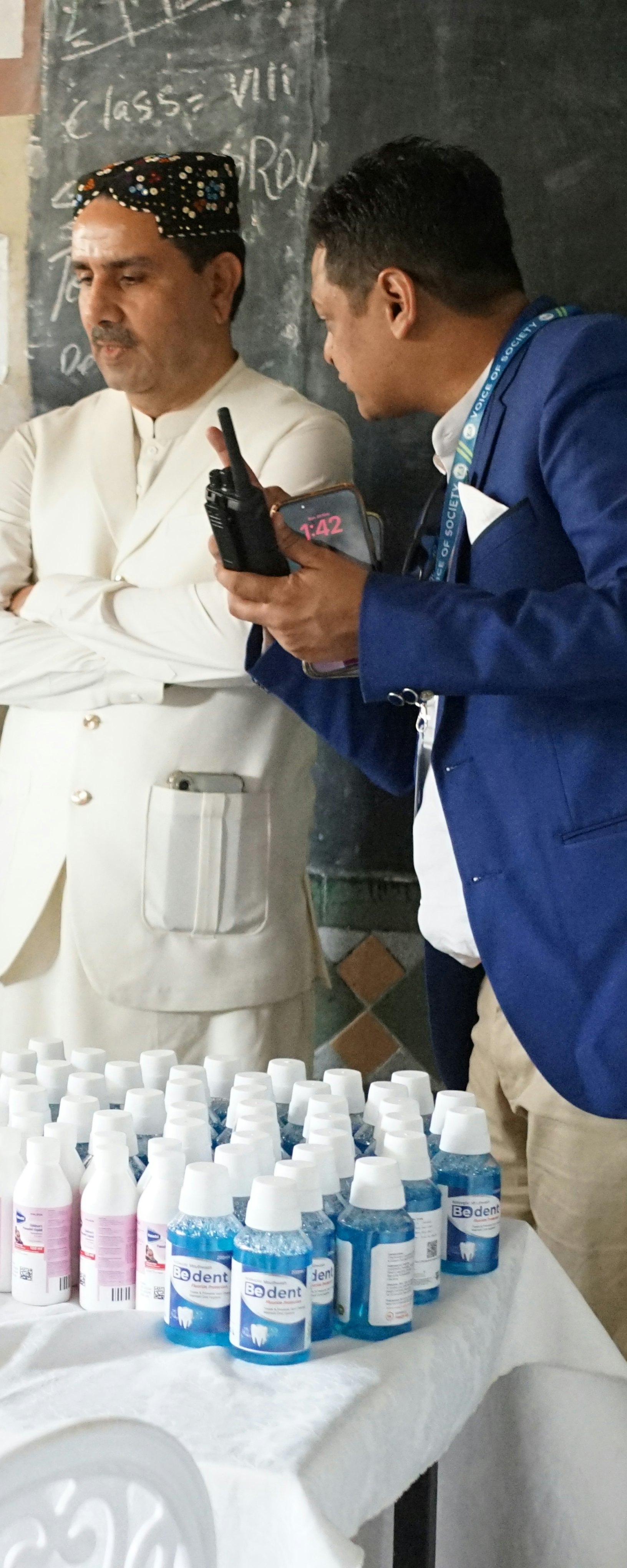
Why Rural Communities Deserve Equal Healthcare Access

Educational and medical-review notice: This article provides general public-health information and is not personal medical advice, diagnosis or treatment. It must be reviewed by a qualified healthcare professional before publication. Anyone needing care should consult an appropriately licensed professional or local health service.

Why Rural Communities Deserve Equal Healthcare Access is an SDG 3 question about how health systems, communities and public policy can protect well-being fairly. The subject cannot be reduced to a single technology, campaign or individual choice. Health is shaped by access to quality services, living and working conditions, trusted information, discrimination, income, environment and the ability of institutions to learn from people’s experience.

Sustainable Development Goal 3 calls for healthy lives and well-being for all at all ages. The World Health Organization’s work on social determinants of health explains why health outcomes reflect wider social and economic conditions. Together, these perspectives place rural communities deserve equal healthcare access within a system of prevention, care, rights and accountability.

“Health progress becomes meaningful when safer care, fair access and human dignity improve together.”

Why this health issue matters

For this topic, a responsible starting point is equitable access to timely, affordable, acceptable and quality services across prevention, diagnosis, treatment, rehabilitation and support. This framing matters because a service may exist on paper while remaining unaffordable, inaccessible, unsafe or culturally unacceptable. It also prevents a common error: assuming that information alone can overcome structural barriers. People need understandable choices, but they also need functioning services, trained workers, practical access and protection from avoidable harm.

The phrase rural communities deserve equal healthcare access may mean different things in different settings. Disease burden, workforce capacity, public financing, geography, culture and law vary. A strategy therefore begins with local evidence and community participation. International guidance can define principles, but qualified national and local authorities determine clinical protocols, eligibility, emergency arrangements and professional responsibilities.

What an effective response requires

An effective response connects immediate needs with stronger systems. For rural communities deserve equal healthcare access, leaders should define the population, the barrier, the intended result and the safe route from awareness to appropriate care. They should identify who holds clinical responsibility, who can authorize data use, how referrals work and what happens when the planned service cannot meet a person’s need.

  • Strengthen primary and referral pathways: translate this principle into a funded responsibility, a realistic timeline and a way for patients and communities to report barriers safely.
  • Support a trained and distributed workforce: translate this principle into a funded responsibility, a realistic timeline and a way for patients and communities to report barriers safely.
  • Map who is excluded and why: translate this principle into a funded responsibility, a realistic timeline and a way for patients and communities to report barriers safely.
  • Include communities in service design: translate this principle into a funded responsibility, a realistic timeline and a way for patients and communities to report barriers safely.
  • Reduce financial and practical barriers: translate this principle into a funded responsibility, a realistic timeline and a way for patients and communities to report barriers safely.

Equity should be designed into the work rather than assessed only at the end. Data should be examined by relevant population groups where lawful, ethical and statistically appropriate. Participation must be accessible to people with disabilities and responsive to language, gender, age and cultural context. Refusing publicity or research participation must never reduce access to care.

Practical implementation checklist

  1. Define the health need, affected population and local standard of care.
  2. Include patients, caregivers, frontline workers and underserved groups in planning.
  3. Assign clinical, safeguarding, privacy and referral responsibilities.
  4. Test accessibility, affordability, communication and workforce capacity.
  5. Measure safety, equity, quality and continuity before expanding.

A realistic non-identifiable example

Consider a composite rural district examining rural communities deserve equal healthcare access. Residents, primary-care teams and local administrators map the points where people lose access, including transport, cost, language, disability and referral delays. They test one limited improvement, create a confidential feedback route and review whether the change reaches those facing the greatest barriers. This is an illustrative, non-identifiable example; it does not describe a real patient, organization or outcome.

The example emphasizes process because responsible health writing should not invent patients, diagnoses, partner organizations, treatment results or testimonials. Real stories require informed consent, privacy review and a clear reason for publication. Even with consent, editors should avoid details that could identify a person through a rare condition, location, family circumstance or combination of facts.

Common mistakes and ethical risks

Common mistakes include treating awareness as a substitute for accessible services, blaming individuals while ignoring cost, discrimination and environmental conditions and using averages that hide differences between population groups. Teams also weaken trust when they present uncertain evidence as settled, use fear to drive participation, or imply that one model is universally appropriate. Content should distinguish established guidance, emerging evidence, professional judgment and local policy.

Privacy is part of quality, not a separate administrative concern. Collect only information needed for a defined purpose, restrict access, establish retention and deletion rules, and explain limits in clear language. Clinical and public-health escalation routes must be available when a program identifies risk. Digital systems require additional security, accessibility, error-reporting and human-oversight controls.

How to measure meaningful progress

Measurement should combine outcomes, service quality, equity and experience. Useful indicators for this topic include effective service coverage, continuity and referral completion, waiting and travel burden, patient-reported access and dignity and financial hardship. Each indicator needs a definition, baseline, data source, review schedule and named owner. Where small numbers could identify individuals, results should be aggregated or withheld.

Outputs such as appointments, trainings, devices, messages or participants show activity but not necessarily health improvement. Outcomes ask whether people received appropriate care, understood their options, experienced fewer barriers or maintained well-being. Balancing measures reveal unintended effects such as longer waits elsewhere, staff overload, exclusion, delayed referral or loss of trust.

Programs should publish limitations as well as positive findings. Averages can hide inequity, and short follow-up can overstate durability. Qualitative feedback helps explain why results differ, while consistent quantitative measures show scale and change. Community advisers should help interpret findings rather than being asked only to provide stories after decisions are made.

Authoritative resources and outbound references

These sources provide institutional starting points, not individualized instructions. Medical decisions depend on a person’s history, examination, local services and professional guidance. Before publication, a qualified reviewer should check clinical wording, current recommendations, accessibility, safeguarding and the links used for the specific topic.

Turning the principle into accountable action

Why Rural Communities Deserve Equal Healthcare Access can move forward through one disciplined step: identify a specific barrier with affected people and connect it to an appropriate, professionally governed response. Begin at a scale that can be supported safely, document assumptions and create a confidential way to report problems. If the pilot is not equitable or cannot maintain continuity, redesign it before expansion.

The aim is not to promise perfect health or present rural communities deserve equal healthcare access as a simple solution. The aim is to improve the conditions in which people can prevent illness, obtain appropriate care, understand choices and participate with dignity. Progress toward SDG 3 becomes credible when access, safety, quality, equity and trust improve together—and when evidence is used to learn rather than advertise.

Achieving Good Health and Well-Being for All by 2030

Educational and medical-review notice: This article provides general public-health information and is not personal medical advice, diagnosis or treatment. It must be reviewed by a qualified healthcare professional before publication. Anyone needing care should consult an appropriately licensed professional or local health service.

Achieving Good Health and Well-Being for All by 2030 is an SDG 3 question about how health systems, communities and public policy can protect well-being fairly. The subject cannot be reduced to a single technology, campaign or individual choice. Health is shaped by access to quality services, living and working conditions, trusted information, discrimination, income, environment and the ability of institutions to learn from people’s experience.

Sustainable Development Goal 3 calls for healthy lives and well-being for all at all ages. The World Health Organization’s work on social determinants of health explains why health outcomes reflect wider social and economic conditions. Together, these perspectives place good health and well-being for all by within a system of prevention, care, rights and accountability.

“Health progress becomes meaningful when safer care, fair access and human dignity improve together.”

Why this health issue matters

For this topic, a responsible starting point is ethical collaboration that expands access to quality-assured services and medicines while keeping public value, transparency and community need at the center. This framing matters because a service may exist on paper while remaining unaffordable, inaccessible, unsafe or culturally unacceptable. It also prevents a common error: assuming that information alone can overcome structural barriers. People need understandable choices, but they also need functioning services, trained workers, practical access and protection from avoidable harm.

The phrase good health and well-being for all by may mean different things in different settings. Disease burden, workforce capacity, public financing, geography, culture and law vary. A strategy therefore begins with local evidence and community participation. International guidance can define principles, but qualified national and local authorities determine clinical protocols, eligibility, emergency arrangements and professional responsibilities.

What an effective response requires

An effective response connects immediate needs with stronger systems. For good health and well-being for all by, leaders should define the population, the barrier, the intended result and the safe route from awareness to appropriate care. They should identify who holds clinical responsibility, who can authorize data use, how referrals work and what happens when the planned service cannot meet a person’s need.

  • Define the access problem and public value: translate this principle into a funded responsibility, a realistic timeline and a way for patients and communities to report barriers safely.
  • Publish results, limitations and lessons: translate this principle into a funded responsibility, a realistic timeline and a way for patients and communities to report barriers safely.
  • Use quality and safety standards: translate this principle into a funded responsibility, a realistic timeline and a way for patients and communities to report barriers safely.
  • Protect affordability and continuity: translate this principle into a funded responsibility, a realistic timeline and a way for patients and communities to report barriers safely.
  • Clarify responsibilities and conflicts of interest: translate this principle into a funded responsibility, a realistic timeline and a way for patients and communities to report barriers safely.

Equity should be designed into the work rather than assessed only at the end. Data should be examined by relevant population groups where lawful, ethical and statistically appropriate. Participation must be accessible to people with disabilities and responsive to language, gender, age and cultural context. Refusing publicity or research participation must never reduce access to care.

Practical implementation checklist

  1. Define the health need, affected population and local standard of care.
  2. Include patients, caregivers, frontline workers and underserved groups in planning.
  3. Assign clinical, safeguarding, privacy and referral responsibilities.
  4. Test accessibility, affordability, communication and workforce capacity.
  5. Measure safety, equity, quality and continuity before expanding.

A realistic non-identifiable example

Imagine a non-identifiable community partnership working on good health and well-being for all by. The group begins with local health data and listening sessions, asks a qualified clinical and public-health team to define safe boundaries, and funds coordination instead of relying on goodwill alone. A small pilot measures access, quality, equity and unintended burden before any expansion. The example is composite and intentionally avoids invented names, medical histories or results.

The example emphasizes process because responsible health writing should not invent patients, diagnoses, partner organizations, treatment results or testimonials. Real stories require informed consent, privacy review and a clear reason for publication. Even with consent, editors should avoid details that could identify a person through a rare condition, location, family circumstance or combination of facts.

Common mistakes and ethical risks

Common mistakes include treating awareness as a substitute for accessible services, collecting personal information without a clear care or public-health purpose and blaming individuals while ignoring cost, discrimination and environmental conditions. Teams also weaken trust when they present uncertain evidence as settled, use fear to drive participation, or imply that one model is universally appropriate. Content should distinguish established guidance, emerging evidence, professional judgment and local policy.

Privacy is part of quality, not a separate administrative concern. Collect only information needed for a defined purpose, restrict access, establish retention and deletion rules, and explain limits in clear language. Clinical and public-health escalation routes must be available when a program identifies risk. Digital systems require additional security, accessibility, error-reporting and human-oversight controls.

How to measure meaningful progress

Measurement should combine outcomes, service quality, equity and experience. Useful indicators for this topic include transparent public reporting, availability and affordability, equitable reach, quality and safety indicators and continuity after pilot funding. Each indicator needs a definition, baseline, data source, review schedule and named owner. Where small numbers could identify individuals, results should be aggregated or withheld.

Outputs such as appointments, trainings, devices, messages or participants show activity but not necessarily health improvement. Outcomes ask whether people received appropriate care, understood their options, experienced fewer barriers or maintained well-being. Balancing measures reveal unintended effects such as longer waits elsewhere, staff overload, exclusion, delayed referral or loss of trust.

Programs should publish limitations as well as positive findings. Averages can hide inequity, and short follow-up can overstate durability. Qualitative feedback helps explain why results differ, while consistent quantitative measures show scale and change. Community advisers should help interpret findings rather than being asked only to provide stories after decisions are made.

Authoritative resources and outbound references

These sources provide institutional starting points, not individualized instructions. Medical decisions depend on a person’s history, examination, local services and professional guidance. Before publication, a qualified reviewer should check clinical wording, current recommendations, accessibility, safeguarding and the links used for the specific topic.

Turning the principle into accountable action

Achieving Good Health and Well-Being for All by 2030 can move forward through one disciplined step: identify a specific barrier with affected people and connect it to an appropriate, professionally governed response. Begin at a scale that can be supported safely, document assumptions and create a confidential way to report problems. If the pilot is not equitable or cannot maintain continuity, redesign it before expansion.

The aim is not to promise perfect health or present good health and well-being for all by as a simple solution. The aim is to improve the conditions in which people can prevent illness, obtain appropriate care, understand choices and participate with dignity. Progress toward SDG 3 becomes credible when access, safety, quality, equity and trust improve together—and when evidence is used to learn rather than advertise.
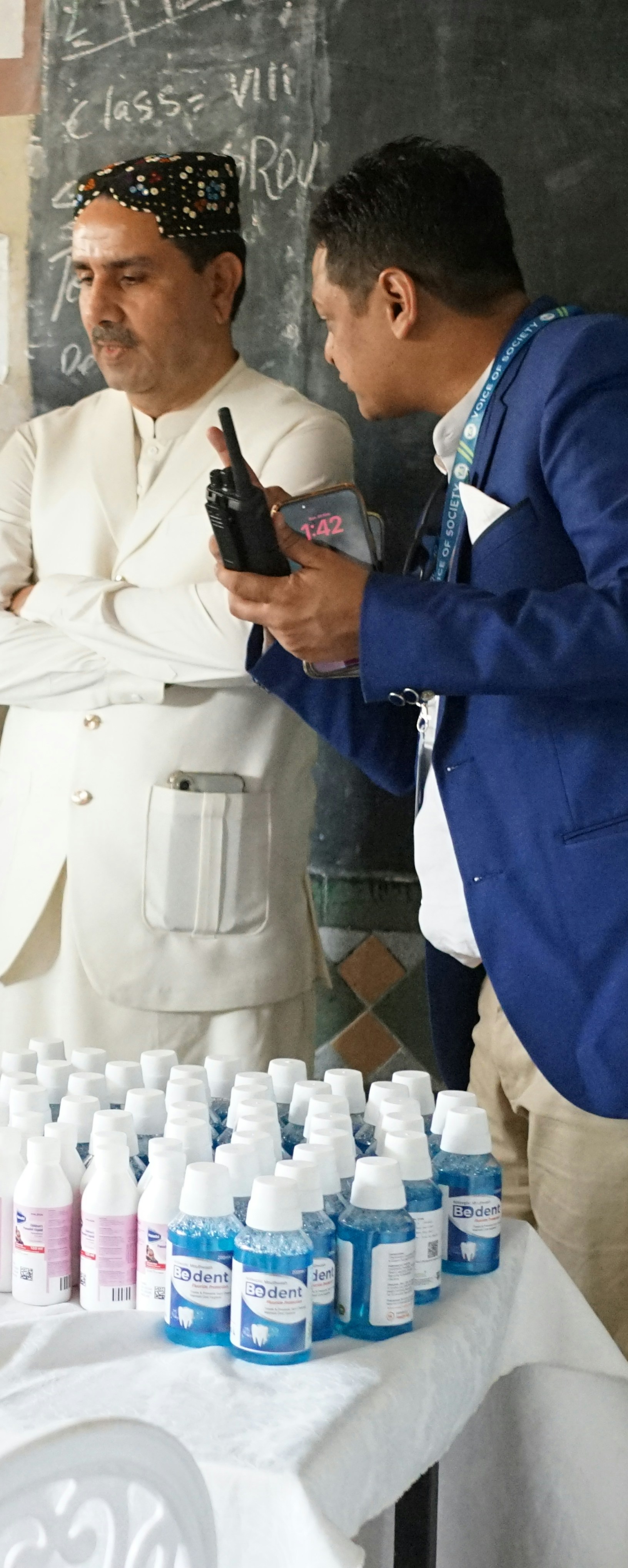
Using Research to Improve Community Health Outcomes

Educational and medical-review notice: This article provides general public-health information and is not personal medical advice, diagnosis or treatment. It must be reviewed by a qualified healthcare professional before publication. Anyone needing care should consult an appropriately licensed professional or local health service.

Using Research to Improve Community Health Outcomes is an SDG 3 question about how health systems, communities and public policy can protect well-being fairly. The subject cannot be reduced to a single technology, campaign or individual choice. Health is shaped by access to quality services, living and working conditions, trusted information, discrimination, income, environment and the ability of institutions to learn from people’s experience.

Sustainable Development Goal 3 calls for healthy lives and well-being for all at all ages. The World Health Organization’s work on social determinants of health explains why health outcomes reflect wider social and economic conditions. Together, these perspectives place research to improve community health outcomes within a system of prevention, care, rights and accountability.

“Health progress becomes meaningful when safer care, fair access and human dignity improve together.”

Why this health issue matters

For this topic, a responsible starting point is ethical collaboration that expands access to quality-assured services and medicines while keeping public value, transparency and community need at the center. This framing matters because a service may exist on paper while remaining unaffordable, inaccessible, unsafe or culturally unacceptable. It also prevents a common error: assuming that information alone can overcome structural barriers. People need understandable choices, but they also need functioning services, trained workers, practical access and protection from avoidable harm.

The phrase research to improve community health outcomes may mean different things in different settings. Disease burden, workforce capacity, public financing, geography, culture and law vary. A strategy therefore begins with local evidence and community participation. International guidance can define principles, but qualified national and local authorities determine clinical protocols, eligibility, emergency arrangements and professional responsibilities.

What an effective response requires

An effective response connects immediate needs with stronger systems. For research to improve community health outcomes, leaders should define the population, the barrier, the intended result and the safe route from awareness to appropriate care. They should identify who holds clinical responsibility, who can authorize data use, how referrals work and what happens when the planned service cannot meet a person’s need.

  • Clarify responsibilities and conflicts of interest: translate this principle into a funded responsibility, a realistic timeline and a way for patients and communities to report barriers safely.
  • Protect affordability and continuity: translate this principle into a funded responsibility, a realistic timeline and a way for patients and communities to report barriers safely.
  • Define the access problem and public value: translate this principle into a funded responsibility, a realistic timeline and a way for patients and communities to report barriers safely.
  • Publish results, limitations and lessons: translate this principle into a funded responsibility, a realistic timeline and a way for patients and communities to report barriers safely.
  • Use quality and safety standards: translate this principle into a funded responsibility, a realistic timeline and a way for patients and communities to report barriers safely.

Equity should be designed into the work rather than assessed only at the end. Data should be examined by relevant population groups where lawful, ethical and statistically appropriate. Participation must be accessible to people with disabilities and responsive to language, gender, age and cultural context. Refusing publicity or research participation must never reduce access to care.

Practical implementation checklist

  1. Define the health need, affected population and local standard of care.
  2. Include patients, caregivers, frontline workers and underserved groups in planning.
  3. Assign clinical, safeguarding, privacy and referral responsibilities.
  4. Test accessibility, affordability, communication and workforce capacity.
  5. Measure safety, equity, quality and continuity before expanding.

A realistic non-identifiable example

Consider a composite rural district examining research to improve community health outcomes. Residents, primary-care teams and local administrators map the points where people lose access, including transport, cost, language, disability and referral delays. They test one limited improvement, create a confidential feedback route and review whether the change reaches those facing the greatest barriers. This is an illustrative, non-identifiable example; it does not describe a real patient, organization or outcome.

The example emphasizes process because responsible health writing should not invent patients, diagnoses, partner organizations, treatment results or testimonials. Real stories require informed consent, privacy review and a clear reason for publication. Even with consent, editors should avoid details that could identify a person through a rare condition, location, family circumstance or combination of facts.

Common mistakes and ethical risks

Common mistakes include treating awareness as a substitute for accessible services, blaming individuals while ignoring cost, discrimination and environmental conditions and collecting personal information without a clear care or public-health purpose. Teams also weaken trust when they present uncertain evidence as settled, use fear to drive participation, or imply that one model is universally appropriate. Content should distinguish established guidance, emerging evidence, professional judgment and local policy.

Privacy is part of quality, not a separate administrative concern. Collect only information needed for a defined purpose, restrict access, establish retention and deletion rules, and explain limits in clear language. Clinical and public-health escalation routes must be available when a program identifies risk. Digital systems require additional security, accessibility, error-reporting and human-oversight controls.

How to measure meaningful progress

Measurement should combine outcomes, service quality, equity and experience. Useful indicators for this topic include continuity after pilot funding, availability and affordability, equitable reach, transparent public reporting and quality and safety indicators. Each indicator needs a definition, baseline, data source, review schedule and named owner. Where small numbers could identify individuals, results should be aggregated or withheld.

Outputs such as appointments, trainings, devices, messages or participants show activity but not necessarily health improvement. Outcomes ask whether people received appropriate care, understood their options, experienced fewer barriers or maintained well-being. Balancing measures reveal unintended effects such as longer waits elsewhere, staff overload, exclusion, delayed referral or loss of trust.

Programs should publish limitations as well as positive findings. Averages can hide inequity, and short follow-up can overstate durability. Qualitative feedback helps explain why results differ, while consistent quantitative measures show scale and change. Community advisers should help interpret findings rather than being asked only to provide stories after decisions are made.

Authoritative resources and outbound references

These sources provide institutional starting points, not individualized instructions. Medical decisions depend on a person’s history, examination, local services and professional guidance. Before publication, a qualified reviewer should check clinical wording, current recommendations, accessibility, safeguarding and the links used for the specific topic.

Turning the principle into accountable action

Using Research to Improve Community Health Outcomes can move forward through one disciplined step: identify a specific barrier with affected people and connect it to an appropriate, professionally governed response. Begin at a scale that can be supported safely, document assumptions and create a confidential way to report problems. If the pilot is not equitable or cannot maintain continuity, redesign it before expansion.

The aim is not to promise perfect health or present research to improve community health outcomes as a simple solution. The aim is to improve the conditions in which people can prevent illness, obtain appropriate care, understand choices and participate with dignity. Progress toward SDG 3 becomes credible when access, safety, quality, equity and trust improve together—and when evidence is used to learn rather than advertise.

Measuring Health Beyond Life Expectancy

Educational and medical-review notice: This article provides general public-health information and is not personal medical advice, diagnosis or treatment. It must be reviewed by a qualified healthcare professional before publication. Anyone needing care should consult an appropriately licensed professional or local health service.

Measuring Health Beyond Life Expectancy is an SDG 3 question about how health systems, communities and public policy can protect well-being fairly. The subject cannot be reduced to a single technology, campaign or individual choice. Health is shaped by access to quality services, living and working conditions, trusted information, discrimination, income, environment and the ability of institutions to learn from people’s experience.

Sustainable Development Goal 3 calls for healthy lives and well-being for all at all ages. The World Health Organization’s work on social determinants of health explains why health outcomes reflect wider social and economic conditions. Together, these perspectives place measuring health beyond life expectancy within a system of prevention, care, rights and accountability.

“Health progress becomes meaningful when safer care, fair access and human dignity improve together.”

Why this health issue matters

For this topic, a responsible starting point is ethical collaboration that expands access to quality-assured services and medicines while keeping public value, transparency and community need at the center. This framing matters because a service may exist on paper while remaining unaffordable, inaccessible, unsafe or culturally unacceptable. It also prevents a common error: assuming that information alone can overcome structural barriers. People need understandable choices, but they also need functioning services, trained workers, practical access and protection from avoidable harm.

The phrase measuring health beyond life expectancy may mean different things in different settings. Disease burden, workforce capacity, public financing, geography, culture and law vary. A strategy therefore begins with local evidence and community participation. International guidance can define principles, but qualified national and local authorities determine clinical protocols, eligibility, emergency arrangements and professional responsibilities.

What an effective response requires

An effective response connects immediate needs with stronger systems. For measuring health beyond life expectancy, leaders should define the population, the barrier, the intended result and the safe route from awareness to appropriate care. They should identify who holds clinical responsibility, who can authorize data use, how referrals work and what happens when the planned service cannot meet a person’s need.

  • Use quality and safety standards: translate this principle into a funded responsibility, a realistic timeline and a way for patients and communities to report barriers safely.
  • Publish results, limitations and lessons: translate this principle into a funded responsibility, a realistic timeline and a way for patients and communities to report barriers safely.
  • Define the access problem and public value: translate this principle into a funded responsibility, a realistic timeline and a way for patients and communities to report barriers safely.
  • Clarify responsibilities and conflicts of interest: translate this principle into a funded responsibility, a realistic timeline and a way for patients and communities to report barriers safely.
  • Protect affordability and continuity: translate this principle into a funded responsibility, a realistic timeline and a way for patients and communities to report barriers safely.

Equity should be designed into the work rather than assessed only at the end. Data should be examined by relevant population groups where lawful, ethical and statistically appropriate. Participation must be accessible to people with disabilities and responsive to language, gender, age and cultural context. Refusing publicity or research participation must never reduce access to care.

Practical implementation checklist

  1. Define the health need, affected population and local standard of care.
  2. Include patients, caregivers, frontline workers and underserved groups in planning.
  3. Assign clinical, safeguarding, privacy and referral responsibilities.
  4. Test accessibility, affordability, communication and workforce capacity.
  5. Measure safety, equity, quality and continuity before expanding.

A realistic non-identifiable example

A hypothetical health system addressing measuring health beyond life expectancy could bring patients, caregivers, clinicians and community organizations into a governed improvement team. Participants agree on consent, privacy, referral and escalation rules before activity begins. They publish the limits of the pilot and use both service data and patient experience to decide what should change. This scenario is educational and not evidence that a particular intervention will work everywhere.

The example emphasizes process because responsible health writing should not invent patients, diagnoses, partner organizations, treatment results or testimonials. Real stories require informed consent, privacy review and a clear reason for publication. Even with consent, editors should avoid details that could identify a person through a rare condition, location, family circumstance or combination of facts.

Common mistakes and ethical risks

Common mistakes include expanding a pilot before safety, workforce and referral capacity are ready, treating awareness as a substitute for accessible services and blaming individuals while ignoring cost, discrimination and environmental conditions. Teams also weaken trust when they present uncertain evidence as settled, use fear to drive participation, or imply that one model is universally appropriate. Content should distinguish established guidance, emerging evidence, professional judgment and local policy.

Privacy is part of quality, not a separate administrative concern. Collect only information needed for a defined purpose, restrict access, establish retention and deletion rules, and explain limits in clear language. Clinical and public-health escalation routes must be available when a program identifies risk. Digital systems require additional security, accessibility, error-reporting and human-oversight controls.

How to measure meaningful progress

Measurement should combine outcomes, service quality, equity and experience. Useful indicators for this topic include equitable reach, quality and safety indicators, availability and affordability, continuity after pilot funding and transparent public reporting. Each indicator needs a definition, baseline, data source, review schedule and named owner. Where small numbers could identify individuals, results should be aggregated or withheld.

Outputs such as appointments, trainings, devices, messages or participants show activity but not necessarily health improvement. Outcomes ask whether people received appropriate care, understood their options, experienced fewer barriers or maintained well-being. Balancing measures reveal unintended effects such as longer waits elsewhere, staff overload, exclusion, delayed referral or loss of trust.

Programs should publish limitations as well as positive findings. Averages can hide inequity, and short follow-up can overstate durability. Qualitative feedback helps explain why results differ, while consistent quantitative measures show scale and change. Community advisers should help interpret findings rather than being asked only to provide stories after decisions are made.

Authoritative resources and outbound references

These sources provide institutional starting points, not individualized instructions. Medical decisions depend on a person’s history, examination, local services and professional guidance. Before publication, a qualified reviewer should check clinical wording, current recommendations, accessibility, safeguarding and the links used for the specific topic.

Turning the principle into accountable action

Measuring Health Beyond Life Expectancy can move forward through one disciplined step: identify a specific barrier with affected people and connect it to an appropriate, professionally governed response. Begin at a scale that can be supported safely, document assumptions and create a confidential way to report problems. If the pilot is not equitable or cannot maintain continuity, redesign it before expansion.

The aim is not to promise perfect health or present measuring health beyond life expectancy as a simple solution. The aim is to improve the conditions in which people can prevent illness, obtain appropriate care, understand choices and participate with dignity. Progress toward SDG 3 becomes credible when access, safety, quality, equity and trust improve together—and when evidence is used to learn rather than advertise.

How Loneliness Affects Physical and Mental Well-Being

Educational and medical-review notice: This article provides general public-health information and is not personal medical advice, diagnosis or treatment. It must be reviewed by a qualified healthcare professional before publication. Anyone needing care should consult an appropriately licensed professional or local health service.

How Loneliness Affects Physical and Mental Well-Being is an SDG 3 question about how health systems, communities and public policy can protect well-being fairly. The subject cannot be reduced to a single technology, campaign or individual choice. Health is shaped by access to quality services, living and working conditions, trusted information, discrimination, income, environment and the ability of institutions to learn from people’s experience.

Sustainable Development Goal 3 calls for healthy lives and well-being for all at all ages. The World Health Organization’s work on social determinants of health explains why health outcomes reflect wider social and economic conditions. Together, these perspectives place loneliness affects physical and mental well-being within a system of prevention, care, rights and accountability.

“Health progress becomes meaningful when safer care, fair access and human dignity improve together.”

Why this health issue matters

For this topic, a responsible starting point is mental and social well-being supported through rights-based services, supportive environments, early help and non-stigmatizing community participation. This framing matters because a service may exist on paper while remaining unaffordable, inaccessible, unsafe or culturally unacceptable. It also prevents a common error: assuming that information alone can overcome structural barriers. People need understandable choices, but they also need functioning services, trained workers, practical access and protection from avoidable harm.

The phrase loneliness affects physical and mental well-being may mean different things in different settings. Disease burden, workforce capacity, public financing, geography, culture and law vary. A strategy therefore begins with local evidence and community participation. International guidance can define principles, but qualified national and local authorities determine clinical protocols, eligibility, emergency arrangements and professional responsibilities.

What an effective response requires

An effective response connects immediate needs with stronger systems. For loneliness affects physical and mental well-being, leaders should define the population, the barrier, the intended result and the safe route from awareness to appropriate care. They should identify who holds clinical responsibility, who can authorize data use, how referrals work and what happens when the planned service cannot meet a person’s need.

  • Use respectful and non-stigmatizing language: translate this principle into a funded responsibility, a realistic timeline and a way for patients and communities to report barriers safely.
  • Address social and workplace conditions: translate this principle into a funded responsibility, a realistic timeline and a way for patients and communities to report barriers safely.
  • Expand appropriate support and referral options: translate this principle into a funded responsibility, a realistic timeline and a way for patients and communities to report barriers safely.
  • Protect confidentiality and choice: translate this principle into a funded responsibility, a realistic timeline and a way for patients and communities to report barriers safely.
  • Include lived experience in program governance: translate this principle into a funded responsibility, a realistic timeline and a way for patients and communities to report barriers safely.

Equity should be designed into the work rather than assessed only at the end. Data should be examined by relevant population groups where lawful, ethical and statistically appropriate. Participation must be accessible to people with disabilities and responsive to language, gender, age and cultural context. Refusing publicity or research participation must never reduce access to care.

Practical implementation checklist

  1. Define the health need, affected population and local standard of care.
  2. Include patients, caregivers, frontline workers and underserved groups in planning.
  3. Assign clinical, safeguarding, privacy and referral responsibilities.
  4. Test accessibility, affordability, communication and workforce capacity.
  5. Measure safety, equity, quality and continuity before expanding.

A realistic non-identifiable example

A hypothetical health system addressing loneliness affects physical and mental well-being could bring patients, caregivers, clinicians and community organizations into a governed improvement team. Participants agree on consent, privacy, referral and escalation rules before activity begins. They publish the limits of the pilot and use both service data and patient experience to decide what should change. This scenario is educational and not evidence that a particular intervention will work everywhere.

The example emphasizes process because responsible health writing should not invent patients, diagnoses, partner organizations, treatment results or testimonials. Real stories require informed consent, privacy review and a clear reason for publication. Even with consent, editors should avoid details that could identify a person through a rare condition, location, family circumstance or combination of facts.

Common mistakes and ethical risks

Common mistakes include using averages that hide differences between population groups, treating awareness as a substitute for accessible services and blaming individuals while ignoring cost, discrimination and environmental conditions. Teams also weaken trust when they present uncertain evidence as settled, use fear to drive participation, or imply that one model is universally appropriate. Content should distinguish established guidance, emerging evidence, professional judgment and local policy.

Privacy is part of quality, not a separate administrative concern. Collect only information needed for a defined purpose, restrict access, establish retention and deletion rules, and explain limits in clear language. Clinical and public-health escalation routes must be available when a program identifies risk. Digital systems require additional security, accessibility, error-reporting and human-oversight controls.

How to measure meaningful progress

Measurement should combine outcomes, service quality, equity and experience. Useful indicators for this topic include experienced stigma and discrimination, timely access to appropriate support, caregiver or workforce burden, self-reported well-being and functioning and continuity and referral completion. Each indicator needs a definition, baseline, data source, review schedule and named owner. Where small numbers could identify individuals, results should be aggregated or withheld.

Outputs such as appointments, trainings, devices, messages or participants show activity but not necessarily health improvement. Outcomes ask whether people received appropriate care, understood their options, experienced fewer barriers or maintained well-being. Balancing measures reveal unintended effects such as longer waits elsewhere, staff overload, exclusion, delayed referral or loss of trust.

Programs should publish limitations as well as positive findings. Averages can hide inequity, and short follow-up can overstate durability. Qualitative feedback helps explain why results differ, while consistent quantitative measures show scale and change. Community advisers should help interpret findings rather than being asked only to provide stories after decisions are made.

Authoritative resources and outbound references

These sources provide institutional starting points, not individualized instructions. Medical decisions depend on a person’s history, examination, local services and professional guidance. Before publication, a qualified reviewer should check clinical wording, current recommendations, accessibility, safeguarding and the links used for the specific topic.

Turning the principle into accountable action

How Loneliness Affects Physical and Mental Well-Being can move forward through one disciplined step: identify a specific barrier with affected people and connect it to an appropriate, professionally governed response. Begin at a scale that can be supported safely, document assumptions and create a confidential way to report problems. If the pilot is not equitable or cannot maintain continuity, redesign it before expansion.

The aim is not to promise perfect health or present loneliness affects physical and mental well-being as a simple solution. The aim is to improve the conditions in which people can prevent illness, obtain appropriate care, understand choices and participate with dignity. Progress toward SDG 3 becomes credible when access, safety, quality, equity and trust improve together—and when evidence is used to learn rather than advertise.

Preventing the Next Pandemic Through International Cooperation

Educational and medical-review notice: This article provides general public-health information and is not personal medical advice, diagnosis or treatment. It must be reviewed by a qualified healthcare professional before publication. Anyone needing care should consult an appropriately licensed professional or local health service.

Preventing the Next Pandemic Through International Cooperation is an SDG 3 question about how health systems, communities and public policy can protect well-being fairly. The subject cannot be reduced to a single technology, campaign or individual choice. Health is shaped by access to quality services, living and working conditions, trusted information, discrimination, income, environment and the ability of institutions to learn from people’s experience.

Sustainable Development Goal 3 calls for healthy lives and well-being for all at all ages. The World Health Organization’s work on social determinants of health explains why health outcomes reflect wider social and economic conditions. Together, these perspectives place the next pandemic through international cooperation within a system of prevention, care, rights and accountability.

“Health progress becomes meaningful when safer care, fair access and human dignity improve together.”

Why this health issue matters

For this topic, a responsible starting point is prevention and response built on trusted surveillance, equitable access, laboratory and clinical capacity, responsible medicine use and international cooperation. This framing matters because a service may exist on paper while remaining unaffordable, inaccessible, unsafe or culturally unacceptable. It also prevents a common error: assuming that information alone can overcome structural barriers. People need understandable choices, but they also need functioning services, trained workers, practical access and protection from avoidable harm.

The phrase the next pandemic through international cooperation may mean different things in different settings. Disease burden, workforce capacity, public financing, geography, culture and law vary. A strategy therefore begins with local evidence and community participation. International guidance can define principles, but qualified national and local authorities determine clinical protocols, eligibility, emergency arrangements and professional responsibilities.

What an effective response requires

An effective response connects immediate needs with stronger systems. For the next pandemic through international cooperation, leaders should define the population, the barrier, the intended result and the safe route from awareness to appropriate care. They should identify who holds clinical responsibility, who can authorize data use, how referrals work and what happens when the planned service cannot meet a person’s need.

  • Coordinate across sectors and borders: translate this principle into a funded responsibility, a realistic timeline and a way for patients and communities to report barriers safely.
  • Connect surveillance with timely public-health action: translate this principle into a funded responsibility, a realistic timeline and a way for patients and communities to report barriers safely.
  • Support responsible antimicrobial use: translate this principle into a funded responsibility, a realistic timeline and a way for patients and communities to report barriers safely.
  • Expand equitable prevention and treatment: translate this principle into a funded responsibility, a realistic timeline and a way for patients and communities to report barriers safely.
  • Protect privacy and community trust: translate this principle into a funded responsibility, a realistic timeline and a way for patients and communities to report barriers safely.

Equity should be designed into the work rather than assessed only at the end. Data should be examined by relevant population groups where lawful, ethical and statistically appropriate. Participation must be accessible to people with disabilities and responsive to language, gender, age and cultural context. Refusing publicity or research participation must never reduce access to care.

Practical implementation checklist

  1. Define the health need, affected population and local standard of care.
  2. Include patients, caregivers, frontline workers and underserved groups in planning.
  3. Assign clinical, safeguarding, privacy and referral responsibilities.
  4. Test accessibility, affordability, communication and workforce capacity.
  5. Measure safety, equity, quality and continuity before expanding.

A realistic non-identifiable example

Imagine a non-identifiable community partnership working on the next pandemic through international cooperation. The group begins with local health data and listening sessions, asks a qualified clinical and public-health team to define safe boundaries, and funds coordination instead of relying on goodwill alone. A small pilot measures access, quality, equity and unintended burden before any expansion. The example is composite and intentionally avoids invented names, medical histories or results.

The example emphasizes process because responsible health writing should not invent patients, diagnoses, partner organizations, treatment results or testimonials. Real stories require informed consent, privacy review and a clear reason for publication. Even with consent, editors should avoid details that could identify a person through a rare condition, location, family circumstance or combination of facts.

Common mistakes and ethical risks

Common mistakes include expanding a pilot before safety, workforce and referral capacity are ready, collecting personal information without a clear care or public-health purpose and treating awareness as a substitute for accessible services. Teams also weaken trust when they present uncertain evidence as settled, use fear to drive participation, or imply that one model is universally appropriate. Content should distinguish established guidance, emerging evidence, professional judgment and local policy.

Privacy is part of quality, not a separate administrative concern. Collect only information needed for a defined purpose, restrict access, establish retention and deletion rules, and explain limits in clear language. Clinical and public-health escalation routes must be available when a program identifies risk. Digital systems require additional security, accessibility, error-reporting and human-oversight controls.

How to measure meaningful progress

Measurement should combine outcomes, service quality, equity and experience. Useful indicators for this topic include prevention and adherence indicators, community trust and risk communication reach, equity of testing and treatment access, continuity of essential services and timeliness and completeness of surveillance. Each indicator needs a definition, baseline, data source, review schedule and named owner. Where small numbers could identify individuals, results should be aggregated or withheld.

Outputs such as appointments, trainings, devices, messages or participants show activity but not necessarily health improvement. Outcomes ask whether people received appropriate care, understood their options, experienced fewer barriers or maintained well-being. Balancing measures reveal unintended effects such as longer waits elsewhere, staff overload, exclusion, delayed referral or loss of trust.

Programs should publish limitations as well as positive findings. Averages can hide inequity, and short follow-up can overstate durability. Qualitative feedback helps explain why results differ, while consistent quantitative measures show scale and change. Community advisers should help interpret findings rather than being asked only to provide stories after decisions are made.

Authoritative resources and outbound references

These sources provide institutional starting points, not individualized instructions. Medical decisions depend on a person’s history, examination, local services and professional guidance. Before publication, a qualified reviewer should check clinical wording, current recommendations, accessibility, safeguarding and the links used for the specific topic.

Turning the principle into accountable action

Preventing the Next Pandemic Through International Cooperation can move forward through one disciplined step: identify a specific barrier with affected people and connect it to an appropriate, professionally governed response. Begin at a scale that can be supported safely, document assumptions and create a confidential way to report problems. If the pilot is not equitable or cannot maintain continuity, redesign it before expansion.

The aim is not to promise perfect health or present the next pandemic through international cooperation as a simple solution. The aim is to improve the conditions in which people can prevent illness, obtain appropriate care, understand choices and participate with dignity. Progress toward SDG 3 becomes credible when access, safety, quality, equity and trust improve together—and when evidence is used to learn rather than advertise.

Ending Preventable Childhood Diseases

Educational and medical-review notice: This article provides general public-health information and is not personal medical advice, diagnosis or treatment. It must be reviewed by a qualified healthcare professional before publication. Anyone needing care should consult an appropriately licensed professional or local health service.

Ending Preventable Childhood Diseases is an SDG 3 question about how health systems, communities and public policy can protect well-being fairly. The subject cannot be reduced to a single technology, campaign or individual choice. Health is shaped by access to quality services, living and working conditions, trusted information, discrimination, income, environment and the ability of institutions to learn from people’s experience.

Sustainable Development Goal 3 calls for healthy lives and well-being for all at all ages. The World Health Organization’s work on social determinants of health explains why health outcomes reflect wider social and economic conditions. Together, these perspectives place preventable childhood diseases within a system of prevention, care, rights and accountability.

“Health progress becomes meaningful when safer care, fair access and human dignity improve together.”

Why this health issue matters

For this topic, a responsible starting point is continuous, respectful and evidence-based care for women, newborns, children and adolescents, backed by strong primary services and safeguarding. This framing matters because a service may exist on paper while remaining unaffordable, inaccessible, unsafe or culturally unacceptable. It also prevents a common error: assuming that information alone can overcome structural barriers. People need understandable choices, but they also need functioning services, trained workers, practical access and protection from avoidable harm.

The phrase preventable childhood diseases may mean different things in different settings. Disease burden, workforce capacity, public financing, geography, culture and law vary. A strategy therefore begins with local evidence and community participation. International guidance can define principles, but qualified national and local authorities determine clinical protocols, eligibility, emergency arrangements and professional responsibilities.

What an effective response requires

An effective response connects immediate needs with stronger systems. For preventable childhood diseases, leaders should define the population, the barrier, the intended result and the safe route from awareness to appropriate care. They should identify who holds clinical responsibility, who can authorize data use, how referrals work and what happens when the planned service cannot meet a person’s need.

  • Strengthen skilled and respectful care: translate this principle into a funded responsibility, a realistic timeline and a way for patients and communities to report barriers safely.
  • Address transport, cost and information barriers: translate this principle into a funded responsibility, a realistic timeline and a way for patients and communities to report barriers safely.
  • Support continuity before, during and after birth: translate this principle into a funded responsibility, a realistic timeline and a way for patients and communities to report barriers safely.
  • Make vaccination and preventive services convenient: translate this principle into a funded responsibility, a realistic timeline and a way for patients and communities to report barriers safely.
  • Protect children and adolescent privacy: translate this principle into a funded responsibility, a realistic timeline and a way for patients and communities to report barriers safely.

Equity should be designed into the work rather than assessed only at the end. Data should be examined by relevant population groups where lawful, ethical and statistically appropriate. Participation must be accessible to people with disabilities and responsive to language, gender, age and cultural context. Refusing publicity or research participation must never reduce access to care.

Practical implementation checklist

  1. Define the health need, affected population and local standard of care.
  2. Include patients, caregivers, frontline workers and underserved groups in planning.
  3. Assign clinical, safeguarding, privacy and referral responsibilities.
  4. Test accessibility, affordability, communication and workforce capacity.
  5. Measure safety, equity, quality and continuity before expanding.

A realistic non-identifiable example

A hypothetical health system addressing preventable childhood diseases could bring patients, caregivers, clinicians and community organizations into a governed improvement team. Participants agree on consent, privacy, referral and escalation rules before activity begins. They publish the limits of the pilot and use both service data and patient experience to decide what should change. This scenario is educational and not evidence that a particular intervention will work everywhere.

The example emphasizes process because responsible health writing should not invent patients, diagnoses, partner organizations, treatment results or testimonials. Real stories require informed consent, privacy review and a clear reason for publication. Even with consent, editors should avoid details that could identify a person through a rare condition, location, family circumstance or combination of facts.

Common mistakes and ethical risks

Common mistakes include using averages that hide differences between population groups, expanding a pilot before safety, workforce and referral capacity are ready and blaming individuals while ignoring cost, discrimination and environmental conditions. Teams also weaken trust when they present uncertain evidence as settled, use fear to drive participation, or imply that one model is universally appropriate. Content should distinguish established guidance, emerging evidence, professional judgment and local policy.

Privacy is part of quality, not a separate administrative concern. Collect only information needed for a defined purpose, restrict access, establish retention and deletion rules, and explain limits in clear language. Clinical and public-health escalation routes must be available when a program identifies risk. Digital systems require additional security, accessibility, error-reporting and human-oversight controls.

How to measure meaningful progress

Measurement should combine outcomes, service quality, equity and experience. Useful indicators for this topic include timely use of recommended services, continuity across care stages, coverage gaps between population groups, safe referrals and follow-up and respectful care and informed choice. Each indicator needs a definition, baseline, data source, review schedule and named owner. Where small numbers could identify individuals, results should be aggregated or withheld.

Outputs such as appointments, trainings, devices, messages or participants show activity but not necessarily health improvement. Outcomes ask whether people received appropriate care, understood their options, experienced fewer barriers or maintained well-being. Balancing measures reveal unintended effects such as longer waits elsewhere, staff overload, exclusion, delayed referral or loss of trust.

Programs should publish limitations as well as positive findings. Averages can hide inequity, and short follow-up can overstate durability. Qualitative feedback helps explain why results differ, while consistent quantitative measures show scale and change. Community advisers should help interpret findings rather than being asked only to provide stories after decisions are made.

Authoritative resources and outbound references

These sources provide institutional starting points, not individualized instructions. Medical decisions depend on a person’s history, examination, local services and professional guidance. Before publication, a qualified reviewer should check clinical wording, current recommendations, accessibility, safeguarding and the links used for the specific topic.

Turning the principle into accountable action

Ending Preventable Childhood Diseases can move forward through one disciplined step: identify a specific barrier with affected people and connect it to an appropriate, professionally governed response. Begin at a scale that can be supported safely, document assumptions and create a confidential way to report problems. If the pilot is not equitable or cannot maintain continuity, redesign it before expansion.

The aim is not to promise perfect health or present preventable childhood diseases as a simple solution. The aim is to improve the conditions in which people can prevent illness, obtain appropriate care, understand choices and participate with dignity. Progress toward SDG 3 becomes credible when access, safety, quality, equity and trust improve together—and when evidence is used to learn rather than advertise.

Nutrition as the First Line of Preventive Healthcare

Educational and medical-review notice: This article provides general public-health information and is not personal medical advice, diagnosis or treatment. It must be reviewed by a qualified healthcare professional before publication. Anyone needing care should consult an appropriately licensed professional or local health service.

Nutrition as the First Line of Preventive Healthcare is an SDG 3 question about how health systems, communities and public policy can protect well-being fairly. The subject cannot be reduced to a single technology, campaign or individual choice. Health is shaped by access to quality services, living and working conditions, trusted information, discrimination, income, environment and the ability of institutions to learn from people’s experience.

Sustainable Development Goal 3 calls for healthy lives and well-being for all at all ages. The World Health Organization’s work on social determinants of health explains why health outcomes reflect wider social and economic conditions. Together, these perspectives place nutrition as the first line of preventive within a system of prevention, care, rights and accountability.

“Health progress becomes meaningful when safer care, fair access and human dignity improve together.”

Why this health issue matters

For this topic, a responsible starting point is prevention that combines clear information and early services with healthier environments, fair policy and access to appropriate clinical care. This framing matters because a service may exist on paper while remaining unaffordable, inaccessible, unsafe or culturally unacceptable. It also prevents a common error: assuming that information alone can overcome structural barriers. People need understandable choices, but they also need functioning services, trained workers, practical access and protection from avoidable harm.

The phrase nutrition as the first line of preventive may mean different things in different settings. Disease burden, workforce capacity, public financing, geography, culture and law vary. A strategy therefore begins with local evidence and community participation. International guidance can define principles, but qualified national and local authorities determine clinical protocols, eligibility, emergency arrangements and professional responsibilities.

What an effective response requires

An effective response connects immediate needs with stronger systems. For nutrition as the first line of preventive, leaders should define the population, the barrier, the intended result and the safe route from awareness to appropriate care. They should identify who holds clinical responsibility, who can authorize data use, how referrals work and what happens when the planned service cannot meet a person’s need.

  • Focus resources on populations facing the greatest barriers: translate this principle into a funded responsibility, a realistic timeline and a way for patients and communities to report barriers safely.
  • Make prevention and screening accessible: translate this principle into a funded responsibility, a realistic timeline and a way for patients and communities to report barriers safely.
  • Avoid stigma and individual blame: translate this principle into a funded responsibility, a realistic timeline and a way for patients and communities to report barriers safely.
  • Connect community education with clinical pathways: translate this principle into a funded responsibility, a realistic timeline and a way for patients and communities to report barriers safely.
  • Address commercial and environmental risk factors: translate this principle into a funded responsibility, a realistic timeline and a way for patients and communities to report barriers safely.

Equity should be designed into the work rather than assessed only at the end. Data should be examined by relevant population groups where lawful, ethical and statistically appropriate. Participation must be accessible to people with disabilities and responsive to language, gender, age and cultural context. Refusing publicity or research participation must never reduce access to care.

Practical implementation checklist

  1. Define the health need, affected population and local standard of care.
  2. Include patients, caregivers, frontline workers and underserved groups in planning.
  3. Assign clinical, safeguarding, privacy and referral responsibilities.
  4. Test accessibility, affordability, communication and workforce capacity.
  5. Measure safety, equity, quality and continuity before expanding.

A realistic non-identifiable example

Consider a composite rural district examining nutrition as the first line of preventive. Residents, primary-care teams and local administrators map the points where people lose access, including transport, cost, language, disability and referral delays. They test one limited improvement, create a confidential feedback route and review whether the change reaches those facing the greatest barriers. This is an illustrative, non-identifiable example; it does not describe a real patient, organization or outcome.

The example emphasizes process because responsible health writing should not invent patients, diagnoses, partner organizations, treatment results or testimonials. Real stories require informed consent, privacy review and a clear reason for publication. Even with consent, editors should avoid details that could identify a person through a rare condition, location, family circumstance or combination of facts.

Common mistakes and ethical risks

Common mistakes include expanding a pilot before safety, workforce and referral capacity are ready, blaming individuals while ignoring cost, discrimination and environmental conditions and collecting personal information without a clear care or public-health purpose. Teams also weaken trust when they present uncertain evidence as settled, use fear to drive participation, or imply that one model is universally appropriate. Content should distinguish established guidance, emerging evidence, professional judgment and local policy.

Privacy is part of quality, not a separate administrative concern. Collect only information needed for a defined purpose, restrict access, establish retention and deletion rules, and explain limits in clear language. Clinical and public-health escalation routes must be available when a program identifies risk. Digital systems require additional security, accessibility, error-reporting and human-oversight controls.

How to measure meaningful progress

Measurement should combine outcomes, service quality, equity and experience. Useful indicators for this topic include equitable reach of preventive services, screening follow-up and referral completion, changes in modifiable risk exposure, patient knowledge without stigma and avoidable complications and service use. Each indicator needs a definition, baseline, data source, review schedule and named owner. Where small numbers could identify individuals, results should be aggregated or withheld.

Outputs such as appointments, trainings, devices, messages or participants show activity but not necessarily health improvement. Outcomes ask whether people received appropriate care, understood their options, experienced fewer barriers or maintained well-being. Balancing measures reveal unintended effects such as longer waits elsewhere, staff overload, exclusion, delayed referral or loss of trust.

Programs should publish limitations as well as positive findings. Averages can hide inequity, and short follow-up can overstate durability. Qualitative feedback helps explain why results differ, while consistent quantitative measures show scale and change. Community advisers should help interpret findings rather than being asked only to provide stories after decisions are made.

Authoritative resources and outbound references

These sources provide institutional starting points, not individualized instructions. Medical decisions depend on a person’s history, examination, local services and professional guidance. Before publication, a qualified reviewer should check clinical wording, current recommendations, accessibility, safeguarding and the links used for the specific topic.

Turning the principle into accountable action

Nutrition as the First Line of Preventive Healthcare can move forward through one disciplined step: identify a specific barrier with affected people and connect it to an appropriate, professionally governed response. Begin at a scale that can be supported safely, document assumptions and create a confidential way to report problems. If the pilot is not equitable or cannot maintain continuity, redesign it before expansion.

The aim is not to promise perfect health or present nutrition as the first line of preventive as a simple solution. The aim is to improve the conditions in which people can prevent illness, obtain appropriate care, understand choices and participate with dignity. Progress toward SDG 3 becomes credible when access, safety, quality, equity and trust improve together—and when evidence is used to learn rather than advertise.