
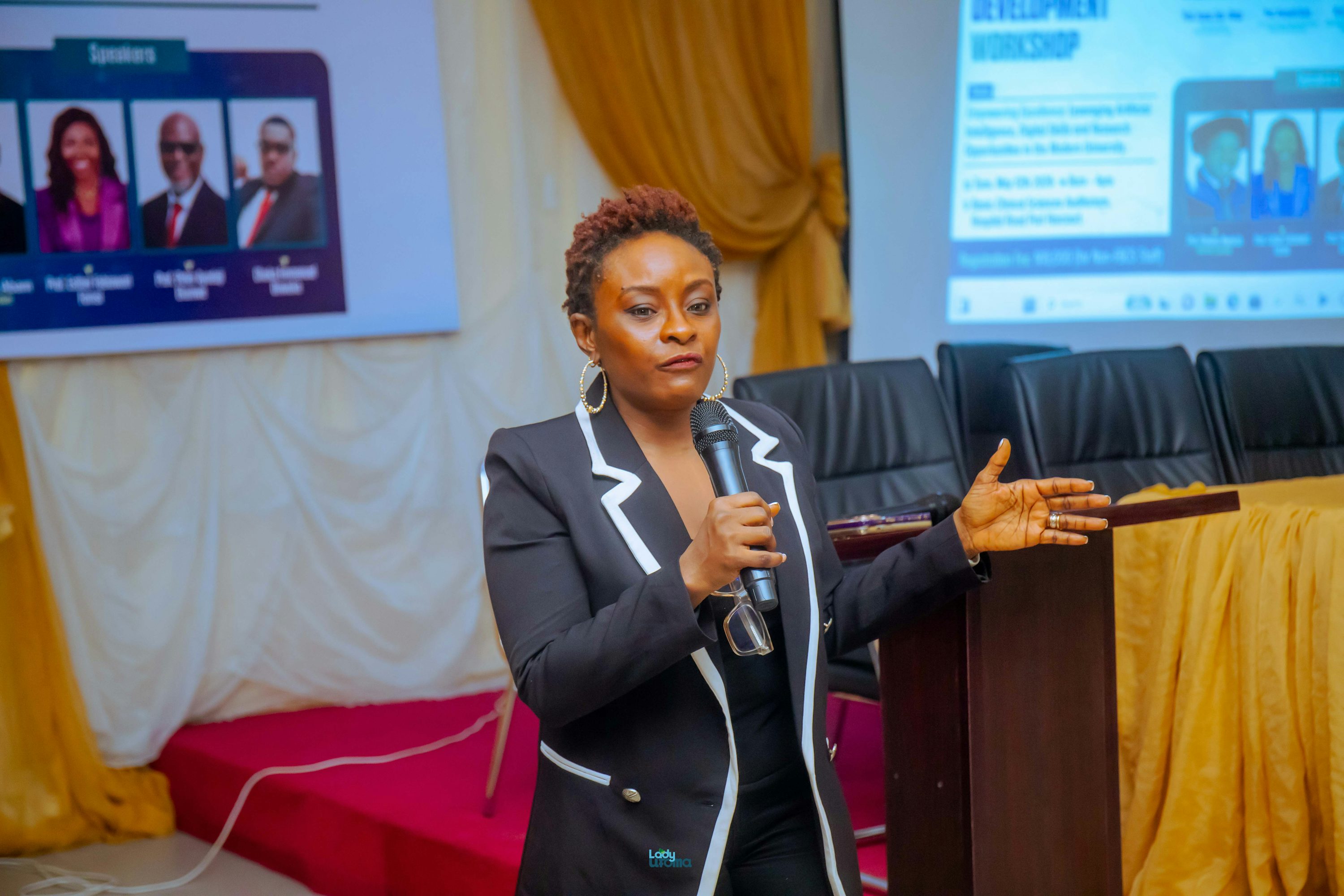
Why Governments Must Protect Education Budgets

Child safeguarding and privacy: Put each learner’s best interests first. Use informed consent and age-appropriate assent where applicable, collect only necessary data, never publish identifiable student circumstances without lawful authorization, and maintain clear reporting and referral pathways led by trained professionals.

A useful discussion of why governments must protect education budgets begins with the people most affected: learners, families, educators and communities. They see the costs, language barriers, scheduling pressures, safety concerns and institutional rules that aggregate data can miss. Their experience should guide diagnosis, while public standards and independent evidence help protect every learner’s rights.

Sustainable Development Goal 4 calls for inclusive and equitable quality education and lifelong learning opportunities for all. UNESCO’s education work and UNICEF’s education resources show why access, learning, inclusion and system capacity must be considered together. This places governments must protect education budgets inside a wider public responsibility rather than treating it as a stand-alone project.

“Progress on governments must protect education budgets lasts when every learner is heard, supported and able to participate.”

The case for coordinated action

For this topic, a strong starting point is a coherent education system with adequate finance, public accountability, professional capacity and meaningful participation by learners and communities. These elements reinforce one another. A learner may be formally enrolled yet unable to understand the language of instruction, reach school safely, use an inaccessible platform or receive timely feedback. A teacher may value a reform but lack preparation time, appropriate materials or professional support. Good policy therefore looks beyond averages and asks who benefits, who remains excluded and why.

Where sustainable improvement begins

An effective response to governments must protect education budgets begins by defining the specific learner outcome and the barrier preventing it. It then identifies who has authority, knowledge and responsibility. Learners and families contribute lived experience; educators contribute professional judgment; public institutions set and fund standards; and partners can fill a defined gap without displacing accountability.

  • Coordinate partners around public priorities: translate this principle into a funded task, a responsible owner and a way for learners to raise barriers safely.
  • Use evidence for learning rather than punishment: translate this principle into a funded task, a responsible owner and a way for learners to raise barriers safely.
  • Fund implementation and core capacity: translate this principle into a funded task, a responsible owner and a way for learners to raise barriers safely.
  • Define public responsibilities and minimum standards: translate this principle into a funded task, a responsible owner and a way for learners to raise barriers safely.
  • Give learners and communities genuine influence: translate this principle into a funded task, a responsible owner and a way for learners to raise barriers safely.

Implementation quality matters as much as the concept. Staff need time to prepare, try and improve the approach. Materials should be accessible and culturally respectful. Data systems should collect only what is necessary for a stated educational purpose, with appropriate retention and access controls. Safeguarding is not a paragraph in a policy; it is a set of trained roles, reporting routes and documented decisions.

Community and school checklist

  1. Separate the urgent access problem from the longer pathway to quality learning.
  2. Test eligibility, language, timing, technology and location for exclusion.
  3. Create safe feedback, complaint and referral routes for learners and families.
  4. Pilot a manageable change before expanding it.
  5. Agree who will sustain useful elements after initial funding ends.

A hypothetical programme example

Consider a hypothetical school partnership working on governments must protect education budgets. Students explain through safeguarded group consultation that a well-intended programme is difficult to use because of timing, language and connectivity. Educators identify a need for planning time and practical support. The partnership revises delivery, retains an offline option and assigns a trained safeguarding lead. It reports both improvements and unresolved barriers. Expansion depends on evidence of equitable participation and learning rather than registrations, publicity or equipment distributed.

The useful lesson in this scenario is the learning process. Participants can challenge rules that create exclusion, educators can identify unrealistic workload and leaders can see why adaptation is responsible management. The team also avoids inventing success: it distinguishes what was delivered, what changed for learners, what remains uncertain and which external factors may have influenced the result.

Mistakes that can undermine trust

Common mistakes include allowing short projects to fragment the system, announcing reform without implementation resources, and using averages that hide exclusion. Teams also weaken programmes by selecting only easy-to-reach participants, confusing satisfaction with learning, or publishing a promising pilot as if it proved long-term change. A low complaint count is not automatically evidence of safety; learners may not know the channel, trust it or be able to use it privately.

Communication should protect dignity and agency. Do not use identifiable images, disability information, migration history, health details or experiences of violence as promotional material without lawful, genuinely informed consent and appropriate safeguarding review. Children should never carry the burden of validating an organization’s impact claim. Use composite, non-identifiable examples unless a carefully reviewed public account is essential.

Evidence for better decisions

Measurement should combine reach, quality, equity, safety and durability. Useful indicators for this topic include equitable access, learning and completion, public accountability for resources, learner, family and educator influence over decisions, and quality and continuity of services. The UNESCO Institute for Statistics provides internationally comparable education data, while local qualitative evidence can explain barriers that summary indicators miss.

Outputs such as teachers trained, devices distributed, lessons delivered or facilities completed help manage implementation, but they do not prove learning. Outcomes ask whether knowledge, skills, participation, progression or belonging changed. Disaggregate results only when groups are large enough to protect privacy, document missing data, and examine non-participation and dropout. That is often where exclusion becomes visible.

Define the baseline, review schedule and decision rules before launch. Combine appropriate assessment evidence with teacher observation and safeguarded learner feedback. Compare cost with quality and reach, not with activity alone. Report positive, mixed and negative findings so communities and funders can distinguish honest learning from promotion.

Authoritative resources and outbound references

These sources provide global frameworks rather than instructions for a specific learner or school. National law, curriculum, language, disability rights, safeguarding standards and local capacity determine responsible application. Decisions involving child development, mental health, nutrition, water safety, disability accommodations or emergency response require appropriately qualified local professionals.

From commitment to durable progress

Why Governments Must Protect Education Budgets cannot be advanced by a single campaign. A credible next step is to convene learners, educators and affected communities through safe participation; define one specific barrier; map existing public responsibilities; and test a modest improvement with transparent safeguards. Keep what evidence and experience support, change what does not and explain the reasoning publicly.

The goal is not simply more educational activity. It is reliable, inclusive learning that expands people’s choices across life. Action on governments must protect education budgets advances SDG 4 when it strengthens educators, protects learner dignity, reaches those facing the greatest barriers and builds public capability that remains useful after the first project or funding cycle ends.
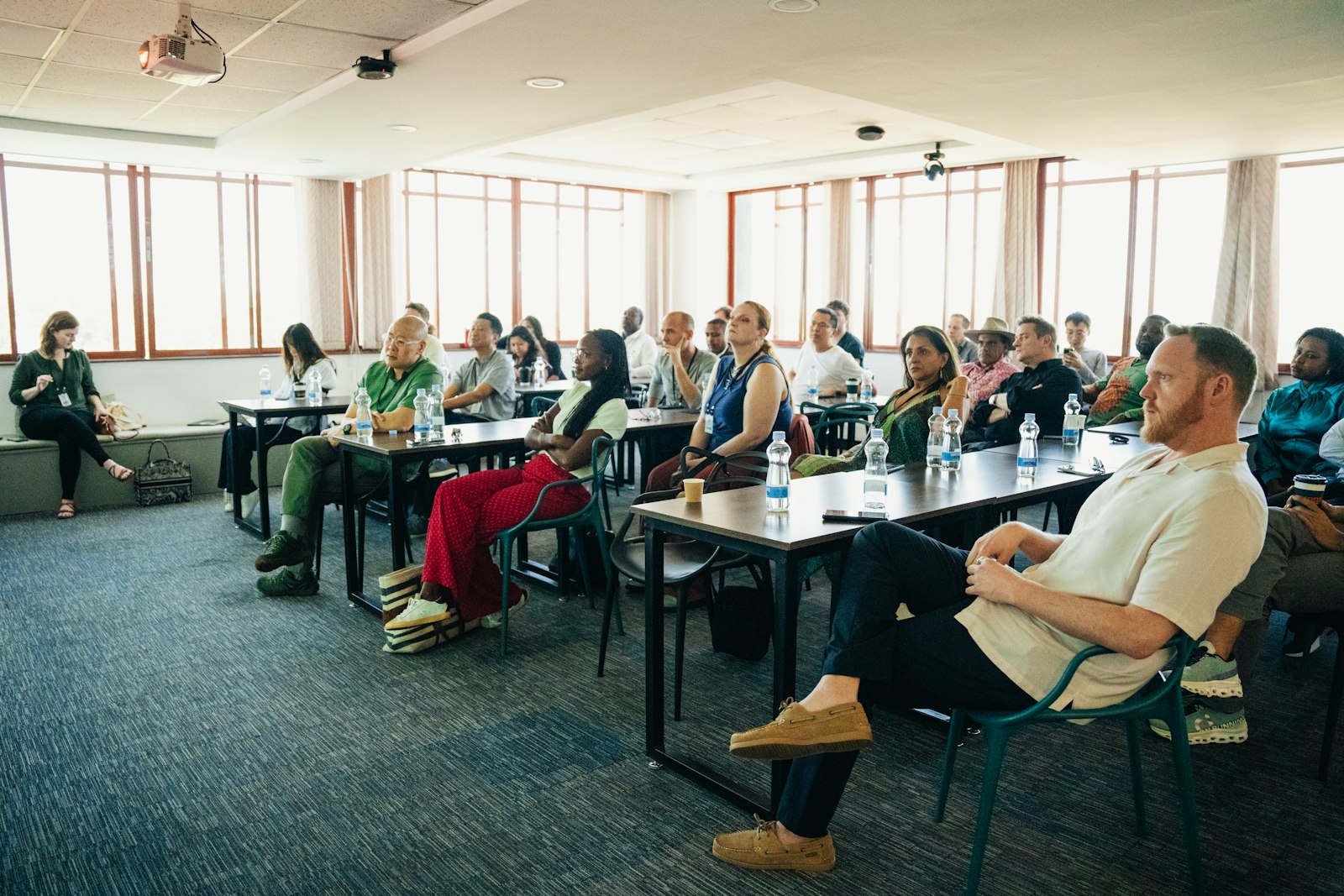

Successful Education Models the World Can Learn From

Child safeguarding and privacy: Put each learner’s best interests first. Use informed consent and age-appropriate assent where applicable, collect only necessary data, never publish identifiable student circumstances without lawful authorization, and maintain clear reporting and referral pathways led by trained professionals.

A useful discussion of successful education models the world can learn from begins with the people most affected: learners, families, educators and communities. They see the costs, language barriers, scheduling pressures, safety concerns and institutional rules that aggregate data can miss. Their experience should guide diagnosis, while public standards and independent evidence help protect every learner’s rights.

Sustainable Development Goal 4 calls for inclusive and equitable quality education and lifelong learning opportunities for all. UNESCO’s education work and UNICEF’s education resources show why access, learning, inclusion and system capacity must be considered together. This places successful education models the world can learn from inside a wider public responsibility rather than treating it as a stand-alone project.

“Progress on successful education models the world can learn from lasts when every learner is heard, supported and able to participate.”

Connecting the topic to SDG 4

For this topic, a strong starting point is a coherent education system with adequate finance, public accountability, professional capacity and meaningful participation by learners and communities. These elements reinforce one another. A learner may be formally enrolled yet unable to understand the language of instruction, reach school safely, use an inaccessible platform or receive timely feedback. A teacher may value a reform but lack preparation time, appropriate materials or professional support. Good policy therefore looks beyond averages and asks who benefits, who remains excluded and why.

Principles for lasting educational change

An effective response to successful education models the world can learn from begins by defining the specific learner outcome and the barrier preventing it. It then identifies who has authority, knowledge and responsibility. Learners and families contribute lived experience; educators contribute professional judgment; public institutions set and fund standards; and partners can fill a defined gap without displacing accountability.

  • Define public responsibilities and minimum standards: translate this principle into a funded task, a responsible owner and a way for learners to raise barriers safely.
  • Fund implementation and core capacity: translate this principle into a funded task, a responsible owner and a way for learners to raise barriers safely.
  • Use evidence for learning rather than punishment: translate this principle into a funded task, a responsible owner and a way for learners to raise barriers safely.
  • Coordinate partners around public priorities: translate this principle into a funded task, a responsible owner and a way for learners to raise barriers safely.
  • Give learners and communities genuine influence: translate this principle into a funded task, a responsible owner and a way for learners to raise barriers safely.

Implementation quality matters as much as the concept. Staff need time to prepare, try and improve the approach. Materials should be accessible and culturally respectful. Data systems should collect only what is necessary for a stated educational purpose, with appropriate retention and access controls. Safeguarding is not a paragraph in a policy; it is a set of trained roles, reporting routes and documented decisions.

Checklist for implementation

  1. Separate the urgent access problem from the longer pathway to quality learning.
  2. Test eligibility, language, timing, technology and location for exclusion.
  3. Create safe feedback, complaint and referral routes for learners and families.
  4. Pilot a manageable change before expanding it.
  5. Agree who will sustain useful elements after initial funding ends.

An illustrative composite scenario

Consider a hypothetical school partnership working on successful education models the world can learn from. Students explain through safeguarded group consultation that a well-intended programme is difficult to use because of timing, language and connectivity. Educators identify a need for planning time and practical support. The partnership revises delivery, retains an offline option and assigns a trained safeguarding lead. It reports both improvements and unresolved barriers. Expansion depends on evidence of equitable participation and learning rather than registrations, publicity or equipment distributed.

The useful lesson in this scenario is the learning process. Participants can challenge rules that create exclusion, educators can identify unrealistic workload and leaders can see why adaptation is responsible management. The team also avoids inventing success: it distinguishes what was delivered, what changed for learners, what remains uncertain and which external factors may have influenced the result.

What often goes wrong

Common mistakes include announcing reform without implementation resources, allowing short projects to fragment the system, and using averages that hide exclusion. Teams also weaken programmes by selecting only easy-to-reach participants, confusing satisfaction with learning, or publishing a promising pilot as if it proved long-term change. A low complaint count is not automatically evidence of safety; learners may not know the channel, trust it or be able to use it privately.

Communication should protect dignity and agency. Do not use identifiable images, disability information, migration history, health details or experiences of violence as promotional material without lawful, genuinely informed consent and appropriate safeguarding review. Children should never carry the burden of validating an organization’s impact claim. Use composite, non-identifiable examples unless a carefully reviewed public account is essential.

Tracking progress without losing the learner

Measurement should combine reach, quality, equity, safety and durability. Useful indicators for this topic include learner, family and educator influence over decisions, public accountability for resources, equitable access, learning and completion, and quality and continuity of services. The UNESCO Institute for Statistics provides internationally comparable education data, while local qualitative evidence can explain barriers that summary indicators miss.

Outputs such as teachers trained, devices distributed, lessons delivered or facilities completed help manage implementation, but they do not prove learning. Outcomes ask whether knowledge, skills, participation, progression or belonging changed. Disaggregate results only when groups are large enough to protect privacy, document missing data, and examine non-participation and dropout. That is often where exclusion becomes visible.

Define the baseline, review schedule and decision rules before launch. Combine appropriate assessment evidence with teacher observation and safeguarded learner feedback. Compare cost with quality and reach, not with activity alone. Report positive, mixed and negative findings so communities and funders can distinguish honest learning from promotion.

Authoritative resources and outbound references

These sources provide global frameworks rather than instructions for a specific learner or school. National law, curriculum, language, disability rights, safeguarding standards and local capacity determine responsible application. Decisions involving child development, mental health, nutrition, water safety, disability accommodations or emergency response require appropriately qualified local professionals.

Conclusion: build for lasting learning

Successful Education Models the World Can Learn From cannot be advanced by a single campaign. A credible next step is to convene learners, educators and affected communities through safe participation; define one specific barrier; map existing public responsibilities; and test a modest improvement with transparent safeguards. Keep what evidence and experience support, change what does not and explain the reasoning publicly.

The goal is not simply more educational activity. It is reliable, inclusive learning that expands people’s choices across life. Action on successful education models the world can learn from advances SDG 4 when it strengthens educators, protects learner dignity, reaches those facing the greatest barriers and builds public capability that remains useful after the first project or funding cycle ends.

Vocational Education and the Future of Employment

Child safeguarding and privacy: Put each learner’s best interests first. Use informed consent and age-appropriate assent where applicable, collect only necessary data, never publish identifiable student circumstances without lawful authorization, and maintain clear reporting and referral pathways led by trained professionals.

Vocational Education and the Future of Employment is ultimately a question about whether learners can participate, understand, belong and progress. Access is essential, but a seat in a classroom or an account on a platform does not by itself guarantee learning. Quality education also depends on capable educators, safe environments, relevant content, adequate time and the removal of barriers that affect learners differently.

Sustainable Development Goal 4 calls for inclusive and equitable quality education and lifelong learning opportunities for all. UNESCO’s education work and UNICEF’s education resources show why access, learning, inclusion and system capacity must be considered together. This places vocational education and the future of employment inside a wider public responsibility rather than treating it as a stand-alone project.

“Progress on vocational education and the future of employment lasts when every learner is heard, supported and able to participate.”

Why this matters for quality education

For this topic, a strong starting point is recognized and portable learning connected to dignified opportunities, changing work and adults’ right to continue learning. These elements reinforce one another. A learner may be formally enrolled yet unable to understand the language of instruction, reach school safely, use an inaccessible platform or receive timely feedback. A teacher may value a reform but lack preparation time, appropriate materials or professional support. Good policy therefore looks beyond averages and asks who benefits, who remains excluded and why.

What an effective response requires

An effective response to vocational education and the future of employment begins by defining the specific learner outcome and the barrier preventing it. It then identifies who has authority, knowledge and responsibility. Learners and families contribute lived experience; educators contribute professional judgment; public institutions set and fund standards; and partners can fill a defined gap without displacing accountability.

  • Recognize prior learning: translate this principle into a funded task, a responsible owner and a way for learners to raise barriers safely.
  • Engage employers without surrendering educational purpose: translate this principle into a funded task, a responsible owner and a way for learners to raise barriers safely.
  • Protect apprentices and learners from exploitation: translate this principle into a funded task, a responsible owner and a way for learners to raise barriers safely.
  • Combine technical and transferable skills: translate this principle into a funded task, a responsible owner and a way for learners to raise barriers safely.
  • Map training to real opportunities and learner goals: translate this principle into a funded task, a responsible owner and a way for learners to raise barriers safely.

Implementation quality matters as much as the concept. Staff need time to prepare, try and improve the approach. Materials should be accessible and culturally respectful. Data systems should collect only what is necessary for a stated educational purpose, with appropriate retention and access controls. Safeguarding is not a paragraph in a policy; it is a set of trained roles, reporting routes and documented decisions.

A practical implementation checklist

  1. Define the learning or participation barrier with learners, families and educators.
  2. Map existing assets, services, costs and groups missing from the data.
  3. Set clear responsibilities for teaching quality, accessibility, privacy and safeguarding.
  4. Budget for staff time, maintenance, accommodations and independent learning.
  5. Choose outcome measures that cover learning, equity, belonging and continuity.

A realistic, non-identifiable example

Imagine a district where learners, families and teachers identify vocational education and the future of employment as a priority. A local team maps participation, learning conditions, costs and existing services before choosing an intervention. It tests one manageable change in several contrasting settings, provides reasonable accommodations and compensates community advisers for their time. Student information is minimized and protected. After a defined period, the team reviews learning, access, safety, workload and participant experience before deciding whether to adapt or expand. This composite example does not describe a real person, school or programme; it illustrates a responsible process.

The useful lesson in this scenario is the learning process. Participants can challenge rules that create exclusion, educators can identify unrealistic workload and leaders can see why adaptation is responsible management. The team also avoids inventing success: it distinguishes what was delivered, what changed for learners, what remains uncertain and which external factors may have influenced the result.

Common mistakes to avoid

Common mistakes include shifting all labor-market risk onto learners, training for jobs that do not exist locally, and counting course completion instead of sustained outcomes. Teams also weaken programmes by selecting only easy-to-reach participants, confusing satisfaction with learning, or publishing a promising pilot as if it proved long-term change. A low complaint count is not automatically evidence of safety; learners may not know the channel, trust it or be able to use it privately.

Communication should protect dignity and agency. Do not use identifiable images, disability information, migration history, health details or experiences of violence as promotional material without lawful, genuinely informed consent and appropriate safeguarding review. Children should never carry the burden of validating an organization’s impact claim. Use composite, non-identifiable examples unless a carefully reviewed public account is essential.

How to measure meaningful progress

Measurement should combine reach, quality, equity, safety and durability. Useful indicators for this topic include completion and recognized credentials, income and job-quality outcomes, employer and learner assessment of relevance, and progression into decent work or further learning. The UNESCO Institute for Statistics provides internationally comparable education data, while local qualitative evidence can explain barriers that summary indicators miss.

Outputs such as teachers trained, devices distributed, lessons delivered or facilities completed help manage implementation, but they do not prove learning. Outcomes ask whether knowledge, skills, participation, progression or belonging changed. Disaggregate results only when groups are large enough to protect privacy, document missing data, and examine non-participation and dropout. That is often where exclusion becomes visible.

Define the baseline, review schedule and decision rules before launch. Combine appropriate assessment evidence with teacher observation and safeguarded learner feedback. Compare cost with quality and reach, not with activity alone. Report positive, mixed and negative findings so communities and funders can distinguish honest learning from promotion.

Authoritative resources and outbound references

These sources provide global frameworks rather than instructions for a specific learner or school. National law, curriculum, language, disability rights, safeguarding standards and local capacity determine responsible application. Decisions involving child development, mental health, nutrition, water safety, disability accommodations or emergency response require appropriately qualified local professionals.

Turning evidence into action

Vocational Education and the Future of Employment cannot be advanced by a single campaign. A credible next step is to convene learners, educators and affected communities through safe participation; define one specific barrier; map existing public responsibilities; and test a modest improvement with transparent safeguards. Keep what evidence and experience support, change what does not and explain the reasoning publicly.

The goal is not simply more educational activity. It is reliable, inclusive learning that expands people’s choices across life. Action on vocational education and the future of employment advances SDG 4 when it strengthens educators, protects learner dignity, reaches those facing the greatest barriers and builds public capability that remains useful after the first project or funding cycle ends.
Teaching Critical Thinking in the Age of Misinformation

Child safeguarding and privacy: Put each learner’s best interests first. Use informed consent and age-appropriate assent where applicable, collect only necessary data, never publish identifiable student circumstances without lawful authorization, and maintain clear reporting and referral pathways led by trained professionals.

Teaching Critical Thinking in the Age of Misinformation is ultimately a question about whether learners can participate, understand, belong and progress. Access is essential, but a seat in a classroom or an account on a platform does not by itself guarantee learning. Quality education also depends on capable educators, safe environments, relevant content, adequate time and the removal of barriers that affect learners differently.

Sustainable Development Goal 4 calls for inclusive and equitable quality education and lifelong learning opportunities for all. UNESCO’s education work and UNICEF’s education resources show why access, learning, inclusion and system capacity must be considered together. This places teaching critical thinking in the age of misinformation inside a wider public responsibility rather than treating it as a stand-alone project.

“Progress on teaching critical thinking in the age of misinformation lasts when every learner is heard, supported and able to participate.”

Connecting the topic to SDG 4

For this topic, a strong starting point is deep understanding, transferable skills, curiosity and the capacity to apply knowledge responsibly in real contexts. These elements reinforce one another. A learner may be formally enrolled yet unable to understand the language of instruction, reach school safely, use an inaccessible platform or receive timely feedback. A teacher may value a reform but lack preparation time, appropriate materials or professional support. Good policy therefore looks beyond averages and asks who benefits, who remains excluded and why.

Principles for lasting educational change

An effective response to teaching critical thinking in the age of misinformation begins by defining the specific learner outcome and the barrier preventing it. It then identifies who has authority, knowledge and responsibility. Learners and families contribute lived experience; educators contribute professional judgment; public institutions set and fund standards; and partners can fill a defined gap without displacing accountability.

  • Align curriculum, teaching and assessment: translate this principle into a funded task, a responsible owner and a way for learners to raise barriers safely.
  • Define the capabilities learners should demonstrate: translate this principle into a funded task, a responsible owner and a way for learners to raise barriers safely.
  • Connect concepts with authentic local questions: translate this principle into a funded task, a responsible owner and a way for learners to raise barriers safely.
  • Use varied evidence of learning: translate this principle into a funded task, a responsible owner and a way for learners to raise barriers safely.
  • Give students timely feedback and room to revise: translate this principle into a funded task, a responsible owner and a way for learners to raise barriers safely.

Implementation quality matters as much as the concept. Staff need time to prepare, try and improve the approach. Materials should be accessible and culturally respectful. Data systems should collect only what is necessary for a stated educational purpose, with appropriate retention and access controls. Safeguarding is not a paragraph in a policy; it is a set of trained roles, reporting routes and documented decisions.

Checklist for implementation

  1. Define the learning or participation barrier with learners, families and educators.
  2. Map existing assets, services, costs and groups missing from the data.
  3. Set clear responsibilities for teaching quality, accessibility, privacy and safeguarding.
  4. Budget for staff time, maintenance, accommodations and independent learning.
  5. Choose outcome measures that cover learning, equity, belonging and continuity.

An illustrative composite scenario

Imagine a district where learners, families and teachers identify teaching critical thinking in the age of misinformation as a priority. A local team maps participation, learning conditions, costs and existing services before choosing an intervention. It tests one manageable change in several contrasting settings, provides reasonable accommodations and compensates community advisers for their time. Student information is minimized and protected. After a defined period, the team reviews learning, access, safety, workload and participant experience before deciding whether to adapt or expand. This composite example does not describe a real person, school or programme; it illustrates a responsible process.

The useful lesson in this scenario is the learning process. Participants can challenge rules that create exclusion, educators can identify unrealistic workload and leaders can see why adaptation is responsible management. The team also avoids inventing success: it distinguishes what was delivered, what changed for learners, what remains uncertain and which external factors may have influenced the result.

What often goes wrong

Common mistakes include adding projects without teaching the underlying knowledge, rewarding polished products while overlooking learning processes, and measuring only what is easiest to test. Teams also weaken programmes by selecting only easy-to-reach participants, confusing satisfaction with learning, or publishing a promising pilot as if it proved long-term change. A low complaint count is not automatically evidence of safety; learners may not know the channel, trust it or be able to use it privately.

Communication should protect dignity and agency. Do not use identifiable images, disability information, migration history, health details or experiences of violence as promotional material without lawful, genuinely informed consent and appropriate safeguarding review. Children should never carry the burden of validating an organization’s impact claim. Use composite, non-identifiable examples unless a carefully reviewed public account is essential.

Tracking progress without losing the learner

Measurement should combine reach, quality, equity, safety and durability. Useful indicators for this topic include growth in knowledge and application, engagement without excluding quieter learners, quality of reasoning and revision, and ability to transfer learning to unfamiliar tasks. The UNESCO Institute for Statistics provides internationally comparable education data, while local qualitative evidence can explain barriers that summary indicators miss.

Outputs such as teachers trained, devices distributed, lessons delivered or facilities completed help manage implementation, but they do not prove learning. Outcomes ask whether knowledge, skills, participation, progression or belonging changed. Disaggregate results only when groups are large enough to protect privacy, document missing data, and examine non-participation and dropout. That is often where exclusion becomes visible.

Define the baseline, review schedule and decision rules before launch. Combine appropriate assessment evidence with teacher observation and safeguarded learner feedback. Compare cost with quality and reach, not with activity alone. Report positive, mixed and negative findings so communities and funders can distinguish honest learning from promotion.

Authoritative resources and outbound references

These sources provide global frameworks rather than instructions for a specific learner or school. National law, curriculum, language, disability rights, safeguarding standards and local capacity determine responsible application. Decisions involving child development, mental health, nutrition, water safety, disability accommodations or emergency response require appropriately qualified local professionals.

Conclusion: build for lasting learning

Teaching Critical Thinking in the Age of Misinformation cannot be advanced by a single campaign. A credible next step is to convene learners, educators and affected communities through safe participation; define one specific barrier; map existing public responsibilities; and test a modest improvement with transparent safeguards. Keep what evidence and experience support, change what does not and explain the reasoning publicly.

The goal is not simply more educational activity. It is reliable, inclusive learning that expands people’s choices across life. Action on teaching critical thinking in the age of misinformation advances SDG 4 when it strengthens educators, protects learner dignity, reaches those facing the greatest barriers and builds public capability that remains useful after the first project or funding cycle ends.

Education as the Foundation of Sustainable Development

Child safeguarding and privacy: Put each learner’s best interests first. Use informed consent and age-appropriate assent where applicable, collect only necessary data, never publish identifiable student circumstances without lawful authorization, and maintain clear reporting and referral pathways led by trained professionals.

Education as the Foundation of Sustainable Development is ultimately a question about whether learners can participate, understand, belong and progress. Access is essential, but a seat in a classroom or an account on a platform does not by itself guarantee learning. Quality education also depends on capable educators, safe environments, relevant content, adequate time and the removal of barriers that affect learners differently.

Sustainable Development Goal 4 calls for inclusive and equitable quality education and lifelong learning opportunities for all. UNESCO’s education work and UNICEF’s education resources show why access, learning, inclusion and system capacity must be considered together. This places education as the foundation of sustainable development inside a wider public responsibility rather than treating it as a stand-alone project.

“Progress on education as the foundation of sustainable development lasts when every learner is heard, supported and able to participate.”

Why this matters for quality education

For this topic, a strong starting point is a coherent education system with adequate finance, public accountability, professional capacity and meaningful participation by learners and communities. These elements reinforce one another. A learner may be formally enrolled yet unable to understand the language of instruction, reach school safely, use an inaccessible platform or receive timely feedback. A teacher may value a reform but lack preparation time, appropriate materials or professional support. Good policy therefore looks beyond averages and asks who benefits, who remains excluded and why.

What an effective response requires

An effective response to education as the foundation of sustainable development begins by defining the specific learner outcome and the barrier preventing it. It then identifies who has authority, knowledge and responsibility. Learners and families contribute lived experience; educators contribute professional judgment; public institutions set and fund standards; and partners can fill a defined gap without displacing accountability.

  • Use evidence for learning rather than punishment: translate this principle into a funded task, a responsible owner and a way for learners to raise barriers safely.
  • Coordinate partners around public priorities: translate this principle into a funded task, a responsible owner and a way for learners to raise barriers safely.
  • Fund implementation and core capacity: translate this principle into a funded task, a responsible owner and a way for learners to raise barriers safely.
  • Define public responsibilities and minimum standards: translate this principle into a funded task, a responsible owner and a way for learners to raise barriers safely.
  • Give learners and communities genuine influence: translate this principle into a funded task, a responsible owner and a way for learners to raise barriers safely.

Implementation quality matters as much as the concept. Staff need time to prepare, try and improve the approach. Materials should be accessible and culturally respectful. Data systems should collect only what is necessary for a stated educational purpose, with appropriate retention and access controls. Safeguarding is not a paragraph in a policy; it is a set of trained roles, reporting routes and documented decisions.

A practical implementation checklist

  1. Define the learning or participation barrier with learners, families and educators.
  2. Map existing assets, services, costs and groups missing from the data.
  3. Set clear responsibilities for teaching quality, accessibility, privacy and safeguarding.
  4. Budget for staff time, maintenance, accommodations and independent learning.
  5. Choose outcome measures that cover learning, equity, belonging and continuity.

A realistic, non-identifiable example

Imagine a district where learners, families and teachers identify education as the foundation of sustainable development as a priority. A local team maps participation, learning conditions, costs and existing services before choosing an intervention. It tests one manageable change in several contrasting settings, provides reasonable accommodations and compensates community advisers for their time. Student information is minimized and protected. After a defined period, the team reviews learning, access, safety, workload and participant experience before deciding whether to adapt or expand. This composite example does not describe a real person, school or programme; it illustrates a responsible process.

The useful lesson in this scenario is the learning process. Participants can challenge rules that create exclusion, educators can identify unrealistic workload and leaders can see why adaptation is responsible management. The team also avoids inventing success: it distinguishes what was delivered, what changed for learners, what remains uncertain and which external factors may have influenced the result.

Common mistakes to avoid

Common mistakes include allowing short projects to fragment the system, announcing reform without implementation resources, and using averages that hide exclusion. Teams also weaken programmes by selecting only easy-to-reach participants, confusing satisfaction with learning, or publishing a promising pilot as if it proved long-term change. A low complaint count is not automatically evidence of safety; learners may not know the channel, trust it or be able to use it privately.

Communication should protect dignity and agency. Do not use identifiable images, disability information, migration history, health details or experiences of violence as promotional material without lawful, genuinely informed consent and appropriate safeguarding review. Children should never carry the burden of validating an organization’s impact claim. Use composite, non-identifiable examples unless a carefully reviewed public account is essential.

How to measure meaningful progress

Measurement should combine reach, quality, equity, safety and durability. Useful indicators for this topic include quality and continuity of services, learner, family and educator influence over decisions, equitable access, learning and completion, and public accountability for resources. The UNESCO Institute for Statistics provides internationally comparable education data, while local qualitative evidence can explain barriers that summary indicators miss.

Outputs such as teachers trained, devices distributed, lessons delivered or facilities completed help manage implementation, but they do not prove learning. Outcomes ask whether knowledge, skills, participation, progression or belonging changed. Disaggregate results only when groups are large enough to protect privacy, document missing data, and examine non-participation and dropout. That is often where exclusion becomes visible.

Define the baseline, review schedule and decision rules before launch. Combine appropriate assessment evidence with teacher observation and safeguarded learner feedback. Compare cost with quality and reach, not with activity alone. Report positive, mixed and negative findings so communities and funders can distinguish honest learning from promotion.

Authoritative resources and outbound references

These sources provide global frameworks rather than instructions for a specific learner or school. National law, curriculum, language, disability rights, safeguarding standards and local capacity determine responsible application. Decisions involving child development, mental health, nutrition, water safety, disability accommodations or emergency response require appropriately qualified local professionals.

Turning evidence into action

Education as the Foundation of Sustainable Development cannot be advanced by a single campaign. A credible next step is to convene learners, educators and affected communities through safe participation; define one specific barrier; map existing public responsibilities; and test a modest improvement with transparent safeguards. Keep what evidence and experience support, change what does not and explain the reasoning publicly.

The goal is not simply more educational activity. It is reliable, inclusive learning that expands people’s choices across life. Action on education as the foundation of sustainable development advances SDG 4 when it strengthens educators, protects learner dignity, reaches those facing the greatest barriers and builds public capability that remains useful after the first project or funding cycle ends.

Why Girls’ Education Changes Entire Communities

Child safeguarding and privacy: Put each learner’s best interests first. Use informed consent and age-appropriate assent where applicable, collect only necessary data, never publish identifiable student circumstances without lawful authorization, and maintain clear reporting and referral pathways led by trained professionals.

When decision-makers consider why girls’ education changes entire communities, the central question should be what changes for learners. New facilities, courses, devices or partnerships are outputs. The intended outcomes are stronger learning, wider opportunity, greater belonging and the ability to continue education without avoidable interruption. Keeping that distinction visible improves both design and accountability.

Sustainable Development Goal 4 calls for inclusive and equitable quality education and lifelong learning opportunities for all. UNESCO’s education work and UNICEF’s education resources show why access, learning, inclusion and system capacity must be considered together. This places girls’ education changes entire communities inside a wider public responsibility rather than treating it as a stand-alone project.

“Progress on girls’ education changes entire communities lasts when every learner is heard, supported and able to participate.”

Connecting the topic to SDG 4

For this topic, a strong starting point is safe, affordable and respectful learning environments that remove gendered barriers and expand real choices for girls and young women. These elements reinforce one another. A learner may be formally enrolled yet unable to understand the language of instruction, reach school safely, use an inaccessible platform or receive timely feedback. A teacher may value a reform but lack preparation time, appropriate materials or professional support. Good policy therefore looks beyond averages and asks who benefits, who remains excluded and why.

Principles for lasting educational change

An effective response to girls’ education changes entire communities begins by defining the specific learner outcome and the barrier preventing it. It then identifies who has authority, knowledge and responsibility. Learners and families contribute lived experience; educators contribute professional judgment; public institutions set and fund standards; and partners can fill a defined gap without displacing accountability.

  • Build trusted referral and safeguarding systems: translate this principle into a funded task, a responsible owner and a way for learners to raise barriers safely.
  • Challenge discriminatory expectations: translate this principle into a funded task, a responsible owner and a way for learners to raise barriers safely.
  • Listen safely to girls about barriers: translate this principle into a funded task, a responsible owner and a way for learners to raise barriers safely.
  • Support transitions between education levels: translate this principle into a funded task, a responsible owner and a way for learners to raise barriers safely.
  • Address costs, safety, sanitation and care demands together: translate this principle into a funded task, a responsible owner and a way for learners to raise barriers safely.

Implementation quality matters as much as the concept. Staff need time to prepare, try and improve the approach. Materials should be accessible and culturally respectful. Data systems should collect only what is necessary for a stated educational purpose, with appropriate retention and access controls. Safeguarding is not a paragraph in a policy; it is a set of trained roles, reporting routes and documented decisions.

Checklist for implementation

  1. Establish a privacy-conscious baseline before implementation.
  2. Clarify the evidence behind the proposed approach and its limits.
  3. Include accessible, low-tech and human-supported alternatives.
  4. Publish responsibilities and safeguards in plain language.
  5. Review results with learner and educator representatives and adapt transparently.

An illustrative composite scenario

A non-identifiable community scenario could bring public educators, families, youth representatives and a nonprofit together around girls’ education changes entire communities. They agree on distinct roles, use existing services and define transparent participation criteria. Qualified specialists review accessibility, child protection and technical feasibility. A small pilot compares outcomes with the baseline and invites confidential feedback. The group changes weak elements before scale and avoids claiming that one intervention caused changes influenced by many factors.

The useful lesson in this scenario is the learning process. Participants can challenge rules that create exclusion, educators can identify unrealistic workload and leaders can see why adaptation is responsible management. The team also avoids inventing success: it distinguishes what was delivered, what changed for learners, what remains uncertain and which external factors may have influenced the result.

What often goes wrong

Common mistakes include publicly identifying learners facing harm, counting enrollment while ignoring safety and completion, and placing the burden of change on girls alone. Teams also weaken programmes by selecting only easy-to-reach participants, confusing satisfaction with learning, or publishing a promising pilot as if it proved long-term change. A low complaint count is not automatically evidence of safety; learners may not know the channel, trust it or be able to use it privately.

Communication should protect dignity and agency. Do not use identifiable images, disability information, migration history, health details or experiences of violence as promotional material without lawful, genuinely informed consent and appropriate safeguarding review. Children should never carry the burden of validating an organization’s impact claim. Use composite, non-identifiable examples unless a carefully reviewed public account is essential.

Tracking progress without losing the learner

Measurement should combine reach, quality, equity, safety and durability. Useful indicators for this topic include student-reported safety and belonging, access to leadership and further learning opportunities, attendance, progression and completion by gender, and re-entry after interruption. The UNESCO Institute for Statistics provides internationally comparable education data, while local qualitative evidence can explain barriers that summary indicators miss.

Outputs such as teachers trained, devices distributed, lessons delivered or facilities completed help manage implementation, but they do not prove learning. Outcomes ask whether knowledge, skills, participation, progression or belonging changed. Disaggregate results only when groups are large enough to protect privacy, document missing data, and examine non-participation and dropout. That is often where exclusion becomes visible.

Define the baseline, review schedule and decision rules before launch. Combine appropriate assessment evidence with teacher observation and safeguarded learner feedback. Compare cost with quality and reach, not with activity alone. Report positive, mixed and negative findings so communities and funders can distinguish honest learning from promotion.

Authoritative resources and outbound references

These sources provide global frameworks rather than instructions for a specific learner or school. National law, curriculum, language, disability rights, safeguarding standards and local capacity determine responsible application. Decisions involving child development, mental health, nutrition, water safety, disability accommodations or emergency response require appropriately qualified local professionals.

Conclusion: build for lasting learning

Why Girls’ Education Changes Entire Communities cannot be advanced by a single campaign. A credible next step is to convene learners, educators and affected communities through safe participation; define one specific barrier; map existing public responsibilities; and test a modest improvement with transparent safeguards. Keep what evidence and experience support, change what does not and explain the reasoning publicly.

The goal is not simply more educational activity. It is reliable, inclusive learning that expands people’s choices across life. Action on girls’ education changes entire communities advances SDG 4 when it strengthens educators, protects learner dignity, reaches those facing the greatest barriers and builds public capability that remains useful after the first project or funding cycle ends.

Financial Literacy for Every Student

Child safeguarding and privacy: Put each learner’s best interests first. Use informed consent and age-appropriate assent where applicable, collect only necessary data, never publish identifiable student circumstances without lawful authorization, and maintain clear reporting and referral pathways led by trained professionals.

When decision-makers consider financial literacy for every student, the central question should be what changes for learners. New facilities, courses, devices or partnerships are outputs. The intended outcomes are stronger learning, wider opportunity, greater belonging and the ability to continue education without avoidable interruption. Keeping that distinction visible improves both design and accountability.

Sustainable Development Goal 4 calls for inclusive and equitable quality education and lifelong learning opportunities for all. UNESCO’s education work and UNICEF’s education resources show why access, learning, inclusion and system capacity must be considered together. This places financial literacy for every student inside a wider public responsibility rather than treating it as a stand-alone project.

“Progress on financial literacy for every student lasts when every learner is heard, supported and able to participate.”

Why this matters for quality education

For this topic, a strong starting point is deep understanding, transferable skills, curiosity and the capacity to apply knowledge responsibly in real contexts. These elements reinforce one another. A learner may be formally enrolled yet unable to understand the language of instruction, reach school safely, use an inaccessible platform or receive timely feedback. A teacher may value a reform but lack preparation time, appropriate materials or professional support. Good policy therefore looks beyond averages and asks who benefits, who remains excluded and why.

What an effective response requires

An effective response to financial literacy for every student begins by defining the specific learner outcome and the barrier preventing it. It then identifies who has authority, knowledge and responsibility. Learners and families contribute lived experience; educators contribute professional judgment; public institutions set and fund standards; and partners can fill a defined gap without displacing accountability.

  • Connect concepts with authentic local questions: translate this principle into a funded task, a responsible owner and a way for learners to raise barriers safely.
  • Align curriculum, teaching and assessment: translate this principle into a funded task, a responsible owner and a way for learners to raise barriers safely.
  • Define the capabilities learners should demonstrate: translate this principle into a funded task, a responsible owner and a way for learners to raise barriers safely.
  • Use varied evidence of learning: translate this principle into a funded task, a responsible owner and a way for learners to raise barriers safely.
  • Give students timely feedback and room to revise: translate this principle into a funded task, a responsible owner and a way for learners to raise barriers safely.

Implementation quality matters as much as the concept. Staff need time to prepare, try and improve the approach. Materials should be accessible and culturally respectful. Data systems should collect only what is necessary for a stated educational purpose, with appropriate retention and access controls. Safeguarding is not a paragraph in a policy; it is a set of trained roles, reporting routes and documented decisions.

A practical implementation checklist

  1. Establish a privacy-conscious baseline before implementation.
  2. Clarify the evidence behind the proposed approach and its limits.
  3. Include accessible, low-tech and human-supported alternatives.
  4. Publish responsibilities and safeguards in plain language.
  5. Review results with learner and educator representatives and adapt transparently.

A realistic, non-identifiable example

A non-identifiable community scenario could bring public educators, families, youth representatives and a nonprofit together around financial literacy for every student. They agree on distinct roles, use existing services and define transparent participation criteria. Qualified specialists review accessibility, child protection and technical feasibility. A small pilot compares outcomes with the baseline and invites confidential feedback. The group changes weak elements before scale and avoids claiming that one intervention caused changes influenced by many factors.

The useful lesson in this scenario is the learning process. Participants can challenge rules that create exclusion, educators can identify unrealistic workload and leaders can see why adaptation is responsible management. The team also avoids inventing success: it distinguishes what was delivered, what changed for learners, what remains uncertain and which external factors may have influenced the result.

Common mistakes to avoid

Common mistakes include adding projects without teaching the underlying knowledge, measuring only what is easiest to test, and rewarding polished products while overlooking learning processes. Teams also weaken programmes by selecting only easy-to-reach participants, confusing satisfaction with learning, or publishing a promising pilot as if it proved long-term change. A low complaint count is not automatically evidence of safety; learners may not know the channel, trust it or be able to use it privately.

Communication should protect dignity and agency. Do not use identifiable images, disability information, migration history, health details or experiences of violence as promotional material without lawful, genuinely informed consent and appropriate safeguarding review. Children should never carry the burden of validating an organization’s impact claim. Use composite, non-identifiable examples unless a carefully reviewed public account is essential.

How to measure meaningful progress

Measurement should combine reach, quality, equity, safety and durability. Useful indicators for this topic include ability to transfer learning to unfamiliar tasks, growth in knowledge and application, quality of reasoning and revision, and engagement without excluding quieter learners. The UNESCO Institute for Statistics provides internationally comparable education data, while local qualitative evidence can explain barriers that summary indicators miss.

Outputs such as teachers trained, devices distributed, lessons delivered or facilities completed help manage implementation, but they do not prove learning. Outcomes ask whether knowledge, skills, participation, progression or belonging changed. Disaggregate results only when groups are large enough to protect privacy, document missing data, and examine non-participation and dropout. That is often where exclusion becomes visible.

Define the baseline, review schedule and decision rules before launch. Combine appropriate assessment evidence with teacher observation and safeguarded learner feedback. Compare cost with quality and reach, not with activity alone. Report positive, mixed and negative findings so communities and funders can distinguish honest learning from promotion.

Authoritative resources and outbound references

These sources provide global frameworks rather than instructions for a specific learner or school. National law, curriculum, language, disability rights, safeguarding standards and local capacity determine responsible application. Decisions involving child development, mental health, nutrition, water safety, disability accommodations or emergency response require appropriately qualified local professionals.

Turning evidence into action

Financial Literacy for Every Student cannot be advanced by a single campaign. A credible next step is to convene learners, educators and affected communities through safe participation; define one specific barrier; map existing public responsibilities; and test a modest improvement with transparent safeguards. Keep what evidence and experience support, change what does not and explain the reasoning publicly.

The goal is not simply more educational activity. It is reliable, inclusive learning that expands people’s choices across life. Action on financial literacy for every student advances SDG 4 when it strengthens educators, protects learner dignity, reaches those facing the greatest barriers and builds public capability that remains useful after the first project or funding cycle ends.

Entrepreneurship Education for Young People

Child safeguarding and privacy: Put each learner’s best interests first. Use informed consent and age-appropriate assent where applicable, collect only necessary data, never publish identifiable student circumstances without lawful authorization, and maintain clear reporting and referral pathways led by trained professionals.

Entrepreneurship Education for Young People is ultimately a question about whether learners can participate, understand, belong and progress. Access is essential, but a seat in a classroom or an account on a platform does not by itself guarantee learning. Quality education also depends on capable educators, safe environments, relevant content, adequate time and the removal of barriers that affect learners differently.

Sustainable Development Goal 4 calls for inclusive and equitable quality education and lifelong learning opportunities for all. UNESCO’s education work and UNICEF’s education resources show why access, learning, inclusion and system capacity must be considered together. This places entrepreneurship education for young people inside a wider public responsibility rather than treating it as a stand-alone project.

“Progress on entrepreneurship education for young people lasts when every learner is heard, supported and able to participate.”

Connecting the topic to SDG 4

For this topic, a strong starting point is recognized and portable learning connected to dignified opportunities, changing work and adults’ right to continue learning. These elements reinforce one another. A learner may be formally enrolled yet unable to understand the language of instruction, reach school safely, use an inaccessible platform or receive timely feedback. A teacher may value a reform but lack preparation time, appropriate materials or professional support. Good policy therefore looks beyond averages and asks who benefits, who remains excluded and why.

Principles for lasting educational change

An effective response to entrepreneurship education for young people begins by defining the specific learner outcome and the barrier preventing it. It then identifies who has authority, knowledge and responsibility. Learners and families contribute lived experience; educators contribute professional judgment; public institutions set and fund standards; and partners can fill a defined gap without displacing accountability.

  • Engage employers without surrendering educational purpose: translate this principle into a funded task, a responsible owner and a way for learners to raise barriers safely.
  • Recognize prior learning: translate this principle into a funded task, a responsible owner and a way for learners to raise barriers safely.
  • Combine technical and transferable skills: translate this principle into a funded task, a responsible owner and a way for learners to raise barriers safely.
  • Map training to real opportunities and learner goals: translate this principle into a funded task, a responsible owner and a way for learners to raise barriers safely.
  • Protect apprentices and learners from exploitation: translate this principle into a funded task, a responsible owner and a way for learners to raise barriers safely.

Implementation quality matters as much as the concept. Staff need time to prepare, try and improve the approach. Materials should be accessible and culturally respectful. Data systems should collect only what is necessary for a stated educational purpose, with appropriate retention and access controls. Safeguarding is not a paragraph in a policy; it is a set of trained roles, reporting routes and documented decisions.

Checklist for implementation

  1. Define the learning or participation barrier with learners, families and educators.
  2. Map existing assets, services, costs and groups missing from the data.
  3. Set clear responsibilities for teaching quality, accessibility, privacy and safeguarding.
  4. Budget for staff time, maintenance, accommodations and independent learning.
  5. Choose outcome measures that cover learning, equity, belonging and continuity.

An illustrative composite scenario

Imagine a district where learners, families and teachers identify entrepreneurship education for young people as a priority. A local team maps participation, learning conditions, costs and existing services before choosing an intervention. It tests one manageable change in several contrasting settings, provides reasonable accommodations and compensates community advisers for their time. Student information is minimized and protected. After a defined period, the team reviews learning, access, safety, workload and participant experience before deciding whether to adapt or expand. This composite example does not describe a real person, school or programme; it illustrates a responsible process.

The useful lesson in this scenario is the learning process. Participants can challenge rules that create exclusion, educators can identify unrealistic workload and leaders can see why adaptation is responsible management. The team also avoids inventing success: it distinguishes what was delivered, what changed for learners, what remains uncertain and which external factors may have influenced the result.

What often goes wrong

Common mistakes include counting course completion instead of sustained outcomes, training for jobs that do not exist locally, and shifting all labor-market risk onto learners. Teams also weaken programmes by selecting only easy-to-reach participants, confusing satisfaction with learning, or publishing a promising pilot as if it proved long-term change. A low complaint count is not automatically evidence of safety; learners may not know the channel, trust it or be able to use it privately.

Communication should protect dignity and agency. Do not use identifiable images, disability information, migration history, health details or experiences of violence as promotional material without lawful, genuinely informed consent and appropriate safeguarding review. Children should never carry the burden of validating an organization’s impact claim. Use composite, non-identifiable examples unless a carefully reviewed public account is essential.

Tracking progress without losing the learner

Measurement should combine reach, quality, equity, safety and durability. Useful indicators for this topic include completion and recognized credentials, income and job-quality outcomes, progression into decent work or further learning, and employer and learner assessment of relevance. The UNESCO Institute for Statistics provides internationally comparable education data, while local qualitative evidence can explain barriers that summary indicators miss.

Outputs such as teachers trained, devices distributed, lessons delivered or facilities completed help manage implementation, but they do not prove learning. Outcomes ask whether knowledge, skills, participation, progression or belonging changed. Disaggregate results only when groups are large enough to protect privacy, document missing data, and examine non-participation and dropout. That is often where exclusion becomes visible.

Define the baseline, review schedule and decision rules before launch. Combine appropriate assessment evidence with teacher observation and safeguarded learner feedback. Compare cost with quality and reach, not with activity alone. Report positive, mixed and negative findings so communities and funders can distinguish honest learning from promotion.

Authoritative resources and outbound references

These sources provide global frameworks rather than instructions for a specific learner or school. National law, curriculum, language, disability rights, safeguarding standards and local capacity determine responsible application. Decisions involving child development, mental health, nutrition, water safety, disability accommodations or emergency response require appropriately qualified local professionals.

Conclusion: build for lasting learning

Entrepreneurship Education for Young People cannot be advanced by a single campaign. A credible next step is to convene learners, educators and affected communities through safe participation; define one specific barrier; map existing public responsibilities; and test a modest improvement with transparent safeguards. Keep what evidence and experience support, change what does not and explain the reasoning publicly.

The goal is not simply more educational activity. It is reliable, inclusive learning that expands people’s choices across life. Action on entrepreneurship education for young people advances SDG 4 when it strengthens educators, protects learner dignity, reaches those facing the greatest barriers and builds public capability that remains useful after the first project or funding cycle ends.

Higher Education as a Driver of Social Innovation

Child safeguarding and privacy: Put each learner’s best interests first. Use informed consent and age-appropriate assent where applicable, collect only necessary data, never publish identifiable student circumstances without lawful authorization, and maintain clear reporting and referral pathways led by trained professionals.

Higher Education as a Driver of Social Innovation is ultimately a question about whether learners can participate, understand, belong and progress. Access is essential, but a seat in a classroom or an account on a platform does not by itself guarantee learning. Quality education also depends on capable educators, safe environments, relevant content, adequate time and the removal of barriers that affect learners differently.

Sustainable Development Goal 4 calls for inclusive and equitable quality education and lifelong learning opportunities for all. UNESCO’s education work and UNICEF’s education resources show why access, learning, inclusion and system capacity must be considered together. This places higher education as a driver of social innovation inside a wider public responsibility rather than treating it as a stand-alone project.

“Progress on higher education as a driver of social innovation lasts when every learner is heard, supported and able to participate.”

Why this matters for quality education

For this topic, a strong starting point is accessible higher learning and research institutions that create knowledge with communities and widen opportunity rather than reproduce exclusion. These elements reinforce one another. A learner may be formally enrolled yet unable to understand the language of instruction, reach school safely, use an inaccessible platform or receive timely feedback. A teacher may value a reform but lack preparation time, appropriate materials or professional support. Good policy therefore looks beyond averages and asks who benefits, who remains excluded and why.

What an effective response requires

An effective response to higher education as a driver of social innovation begins by defining the specific learner outcome and the barrier preventing it. It then identifies who has authority, knowledge and responsibility. Learners and families contribute lived experience; educators contribute professional judgment; public institutions set and fund standards; and partners can fill a defined gap without displacing accountability.

  • Support belonging and completion: translate this principle into a funded task, a responsible owner and a way for learners to raise barriers safely.
  • Reward public value and responsible innovation: translate this principle into a funded task, a responsible owner and a way for learners to raise barriers safely.
  • Co-design research with affected communities: translate this principle into a funded task, a responsible owner and a way for learners to raise barriers safely.
  • Reduce financial and administrative barriers: translate this principle into a funded task, a responsible owner and a way for learners to raise barriers safely.
  • Publish limitations and conflicts of interest: translate this principle into a funded task, a responsible owner and a way for learners to raise barriers safely.

Implementation quality matters as much as the concept. Staff need time to prepare, try and improve the approach. Materials should be accessible and culturally respectful. Data systems should collect only what is necessary for a stated educational purpose, with appropriate retention and access controls. Safeguarding is not a paragraph in a policy; it is a set of trained roles, reporting routes and documented decisions.

A practical implementation checklist

  1. Define the learning or participation barrier with learners, families and educators.
  2. Map existing assets, services, costs and groups missing from the data.
  3. Set clear responsibilities for teaching quality, accessibility, privacy and safeguarding.
  4. Budget for staff time, maintenance, accommodations and independent learning.
  5. Choose outcome measures that cover learning, equity, belonging and continuity.

A realistic, non-identifiable example

Imagine a district where learners, families and teachers identify higher education as a driver of social innovation as a priority. A local team maps participation, learning conditions, costs and existing services before choosing an intervention. It tests one manageable change in several contrasting settings, provides reasonable accommodations and compensates community advisers for their time. Student information is minimized and protected. After a defined period, the team reviews learning, access, safety, workload and participant experience before deciding whether to adapt or expand. This composite example does not describe a real person, school or programme; it illustrates a responsible process.

The useful lesson in this scenario is the learning process. Participants can challenge rules that create exclusion, educators can identify unrealistic workload and leaders can see why adaptation is responsible management. The team also avoids inventing success: it distinguishes what was delivered, what changed for learners, what remains uncertain and which external factors may have influenced the result.

Common mistakes to avoid

Common mistakes include measuring access without completion, treating publicity as evidence of innovation, and extracting community data without shared benefit. Teams also weaken programmes by selecting only easy-to-reach participants, confusing satisfaction with learning, or publishing a promising pilot as if it proved long-term change. A low complaint count is not automatically evidence of safety; learners may not know the channel, trust it or be able to use it privately.

Communication should protect dignity and agency. Do not use identifiable images, disability information, migration history, health details or experiences of violence as promotional material without lawful, genuinely informed consent and appropriate safeguarding review. Children should never carry the burden of validating an organization’s impact claim. Use composite, non-identifiable examples unless a carefully reviewed public account is essential.

How to measure meaningful progress

Measurement should combine reach, quality, equity, safety and durability. Useful indicators for this topic include representation across fields and leadership, community influence over research, affordable access, retention and completion, and useful and sustained public outcomes. The UNESCO Institute for Statistics provides internationally comparable education data, while local qualitative evidence can explain barriers that summary indicators miss.

Outputs such as teachers trained, devices distributed, lessons delivered or facilities completed help manage implementation, but they do not prove learning. Outcomes ask whether knowledge, skills, participation, progression or belonging changed. Disaggregate results only when groups are large enough to protect privacy, document missing data, and examine non-participation and dropout. That is often where exclusion becomes visible.

Define the baseline, review schedule and decision rules before launch. Combine appropriate assessment evidence with teacher observation and safeguarded learner feedback. Compare cost with quality and reach, not with activity alone. Report positive, mixed and negative findings so communities and funders can distinguish honest learning from promotion.

Authoritative resources and outbound references

These sources provide global frameworks rather than instructions for a specific learner or school. National law, curriculum, language, disability rights, safeguarding standards and local capacity determine responsible application. Decisions involving child development, mental health, nutrition, water safety, disability accommodations or emergency response require appropriately qualified local professionals.

Turning evidence into action

Higher Education as a Driver of Social Innovation cannot be advanced by a single campaign. A credible next step is to convene learners, educators and affected communities through safe participation; define one specific barrier; map existing public responsibilities; and test a modest improvement with transparent safeguards. Keep what evidence and experience support, change what does not and explain the reasoning publicly.

The goal is not simply more educational activity. It is reliable, inclusive learning that expands people’s choices across life. Action on higher education as a driver of social innovation advances SDG 4 when it strengthens educators, protects learner dignity, reaches those facing the greatest barriers and builds public capability that remains useful after the first project or funding cycle ends.

Providing Safe Water and Sanitation in Every School

Educational and professional-review notice: This article provides general education and is not personal medical, mental-health, nutrition, water-safety or child-development advice. It must be reviewed by appropriately qualified health, safeguarding or technical professionals before publication. Individual decisions require local professional guidance.
Child safeguarding and privacy: Put each learner’s best interests first. Use informed consent and age-appropriate assent where applicable, collect only necessary data, never publish identifiable student circumstances without lawful authorization, and maintain clear reporting and referral pathways led by trained professionals.

When decision-makers consider providing safe water and sanitation in every school, the central question should be what changes for learners. New facilities, courses, devices or partnerships are outputs. The intended outcomes are stronger learning, wider opportunity, greater belonging and the ability to continue education without avoidable interruption. Keeping that distinction visible improves both design and accountability.

Sustainable Development Goal 4 calls for inclusive and equitable quality education and lifelong learning opportunities for all. UNESCO’s education work and UNICEF’s education resources show why access, learning, inclusion and system capacity must be considered together. This places safe water and sanitation in every school inside a wider public responsibility rather than treating it as a stand-alone project.

“Progress on safe water and sanitation in every school lasts when every learner is heard, supported and able to participate.”

Looking beyond access alone

For this topic, a strong starting point is a whole-school environment where safety, health, belonging and learning reinforce one another and qualified services are available when needed. These elements reinforce one another. A learner may be formally enrolled yet unable to understand the language of instruction, reach school safely, use an inaccessible platform or receive timely feedback. A teacher may value a reform but lack preparation time, appropriate materials or professional support. Good policy therefore looks beyond averages and asks who benefits, who remains excluded and why.

Designing for equity, learning and belonging

An effective response to safe water and sanitation in every school begins by defining the specific learner outcome and the barrier preventing it. It then identifies who has authority, knowledge and responsibility. Learners and families contribute lived experience; educators contribute professional judgment; public institutions set and fund standards; and partners can fill a defined gap without displacing accountability.

  • Coordinate with qualified health and protection services: translate this principle into a funded task, a responsible owner and a way for learners to raise barriers safely.
  • Train staff in safeguarding and referral boundaries: translate this principle into a funded task, a responsible owner and a way for learners to raise barriers safely.
  • Create confidential and age-appropriate support routes: translate this principle into a funded task, a responsible owner and a way for learners to raise barriers safely.
  • Involve students without exposing personal circumstances: translate this principle into a funded task, a responsible owner and a way for learners to raise barriers safely.
  • Prevent harm through school culture and policy: translate this principle into a funded task, a responsible owner and a way for learners to raise barriers safely.

Implementation quality matters as much as the concept. Staff need time to prepare, try and improve the approach. Materials should be accessible and culturally respectful. Data systems should collect only what is necessary for a stated educational purpose, with appropriate retention and access controls. Safeguarding is not a paragraph in a policy; it is a set of trained roles, reporting routes and documented decisions.

A responsible planning checklist

  1. Establish a privacy-conscious baseline before implementation.
  2. Clarify the evidence behind the proposed approach and its limits.
  3. Include accessible, low-tech and human-supported alternatives.
  4. Publish responsibilities and safeguards in plain language.
  5. Review results with learner and educator representatives and adapt transparently.

How the approach could work locally

A non-identifiable community scenario could bring public educators, families, youth representatives and a nonprofit together around safe water and sanitation in every school. They agree on distinct roles, use existing services and define transparent participation criteria. Qualified specialists review accessibility, child protection and technical feasibility. A small pilot compares outcomes with the baseline and invites confidential feedback. The group changes weak elements before scale and avoids claiming that one intervention caused changes influenced by many factors.

The useful lesson in this scenario is the learning process. Participants can challenge rules that create exclusion, educators can identify unrealistic workload and leaders can see why adaptation is responsible management. The team also avoids inventing success: it distinguishes what was delivered, what changed for learners, what remains uncertain and which external factors may have influenced the result.

Pitfalls that weaken results

Common mistakes include using a single awareness event in place of sustained support, asking teachers to diagnose or treat students, and publishing identifiable stories of distress or harm. Teams also weaken programmes by selecting only easy-to-reach participants, confusing satisfaction with learning, or publishing a promising pilot as if it proved long-term change. A low complaint count is not automatically evidence of safety; learners may not know the channel, trust it or be able to use it privately.

Communication should protect dignity and agency. Do not use identifiable images, disability information, migration history, health details or experiences of violence as promotional material without lawful, genuinely informed consent and appropriate safeguarding review. Children should never carry the burden of validating an organization’s impact claim. Use composite, non-identifiable examples unless a carefully reviewed public account is essential.

Measurement, learning and accountability

Measurement should combine reach, quality, equity, safety and durability. Useful indicators for this topic include student-reported safety and belonging, attendance and participation patterns, safeguarding concerns handled through accountable processes, and timely access to qualified support. The UNESCO Institute for Statistics provides internationally comparable education data, while local qualitative evidence can explain barriers that summary indicators miss.

Outputs such as teachers trained, devices distributed, lessons delivered or facilities completed help manage implementation, but they do not prove learning. Outcomes ask whether knowledge, skills, participation, progression or belonging changed. Disaggregate results only when groups are large enough to protect privacy, document missing data, and examine non-participation and dropout. That is often where exclusion becomes visible.

Define the baseline, review schedule and decision rules before launch. Combine appropriate assessment evidence with teacher observation and safeguarded learner feedback. Compare cost with quality and reach, not with activity alone. Report positive, mixed and negative findings so communities and funders can distinguish honest learning from promotion.

Authoritative resources and outbound references

These sources provide global frameworks rather than instructions for a specific learner or school. National law, curriculum, language, disability rights, safeguarding standards and local capacity determine responsible application. Decisions involving child development, mental health, nutrition, water safety, disability accommodations or emergency response require appropriately qualified local professionals.

A practical way forward

Providing Safe Water and Sanitation in Every School cannot be advanced by a single campaign. A credible next step is to convene learners, educators and affected communities through safe participation; define one specific barrier; map existing public responsibilities; and test a modest improvement with transparent safeguards. Keep what evidence and experience support, change what does not and explain the reasoning publicly.

The goal is not simply more educational activity. It is reliable, inclusive learning that expands people’s choices across life. Action on safe water and sanitation in every school advances SDG 4 when it strengthens educators, protects learner dignity, reaches those facing the greatest barriers and builds public capability that remains useful after the first project or funding cycle ends.