

What a Gender-Equal Community Would Look Like

Dignity, consent and privacy: Use survivor-centered, trauma-informed and non-stigmatizing language. Do not identify survivors, patients or children; solicit sensitive disclosures; or publish names, health details, photographs or personal circumstances without lawful, genuinely informed consent and qualified safeguarding review. The example below is illustrative and composite.

What a Gender-Equal Community Would Look Like is not only a question of representation. It asks whether women and girls have equal rights, resources, safety, voice and practical freedom to shape their lives. Formal commitments matter, but daily rules, social expectations, unpaid care, inaccessible services and unequal decision-making can keep those commitments from becoming lived reality.

Sustainable Development Goal 5 calls for gender equality and empowerment of all women and girls. UN Women, UNFPA, UNICEF and OHCHR place equality within human rights, institutions and social change. This frames a gender-equal community would look like as a shared public responsibility, not a burden for women and girls to solve.

“Equality becomes real when a gender-equal community would look like changes who can decide, participate and thrive.”

Why this matters for gender equality

For this topic, a strong starting point is human rights translated from formal commitments into equal access, voice, safety and remedy in everyday life. These conditions reinforce one another. A policy may promise equal access while cost, harassment, inaccessible design or unpaid care prevents participation. A programme may reach many people but leave control over money or decisions unchanged. Good practice therefore looks beyond averages and asks who benefits, who bears the cost, who remains excluded and why.

What an effective response requires

An effective response to a gender-equal community would look like defines the specific right, opportunity or institutional practice that should change. It identifies who has authority, knowledge and responsibility. Affected women contribute lived expertise; public institutions uphold rights and fund core services; qualified professionals manage specialist needs; and partners fill a defined gap without displacing accountability.

  • Include women facing intersecting exclusion: turn this principle into a funded task, a responsible owner and a safe route for feedback or remedy.
  • Shift harmful norms without stigmatizing communities: turn this principle into a funded task, a responsible owner and a safe route for feedback or remedy.
  • Resource accessible enforcement and remedy: turn this principle into a funded task, a responsible owner and a safe route for feedback or remedy.
  • Review laws, policies and practices together: turn this principle into a funded task, a responsible owner and a safe route for feedback or remedy.
  • Publish responsibilities and progress: turn this principle into a funded task, a responsible owner and a safe route for feedback or remedy.

Implementation quality matters as much as policy language. Staff need training, time and supervision. Participation should be accessible, compensated where appropriate and connected to actual decisions. Personal data should be minimized, protected and retained only for a stated purpose. Safeguarding is not a slogan; it requires trained roles, confidential pathways and documented action.

A practical action checklist

  1. Define the gendered barrier with affected people through safe participation.
  2. Map the laws, services, assets and informal rules shaping the issue.
  3. Assign responsibility for rights, access, privacy, safeguarding and remedy.
  4. Budget for accessibility, care needs, staff capacity and independent feedback.
  5. Choose outcome measures covering power, safety, opportunity and durability.

A realistic composite example

Imagine a municipality where residents identify a gender-equal community would look like as a priority. A working group maps policy, access, safety and control over resources before choosing an intervention. Women from different neighborhoods participate through confidential, accessible consultations and are compensated for their expertise. The group tests one manageable change, assigns trained safeguarding responsibility and collects only necessary data. It then reviews outcomes and unintended effects before adapting or expanding. This composite example describes no real person, institution or programme.

The useful lesson is the learning process. Participants can challenge rules that create exclusion, specialists can identify safety or rights concerns, and leaders can see why adaptation is responsible management. The team distinguishes what it delivered, what changed, what remains uncertain and which outside factors may have influenced the result.

Common mistakes to avoid

Common mistakes include speaking for affected groups without their influence, using averages that conceal exclusion, and assuming legal equality guarantees lived equality. Teams also weaken work by selecting only easy-to-reach participants, treating awareness as behavior change, or presenting a promising pilot as proof of long-term impact. Low reporting does not automatically mean low harm; people may not know, trust or safely access reporting channels.

Communication must protect dignity and agency. Never use experiences of violence, health information, disability, migration history or family circumstances as promotional material without a lawful basis, genuinely informed consent and qualified review. Children and survivors should never carry the burden of validating an organization’s impact. Composite examples are usually safer.

How to measure meaningful progress

Measurement should combine reach, quality, equity, safety and durability. Useful indicators include access to rights and effective remedy, participation in decisions, institutional accountability for closing gaps, and safety, autonomy and opportunity. UN Women Data Hub provides gender data resources, while privacy-protected qualitative evidence can reveal barriers that averages miss.

Outputs such as people trained, policies adopted or services delivered help manage implementation, but they do not prove equality. Outcomes ask whether rights, safety, control over resources, participation or institutional response changed. Disaggregate results only when group sizes and governance protect privacy. Document missing data and examine non-participation, withdrawal and exclusion.

Define the baseline, review schedule and decision rules before launch. Combine administrative data with confidential participant feedback and independent review. Compare cost with quality and equitable reach, not activity alone. Report positive, mixed and negative findings so communities and funders can distinguish learning from promotion.

Authoritative resources and outbound references

These sources provide global frameworks, not personal medical, legal or crisis instructions. National law, local services, culture, professional standards and the wishes and safety of affected people determine responsible application. Health, violence, trafficking, child protection and legal matters require qualified local professionals and survivor-centered safeguards.

Turning commitment into change

What a Gender-Equal Community Would Look Like cannot be advanced by one campaign. A credible next step is to convene affected people through safe participation, define one specific barrier, map public duties and test a modest improvement with transparent safeguards. Keep what evidence and experience support, change what does not and explain the reasoning.

The goal is not simply more gender-equality activity. It is durable change in rights, resources, safety and power. Action on a gender-equal community would look like advances SDG 5 when it reaches those facing the greatest barriers, strengthens accountable institutions and expands choices that remain after the first project or funding cycle ends.


Challenging Gender Stereotypes From Early Childhood

Dignity, consent and privacy: Use survivor-centered, trauma-informed and non-stigmatizing language. Do not identify survivors, patients or children; solicit sensitive disclosures; or publish names, health details, photographs or personal circumstances without lawful, genuinely informed consent and qualified safeguarding review. The example below is illustrative and composite.

Challenging Gender Stereotypes From Early Childhood is not only a question of representation. It asks whether women and girls have equal rights, resources, safety, voice and practical freedom to shape their lives. Formal commitments matter, but daily rules, social expectations, unpaid care, inaccessible services and unequal decision-making can keep those commitments from becoming lived reality.

Sustainable Development Goal 5 calls for gender equality and empowerment of all women and girls. UN Women, UNFPA, UNICEF and OHCHR place equality within human rights, institutions and social change. This frames challenging gender stereotypes from early childhood as a shared public responsibility, not a burden for women and girls to solve.

“Equality becomes real when challenging gender stereotypes from early childhood changes who can decide, participate and thrive.”

Why this matters for gender equality

For this topic, a strong starting point is safe and inclusive learning that removes gendered barriers, protects children and expands real choices. These conditions reinforce one another. A policy may promise equal access while cost, harassment, inaccessible design or unpaid care prevents participation. A programme may reach many people but leave control over money or decisions unchanged. Good practice therefore looks beyond averages and asks who benefits, who bears the cost, who remains excluded and why.

What an effective response requires

An effective response to challenging gender stereotypes from early childhood defines the specific right, opportunity or institutional practice that should change. It identifies who has authority, knowledge and responsibility. Affected women contribute lived expertise; public institutions uphold rights and fund core services; qualified professionals manage specialist needs; and partners fill a defined gap without displacing accountability.

  • Challenge restrictive gender expectations: turn this principle into a funded task, a responsible owner and a safe route for feedback or remedy.
  • Listen safely to girls about barriers: turn this principle into a funded task, a responsible owner and a safe route for feedback or remedy.
  • Create trained safeguarding and referral routes: turn this principle into a funded task, a responsible owner and a safe route for feedback or remedy.
  • Support re-entry and progression: turn this principle into a funded task, a responsible owner and a safe route for feedback or remedy.
  • Address cost, safety, sanitation and care demands together: turn this principle into a funded task, a responsible owner and a safe route for feedback or remedy.

Implementation quality matters as much as policy language. Staff need training, time and supervision. Participation should be accessible, compensated where appropriate and connected to actual decisions. Personal data should be minimized, protected and retained only for a stated purpose. Safeguarding is not a slogan; it requires trained roles, confidential pathways and documented action.

A practical action checklist

  1. Define the gendered barrier with affected people through safe participation.
  2. Map the laws, services, assets and informal rules shaping the issue.
  3. Assign responsibility for rights, access, privacy, safeguarding and remedy.
  4. Budget for accessibility, care needs, staff capacity and independent feedback.
  5. Choose outcome measures covering power, safety, opportunity and durability.

A realistic composite example

Imagine a municipality where residents identify challenging gender stereotypes from early childhood as a priority. A working group maps policy, access, safety and control over resources before choosing an intervention. Women from different neighborhoods participate through confidential, accessible consultations and are compensated for their expertise. The group tests one manageable change, assigns trained safeguarding responsibility and collects only necessary data. It then reviews outcomes and unintended effects before adapting or expanding. This composite example describes no real person, institution or programme.

The useful lesson is the learning process. Participants can challenge rules that create exclusion, specialists can identify safety or rights concerns, and leaders can see why adaptation is responsible management. The team distinguishes what it delivered, what changed, what remains uncertain and which outside factors may have influenced the result.

Common mistakes to avoid

Common mistakes include placing the burden of change on girls, publishing identifiable stories involving children, and counting enrollment while ignoring safety and completion. Teams also weaken work by selecting only easy-to-reach participants, treating awareness as behavior change, or presenting a promising pilot as proof of long-term impact. Low reporting does not automatically mean low harm; people may not know, trust or safely access reporting channels.

Communication must protect dignity and agency. Never use experiences of violence, health information, disability, migration history or family circumstances as promotional material without a lawful basis, genuinely informed consent and qualified review. Children and survivors should never carry the burden of validating an organization’s impact. Composite examples are usually safer.

How to measure meaningful progress

Measurement should combine reach, quality, equity, safety and durability. Useful indicators include access to leadership and further learning, learner-reported safety and belonging, participation, progression and completion, and barriers removed across gender and disability. UN Women Data Hub provides gender data resources, while privacy-protected qualitative evidence can reveal barriers that averages miss.

Outputs such as people trained, policies adopted or services delivered help manage implementation, but they do not prove equality. Outcomes ask whether rights, safety, control over resources, participation or institutional response changed. Disaggregate results only when group sizes and governance protect privacy. Document missing data and examine non-participation, withdrawal and exclusion.

Define the baseline, review schedule and decision rules before launch. Combine administrative data with confidential participant feedback and independent review. Compare cost with quality and equitable reach, not activity alone. Report positive, mixed and negative findings so communities and funders can distinguish learning from promotion.

Authoritative resources and outbound references

These sources provide global frameworks, not personal medical, legal or crisis instructions. National law, local services, culture, professional standards and the wishes and safety of affected people determine responsible application. Health, violence, trafficking, child protection and legal matters require qualified local professionals and survivor-centered safeguards.

Turning commitment into change

Challenging Gender Stereotypes From Early Childhood cannot be advanced by one campaign. A credible next step is to convene affected people through safe participation, define one specific barrier, map public duties and test a modest improvement with transparent safeguards. Keep what evidence and experience support, change what does not and explain the reasoning.

The goal is not simply more gender-equality activity. It is durable change in rights, resources, safety and power. Action on challenging gender stereotypes from early childhood advances SDG 5 when it reaches those facing the greatest barriers, strengthens accountable institutions and expands choices that remain after the first project or funding cycle ends.

Partnership quality is another test. Government, communities, women’s organizations, civil society and responsible businesses bring different authority and knowledge. Roles should be explicit, conflicts disclosed and participation resourced. Coordination adds value only when it closes a known gap or strengthens accountability around challenging gender stereotypes from early childhood.

Women’s Mental Health and the Burden of Inequality

Professional and safeguarding review required: This general educational article is not medical, mental-health, legal, crisis-response or survivor-support advice. Qualified healthcare, safeguarding, legal or subject specialists must review it before publication. Anyone who may be in immediate danger should contact appropriate local emergency or specialist services.
Dignity, consent and privacy: Use survivor-centered, trauma-informed and non-stigmatizing language. Do not identify survivors, patients or children; solicit sensitive disclosures; or publish names, health details, photographs or personal circumstances without lawful, genuinely informed consent and qualified safeguarding review. The example below is illustrative and composite.

Women’s Mental Health and the Burden of Inequality is not only a question of representation. It asks whether women and girls have equal rights, resources, safety, voice and practical freedom to shape their lives. Formal commitments matter, but daily rules, social expectations, unpaid care, inaccessible services and unequal decision-making can keep those commitments from becoming lived reality.

Sustainable Development Goal 5 calls for gender equality and empowerment of all women and girls. UN Women, UNFPA, UNICEF and OHCHR place equality within human rights, institutions and social change. This frames women’s mental health and the burden of inequality as a shared public responsibility, not a burden for women and girls to solve.

“Equality becomes real when women’s mental health and the burden of inequality changes who can decide, participate and thrive.”

Why this matters for gender equality

For this topic, a strong starting point is rights-based, evidence-informed healthcare that listens to women and addresses bias, affordability and access. These conditions reinforce one another. A policy may promise equal access while cost, harassment, inaccessible design or unpaid care prevents participation. A programme may reach many people but leave control over money or decisions unchanged. Good practice therefore looks beyond averages and asks who benefits, who bears the cost, who remains excluded and why.

What an effective response requires

An effective response to women’s mental health and the burden of inequality defines the specific right, opportunity or institutional practice that should change. It identifies who has authority, knowledge and responsibility. Affected women contribute lived expertise; public institutions uphold rights and fund core services; qualified professionals manage specialist needs; and partners fill a defined gap without displacing accountability.

  • Refer individual decisions to qualified clinicians: turn this principle into a funded task, a responsible owner and a safe route for feedback or remedy.
  • Co-design services with diverse users: turn this principle into a funded task, a responsible owner and a safe route for feedback or remedy.
  • Remove financial, physical and language barriers: turn this principle into a funded task, a responsible owner and a safe route for feedback or remedy.
  • Protect confidentiality and informed choice: turn this principle into a funded task, a responsible owner and a safe route for feedback or remedy.
  • Train providers to recognize bias: turn this principle into a funded task, a responsible owner and a safe route for feedback or remedy.

Implementation quality matters as much as policy language. Staff need training, time and supervision. Participation should be accessible, compensated where appropriate and connected to actual decisions. Personal data should be minimized, protected and retained only for a stated purpose. Safeguarding is not a slogan; it requires trained roles, confidential pathways and documented action.

A practical action checklist

  1. Define the gendered barrier with affected people through safe participation.
  2. Map the laws, services, assets and informal rules shaping the issue.
  3. Assign responsibility for rights, access, privacy, safeguarding and remedy.
  4. Budget for accessibility, care needs, staff capacity and independent feedback.
  5. Choose outcome measures covering power, safety, opportunity and durability.

A realistic composite example

Imagine a municipality where residents identify women’s mental health and the burden of inequality as a priority. A working group maps policy, access, safety and control over resources before choosing an intervention. Women from different neighborhoods participate through confidential, accessible consultations and are compensated for their expertise. The group tests one manageable change, assigns trained safeguarding responsibility and collects only necessary data. It then reviews outcomes and unintended effects before adapting or expanding. This composite example describes no real person, institution or programme.

The useful lesson is the learning process. Participants can challenge rules that create exclusion, specialists can identify safety or rights concerns, and leaders can see why adaptation is responsible management. The team distinguishes what it delivered, what changed, what remains uncertain and which outside factors may have influenced the result.

Common mistakes to avoid

Common mistakes include reducing health gaps to awareness alone, using identifiable patient stories without informed consent, and giving generalized medical advice. Teams also weaken work by selecting only easy-to-reach participants, treating awareness as behavior change, or presenting a promising pilot as proof of long-term impact. Low reporting does not automatically mean low harm; people may not know, trust or safely access reporting channels.

Communication must protect dignity and agency. Never use experiences of violence, health information, disability, migration history or family circumstances as promotional material without a lawful basis, genuinely informed consent and qualified review. Children and survivors should never carry the burden of validating an organization’s impact. Composite examples are usually safer.

How to measure meaningful progress

Measurement should combine reach, quality, equity, safety and durability. Useful indicators include timely and respectful access to care, patient-reported experience and autonomy, documented bias and barriers corrected, and outcomes disaggregated with privacy protection. UN Women Data Hub provides gender data resources, while privacy-protected qualitative evidence can reveal barriers that averages miss.

Outputs such as people trained, policies adopted or services delivered help manage implementation, but they do not prove equality. Outcomes ask whether rights, safety, control over resources, participation or institutional response changed. Disaggregate results only when group sizes and governance protect privacy. Document missing data and examine non-participation, withdrawal and exclusion.

Define the baseline, review schedule and decision rules before launch. Combine administrative data with confidential participant feedback and independent review. Compare cost with quality and equitable reach, not activity alone. Report positive, mixed and negative findings so communities and funders can distinguish learning from promotion.

Authoritative resources and outbound references

These sources provide global frameworks, not personal medical, legal or crisis instructions. National law, local services, culture, professional standards and the wishes and safety of affected people determine responsible application. Health, violence, trafficking, child protection and legal matters require qualified local professionals and survivor-centered safeguards.

Turning commitment into change

Women’s Mental Health and the Burden of Inequality cannot be advanced by one campaign. A credible next step is to convene affected people through safe participation, define one specific barrier, map public duties and test a modest improvement with transparent safeguards. Keep what evidence and experience support, change what does not and explain the reasoning.

The goal is not simply more gender-equality activity. It is durable change in rights, resources, safety and power. Action on women’s mental health and the burden of inequality advances SDG 5 when it reaches those facing the greatest barriers, strengthens accountable institutions and expands choices that remain after the first project or funding cycle ends.

The Power of Women’s Networks and Collective Action

Dignity, consent and privacy: Use survivor-centered, trauma-informed and non-stigmatizing language. Do not identify survivors, patients or children; solicit sensitive disclosures; or publish names, health details, photographs or personal circumstances without lawful, genuinely informed consent and qualified safeguarding review. The example below is illustrative and composite.

The Power of Women’s Networks and Collective Action is not only a question of representation. It asks whether women and girls have equal rights, resources, safety, voice and practical freedom to shape their lives. Formal commitments matter, but daily rules, social expectations, unpaid care, inaccessible services and unequal decision-making can keep those commitments from becoming lived reality.

Sustainable Development Goal 5 calls for gender equality and empowerment of all women and girls. UN Women, UNFPA, UNICEF and OHCHR place equality within human rights, institutions and social change. This frames the power of women’s networks and collective action as a shared public responsibility, not a burden for women and girls to solve.

“Equality becomes real when the power of women’s networks and collective action changes who can decide, participate and thrive.”

Why this matters for gender equality

For this topic, a strong starting point is meaningful voice, authority, resources and safety for women across public, private and community decisions. These conditions reinforce one another. A policy may promise equal access while cost, harassment, inaccessible design or unpaid care prevents participation. A programme may reach many people but leave control over money or decisions unchanged. Good practice therefore looks beyond averages and asks who benefits, who bears the cost, who remains excluded and why.

What an effective response requires

An effective response to the power of women’s networks and collective action defines the specific right, opportunity or institutional practice that should change. It identifies who has authority, knowledge and responsibility. Affected women contribute lived expertise; public institutions uphold rights and fund core services; qualified professionals manage specialist needs; and partners fill a defined gap without displacing accountability.

  • Remove structural barriers to candidacy and progression: turn this principle into a funded task, a responsible owner and a safe route for feedback or remedy.
  • Protect leaders from abuse: turn this principle into a funded task, a responsible owner and a safe route for feedback or remedy.
  • Publish representation and influence data: turn this principle into a funded task, a responsible owner and a safe route for feedback or remedy.
  • Resource participation rather than tokenize it: turn this principle into a funded task, a responsible owner and a safe route for feedback or remedy.
  • Build sponsorship, peer networks and accountability: turn this principle into a funded task, a responsible owner and a safe route for feedback or remedy.

Implementation quality matters as much as policy language. Staff need training, time and supervision. Participation should be accessible, compensated where appropriate and connected to actual decisions. Personal data should be minimized, protected and retained only for a stated purpose. Safeguarding is not a slogan; it requires trained roles, confidential pathways and documented action.

A practical action checklist

  1. Define the gendered barrier with affected people through safe participation.
  2. Map the laws, services, assets and informal rules shaping the issue.
  3. Assign responsibility for rights, access, privacy, safeguarding and remedy.
  4. Budget for accessibility, care needs, staff capacity and independent feedback.
  5. Choose outcome measures covering power, safety, opportunity and durability.

A realistic composite example

Imagine a municipality where residents identify the power of women’s networks and collective action as a priority. A working group maps policy, access, safety and control over resources before choosing an intervention. Women from different neighborhoods participate through confidential, accessible consultations and are compensated for their expertise. The group tests one manageable change, assigns trained safeguarding responsibility and collects only necessary data. It then reviews outcomes and unintended effects before adapting or expanding. This composite example describes no real person, institution or programme.

The useful lesson is the learning process. Participants can challenge rules that create exclusion, specialists can identify safety or rights concerns, and leaders can see why adaptation is responsible management. The team distinguishes what it delivered, what changed, what remains uncertain and which outside factors may have influenced the result.

Common mistakes to avoid

Common mistakes include relying on one exceptional leader, measuring representation without safety or retention, and celebrating presence without decision power. Teams also weaken work by selecting only easy-to-reach participants, treating awareness as behavior change, or presenting a promising pilot as proof of long-term impact. Low reporting does not automatically mean low harm; people may not know, trust or safely access reporting channels.

Communication must protect dignity and agency. Never use experiences of violence, health information, disability, migration history or family circumstances as promotional material without a lawful basis, genuinely informed consent and qualified review. Children and survivors should never carry the burden of validating an organization’s impact. Composite examples are usually safer.

How to measure meaningful progress

Measurement should combine reach, quality, equity, safety and durability. Useful indicators include representation across levels and functions, control over budgets and decisions, retention, safety and progression, and policy and institutional changes linked to participation. UN Women Data Hub provides gender data resources, while privacy-protected qualitative evidence can reveal barriers that averages miss.

Outputs such as people trained, policies adopted or services delivered help manage implementation, but they do not prove equality. Outcomes ask whether rights, safety, control over resources, participation or institutional response changed. Disaggregate results only when group sizes and governance protect privacy. Document missing data and examine non-participation, withdrawal and exclusion.

Define the baseline, review schedule and decision rules before launch. Combine administrative data with confidential participant feedback and independent review. Compare cost with quality and equitable reach, not activity alone. Report positive, mixed and negative findings so communities and funders can distinguish learning from promotion.

Authoritative resources and outbound references

These sources provide global frameworks, not personal medical, legal or crisis instructions. National law, local services, culture, professional standards and the wishes and safety of affected people determine responsible application. Health, violence, trafficking, child protection and legal matters require qualified local professionals and survivor-centered safeguards.

Turning commitment into change

The Power of Women’s Networks and Collective Action cannot be advanced by one campaign. A credible next step is to convene affected people through safe participation, define one specific barrier, map public duties and test a modest improvement with transparent safeguards. Keep what evidence and experience support, change what does not and explain the reasoning.

The goal is not simply more gender-equality activity. It is durable change in rights, resources, safety and power. Action on the power of women’s networks and collective action advances SDG 5 when it reaches those facing the greatest barriers, strengthens accountable institutions and expands choices that remain after the first project or funding cycle ends.
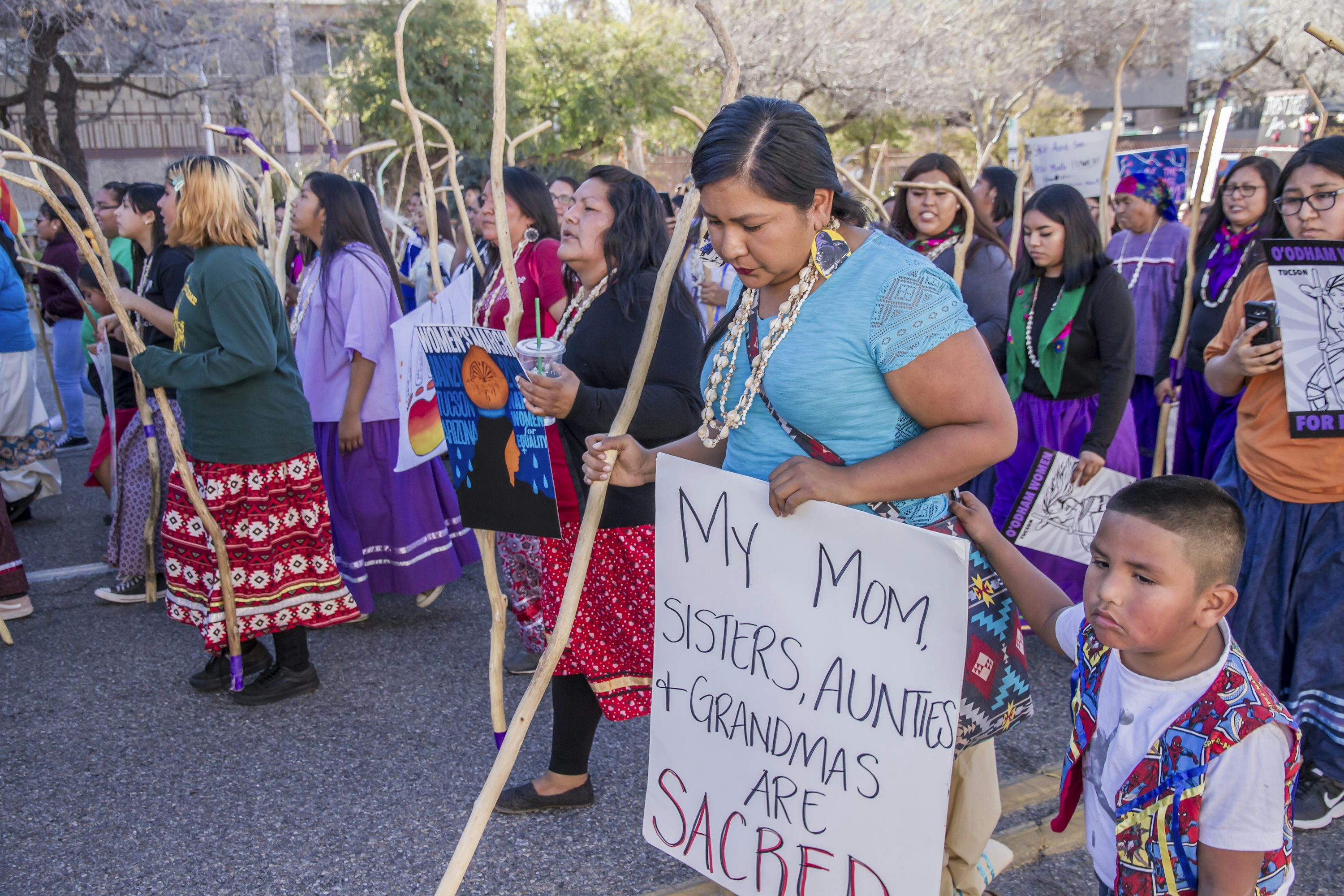
Why Climate Change Disproportionately Affects Women

Dignity, consent and privacy: Use survivor-centered, trauma-informed and non-stigmatizing language. Do not identify survivors, patients or children; solicit sensitive disclosures; or publish names, health details, photographs or personal circumstances without lawful, genuinely informed consent and qualified safeguarding review. The example below is illustrative and composite.

When leaders consider why climate change disproportionately affects women, the central question is what power and choices change. A training session, policy, campaign or committee seat is an output. Outcomes include safer participation, control over resources, fairer institutions, stronger remedy and opportunities that endure. Keeping that distinction visible improves design and accountability.

Sustainable Development Goal 5 calls for gender equality and empowerment of all women and girls. UN Women, UNFPA, UNICEF and OHCHR place equality within human rights, institutions and social change. This frames climate change disproportionately affects women as a shared public responsibility, not a burden for women and girls to solve.

“Equality becomes real when climate change disproportionately affects women changes who can decide, participate and thrive.”

Looking beyond equal opportunity on paper

For this topic, a strong starting point is climate and livelihood decisions that recognize unequal exposure while expanding women’s agency, assets and leadership. These conditions reinforce one another. A policy may promise equal access while cost, harassment, inaccessible design or unpaid care prevents participation. A programme may reach many people but leave control over money or decisions unchanged. Good practice therefore looks beyond averages and asks who benefits, who bears the cost, who remains excluded and why.

Principles for lasting institutional change

An effective response to climate change disproportionately affects women defines the specific right, opportunity or institutional practice that should change. It identifies who has authority, knowledge and responsibility. Affected women contribute lived expertise; public institutions uphold rights and fund core services; qualified professionals manage specialist needs; and partners fill a defined gap without displacing accountability.

  • Fund locally relevant resilience: turn this principle into a funded task, a responsible owner and a safe route for feedback or remedy.
  • Protect rights during displacement: turn this principle into a funded task, a responsible owner and a safe route for feedback or remedy.
  • Value women's agricultural knowledge: turn this principle into a funded task, a responsible owner and a safe route for feedback or remedy.
  • Secure women's voice in land and resource decisions: turn this principle into a funded task, a responsible owner and a safe route for feedback or remedy.
  • Track who controls benefits and assets: turn this principle into a funded task, a responsible owner and a safe route for feedback or remedy.

Implementation quality matters as much as policy language. Staff need training, time and supervision. Participation should be accessible, compensated where appropriate and connected to actual decisions. Personal data should be minimized, protected and retained only for a stated purpose. Safeguarding is not a slogan; it requires trained roles, confidential pathways and documented action.

Community and organization checklist

  1. Establish a privacy-conscious baseline before implementation.
  2. Clarify the evidence behind the approach and its limitations.
  3. Include accessible and human-supported alternatives.
  4. Publish duties and safeguards in plain language.
  5. Review results with diverse women and adapt transparently.

An illustrative non-identifiable scenario

A non-identifiable community scenario could bring public agencies, women’s groups, youth representatives and a nonprofit together around climate change disproportionately affects women. They agree on roles, transparent participation criteria and specialist review. A small pilot compares outcomes with a privacy-conscious baseline and invites confidential feedback. The group changes weak elements before scale and avoids claiming that one activity caused changes influenced by many factors.

The useful lesson is the learning process. Participants can challenge rules that create exclusion, specialists can identify safety or rights concerns, and leaders can see why adaptation is responsible management. The team distinguishes what it delivered, what changed, what remains uncertain and which outside factors may have influenced the result.

What often goes wrong

Common mistakes include consulting without decision power, portraying women only as vulnerable, and ignoring land tenure and unpaid labor. Teams also weaken work by selecting only easy-to-reach participants, treating awareness as behavior change, or presenting a promising pilot as proof of long-term impact. Low reporting does not automatically mean low harm; people may not know, trust or safely access reporting channels.

Communication must protect dignity and agency. Never use experiences of violence, health information, disability, migration history or family circumstances as promotional material without a lawful basis, genuinely informed consent and qualified review. Children and survivors should never carry the burden of validating an organization’s impact. Composite examples are usually safer.

Tracking progress without losing dignity

Measurement should combine reach, quality, equity, safety and durability. Useful indicators include control over land, finance and productive assets, distribution of programme costs and benefits, representation in climate decisions, and livelihood resilience and recovery. UN Women Data Hub provides gender data resources, while privacy-protected qualitative evidence can reveal barriers that averages miss.

Outputs such as people trained, policies adopted or services delivered help manage implementation, but they do not prove equality. Outcomes ask whether rights, safety, control over resources, participation or institutional response changed. Disaggregate results only when group sizes and governance protect privacy. Document missing data and examine non-participation, withdrawal and exclusion.

Define the baseline, review schedule and decision rules before launch. Combine administrative data with confidential participant feedback and independent review. Compare cost with quality and equitable reach, not activity alone. Report positive, mixed and negative findings so communities and funders can distinguish learning from promotion.

Authoritative resources and outbound references

These sources provide global frameworks, not personal medical, legal or crisis instructions. National law, local services, culture, professional standards and the wishes and safety of affected people determine responsible application. Health, violence, trafficking, child protection and legal matters require qualified local professionals and survivor-centered safeguards.

Conclusion: move from intent to impact

Why Climate Change Disproportionately Affects Women cannot be advanced by one campaign. A credible next step is to convene affected people through safe participation, define one specific barrier, map public duties and test a modest improvement with transparent safeguards. Keep what evidence and experience support, change what does not and explain the reasoning.

The goal is not simply more gender-equality activity. It is durable change in rights, resources, safety and power. Action on climate change disproportionately affects women advances SDG 5 when it reaches those facing the greatest barriers, strengthens accountable institutions and expands choices that remain after the first project or funding cycle ends.

Partnership quality is another test. Government, communities, women’s organizations, civil society and responsible businesses bring different authority and knowledge. Roles should be explicit, conflicts disclosed and participation resourced. Coordination adds value only when it closes a known gap or strengthens accountability around climate change disproportionately affects women.

Women With Disabilities and Multiple Forms of Exclusion

Dignity, consent and privacy: Use survivor-centered, trauma-informed and non-stigmatizing language. Do not identify survivors, patients or children; solicit sensitive disclosures; or publish names, health details, photographs or personal circumstances without lawful, genuinely informed consent and qualified safeguarding review. The example below is illustrative and composite.

A useful discussion of women with disabilities and multiple forms of exclusion begins with the people most affected. Women and girls are not a single group: income, disability, race, caste, age, migration status, location and other factors shape opportunity and risk. Their safely gathered experience should guide diagnosis, while human-rights standards and public evidence protect against tokenism or assumptions.

Sustainable Development Goal 5 calls for gender equality and empowerment of all women and girls. UN Women, UNFPA, UNICEF and OHCHR place equality within human rights, institutions and social change. This frames women with disabilities and multiple forms of exclusion as a shared public responsibility, not a burden for women and girls to solve.

“Equality becomes real when women with disabilities and multiple forms of exclusion changes who can decide, participate and thrive.”

Connecting the issue to SDG 5

For this topic, a strong starting point is human rights translated from formal commitments into equal access, voice, safety and remedy in everyday life. These conditions reinforce one another. A policy may promise equal access while cost, harassment, inaccessible design or unpaid care prevents participation. A programme may reach many people but leave control over money or decisions unchanged. Good practice therefore looks beyond averages and asks who benefits, who bears the cost, who remains excluded and why.

Designing for rights, agency and inclusion

An effective response to women with disabilities and multiple forms of exclusion defines the specific right, opportunity or institutional practice that should change. It identifies who has authority, knowledge and responsibility. Affected women contribute lived expertise; public institutions uphold rights and fund core services; qualified professionals manage specialist needs; and partners fill a defined gap without displacing accountability.

  • Include women facing intersecting exclusion: turn this principle into a funded task, a responsible owner and a safe route for feedback or remedy.
  • Shift harmful norms without stigmatizing communities: turn this principle into a funded task, a responsible owner and a safe route for feedback or remedy.
  • Resource accessible enforcement and remedy: turn this principle into a funded task, a responsible owner and a safe route for feedback or remedy.
  • Publish responsibilities and progress: turn this principle into a funded task, a responsible owner and a safe route for feedback or remedy.
  • Review laws, policies and practices together: turn this principle into a funded task, a responsible owner and a safe route for feedback or remedy.

Implementation quality matters as much as policy language. Staff need training, time and supervision. Participation should be accessible, compensated where appropriate and connected to actual decisions. Personal data should be minimized, protected and retained only for a stated purpose. Safeguarding is not a slogan; it requires trained roles, confidential pathways and documented action.

Checklist for responsible implementation

  1. Separate immediate protection or access needs from long-term structural change.
  2. Test eligibility, language, timing, location and technology for exclusion.
  3. Create confidential feedback, complaint and referral routes.
  4. Pilot a manageable intervention before expansion.
  5. Agree who will sustain effective elements after initial funding ends.

How this could work locally

Consider a hypothetical organization working on women with disabilities and multiple forms of exclusion. Staff discover that a well-intended policy is difficult to use because of scheduling, care demands, language and fear of retaliation. Leaders revise the process, create a confidential independent channel and publish responsibility for follow-up. They report improvements and unresolved gaps. Expansion depends on evidence of equitable access, safety and decision power rather than registrations or publicity.

The useful lesson is the learning process. Participants can challenge rules that create exclusion, specialists can identify safety or rights concerns, and leaders can see why adaptation is responsible management. The team distinguishes what it delivered, what changed, what remains uncertain and which outside factors may have influenced the result.

Pitfalls that weaken results

Common mistakes include using averages that conceal exclusion, speaking for affected groups without their influence, and assuming legal equality guarantees lived equality. Teams also weaken work by selecting only easy-to-reach participants, treating awareness as behavior change, or presenting a promising pilot as proof of long-term impact. Low reporting does not automatically mean low harm; people may not know, trust or safely access reporting channels.

Communication must protect dignity and agency. Never use experiences of violence, health information, disability, migration history or family circumstances as promotional material without a lawful basis, genuinely informed consent and qualified review. Children and survivors should never carry the burden of validating an organization’s impact. Composite examples are usually safer.

Measurement, learning and accountability

Measurement should combine reach, quality, equity, safety and durability. Useful indicators include institutional accountability for closing gaps, safety, autonomy and opportunity, participation in decisions, and access to rights and effective remedy. UN Women Data Hub provides gender data resources, while privacy-protected qualitative evidence can reveal barriers that averages miss.

Outputs such as people trained, policies adopted or services delivered help manage implementation, but they do not prove equality. Outcomes ask whether rights, safety, control over resources, participation or institutional response changed. Disaggregate results only when group sizes and governance protect privacy. Document missing data and examine non-participation, withdrawal and exclusion.

Define the baseline, review schedule and decision rules before launch. Combine administrative data with confidential participant feedback and independent review. Compare cost with quality and equitable reach, not activity alone. Report positive, mixed and negative findings so communities and funders can distinguish learning from promotion.

Authoritative resources and outbound references

These sources provide global frameworks, not personal medical, legal or crisis instructions. National law, local services, culture, professional standards and the wishes and safety of affected people determine responsible application. Health, violence, trafficking, child protection and legal matters require qualified local professionals and survivor-centered safeguards.

A practical way forward

Women With Disabilities and Multiple Forms of Exclusion cannot be advanced by one campaign. A credible next step is to convene affected people through safe participation, define one specific barrier, map public duties and test a modest improvement with transparent safeguards. Keep what evidence and experience support, change what does not and explain the reasoning.

The goal is not simply more gender-equality activity. It is durable change in rights, resources, safety and power. Action on women with disabilities and multiple forms of exclusion advances SDG 5 when it reaches those facing the greatest barriers, strengthens accountable institutions and expands choices that remain after the first project or funding cycle ends.
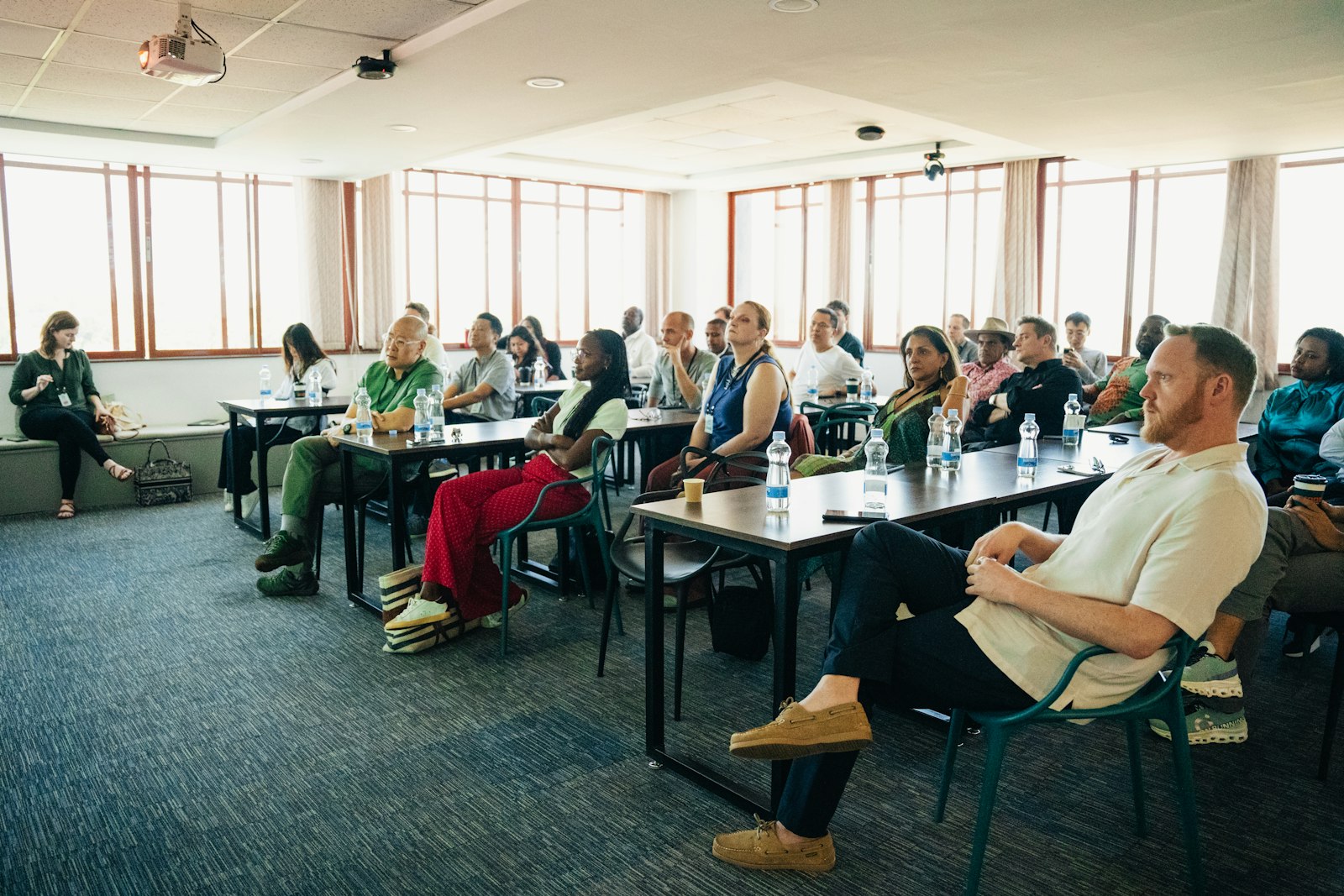
Partnership quality is another test. Government, communities, women’s organizations, civil society and responsible businesses bring different authority and knowledge. Roles should be explicit, conflicts disclosed and participation resourced. Coordination adds value only when it closes a known gap or strengthens accountability around women with disabilities and multiple forms of exclusion.

Building Disability-Inclusive Gender Programs

Dignity, consent and privacy: Use survivor-centered, trauma-informed and non-stigmatizing language. Do not identify survivors, patients or children; solicit sensitive disclosures; or publish names, health details, photographs or personal circumstances without lawful, genuinely informed consent and qualified safeguarding review. The example below is illustrative and composite.

When leaders consider building disability-inclusive gender programs, the central question is what power and choices change. A training session, policy, campaign or committee seat is an output. Outcomes include safer participation, control over resources, fairer institutions, stronger remedy and opportunities that endure. Keeping that distinction visible improves design and accountability.

Sustainable Development Goal 5 calls for gender equality and empowerment of all women and girls. UN Women, UNFPA, UNICEF and OHCHR place equality within human rights, institutions and social change. This frames disability-inclusive gender programs as a shared public responsibility, not a burden for women and girls to solve.

“Equality becomes real when disability-inclusive gender programs changes who can decide, participate and thrive.”

Looking beyond equal opportunity on paper

For this topic, a strong starting point is human rights translated from formal commitments into equal access, voice, safety and remedy in everyday life. These conditions reinforce one another. A policy may promise equal access while cost, harassment, inaccessible design or unpaid care prevents participation. A programme may reach many people but leave control over money or decisions unchanged. Good practice therefore looks beyond averages and asks who benefits, who bears the cost, who remains excluded and why.

Principles for lasting institutional change

An effective response to disability-inclusive gender programs defines the specific right, opportunity or institutional practice that should change. It identifies who has authority, knowledge and responsibility. Affected women contribute lived expertise; public institutions uphold rights and fund core services; qualified professionals manage specialist needs; and partners fill a defined gap without displacing accountability.

  • Review laws, policies and practices together: turn this principle into a funded task, a responsible owner and a safe route for feedback or remedy.
  • Publish responsibilities and progress: turn this principle into a funded task, a responsible owner and a safe route for feedback or remedy.
  • Shift harmful norms without stigmatizing communities: turn this principle into a funded task, a responsible owner and a safe route for feedback or remedy.
  • Include women facing intersecting exclusion: turn this principle into a funded task, a responsible owner and a safe route for feedback or remedy.
  • Resource accessible enforcement and remedy: turn this principle into a funded task, a responsible owner and a safe route for feedback or remedy.

Implementation quality matters as much as policy language. Staff need training, time and supervision. Participation should be accessible, compensated where appropriate and connected to actual decisions. Personal data should be minimized, protected and retained only for a stated purpose. Safeguarding is not a slogan; it requires trained roles, confidential pathways and documented action.

Community and organization checklist

  1. Establish a privacy-conscious baseline before implementation.
  2. Clarify the evidence behind the approach and its limitations.
  3. Include accessible and human-supported alternatives.
  4. Publish duties and safeguards in plain language.
  5. Review results with diverse women and adapt transparently.

An illustrative non-identifiable scenario

A non-identifiable community scenario could bring public agencies, women’s groups, youth representatives and a nonprofit together around disability-inclusive gender programs. They agree on roles, transparent participation criteria and specialist review. A small pilot compares outcomes with a privacy-conscious baseline and invites confidential feedback. The group changes weak elements before scale and avoids claiming that one activity caused changes influenced by many factors.

The useful lesson is the learning process. Participants can challenge rules that create exclusion, specialists can identify safety or rights concerns, and leaders can see why adaptation is responsible management. The team distinguishes what it delivered, what changed, what remains uncertain and which outside factors may have influenced the result.

What often goes wrong

Common mistakes include using averages that conceal exclusion, assuming legal equality guarantees lived equality, and speaking for affected groups without their influence. Teams also weaken work by selecting only easy-to-reach participants, treating awareness as behavior change, or presenting a promising pilot as proof of long-term impact. Low reporting does not automatically mean low harm; people may not know, trust or safely access reporting channels.

Communication must protect dignity and agency. Never use experiences of violence, health information, disability, migration history or family circumstances as promotional material without a lawful basis, genuinely informed consent and qualified review. Children and survivors should never carry the burden of validating an organization’s impact. Composite examples are usually safer.

Tracking progress without losing dignity

Measurement should combine reach, quality, equity, safety and durability. Useful indicators include safety, autonomy and opportunity, participation in decisions, access to rights and effective remedy, and institutional accountability for closing gaps. UN Women Data Hub provides gender data resources, while privacy-protected qualitative evidence can reveal barriers that averages miss.

Outputs such as people trained, policies adopted or services delivered help manage implementation, but they do not prove equality. Outcomes ask whether rights, safety, control over resources, participation or institutional response changed. Disaggregate results only when group sizes and governance protect privacy. Document missing data and examine non-participation, withdrawal and exclusion.

Define the baseline, review schedule and decision rules before launch. Combine administrative data with confidential participant feedback and independent review. Compare cost with quality and equitable reach, not activity alone. Report positive, mixed and negative findings so communities and funders can distinguish learning from promotion.

Authoritative resources and outbound references

These sources provide global frameworks, not personal medical, legal or crisis instructions. National law, local services, culture, professional standards and the wishes and safety of affected people determine responsible application. Health, violence, trafficking, child protection and legal matters require qualified local professionals and survivor-centered safeguards.

Conclusion: move from intent to impact

Building Disability-Inclusive Gender Programs cannot be advanced by one campaign. A credible next step is to convene affected people through safe participation, define one specific barrier, map public duties and test a modest improvement with transparent safeguards. Keep what evidence and experience support, change what does not and explain the reasoning.

The goal is not simply more gender-equality activity. It is durable change in rights, resources, safety and power. Action on disability-inclusive gender programs advances SDG 5 when it reaches those facing the greatest barriers, strengthens accountable institutions and expands choices that remain after the first project or funding cycle ends.

Partnership quality is another test. Government, communities, women’s organizations, civil society and responsible businesses bring different authority and knowledge. Roles should be explicit, conflicts disclosed and participation resourced. Coordination adds value only when it closes a known gap or strengthens accountability around disability-inclusive gender programs.

Long-term planning should identify who will maintain services, train staff, finance recurring costs and handle complaints after a pilot. If those responsibilities are unclear, expansion can create dependence on support that disappears. A transition plan is part of equality and institutional quality, not an administrative afterthought.

Women in Leadership and Better Organizational Performance

Dignity, consent and privacy: Use survivor-centered, trauma-informed and non-stigmatizing language. Do not identify survivors, patients or children; solicit sensitive disclosures; or publish names, health details, photographs or personal circumstances without lawful, genuinely informed consent and qualified safeguarding review. The example below is illustrative and composite.

A useful discussion of women in leadership and better organizational performance begins with the people most affected. Women and girls are not a single group: income, disability, race, caste, age, migration status, location and other factors shape opportunity and risk. Their safely gathered experience should guide diagnosis, while human-rights standards and public evidence protect against tokenism or assumptions.

Sustainable Development Goal 5 calls for gender equality and empowerment of all women and girls. UN Women, UNFPA, UNICEF and OHCHR place equality within human rights, institutions and social change. This frames women in leadership and better organizational performance as a shared public responsibility, not a burden for women and girls to solve.

“Equality becomes real when women in leadership and better organizational performance changes who can decide, participate and thrive.”

Connecting the issue to SDG 5

For this topic, a strong starting point is meaningful voice, authority, resources and safety for women across public, private and community decisions. These conditions reinforce one another. A policy may promise equal access while cost, harassment, inaccessible design or unpaid care prevents participation. A programme may reach many people but leave control over money or decisions unchanged. Good practice therefore looks beyond averages and asks who benefits, who bears the cost, who remains excluded and why.

Designing for rights, agency and inclusion

An effective response to women in leadership and better organizational performance defines the specific right, opportunity or institutional practice that should change. It identifies who has authority, knowledge and responsibility. Affected women contribute lived expertise; public institutions uphold rights and fund core services; qualified professionals manage specialist needs; and partners fill a defined gap without displacing accountability.

  • Build sponsorship, peer networks and accountability: turn this principle into a funded task, a responsible owner and a safe route for feedback or remedy.
  • Protect leaders from abuse: turn this principle into a funded task, a responsible owner and a safe route for feedback or remedy.
  • Remove structural barriers to candidacy and progression: turn this principle into a funded task, a responsible owner and a safe route for feedback or remedy.
  • Resource participation rather than tokenize it: turn this principle into a funded task, a responsible owner and a safe route for feedback or remedy.
  • Publish representation and influence data: turn this principle into a funded task, a responsible owner and a safe route for feedback or remedy.

Implementation quality matters as much as policy language. Staff need training, time and supervision. Participation should be accessible, compensated where appropriate and connected to actual decisions. Personal data should be minimized, protected and retained only for a stated purpose. Safeguarding is not a slogan; it requires trained roles, confidential pathways and documented action.

Checklist for responsible implementation

  1. Separate immediate protection or access needs from long-term structural change.
  2. Test eligibility, language, timing, location and technology for exclusion.
  3. Create confidential feedback, complaint and referral routes.
  4. Pilot a manageable intervention before expansion.
  5. Agree who will sustain effective elements after initial funding ends.

How this could work locally

Consider a hypothetical organization working on women in leadership and better organizational performance. Staff discover that a well-intended policy is difficult to use because of scheduling, care demands, language and fear of retaliation. Leaders revise the process, create a confidential independent channel and publish responsibility for follow-up. They report improvements and unresolved gaps. Expansion depends on evidence of equitable access, safety and decision power rather than registrations or publicity.

The useful lesson is the learning process. Participants can challenge rules that create exclusion, specialists can identify safety or rights concerns, and leaders can see why adaptation is responsible management. The team distinguishes what it delivered, what changed, what remains uncertain and which outside factors may have influenced the result.

Pitfalls that weaken results

Common mistakes include celebrating presence without decision power, measuring representation without safety or retention, and relying on one exceptional leader. Teams also weaken work by selecting only easy-to-reach participants, treating awareness as behavior change, or presenting a promising pilot as proof of long-term impact. Low reporting does not automatically mean low harm; people may not know, trust or safely access reporting channels.

Communication must protect dignity and agency. Never use experiences of violence, health information, disability, migration history or family circumstances as promotional material without a lawful basis, genuinely informed consent and qualified review. Children and survivors should never carry the burden of validating an organization’s impact. Composite examples are usually safer.

Measurement, learning and accountability

Measurement should combine reach, quality, equity, safety and durability. Useful indicators include policy and institutional changes linked to participation, retention, safety and progression, representation across levels and functions, and control over budgets and decisions. UN Women Data Hub provides gender data resources, while privacy-protected qualitative evidence can reveal barriers that averages miss.

Outputs such as people trained, policies adopted or services delivered help manage implementation, but they do not prove equality. Outcomes ask whether rights, safety, control over resources, participation or institutional response changed. Disaggregate results only when group sizes and governance protect privacy. Document missing data and examine non-participation, withdrawal and exclusion.

Define the baseline, review schedule and decision rules before launch. Combine administrative data with confidential participant feedback and independent review. Compare cost with quality and equitable reach, not activity alone. Report positive, mixed and negative findings so communities and funders can distinguish learning from promotion.

Authoritative resources and outbound references

These sources provide global frameworks, not personal medical, legal or crisis instructions. National law, local services, culture, professional standards and the wishes and safety of affected people determine responsible application. Health, violence, trafficking, child protection and legal matters require qualified local professionals and survivor-centered safeguards.

A practical way forward

Women in Leadership and Better Organizational Performance cannot be advanced by one campaign. A credible next step is to convene affected people through safe participation, define one specific barrier, map public duties and test a modest improvement with transparent safeguards. Keep what evidence and experience support, change what does not and explain the reasoning.

The goal is not simply more gender-equality activity. It is durable change in rights, resources, safety and power. Action on women in leadership and better organizational performance advances SDG 5 when it reaches those facing the greatest barriers, strengthens accountable institutions and expands choices that remain after the first project or funding cycle ends.

Partnership quality is another test. Government, communities, women’s organizations, civil society and responsible businesses bring different authority and knowledge. Roles should be explicit, conflicts disclosed and participation resourced. Coordination adds value only when it closes a known gap or strengthens accountability around women in leadership and better organizational performance.

Women’s Economic Empowerment and Poverty Reduction

Dignity, consent and privacy: Use survivor-centered, trauma-informed and non-stigmatizing language. Do not identify survivors, patients or children; solicit sensitive disclosures; or publish names, health details, photographs or personal circumstances without lawful, genuinely informed consent and qualified safeguarding review. The example below is illustrative and composite.

When leaders consider women’s economic empowerment and poverty reduction, the central question is what power and choices change. A training session, policy, campaign or committee seat is an output. Outcomes include safer participation, control over resources, fairer institutions, stronger remedy and opportunities that endure. Keeping that distinction visible improves design and accountability.

Sustainable Development Goal 5 calls for gender equality and empowerment of all women and girls. UN Women, UNFPA, UNICEF and OHCHR place equality within human rights, institutions and social change. This frames women’s economic empowerment and poverty reduction as a shared public responsibility, not a burden for women and girls to solve.

“Equality becomes real when women’s economic empowerment and poverty reduction changes who can decide, participate and thrive.”

Looking beyond equal opportunity on paper

For this topic, a strong starting point is equal access to decent work, assets, finance, care support and decision-making power. These conditions reinforce one another. A policy may promise equal access while cost, harassment, inaccessible design or unpaid care prevents participation. A programme may reach many people but leave control over money or decisions unchanged. Good practice therefore looks beyond averages and asks who benefits, who bears the cost, who remains excluded and why.

Principles for lasting institutional change

An effective response to women’s economic empowerment and poverty reduction defines the specific right, opportunity or institutional practice that should change. It identifies who has authority, knowledge and responsibility. Affected women contribute lived expertise; public institutions uphold rights and fund core services; qualified professionals manage specialist needs; and partners fill a defined gap without displacing accountability.

  • Support safe work and effective remedy: turn this principle into a funded task, a responsible owner and a safe route for feedback or remedy.
  • Publish pay and progression accountability: turn this principle into a funded task, a responsible owner and a safe route for feedback or remedy.
  • Remove discriminatory rules and informal gatekeeping: turn this principle into a funded task, a responsible owner and a safe route for feedback or remedy.
  • Recognize and redistribute unpaid care: turn this principle into a funded task, a responsible owner and a safe route for feedback or remedy.
  • Improve access to assets, finance and markets: turn this principle into a funded task, a responsible owner and a safe route for feedback or remedy.

Implementation quality matters as much as policy language. Staff need training, time and supervision. Participation should be accessible, compensated where appropriate and connected to actual decisions. Personal data should be minimized, protected and retained only for a stated purpose. Safeguarding is not a slogan; it requires trained roles, confidential pathways and documented action.

Community and organization checklist

  1. Establish a privacy-conscious baseline before implementation.
  2. Clarify the evidence behind the approach and its limitations.
  3. Include accessible and human-supported alternatives.
  4. Publish duties and safeguards in plain language.
  5. Review results with diverse women and adapt transparently.

An illustrative non-identifiable scenario

A non-identifiable community scenario could bring public agencies, women’s groups, youth representatives and a nonprofit together around women’s economic empowerment and poverty reduction. They agree on roles, transparent participation criteria and specialist review. A small pilot compares outcomes with a privacy-conscious baseline and invites confidential feedback. The group changes weak elements before scale and avoids claiming that one activity caused changes influenced by many factors.

The useful lesson is the learning process. Participants can challenge rules that create exclusion, specialists can identify safety or rights concerns, and leaders can see why adaptation is responsible management. The team distinguishes what it delivered, what changed, what remains uncertain and which outside factors may have influenced the result.

What often goes wrong

Common mistakes include counting participation without job quality, offering training without opportunity, and treating women as one uniform group. Teams also weaken work by selecting only easy-to-reach participants, treating awareness as behavior change, or presenting a promising pilot as proof of long-term impact. Low reporting does not automatically mean low harm; people may not know, trust or safely access reporting channels.

Communication must protect dignity and agency. Never use experiences of violence, health information, disability, migration history or family circumstances as promotional material without a lawful basis, genuinely informed consent and qualified review. Children and survivors should never carry the burden of validating an organization’s impact. Composite examples are usually safer.

Tracking progress without losing dignity

Measurement should combine reach, quality, equity, safety and durability. Useful indicators include time spent in unpaid care, quality, safety and sustainability of work, access to assets and suitable finance, and pay, retention and progression gaps. UN Women Data Hub provides gender data resources, while privacy-protected qualitative evidence can reveal barriers that averages miss.

Outputs such as people trained, policies adopted or services delivered help manage implementation, but they do not prove equality. Outcomes ask whether rights, safety, control over resources, participation or institutional response changed. Disaggregate results only when group sizes and governance protect privacy. Document missing data and examine non-participation, withdrawal and exclusion.

Define the baseline, review schedule and decision rules before launch. Combine administrative data with confidential participant feedback and independent review. Compare cost with quality and equitable reach, not activity alone. Report positive, mixed and negative findings so communities and funders can distinguish learning from promotion.

Authoritative resources and outbound references

These sources provide global frameworks, not personal medical, legal or crisis instructions. National law, local services, culture, professional standards and the wishes and safety of affected people determine responsible application. Health, violence, trafficking, child protection and legal matters require qualified local professionals and survivor-centered safeguards.

Conclusion: move from intent to impact

Women’s Economic Empowerment and Poverty Reduction cannot be advanced by one campaign. A credible next step is to convene affected people through safe participation, define one specific barrier, map public duties and test a modest improvement with transparent safeguards. Keep what evidence and experience support, change what does not and explain the reasoning.

The goal is not simply more gender-equality activity. It is durable change in rights, resources, safety and power. Action on women’s economic empowerment and poverty reduction advances SDG 5 when it reaches those facing the greatest barriers, strengthens accountable institutions and expands choices that remain after the first project or funding cycle ends.

Partnership quality is another test. Government, communities, women’s organizations, civil society and responsible businesses bring different authority and knowledge. Roles should be explicit, conflicts disclosed and participation resourced. Coordination adds value only when it closes a known gap or strengthens accountability around women’s economic empowerment and poverty reduction.

Building Stronger Support Systems for Survivors

Professional and safeguarding review required: This general educational article is not medical, mental-health, legal, crisis-response or survivor-support advice. Qualified healthcare, safeguarding, legal or subject specialists must review it before publication. Anyone who may be in immediate danger should contact appropriate local emergency or specialist services.
Dignity, consent and privacy: Use survivor-centered, trauma-informed and non-stigmatizing language. Do not identify survivors, patients or children; solicit sensitive disclosures; or publish names, health details, photographs or personal circumstances without lawful, genuinely informed consent and qualified safeguarding review. The example below is illustrative and composite.

A useful discussion of building stronger support systems for survivors begins with the people most affected. Women and girls are not a single group: income, disability, race, caste, age, migration status, location and other factors shape opportunity and risk. Their safely gathered experience should guide diagnosis, while human-rights standards and public evidence protect against tokenism or assumptions.

Sustainable Development Goal 5 calls for gender equality and empowerment of all women and girls. UN Women, UNFPA, UNICEF and OHCHR place equality within human rights, institutions and social change. This frames stronger support systems for survivors as a shared public responsibility, not a burden for women and girls to solve.

“Equality becomes real when stronger support systems for survivors changes who can decide, participate and thrive.”

Connecting the issue to SDG 5

For this topic, a strong starting point is safe and inclusive learning that removes gendered barriers, protects children and expands real choices. These conditions reinforce one another. A policy may promise equal access while cost, harassment, inaccessible design or unpaid care prevents participation. A programme may reach many people but leave control over money or decisions unchanged. Good practice therefore looks beyond averages and asks who benefits, who bears the cost, who remains excluded and why.

Designing for rights, agency and inclusion

An effective response to stronger support systems for survivors defines the specific right, opportunity or institutional practice that should change. It identifies who has authority, knowledge and responsibility. Affected women contribute lived expertise; public institutions uphold rights and fund core services; qualified professionals manage specialist needs; and partners fill a defined gap without displacing accountability.

  • Listen safely to girls about barriers: turn this principle into a funded task, a responsible owner and a safe route for feedback or remedy.
  • Support re-entry and progression: turn this principle into a funded task, a responsible owner and a safe route for feedback or remedy.
  • Challenge restrictive gender expectations: turn this principle into a funded task, a responsible owner and a safe route for feedback or remedy.
  • Create trained safeguarding and referral routes: turn this principle into a funded task, a responsible owner and a safe route for feedback or remedy.
  • Address cost, safety, sanitation and care demands together: turn this principle into a funded task, a responsible owner and a safe route for feedback or remedy.

Implementation quality matters as much as policy language. Staff need training, time and supervision. Participation should be accessible, compensated where appropriate and connected to actual decisions. Personal data should be minimized, protected and retained only for a stated purpose. Safeguarding is not a slogan; it requires trained roles, confidential pathways and documented action.

Checklist for responsible implementation

  1. Separate immediate protection or access needs from long-term structural change.
  2. Test eligibility, language, timing, location and technology for exclusion.
  3. Create confidential feedback, complaint and referral routes.
  4. Pilot a manageable intervention before expansion.
  5. Agree who will sustain effective elements after initial funding ends.

How this could work locally

Consider a hypothetical organization working on stronger support systems for survivors. Staff discover that a well-intended policy is difficult to use because of scheduling, care demands, language and fear of retaliation. Leaders revise the process, create a confidential independent channel and publish responsibility for follow-up. They report improvements and unresolved gaps. Expansion depends on evidence of equitable access, safety and decision power rather than registrations or publicity.

The useful lesson is the learning process. Participants can challenge rules that create exclusion, specialists can identify safety or rights concerns, and leaders can see why adaptation is responsible management. The team distinguishes what it delivered, what changed, what remains uncertain and which outside factors may have influenced the result.

Pitfalls that weaken results

Common mistakes include placing the burden of change on girls, publishing identifiable stories involving children, and counting enrollment while ignoring safety and completion. Teams also weaken work by selecting only easy-to-reach participants, treating awareness as behavior change, or presenting a promising pilot as proof of long-term impact. Low reporting does not automatically mean low harm; people may not know, trust or safely access reporting channels.

Communication must protect dignity and agency. Never use experiences of violence, health information, disability, migration history or family circumstances as promotional material without a lawful basis, genuinely informed consent and qualified review. Children and survivors should never carry the burden of validating an organization’s impact. Composite examples are usually safer.

Measurement, learning and accountability

Measurement should combine reach, quality, equity, safety and durability. Useful indicators include access to leadership and further learning, barriers removed across gender and disability, participation, progression and completion, and learner-reported safety and belonging. UN Women Data Hub provides gender data resources, while privacy-protected qualitative evidence can reveal barriers that averages miss.

Outputs such as people trained, policies adopted or services delivered help manage implementation, but they do not prove equality. Outcomes ask whether rights, safety, control over resources, participation or institutional response changed. Disaggregate results only when group sizes and governance protect privacy. Document missing data and examine non-participation, withdrawal and exclusion.

Define the baseline, review schedule and decision rules before launch. Combine administrative data with confidential participant feedback and independent review. Compare cost with quality and equitable reach, not activity alone. Report positive, mixed and negative findings so communities and funders can distinguish learning from promotion.

Authoritative resources and outbound references

These sources provide global frameworks, not personal medical, legal or crisis instructions. National law, local services, culture, professional standards and the wishes and safety of affected people determine responsible application. Health, violence, trafficking, child protection and legal matters require qualified local professionals and survivor-centered safeguards.

A practical way forward

Building Stronger Support Systems for Survivors cannot be advanced by one campaign. A credible next step is to convene affected people through safe participation, define one specific barrier, map public duties and test a modest improvement with transparent safeguards. Keep what evidence and experience support, change what does not and explain the reasoning.

The goal is not simply more gender-equality activity. It is durable change in rights, resources, safety and power. Action on stronger support systems for survivors advances SDG 5 when it reaches those facing the greatest barriers, strengthens accountable institutions and expands choices that remain after the first project or funding cycle ends.