
How School Sanitation Improves Girls’ Education

Public-health and technical review required: This article is general education, not medical, engineering, water-treatment, disinfection, emergency-response or regulatory advice. Qualified local public-health, water-quality and technical professionals must review it before publication and before any operational decision.
Safety and local context: Water quality, treatment, sanitation, wastewater and emergency measures depend on the source, contaminants, infrastructure, law and local hazards. Do not apply generalized treatment, dosing, testing or engineering instructions. Protect health data, community dignity and Indigenous rights, and use qualified local oversight.

When decision-makers consider how school sanitation improves girls’ education, the central question should be what service and risk actually change. Wells drilled, toilets built, meters installed or meetings held are outputs. Outcomes include safer quality, reliable access, reduced exposure, dignified use, ecosystem protection and institutions able to maintain performance over time.

Sustainable Development Goal 6 calls for availability and sustainable management of water and sanitation for all. The WHO/UNICEF Joint Monitoring Programme, UN-Water, UNESCO World Water Assessment Programme and World Bank show why access, quality, ecosystems, institutions and finance must be considered together.

“Reliable water services are built where safety, dignity and stewardship meet.”

Looking beyond infrastructure alone

For this topic, a strong starting point is inclusive sanitation and hygiene services that protect health, privacy, safety, accessibility and dignity across the whole service chain. These elements reinforce one another. A household may be counted as served but face intermittent supply, unsafe storage, an inaccessible toilet or costs that force rationing. An operator may value higher standards but lack trained staff, spare parts or stable revenue. Good planning therefore looks beyond coverage and asks who receives a safe, reliable service, who bears risk and why.

Principles for lasting water and sanitation progress

An effective response to school sanitation improves girls’ education defines the specific service outcome and risk to be changed. Communities contribute lived knowledge; utilities and workers contribute operational experience; public institutions establish and enforce standards; and qualified specialists evaluate health, engineering and environmental implications. Partners should fill a defined gap without replacing public accountability.

  • Co-design facilities with users: translate this principle into a funded task, a responsible owner and a documented review point.
  • Connect infrastructure with sustained services and behavior support: translate this principle into a funded task, a responsible owner and a documented review point.
  • Create confidential feedback and repair systems: translate this principle into a funded task, a responsible owner and a documented review point.
  • Manage waste safely beyond the toilet: translate this principle into a funded task, a responsible owner and a documented review point.
  • Provide disability and gender-inclusive access: translate this principle into a funded task, a responsible owner and a documented review point.

Implementation quality matters as much as the technology. Staff need training, protective procedures, time and supervision. Monitoring should be risk-based and interpreted by qualified professionals. Data collection should be proportionate and transparent. Communities need plain-language information about service limitations and a credible path for reporting failures without retaliation.

Community and service checklist

  1. Establish a qualified, privacy-conscious baseline before implementation.
  2. Clarify the evidence behind the proposed approach and its limits.
  3. Include accessible backup and continuity options.
  4. Publish responsibilities and safety limits in plain language.
  5. Review results with users and independent specialists and adapt transparently.

An illustrative non-identifiable scenario

A non-identifiable community scenario could bring local government, water operators, residents, farmers and a nonprofit together around school sanitation improves girls’ education. They agree on roles, transparent participation and qualified review. A small pilot compares results with a baseline and invites accessible feedback. The group corrects weak elements before scale and avoids claiming that one intervention caused changes influenced by rainfall, markets, infrastructure and behavior.

The useful lesson is the learning process. Users can identify hidden access barriers, operators can surface maintenance constraints and specialists can challenge unsafe assumptions. The team distinguishes what was built or delivered, what changed in the service, what remains uncertain and which external factors may have influenced the result.

What often goes wrong

Common mistakes include using shame or coercion to change behavior, ignoring safely managed containment and disposal, and counting toilets without checking use or maintenance. Teams also weaken programmes by selecting only easy-to-reach communities, measuring one dry-season snapshot, or presenting a pilot as proof of long-term safety. Few complaints do not automatically indicate good performance; people may not know, trust or safely access the reporting channel.

Communication should protect dignity and accuracy. Do not publish identifiable health circumstances or images of people using sanitation facilities without genuinely informed consent and safeguarding review. Avoid implying that poverty, culture or individual behavior alone explains service failures. State uncertainty, technical limits and institutional responsibilities clearly.

Tracking performance and equity

Measurement should combine reach, safety, reliability, affordability, equity and durability. Useful indicators include functionality, cleanliness and accessibility, safe and reliable service use, safe management across the sanitation chain, and user-reported privacy and dignity. The Integrated Monitoring Initiative for SDG 6 provides official monitoring resources, while locally governed evidence can reveal barriers hidden by averages.

Outputs such as systems installed, staff trained or tests conducted help manage implementation, but they do not prove a safely managed service. Outcomes ask whether people consistently receive acceptable service and whether ecosystems and downstream users are protected. Disaggregate results where privacy allows, document missing data and examine downtime, non-use and unequal exposure.

Define the baseline, review schedule and decision rules before launch. Combine operational records with qualified quality monitoring, financial evidence and accessible user feedback. Compare cost with service quality and resilience, not construction alone. Report positive, mixed and negative findings so communities and funders can distinguish honest learning from promotion.

Authoritative resources and outbound references

These sources provide global frameworks rather than instructions for a specific water source or facility. Applicable standards, contaminants, geology, climate, infrastructure and law determine responsible action. Water testing, treatment, sanitation, wastewater, emergencies and engineering decisions require appropriately qualified local professionals.

Conclusion: protect water for the long term

How School Sanitation Improves Girls’ Education cannot be advanced by a one-time installation or awareness campaign. A credible next step is to define one service failure with users and qualified specialists, map public responsibilities, and test a modest improvement with transparent safety limits. Keep what verified evidence supports, change what does not and explain decisions publicly.

The goal is not simply more water activity. It is a safely managed, affordable and resilient service that protects dignity and ecosystems. Action on school sanitation improves girls’ education advances SDG 6 when it reaches people facing the greatest barriers, strengthens capable institutions and funds performance beyond the first project cycle.

Partnership quality is another test. Government, utilities, communities, workers, civil society and responsible businesses bring different authority and knowledge. Roles should be explicit, conflicts disclosed and participation resourced. Coordination adds value only when it closes a known gap or strengthens accountability around school sanitation improves girls’ education.
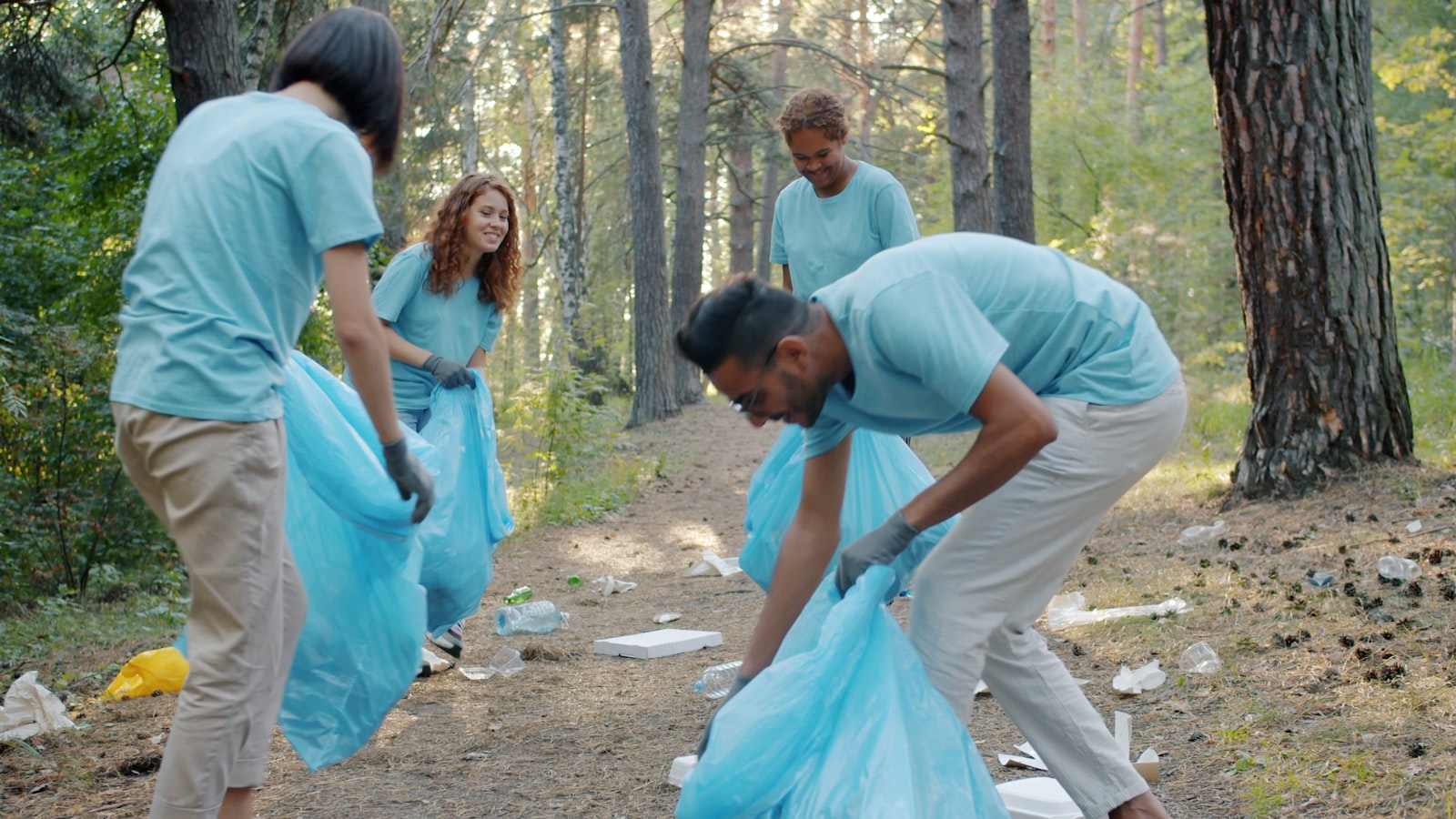

Community River Cleanups That Create Long-Term Change

Safety and local context: Water quality, treatment, sanitation, wastewater and emergency measures depend on the source, contaminants, infrastructure, law and local hazards. Do not apply generalized treatment, dosing, testing or engineering instructions. Protect health data, community dignity and Indigenous rights, and use qualified local oversight.

When decision-makers consider community river cleanups that create long-term change, the central question should be what service and risk actually change. Wells drilled, toilets built, meters installed or meetings held are outputs. Outcomes include safer quality, reliable access, reduced exposure, dignified use, ecosystem protection and institutions able to maintain performance over time.

Sustainable Development Goal 6 calls for availability and sustainable management of water and sanitation for all. The WHO/UNICEF Joint Monitoring Programme, UN-Water, UNESCO World Water Assessment Programme and World Bank show why access, quality, ecosystems, institutions and finance must be considered together.

“Reliable water services are built where safety, dignity and stewardship meet.”

Looking beyond infrastructure alone

For this topic, a strong starting point is healthy watersheds, rivers, lakes and wetlands protected as living systems that support water quality, resilience and culture. These elements reinforce one another. A household may be counted as served but face intermittent supply, unsafe storage, an inaccessible toilet or costs that force rationing. An operator may value higher standards but lack trained staff, spare parts or stable revenue. Good planning therefore looks beyond coverage and asks who receives a safe, reliable service, who bears risk and why.

Principles for lasting water and sanitation progress

An effective response to community river cleanups that create long-term change defines the specific service outcome and risk to be changed. Communities contribute lived knowledge; utilities and workers contribute operational experience; public institutions establish and enforce standards; and qualified specialists evaluate health, engineering and environmental implications. Partners should fill a defined gap without replacing public accountability.

  • Respect indigenous rights and knowledge: translate this principle into a funded task, a responsible owner and a documented review point.
  • Pair cleanups with durable waste and enforcement systems: translate this principle into a funded task, a responsible owner and a documented review point.
  • Coordinate upstream and downstream action: translate this principle into a funded task, a responsible owner and a documented review point.
  • Reduce pollution at its source: translate this principle into a funded task, a responsible owner and a documented review point.
  • Protect and restore ecological function: translate this principle into a funded task, a responsible owner and a documented review point.

Implementation quality matters as much as the technology. Staff need training, protective procedures, time and supervision. Monitoring should be risk-based and interpreted by qualified professionals. Data collection should be proportionate and transparent. Communities need plain-language information about service limitations and a credible path for reporting failures without retaliation.

Community and service checklist

  1. Establish a qualified, privacy-conscious baseline before implementation.
  2. Clarify the evidence behind the proposed approach and its limits.
  3. Include accessible backup and continuity options.
  4. Publish responsibilities and safety limits in plain language.
  5. Review results with users and independent specialists and adapt transparently.

An illustrative non-identifiable scenario

A non-identifiable community scenario could bring local government, water operators, residents, farmers and a nonprofit together around community river cleanups that create long-term change. They agree on roles, transparent participation and qualified review. A small pilot compares results with a baseline and invites accessible feedback. The group corrects weak elements before scale and avoids claiming that one intervention caused changes influenced by rainfall, markets, infrastructure and behavior.

The useful lesson is the learning process. Users can identify hidden access barriers, operators can surface maintenance constraints and specialists can challenge unsafe assumptions. The team distinguishes what was built or delivered, what changed in the service, what remains uncertain and which external factors may have influenced the result.

What often goes wrong

Common mistakes include planting or engineering without ecological review, presenting a cleanup as ecosystem restoration, and using cultural knowledge without consent or benefit sharing. Teams also weaken programmes by selecting only easy-to-reach communities, measuring one dry-season snapshot, or presenting a pilot as proof of long-term safety. Few complaints do not automatically indicate good performance; people may not know, trust or safely access the reporting channel.

Communication should protect dignity and accuracy. Do not publish identifiable health circumstances or images of people using sanitation facilities without genuinely informed consent and safeguarding review. Avoid implying that poverty, culture or individual behavior alone explains service failures. State uncertainty, technical limits and institutional responsibilities clearly.

Tracking performance and equity

Measurement should combine reach, safety, reliability, affordability, equity and durability. Useful indicators include pollution prevented at source, ecological condition and water quality, durability of protection and maintenance, and community and rights-holder influence. The Integrated Monitoring Initiative for SDG 6 provides official monitoring resources, while locally governed evidence can reveal barriers hidden by averages.

Outputs such as systems installed, staff trained or tests conducted help manage implementation, but they do not prove a safely managed service. Outcomes ask whether people consistently receive acceptable service and whether ecosystems and downstream users are protected. Disaggregate results where privacy allows, document missing data and examine downtime, non-use and unequal exposure.

Define the baseline, review schedule and decision rules before launch. Combine operational records with qualified quality monitoring, financial evidence and accessible user feedback. Compare cost with service quality and resilience, not construction alone. Report positive, mixed and negative findings so communities and funders can distinguish honest learning from promotion.

Authoritative resources and outbound references

These sources provide global frameworks rather than instructions for a specific water source or facility. Applicable standards, contaminants, geology, climate, infrastructure and law determine responsible action. Water testing, treatment, sanitation, wastewater, emergencies and engineering decisions require appropriately qualified local professionals.

Conclusion: protect water for the long term

Community River Cleanups That Create Long-Term Change cannot be advanced by a one-time installation or awareness campaign. A credible next step is to define one service failure with users and qualified specialists, map public responsibilities, and test a modest improvement with transparent safety limits. Keep what verified evidence supports, change what does not and explain decisions publicly.

The goal is not simply more water activity. It is a safely managed, affordable and resilient service that protects dignity and ecosystems. Action on community river cleanups that create long-term change advances SDG 6 when it reaches people facing the greatest barriers, strengthens capable institutions and funds performance beyond the first project cycle.

Partnership quality is another test. Government, utilities, communities, workers, civil society and responsible businesses bring different authority and knowledge. Roles should be explicit, conflicts disclosed and participation resourced. Coordination adds value only when it closes a known gap or strengthens accountability around community river cleanups that create long-term change.

How Water Access Expands Girls’ Education and Employment

Safety and local context: Water quality, treatment, sanitation, wastewater and emergency measures depend on the source, contaminants, infrastructure, law and local hazards. Do not apply generalized treatment, dosing, testing or engineering instructions. Protect health data, community dignity and Indigenous rights, and use qualified local oversight.

A useful discussion of how water access expands girls’ education and employment begins with the people most affected. Households, utilities, health workers, farmers, workers and communities see seasonal failures, costs, contamination risks and access barriers that national averages can miss. Their experience should guide diagnosis, while public-health standards and technical evidence protect against unsafe assumptions.

Sustainable Development Goal 6 calls for availability and sustainable management of water and sanitation for all. The WHO/UNICEF Joint Monitoring Programme, UN-Water, UNESCO World Water Assessment Programme and World Bank show why access, quality, ecosystems, institutions and finance must be considered together.

“Reliable water services are built where safety, dignity and stewardship meet.”

Connecting the issue to water security

For this topic, a strong starting point is rights-based water governance that combines public responsibility, community influence, sustainable finance and accountable cooperation. These elements reinforce one another. A household may be counted as served but face intermittent supply, unsafe storage, an inaccessible toilet or costs that force rationing. An operator may value higher standards but lack trained staff, spare parts or stable revenue. Good planning therefore looks beyond coverage and asks who receives a safe, reliable service, who bears risk and why.

Designing for safety, dignity and inclusion

An effective response to water access expands girls’ education and employment defines the specific service outcome and risk to be changed. Communities contribute lived knowledge; utilities and workers contribute operational experience; public institutions establish and enforce standards; and qualified specialists evaluate health, engineering and environmental implications. Partners should fill a defined gap without replacing public accountability.

  • Publish duties, budgets and service standards: translate this principle into a funded task, a responsible owner and a documented review point.
  • Recognize water and sanitation as human rights: translate this principle into a funded task, a responsible owner and a documented review point.
  • Give affected communities decision influence: translate this principle into a funded task, a responsible owner and a documented review point.
  • Coordinate across sectors and boundaries: translate this principle into a funded task, a responsible owner and a documented review point.
  • Protect affordability without starving systems of maintenance: translate this principle into a funded task, a responsible owner and a documented review point.

Implementation quality matters as much as the technology. Staff need training, protective procedures, time and supervision. Monitoring should be risk-based and interpreted by qualified professionals. Data collection should be proportionate and transparent. Communities need plain-language information about service limitations and a credible path for reporting failures without retaliation.

Checklist for responsible action

  1. Separate urgent risk reduction from the longer pathway to safely managed services.
  2. Test eligibility, price, distance, timing and facility design for exclusion.
  3. Create accessible incident, feedback and complaint routes.
  4. Pilot a technically reviewed change before expansion.
  5. Agree who will operate, finance and regulate it after initial funding ends.

How the approach could work locally

Consider a hypothetical utility and community partnership working on water access expands girls’ education and employment. Residents explain that a well-intended service is difficult to use because of timing, disability access, price and unreliable repairs. Engineers and public-health officials identify monitoring and maintenance gaps. The partnership revises delivery, clarifies responsibilities and publishes limitations. Expansion depends on verified service performance rather than equipment purchased or people registered.

The useful lesson is the learning process. Users can identify hidden access barriers, operators can surface maintenance constraints and specialists can challenge unsafe assumptions. The team distinguishes what was built or delivered, what changed in the service, what remains uncertain and which external factors may have influenced the result.

Pitfalls that weaken results

Common mistakes include treating privatization or public ownership as a complete answer, using averages that conceal service inequality, and consulting communities after decisions are fixed. Teams also weaken programmes by selecting only easy-to-reach communities, measuring one dry-season snapshot, or presenting a pilot as proof of long-term safety. Few complaints do not automatically indicate good performance; people may not know, trust or safely access the reporting channel.

Communication should protect dignity and accuracy. Do not publish identifiable health circumstances or images of people using sanitation facilities without genuinely informed consent and safeguarding review. Avoid implying that poverty, culture or individual behavior alone explains service failures. State uncertainty, technical limits and institutional responsibilities clearly.

Measurement, learning and accountability

Measurement should combine reach, safety, reliability, affordability, equity and durability. Useful indicators include resource and service sustainability, community influence over decisions, transparent finance and complaint resolution, and affordable and reliable access. The Integrated Monitoring Initiative for SDG 6 provides official monitoring resources, while locally governed evidence can reveal barriers hidden by averages.

Outputs such as systems installed, staff trained or tests conducted help manage implementation, but they do not prove a safely managed service. Outcomes ask whether people consistently receive acceptable service and whether ecosystems and downstream users are protected. Disaggregate results where privacy allows, document missing data and examine downtime, non-use and unequal exposure.

Define the baseline, review schedule and decision rules before launch. Combine operational records with qualified quality monitoring, financial evidence and accessible user feedback. Compare cost with service quality and resilience, not construction alone. Report positive, mixed and negative findings so communities and funders can distinguish honest learning from promotion.

Authoritative resources and outbound references

These sources provide global frameworks rather than instructions for a specific water source or facility. Applicable standards, contaminants, geology, climate, infrastructure and law determine responsible action. Water testing, treatment, sanitation, wastewater, emergencies and engineering decisions require appropriately qualified local professionals.

A practical way forward

How Water Access Expands Girls’ Education and Employment cannot be advanced by a one-time installation or awareness campaign. A credible next step is to define one service failure with users and qualified specialists, map public responsibilities, and test a modest improvement with transparent safety limits. Keep what verified evidence supports, change what does not and explain decisions publicly.

The goal is not simply more water activity. It is a safely managed, affordable and resilient service that protects dignity and ecosystems. Action on water access expands girls’ education and employment advances SDG 6 when it reaches people facing the greatest barriers, strengthens capable institutions and funds performance beyond the first project cycle.

Partnership quality is another test. Government, utilities, communities, workers, civil society and responsible businesses bring different authority and knowledge. Roles should be explicit, conflicts disclosed and participation resourced. Coordination adds value only when it closes a known gap or strengthens accountability around water access expands girls’ education and employment.

Community Ownership of Water and Sanitation Projects

Public-health and technical review required: This article is general education, not medical, engineering, water-treatment, disinfection, emergency-response or regulatory advice. Qualified local public-health, water-quality and technical professionals must review it before publication and before any operational decision.
Safety and local context: Water quality, treatment, sanitation, wastewater and emergency measures depend on the source, contaminants, infrastructure, law and local hazards. Do not apply generalized treatment, dosing, testing or engineering instructions. Protect health data, community dignity and Indigenous rights, and use qualified local oversight.

When decision-makers consider community ownership of water and sanitation projects, the central question should be what service and risk actually change. Wells drilled, toilets built, meters installed or meetings held are outputs. Outcomes include safer quality, reliable access, reduced exposure, dignified use, ecosystem protection and institutions able to maintain performance over time.

Sustainable Development Goal 6 calls for availability and sustainable management of water and sanitation for all. The WHO/UNICEF Joint Monitoring Programme, UN-Water, UNESCO World Water Assessment Programme and World Bank show why access, quality, ecosystems, institutions and finance must be considered together.

“Reliable water services are built where safety, dignity and stewardship meet.”

Looking beyond infrastructure alone

For this topic, a strong starting point is inclusive sanitation and hygiene services that protect health, privacy, safety, accessibility and dignity across the whole service chain. These elements reinforce one another. A household may be counted as served but face intermittent supply, unsafe storage, an inaccessible toilet or costs that force rationing. An operator may value higher standards but lack trained staff, spare parts or stable revenue. Good planning therefore looks beyond coverage and asks who receives a safe, reliable service, who bears risk and why.

Principles for lasting water and sanitation progress

An effective response to community ownership of water and sanitation projects defines the specific service outcome and risk to be changed. Communities contribute lived knowledge; utilities and workers contribute operational experience; public institutions establish and enforce standards; and qualified specialists evaluate health, engineering and environmental implications. Partners should fill a defined gap without replacing public accountability.

  • Manage waste safely beyond the toilet: translate this principle into a funded task, a responsible owner and a documented review point.
  • Co-design facilities with users: translate this principle into a funded task, a responsible owner and a documented review point.
  • Connect infrastructure with sustained services and behavior support: translate this principle into a funded task, a responsible owner and a documented review point.
  • Provide disability and gender-inclusive access: translate this principle into a funded task, a responsible owner and a documented review point.
  • Create confidential feedback and repair systems: translate this principle into a funded task, a responsible owner and a documented review point.

Implementation quality matters as much as the technology. Staff need training, protective procedures, time and supervision. Monitoring should be risk-based and interpreted by qualified professionals. Data collection should be proportionate and transparent. Communities need plain-language information about service limitations and a credible path for reporting failures without retaliation.

Community and service checklist

  1. Establish a qualified, privacy-conscious baseline before implementation.
  2. Clarify the evidence behind the proposed approach and its limits.
  3. Include accessible backup and continuity options.
  4. Publish responsibilities and safety limits in plain language.
  5. Review results with users and independent specialists and adapt transparently.

An illustrative non-identifiable scenario

A non-identifiable community scenario could bring local government, water operators, residents, farmers and a nonprofit together around community ownership of water and sanitation projects. They agree on roles, transparent participation and qualified review. A small pilot compares results with a baseline and invites accessible feedback. The group corrects weak elements before scale and avoids claiming that one intervention caused changes influenced by rainfall, markets, infrastructure and behavior.

The useful lesson is the learning process. Users can identify hidden access barriers, operators can surface maintenance constraints and specialists can challenge unsafe assumptions. The team distinguishes what was built or delivered, what changed in the service, what remains uncertain and which external factors may have influenced the result.

What often goes wrong

Common mistakes include using shame or coercion to change behavior, ignoring safely managed containment and disposal, and counting toilets without checking use or maintenance. Teams also weaken programmes by selecting only easy-to-reach communities, measuring one dry-season snapshot, or presenting a pilot as proof of long-term safety. Few complaints do not automatically indicate good performance; people may not know, trust or safely access the reporting channel.

Communication should protect dignity and accuracy. Do not publish identifiable health circumstances or images of people using sanitation facilities without genuinely informed consent and safeguarding review. Avoid implying that poverty, culture or individual behavior alone explains service failures. State uncertainty, technical limits and institutional responsibilities clearly.

Tracking performance and equity

Measurement should combine reach, safety, reliability, affordability, equity and durability. Useful indicators include functionality, cleanliness and accessibility, safe management across the sanitation chain, safe and reliable service use, and user-reported privacy and dignity. The Integrated Monitoring Initiative for SDG 6 provides official monitoring resources, while locally governed evidence can reveal barriers hidden by averages.

Outputs such as systems installed, staff trained or tests conducted help manage implementation, but they do not prove a safely managed service. Outcomes ask whether people consistently receive acceptable service and whether ecosystems and downstream users are protected. Disaggregate results where privacy allows, document missing data and examine downtime, non-use and unequal exposure.

Define the baseline, review schedule and decision rules before launch. Combine operational records with qualified quality monitoring, financial evidence and accessible user feedback. Compare cost with service quality and resilience, not construction alone. Report positive, mixed and negative findings so communities and funders can distinguish honest learning from promotion.

Authoritative resources and outbound references

These sources provide global frameworks rather than instructions for a specific water source or facility. Applicable standards, contaminants, geology, climate, infrastructure and law determine responsible action. Water testing, treatment, sanitation, wastewater, emergencies and engineering decisions require appropriately qualified local professionals.

Conclusion: protect water for the long term

Community Ownership of Water and Sanitation Projects cannot be advanced by a one-time installation or awareness campaign. A credible next step is to define one service failure with users and qualified specialists, map public responsibilities, and test a modest improvement with transparent safety limits. Keep what verified evidence supports, change what does not and explain decisions publicly.

The goal is not simply more water activity. It is a safely managed, affordable and resilient service that protects dignity and ecosystems. Action on community ownership of water and sanitation projects advances SDG 6 when it reaches people facing the greatest barriers, strengthens capable institutions and funds performance beyond the first project cycle.

Partnership quality is another test. Government, utilities, communities, workers, civil society and responsible businesses bring different authority and knowledge. Roles should be explicit, conflicts disclosed and participation resourced. Coordination adds value only when it closes a known gap or strengthens accountability around community ownership of water and sanitation projects.

Building Trust in Local Drinking-Water Systems

Public-health and technical review required: This article is general education, not medical, engineering, water-treatment, disinfection, emergency-response or regulatory advice. Qualified local public-health, water-quality and technical professionals must review it before publication and before any operational decision.
Safety and local context: Water quality, treatment, sanitation, wastewater and emergency measures depend on the source, contaminants, infrastructure, law and local hazards. Do not apply generalized treatment, dosing, testing or engineering instructions. Protect health data, community dignity and Indigenous rights, and use qualified local oversight.

Building Trust in Local Drinking-Water Systems is ultimately about whether people can rely on safe water and sanitation without sacrificing health, dignity, time or income. A tap, toilet, treatment plant or policy is important, but infrastructure alone does not guarantee a safely managed service. Reliability, water quality, accessibility, affordability, maintenance and accountable institutions determine what people experience.

Sustainable Development Goal 6 calls for availability and sustainable management of water and sanitation for all. The WHO/UNICEF Joint Monitoring Programme, UN-Water, UNESCO World Water Assessment Programme and World Bank show why access, quality, ecosystems, institutions and finance must be considered together.

“Reliable water services are built where safety, dignity and stewardship meet.”

Why this matters for SDG 6

For this topic, a strong starting point is safe, reliable drinking water governed through risk assessment, source protection, monitoring and public-health oversight. These elements reinforce one another. A household may be counted as served but face intermittent supply, unsafe storage, an inaccessible toilet or costs that force rationing. An operator may value higher standards but lack trained staff, spare parts or stable revenue. Good planning therefore looks beyond coverage and asks who receives a safe, reliable service, who bears risk and why.

What an effective response requires

An effective response to trust in local drinking-water systems defines the specific service outcome and risk to be changed. Communities contribute lived knowledge; utilities and workers contribute operational experience; public institutions establish and enforce standards; and qualified specialists evaluate health, engineering and environmental implications. Partners should fill a defined gap without replacing public accountability.

  • Use qualified laboratories and risk-based monitoring: translate this principle into a funded task, a responsible owner and a documented review point.
  • Protect sources before relying on treatment: translate this principle into a funded task, a responsible owner and a documented review point.
  • Communicate results and uncertainty clearly: translate this principle into a funded task, a responsible owner and a documented review point.
  • Plan for operations, maintenance and incident response: translate this principle into a funded task, a responsible owner and a documented review point.
  • Prioritize households facing the greatest barriers: translate this principle into a funded task, a responsible owner and a documented review point.

Implementation quality matters as much as the technology. Staff need training, protective procedures, time and supervision. Monitoring should be risk-based and interpreted by qualified professionals. Data collection should be proportionate and transparent. Communities need plain-language information about service limitations and a credible path for reporting failures without retaliation.

A practical implementation checklist

  1. Define the service failure or water risk with affected communities and qualified experts.
  2. Map sources, infrastructure, hazards, institutions and groups missing from official data.
  3. Assign responsibility for quality, operations, affordability, accessibility and complaints.
  4. Budget for staffing, monitoring, maintenance, repairs and safe residual management.
  5. Choose outcome measures covering safety, reliability, equity and environmental durability.

A realistic composite example

Imagine a district where residents identify trust in local drinking-water systems as a priority. A local team maps water sources, service interruptions, costs, access barriers and relevant quality risks before selecting an intervention. Qualified specialists review public-health and engineering questions. The team tests one manageable change in contrasting locations, funds operations and maintenance, and creates an accessible incident-reporting route. After a defined period, it reviews safety, reliability, affordability and user experience before adapting or expanding. This composite example describes no real place or programme.

The useful lesson is the learning process. Users can identify hidden access barriers, operators can surface maintenance constraints and specialists can challenge unsafe assumptions. The team distinguishes what was built or delivered, what changed in the service, what remains uncertain and which external factors may have influenced the result.

Common mistakes to avoid

Common mistakes include testing once and assuming lasting safety, publishing reassurance before qualified review, and recommending a universal household treatment. Teams also weaken programmes by selecting only easy-to-reach communities, measuring one dry-season snapshot, or presenting a pilot as proof of long-term safety. Few complaints do not automatically indicate good performance; people may not know, trust or safely access the reporting channel.

Communication should protect dignity and accuracy. Do not publish identifiable health circumstances or images of people using sanitation facilities without genuinely informed consent and safeguarding review. Avoid implying that poverty, culture or individual behavior alone explains service failures. State uncertainty, technical limits and institutional responsibilities clearly.

How to measure meaningful progress

Measurement should combine reach, safety, reliability, affordability, equity and durability. Useful indicators include service reliability, equitable household access, compliance with locally applicable quality parameters, and time to investigate and correct incidents. The Integrated Monitoring Initiative for SDG 6 provides official monitoring resources, while locally governed evidence can reveal barriers hidden by averages.

Outputs such as systems installed, staff trained or tests conducted help manage implementation, but they do not prove a safely managed service. Outcomes ask whether people consistently receive acceptable service and whether ecosystems and downstream users are protected. Disaggregate results where privacy allows, document missing data and examine downtime, non-use and unequal exposure.

Define the baseline, review schedule and decision rules before launch. Combine operational records with qualified quality monitoring, financial evidence and accessible user feedback. Compare cost with service quality and resilience, not construction alone. Report positive, mixed and negative findings so communities and funders can distinguish honest learning from promotion.

Authoritative resources and outbound references

These sources provide global frameworks rather than instructions for a specific water source or facility. Applicable standards, contaminants, geology, climate, infrastructure and law determine responsible action. Water testing, treatment, sanitation, wastewater, emergencies and engineering decisions require appropriately qualified local professionals.

Turning commitment into reliable service

Building Trust in Local Drinking-Water Systems cannot be advanced by a one-time installation or awareness campaign. A credible next step is to define one service failure with users and qualified specialists, map public responsibilities, and test a modest improvement with transparent safety limits. Keep what verified evidence supports, change what does not and explain decisions publicly.

The goal is not simply more water activity. It is a safely managed, affordable and resilient service that protects dignity and ecosystems. Action on trust in local drinking-water systems advances SDG 6 when it reaches people facing the greatest barriers, strengthens capable institutions and funds performance beyond the first project cycle.

Plastic Pollution and Its Impact on Freshwater Systems

Safety and local context: Water quality, treatment, sanitation, wastewater and emergency measures depend on the source, contaminants, infrastructure, law and local hazards. Do not apply generalized treatment, dosing, testing or engineering instructions. Protect health data, community dignity and Indigenous rights, and use qualified local oversight.

Plastic Pollution and Its Impact on Freshwater Systems is ultimately about whether people can rely on safe water and sanitation without sacrificing health, dignity, time or income. A tap, toilet, treatment plant or policy is important, but infrastructure alone does not guarantee a safely managed service. Reliability, water quality, accessibility, affordability, maintenance and accountable institutions determine what people experience.

Sustainable Development Goal 6 calls for availability and sustainable management of water and sanitation for all. The WHO/UNICEF Joint Monitoring Programme, UN-Water, UNESCO World Water Assessment Programme and World Bank show why access, quality, ecosystems, institutions and finance must be considered together.

“Reliable water services are built where safety, dignity and stewardship meet.”

Why this matters for SDG 6

For this topic, a strong starting point is pollution prevention and wastewater systems that protect workers, communities and ecosystems while enabling safe, regulated reuse where appropriate. These elements reinforce one another. A household may be counted as served but face intermittent supply, unsafe storage, an inaccessible toilet or costs that force rationing. An operator may value higher standards but lack trained staff, spare parts or stable revenue. Good planning therefore looks beyond coverage and asks who receives a safe, reliable service, who bears risk and why.

What an effective response requires

An effective response to plastic pollution and its impact on freshwater systems defines the specific service outcome and risk to be changed. Communities contribute lived knowledge; utilities and workers contribute operational experience; public institutions establish and enforce standards; and qualified specialists evaluate health, engineering and environmental implications. Partners should fill a defined gap without replacing public accountability.

  • Apply transparent discharge accountability: translate this principle into a funded task, a responsible owner and a documented review point.
  • Use qualified design and monitoring: translate this principle into a funded task, a responsible owner and a documented review point.
  • Assess reuse for the specific exposure pathway: translate this principle into a funded task, a responsible owner and a documented review point.
  • Separate hazardous streams: translate this principle into a funded task, a responsible owner and a documented review point.
  • Prevent pollution at source: translate this principle into a funded task, a responsible owner and a documented review point.

Implementation quality matters as much as the technology. Staff need training, protective procedures, time and supervision. Monitoring should be risk-based and interpreted by qualified professionals. Data collection should be proportionate and transparent. Communities need plain-language information about service limitations and a credible path for reporting failures without retaliation.

A practical implementation checklist

  1. Define the service failure or water risk with affected communities and qualified experts.
  2. Map sources, infrastructure, hazards, institutions and groups missing from official data.
  3. Assign responsibility for quality, operations, affordability, accessibility and complaints.
  4. Budget for staffing, monitoring, maintenance, repairs and safe residual management.
  5. Choose outcome measures covering safety, reliability, equity and environmental durability.

A realistic composite example

Imagine a district where residents identify plastic pollution and its impact on freshwater systems as a priority. A local team maps water sources, service interruptions, costs, access barriers and relevant quality risks before selecting an intervention. Qualified specialists review public-health and engineering questions. The team tests one manageable change in contrasting locations, funds operations and maintenance, and creates an accessible incident-reporting route. After a defined period, it reviews safety, reliability, affordability and user experience before adapting or expanding. This composite example describes no real place or programme.

The useful lesson is the learning process. Users can identify hidden access barriers, operators can surface maintenance constraints and specialists can challenge unsafe assumptions. The team distinguishes what was built or delivered, what changed in the service, what remains uncertain and which external factors may have influenced the result.

Common mistakes to avoid

Common mistakes include encouraging reuse without health and technical review, treating compliance as a public-relations claim, and ignoring sludge, by-products and worker safety. Teams also weaken programmes by selecting only easy-to-reach communities, measuring one dry-season snapshot, or presenting a pilot as proof of long-term safety. Few complaints do not automatically indicate good performance; people may not know, trust or safely access the reporting channel.

Communication should protect dignity and accuracy. Do not publish identifiable health circumstances or images of people using sanitation facilities without genuinely informed consent and safeguarding review. Avoid implying that poverty, culture or individual behavior alone explains service failures. State uncertainty, technical limits and institutional responsibilities clearly.

How to measure meaningful progress

Measurement should combine reach, safety, reliability, affordability, equity and durability. Useful indicators include water saved without shifting risk, treatment reliability, pollutant loads and compliance, and worker and community safeguards. The Integrated Monitoring Initiative for SDG 6 provides official monitoring resources, while locally governed evidence can reveal barriers hidden by averages.

Outputs such as systems installed, staff trained or tests conducted help manage implementation, but they do not prove a safely managed service. Outcomes ask whether people consistently receive acceptable service and whether ecosystems and downstream users are protected. Disaggregate results where privacy allows, document missing data and examine downtime, non-use and unequal exposure.

Define the baseline, review schedule and decision rules before launch. Combine operational records with qualified quality monitoring, financial evidence and accessible user feedback. Compare cost with service quality and resilience, not construction alone. Report positive, mixed and negative findings so communities and funders can distinguish honest learning from promotion.

Authoritative resources and outbound references

These sources provide global frameworks rather than instructions for a specific water source or facility. Applicable standards, contaminants, geology, climate, infrastructure and law determine responsible action. Water testing, treatment, sanitation, wastewater, emergencies and engineering decisions require appropriately qualified local professionals.

Turning commitment into reliable service

Plastic Pollution and Its Impact on Freshwater Systems cannot be advanced by a one-time installation or awareness campaign. A credible next step is to define one service failure with users and qualified specialists, map public responsibilities, and test a modest improvement with transparent safety limits. Keep what verified evidence supports, change what does not and explain decisions publicly.

The goal is not simply more water activity. It is a safely managed, affordable and resilient service that protects dignity and ecosystems. Action on plastic pollution and its impact on freshwater systems advances SDG 6 when it reaches people facing the greatest barriers, strengthens capable institutions and funds performance beyond the first project cycle.

Partnership quality is another test. Government, utilities, communities, workers, civil society and responsible businesses bring different authority and knowledge. Roles should be explicit, conflicts disclosed and participation resourced. Coordination adds value only when it closes a known gap or strengthens accountability around plastic pollution and its impact on freshwater systems.

Rainwater Harvesting as a Community Water Solution

Safety and local context: Water quality, treatment, sanitation, wastewater and emergency measures depend on the source, contaminants, infrastructure, law and local hazards. Do not apply generalized treatment, dosing, testing or engineering instructions. Protect health data, community dignity and Indigenous rights, and use qualified local oversight.

A useful discussion of rainwater harvesting as a community water solution begins with the people most affected. Households, utilities, health workers, farmers, workers and communities see seasonal failures, costs, contamination risks and access barriers that national averages can miss. Their experience should guide diagnosis, while public-health standards and technical evidence protect against unsafe assumptions.

Sustainable Development Goal 6 calls for availability and sustainable management of water and sanitation for all. The WHO/UNICEF Joint Monitoring Programme, UN-Water, UNESCO World Water Assessment Programme and World Bank show why access, quality, ecosystems, institutions and finance must be considered together.

“Reliable water services are built where safety, dignity and stewardship meet.”

Connecting the issue to water security

For this topic, a strong starting point is climate-resilient water and sanitation planned around local hazards, reliable services and people facing disproportionate risk. These elements reinforce one another. A household may be counted as served but face intermittent supply, unsafe storage, an inaccessible toilet or costs that force rationing. An operator may value higher standards but lack trained staff, spare parts or stable revenue. Good planning therefore looks beyond coverage and asks who receives a safe, reliable service, who bears risk and why.

Designing for safety, dignity and inclusion

An effective response to rainwater harvesting as a community water solution defines the specific service outcome and risk to be changed. Communities contribute lived knowledge; utilities and workers contribute operational experience; public institutions establish and enforce standards; and qualified specialists evaluate health, engineering and environmental implications. Partners should fill a defined gap without replacing public accountability.

  • Assess hazards and failure points locally: translate this principle into a funded task, a responsible owner and a documented review point.
  • Fund maintenance and recovery before crises: translate this principle into a funded task, a responsible owner and a documented review point.
  • Protect backup sources and critical services: translate this principle into a funded task, a responsible owner and a documented review point.
  • Combine infrastructure with early warning and response plans: translate this principle into a funded task, a responsible owner and a documented review point.
  • Include displaced and low-income communities: translate this principle into a funded task, a responsible owner and a documented review point.

Implementation quality matters as much as the technology. Staff need training, protective procedures, time and supervision. Monitoring should be risk-based and interpreted by qualified professionals. Data collection should be proportionate and transparent. Communities need plain-language information about service limitations and a credible path for reporting failures without retaliation.

Checklist for responsible action

  1. Separate urgent risk reduction from the longer pathway to safely managed services.
  2. Test eligibility, price, distance, timing and facility design for exclusion.
  3. Create accessible incident, feedback and complaint routes.
  4. Pilot a technically reviewed change before expansion.
  5. Agree who will operate, finance and regulate it after initial funding ends.

How the approach could work locally

Consider a hypothetical utility and community partnership working on rainwater harvesting as a community water solution. Residents explain that a well-intended service is difficult to use because of timing, disability access, price and unreliable repairs. Engineers and public-health officials identify monitoring and maintenance gaps. The partnership revises delivery, clarifies responsibilities and publishes limitations. Expansion depends on verified service performance rather than equipment purchased or people registered.

The useful lesson is the learning process. Users can identify hidden access barriers, operators can surface maintenance constraints and specialists can challenge unsafe assumptions. The team distinguishes what was built or delivered, what changed in the service, what remains uncertain and which external factors may have influenced the result.

Pitfalls that weaken results

Common mistakes include treating one design as safe everywhere, planning emergencies without local authorities and qualified experts, and confusing installed capacity with reliable supply. Teams also weaken programmes by selecting only easy-to-reach communities, measuring one dry-season snapshot, or presenting a pilot as proof of long-term safety. Few complaints do not automatically indicate good performance; people may not know, trust or safely access the reporting channel.

Communication should protect dignity and accuracy. Do not publish identifiable health circumstances or images of people using sanitation facilities without genuinely informed consent and safeguarding review. Avoid implying that poverty, culture or individual behavior alone explains service failures. State uncertainty, technical limits and institutional responsibilities clearly.

Measurement, learning and accountability

Measurement should combine reach, safety, reliability, affordability, equity and durability. Useful indicators include coverage of high-risk groups, continuity during shocks, recovery time after failure, and performance under plausible local hazards. The Integrated Monitoring Initiative for SDG 6 provides official monitoring resources, while locally governed evidence can reveal barriers hidden by averages.

Outputs such as systems installed, staff trained or tests conducted help manage implementation, but they do not prove a safely managed service. Outcomes ask whether people consistently receive acceptable service and whether ecosystems and downstream users are protected. Disaggregate results where privacy allows, document missing data and examine downtime, non-use and unequal exposure.

Define the baseline, review schedule and decision rules before launch. Combine operational records with qualified quality monitoring, financial evidence and accessible user feedback. Compare cost with service quality and resilience, not construction alone. Report positive, mixed and negative findings so communities and funders can distinguish honest learning from promotion.

Authoritative resources and outbound references

These sources provide global frameworks rather than instructions for a specific water source or facility. Applicable standards, contaminants, geology, climate, infrastructure and law determine responsible action. Water testing, treatment, sanitation, wastewater, emergencies and engineering decisions require appropriately qualified local professionals.

A practical way forward

Rainwater Harvesting as a Community Water Solution cannot be advanced by a one-time installation or awareness campaign. A credible next step is to define one service failure with users and qualified specialists, map public responsibilities, and test a modest improvement with transparent safety limits. Keep what verified evidence supports, change what does not and explain decisions publicly.

The goal is not simply more water activity. It is a safely managed, affordable and resilient service that protects dignity and ecosystems. Action on rainwater harvesting as a community water solution advances SDG 6 when it reaches people facing the greatest barriers, strengthens capable institutions and funds performance beyond the first project cycle.

Partnership quality is another test. Government, utilities, communities, workers, civil society and responsible businesses bring different authority and knowledge. Roles should be explicit, conflicts disclosed and participation resourced. Coordination adds value only when it closes a known gap or strengthens accountability around rainwater harvesting as a community water solution.

Preventing Water Shutoffs for Vulnerable Households

Safety and local context: Water quality, treatment, sanitation, wastewater and emergency measures depend on the source, contaminants, infrastructure, law and local hazards. Do not apply generalized treatment, dosing, testing or engineering instructions. Protect health data, community dignity and Indigenous rights, and use qualified local oversight.

When decision-makers consider preventing water shutoffs for vulnerable households, the central question should be what service and risk actually change. Wells drilled, toilets built, meters installed or meetings held are outputs. Outcomes include safer quality, reliable access, reduced exposure, dignified use, ecosystem protection and institutions able to maintain performance over time.

Sustainable Development Goal 6 calls for availability and sustainable management of water and sanitation for all. The WHO/UNICEF Joint Monitoring Programme, UN-Water, UNESCO World Water Assessment Programme and World Bank show why access, quality, ecosystems, institutions and finance must be considered together.

“Reliable water services are built where safety, dignity and stewardship meet.”

Looking beyond infrastructure alone

For this topic, a strong starting point is rights-based water governance that combines public responsibility, community influence, sustainable finance and accountable cooperation. These elements reinforce one another. A household may be counted as served but face intermittent supply, unsafe storage, an inaccessible toilet or costs that force rationing. An operator may value higher standards but lack trained staff, spare parts or stable revenue. Good planning therefore looks beyond coverage and asks who receives a safe, reliable service, who bears risk and why.

Principles for lasting water and sanitation progress

An effective response to water shutoffs for vulnerable households defines the specific service outcome and risk to be changed. Communities contribute lived knowledge; utilities and workers contribute operational experience; public institutions establish and enforce standards; and qualified specialists evaluate health, engineering and environmental implications. Partners should fill a defined gap without replacing public accountability.

  • Protect affordability without starving systems of maintenance: translate this principle into a funded task, a responsible owner and a documented review point.
  • Publish duties, budgets and service standards: translate this principle into a funded task, a responsible owner and a documented review point.
  • Recognize water and sanitation as human rights: translate this principle into a funded task, a responsible owner and a documented review point.
  • Coordinate across sectors and boundaries: translate this principle into a funded task, a responsible owner and a documented review point.
  • Give affected communities decision influence: translate this principle into a funded task, a responsible owner and a documented review point.

Implementation quality matters as much as the technology. Staff need training, protective procedures, time and supervision. Monitoring should be risk-based and interpreted by qualified professionals. Data collection should be proportionate and transparent. Communities need plain-language information about service limitations and a credible path for reporting failures without retaliation.

Community and service checklist

  1. Establish a qualified, privacy-conscious baseline before implementation.
  2. Clarify the evidence behind the proposed approach and its limits.
  3. Include accessible backup and continuity options.
  4. Publish responsibilities and safety limits in plain language.
  5. Review results with users and independent specialists and adapt transparently.

An illustrative non-identifiable scenario

A non-identifiable community scenario could bring local government, water operators, residents, farmers and a nonprofit together around water shutoffs for vulnerable households. They agree on roles, transparent participation and qualified review. A small pilot compares results with a baseline and invites accessible feedback. The group corrects weak elements before scale and avoids claiming that one intervention caused changes influenced by rainfall, markets, infrastructure and behavior.

The useful lesson is the learning process. Users can identify hidden access barriers, operators can surface maintenance constraints and specialists can challenge unsafe assumptions. The team distinguishes what was built or delivered, what changed in the service, what remains uncertain and which external factors may have influenced the result.

What often goes wrong

Common mistakes include using averages that conceal service inequality, treating privatization or public ownership as a complete answer, and consulting communities after decisions are fixed. Teams also weaken programmes by selecting only easy-to-reach communities, measuring one dry-season snapshot, or presenting a pilot as proof of long-term safety. Few complaints do not automatically indicate good performance; people may not know, trust or safely access the reporting channel.

Communication should protect dignity and accuracy. Do not publish identifiable health circumstances or images of people using sanitation facilities without genuinely informed consent and safeguarding review. Avoid implying that poverty, culture or individual behavior alone explains service failures. State uncertainty, technical limits and institutional responsibilities clearly.

Tracking performance and equity

Measurement should combine reach, safety, reliability, affordability, equity and durability. Useful indicators include resource and service sustainability, transparent finance and complaint resolution, community influence over decisions, and affordable and reliable access. The Integrated Monitoring Initiative for SDG 6 provides official monitoring resources, while locally governed evidence can reveal barriers hidden by averages.

Outputs such as systems installed, staff trained or tests conducted help manage implementation, but they do not prove a safely managed service. Outcomes ask whether people consistently receive acceptable service and whether ecosystems and downstream users are protected. Disaggregate results where privacy allows, document missing data and examine downtime, non-use and unequal exposure.

Define the baseline, review schedule and decision rules before launch. Combine operational records with qualified quality monitoring, financial evidence and accessible user feedback. Compare cost with service quality and resilience, not construction alone. Report positive, mixed and negative findings so communities and funders can distinguish honest learning from promotion.

Authoritative resources and outbound references

These sources provide global frameworks rather than instructions for a specific water source or facility. Applicable standards, contaminants, geology, climate, infrastructure and law determine responsible action. Water testing, treatment, sanitation, wastewater, emergencies and engineering decisions require appropriately qualified local professionals.

Conclusion: protect water for the long term

Preventing Water Shutoffs for Vulnerable Households cannot be advanced by a one-time installation or awareness campaign. A credible next step is to define one service failure with users and qualified specialists, map public responsibilities, and test a modest improvement with transparent safety limits. Keep what verified evidence supports, change what does not and explain decisions publicly.

The goal is not simply more water activity. It is a safely managed, affordable and resilient service that protects dignity and ecosystems. Action on water shutoffs for vulnerable households advances SDG 6 when it reaches people facing the greatest barriers, strengthens capable institutions and funds performance beyond the first project cycle.

Partnership quality is another test. Government, utilities, communities, workers, civil society and responsible businesses bring different authority and knowledge. Roles should be explicit, conflicts disclosed and participation resourced. Coordination adds value only when it closes a known gap or strengthens accountability around water shutoffs for vulnerable households.

Long-term planning should identify who will monitor quality, maintain assets, finance recurring costs, manage residuals and handle complaints. If those responsibilities are unclear, expansion can create dependence on support that disappears. An operations and maintenance plan is part of safety, not an administrative afterthought.

Why Soap and Water Still Save Millions of Lives

Public-health and technical review required: This article is general education, not medical, engineering, water-treatment, disinfection, emergency-response or regulatory advice. Qualified local public-health, water-quality and technical professionals must review it before publication and before any operational decision.
Safety and local context: Water quality, treatment, sanitation, wastewater and emergency measures depend on the source, contaminants, infrastructure, law and local hazards. Do not apply generalized treatment, dosing, testing or engineering instructions. Protect health data, community dignity and Indigenous rights, and use qualified local oversight.

Why Soap and Water Still Save Millions of Lives is ultimately about whether people can rely on safe water and sanitation without sacrificing health, dignity, time or income. A tap, toilet, treatment plant or policy is important, but infrastructure alone does not guarantee a safely managed service. Reliability, water quality, accessibility, affordability, maintenance and accountable institutions determine what people experience.

Sustainable Development Goal 6 calls for availability and sustainable management of water and sanitation for all. The WHO/UNICEF Joint Monitoring Programme, UN-Water, UNESCO World Water Assessment Programme and World Bank show why access, quality, ecosystems, institutions and finance must be considered together.

“Reliable water services are built where safety, dignity and stewardship meet.”

Why this matters for SDG 6

For this topic, a strong starting point is inclusive sanitation and hygiene services that protect health, privacy, safety, accessibility and dignity across the whole service chain. These elements reinforce one another. A household may be counted as served but face intermittent supply, unsafe storage, an inaccessible toilet or costs that force rationing. An operator may value higher standards but lack trained staff, spare parts or stable revenue. Good planning therefore looks beyond coverage and asks who receives a safe, reliable service, who bears risk and why.

What an effective response requires

An effective response to soap and water still save millions of lives defines the specific service outcome and risk to be changed. Communities contribute lived knowledge; utilities and workers contribute operational experience; public institutions establish and enforce standards; and qualified specialists evaluate health, engineering and environmental implications. Partners should fill a defined gap without replacing public accountability.

  • Connect infrastructure with sustained services and behavior support: translate this principle into a funded task, a responsible owner and a documented review point.
  • Create confidential feedback and repair systems: translate this principle into a funded task, a responsible owner and a documented review point.
  • Manage waste safely beyond the toilet: translate this principle into a funded task, a responsible owner and a documented review point.
  • Co-design facilities with users: translate this principle into a funded task, a responsible owner and a documented review point.
  • Provide disability and gender-inclusive access: translate this principle into a funded task, a responsible owner and a documented review point.

Implementation quality matters as much as the technology. Staff need training, protective procedures, time and supervision. Monitoring should be risk-based and interpreted by qualified professionals. Data collection should be proportionate and transparent. Communities need plain-language information about service limitations and a credible path for reporting failures without retaliation.

A practical implementation checklist

  1. Define the service failure or water risk with affected communities and qualified experts.
  2. Map sources, infrastructure, hazards, institutions and groups missing from official data.
  3. Assign responsibility for quality, operations, affordability, accessibility and complaints.
  4. Budget for staffing, monitoring, maintenance, repairs and safe residual management.
  5. Choose outcome measures covering safety, reliability, equity and environmental durability.

A realistic composite example

Imagine a district where residents identify soap and water still save millions of lives as a priority. A local team maps water sources, service interruptions, costs, access barriers and relevant quality risks before selecting an intervention. Qualified specialists review public-health and engineering questions. The team tests one manageable change in contrasting locations, funds operations and maintenance, and creates an accessible incident-reporting route. After a defined period, it reviews safety, reliability, affordability and user experience before adapting or expanding. This composite example describes no real place or programme.

The useful lesson is the learning process. Users can identify hidden access barriers, operators can surface maintenance constraints and specialists can challenge unsafe assumptions. The team distinguishes what was built or delivered, what changed in the service, what remains uncertain and which external factors may have influenced the result.

Common mistakes to avoid

Common mistakes include counting toilets without checking use or maintenance, ignoring safely managed containment and disposal, and using shame or coercion to change behavior. Teams also weaken programmes by selecting only easy-to-reach communities, measuring one dry-season snapshot, or presenting a pilot as proof of long-term safety. Few complaints do not automatically indicate good performance; people may not know, trust or safely access the reporting channel.

Communication should protect dignity and accuracy. Do not publish identifiable health circumstances or images of people using sanitation facilities without genuinely informed consent and safeguarding review. Avoid implying that poverty, culture or individual behavior alone explains service failures. State uncertainty, technical limits and institutional responsibilities clearly.

How to measure meaningful progress

Measurement should combine reach, safety, reliability, affordability, equity and durability. Useful indicators include user-reported privacy and dignity, functionality, cleanliness and accessibility, safe management across the sanitation chain, and safe and reliable service use. The Integrated Monitoring Initiative for SDG 6 provides official monitoring resources, while locally governed evidence can reveal barriers hidden by averages.

Outputs such as systems installed, staff trained or tests conducted help manage implementation, but they do not prove a safely managed service. Outcomes ask whether people consistently receive acceptable service and whether ecosystems and downstream users are protected. Disaggregate results where privacy allows, document missing data and examine downtime, non-use and unequal exposure.

Define the baseline, review schedule and decision rules before launch. Combine operational records with qualified quality monitoring, financial evidence and accessible user feedback. Compare cost with service quality and resilience, not construction alone. Report positive, mixed and negative findings so communities and funders can distinguish honest learning from promotion.

Authoritative resources and outbound references

These sources provide global frameworks rather than instructions for a specific water source or facility. Applicable standards, contaminants, geology, climate, infrastructure and law determine responsible action. Water testing, treatment, sanitation, wastewater, emergencies and engineering decisions require appropriately qualified local professionals.

Turning commitment into reliable service

Why Soap and Water Still Save Millions of Lives cannot be advanced by a one-time installation or awareness campaign. A credible next step is to define one service failure with users and qualified specialists, map public responsibilities, and test a modest improvement with transparent safety limits. Keep what verified evidence supports, change what does not and explain decisions publicly.

The goal is not simply more water activity. It is a safely managed, affordable and resilient service that protects dignity and ecosystems. Action on soap and water still save millions of lives advances SDG 6 when it reaches people facing the greatest barriers, strengthens capable institutions and funds performance beyond the first project cycle.

Public Water Versus Privatization: Finding the Right Balance

Safety and local context: Water quality, treatment, sanitation, wastewater and emergency measures depend on the source, contaminants, infrastructure, law and local hazards. Do not apply generalized treatment, dosing, testing or engineering instructions. Protect health data, community dignity and Indigenous rights, and use qualified local oversight.

Public Water Versus Privatization: Finding the Right Balance is ultimately about whether people can rely on safe water and sanitation without sacrificing health, dignity, time or income. A tap, toilet, treatment plant or policy is important, but infrastructure alone does not guarantee a safely managed service. Reliability, water quality, accessibility, affordability, maintenance and accountable institutions determine what people experience.

Sustainable Development Goal 6 calls for availability and sustainable management of water and sanitation for all. The WHO/UNICEF Joint Monitoring Programme, UN-Water, UNESCO World Water Assessment Programme and World Bank show why access, quality, ecosystems, institutions and finance must be considered together.

“Reliable water services are built where safety, dignity and stewardship meet.”

Why this matters for SDG 6

For this topic, a strong starting point is rights-based water governance that combines public responsibility, community influence, sustainable finance and accountable cooperation. These elements reinforce one another. A household may be counted as served but face intermittent supply, unsafe storage, an inaccessible toilet or costs that force rationing. An operator may value higher standards but lack trained staff, spare parts or stable revenue. Good planning therefore looks beyond coverage and asks who receives a safe, reliable service, who bears risk and why.

What an effective response requires

An effective response to public water versus privatization: finding the right balance defines the specific service outcome and risk to be changed. Communities contribute lived knowledge; utilities and workers contribute operational experience; public institutions establish and enforce standards; and qualified specialists evaluate health, engineering and environmental implications. Partners should fill a defined gap without replacing public accountability.

  • Give affected communities decision influence: translate this principle into a funded task, a responsible owner and a documented review point.
  • Protect affordability without starving systems of maintenance: translate this principle into a funded task, a responsible owner and a documented review point.
  • Recognize water and sanitation as human rights: translate this principle into a funded task, a responsible owner and a documented review point.
  • Publish duties, budgets and service standards: translate this principle into a funded task, a responsible owner and a documented review point.
  • Coordinate across sectors and boundaries: translate this principle into a funded task, a responsible owner and a documented review point.

Implementation quality matters as much as the technology. Staff need training, protective procedures, time and supervision. Monitoring should be risk-based and interpreted by qualified professionals. Data collection should be proportionate and transparent. Communities need plain-language information about service limitations and a credible path for reporting failures without retaliation.

A practical implementation checklist

  1. Define the service failure or water risk with affected communities and qualified experts.
  2. Map sources, infrastructure, hazards, institutions and groups missing from official data.
  3. Assign responsibility for quality, operations, affordability, accessibility and complaints.
  4. Budget for staffing, monitoring, maintenance, repairs and safe residual management.
  5. Choose outcome measures covering safety, reliability, equity and environmental durability.

A realistic composite example

Imagine a district where residents identify public water versus privatization: finding the right balance as a priority. A local team maps water sources, service interruptions, costs, access barriers and relevant quality risks before selecting an intervention. Qualified specialists review public-health and engineering questions. The team tests one manageable change in contrasting locations, funds operations and maintenance, and creates an accessible incident-reporting route. After a defined period, it reviews safety, reliability, affordability and user experience before adapting or expanding. This composite example describes no real place or programme.

The useful lesson is the learning process. Users can identify hidden access barriers, operators can surface maintenance constraints and specialists can challenge unsafe assumptions. The team distinguishes what was built or delivered, what changed in the service, what remains uncertain and which external factors may have influenced the result.

Common mistakes to avoid

Common mistakes include using averages that conceal service inequality, treating privatization or public ownership as a complete answer, and consulting communities after decisions are fixed. Teams also weaken programmes by selecting only easy-to-reach communities, measuring one dry-season snapshot, or presenting a pilot as proof of long-term safety. Few complaints do not automatically indicate good performance; people may not know, trust or safely access the reporting channel.

Communication should protect dignity and accuracy. Do not publish identifiable health circumstances or images of people using sanitation facilities without genuinely informed consent and safeguarding review. Avoid implying that poverty, culture or individual behavior alone explains service failures. State uncertainty, technical limits and institutional responsibilities clearly.

How to measure meaningful progress

Measurement should combine reach, safety, reliability, affordability, equity and durability. Useful indicators include resource and service sustainability, community influence over decisions, affordable and reliable access, and transparent finance and complaint resolution. The Integrated Monitoring Initiative for SDG 6 provides official monitoring resources, while locally governed evidence can reveal barriers hidden by averages.

Outputs such as systems installed, staff trained or tests conducted help manage implementation, but they do not prove a safely managed service. Outcomes ask whether people consistently receive acceptable service and whether ecosystems and downstream users are protected. Disaggregate results where privacy allows, document missing data and examine downtime, non-use and unequal exposure.

Define the baseline, review schedule and decision rules before launch. Combine operational records with qualified quality monitoring, financial evidence and accessible user feedback. Compare cost with service quality and resilience, not construction alone. Report positive, mixed and negative findings so communities and funders can distinguish honest learning from promotion.

Authoritative resources and outbound references

These sources provide global frameworks rather than instructions for a specific water source or facility. Applicable standards, contaminants, geology, climate, infrastructure and law determine responsible action. Water testing, treatment, sanitation, wastewater, emergencies and engineering decisions require appropriately qualified local professionals.

Turning commitment into reliable service

Public Water Versus Privatization: Finding the Right Balance cannot be advanced by a one-time installation or awareness campaign. A credible next step is to define one service failure with users and qualified specialists, map public responsibilities, and test a modest improvement with transparent safety limits. Keep what verified evidence supports, change what does not and explain decisions publicly.

The goal is not simply more water activity. It is a safely managed, affordable and resilient service that protects dignity and ecosystems. Action on public water versus privatization: finding the right balance advances SDG 6 when it reaches people facing the greatest barriers, strengthens capable institutions and funds performance beyond the first project cycle.

Partnership quality is another test. Government, utilities, communities, workers, civil society and responsible businesses bring different authority and knowledge. Roles should be explicit, conflicts disclosed and participation resourced. Coordination adds value only when it closes a known gap or strengthens accountability around public water versus privatization: finding the right balance.