

Research and Development as Engines of National Progress

Safety, privacy and local context: Infrastructure performance depends on location, codes, hazards, materials, systems and community rights. Do not apply generalized design, construction, inspection, transport, drone, cybersecurity or emergency instructions. Use authorized professionals, applicable standards, independent review and privacy-preserving participation.

When leaders consider research and development as engines of national progress, the central question should be what service, productive capacity and social outcome changes. Assets built, bandwidth added, firms assisted or patents filed are outputs. Outcomes include reliable access, resilient systems, quality employment, cleaner production and institutions capable of correcting failure.

Sustainable Development Goal 9 calls for resilient infrastructure, inclusive and sustainable industrialization and innovation. UNIDO, the International Telecommunication Union, World Bank and OECD show why technology, institutions, finance, maintenance and inclusion must be considered together.

“Innovation serves society when research and development as engines of national progress turns technical capacity into dependable public value.”

Looking beyond construction and technology

For this topic, a strong starting point is innovation ecosystems that connect research, finance, skills and public needs while sharing opportunity beyond established centers. These elements reinforce one another. A facility may be completed yet fail frequently. Connectivity may exist yet remain unaffordable. Automation may raise output while excluding small firms or displacing workers. Good planning therefore examines whole lifecycles, dependencies and who receives benefits or bears risk.

Principles for durable infrastructure and industry

An effective response to research and development as engines of national progress defines the specific service, industrial or innovation outcome. Users and workers contribute practical knowledge; communities hold rights; operators bring operational experience; public institutions set standards; and qualified professionals assess engineering, environmental, safety and digital implications. Partners should fill a defined gap without displacing accountability.

  • Fund mission-relevant research transparently: translate this principle into a funded task, a responsible owner and a documented review point.
  • Widen access to finance and facilities: translate this principle into a funded task, a responsible owner and a documented review point.
  • Measure public value and diffusion: translate this principle into a funded task, a responsible owner and a documented review point.
  • Disclose conflicts and failure: translate this principle into a funded task, a responsible owner and a documented review point.
  • Support pathways from evidence to responsible use: translate this principle into a funded task, a responsible owner and a documented review point.

Implementation quality matters as much as technology choice. Staff need training and supervision. Designs must fit applicable standards and operating conditions. Data collection should be proportionate and protected. Users need plain-language information about costs, performance limits and complaint routes. Procurement should disclose conflicts and align incentives with lifecycle performance.

Community and system checklist

  1. Establish a qualified baseline before implementation.
  2. Clarify evidence, modeling assumptions and uncertainty.
  3. Include accessible backup and human-oversight options.
  4. Publish duties, trade-offs and safety limits plainly.
  5. Review results with communities and independent specialists.

An illustrative non-identifiable scenario

A non-identifiable scenario could bring government, engineers, workers, residents, researchers and a nonprofit together around research and development as engines of national progress. They agree on roles, transparent participation and independent review. A pilot compares performance with a baseline and invites accessible feedback. The group corrects weak elements before scale and avoids attributing every change to one intervention.

The useful lesson is the learning process. Users can identify access barriers, operators can surface maintenance constraints, rights-holders can challenge unfair burdens and specialists can test safety assumptions. The team distinguishes what was built or financed, what changed in service, what remains uncertain and which external factors influenced results.

What often goes wrong

Common mistakes include equating patents or funding with impact, concentrating support in existing hubs, and scaling before validation. Teams also weaken programmes by selecting visible projects over priority needs, reporting design capacity as delivered service, or presenting projections as measured outcomes. Few complaints do not automatically mean a system is accessible or safe.

Communication should protect dignity, rights, security and accuracy. Do not publish identifiable health, disability, worker or community details without lawful authority and informed consent. Do not expose operational security information or market a technical concept as universally safe. State modeling assumptions, uncertainty and professional-review needs clearly.

Tracking performance and equity

Measurement should combine service, safety, resilience, productivity, environmental effects, equity and durability. Useful indicators include participation across regions and groups, research quality and responsible adoption, solutions sustained and diffused, and public and community value. UNIDO Statistics provides industrial data, while local operational and community evidence can reveal performance hidden by national averages.

Outputs such as kilometers built, connections added, firms trained or patents filed help manage implementation, but they do not prove public value. Outcomes ask whether services remain reliable, accessible and safe and whether industry becomes more productive and sustainable. Document downtime, non-use, cost overruns, missing data and groups excluded from benefits.

Define the baseline, review schedule and decision rules before launch. Combine operational records with qualified inspection, lifecycle costs and accessible user feedback. Compare cost with verified performance and resilience, not assets alone. Report positive, mixed and negative findings so communities and funders can distinguish learning from promotion.

Authoritative resources and outbound references

These sources provide global frameworks, not designs or instructions for a particular structure, network, vehicle, industrial process or digital system. Applicable codes, site conditions, hazards, rights and regulations determine responsible action. Licensed local experts and competent authorities are essential for technical and safety decisions.

Conclusion: build for people and planet

Research and Development as Engines of National Progress cannot be advanced by a one-time construction project or technology launch. A credible next step is to define one service problem with users and qualified specialists, map public duties and test a modest improvement with transparent safety limits. Keep what verified evidence supports, change what does not and explain decisions publicly.

The goal is not simply more infrastructure or innovation activity. It is resilient service and inclusive productive capacity that protect people and planet. Action on research and development as engines of national progress advances SDG 9 when it reaches those facing the greatest barriers and strengthens institutions capable of sustaining value.

Partnership quality is another test. Government, operators, engineers, workers, researchers, communities and responsible investors bring different authority and knowledge. Roles should be explicit, conflicts disclosed and participation resourced. Coordination adds value only when it closes a known gap or strengthens accountability around research and development as engines of national progress.

Long-term planning should identify who will maintain assets, finance renewal, secure systems, manage waste and handle complaints. If those responsibilities are unclear, expansion can create dependence on support that disappears. Operations, maintenance and decommissioning plans are part of responsible infrastructure.

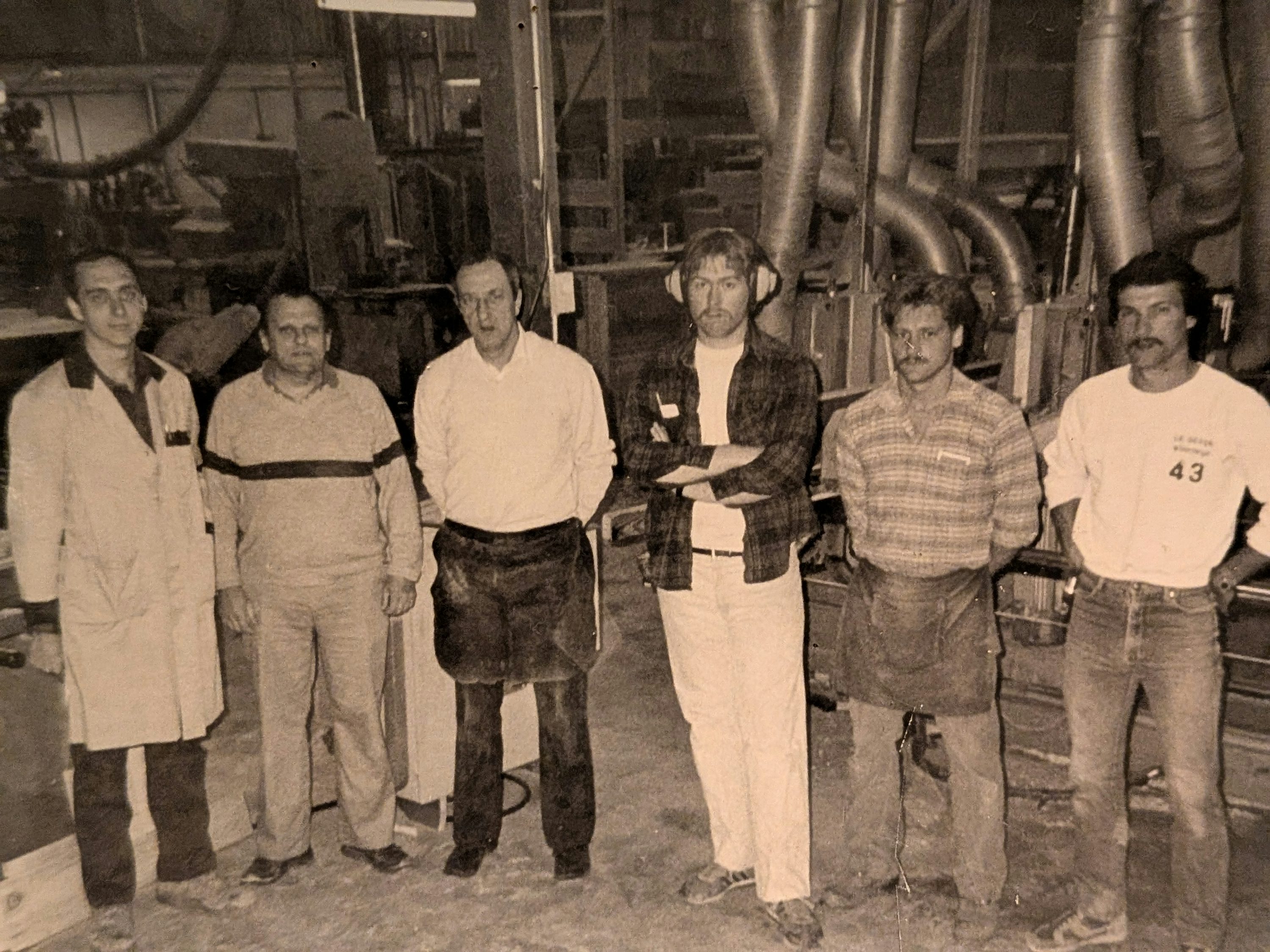
Creating Inclusive Technology Ecosystems

Safety, privacy and local context: Infrastructure performance depends on location, codes, hazards, materials, systems and community rights. Do not apply generalized design, construction, inspection, transport, drone, cybersecurity or emergency instructions. Use authorized professionals, applicable standards, independent review and privacy-preserving participation.

Creating Inclusive Technology Ecosystems is ultimately about whether infrastructure, industry and innovation provide reliable services and broad opportunity without shifting unacceptable risk to workers, communities or ecosystems. A road, network, factory, research grant or digital platform is an output. Its public value depends on safety, accessibility, maintenance, affordability and accountable use.

Sustainable Development Goal 9 calls for resilient infrastructure, inclusive and sustainable industrialization and innovation. UNIDO, the International Telecommunication Union, World Bank and OECD show why technology, institutions, finance, maintenance and inclusion must be considered together.

“Innovation serves society when inclusive technology ecosystems turns technical capacity into dependable public value.”

Why this matters for SDG 9

For this topic, a strong starting point is innovation ecosystems that connect research, finance, skills and public needs while sharing opportunity beyond established centers. These elements reinforce one another. A facility may be completed yet fail frequently. Connectivity may exist yet remain unaffordable. Automation may raise output while excluding small firms or displacing workers. Good planning therefore examines whole lifecycles, dependencies and who receives benefits or bears risk.

What responsible implementation requires

An effective response to inclusive technology ecosystems defines the specific service, industrial or innovation outcome. Users and workers contribute practical knowledge; communities hold rights; operators bring operational experience; public institutions set standards; and qualified professionals assess engineering, environmental, safety and digital implications. Partners should fill a defined gap without displacing accountability.

  • Support pathways from evidence to responsible use: translate this principle into a funded task, a responsible owner and a documented review point.
  • Widen access to finance and facilities: translate this principle into a funded task, a responsible owner and a documented review point.
  • Measure public value and diffusion: translate this principle into a funded task, a responsible owner and a documented review point.
  • Disclose conflicts and failure: translate this principle into a funded task, a responsible owner and a documented review point.
  • Fund mission-relevant research transparently: translate this principle into a funded task, a responsible owner and a documented review point.

Implementation quality matters as much as technology choice. Staff need training and supervision. Designs must fit applicable standards and operating conditions. Data collection should be proportionate and protected. Users need plain-language information about costs, performance limits and complaint routes. Procurement should disclose conflicts and align incentives with lifecycle performance.

A practical planning checklist

  1. Define the service or industrial problem with users and qualified specialists.
  2. Map assets, dependencies, hazards and groups missing from averages.
  3. Assign responsibility for safety, accessibility, privacy, maintenance and remedy.
  4. Budget for operations, inspection, renewal and end-of-life obligations.
  5. Choose measures covering service, resilience, equity and lifecycle value.

A realistic composite example

Imagine a region where residents and businesses identify inclusive technology ecosystems as a priority. A team maps demand, failures, hazards, costs and affected rights before choosing an intervention. Qualified professionals assess engineering and environmental risk. Community representatives influence access and benefit arrangements. The team pilots one change, funds maintenance and reviews reliability, safety, affordability and distribution before expansion. This composite example describes no real project.

The useful lesson is the learning process. Users can identify access barriers, operators can surface maintenance constraints, rights-holders can challenge unfair burdens and specialists can test safety assumptions. The team distinguishes what was built or financed, what changed in service, what remains uncertain and which external factors influenced results.

Common mistakes to avoid

Common mistakes include equating patents or funding with impact, concentrating support in existing hubs, and scaling before validation. Teams also weaken programmes by selecting visible projects over priority needs, reporting design capacity as delivered service, or presenting projections as measured outcomes. Few complaints do not automatically mean a system is accessible or safe.

Communication should protect dignity, rights, security and accuracy. Do not publish identifiable health, disability, worker or community details without lawful authority and informed consent. Do not expose operational security information or market a technical concept as universally safe. State modeling assumptions, uncertainty and professional-review needs clearly.

How to measure meaningful progress

Measurement should combine service, safety, resilience, productivity, environmental effects, equity and durability. Useful indicators include research quality and responsible adoption, participation across regions and groups, solutions sustained and diffused, and public and community value. UNIDO Statistics provides industrial data, while local operational and community evidence can reveal performance hidden by national averages.

Outputs such as kilometers built, connections added, firms trained or patents filed help manage implementation, but they do not prove public value. Outcomes ask whether services remain reliable, accessible and safe and whether industry becomes more productive and sustainable. Document downtime, non-use, cost overruns, missing data and groups excluded from benefits.

Define the baseline, review schedule and decision rules before launch. Combine operational records with qualified inspection, lifecycle costs and accessible user feedback. Compare cost with verified performance and resilience, not assets alone. Report positive, mixed and negative findings so communities and funders can distinguish learning from promotion.

Authoritative resources and outbound references

These sources provide global frameworks, not designs or instructions for a particular structure, network, vehicle, industrial process or digital system. Applicable codes, site conditions, hazards, rights and regulations determine responsible action. Licensed local experts and competent authorities are essential for technical and safety decisions.

Turning innovation into public value

Creating Inclusive Technology Ecosystems cannot be advanced by a one-time construction project or technology launch. A credible next step is to define one service problem with users and qualified specialists, map public duties and test a modest improvement with transparent safety limits. Keep what verified evidence supports, change what does not and explain decisions publicly.

The goal is not simply more infrastructure or innovation activity. It is resilient service and inclusive productive capacity that protect people and planet. Action on inclusive technology ecosystems advances SDG 9 when it reaches those facing the greatest barriers and strengthens institutions capable of sustaining value.

Partnership quality is another test. Government, operators, engineers, workers, researchers, communities and responsible investors bring different authority and knowledge. Roles should be explicit, conflicts disclosed and participation resourced. Coordination adds value only when it closes a known gap or strengthens accountability around inclusive technology ecosystems.

Long-term planning should identify who will maintain assets, finance renewal, secure systems, manage waste and handle complaints. If those responsibilities are unclear, expansion can create dependence on support that disappears. Operations, maintenance and decommissioning plans are part of responsible infrastructure.

Human-Centred Automation in Industrial Workplaces

Qualified technical review required: This article is general education, not engineering, construction, transport, cybersecurity, AI-safety, medical, emergency-response, legal or investment advice. Appropriately licensed local professionals and regulators must review it before publication and before operational decisions.
Safety, privacy and local context: Infrastructure performance depends on location, codes, hazards, materials, systems and community rights. Do not apply generalized design, construction, inspection, transport, drone, cybersecurity or emergency instructions. Use authorized professionals, applicable standards, independent review and privacy-preserving participation.

Human-Centred Automation in Industrial Workplaces is ultimately about whether infrastructure, industry and innovation provide reliable services and broad opportunity without shifting unacceptable risk to workers, communities or ecosystems. A road, network, factory, research grant or digital platform is an output. Its public value depends on safety, accessibility, maintenance, affordability and accountable use.

Sustainable Development Goal 9 calls for resilient infrastructure, inclusive and sustainable industrialization and innovation. UNIDO, the International Telecommunication Union, World Bank and OECD show why technology, institutions, finance, maintenance and inclusion must be considered together.

“Innovation serves society when human-centred automation in industrial workplaces turns technical capacity into dependable public value.”

Why this matters for SDG 9

For this topic, a strong starting point is industrial development that raises productivity while protecting workers, communities, climate and material resources. These elements reinforce one another. A facility may be completed yet fail frequently. Connectivity may exist yet remain unaffordable. Automation may raise output while excluding small firms or displacing workers. Good planning therefore examines whole lifecycles, dependencies and who receives benefits or bears risk.

What responsible implementation requires

An effective response to human-centred automation in industrial workplaces defines the specific service, industrial or innovation outcome. Users and workers contribute practical knowledge; communities hold rights; operators bring operational experience; public institutions set standards; and qualified professionals assess engineering, environmental, safety and digital implications. Partners should fill a defined gap without displacing accountability.

  • Protect workers and nearby communities: translate this principle into a funded task, a responsible owner and a documented review point.
  • Help smaller firms adopt suitable technology: translate this principle into a funded task, a responsible owner and a documented review point.
  • Track full supply-chain effects: translate this principle into a funded task, a responsible owner and a documented review point.
  • Support cleaner and resource-efficient production: translate this principle into a funded task, a responsible owner and a documented review point.
  • Plan skills and just transitions: translate this principle into a funded task, a responsible owner and a documented review point.

Implementation quality matters as much as technology choice. Staff need training and supervision. Designs must fit applicable standards and operating conditions. Data collection should be proportionate and protected. Users need plain-language information about costs, performance limits and complaint routes. Procurement should disclose conflicts and align incentives with lifecycle performance.

A practical planning checklist

  1. Define the service or industrial problem with users and qualified specialists.
  2. Map assets, dependencies, hazards and groups missing from averages.
  3. Assign responsibility for safety, accessibility, privacy, maintenance and remedy.
  4. Budget for operations, inspection, renewal and end-of-life obligations.
  5. Choose measures covering service, resilience, equity and lifecycle value.

A realistic composite example

Imagine a region where residents and businesses identify human-centred automation in industrial workplaces as a priority. A team maps demand, failures, hazards, costs and affected rights before choosing an intervention. Qualified professionals assess engineering and environmental risk. Community representatives influence access and benefit arrangements. The team pilots one change, funds maintenance and reviews reliability, safety, affordability and distribution before expansion. This composite example describes no real project.

The useful lesson is the learning process. Users can identify access barriers, operators can surface maintenance constraints, rights-holders can challenge unfair burdens and specialists can test safety assumptions. The team distinguishes what was built or financed, what changed in service, what remains uncertain and which external factors influenced results.

Common mistakes to avoid

Common mistakes include giving unsafe process instructions, shifting pollution or risk elsewhere, and calling automation progress without job-quality evidence. Teams also weaken programmes by selecting visible projects over priority needs, reporting design capacity as delivered service, or presenting projections as measured outcomes. Few complaints do not automatically mean a system is accessible or safe.

Communication should protect dignity, rights, security and accuracy. Do not publish identifiable health, disability, worker or community details without lawful authority and informed consent. Do not expose operational security information or market a technical concept as universally safe. State modeling assumptions, uncertainty and professional-review needs clearly.

How to measure meaningful progress

Measurement should combine service, safety, resilience, productivity, environmental effects, equity and durability. Useful indicators include productivity and quality employment, energy, emissions and material intensity, small-firm participation and resilience, and worker and community safeguards. UNIDO Statistics provides industrial data, while local operational and community evidence can reveal performance hidden by national averages.

Outputs such as kilometers built, connections added, firms trained or patents filed help manage implementation, but they do not prove public value. Outcomes ask whether services remain reliable, accessible and safe and whether industry becomes more productive and sustainable. Document downtime, non-use, cost overruns, missing data and groups excluded from benefits.

Define the baseline, review schedule and decision rules before launch. Combine operational records with qualified inspection, lifecycle costs and accessible user feedback. Compare cost with verified performance and resilience, not assets alone. Report positive, mixed and negative findings so communities and funders can distinguish learning from promotion.

Authoritative resources and outbound references

These sources provide global frameworks, not designs or instructions for a particular structure, network, vehicle, industrial process or digital system. Applicable codes, site conditions, hazards, rights and regulations determine responsible action. Licensed local experts and competent authorities are essential for technical and safety decisions.

Turning innovation into public value

Human-Centred Automation in Industrial Workplaces cannot be advanced by a one-time construction project or technology launch. A credible next step is to define one service problem with users and qualified specialists, map public duties and test a modest improvement with transparent safety limits. Keep what verified evidence supports, change what does not and explain decisions publicly.

The goal is not simply more infrastructure or innovation activity. It is resilient service and inclusive productive capacity that protect people and planet. Action on human-centred automation in industrial workplaces advances SDG 9 when it reaches those facing the greatest barriers and strengthens institutions capable of sustaining value.

Partnership quality is another test. Government, operators, engineers, workers, researchers, communities and responsible investors bring different authority and knowledge. Roles should be explicit, conflicts disclosed and participation resourced. Coordination adds value only when it closes a known gap or strengthens accountability around human-centred automation in industrial workplaces.

Long-term planning should identify who will maintain assets, finance renewal, secure systems, manage waste and handle complaints. If those responsibilities are unclear, expansion can create dependence on support that disappears. Operations, maintenance and decommissioning plans are part of responsible infrastructure.

Digital Infrastructure as a Basic Development Need

Safety, privacy and local context: Infrastructure performance depends on location, codes, hazards, materials, systems and community rights. Do not apply generalized design, construction, inspection, transport, drone, cybersecurity or emergency instructions. Use authorized professionals, applicable standards, independent review and privacy-preserving participation.

When leaders consider digital infrastructure as a basic development need, the central question should be what service, productive capacity and social outcome changes. Assets built, bandwidth added, firms assisted or patents filed are outputs. Outcomes include reliable access, resilient systems, quality employment, cleaner production and institutions capable of correcting failure.

Sustainable Development Goal 9 calls for resilient infrastructure, inclusive and sustainable industrialization and innovation. UNIDO, the International Telecommunication Union, World Bank and OECD show why technology, institutions, finance, maintenance and inclusion must be considered together.

“Innovation serves society when digital infrastructure as a basic development need turns technical capacity into dependable public value.”

Looking beyond construction and technology

For this topic, a strong starting point is infrastructure planned as a reliable public service across its full lifecycle, not merely as a construction asset. These elements reinforce one another. A facility may be completed yet fail frequently. Connectivity may exist yet remain unaffordable. Automation may raise output while excluding small firms or displacing workers. Good planning therefore examines whole lifecycles, dependencies and who receives benefits or bears risk.

Principles for durable infrastructure and industry

An effective response to digital infrastructure as a basic development need defines the specific service, industrial or innovation outcome. Users and workers contribute practical knowledge; communities hold rights; operators bring operational experience; public institutions set standards; and qualified professionals assess engineering, environmental, safety and digital implications. Partners should fill a defined gap without displacing accountability.

  • Use accessible design and community participation: translate this principle into a funded task, a responsible owner and a documented review point.
  • Define the service and users before selecting assets: translate this principle into a funded task, a responsible owner and a documented review point.
  • Publish performance and responsibility: translate this principle into a funded task, a responsible owner and a documented review point.
  • Assess climate and failure risks locally: translate this principle into a funded task, a responsible owner and a documented review point.
  • Fund maintenance and renewal: translate this principle into a funded task, a responsible owner and a documented review point.

Implementation quality matters as much as technology choice. Staff need training and supervision. Designs must fit applicable standards and operating conditions. Data collection should be proportionate and protected. Users need plain-language information about costs, performance limits and complaint routes. Procurement should disclose conflicts and align incentives with lifecycle performance.

Community and system checklist

  1. Establish a qualified baseline before implementation.
  2. Clarify evidence, modeling assumptions and uncertainty.
  3. Include accessible backup and human-oversight options.
  4. Publish duties, trade-offs and safety limits plainly.
  5. Review results with communities and independent specialists.

An illustrative non-identifiable scenario

A non-identifiable scenario could bring government, engineers, workers, residents, researchers and a nonprofit together around digital infrastructure as a basic development need. They agree on roles, transparent participation and independent review. A pilot compares performance with a baseline and invites accessible feedback. The group corrects weak elements before scale and avoids attributing every change to one intervention.

The useful lesson is the learning process. Users can identify access barriers, operators can surface maintenance constraints, rights-holders can challenge unfair burdens and specialists can test safety assumptions. The team distinguishes what was built or financed, what changed in service, what remains uncertain and which external factors influenced results.

What often goes wrong

Common mistakes include counting completion rather than reliable service, using one technical standard without local review, and building without maintenance finance. Teams also weaken programmes by selecting visible projects over priority needs, reporting design capacity as delivered service, or presenting projections as measured outcomes. Few complaints do not automatically mean a system is accessible or safe.

Communication should protect dignity, rights, security and accuracy. Do not publish identifiable health, disability, worker or community details without lawful authority and informed consent. Do not expose operational security information or market a technical concept as universally safe. State modeling assumptions, uncertainty and professional-review needs clearly.

Tracking performance and equity

Measurement should combine service, safety, resilience, productivity, environmental effects, equity and durability. Useful indicators include resilience under plausible hazards, access across income, disability and location, whole-life cost and maintenance, and service reliability and downtime. UNIDO Statistics provides industrial data, while local operational and community evidence can reveal performance hidden by national averages.

Outputs such as kilometers built, connections added, firms trained or patents filed help manage implementation, but they do not prove public value. Outcomes ask whether services remain reliable, accessible and safe and whether industry becomes more productive and sustainable. Document downtime, non-use, cost overruns, missing data and groups excluded from benefits.

Define the baseline, review schedule and decision rules before launch. Combine operational records with qualified inspection, lifecycle costs and accessible user feedback. Compare cost with verified performance and resilience, not assets alone. Report positive, mixed and negative findings so communities and funders can distinguish learning from promotion.

Authoritative resources and outbound references

These sources provide global frameworks, not designs or instructions for a particular structure, network, vehicle, industrial process or digital system. Applicable codes, site conditions, hazards, rights and regulations determine responsible action. Licensed local experts and competent authorities are essential for technical and safety decisions.

Conclusion: build for people and planet

Digital Infrastructure as a Basic Development Need cannot be advanced by a one-time construction project or technology launch. A credible next step is to define one service problem with users and qualified specialists, map public duties and test a modest improvement with transparent safety limits. Keep what verified evidence supports, change what does not and explain decisions publicly.

The goal is not simply more infrastructure or innovation activity. It is resilient service and inclusive productive capacity that protect people and planet. Action on digital infrastructure as a basic development need advances SDG 9 when it reaches those facing the greatest barriers and strengthens institutions capable of sustaining value.

Partnership quality is another test. Government, operators, engineers, workers, researchers, communities and responsible investors bring different authority and knowledge. Roles should be explicit, conflicts disclosed and participation resourced. Coordination adds value only when it closes a known gap or strengthens accountability around digital infrastructure as a basic development need.

Long-term planning should identify who will maintain assets, finance renewal, secure systems, manage waste and handle complaints. If those responsibilities are unclear, expansion can create dependence on support that disappears. Operations, maintenance and decommissioning plans are part of responsible infrastructure.

Making Automation Accessible to Smaller Businesses

Qualified technical review required: This article is general education, not engineering, construction, transport, cybersecurity, AI-safety, medical, emergency-response, legal or investment advice. Appropriately licensed local professionals and regulators must review it before publication and before operational decisions.
Safety, privacy and local context: Infrastructure performance depends on location, codes, hazards, materials, systems and community rights. Do not apply generalized design, construction, inspection, transport, drone, cybersecurity or emergency instructions. Use authorized professionals, applicable standards, independent review and privacy-preserving participation.

When leaders consider making automation accessible to smaller businesses, the central question should be what service, productive capacity and social outcome changes. Assets built, bandwidth added, firms assisted or patents filed are outputs. Outcomes include reliable access, resilient systems, quality employment, cleaner production and institutions capable of correcting failure.

Sustainable Development Goal 9 calls for resilient infrastructure, inclusive and sustainable industrialization and innovation. UNIDO, the International Telecommunication Union, World Bank and OECD show why technology, institutions, finance, maintenance and inclusion must be considered together.

“Innovation serves society when automation accessible to smaller businesses turns technical capacity into dependable public value.”

Looking beyond construction and technology

For this topic, a strong starting point is industrial development that raises productivity while protecting workers, communities, climate and material resources. These elements reinforce one another. A facility may be completed yet fail frequently. Connectivity may exist yet remain unaffordable. Automation may raise output while excluding small firms or displacing workers. Good planning therefore examines whole lifecycles, dependencies and who receives benefits or bears risk.

Principles for durable infrastructure and industry

An effective response to automation accessible to smaller businesses defines the specific service, industrial or innovation outcome. Users and workers contribute practical knowledge; communities hold rights; operators bring operational experience; public institutions set standards; and qualified professionals assess engineering, environmental, safety and digital implications. Partners should fill a defined gap without displacing accountability.

  • Track full supply-chain effects: translate this principle into a funded task, a responsible owner and a documented review point.
  • Support cleaner and resource-efficient production: translate this principle into a funded task, a responsible owner and a documented review point.
  • Protect workers and nearby communities: translate this principle into a funded task, a responsible owner and a documented review point.
  • Plan skills and just transitions: translate this principle into a funded task, a responsible owner and a documented review point.
  • Help smaller firms adopt suitable technology: translate this principle into a funded task, a responsible owner and a documented review point.

Implementation quality matters as much as technology choice. Staff need training and supervision. Designs must fit applicable standards and operating conditions. Data collection should be proportionate and protected. Users need plain-language information about costs, performance limits and complaint routes. Procurement should disclose conflicts and align incentives with lifecycle performance.

Community and system checklist

  1. Establish a qualified baseline before implementation.
  2. Clarify evidence, modeling assumptions and uncertainty.
  3. Include accessible backup and human-oversight options.
  4. Publish duties, trade-offs and safety limits plainly.
  5. Review results with communities and independent specialists.

An illustrative non-identifiable scenario

A non-identifiable scenario could bring government, engineers, workers, residents, researchers and a nonprofit together around automation accessible to smaller businesses. They agree on roles, transparent participation and independent review. A pilot compares performance with a baseline and invites accessible feedback. The group corrects weak elements before scale and avoids attributing every change to one intervention.

The useful lesson is the learning process. Users can identify access barriers, operators can surface maintenance constraints, rights-holders can challenge unfair burdens and specialists can test safety assumptions. The team distinguishes what was built or financed, what changed in service, what remains uncertain and which external factors influenced results.

What often goes wrong

Common mistakes include calling automation progress without job-quality evidence, shifting pollution or risk elsewhere, and giving unsafe process instructions. Teams also weaken programmes by selecting visible projects over priority needs, reporting design capacity as delivered service, or presenting projections as measured outcomes. Few complaints do not automatically mean a system is accessible or safe.

Communication should protect dignity, rights, security and accuracy. Do not publish identifiable health, disability, worker or community details without lawful authority and informed consent. Do not expose operational security information or market a technical concept as universally safe. State modeling assumptions, uncertainty and professional-review needs clearly.

Tracking performance and equity

Measurement should combine service, safety, resilience, productivity, environmental effects, equity and durability. Useful indicators include productivity and quality employment, worker and community safeguards, small-firm participation and resilience, and energy, emissions and material intensity. UNIDO Statistics provides industrial data, while local operational and community evidence can reveal performance hidden by national averages.

Outputs such as kilometers built, connections added, firms trained or patents filed help manage implementation, but they do not prove public value. Outcomes ask whether services remain reliable, accessible and safe and whether industry becomes more productive and sustainable. Document downtime, non-use, cost overruns, missing data and groups excluded from benefits.

Define the baseline, review schedule and decision rules before launch. Combine operational records with qualified inspection, lifecycle costs and accessible user feedback. Compare cost with verified performance and resilience, not assets alone. Report positive, mixed and negative findings so communities and funders can distinguish learning from promotion.

Authoritative resources and outbound references

These sources provide global frameworks, not designs or instructions for a particular structure, network, vehicle, industrial process or digital system. Applicable codes, site conditions, hazards, rights and regulations determine responsible action. Licensed local experts and competent authorities are essential for technical and safety decisions.

Conclusion: build for people and planet

Making Automation Accessible to Smaller Businesses cannot be advanced by a one-time construction project or technology launch. A credible next step is to define one service problem with users and qualified specialists, map public duties and test a modest improvement with transparent safety limits. Keep what verified evidence supports, change what does not and explain decisions publicly.

The goal is not simply more infrastructure or innovation activity. It is resilient service and inclusive productive capacity that protect people and planet. Action on automation accessible to smaller businesses advances SDG 9 when it reaches those facing the greatest barriers and strengthens institutions capable of sustaining value.

Partnership quality is another test. Government, operators, engineers, workers, researchers, communities and responsible investors bring different authority and knowledge. Roles should be explicit, conflicts disclosed and participation resourced. Coordination adds value only when it closes a known gap or strengthens accountability around automation accessible to smaller businesses.

Long-term planning should identify who will maintain assets, finance renewal, secure systems, manage waste and handle complaints. If those responsibilities are unclear, expansion can create dependence on support that disappears. Operations, maintenance and decommissioning plans are part of responsible infrastructure.
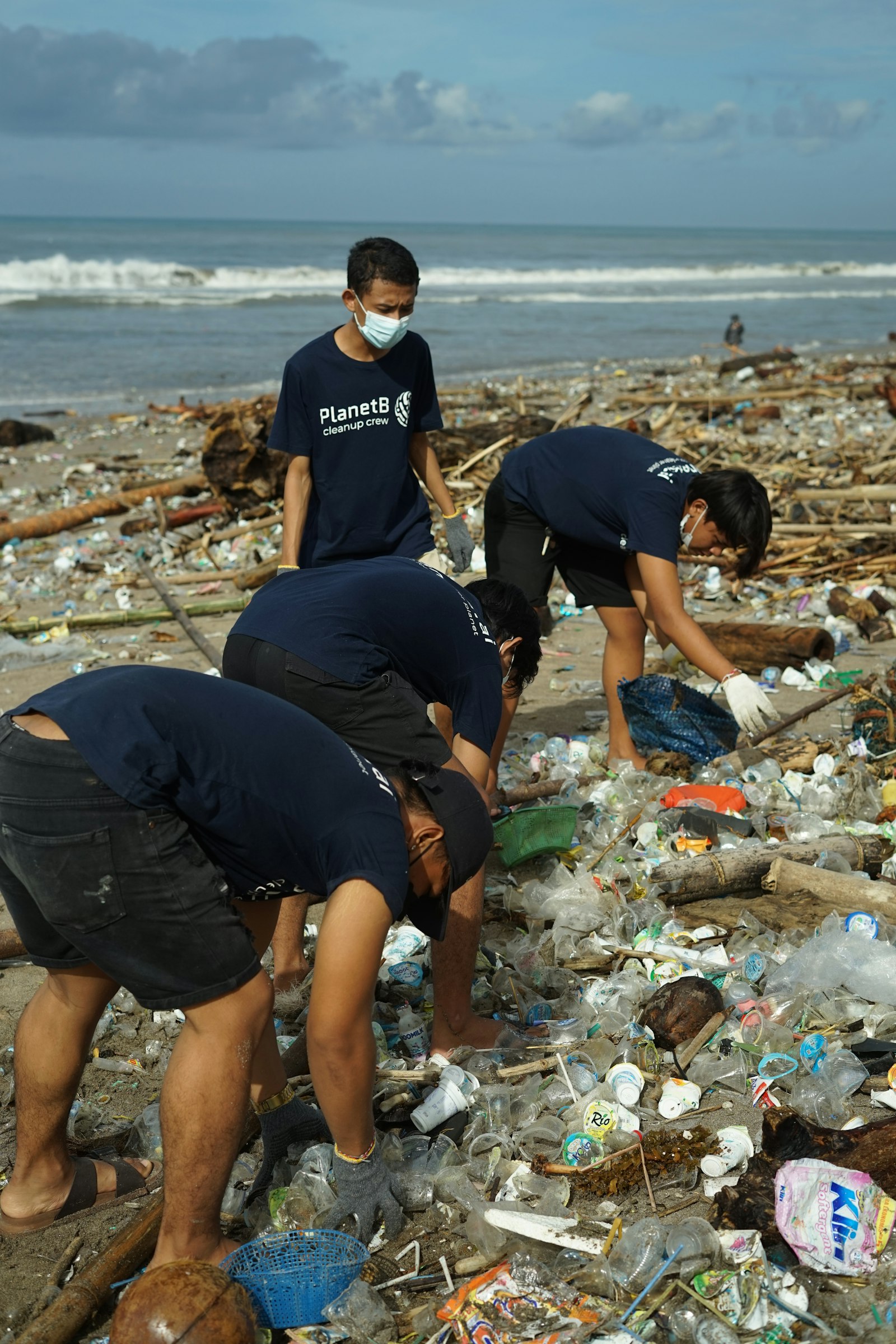
Open-Source Technology and Inclusive Innovation

Safety, privacy and local context: Infrastructure performance depends on location, codes, hazards, materials, systems and community rights. Do not apply generalized design, construction, inspection, transport, drone, cybersecurity or emergency instructions. Use authorized professionals, applicable standards, independent review and privacy-preserving participation.

A useful discussion of open-source technology and inclusive innovation begins with users, workers and communities. They see service interruptions, unsafe crossings, inaccessible interfaces, pollution burdens and maintenance gaps that national averages can miss. Their experience should guide diagnosis, while technical standards and independent evidence protect against unsafe assumptions.

Sustainable Development Goal 9 calls for resilient infrastructure, inclusive and sustainable industrialization and innovation. UNIDO, the International Telecommunication Union, World Bank and OECD show why technology, institutions, finance, maintenance and inclusion must be considered together.

“Innovation serves society when open-source technology and inclusive innovation turns technical capacity into dependable public value.”

Connecting the issue to resilient development

For this topic, a strong starting point is innovation and infrastructure governed through transparent priorities, capable institutions, responsible finance and community accountability. These elements reinforce one another. A facility may be completed yet fail frequently. Connectivity may exist yet remain unaffordable. Automation may raise output while excluding small firms or displacing workers. Good planning therefore examines whole lifecycles, dependencies and who receives benefits or bears risk.

Designing for safety, inclusion and lifecycle value

An effective response to open-source technology and inclusive innovation defines the specific service, industrial or innovation outcome. Users and workers contribute practical knowledge; communities hold rights; operators bring operational experience; public institutions set standards; and qualified professionals assess engineering, environmental, safety and digital implications. Partners should fill a defined gap without displacing accountability.

  • Use independent technical review: translate this principle into a funded task, a responsible owner and a documented review point.
  • Publish procurement and conflicts: translate this principle into a funded task, a responsible owner and a documented review point.
  • Define public outcomes and minimum standards: translate this principle into a funded task, a responsible owner and a documented review point.
  • Measure lifecycle performance: translate this principle into a funded task, a responsible owner and a documented review point.
  • Protect public access and affordability: translate this principle into a funded task, a responsible owner and a documented review point.

Implementation quality matters as much as technology choice. Staff need training and supervision. Designs must fit applicable standards and operating conditions. Data collection should be proportionate and protected. Users need plain-language information about costs, performance limits and complaint routes. Procurement should disclose conflicts and align incentives with lifecycle performance.

Checklist for responsible action

  1. Separate urgent service gaps from long-term system transformation.
  2. Test location, price, eligibility, disability access and technology for exclusion.
  3. Create accessible incident, grievance and appeal routes.
  4. Pilot a technically reviewed change before expansion.
  5. Agree who will operate, finance and regulate it after initial funding.

How this could work locally

Consider a hypothetical public agency working on open-source technology and inclusive innovation. Users explain that a well-intended service is difficult to use because of price, disability barriers and unreliable repairs. Engineers identify operational constraints. The agency revises delivery, clarifies responsibilities and publishes trade-offs. Expansion depends on verified service performance rather than construction milestones or publicity.

The useful lesson is the learning process. Users can identify access barriers, operators can surface maintenance constraints, rights-holders can challenge unfair burdens and specialists can test safety assumptions. The team distinguishes what was built or financed, what changed in service, what remains uncertain and which external factors influenced results.

Pitfalls that weaken results

Common mistakes include announcing partnerships without enforceable duties, choosing projects for visibility rather than need, and hiding cost and schedule uncertainty. Teams also weaken programmes by selecting visible projects over priority needs, reporting design capacity as delivered service, or presenting projections as measured outcomes. Few complaints do not automatically mean a system is accessible or safe.

Communication should protect dignity, rights, security and accuracy. Do not publish identifiable health, disability, worker or community details without lawful authority and informed consent. Do not expose operational security information or market a technical concept as universally safe. State modeling assumptions, uncertainty and professional-review needs clearly.

Measurement, learning and accountability

Measurement should combine service, safety, resilience, productivity, environmental effects, equity and durability. Useful indicators include service and industrial outcomes, equity and community influence, transparency and corrective action, and whole-life cost and delivery. UNIDO Statistics provides industrial data, while local operational and community evidence can reveal performance hidden by national averages.

Outputs such as kilometers built, connections added, firms trained or patents filed help manage implementation, but they do not prove public value. Outcomes ask whether services remain reliable, accessible and safe and whether industry becomes more productive and sustainable. Document downtime, non-use, cost overruns, missing data and groups excluded from benefits.

Define the baseline, review schedule and decision rules before launch. Combine operational records with qualified inspection, lifecycle costs and accessible user feedback. Compare cost with verified performance and resilience, not assets alone. Report positive, mixed and negative findings so communities and funders can distinguish learning from promotion.

Authoritative resources and outbound references

These sources provide global frameworks, not designs or instructions for a particular structure, network, vehicle, industrial process or digital system. Applicable codes, site conditions, hazards, rights and regulations determine responsible action. Licensed local experts and competent authorities are essential for technical and safety decisions.

A practical way forward

Open-Source Technology and Inclusive Innovation cannot be advanced by a one-time construction project or technology launch. A credible next step is to define one service problem with users and qualified specialists, map public duties and test a modest improvement with transparent safety limits. Keep what verified evidence supports, change what does not and explain decisions publicly.

The goal is not simply more infrastructure or innovation activity. It is resilient service and inclusive productive capacity that protect people and planet. Action on open-source technology and inclusive innovation advances SDG 9 when it reaches those facing the greatest barriers and strengthens institutions capable of sustaining value.

Partnership quality is another test. Government, operators, engineers, workers, researchers, communities and responsible investors bring different authority and knowledge. Roles should be explicit, conflicts disclosed and participation resourced. Coordination adds value only when it closes a known gap or strengthens accountability around open-source technology and inclusive innovation.

Long-term planning should identify who will maintain assets, finance renewal, secure systems, manage waste and handle complaints. If those responsibilities are unclear, expansion can create dependence on support that disappears. Operations, maintenance and decommissioning plans are part of responsible infrastructure.

Inclusive Design for People With Disabilities

Safety, privacy and local context: Infrastructure performance depends on location, codes, hazards, materials, systems and community rights. Do not apply generalized design, construction, inspection, transport, drone, cybersecurity or emergency instructions. Use authorized professionals, applicable standards, independent review and privacy-preserving participation.

When leaders consider inclusive design for people with disabilities, the central question should be what service, productive capacity and social outcome changes. Assets built, bandwidth added, firms assisted or patents filed are outputs. Outcomes include reliable access, resilient systems, quality employment, cleaner production and institutions capable of correcting failure.

Sustainable Development Goal 9 calls for resilient infrastructure, inclusive and sustainable industrialization and innovation. UNIDO, the International Telecommunication Union, World Bank and OECD show why technology, institutions, finance, maintenance and inclusion must be considered together.

“Innovation serves society when inclusive design for people with disabilities turns technical capacity into dependable public value.”

Looking beyond construction and technology

For this topic, a strong starting point is infrastructure whose risks, access, benefits and decision power are distributed fairly and rights are respected. These elements reinforce one another. A facility may be completed yet fail frequently. Connectivity may exist yet remain unaffordable. Automation may raise output while excluding small firms or displacing workers. Good planning therefore examines whole lifecycles, dependencies and who receives benefits or bears risk.

Principles for durable infrastructure and industry

An effective response to inclusive design for people with disabilities defines the specific service, industrial or innovation outcome. Users and workers contribute practical knowledge; communities hold rights; operators bring operational experience; public institutions set standards; and qualified professionals assess engineering, environmental, safety and digital implications. Partners should fill a defined gap without displacing accountability.

  • Prevent displacement and cumulative burdens: translate this principle into a funded task, a responsible owner and a documented review point.
  • Map who bears risk and who gains: translate this principle into a funded task, a responsible owner and a documented review point.
  • Involve affected groups before design decisions: translate this principle into a funded task, a responsible owner and a documented review point.
  • Create accessible grievance and remedy: translate this principle into a funded task, a responsible owner and a documented review point.
  • Apply universal and gender-responsive design: translate this principle into a funded task, a responsible owner and a documented review point.

Implementation quality matters as much as technology choice. Staff need training and supervision. Designs must fit applicable standards and operating conditions. Data collection should be proportionate and protected. Users need plain-language information about costs, performance limits and complaint routes. Procurement should disclose conflicts and align incentives with lifecycle performance.

Community and system checklist

  1. Establish a qualified baseline before implementation.
  2. Clarify evidence, modeling assumptions and uncertainty.
  3. Include accessible backup and human-oversight options.
  4. Publish duties, trade-offs and safety limits plainly.
  5. Review results with communities and independent specialists.

An illustrative non-identifiable scenario

A non-identifiable scenario could bring government, engineers, workers, residents, researchers and a nonprofit together around inclusive design for people with disabilities. They agree on roles, transparent participation and independent review. A pilot compares performance with a baseline and invites accessible feedback. The group corrects weak elements before scale and avoids attributing every change to one intervention.

The useful lesson is the learning process. Users can identify access barriers, operators can surface maintenance constraints, rights-holders can challenge unfair burdens and specialists can test safety assumptions. The team distinguishes what was built or financed, what changed in service, what remains uncertain and which external factors influenced results.

What often goes wrong

Common mistakes include treating accessibility as an optional add-on, using averages that hide exposure, and consulting after decisions are fixed. Teams also weaken programmes by selecting visible projects over priority needs, reporting design capacity as delivered service, or presenting projections as measured outcomes. Few complaints do not automatically mean a system is accessible or safe.

Communication should protect dignity, rights, security and accuracy. Do not publish identifiable health, disability, worker or community details without lawful authority and informed consent. Do not expose operational security information or market a technical concept as universally safe. State modeling assumptions, uncertainty and professional-review needs clearly.

Tracking performance and equity

Measurement should combine service, safety, resilience, productivity, environmental effects, equity and durability. Useful indicators include distribution of environmental and safety risk, accessibility verified with users, equitable access and travel time, and decision influence and remedy. UNIDO Statistics provides industrial data, while local operational and community evidence can reveal performance hidden by national averages.

Outputs such as kilometers built, connections added, firms trained or patents filed help manage implementation, but they do not prove public value. Outcomes ask whether services remain reliable, accessible and safe and whether industry becomes more productive and sustainable. Document downtime, non-use, cost overruns, missing data and groups excluded from benefits.

Define the baseline, review schedule and decision rules before launch. Combine operational records with qualified inspection, lifecycle costs and accessible user feedback. Compare cost with verified performance and resilience, not assets alone. Report positive, mixed and negative findings so communities and funders can distinguish learning from promotion.

Authoritative resources and outbound references

These sources provide global frameworks, not designs or instructions for a particular structure, network, vehicle, industrial process or digital system. Applicable codes, site conditions, hazards, rights and regulations determine responsible action. Licensed local experts and competent authorities are essential for technical and safety decisions.

Conclusion: build for people and planet

Inclusive Design for People With Disabilities cannot be advanced by a one-time construction project or technology launch. A credible next step is to define one service problem with users and qualified specialists, map public duties and test a modest improvement with transparent safety limits. Keep what verified evidence supports, change what does not and explain decisions publicly.

The goal is not simply more infrastructure or innovation activity. It is resilient service and inclusive productive capacity that protect people and planet. Action on inclusive design for people with disabilities advances SDG 9 when it reaches those facing the greatest barriers and strengthens institutions capable of sustaining value.

Partnership quality is another test. Government, operators, engineers, workers, researchers, communities and responsible investors bring different authority and knowledge. Roles should be explicit, conflicts disclosed and participation resourced. Coordination adds value only when it closes a known gap or strengthens accountability around inclusive design for people with disabilities.

Long-term planning should identify who will maintain assets, finance renewal, secure systems, manage waste and handle complaints. If those responsibilities are unclear, expansion can create dependence on support that disappears. Operations, maintenance and decommissioning plans are part of responsible infrastructure.

Transportation Infrastructure and Equal Economic Opportunity

Qualified technical review required: This article is general education, not engineering, construction, transport, cybersecurity, AI-safety, medical, emergency-response, legal or investment advice. Appropriately licensed local professionals and regulators must review it before publication and before operational decisions.
Safety, privacy and local context: Infrastructure performance depends on location, codes, hazards, materials, systems and community rights. Do not apply generalized design, construction, inspection, transport, drone, cybersecurity or emergency instructions. Use authorized professionals, applicable standards, independent review and privacy-preserving participation.

A useful discussion of transportation infrastructure and equal economic opportunity begins with users, workers and communities. They see service interruptions, unsafe crossings, inaccessible interfaces, pollution burdens and maintenance gaps that national averages can miss. Their experience should guide diagnosis, while technical standards and independent evidence protect against unsafe assumptions.

Sustainable Development Goal 9 calls for resilient infrastructure, inclusive and sustainable industrialization and innovation. UNIDO, the International Telecommunication Union, World Bank and OECD show why technology, institutions, finance, maintenance and inclusion must be considered together.

“Innovation serves society when transportation infrastructure and equal economic opportunity turns technical capacity into dependable public value.”

Connecting the issue to resilient development

For this topic, a strong starting point is infrastructure planned as a reliable public service across its full lifecycle, not merely as a construction asset. These elements reinforce one another. A facility may be completed yet fail frequently. Connectivity may exist yet remain unaffordable. Automation may raise output while excluding small firms or displacing workers. Good planning therefore examines whole lifecycles, dependencies and who receives benefits or bears risk.

Designing for safety, inclusion and lifecycle value

An effective response to transportation infrastructure and equal economic opportunity defines the specific service, industrial or innovation outcome. Users and workers contribute practical knowledge; communities hold rights; operators bring operational experience; public institutions set standards; and qualified professionals assess engineering, environmental, safety and digital implications. Partners should fill a defined gap without displacing accountability.

  • Publish performance and responsibility: translate this principle into a funded task, a responsible owner and a documented review point.
  • Use accessible design and community participation: translate this principle into a funded task, a responsible owner and a documented review point.
  • Define the service and users before selecting assets: translate this principle into a funded task, a responsible owner and a documented review point.
  • Assess climate and failure risks locally: translate this principle into a funded task, a responsible owner and a documented review point.
  • Fund maintenance and renewal: translate this principle into a funded task, a responsible owner and a documented review point.

Implementation quality matters as much as technology choice. Staff need training and supervision. Designs must fit applicable standards and operating conditions. Data collection should be proportionate and protected. Users need plain-language information about costs, performance limits and complaint routes. Procurement should disclose conflicts and align incentives with lifecycle performance.

Checklist for responsible action

  1. Separate urgent service gaps from long-term system transformation.
  2. Test location, price, eligibility, disability access and technology for exclusion.
  3. Create accessible incident, grievance and appeal routes.
  4. Pilot a technically reviewed change before expansion.
  5. Agree who will operate, finance and regulate it after initial funding.

How this could work locally

Consider a hypothetical public agency working on transportation infrastructure and equal economic opportunity. Users explain that a well-intended service is difficult to use because of price, disability barriers and unreliable repairs. Engineers identify operational constraints. The agency revises delivery, clarifies responsibilities and publishes trade-offs. Expansion depends on verified service performance rather than construction milestones or publicity.

The useful lesson is the learning process. Users can identify access barriers, operators can surface maintenance constraints, rights-holders can challenge unfair burdens and specialists can test safety assumptions. The team distinguishes what was built or financed, what changed in service, what remains uncertain and which external factors influenced results.

Pitfalls that weaken results

Common mistakes include using one technical standard without local review, building without maintenance finance, and counting completion rather than reliable service. Teams also weaken programmes by selecting visible projects over priority needs, reporting design capacity as delivered service, or presenting projections as measured outcomes. Few complaints do not automatically mean a system is accessible or safe.

Communication should protect dignity, rights, security and accuracy. Do not publish identifiable health, disability, worker or community details without lawful authority and informed consent. Do not expose operational security information or market a technical concept as universally safe. State modeling assumptions, uncertainty and professional-review needs clearly.

Measurement, learning and accountability

Measurement should combine service, safety, resilience, productivity, environmental effects, equity and durability. Useful indicators include service reliability and downtime, whole-life cost and maintenance, resilience under plausible hazards, and access across income, disability and location. UNIDO Statistics provides industrial data, while local operational and community evidence can reveal performance hidden by national averages.

Outputs such as kilometers built, connections added, firms trained or patents filed help manage implementation, but they do not prove public value. Outcomes ask whether services remain reliable, accessible and safe and whether industry becomes more productive and sustainable. Document downtime, non-use, cost overruns, missing data and groups excluded from benefits.

Define the baseline, review schedule and decision rules before launch. Combine operational records with qualified inspection, lifecycle costs and accessible user feedback. Compare cost with verified performance and resilience, not assets alone. Report positive, mixed and negative findings so communities and funders can distinguish learning from promotion.

Authoritative resources and outbound references

These sources provide global frameworks, not designs or instructions for a particular structure, network, vehicle, industrial process or digital system. Applicable codes, site conditions, hazards, rights and regulations determine responsible action. Licensed local experts and competent authorities are essential for technical and safety decisions.

A practical way forward

Transportation Infrastructure and Equal Economic Opportunity cannot be advanced by a one-time construction project or technology launch. A credible next step is to define one service problem with users and qualified specialists, map public duties and test a modest improvement with transparent safety limits. Keep what verified evidence supports, change what does not and explain decisions publicly.

The goal is not simply more infrastructure or innovation activity. It is resilient service and inclusive productive capacity that protect people and planet. Action on transportation infrastructure and equal economic opportunity advances SDG 9 when it reaches those facing the greatest barriers and strengthens institutions capable of sustaining value.

Partnership quality is another test. Government, operators, engineers, workers, researchers, communities and responsible investors bring different authority and knowledge. Roles should be explicit, conflicts disclosed and participation resourced. Coordination adds value only when it closes a known gap or strengthens accountability around transportation infrastructure and equal economic opportunity.

Long-term planning should identify who will maintain assets, finance renewal, secure systems, manage waste and handle complaints. If those responsibilities are unclear, expansion can create dependence on support that disappears. Operations, maintenance and decommissioning plans are part of responsible infrastructure.

Telemedicine Infrastructure Beyond Major Cities

Qualified technical review required: This article is general education, not engineering, construction, transport, cybersecurity, AI-safety, medical, emergency-response, legal or investment advice. Appropriately licensed local professionals and regulators must review it before publication and before operational decisions.
Safety, privacy and local context: Infrastructure performance depends on location, codes, hazards, materials, systems and community rights. Do not apply generalized design, construction, inspection, transport, drone, cybersecurity or emergency instructions. Use authorized professionals, applicable standards, independent review and privacy-preserving participation.

When leaders consider telemedicine infrastructure beyond major cities, the central question should be what service, productive capacity and social outcome changes. Assets built, bandwidth added, firms assisted or patents filed are outputs. Outcomes include reliable access, resilient systems, quality employment, cleaner production and institutions capable of correcting failure.

Sustainable Development Goal 9 calls for resilient infrastructure, inclusive and sustainable industrialization and innovation. UNIDO, the International Telecommunication Union, World Bank and OECD show why technology, institutions, finance, maintenance and inclusion must be considered together.

“Innovation serves society when telemedicine infrastructure beyond major cities turns technical capacity into dependable public value.”

Looking beyond construction and technology

For this topic, a strong starting point is infrastructure planned as a reliable public service across its full lifecycle, not merely as a construction asset. These elements reinforce one another. A facility may be completed yet fail frequently. Connectivity may exist yet remain unaffordable. Automation may raise output while excluding small firms or displacing workers. Good planning therefore examines whole lifecycles, dependencies and who receives benefits or bears risk.

Principles for durable infrastructure and industry

An effective response to telemedicine infrastructure beyond major cities defines the specific service, industrial or innovation outcome. Users and workers contribute practical knowledge; communities hold rights; operators bring operational experience; public institutions set standards; and qualified professionals assess engineering, environmental, safety and digital implications. Partners should fill a defined gap without displacing accountability.

  • Use accessible design and community participation: translate this principle into a funded task, a responsible owner and a documented review point.
  • Fund maintenance and renewal: translate this principle into a funded task, a responsible owner and a documented review point.
  • Define the service and users before selecting assets: translate this principle into a funded task, a responsible owner and a documented review point.
  • Publish performance and responsibility: translate this principle into a funded task, a responsible owner and a documented review point.
  • Assess climate and failure risks locally: translate this principle into a funded task, a responsible owner and a documented review point.

Implementation quality matters as much as technology choice. Staff need training and supervision. Designs must fit applicable standards and operating conditions. Data collection should be proportionate and protected. Users need plain-language information about costs, performance limits and complaint routes. Procurement should disclose conflicts and align incentives with lifecycle performance.

Community and system checklist

  1. Establish a qualified baseline before implementation.
  2. Clarify evidence, modeling assumptions and uncertainty.
  3. Include accessible backup and human-oversight options.
  4. Publish duties, trade-offs and safety limits plainly.
  5. Review results with communities and independent specialists.

An illustrative non-identifiable scenario

A non-identifiable scenario could bring government, engineers, workers, residents, researchers and a nonprofit together around telemedicine infrastructure beyond major cities. They agree on roles, transparent participation and independent review. A pilot compares performance with a baseline and invites accessible feedback. The group corrects weak elements before scale and avoids attributing every change to one intervention.

The useful lesson is the learning process. Users can identify access barriers, operators can surface maintenance constraints, rights-holders can challenge unfair burdens and specialists can test safety assumptions. The team distinguishes what was built or financed, what changed in service, what remains uncertain and which external factors influenced results.

What often goes wrong

Common mistakes include counting completion rather than reliable service, building without maintenance finance, and using one technical standard without local review. Teams also weaken programmes by selecting visible projects over priority needs, reporting design capacity as delivered service, or presenting projections as measured outcomes. Few complaints do not automatically mean a system is accessible or safe.

Communication should protect dignity, rights, security and accuracy. Do not publish identifiable health, disability, worker or community details without lawful authority and informed consent. Do not expose operational security information or market a technical concept as universally safe. State modeling assumptions, uncertainty and professional-review needs clearly.

Tracking performance and equity

Measurement should combine service, safety, resilience, productivity, environmental effects, equity and durability. Useful indicators include whole-life cost and maintenance, service reliability and downtime, access across income, disability and location, and resilience under plausible hazards. UNIDO Statistics provides industrial data, while local operational and community evidence can reveal performance hidden by national averages.

Outputs such as kilometers built, connections added, firms trained or patents filed help manage implementation, but they do not prove public value. Outcomes ask whether services remain reliable, accessible and safe and whether industry becomes more productive and sustainable. Document downtime, non-use, cost overruns, missing data and groups excluded from benefits.

Define the baseline, review schedule and decision rules before launch. Combine operational records with qualified inspection, lifecycle costs and accessible user feedback. Compare cost with verified performance and resilience, not assets alone. Report positive, mixed and negative findings so communities and funders can distinguish learning from promotion.

Authoritative resources and outbound references

These sources provide global frameworks, not designs or instructions for a particular structure, network, vehicle, industrial process or digital system. Applicable codes, site conditions, hazards, rights and regulations determine responsible action. Licensed local experts and competent authorities are essential for technical and safety decisions.

Conclusion: build for people and planet

Telemedicine Infrastructure Beyond Major Cities cannot be advanced by a one-time construction project or technology launch. A credible next step is to define one service problem with users and qualified specialists, map public duties and test a modest improvement with transparent safety limits. Keep what verified evidence supports, change what does not and explain decisions publicly.

The goal is not simply more infrastructure or innovation activity. It is resilient service and inclusive productive capacity that protect people and planet. Action on telemedicine infrastructure beyond major cities advances SDG 9 when it reaches those facing the greatest barriers and strengthens institutions capable of sustaining value.

Partnership quality is another test. Government, operators, engineers, workers, researchers, communities and responsible investors bring different authority and knowledge. Roles should be explicit, conflicts disclosed and participation resourced. Coordination adds value only when it closes a known gap or strengthens accountability around telemedicine infrastructure beyond major cities.

Long-term planning should identify who will maintain assets, finance renewal, secure systems, manage waste and handle complaints. If those responsibilities are unclear, expansion can create dependence on support that disappears. Operations, maintenance and decommissioning plans are part of responsible infrastructure.

Disaster-Resilient Infrastructure Saves Lives

Qualified technical review required: This article is general education, not engineering, construction, transport, cybersecurity, AI-safety, medical, emergency-response, legal or investment advice. Appropriately licensed local professionals and regulators must review it before publication and before operational decisions.
Safety, privacy and local context: Infrastructure performance depends on location, codes, hazards, materials, systems and community rights. Do not apply generalized design, construction, inspection, transport, drone, cybersecurity or emergency instructions. Use authorized professionals, applicable standards, independent review and privacy-preserving participation.

Disaster-Resilient Infrastructure Saves Lives is ultimately about whether infrastructure, industry and innovation provide reliable services and broad opportunity without shifting unacceptable risk to workers, communities or ecosystems. A road, network, factory, research grant or digital platform is an output. Its public value depends on safety, accessibility, maintenance, affordability and accountable use.

Sustainable Development Goal 9 calls for resilient infrastructure, inclusive and sustainable industrialization and innovation. UNIDO, the International Telecommunication Union, World Bank and OECD show why technology, institutions, finance, maintenance and inclusion must be considered together.

“Innovation serves society when disaster-resilient infrastructure saves lives turns technical capacity into dependable public value.”

Why this matters for SDG 9

For this topic, a strong starting point is infrastructure planned as a reliable public service across its full lifecycle, not merely as a construction asset. These elements reinforce one another. A facility may be completed yet fail frequently. Connectivity may exist yet remain unaffordable. Automation may raise output while excluding small firms or displacing workers. Good planning therefore examines whole lifecycles, dependencies and who receives benefits or bears risk.

What responsible implementation requires

An effective response to disaster-resilient infrastructure saves lives defines the specific service, industrial or innovation outcome. Users and workers contribute practical knowledge; communities hold rights; operators bring operational experience; public institutions set standards; and qualified professionals assess engineering, environmental, safety and digital implications. Partners should fill a defined gap without displacing accountability.

  • Fund maintenance and renewal: translate this principle into a funded task, a responsible owner and a documented review point.
  • Assess climate and failure risks locally: translate this principle into a funded task, a responsible owner and a documented review point.
  • Use accessible design and community participation: translate this principle into a funded task, a responsible owner and a documented review point.
  • Publish performance and responsibility: translate this principle into a funded task, a responsible owner and a documented review point.
  • Define the service and users before selecting assets: translate this principle into a funded task, a responsible owner and a documented review point.

Implementation quality matters as much as technology choice. Staff need training and supervision. Designs must fit applicable standards and operating conditions. Data collection should be proportionate and protected. Users need plain-language information about costs, performance limits and complaint routes. Procurement should disclose conflicts and align incentives with lifecycle performance.

A practical planning checklist

  1. Define the service or industrial problem with users and qualified specialists.
  2. Map assets, dependencies, hazards and groups missing from averages.
  3. Assign responsibility for safety, accessibility, privacy, maintenance and remedy.
  4. Budget for operations, inspection, renewal and end-of-life obligations.
  5. Choose measures covering service, resilience, equity and lifecycle value.

A realistic composite example

Imagine a region where residents and businesses identify disaster-resilient infrastructure saves lives as a priority. A team maps demand, failures, hazards, costs and affected rights before choosing an intervention. Qualified professionals assess engineering and environmental risk. Community representatives influence access and benefit arrangements. The team pilots one change, funds maintenance and reviews reliability, safety, affordability and distribution before expansion. This composite example describes no real project.

The useful lesson is the learning process. Users can identify access barriers, operators can surface maintenance constraints, rights-holders can challenge unfair burdens and specialists can test safety assumptions. The team distinguishes what was built or financed, what changed in service, what remains uncertain and which external factors influenced results.

Common mistakes to avoid

Common mistakes include counting completion rather than reliable service, using one technical standard without local review, and building without maintenance finance. Teams also weaken programmes by selecting visible projects over priority needs, reporting design capacity as delivered service, or presenting projections as measured outcomes. Few complaints do not automatically mean a system is accessible or safe.

Communication should protect dignity, rights, security and accuracy. Do not publish identifiable health, disability, worker or community details without lawful authority and informed consent. Do not expose operational security information or market a technical concept as universally safe. State modeling assumptions, uncertainty and professional-review needs clearly.

How to measure meaningful progress

Measurement should combine service, safety, resilience, productivity, environmental effects, equity and durability. Useful indicators include whole-life cost and maintenance, access across income, disability and location, resilience under plausible hazards, and service reliability and downtime. UNIDO Statistics provides industrial data, while local operational and community evidence can reveal performance hidden by national averages.

Outputs such as kilometers built, connections added, firms trained or patents filed help manage implementation, but they do not prove public value. Outcomes ask whether services remain reliable, accessible and safe and whether industry becomes more productive and sustainable. Document downtime, non-use, cost overruns, missing data and groups excluded from benefits.

Define the baseline, review schedule and decision rules before launch. Combine operational records with qualified inspection, lifecycle costs and accessible user feedback. Compare cost with verified performance and resilience, not assets alone. Report positive, mixed and negative findings so communities and funders can distinguish learning from promotion.

Authoritative resources and outbound references

These sources provide global frameworks, not designs or instructions for a particular structure, network, vehicle, industrial process or digital system. Applicable codes, site conditions, hazards, rights and regulations determine responsible action. Licensed local experts and competent authorities are essential for technical and safety decisions.

Turning innovation into public value

Disaster-Resilient Infrastructure Saves Lives cannot be advanced by a one-time construction project or technology launch. A credible next step is to define one service problem with users and qualified specialists, map public duties and test a modest improvement with transparent safety limits. Keep what verified evidence supports, change what does not and explain decisions publicly.

The goal is not simply more infrastructure or innovation activity. It is resilient service and inclusive productive capacity that protect people and planet. Action on disaster-resilient infrastructure saves lives advances SDG 9 when it reaches those facing the greatest barriers and strengthens institutions capable of sustaining value.

Partnership quality is another test. Government, operators, engineers, workers, researchers, communities and responsible investors bring different authority and knowledge. Roles should be explicit, conflicts disclosed and participation resourced. Coordination adds value only when it closes a known gap or strengthens accountability around disaster-resilient infrastructure saves lives.

Long-term planning should identify who will maintain assets, finance renewal, secure systems, manage waste and handle complaints. If those responsibilities are unclear, expansion can create dependence on support that disappears. Operations, maintenance and decommissioning plans are part of responsible infrastructure.