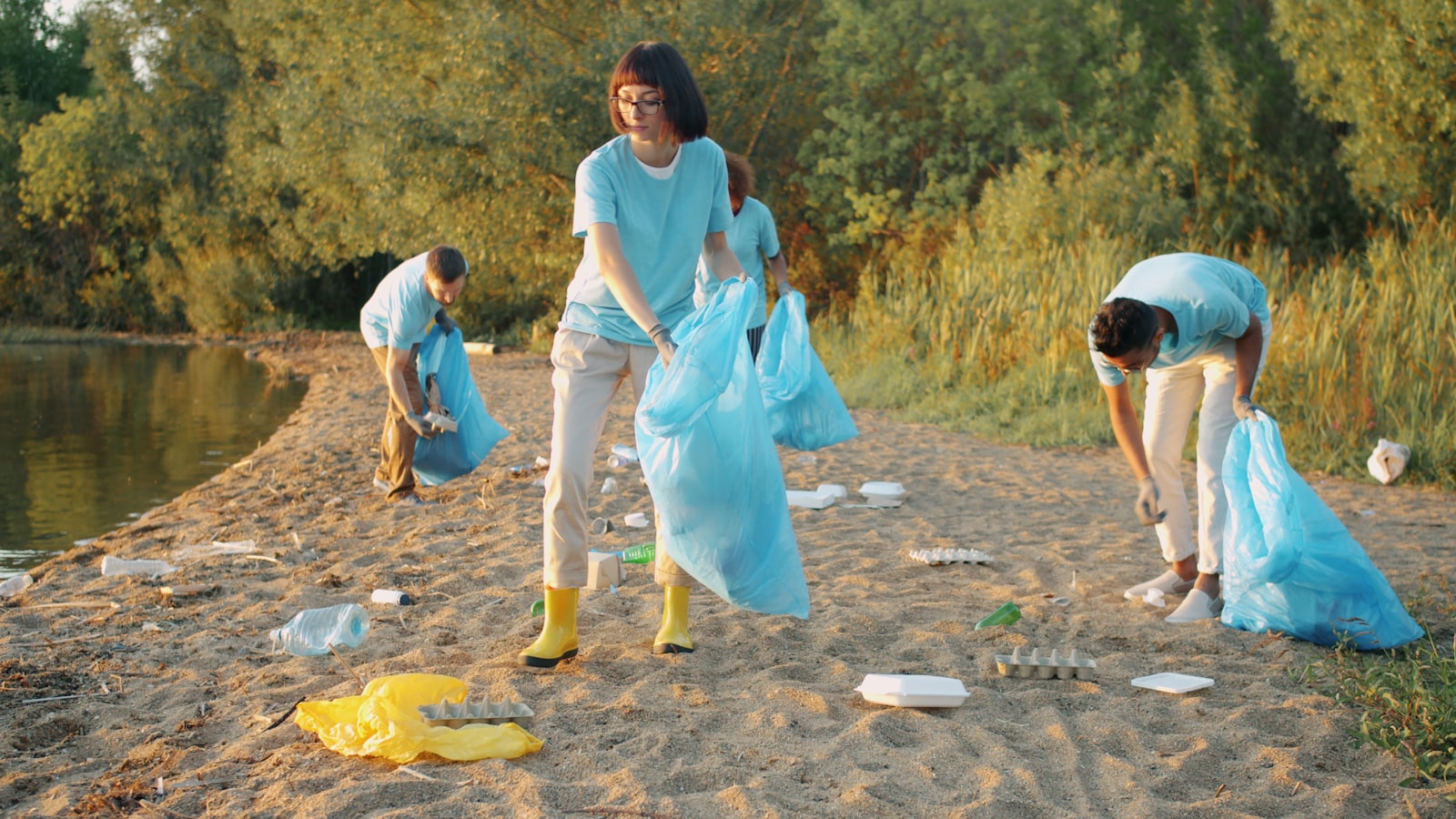
How Families and Educators Can Encourage Youth-Led Service

TALYouth is a youth philanthropy and social-entrepreneurship initiative that helps young people develop leadership and community-impact ideas. This article explores how families and educators can encourage youth-led service without claiming unverified results, partners, dates or capabilities. Readers should check the official platform for current information.

This guide explains how to approach how families and educators can encourage youth-led service, involve people closest to the issue, test a manageable action and measure whether the work is useful. The central principle is to connect purpose, participation and evidence. Teams should be able to explain what will change, who can influence decisions, what support is available and how concerns will be addressed.

Why how families and educators can encourage youth-led service matters

How families and educators can encourage youth-led service matters because activity alone does not prove that a community need has been addressed. A responsible initiative considers immediate experience and longer-term capacity. It treats participants as contributors with knowledge rather than as passive recipients, and it makes room for questions before a process becomes difficult to change.

For young people, educators, parents, mentors and youth programs, clarity reduces avoidable harm. People should know the purpose, limits, decision rights and expected next step. When those details are vague, a project may generate attention without creating ethical young leaders who can test ideas and learn from communities. When they are visible, a small pilot can produce evidence that improves future choices.

Principles for an inclusive and ethical approach

  • Listen before designing. Ask what already works, what creates barriers and what a useful result would look like.
  • Share meaningful influence. Participation should affect priorities, resources, delivery or review.
  • Make access practical. Consider language, disability, time, technology, transport, safety and participation costs.
  • Protect dignity and privacy. Collect only necessary information and obtain informed consent before sharing stories or images.
  • Document commitments. Record decisions, owners and dates so people can see what followed their contribution.

A step-by-step implementation plan

  1. Step 1: Agree on scope, safeguards, resources and a decision process.
  2. Step 2: Run a limited pilot that tests the most uncertain assumption.
  3. Step 3: Review evidence with participants and choose whether to continue, adapt, pause or stop.
  4. Step 4: Define one community need connected to how families and educators can encourage youth-led service in plain language.
  5. Step 5: Identify people with lived experience, practical knowledge, authority and responsibility.

A pilot should have a defined start, finish and learning question. It is not permission to offer a poor experience. Tell participants what is temporary, what can change and where they can raise a concern. Use the review to make a visible decision rather than allowing the pilot to continue indefinitely without evidence.

Implementation checklist

  • ☐ The need, audience and intended outcome are written in plain language.
  • ☐ People affected by the issue have a meaningful role in design and review.
  • ☐ An accountable owner, budget, timeline and decision process are documented.
  • ☐ Accessibility, safeguarding, privacy and consent have been reviewed.
  • ☐ The pilot includes feedback channels and a response plan.
  • ☐ Measures cover reach, experience, equity, quality and longer-term change.
  • ☐ Results and next steps will be shared with participants.

A practical example

Imagine a local team exploring how families and educators can encourage youth-led service. Its first plan is to launch quickly across several communities. During two listening sessions, participants explain that the proposed hours, language and sign-up process would exclude many people. The team chooses one location for an eight-week pilot, appoints two community advisors and gives them authority over access and communication decisions.

The team publishes a one-page plan, identifies a named contact and reviews feedback every two weeks. Participants report clearer information and better access, but they also identify a gap for people who cannot attend in person. The team adds an offline option before expansion. The improvement comes from disciplined listening and visible follow-through, not from a larger budget or an unsupported claim of success.

Common mistakes to avoid

  • Starting with a preferred solution: this narrows the work before the need and existing strengths are understood.
  • Inviting people after major decisions: late consultation rarely transfers meaningful influence.
  • Counting activity as impact: attendance and outputs do not show whether conditions improved.
  • Ignoring participation costs: time, transport, data, childcare and accessibility affect who can contribute.
  • Collecting unnecessary data: excessive forms increase risk without automatically improving decisions.
  • Scaling before learning: expansion multiplies weaknesses and makes correction more expensive.

How to measure progress and impact

Measurement for how families and educators can encourage youth-led service should support decisions rather than simply fill a report. Establish a baseline: what is happening now, for whom and under what conditions? Then choose a small set of indicators that combine reach, quality, equity and outcome. Where it is ethical, review results across relevant groups so an average does not hide unequal access or experience.

  • Track: complaints, unintended effects and corrections completed.
  • Track: who was reached and who was missing.
  • Track: participant experience, trust and accessibility.
  • Track: whether agreed activities were delivered safely and on time.
  • Track: changes connected to the intended outcome.

Combine numbers with short interviews, observation and open feedback. At each review ask: What changed? Who benefited or faced barriers? What decision will we make because of the evidence? Share limitations and negative findings as well as progress. Credible impact communication explains uncertainty instead of hiding it.

Building sustainable follow-through

Sustainability does not always mean keeping the same program forever. For how families and educators can encourage youth-led service, it means preserving the relationships, knowledge, access and accountability that create value. Document the minimum process, train more than one person and identify essential costs. Build partnerships around complementary roles instead of asking every organization to duplicate the same capability.

“How families and educators can encourage youth-led service becomes meaningful when people can see their knowledge in the plan and their priorities in the result.”

Official platform reference

Platform information was verified against the official TALYouth website. Features and participation options can change, so readers should confirm current details directly on the official site.

A final planning question is whether how families and educators can encourage youth-led service still works for people with the least access to time, technology, transport or institutional influence. Testing that question early can reveal assumptions that a general satisfaction score will miss. Teams should record the adjustment, the reason for it and the person responsible for checking the result.

Partnerships are strongest when each party understands its contribution and limits. A short written agreement can cover purpose, decision rights, data handling, safeguarding, communications, costs and exit arrangements. Plain language is usually more useful than a long document that participants cannot interpret.

Turning the idea into action

How families and educators can encourage youth-led service is most useful when treated as a shared practice rather than a slogan. Start with one clear need, one accountable decision and one group whose experience will shape the work. Use a modest pilot to learn, respond visibly to feedback and measure the change that participants consider meaningful.

The next step can be simple: bring the right people together, agree on the outcome and complete the checklist before announcing a solution. When organizations combine humility with disciplined follow-through, participation becomes a source of better decisions, deeper trust and impact that can endure.


Nominate the Changemakers Transforming Communities at the TALHero Awards 2026

Every community has heroes.

Some lead nonprofit organizations serving vulnerable populations. Some are individuals who dedicate their time and talents to solving difficult social challenges. Others are corporate leaders building responsible programs that create lasting benefits for communities.

Their work may not always receive widespread attention, but its impact can transform lives.

The TALHero Awards 2026, organized by Touch-A-Life Foundation, provide a platform to recognize these extraordinary individuals, nonprofit organizations, and corporate leaders across India and the United States.

Nominations are open until August 15, 2026, and the selected honorees will be recognized at the TALHero Awards Ceremony on October 29, 2026, in San Diego.

Recognizing Heroes Among Us

The TALHero Awards celebrate people and organizations that turn compassion into measurable action.

The awards recognize individuals, nonprofits, and corporate social responsibility leaders who go beyond ordinary expectations to improve lives, strengthen communities, and develop sustainable solutions to social challenges.

Nominees may be working in areas such as:

  • Healthcare access
  • Education and youth development
  • Poverty alleviation
  • Women’s empowerment
  • Environmental sustainability
  • Disability inclusion
  • Food security
  • Mental health and well-being
  • Community development
  • Technology for social good
  • Disaster relief
  • Social justice and equality

The size of the organization or initiative is not the only consideration. What matters is the commitment demonstrated, the people reached, the sustainability of the work, and the measurable difference created.

Three Categories of Community Impact

The TALHero Awards 2026 will recognize changemakers across three principal categories.

Nonprofit Excellence

The Nonprofit Excellence category recognizes nonprofit organizations demonstrating exceptional service, innovation, and measurable community impact.

These organizations may be addressing a local challenge, operating across a region, or delivering programs at a national level. Strong nominees will be able to show how their work has improved lives and how their approach can create sustainable benefits.

Three nonprofit honorees will be selected from India and three from the United States.

Change Maker of the Year

The Change Maker of the Year category honors individuals who inspire action and create meaningful change within their communities.

A nominee may be a social entrepreneur, volunteer, educator, healthcare professional, community organizer, youth leader, advocate, researcher, or ordinary citizen doing extraordinary work.

Three individual changemakers will be recognized from India and three from the United States.

CSR Leadership

The CSR Leadership category celebrates companies and business leaders advancing social responsibility through sustainable initiatives.

This category recognizes organizations that integrate community impact into their business values and use their resources, expertise, technology, or workforce to address important social needs.

Three CSR honorees will be selected from India and three from the United States.

Across all three categories, the program will recognize 18 honorees—three per category from each region.

What Makes Someone a TALHero?

A TALHero is not defined only by a title, position, or organizational size.

A TALHero is someone who recognizes a need and chooses to act.

Strong nominees may demonstrate:

  • A sustained commitment to serving communities
  • A creative solution to a social challenge
  • Measurable improvements in people’s lives
  • The ability to inspire volunteers or partners
  • Responsible and transparent leadership
  • Programs with the potential for long-term impact
  • Service that reflects compassion, inclusion, and dignity
  • Work aligned with sustainable development goals

The TALHero selection process is evidence-focused. Nominees are evaluated based on their contribution, sustainability, and value to the communities they serve.

Why Should You Submit a Nomination?

Recognition can strengthen an impact initiative in many ways.

An award can bring greater visibility to an important cause, introduce an organization to potential supporters, motivate volunteers, and encourage other communities to adopt successful ideas.

For an individual changemaker, recognition can validate years of committed service that may otherwise remain unnoticed.

By submitting a nomination, you are not simply recommending someone for an award. You are helping their story reach a wider audience.

That story may inspire:

  • A volunteer to support a community program
  • A donor to contribute to a meaningful cause
  • A business to develop a new CSR partnership
  • A student to begin a social-impact initiative
  • Another organization to replicate a successful solution
  • A community leader to take action on an overlooked challenge

Recognition creates visibility, and visibility can create new opportunities for impact.

How the Nomination Process Works

The TALHero Awards follow a transparent, impact-focused selection process.

First, a nominator submits information about an individual, nonprofit organization, or CSR leader creating meaningful community impact.

A regional judging committee then reviews eligible nominations. Nominees are evaluated according to factors such as contribution, sustainability, measurable outcomes, and community value.

Following the evaluation process, selected honorees are invited to receive recognition at the TALHero Awards Ceremony.

Nominators may submit more than one candidate, but a separate form must be completed for each nominee. There is no fee to submit a nomination or participate in the awards program.

What Information Should You Include?

A strong nomination should clearly explain the nominee’s work and its impact.

Before completing the nomination form, prepare information such as:

  • The nominee’s name and contact details
  • The appropriate award category
  • The primary region of impact
  • A website or professional profile
  • A concise biography or organizational description
  • The social challenge being addressed
  • Examples of programs, services, or initiatives
  • The number or type of beneficiaries reached
  • Evidence of measurable outcomes
  • Partnerships, innovations, or milestones
  • The nominee’s long-term vision

Avoid relying only on broad statements such as “they do excellent work.” Specific examples will help the judging committee understand what the nominee accomplished and why the work is meaningful.

For instance, explain how many people received assistance, what changed as a result of the initiative, how long the program has operated, and whether the solution can continue or expand.

A Celebration Across India and the United States

The TALHero Awards bring together stories of kindness and community leadership from India and the United States.

Although the regions may face different challenges, the people creating solutions are connected by a common purpose: improving the lives of others.

Recognizing changemakers across both countries also creates opportunities for international learning. A successful nonprofit model developed in one region may inspire action in another. A responsible corporate program may demonstrate how businesses can combine growth with social value.

The awards create a platform where these stories can be shared, celebrated, and amplified.

Important Dates

Nominations opened: June 15, 2026
Final date to nominate: August 15, 2026
TALHero Awards Ceremony: October 29, 2026
Ceremony location: San Diego, California

With the nomination deadline approaching, now is the time to identify the individuals and organizations in your network whose contributions deserve recognition.

Nominate a TALHero Today

Think about the people and organizations creating change around you.

Who is helping underserved communities access essential services?

Who is developing innovative solutions to social challenges?

Who continues to serve without seeking attention or recognition?

Who is using business resources to create sustainable community impact?

Their work deserves to be seen. Their journey deserves to be shared. Their example may inspire others to act.

Submit a nomination for the TALHero Awards 2026 before August 15, 2026, and help Touch-A-Life Foundation recognize the heroes transforming communities through service, kindness, and measurable action.

Build the Agentic Enterprise at SOLIXEmpower 2026

Artificial intelligence is rapidly moving beyond experimentation.

Organizations are now exploring how AI agents can automate decisions, assist employees, govern information, transform business processes, and create new enterprise applications. But building an AI-ready organization requires more than selecting a model or launching a chatbot.

Enterprises need trusted data, strong governance, scalable infrastructure, institutional knowledge, and a practical strategy for turning AI investments into measurable outcomes.

These are the conversations at the heart of SOLIXEmpower 2026.

The three-day enterprise AI conference will take place from October 28–30, 2026, at the Qualcomm Institute, UC San Diego. The event is hosted in partnership with UC San Diego’s School of Computing, Information and Data Science and the SPARK AI Consortium at the San Diego Supercomputer Center.

From AI Experiments to the Agentic Enterprise

SOLIXEmpower 2026 focuses on how organizations can create an AI-ready foundation and move toward intelligent, autonomous enterprise operations.

Conference discussions will cover major areas such as:

  • Enterprise AI
  • Enterprise data governance
  • Cloud data management
  • Agentic AI systems
  • Generative AI use cases
  • Application knowledge graphs
  • Enterprise archiving
  • Data preservation
  • Data products and marketplaces
  • AI governance and compliance
  • Content intelligence
  • AI in healthcare and life sciences
  • AI-enabled finance transformation

The program combines keynotes, panel discussions, workshops, demonstrations, product conversations, networking sessions, and opportunities to meet professionals working across data and AI.

Why Enterprise Leaders Should Attend

AI transformation affects nearly every business function.

Chief information officers and technology leaders must determine how AI fits into their enterprise architecture. Data leaders must establish the quality, security, lineage, and governance required to support trusted AI. Compliance teams must address privacy, preservation, and regulatory responsibilities.

Business leaders must identify use cases that produce real value rather than isolated experiments.

SOLIXEmpower allows these perspectives to come together.

Participants can learn how organizations are approaching AI adoption, modernizing legacy data environments, improving information governance, and preparing structured and unstructured data for intelligent applications.

Who Should Attend?

SOLIXEmpower 2026 is relevant to professionals working in:

  • Enterprise data management
  • Artificial intelligence and machine learning
  • Data science and engineering
  • Cloud architecture
  • Information governance
  • Cybersecurity and compliance
  • Enterprise application retirement
  • Records and content management
  • Healthcare and life sciences
  • Finance transformation
  • Digital transformation
  • Academic and applied AI research

The conference is particularly valuable for CIOs, CDOs, CTOs, enterprise architects, AI leaders, data governance professionals, researchers, product leaders, consultants, and technology partners.

Learn Through Practical Workshops and Discussions

The published agenda includes sessions on putting AI into the hands of business users, accelerating AI-enabled data-preservation projects, classifying dark data, automating data access, building application knowledge graphs, governing agentic enterprises, and developing organizational AI skills.

Additional panels explore autonomous decision systems, trusted agentic AI, AI-ready data assessments, AI in healthcare, semantic knowledge systems, AI warehouses, and governance for autonomous agents.

These sessions can help attendees move beyond general AI awareness and begin addressing the operational questions that determine whether enterprise AI succeeds.

Bring Your Experience to the Conversation

SOLIXEmpower has historically brought together speakers and participants from industry, government, academia, research institutions, and the Solix customer community.

Technology leaders, enterprise customers, researchers, and subject-matter experts with practical experience in AI, data governance, cloud data management, application retirement, compliance, or digital transformation can contribute valuable perspectives to the conference.

Potential presentation areas include:

  • Successful enterprise AI implementations
  • Lessons from AI pilots and production deployments
  • Data-governance operating models
  • Responsible and trustworthy AI
  • Industry-specific AI use cases
  • Modernization of legacy applications
  • AI-ready data architectures
  • Knowledge graphs and semantic systems
  • Regulatory and compliance challenges
  • Measuring business value from AI

The public event page currently provides attendee registration but does not display a separate speaker-application form. Professionals interested in speaking, joining a panel, leading a workshop, or presenting a customer case study should contact the SOLIXEmpower conference team regarding available participation opportunities.

Connect with the Enterprise AI Community

One of the most important benefits of an in-person conference is the ability to build relationships across organizational boundaries.

SOLIXEmpower offers opportunities to connect with enterprise technology leaders, academic researchers, data professionals, Solix customers, product specialists, consultants, and AI innovators.

These conversations can lead to new ideas, practical solutions, research collaboration, technology partnerships, and a better understanding of how other organizations are navigating AI transformation.

Event: SOLIXEmpower 2026
Theme: The Agentic Enterprise
Dates: October 28–30, 2026
Venue: Qualcomm Institute, UC San Diego
Format: Three days of keynotes, panels, workshops, demonstrations, and networking

Register early to reserve your place and join the conversation about building trusted, governed, and AI-ready enterprises.

Enterprise AI is moving quickly. SOLIXEmpower 2026 provides an opportunity to understand what comes next—and how your organization can prepare for it.

Reimagine the Future of Healthcare at TALHealthFest 2026

Healthcare is being transformed by artificial intelligence, digital health, preventive care, medical research, global collaboration, and new models for expanding patient access.

However, technology alone cannot solve every healthcare challenge. Meaningful progress also requires doctors, hospitals, researchers, innovators, nonprofits, policymakers, patient advocates, and communities to work together.

That is the purpose of TALHealthFest 2026.

Under the theme “Healthcare Reimagined,” TALHealthFest will take place on October 30, 2026, at the Qualcomm Institute, UC San Diego. The event is designed as a global meeting point where doctors, innovators, and communities can exchange knowledge and develop meaningful healthcare collaborations.

A Global Platform for Healthcare Collaboration

TALHealthFest brings together stakeholders from across the healthcare ecosystem.

Participants include:

  • Doctors and healthcare professionals
  • Hospitals and healthcare providers
  • Medical researchers and academic institutions
  • Healthcare technology companies
  • Startups and innovators
  • Insurance and healthcare payer organizations
  • Patient advocacy groups
  • Medical tourism facilitators
  • Alternative and integrative medicine providers
  • Government representatives
  • Nonprofits and community organizations

By bringing these groups together, TALHealthFest encourages conversations that extend beyond individual specialties and organizational boundaries.

Explore the Technologies Transforming Care

TALHealthFest 2026 will examine some of the most significant developments shaping healthcare.

Featured themes include:

  • Artificial intelligence in drug discovery
  • Quantum computing and advanced healthcare technologies
  • Digital health and telemedicine
  • Generative AI and virtual doctors
  • Mental health and well-being
  • Healthcare access
  • Medical tourism
  • Personalized healthcare
  • Preventive healthcare
  • Connected healthcare

These discussions are intended to help participants understand not only what is technologically possible, but also how innovation can improve patient outcomes, affordability, accessibility, and trust.

Why Healthcare Professionals Should Attend

Doctors and healthcare professionals can use TALHealthFest to learn about emerging technologies, connect with experts from the United States and India, and explore opportunities for research, referrals, clinical collaboration, and knowledge sharing.

Hospitals and healthcare organizations can meet innovators, healthcare payers, medical tourism organizations, nonprofits, and potential institutional partners.

Researchers and startups can introduce their ideas to a multidisciplinary audience and gain a clearer understanding of real-world healthcare needs.

Students and early-career professionals can learn about changing healthcare roles, discover new areas of specialization, and build relationships with experienced professionals.

The event is free for participants, although advance registration is required.

Share Your Healthcare Expertise

TALHealthFest is also inviting qualified professionals and changemakers to apply to speak.

Speaker participation is open to people with healthcare expertise, innovative solutions, research findings, patient-care experiences, or inspiring stories that can improve lives.

Potential speakers may include:

  • Physicians and clinical specialists
  • Hospital executives
  • Medical researchers
  • Healthcare technology innovators
  • Public-health professionals
  • Mental-health experts
  • Wellness and preventive-care leaders
  • Patient advocates
  • Nonprofit professionals
  • Healthcare entrepreneurs
  • Policymakers and community leaders

The strongest proposals will contribute practical knowledge, original perspectives, evidence-informed insights, or solutions that can strengthen the healthcare ecosystem.

What Can You Bring to the Stage?

Prospective speakers may consider presentations addressing questions such as:

  • How can AI improve diagnosis, treatment, or clinical workflows?
  • How can hospitals expand access while controlling costs?
  • What role will virtual care play in the future?
  • How can preventive care reduce the burden of chronic disease?
  • How can healthcare systems collaborate internationally?
  • What can be done to improve mental-health access?
  • How can technology support underserved patients?
  • What healthcare innovation has your organization successfully implemented?

TALHealthFest invites speakers to share expertise, inspire change, shape healthcare, and build valuable connections with a global audience.

Your Participation Can Support a Larger Mission

TALHealthFest is connected to TALHospitals’ wider mission of helping people discover free and affordable healthcare services. According to the event website, participation also supports awareness of a pro bono healthcare network providing consultations and surgeries to underserved patients.

This makes TALHealthFest more than an industry gathering. It is a platform connecting innovation with access and professional expertise with community needs.

Event: TALHealthFest 2026 – San Diego
Date: October 30, 2026
Venue: Qualcomm Institute, UC San Diego
Registration: Free with advance registration

Register to attend and join an international healthcare community.

Apply to speak and help shape the conversations defining the future of care.

A Purpose-Driven Visitor Guide: TALHealthFest 2026 San Diego

TALHealthFest 2026 San Diego is scheduled for October 30, 2026 at Qualcomm Institute, UC San Diego. For people exploring a purpose-driven visitor guide, the event offers a timely opportunity to learn, connect and translate ideas into practical action. Details can change, so attendees should confirm the latest agenda and registration information on the official event website.

Event at a glance

  • Event: TALHealthFest 2026 San Diego
  • Date: October 30, 2026
  • Venue: Qualcomm Institute, UC San Diego
  • Location: 3195 Voigt Drive, La Jolla, California 92093
  • Central theme: healthcare transformation, innovation and access
  • Official information: https://talhealthfest.org/

Why this perspective matters

A Purpose-Driven Visitor Guide is more than a headline. Purpose-driven events are most valuable when participants connect what they hear to the people, systems and decisions they can influence. TALHealthFest 2026 San Diego will bring together audiences interested in healthcare transformation, innovation and access. The strongest outcome is not simply a collection of notes; it is a clearer understanding of what should happen next, who needs to be involved and how progress can be evaluated.

Events can create a rare pause in routine work. Participants hear experiences outside their own organizations, compare approaches and discover language that makes collaboration easier. That is especially important in social-impact and healthcare settings, where no single institution can solve complex problems alone. The goal should be informed action grounded in community needs, not networking for its own sake.

“A meaningful gathering does not end when the stage lights dim; it continues through the decisions people make afterward.”

What participants can focus on

A useful approach is to listen for patterns rather than isolated statements. Which challenges appear across sectors? Where do speakers or participants describe similar barriers using different terminology? What ideas seem practical at community scale? These questions help people separate memorable moments from insights that can improve a program, partnership or service.

  • Listen for needs expressed by communities, not only solutions promoted by organizations.
  • Identify ideas that can be tested on a small scale before wider adoption.
  • Note where collaboration could reduce duplication or fill a service gap.
  • Ask what evidence would demonstrate genuine benefit.
  • Record one immediate action and one longer-term question.

Healthcare innovation through a human lens

Healthcare conversations often move quickly toward technology, data and new delivery models. Those tools matter, but their value depends on whether they improve access, safety, trust and outcomes. Discussions connected with TALHealthFest 2026 San Diego should therefore be considered from several perspectives: the clinician delivering care, the patient navigating a complex system, the researcher evaluating evidence, the hospital managing resources and the community organization reaching people who may otherwise be excluded.

Responsible innovation asks practical questions. Is the solution understandable? Can it work in resource-constrained settings? Does it protect privacy? Are people with different languages, abilities and levels of digital access included? Does the approach complement clinical judgment? Keeping these questions visible helps turn enthusiasm into thoughtful implementation.

A practical pre-event checklist

  • Read the official event page and confirm the date, venue and current program.
  • Choose two learning goals connected to your work or community.
  • Prepare a concise introduction that explains the problem you care about.
  • Write three thoughtful questions that invite specific, useful answers.
  • Plan how you will capture notes without losing active participation.
  • Identify colleagues or community partners who should receive a summary.
  • Reserve time within one week to decide what to test or follow up.

Turning connections into collaboration

Good follow-up begins with relevance. Instead of sending a generic message to everyone you meet, refer to the specific conversation, share the promised resource and suggest a manageable next step. A 20-minute call, an introduction to a subject-matter expert or a small working session is often more productive than an ambitious proposal made too early.

Trust grows when people are clear about capacity and expectations. State what you can contribute, what you need and when you will respond. If a partnership concerns a community, include community representatives in the planning. This prevents organizations from designing around assumptions and keeps the relationship accountable to the people it is intended to serve.

How to measure what happens next

Attendance alone does not describe impact. A simple measurement plan can track learning, relationships and action over time. Within 48 hours, record the most relevant insights and contacts. After 30 days, check whether participants held follow-up conversations, shared knowledge internally or started a small experiment. After 90 days, document what changed, what did not and what support is still required.

  • Learning: ideas understood well enough to explain or apply.
  • Connection: relevant relationships that continued beyond the event.
  • Action: pilots, referrals, volunteer commitments or policy discussions started.
  • Reach: colleagues and community members who received useful learning.
  • Quality: feedback from the people affected by any resulting initiative.

Common mistakes to avoid

One mistake is trying to follow every topic equally. Prioritization produces deeper learning. Another is collecting contacts without a reason to reconnect. A third is sharing event content without checking accuracy, context or permission. Organizations should also avoid announcing partnerships before responsibilities and community benefit are clear.

For historical coverage, date accuracy is essential. TALHealthFest 2026 San Diego is scheduled for October 30, 2026. Articles should not blur that distinction or imply that a past agenda is current. For upcoming coverage, readers should always be directed to the official source for late changes.

A 30-day action plan

  1. Days 1–3: organize notes, verify facts and send specific follow-ups.
  2. Days 4–7: share a short internal briefing focused on decisions, not a transcript.
  3. Week 2: select one realistic experiment or partnership conversation.
  4. Week 3: involve stakeholders who were not at the event, especially community voices.
  5. Week 4: review early evidence, document obstacles and decide whether to continue, adapt or stop.

Frequently asked questions

When and where will TALHealthFest 2026 San Diego take place?

TALHealthFest 2026 San Diego is scheduled for October 30, 2026 at Qualcomm Institute, UC San Diego, 3195 Voigt Drive, La Jolla, California 92093.

Where should readers verify details?

Use the official page at https://talhealthfest.org/. This is particularly important for registration, agenda and speaker updates.

How can organizations use the event constructively?

Set learning goals, involve colleagues and community stakeholders, follow up selectively and measure whether insights lead to better decisions or useful action.

Moving from an event to sustained impact

The enduring value of TALHealthFest 2026 San Diego depends on what people do with the ideas and relationships it creates. Whether readers are preparing for the event or revisiting its themes, the most useful question is simple: what is one responsible action that can begin now? Clear purpose, careful listening and accountable follow-through can turn a gathering into progress that communities recognize and value.

A Practical Guide to Education Equity

Education Equity is most effective when it responds to a real need, respects the people affected, and connects day-to-day activity with a clear long-term purpose. For educators, parents, nonprofits, mentors, and community leaders, the challenge is rarely a lack of good intention. The harder work is turning that intention into an approach that people can understand, join, improve, and sustain.

This guide offers a practical framework for doing that work. It explains how to establish priorities, involve stakeholders, choose realistic actions, measure progress, and communicate results responsibly. The ideas can be adapted for a neighborhood initiative, a school, a nonprofit, an employee group, or a wider coalition. The scale may change, but the underlying principles remain surprisingly consistent.

Why Education Equity Matters

Strong initiatives begin with relevance. When a program is designed around assumptions, it may attract attention without solving the problem people experience. A useful education equity process begins by listening to those closest to the issue, identifying the obstacles they face, and understanding what has already been tried. This prevents duplication and helps teams invest energy where it can make a meaningful difference.

Participation also matters. People are more likely to support an initiative when they can see how decisions were made and where their contribution fits. Clear roles, realistic expectations, accessible communication, and visible follow-through create confidence. Over time, these habits produce more inclusive learning and stronger student confidence, which are more valuable than a short burst of publicity.

A Practical Five-Step Framework

Use the following sequence as a starting point. It is deliberately simple so that a small team can apply it without expensive systems or specialist staff:

  • 1. Identify the learning barrier. Ask what evidence or conversation would show that this step has been completed well, and record the decision in plain language.
  • 2. Design for different abilities. Ask what evidence or conversation would show that this step has been completed well, and record the decision in plain language.
  • 3. Train mentors consistently. Ask what evidence or conversation would show that this step has been completed well, and record the decision in plain language.
  • 4. Involve families early. Ask what evidence or conversation would show that this step has been completed well, and record the decision in plain language.
  • 5. Track progress without labeling students. Ask what evidence or conversation would show that this step has been completed well, and record the decision in plain language.

Design for Meaningful Participation

Inclusion should be built into the design rather than added at the end. Consider who may be excluded by location, timing, language, disability, digital access, cost, or social confidence. Offer more than one route for participation and avoid assuming that the loudest voices represent everyone. Compensation, childcare, transportation, translation, and accessible formats may be necessary costs of meaningful engagement.

Trust grows when teams explain constraints honestly. Not every suggestion can be implemented, but every contribution can be acknowledged. Share what was heard, what will happen next, what cannot be done yet, and why. This simple feedback loop protects relationships and helps participants see that engagement is connected to decisions.

Measure Progress Without Losing the Human Story

Measurement does not need to begin with a complicated dashboard. Start with one output, one outcome, and one learning question. An output records what the team delivered, such as sessions held or volunteers trained. An outcome describes what changed for participants. A learning question explores why the change happened, for whom it worked, and what should be improved.

Combine numbers with human feedback. Counts and percentages show scale, while interviews, short surveys, observations, and participant stories explain experience. Protect privacy, request consent, and collect only information that has a clear use. Review findings at a regular rhythm and make at least one documented improvement after every review.

Lasting impact grows when communities help define the problem, shape the response, and learn from the results.

Common Mistakes to Avoid

  • Starting with a solution before confirming the need
  • Promising a scale or timeline that available resources cannot support
  • Treating communication as promotion instead of a two-way relationship
  • Counting activity without examining whether conditions improved
  • Depending on one enthusiastic person without distributing knowledge and responsibility

A Simple Example in Practice

Imagine a local team applying education equity. Instead of announcing a large campaign immediately, it holds three short listening conversations, reviews available community data, and identifies one achievable priority. The team recruits partners with complementary skills, publishes a ninety-day plan, and invites participants to choose roles that match their availability. At the end of the period, it compares the original baseline with results, asks participants what felt useful, and openly reports both progress and gaps.

The value of this example is not its size. It is the discipline of moving from listening to action, and from action to learning. A modest program that earns trust and improves over time can become a reliable community asset. A large launch without ownership, evidence, or continuity often disappears as soon as attention moves elsewhere.

How to Make the Work Sustainable

Sustainability depends on shared capacity. Document recurring tasks, maintain simple contact and decision records, cross-train people, and build leadership opportunities for participants. Review whether the initiative relies on unpaid labor in ways that are unfair or unrealistic. Where possible, secure flexible funding that supports coordination, technology, accessibility, evaluation, and administration—not only visible activities.

Partnerships should be specific. Rather than asking an organization to “support the cause,” define the contribution needed, the value for the community, the responsibilities of each partner, and the review date. A short written agreement can prevent confusion and make collaboration easier to renew.

Quick-Start Checklist

  • The need has been confirmed with people directly affected
  • The intended outcome is specific and understandable
  • Roles, resources, risks, and decision rights are documented
  • Participation is accessible to people with different circumstances
  • Progress will be measured with both quantitative and qualitative evidence
  • Participants will receive updates about decisions and results
  • The team has identified how knowledge and responsibility will be shared

Final Thoughts

Education Equity can create meaningful progress when it is approached as a relationship and learning practice, not a one-time activity. Begin with the people and the problem, choose a manageable action, make participation clear, and use evidence to improve. Consistent, transparent work may feel slower than a highly visible launch, but it builds the trust and capability that lasting social impact requires.

Take the next step: Choose one action from this guide and complete it within the next seven days. Share the learning with your team, invite feedback from someone affected by the work, and decide the next smallest step together.

Questions to Discuss With Your Team

  • What would meaningful progress in education equity look like six months from now?
  • Whose experience is missing from the current conversation?
  • Which assumption should be tested before more resources are committed?
  • What can be simplified so that more people can participate?
  • How will the team communicate what it learns, including setbacks?

A short discussion around these questions can reveal hidden constraints and help the group distinguish urgent activity from valuable action. Record the answers, assign an owner to each next step, and agree on a date to review progress. This turns reflection into an operating habit rather than an occasional exercise.

A Practical Guide to Corporate Social Responsibility Strategy

Corporate Social Responsibility Strategy is most effective when it responds to a real need, respects the people affected, and connects day-to-day activity with a clear long-term purpose. For CSR leaders, HR teams, executives, and community partners, the challenge is rarely a lack of good intention. The harder work is turning that intention into an approach that people can understand, join, improve, and sustain.

This guide offers a practical framework for doing that work. It explains how to establish priorities, involve stakeholders, choose realistic actions, measure progress, and communicate results responsibly. The ideas can be adapted for a neighborhood initiative, a school, a nonprofit, an employee group, or a wider coalition. The scale may change, but the underlying principles remain surprisingly consistent.

Why Corporate Social Responsibility Strategy Matters

Strong initiatives begin with relevance. When a program is designed around assumptions, it may attract attention without solving the problem people experience. A useful corporate social responsibility strategy process begins by listening to those closest to the issue, identifying the obstacles they face, and understanding what has already been tried. This prevents duplication and helps teams invest energy where it can make a meaningful difference.

Participation also matters. People are more likely to support an initiative when they can see how decisions were made and where their contribution fits. Clear roles, realistic expectations, accessible communication, and visible follow-through create confidence. Over time, these habits produce higher employee participation and better nonprofit partnerships, which are more valuable than a short burst of publicity.

A Practical Five-Step Framework

Use the following sequence as a starting point. It is deliberately simple so that a small team can apply it without expensive systems or specialist staff:

  • 1. Align activity with business capabilities. Ask what evidence or conversation would show that this step has been completed well, and record the decision in plain language.
  • 2. Ask communities what is useful. Ask what evidence or conversation would show that this step has been completed well, and record the decision in plain language.
  • 3. Fund implementation costs. Ask what evidence or conversation would show that this step has been completed well, and record the decision in plain language.
  • 4. Give employees protected time. Ask what evidence or conversation would show that this step has been completed well, and record the decision in plain language.
  • 5. Report outcomes and limitations. Ask what evidence or conversation would show that this step has been completed well, and record the decision in plain language.

Design for Meaningful Participation

Inclusion should be built into the design rather than added at the end. Consider who may be excluded by location, timing, language, disability, digital access, cost, or social confidence. Offer more than one route for participation and avoid assuming that the loudest voices represent everyone. Compensation, childcare, transportation, translation, and accessible formats may be necessary costs of meaningful engagement.

Trust grows when teams explain constraints honestly. Not every suggestion can be implemented, but every contribution can be acknowledged. Share what was heard, what will happen next, what cannot be done yet, and why. This simple feedback loop protects relationships and helps participants see that engagement is connected to decisions.

Measure Progress Without Losing the Human Story

Measurement does not need to begin with a complicated dashboard. Start with one output, one outcome, and one learning question. An output records what the team delivered, such as sessions held or volunteers trained. An outcome describes what changed for participants. A learning question explores why the change happened, for whom it worked, and what should be improved.

Combine numbers with human feedback. Counts and percentages show scale, while interviews, short surveys, observations, and participant stories explain experience. Protect privacy, request consent, and collect only information that has a clear use. Review findings at a regular rhythm and make at least one documented improvement after every review.

Lasting impact grows when communities help define the problem, shape the response, and learn from the results.

Common Mistakes to Avoid

  • Starting with a solution before confirming the need
  • Promising a scale or timeline that available resources cannot support
  • Treating communication as promotion instead of a two-way relationship
  • Counting activity without examining whether conditions improved
  • Depending on one enthusiastic person without distributing knowledge and responsibility

A Simple Example in Practice

Imagine a local team applying corporate social responsibility strategy. Instead of announcing a large campaign immediately, it holds three short listening conversations, reviews available community data, and identifies one achievable priority. The team recruits partners with complementary skills, publishes a ninety-day plan, and invites participants to choose roles that match their availability. At the end of the period, it compares the original baseline with results, asks participants what felt useful, and openly reports both progress and gaps.

The value of this example is not its size. It is the discipline of moving from listening to action, and from action to learning. A modest program that earns trust and improves over time can become a reliable community asset. A large launch without ownership, evidence, or continuity often disappears as soon as attention moves elsewhere.

How to Make the Work Sustainable

Sustainability depends on shared capacity. Document recurring tasks, maintain simple contact and decision records, cross-train people, and build leadership opportunities for participants. Review whether the initiative relies on unpaid labor in ways that are unfair or unrealistic. Where possible, secure flexible funding that supports coordination, technology, accessibility, evaluation, and administration—not only visible activities.

Partnerships should be specific. Rather than asking an organization to “support the cause,” define the contribution needed, the value for the community, the responsibilities of each partner, and the review date. A short written agreement can prevent confusion and make collaboration easier to renew.

Quick-Start Checklist

  • The need has been confirmed with people directly affected
  • The intended outcome is specific and understandable
  • Roles, resources, risks, and decision rights are documented
  • Participation is accessible to people with different circumstances
  • Progress will be measured with both quantitative and qualitative evidence
  • Participants will receive updates about decisions and results
  • The team has identified how knowledge and responsibility will be shared

Final Thoughts

Corporate Social Responsibility Strategy can create meaningful progress when it is approached as a relationship and learning practice, not a one-time activity. Begin with the people and the problem, choose a manageable action, make participation clear, and use evidence to improve. Consistent, transparent work may feel slower than a highly visible launch, but it builds the trust and capability that lasting social impact requires.

Take the next step: Choose one action from this guide and complete it within the next seven days. Share the learning with your team, invite feedback from someone affected by the work, and decide the next smallest step together.

Questions to Discuss With Your Team

  • What would meaningful progress in corporate social responsibility strategy look like six months from now?
  • Whose experience is missing from the current conversation?
  • Which assumption should be tested before more resources are committed?
  • What can be simplified so that more people can participate?
  • How will the team communicate what it learns, including setbacks?

A short discussion around these questions can reveal hidden constraints and help the group distinguish urgent activity from valuable action. Record the answers, assign an owner to each next step, and agree on a date to review progress. This turns reflection into an operating habit rather than an occasional exercise.

A Practical Guide to Nonprofit Strategic Planning

Nonprofit Strategic Planning is most effective when it responds to a real need, respects the people affected, and connects day-to-day activity with a clear long-term purpose. For nonprofit founders, board members, staff, and volunteers, the challenge is rarely a lack of good intention. The harder work is turning that intention into an approach that people can understand, join, improve, and sustain.

This guide offers a practical framework for doing that work. It explains how to establish priorities, involve stakeholders, choose realistic actions, measure progress, and communicate results responsibly. The ideas can be adapted for a neighborhood initiative, a school, a nonprofit, an employee group, or a wider coalition. The scale may change, but the underlying principles remain surprisingly consistent.

Why Nonprofit Strategic Planning Matters

Strong initiatives begin with relevance. When a program is designed around assumptions, it may attract attention without solving the problem people experience. A useful nonprofit strategic planning process begins by listening to those closest to the issue, identifying the obstacles they face, and understanding what has already been tried. This prevents duplication and helps teams invest energy where it can make a meaningful difference.

Participation also matters. People are more likely to support an initiative when they can see how decisions were made and where their contribution fits. Clear roles, realistic expectations, accessible communication, and visible follow-through create confidence. Over time, these habits produce greater public confidence and more sustainable programs, which are more valuable than a short burst of publicity.

A Practical Five-Step Framework

Use the following sequence as a starting point. It is deliberately simple so that a small team can apply it without expensive systems or specialist staff:

  • 1. Clarify the mission boundary. Ask what evidence or conversation would show that this step has been completed well, and record the decision in plain language.
  • 2. Assign decision rights. Ask what evidence or conversation would show that this step has been completed well, and record the decision in plain language.
  • 3. Document essential processes. Ask what evidence or conversation would show that this step has been completed well, and record the decision in plain language.
  • 4. Review evidence quarterly. Ask what evidence or conversation would show that this step has been completed well, and record the decision in plain language.
  • 5. Communicate trade-offs honestly. Ask what evidence or conversation would show that this step has been completed well, and record the decision in plain language.

Design for Meaningful Participation

Inclusion should be built into the design rather than added at the end. Consider who may be excluded by location, timing, language, disability, digital access, cost, or social confidence. Offer more than one route for participation and avoid assuming that the loudest voices represent everyone. Compensation, childcare, transportation, translation, and accessible formats may be necessary costs of meaningful engagement.

Trust grows when teams explain constraints honestly. Not every suggestion can be implemented, but every contribution can be acknowledged. Share what was heard, what will happen next, what cannot be done yet, and why. This simple feedback loop protects relationships and helps participants see that engagement is connected to decisions.

Measure Progress Without Losing the Human Story

Measurement does not need to begin with a complicated dashboard. Start with one output, one outcome, and one learning question. An output records what the team delivered, such as sessions held or volunteers trained. An outcome describes what changed for participants. A learning question explores why the change happened, for whom it worked, and what should be improved.

Combine numbers with human feedback. Counts and percentages show scale, while interviews, short surveys, observations, and participant stories explain experience. Protect privacy, request consent, and collect only information that has a clear use. Review findings at a regular rhythm and make at least one documented improvement after every review.

Lasting impact grows when communities help define the problem, shape the response, and learn from the results.

Common Mistakes to Avoid

  • Starting with a solution before confirming the need
  • Promising a scale or timeline that available resources cannot support
  • Treating communication as promotion instead of a two-way relationship
  • Counting activity without examining whether conditions improved
  • Depending on one enthusiastic person without distributing knowledge and responsibility

A Simple Example in Practice

Imagine a local team applying nonprofit strategic planning. Instead of announcing a large campaign immediately, it holds three short listening conversations, reviews available community data, and identifies one achievable priority. The team recruits partners with complementary skills, publishes a ninety-day plan, and invites participants to choose roles that match their availability. At the end of the period, it compares the original baseline with results, asks participants what felt useful, and openly reports both progress and gaps.

The value of this example is not its size. It is the discipline of moving from listening to action, and from action to learning. A modest program that earns trust and improves over time can become a reliable community asset. A large launch without ownership, evidence, or continuity often disappears as soon as attention moves elsewhere.

How to Make the Work Sustainable

Sustainability depends on shared capacity. Document recurring tasks, maintain simple contact and decision records, cross-train people, and build leadership opportunities for participants. Review whether the initiative relies on unpaid labor in ways that are unfair or unrealistic. Where possible, secure flexible funding that supports coordination, technology, accessibility, evaluation, and administration—not only visible activities.

Partnerships should be specific. Rather than asking an organization to “support the cause,” define the contribution needed, the value for the community, the responsibilities of each partner, and the review date. A short written agreement can prevent confusion and make collaboration easier to renew.

Quick-Start Checklist

  • The need has been confirmed with people directly affected
  • The intended outcome is specific and understandable
  • Roles, resources, risks, and decision rights are documented
  • Participation is accessible to people with different circumstances
  • Progress will be measured with both quantitative and qualitative evidence
  • Participants will receive updates about decisions and results
  • The team has identified how knowledge and responsibility will be shared

Final Thoughts

Nonprofit Strategic Planning can create meaningful progress when it is approached as a relationship and learning practice, not a one-time activity. Begin with the people and the problem, choose a manageable action, make participation clear, and use evidence to improve. Consistent, transparent work may feel slower than a highly visible launch, but it builds the trust and capability that lasting social impact requires.

Take the next step: Choose one action from this guide and complete it within the next seven days. Share the learning with your team, invite feedback from someone affected by the work, and decide the next smallest step together.

Questions to Discuss With Your Team

  • What would meaningful progress in nonprofit strategic planning look like six months from now?
  • Whose experience is missing from the current conversation?
  • Which assumption should be tested before more resources are committed?
  • What can be simplified so that more people can participate?
  • How will the team communicate what it learns, including setbacks?

A short discussion around these questions can reveal hidden constraints and help the group distinguish urgent activity from valuable action. Record the answers, assign an owner to each next step, and agree on a date to review progress. This turns reflection into an operating habit rather than an occasional exercise.

A Practical Guide to Volunteer Recruitment

Volunteer Recruitment is most effective when it responds to a real need, respects the people affected, and connects day-to-day activity with a clear long-term purpose. For volunteers, coordinators, nonprofits, and employee groups, the challenge is rarely a lack of good intention. The harder work is turning that intention into an approach that people can understand, join, improve, and sustain.

This guide offers a practical framework for doing that work. It explains how to establish priorities, involve stakeholders, choose realistic actions, measure progress, and communicate results responsibly. The ideas can be adapted for a neighborhood initiative, a school, a nonprofit, an employee group, or a wider coalition. The scale may change, but the underlying principles remain surprisingly consistent.

Why Volunteer Recruitment Matters

Strong initiatives begin with relevance. When a program is designed around assumptions, it may attract attention without solving the problem people experience. A useful volunteer recruitment process begins by listening to those closest to the issue, identifying the obstacles they face, and understanding what has already been tried. This prevents duplication and helps teams invest energy where it can make a meaningful difference.

Participation also matters. People are more likely to support an initiative when they can see how decisions were made and where their contribution fits. Clear roles, realistic expectations, accessible communication, and visible follow-through create confidence. Over time, these habits produce greater mission capacity and better volunteer experiences, which are more valuable than a short burst of publicity.

A Practical Five-Step Framework

Use the following sequence as a starting point. It is deliberately simple so that a small team can apply it without expensive systems or specialist staff:

  • 1. Write a clear role description. Ask what evidence or conversation would show that this step has been completed well, and record the decision in plain language.
  • 2. Match skills to real needs. Ask what evidence or conversation would show that this step has been completed well, and record the decision in plain language.
  • 3. Provide a useful orientation. Ask what evidence or conversation would show that this step has been completed well, and record the decision in plain language.
  • 4. Check in consistently. Ask what evidence or conversation would show that this step has been completed well, and record the decision in plain language.
  • 5. Recognize contributions meaningfully. Ask what evidence or conversation would show that this step has been completed well, and record the decision in plain language.

Design for Meaningful Participation

Inclusion should be built into the design rather than added at the end. Consider who may be excluded by location, timing, language, disability, digital access, cost, or social confidence. Offer more than one route for participation and avoid assuming that the loudest voices represent everyone. Compensation, childcare, transportation, translation, and accessible formats may be necessary costs of meaningful engagement.

Trust grows when teams explain constraints honestly. Not every suggestion can be implemented, but every contribution can be acknowledged. Share what was heard, what will happen next, what cannot be done yet, and why. This simple feedback loop protects relationships and helps participants see that engagement is connected to decisions.

Measure Progress Without Losing the Human Story

Measurement does not need to begin with a complicated dashboard. Start with one output, one outcome, and one learning question. An output records what the team delivered, such as sessions held or volunteers trained. An outcome describes what changed for participants. A learning question explores why the change happened, for whom it worked, and what should be improved.

Combine numbers with human feedback. Counts and percentages show scale, while interviews, short surveys, observations, and participant stories explain experience. Protect privacy, request consent, and collect only information that has a clear use. Review findings at a regular rhythm and make at least one documented improvement after every review.

Lasting impact grows when communities help define the problem, shape the response, and learn from the results.

Common Mistakes to Avoid

  • Starting with a solution before confirming the need
  • Promising a scale or timeline that available resources cannot support
  • Treating communication as promotion instead of a two-way relationship
  • Counting activity without examining whether conditions improved
  • Depending on one enthusiastic person without distributing knowledge and responsibility

A Simple Example in Practice

Imagine a local team applying volunteer recruitment. Instead of announcing a large campaign immediately, it holds three short listening conversations, reviews available community data, and identifies one achievable priority. The team recruits partners with complementary skills, publishes a ninety-day plan, and invites participants to choose roles that match their availability. At the end of the period, it compares the original baseline with results, asks participants what felt useful, and openly reports both progress and gaps.

The value of this example is not its size. It is the discipline of moving from listening to action, and from action to learning. A modest program that earns trust and improves over time can become a reliable community asset. A large launch without ownership, evidence, or continuity often disappears as soon as attention moves elsewhere.

How to Make the Work Sustainable

Sustainability depends on shared capacity. Document recurring tasks, maintain simple contact and decision records, cross-train people, and build leadership opportunities for participants. Review whether the initiative relies on unpaid labor in ways that are unfair or unrealistic. Where possible, secure flexible funding that supports coordination, technology, accessibility, evaluation, and administration—not only visible activities.

Partnerships should be specific. Rather than asking an organization to “support the cause,” define the contribution needed, the value for the community, the responsibilities of each partner, and the review date. A short written agreement can prevent confusion and make collaboration easier to renew.

Quick-Start Checklist

  • The need has been confirmed with people directly affected
  • The intended outcome is specific and understandable
  • Roles, resources, risks, and decision rights are documented
  • Participation is accessible to people with different circumstances
  • Progress will be measured with both quantitative and qualitative evidence
  • Participants will receive updates about decisions and results
  • The team has identified how knowledge and responsibility will be shared

Final Thoughts

Volunteer Recruitment can create meaningful progress when it is approached as a relationship and learning practice, not a one-time activity. Begin with the people and the problem, choose a manageable action, make participation clear, and use evidence to improve. Consistent, transparent work may feel slower than a highly visible launch, but it builds the trust and capability that lasting social impact requires.

Take the next step: Choose one action from this guide and complete it within the next seven days. Share the learning with your team, invite feedback from someone affected by the work, and decide the next smallest step together.

Questions to Discuss With Your Team

  • What would meaningful progress in volunteer recruitment look like six months from now?
  • Whose experience is missing from the current conversation?
  • Which assumption should be tested before more resources are committed?
  • What can be simplified so that more people can participate?
  • How will the team communicate what it learns, including setbacks?

A short discussion around these questions can reveal hidden constraints and help the group distinguish urgent activity from valuable action. Record the answers, assign an owner to each next step, and agree on a date to review progress. This turns reflection into an operating habit rather than an occasional exercise.

Why Cross-Sector Collaboration Creates Better Outcomes: TALTalks 2026 San Diego

TALTalks 2026 San Diego is scheduled for October 29, 2026 at Qualcomm Institute, UC San Diego. For people exploring why cross-sector collaboration creates better outcomes, the event offers a timely opportunity to learn, connect and translate ideas into practical action. Details can change, so attendees should confirm the latest agenda and registration information on the official event website.

Event at a glance

  • Event: TALTalks 2026 San Diego
  • Date: October 29, 2026
  • Venue: Qualcomm Institute, UC San Diego
  • Location: 3195 Voigt Drive, La Jolla, California
  • Central theme: changemakers sharing stories of social impact
  • Official information: https://taltalks.org/

Why this perspective matters

Why Cross-Sector Collaboration Creates Better Outcomes is more than a headline. Purpose-driven events are most valuable when participants connect what they hear to the people, systems and decisions they can influence. TALTalks 2026 San Diego will bring together audiences interested in changemakers sharing stories of social impact. The strongest outcome is not simply a collection of notes; it is a clearer understanding of what should happen next, who needs to be involved and how progress can be evaluated.

Events can create a rare pause in routine work. Participants hear experiences outside their own organizations, compare approaches and discover language that makes collaboration easier. That is especially important in social-impact and healthcare settings, where no single institution can solve complex problems alone. The goal should be informed action grounded in community needs, not networking for its own sake.

“A meaningful gathering does not end when the stage lights dim; it continues through the decisions people make afterward.”

What participants can focus on

A useful approach is to listen for patterns rather than isolated statements. Which challenges appear across sectors? Where do speakers or participants describe similar barriers using different terminology? What ideas seem practical at community scale? These questions help people separate memorable moments from insights that can improve a program, partnership or service.

  • Listen for needs expressed by communities, not only solutions promoted by organizations.
  • Identify ideas that can be tested on a small scale before wider adoption.
  • Note where collaboration could reduce duplication or fill a service gap.
  • Ask what evidence would demonstrate genuine benefit.
  • Record one immediate action and one longer-term question.

Why stories can move social impact forward

Stories help audiences understand why a cause matters, but responsible storytelling must preserve dignity and context. The best talks connect personal experience with wider systems and give listeners a constructive path forward. They avoid presenting communities as passive recipients and instead recognize local knowledge, resilience and agency.

For changemakers, a compelling story usually contains a clear challenge, a decision, an obstacle, evidence of learning and an invitation to participate. This structure makes an idea memorable without oversimplifying the people involved. It also helps organizations explain their work to volunteers, partners, funders and community members in a consistent way.

A practical pre-event checklist

  • Read the official event page and confirm the date, venue and current program.
  • Choose two learning goals connected to your work or community.
  • Prepare a concise introduction that explains the problem you care about.
  • Write three thoughtful questions that invite specific, useful answers.
  • Plan how you will capture notes without losing active participation.
  • Identify colleagues or community partners who should receive a summary.
  • Reserve time within one week to decide what to test or follow up.

Turning connections into collaboration

Good follow-up begins with relevance. Instead of sending a generic message to everyone you meet, refer to the specific conversation, share the promised resource and suggest a manageable next step. A 20-minute call, an introduction to a subject-matter expert or a small working session is often more productive than an ambitious proposal made too early.

Trust grows when people are clear about capacity and expectations. State what you can contribute, what you need and when you will respond. If a partnership concerns a community, include community representatives in the planning. This prevents organizations from designing around assumptions and keeps the relationship accountable to the people it is intended to serve.

How to measure what happens next

Attendance alone does not describe impact. A simple measurement plan can track learning, relationships and action over time. Within 48 hours, record the most relevant insights and contacts. After 30 days, check whether participants held follow-up conversations, shared knowledge internally or started a small experiment. After 90 days, document what changed, what did not and what support is still required.

  • Learning: ideas understood well enough to explain or apply.
  • Connection: relevant relationships that continued beyond the event.
  • Action: pilots, referrals, volunteer commitments or policy discussions started.
  • Reach: colleagues and community members who received useful learning.
  • Quality: feedback from the people affected by any resulting initiative.

Common mistakes to avoid

One mistake is trying to follow every topic equally. Prioritization produces deeper learning. Another is collecting contacts without a reason to reconnect. A third is sharing event content without checking accuracy, context or permission. Organizations should also avoid announcing partnerships before responsibilities and community benefit are clear.

For historical coverage, date accuracy is essential. TALTalks 2026 San Diego is scheduled for October 29, 2026. Articles should not blur that distinction or imply that a past agenda is current. For upcoming coverage, readers should always be directed to the official source for late changes.

A 30-day action plan

  1. Days 1–3: organize notes, verify facts and send specific follow-ups.
  2. Days 4–7: share a short internal briefing focused on decisions, not a transcript.
  3. Week 2: select one realistic experiment or partnership conversation.
  4. Week 3: involve stakeholders who were not at the event, especially community voices.
  5. Week 4: review early evidence, document obstacles and decide whether to continue, adapt or stop.

Frequently asked questions

When and where will TALTalks 2026 San Diego take place?

TALTalks 2026 San Diego is scheduled for October 29, 2026 at Qualcomm Institute, UC San Diego, 3195 Voigt Drive, La Jolla, California.

Where should readers verify details?

Use the official page at https://taltalks.org/. This is particularly important for registration, agenda and speaker updates.

How can organizations use the event constructively?

Set learning goals, involve colleagues and community stakeholders, follow up selectively and measure whether insights lead to better decisions or useful action.

Moving from an event to sustained impact

The enduring value of TALTalks 2026 San Diego depends on what people do with the ideas and relationships it creates. Whether readers are preparing for the event or revisiting its themes, the most useful question is simple: what is one responsible action that can begin now? Clear purpose, careful listening and accountable follow-through can turn a gathering into progress that communities recognize and value.

For teams attending together

Divide coverage intentionally. One person can focus on community needs, another on partnership opportunities and another on methods or technology. Meet briefly afterward to compare observations. Differences in interpretation can be valuable because they expose assumptions and reveal which ideas need more evidence before action.